Category: Life Style

  • How to Tell When a Dog Is in Pain

    How to Tell When a Dog Is in Pain

    Owners expect a dog in pain to cry, limp or flinch. Most do none of those things, and the ones that do are usually well past the early stage.

    What actually changes is behavior, which is why pain is so often filed under aging, stubbornness or a difficult temperament instead.

    The short version

    • Vocalizing is a late sign. Behavior change comes first.
    • A dog that has slowed down has usually slowed down for a reason.
    • Sudden grumpiness in a friendly dog is a medical question first.
    • A trial of pain relief is a legitimate diagnostic step. Ask about it.

    A dog standing at the bottom of a staircase
    Photo by Yogi Yogesh on Pexels

    What owners see, and what it usually means

    What you noticeWhat it can mean
    Slower on walks, stops soonerJoint or back pain
    Hesitates at stairs or the carPain on jumping or on landing
    Sleeps more, in a new positionDiscomfort in the old position
    Snaps when touched or liftedPain in that area, not aggression
    Off food, or chewing on one sideDental pain
    Licking one spot repeatedlyPain underneath it
    Restless at night, cannot settlePain that is worse lying still
    Less interested in greeting peopleGeneralized discomfort
    None of these is proof on its own. A change from what your dog used to do, persisting for more than a few days, is the signal worth acting on.

    The snapping row causes the most misunderstanding, and dogs lose homes over it — our guide to terrier behavior problems explains why a medical cause has to be excluded first.

    Why dogs hide it

    There is nothing mysterious about this. An animal that advertises weakness is at a disadvantage, and the instinct did not disappear on the sofa.

    Dogs also mask more in front of people, which is why so many are bright and bouncy in the consulting room and stiff at home an hour later.

    Chronic pain hides best of all. It arrives slowly enough that the family adjusts alongside it, and nobody notices the dog stopped using the stairs eight months ago.
    A dog standing on grass, seen from the side
    Photo by Hrushik Perumalla on Pexels

    Acute pain versus chronic pain

    AcuteChronic
    OnsetSudden, often traceableGradual, no clear start
    VocalizingMore likelyUncommon
    Typical pictureLimping, guarding, obvious distressSlowing down, mood change
    How it is spottedQuicklyOften only in hindsight
    Common causesInjury, surgery, dental abscess, pancreatitisArthritis, dental disease, spinal disease, cancer
    UrgencySame dayWeeks matter, but it needs addressing
    The chronic column is where dogs suffer longest, because there is no single day on which anything obviously went wrong.

    In older dogs the chronic column also gets mistaken for cognitive decline — our guide to canine cognitive dysfunction sets out which is which.
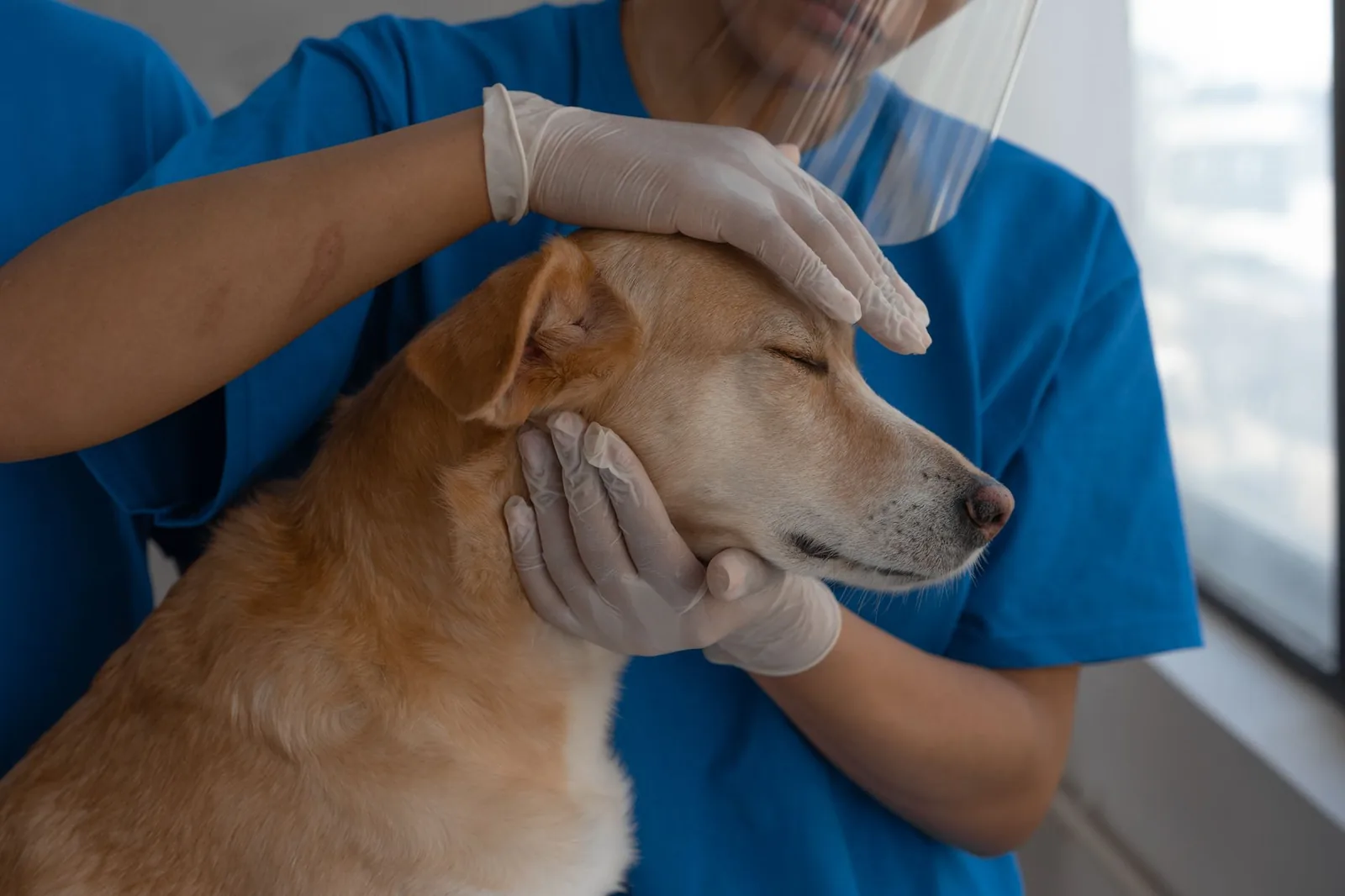
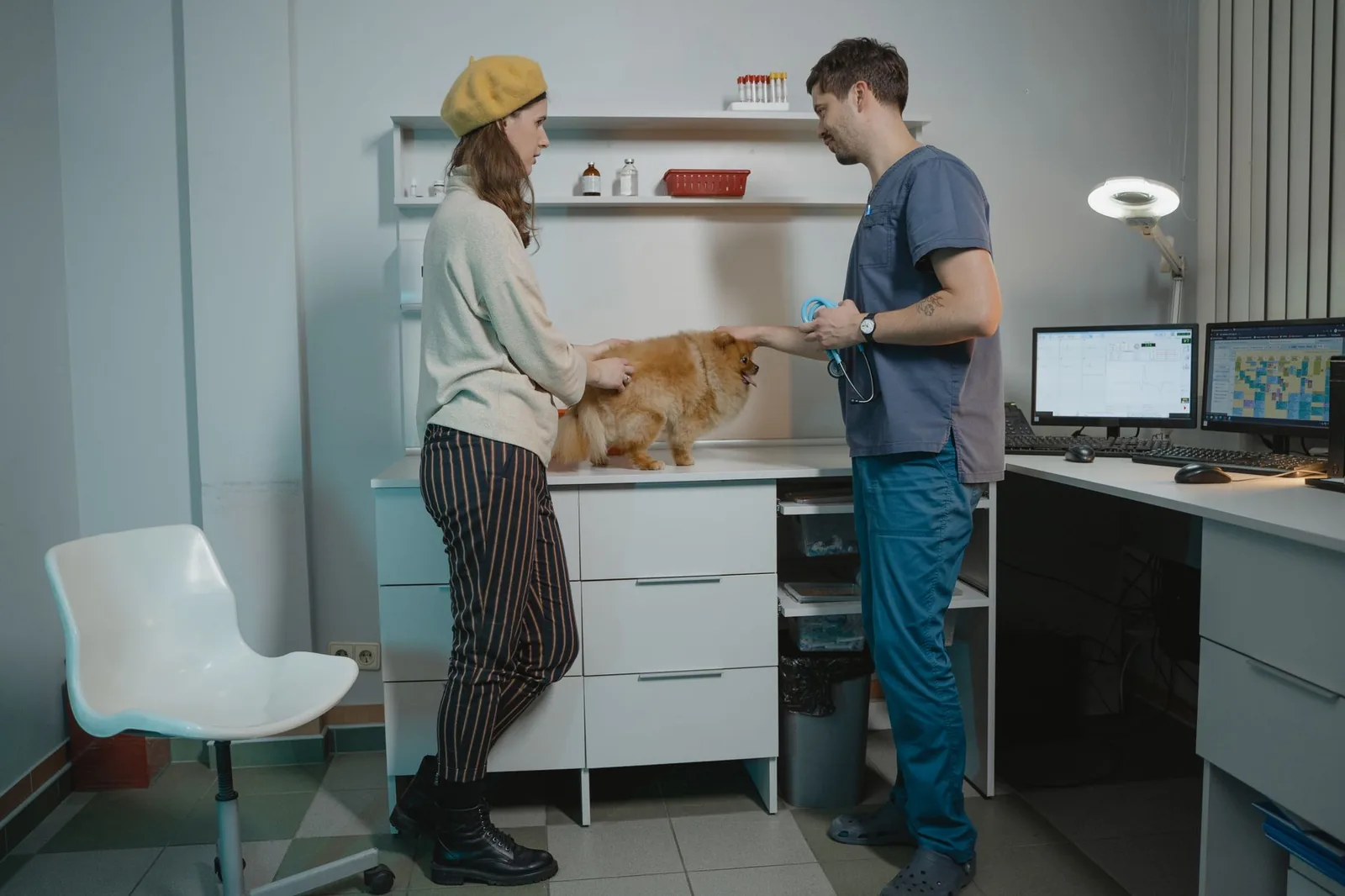
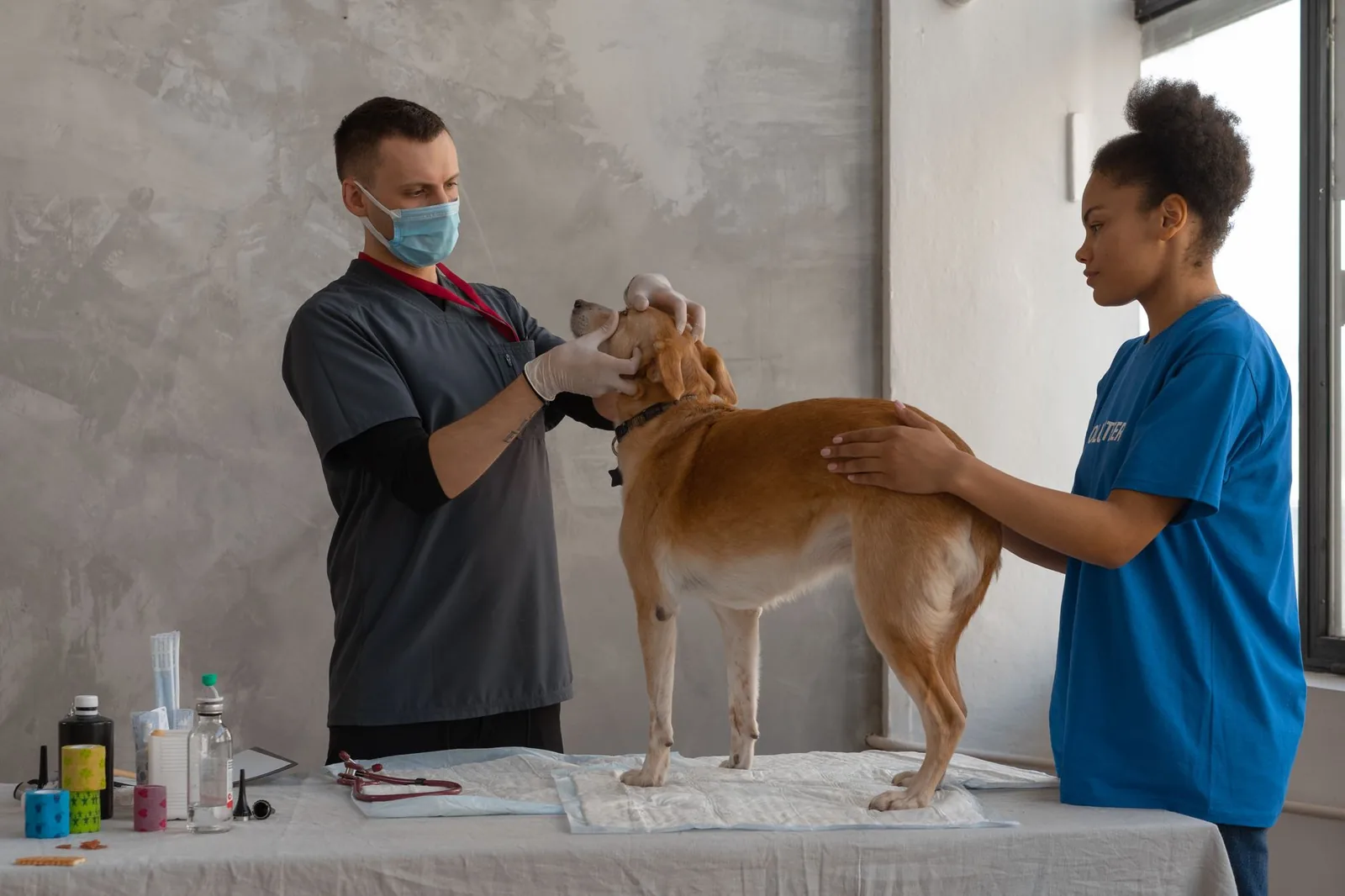
    A veterinarian gently examining a dog
    Photo by Mikhail Nilov on Pexels

    What to bring your vet

    A pain assessment depends heavily on history, because the dog will not demonstrate the problem on the table.

    1. Film the dog at home, getting up from lying down and walking away from the camera. This is the single most useful thing you can bring.
    2. Note what it stopped doing, and roughly when. Jumping on the bed, the last flight of stairs, the long walk.
    3. Record time of day, since most joint pain is worse after rest and after cold.
    4. List everything it takes, including supplements.
    5. Ask about a scoring tool, so change can be tracked in numbers.
    6. Ask about a treatment trial if the picture is unclear. Response to pain relief is itself diagnostic information.

    The International Veterinary Academy of Pain Management publishes resources on recognizing and managing animal pain, including material written for owners rather than clinicians.

    A notebook and pen used for keeping records
    Photo by Angela Roma on Pexels

    What helps at home

    • Traction on hard floors. Runners and rugs on the routes the dog uses most. Slipping hurts and frightens.
    • Ramps or steps for the car and the furniture the dog is used to.
    • A supportive bed away from drafts, and out of the traffic of the house.
    • Keep the weight down. This is the single largest thing an owner controls for joint pain.
    • Shorter, more frequent walks rather than one long one on the weekend.
    • Give medication as prescribed, including on good days. Chronic pain relief works by staying ahead of it.

    Weight is worth taking seriously in this breed, which gains easily — our guide to feeding a Westie covers portions, and how much exercise a Westie actually needs covers keeping a sore dog moving safely.

    A rug runner laid across a wooden floor
    Photo by cottonbro studio on Pexels

    Frequently asked questions

    How can I tell if my dog is in pain?

    Look for behavior change rather than crying: slowing down, hesitating at stairs, sleeping in new positions, reacting to being touched, going off food, or licking one spot. Vocalizing is a late sign.

    Do dogs cry when they are in pain?

    Rarely, and mostly with sudden severe pain. Chronic pain almost never produces vocalizing. A quiet dog is not necessarily a comfortable one.

    My dog has started growling when picked up. Is it pain?

    It is a medical question until proven otherwise, particularly in a dog that never did it before. Sudden reactivity to handling is one of the most reliable indicators of pain there is.

    Can I give my dog human pain medication?

    No. Ibuprofen, naproxen and acetaminophen are toxic to dogs, sometimes fatally, and aspirin complicates the safer options a vet would otherwise use. Call your vet instead.

    What is a pain trial?

    A course of appropriate pain relief given to see whether the dog improves. Where the diagnosis is uncertain, the response itself is useful evidence, and many owners are surprised by how much changes.

    A small dog moving freely outdoors
    Photo by Abhishek Biradar on Pexels

    Why we look for this first

    A significant share of the dogs surrendered to us as grumpy, snappy or withdrawn turn out to be in pain, most often dental or arthritic.

    Treating it changes the dog, and it is the reason we complete a full veterinary workup before we describe any dog’s temperament. The care every rescue Westie receives sets out what that includes, and our guide to arthritis in older dogs covers the commonest finding.
  • Choosing a Groomer for a Westie

    Choosing a Groomer for a Westie

    Most Westie owners will use a professional groomer, and most will choose one on proximity and price. That works until the day someone clips a harsh double coat down to the skin without asking.
    The coat takes a season or more to recover, and in some dogs it never fully does. A few questions beforehand prevent it.

    The short version

    • Ask specifically about terrier coats and hand-stripping, not about grooming generally.
    • Agree what will happen to the coat before the dog goes on the table.
    • A groomer who asks you a lot of questions is a good sign, not a slow one.
    • For seniors, ask about short sessions and whether the dog is left in a crate.
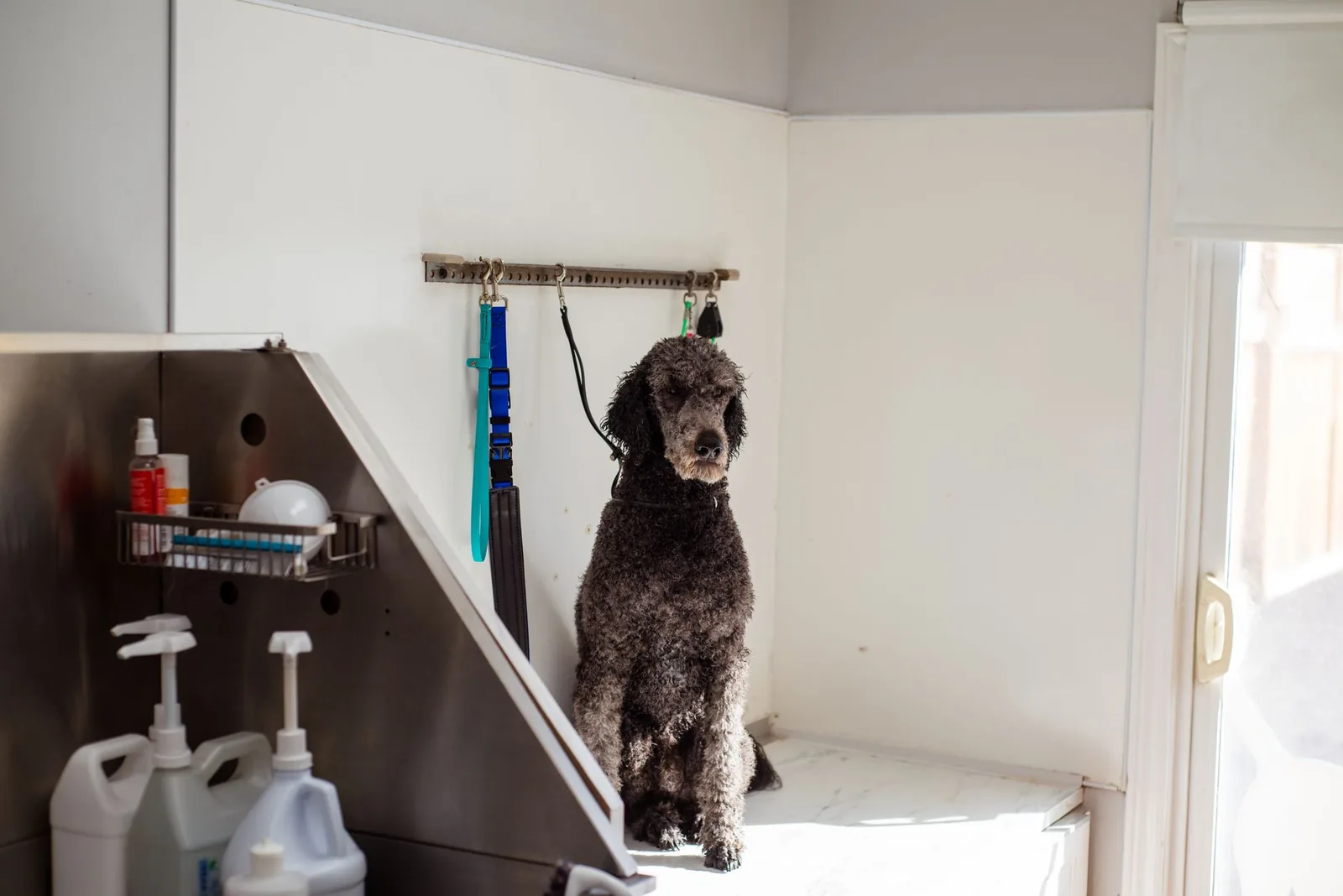
    The interior of a clean, calm grooming salon
    Photo by Goochie Poochie Grooming on Pexels

    Why the breed makes this specific

    A Westie has a harsh outer coat over a soft undercoat, and the two behave differently under a clipper.

    ApproachWhat it doesSuits
    Hand-strippingRemoves dead outer coat at the root, keeps the harsh textureDogs whose coat and skin tolerate it
    ClippingCuts the coat, leaving the soft undercoat dominantSeniors, dogs in pain, dogs with skin disease
    A mixStripped body, clipped underside and sanitary areasMany pet Westies
    Bath and tidy onlyNo coat removalDogs between full grooms
    Neither approach is wrong. Being switched from one to the other without discussion is what causes the problem.
    Which suits your dog is a real decision rather than a preference — our guide to hand-stripping, clipping and what to ask for sets out the trade-offs in full.

    What to ask before booking

    1. How many Westies or terriers do you groom regularly? Experience with the coat type is the whole question.
    2. Do you hand-strip, and is it available for my dog? Many salons do not offer it, which is fine if they say so.
    3. What will you do if the coat is more matted than expected? You want “I will call you”, not a decision made without you.
    4. How long will my dog be with you, and where is it between the bath and the table?
    5. What is your policy on an anxious or elderly dog? Listen for a plan, not reassurance.
    6. May I see the grooming area? A confident answer here tells you a lot.

    That last one matters more than people expect. A salon that will not show you where dogs wait is answering the question anyway — the same instinct that serves you well when judging how anyone handles dogs.

    Hand-stripping tools laid out for terrier grooming
    Photo by Goochie Poochie Grooming on Pexels

    What a good first visit looks like

    Good signWarning sign
    Asks about health, age and medicationTakes the dog without questions
    Confirms the plan for the coat before startingAssumes a clip
    Gives a realistic collection timeVague about how long
    Mentions ears, nails and pads unpromptedBody coat only
    Tells you about anything found on the skinNothing reported
    Calm, quiet premisesConstant barking, dogs stacked in crates
    Happy for you to book a short first sessionInsists on a full groom first time
    A short introductory appointment — nails, a tidy, a bath — tells you a great deal for very little risk to the dog.
    The ears row is worth weight in this breed, which is prone to recurrent infection — our guide to why Westie ear infections keep coming back covers what a groomer may notice first.

    An owner talking with a groomer about a dog
    Photo by Tima Miroshnichenko on Pexels

    Credentials, and what they mean

    Dog grooming is largely unregulated in the United States. Anyone may use the title, and there is no license to check.

    Voluntary certification exists and is a reasonable signal, though plenty of excellent groomers have none and learned through apprenticeship instead.

    The International Professional Groomers organization publishes information on grooming certification and standards, which is useful context for what a credential does and does not mean.

    Treat certification as one input among several. What the groomer says about terrier coats will tell you more.

    A dog’s ear being checked during grooming
    Photo by Ermelinda Maglione on Pexels

    Older dogs and dogs with a history

    A grooming table is a demanding place for an arthritic dog: standing still, on a hard surface, being handled by a stranger.

    Ask for shorter, more frequent sessions rather than a single long one, and say plainly if your dog cannot stand for long or dislikes having its feet held.

    For a rescue dog with an unknown past, the same applies with more caution — our guide to building confidence in a fearful dog covers introducing handling gradually rather than all at once.

    An older small dog being brushed gently
    Photo by Ron Lach on Pexels

    Frequently asked questions

    How often does a Westie need professional grooming?

    Commonly every six to ten weeks, depending on whether the coat is stripped or clipped and how much you do at home. Brushing between visits matters more than the exact interval.

    Should I let a groomer clip my Westie?

    Sometimes yes. Clipping suits seniors, dogs in pain and dogs with skin disease. What matters is that it is a decision you made together, not one taken on the table without asking you.

    How do I find a groomer who can hand-strip?

    Ask directly, and ask how many terriers they strip regularly. It is a slower, more skilled job that many salons do not offer. A groomer who says they do not is being straight with you.

    Is dog grooming regulated in the US?

    Largely not. There is no required license in most states and anyone may advertise as a groomer. Voluntary certification exists, but experience with your dog’s coat type is the more useful signal.

    What should I do if my dog comes home shaved?

    Speak to the groomer calmly and find out what happened; severe matting sometimes leaves no safe alternative. Then agree in writing what happens next time. The coat will regrow, though texture may take a season or more.

    A white terrier with a neat, well-maintained coat
    Photo by Dmytro Glazunov on Pexels

    What we tell adopters

    Book a short introductory appointment before you need a full groom, and take the dog’s history with you. A groomer who knows the dog was neglected will handle it differently.

    Grooming is a recurring cost worth budgeting for from the start — our guide to planning for the cost of a dog includes it, and keeping a Westie white covers what you can do between visits.

  • Car Sickness and Travel Anxiety in Dogs

    Car Sickness and Travel Anxiety in Dogs

    A dog that drools, whines and vomits ten minutes into every journey is usually described as car sick. In an adult dog it is more often anxious.

    The distinction is not academic. Anti-nausea medication does very little for a fear response, and desensitization does very little for genuine motion sickness.

    The short version

    • True motion sickness is mostly a puppy problem. Most adults outgrow it.
    • Anxiety looks similar but starts before the car moves.
    • Forward-facing and secured reduces both.
    • Rebuild tolerance from a stationary car, not from short drives.
    A travel crate secured in the back of a car
    Photo by Impact Dog Crates on Pexels

    Telling the two apart

    The most useful question is when the signs begin. Motion sickness needs motion; anxiety does not.

    SignMotion sicknessTravel anxiety
    When it startsAfter the car is movingAt the sight of the car, or the leash
    On a stationary carNothingSame signs, sometimes worse
    DroolingCommonCommon
    VomitingCommonPossible
    Whining and pacingLess typicalVery typical
    Improves on short tripsYes, oftenNo, sometimes worse
    Better lying downUsuallyRarely settles at all
    The stationary test settles most cases. Sit with the dog in a parked car for five minutes. If the signs appear anyway, the problem is not the motion.

    Reading the earlier signals is what tells you the dog is worried rather than nauseated — our guide to reading canine stress signals covers what to look for before the drooling starts.

    Why rescue dogs so often struggle

    For many dogs in rescue, car journeys have an unhappy history — the car took them away from a home, or to a shelter, or to a veterinary clinic they had no reason to trust.

    A dog with no other car experience has learned that vehicles precede bad outcomes, which is a reasonable conclusion on the evidence available to it.

    That is worth remembering during the first weeks, when almost every journey is to somewhere unfamiliar — what to expect in the first 30 days with a rescue Westie covers the wider settling period.

    An anxious-looking dog inside a vehicle
    Photo by Andreas Schnabl on Pexels

    What helps immediately

    • Secure the dog facing forward, in a crash-tested harness or a fastened crate. Looking sideways out of a window makes motion sickness worse.
    • Lower the rear windows slightly to equalize cabin pressure and move air.
    • Keep the car cool. Heat makes nausea considerably worse.
    • Withhold food for a few hours, but never water.
    • Drive gently. Braking, cornering and stop-start traffic are the worst of it.
    • Take the first trip somewhere good, not to the vet.

    A properly fitted harness is worth the money for restraint as much as for nausea — what to buy before your rescue dog arrives covers the equipment worth having ready.

    A treat being offered to a dog inside a parked car
    Photo by William Sutherland on Pexels

    Rebuilding tolerance

    If the problem is anxiety, the work is the same shape as any other fear protocol: stay below the threshold at which the dog panics, and move slowly.

    1. Feed meals near the parked car, not in it. Several days.
    2. Feed in the stationary car with the doors open and the engine off.
    3. Close the doors, engine still off. Short sessions, ending before the dog is worried.
    4. Start the engine and go nowhere. Sit, feed, switch off.
    5. Drive to the end of the road and back. Two minutes, then home.
    6. Build up only while the dog stays relaxed. One bad journey costs several sessions.

    This is the same principle used for noise and separation work — our guide to building confidence in a fearful dog explains why staying under threshold matters so much.

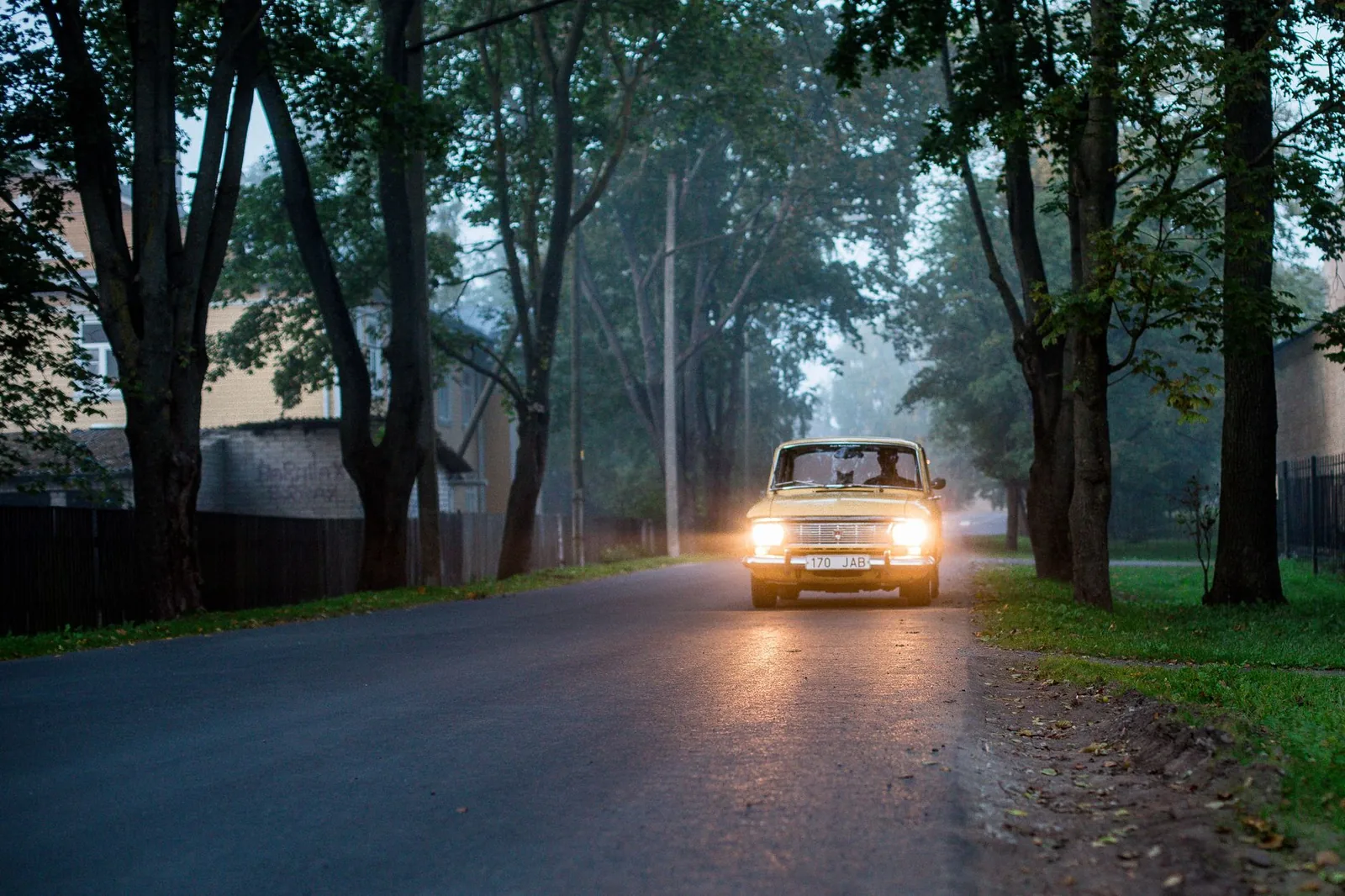
    A car on a quiet road
    Photo by Valeria Boltneva on Pexels

    When to involve your vet

    Medication has a genuine place here, and for severe cases it makes the behavioral work possible rather than replacing it.

    SituationWorth discussing
    True motion sicknessA prescription anti-nausea medication
    Anxiety with panicA situational anti-anxiety medication
    Both togetherThey are frequently combined
    An unavoidable long journey soonA plan for that trip specifically
    Sudden onset in an older dogInvestigate: this can be vestibular or painful
    Over-the-counter remedies and sedatives that do not reduce fear can leave a dog unable to move but still frightened. This is a conversation for your vet.

    The University of Minnesota College of Veterinary Medicine publishes owner-facing veterinary health information, which is a reliable place to read further before that appointment.

    A veterinarian talking with an owner in a clinic
    Photo by Tima Miroshnichenko on Pexels

    Frequently asked questions

    How can I tell motion sickness from anxiety?

    By when it starts. Sit with the dog in a parked car for five minutes. If drooling, whining or panting appear without any movement, the problem is anxiety. Motion sickness needs motion.

    Do dogs grow out of car sickness?

    Puppies often do, because the inner ear structures involved are still developing. An adult dog that has always traveled badly is more likely to be anxious than genuinely motion sick.

    Should I withhold food before a journey?

    A few hours without food helps, and often reduces vomiting. Never withhold water, and never fast a diabetic dog or a small dog prone to low blood sugar without asking your vet first.

    Does an open window help?

    Slightly lowered rear windows help by equalizing pressure and moving air. Letting a dog hang its head out is unsafe and risks eye and ear injuries.

    Is there medication for car sickness in dogs?

    Yes. Prescription anti-nausea medication works well for true motion sickness, and situational anti-anxiety medication is used where fear is the driver. They are often combined. Ask your vet rather than using human remedies.

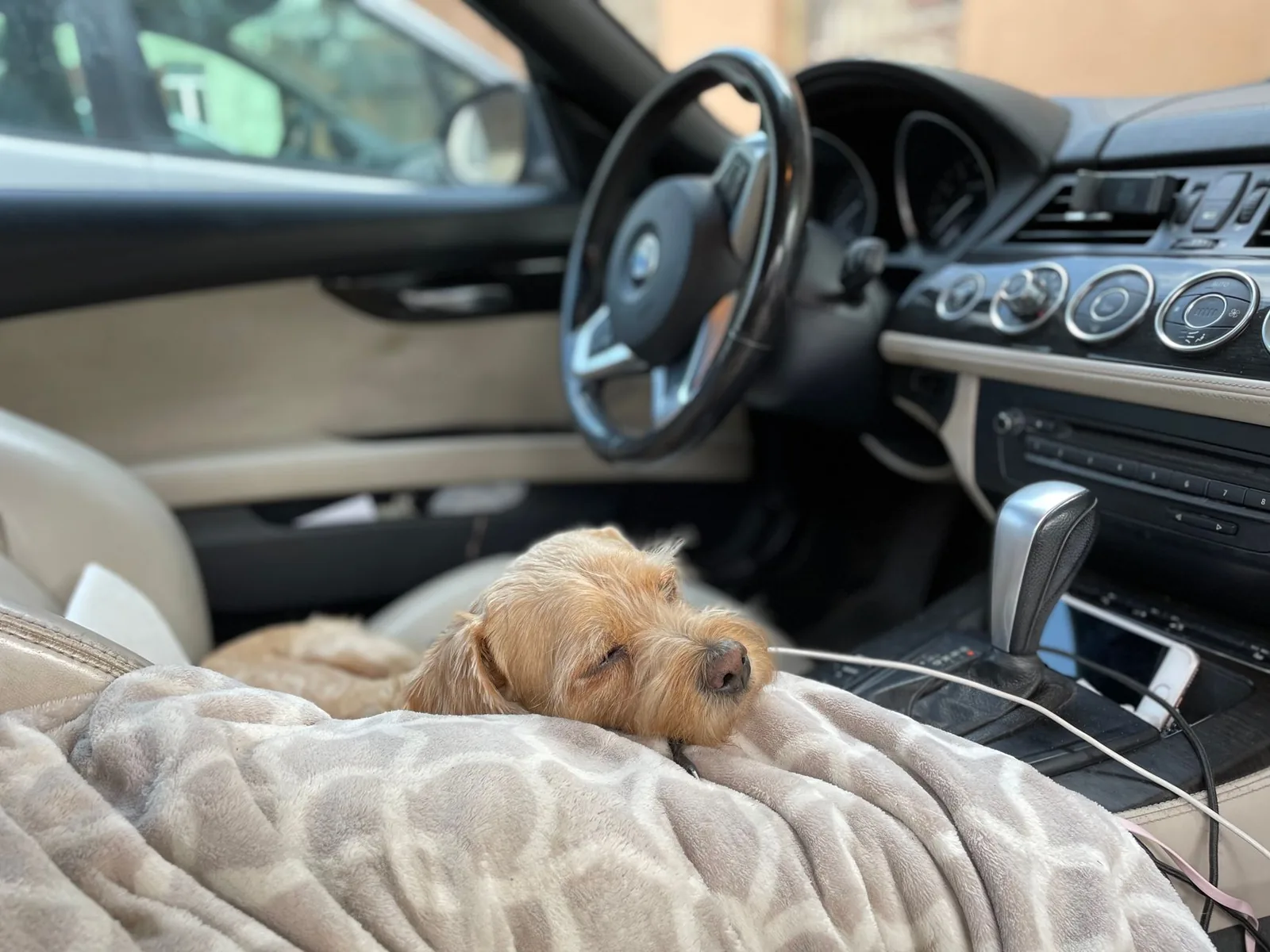
    A calm dog resting on a car seat
    Photo by Tropojan Eagle on Pexels

    The journey that matters most

    For a dog we place, the first car ride is the one to its new home, and we plan it deliberately: an empty stomach, a secured crate, a quiet route.

    If your adopted dog travels badly, tell us. It is common, it improves, and it is worth knowing before a long trip. Our guide to traveling with a Westie covers the logistics once the dog can cope with the car at all.

  • Dog Dementia: Recognizing Cognitive Dysfunction

    Dog Dementia: Recognizing Cognitive Dysfunction

    An old dog standing in a corner facing the wall is the image most people have of canine dementia. By then it is advanced.

    The early signs are quieter and easily dismissed as ordinary aging, which is why it is so often diagnosed late — what changes in a Westie after ten covers where normal aging ends.

    The short version

    • It is common: prevalence rises steeply after eleven.
    • Several treatable conditions look almost identical. Rule those out first.
    • There is no cure, but management works better the earlier it starts.
    • Night-time restlessness is usually the sign that brings people to the vet.
    A dog awake in a darkened room at night
    Photo by Ryutaro Tsukata on Pexels

    What to look for

    Veterinary behaviorists use six categories, which are useful because they give you the language your vet will ask in.

    CategoryWhat it looks like at home
    DisorientationGetting stuck behind furniture, going to the hinge side of a door
    Interaction changesLess greeting, less seeking contact, or new clinginess
    Sleep-wake changesAwake and pacing at night, sleeping heavily through the day
    House soilingAccidents indoors in a dog that was reliable for years
    Activity changesAimless wandering, repetitive circling, staring at nothing
    AnxietyNew fearfulness, distress when left, difficulty settling
    Any one of these in isolation could be something else entirely. Several together, developing gradually in a dog over eleven, is the pattern.

    The house soiling row misleads more owners than any other, because it looks like a training problem — our guide to house training an adult dog covers what to rule out before assuming either.

    What else it might be

    This is the part worth insisting on. Several conditions produce the same picture and most of them are treatable.

    ConditionWhy it looks like dementia
    Pain, usually arthritisRestlessness, irritability, reluctance, disturbed sleep
    Failing sight or hearingBumping into things, not responding, startling easily
    Urinary infectionSudden indoor accidents
    Kidney disease or diabetesIncreased drinking, night waking to urinate
    Thyroid diseaseLethargy, confusion, changed behavior
    High blood pressureDisorientation, sudden vision loss
    Medication side effectsSedation or agitation mistaken for decline
    Every row here is worth excluding before settling on a cognitive diagnosis. Several are straightforward to treat and the dog improves markedly.

    Pain is the commonest of these by a distance — our guide to arthritis in older dogs explains why dogs so rarely show it in ways owners recognize.

    A veterinarian examining an older dog
    Photo by Tima Miroshnichenko on Pexels

    Getting a diagnosis

    There is no single test. Diagnosis is made by excluding other causes and matching the behavioral pattern, which means the history you bring matters enormously.

    1. Keep a two-week diary before the appointment: what, when, how often.
    2. Film the behavior if it happens at night. Your vet will never see it in a consulting room.
    3. Expect bloodwork, urinalysis and blood pressure as a baseline.
    4. Ask specifically about pain, and about a trial of pain relief if there is any doubt.
    5. Review every current medication for sedative or agitating effects.
    6. Ask about a scoring tool, which makes change over time measurable rather than impressionistic.

    The American College of Veterinary Behaviorists lists board-certified specialists who take referral cases, which is the route if the picture stays unclear.

    A living room with a dog bed and clear floor space
    Photo by @ Prestige by Nature on Pexels

    What actually helps

    • Keep the layout unchanged. A dog navigating from memory is badly served by rearranged furniture.
    • Hold the routine steady. Same meals, same walks, same times.
    • Light the route to the door at night, which reduces a great deal of nocturnal distress.
    • Keep mental work going, gently. Scentwork and food puzzles suit dogs whose bodies have slowed before their noses have.
    • Manage toileting proactively, with more frequent trips rather than correction.
    • Discuss diet, supplements and medication with your vet. Several options have reasonable evidence behind them.

    Enrichment is the part owners give up on soonest and should not — how much exercise a Westie actually needs covers low-impact options for dogs who cannot walk far.

    A soft night light in a hallway
    Photo by Ayberk Mirza on Pexels

    Living alongside it

    This is a progressive condition, and the hardest part for most families is the night waking rather than the confusion itself.

    Score quality of life on paper rather than in the moment, weekly. Memory adjusts to gradual decline; a written record does not.

    Many dogs live comfortably for a long time with good management, and the decisions that come later are easier when you have kept notes — our guide to hospice and end-of-life care sets out that framework.

    An older dog on a short slow walk
    Photo by Naomi Salome on Pexels

    Frequently asked questions

    At what age does canine cognitive dysfunction usually start?

    Signs typically appear from about eleven, though earlier onset happens. Prevalence rises steeply with age, and a large share of affected dogs are never formally diagnosed.

    How is it diagnosed?

    By excluding other causes and matching the behavioral pattern. Expect bloodwork, urinalysis and blood pressure at minimum. A diary of what you see at home is the single most useful thing you can bring.

    What conditions get mistaken for dementia?

    Pain from arthritis is the commonest, followed by failing sight or hearing, urinary infection, kidney disease, diabetes, thyroid disease and medication side effects. Most are treatable.

    Why is my old dog awake and pacing at night?

    Disrupted sleep-wake cycles are among the earliest and most common signs. It can also be pain, or needing to urinate more often. Both are worth investigating rather than accepting.

    Is there any treatment?

    There is no cure, but diet, supplements and medication all have a role and work better started early. Environmental consistency and a steady routine make a large practical difference.

    A senior dog asleep on a soft bed
    Photo by Samson Katt on Pexels

    Why this matters to a rescue

    Most of the dogs we take in are seniors, and a meaningful number arrive with cognitive changes that were never investigated.

    Several turn out to be in pain rather than in decline, and improve within weeks. Our long-term care and hospice program exists for the ones where it is genuinely dementia and no home is available.

  • Are Westies Hypoallergenic? An Honest Answer

    Are Westies Hypoallergenic? An Honest Answer

    Westies appear on plenty of “hypoallergenic breeds” lists. They do not belong there, and neither does any other dog.

    That is not the end of the conversation, though. Plenty of allergic households live successfully with dogs, and it is worth knowing what actually determines whether yours will.

    The short version

    • No breed is hypoallergenic. The claim has no basis in the evidence.
    • The allergen is mostly in saliva and skin, not hair, so shedding matters less than people assume.
    • Individual dogs vary far more than breeds do.
    • Test the specific dog in your home before committing, not the breed in theory.
    A vacuum cleaner being used on a carpet
    Photo by Pixabay on Pexels

    What people are actually allergic to

    The common assumption is hair. It is not, which is why low-shedding breeds so often disappoint.

    SourceWhat it isWhy it matters
    Can f 1A protein in saliva and skinThe main allergen for most people
    DanderMicroscopic flakes of shed skinAirborne, sticky, and settles everywhere
    SalivaDeposited by licking and groomingDries on the coat and becomes airborne
    Urine proteinsPresent but less commonly the triggerRelevant with accidents indoors
    Hair itselfNot an allergenIt carries dander, which is the actual problem
    What the dog brings inPollen, mold spores, dustOften the real trigger in seasonal cases
    Because the protein comes from skin and saliva rather than hair, a dog that sheds very little still produces it.

    That last row is worth taking seriously. Some people who believe they react to the dog are reacting to what its coat carries indoors from outside.

    Why the hypoallergenic claim persists

    Studies comparing allergen levels in homes with so-called hypoallergenic breeds against homes with other breeds have not found the difference the marketing promises.

    Individual variation is large, and it runs across breeds rather than between them. Two Westies in the same litter can produce noticeably different amounts.

    The American Academy of Allergy, Asthma and Immunology publishes patient-facing information on pet allergy and what reduces exposure, which is a better starting point than any breed list.

    An air purifier running in a living room
    Photo by Tim Witzdam on Pexels

    What actually reduces exposure

    Measures vary a great deal in how much they help. It is worth spending effort on the ones that work.

    MeasureHow much it helps
    Keeping the dog out of the bedroomLarge. You spend a third of your life there
    HEPA filtration in main roomsMeaningful, and cumulative over weeks
    Hard floors instead of carpetLarge. Carpet is a reservoir
    Washing dog bedding weekly at high temperatureMeaningful
    Washing hands after handling the dogSmall but easy
    Bathing the dog frequentlyModest, and short-lived — days at most
    Choosing a “hypoallergenic” breedNot supported by evidence
    The bedroom rule is the single highest-value change, and the one people are most reluctant to make.

    Frequent bathing has a cost as well as a benefit in this breed — our guide to why Westies itch explains why over-washing can make skin worse.

    A dog bed placed in a hallway outside a bedroom
    Photo by Andrew Neel on Pexels

    Testing before you commit

    The only reliable test is the specific dog, in your home, over a realistic stretch of time.

    1. See an allergist first and find out what you actually react to. People often assume dog and turn out to be dust mite.
    2. Spend extended time with the individual dog, not the breed. An hour is not enough; a day tells you more.
    3. Ask about a trial or a foster-to-adopt arrangement. Some rescues can accommodate this.
    4. Make the changes before the dog arrives, not after. Filtration and flooring take time.
    5. Give it several weeks. Allergen levels build and then stabilize, so week one is not representative.

    A foster arrangement is often the honest way to find out — what fostering actually involves sets out how it works.

    A doctor talking with a patient in a consulting room
    Photo by cottonbro studio on Pexels

    When the answer is no

    Sometimes it does not work, and recognizing that early is far kinder than discovering it after a dog has settled in.

    Severe asthma triggered by dogs is a genuine reason not to adopt, and no rescue will think less of you for concluding that. A dog returned after three months because of a household allergy has lost a home it had already started to trust.

    what happens when an adoption is not working covers that conversation, and the volunteer roles beyond fostering include several that involve no dog in your home at all.

    Bedding being loaded into a washing machine
    Photo by Tima Miroshnichenko on Pexels

    Frequently asked questions

    Are West Highland White Terriers hypoallergenic?

    No. No breed is. Westies produce the same skin and saliva proteins as any dog. They shed relatively little, which helps with housekeeping, but shedding is not what causes the allergic reaction.

    Does a low-shedding coat mean fewer allergens?

    Not reliably. The allergen comes from skin and saliva rather than hair. Studies comparing homes with so-called hypoallergenic breeds have not found consistently lower allergen levels.

    What is the single most effective thing I can do?

    Keep the dog out of the bedroom. You spend roughly a third of your time there and bedding is a major reservoir. Hard flooring and HEPA filtration come next.

    Does bathing the dog help?

    A little, and briefly. Allergen levels fall after a bath and return within days. In a Westie, frequent bathing also risks aggravating the skin, so it is a poor primary strategy.

    Can I find out if I will react before adopting?

    Partly. See an allergist to confirm what triggers you, then spend extended time with the individual dog rather than the breed. Ask the rescue whether a foster-to-adopt trial is possible.

    A white dog resting on a hard floor at home
    Photo by Helena Lopes on Pexels

    Why we are direct about this

    Allergy is a recurring reason dogs come back to us, usually a few months in, and it is almost always foreseeable.

    If you are unsure, tell us at the application stage rather than after. what makes an adoption application strong explains why disclosure helps rather than harms, and our guide to adopting a Westie in New England sets out the wider process.

  • Summer Heat Safety for Dogs

    Summer Heat Safety for Dogs

    Cold weather gives you warning. A dog shivers, lifts its paws, turns for home. Heat gives almost none, and by the time a dog looks distressed the damage is often already underway.

    Two mistakes account for most summer emergencies: judging the ground by the air temperature, and believing a parked car is survivable.

    The short version

    • Press the back of your hand to the asphalt for seven seconds. If you cannot hold it there, neither can your dog.
    • A parked car is never safe, at any temperature, with any window open.
    • Heatstroke can begin below 80°F in humid air with no shade.
    • Cool first, then travel. Cooling on the way to the vet matters more than speed.
    A hand pressed against sunlit asphalt to test its temperature
    Photo by Lucas Pezeta on Pexels

    Why small white dogs are not automatically safer

    A pale coat reflects some sun, which helps. Almost everything else about a Westie works against it in heat.

    FeatureEffect in heat
    Harsh double coatInsulates in both directions, but traps heat once the dog is already hot
    Short legsBody sits close to radiating asphalt
    Compact bodyLess surface area relative to mass for shedding heat
    Terrier driveWill keep working long past the point of sensible
    Thin belly coatThe one genuine advantage — a cool wet surface there helps
    Any breathing difficultyPanting is the only cooling system a dog has
    Panting is it. Dogs sweat only a little through the paw pads, so anything that impairs breathing removes almost all of their cooling capacity.

    Clipping a double coat off for summer is usually counterproductive — our guide to hand-stripping and clipping explains why the coat is insulation rather than a jumper.

    The seven-second test

    Asphalt in direct sun runs far hotter than the air. On an 86°F day it can reach 135°F, hot enough to blister paw pads within a minute.

    1. Press the back of your hand flat to the surface the dog will walk on.
    2. Hold it for seven seconds. Count them properly.
    3. If you pull away, the walk waits. There is no version of this where the dog is fine and you are not.
    4. Check the route, not the doorstep. Shaded grass at home says nothing about the open stretch halfway round.
    5. Remember that dark surfaces hold heat long after the sun has moved off.

    Burned pads are painful, slow to heal and easy to miss until the dog starts limping — our guide to nail and paw care covers what healthy pads should look like.

    A dog drinking from a water bowl outdoors
    Photo by JacLou- DL on Pexels

    Recognizing heatstroke

    Heatstroke is an emergency with a narrow window, and the early signs are worth more than the late ones.

    StageWhat you seeWhat to do
    EarlyHeavy panting, seeking shade, slowing downStop. Shade, water, cool the dog
    ConcerningBright red gums, thick drool, unsteadinessActive cooling, call the vet now
    SeriousVomiting, diarrhea, confusion, collapseCool while traveling to emergency care
    CriticalSeizure, unresponsiveness, pale or blue gumsEmergency care immediately
    Cool the dog before and during the journey. Arriving quickly with an uncooled dog is worse than arriving a little later with a cooling one.

    Cool with cool rather than ice-cold water over the belly, armpits and groin, and keep air moving. Ice water can constrict surface vessels and slow heat loss.

    The AVMA publishes owner-facing guidance on warm weather pet safety, which covers the emergency steps in more detail.

    A person walking a small dog early in the morning
    Photo by Cara Denison on Pexels

    Cars, and why the answer is never

    A car interior can rise 20°F in ten minutes and 40°F in an hour. Cracking the windows changes that by a couple of degrees at most.

    On a pleasant 70°F day a parked car reaches around 100°F within twenty minutes. That is the case that catches out people who would never leave a dog in obvious heat.

    If the errand cannot include the dog, the dog stays home. our guide to traveling with a Westie covers planning journeys around that constraint.

    Practical changes that work

    • Move walks to dawn and late evening. Not mid-morning, which is already too warm on the ground.
    • Carry water on every outing, and offer it before the dog asks.
    • Wet the belly, not the back. The thin coat underneath is where cooling actually happens.
    • Provide deep shade in the yard, which moves through the day. A kennel or doghouse in sun is worse than no shelter.
    • Watch senior and medicated dogs closely. They tolerate heat far less well than a healthy adult.

    That last point matters for a rescue’s intake, which skews old — our guide to caring for a Westie after ten covers what else changes with age.

    A damp towel being used to cool a dog
    Photo by Bethany Ferr on Pexels

    Water, and the risks around it

    Swimming is excellent low-impact exercise, with two hazards worth knowing.

    Water intoxication happens when a dog swallows large volumes while retrieving. Take breaks, and stop games involving repeated open-mouthed dives.

    Blue-green algae blooms in warm still water and can be fatal within hours. If a pond looks like spilled paint, keep the dog away from the shoreline too.

    A shaded corner of a garden under trees
    Photo by 木 灬 on Pexels

    Frequently asked questions

    At what temperature is it too hot to walk a dog?

    There is no single number, because humidity, shade and ground surface matter as much as air temperature. Use the seven-second ground test instead. Above roughly 80°F with sun and humidity, walk at dawn or after dusk.

    Should I shave my Westie in summer?

    Generally no. The double coat insulates against heat as well as cold and protects skin from sunburn. Clipping it out can leave the dog hotter and more exposed. Keep it clean and well brushed instead.

    What are the first signs of heatstroke in a dog?

    Heavy relentless panting, bright red gums, thick ropey drool, seeking shade and slowing or stopping. Confusion, vomiting and collapse are later signs. Act at the first stage, not the third.

    Is it safe to leave a dog in a car with the windows cracked?

    No. Cracked windows lower the interior temperature by only a degree or two. A car on a mild 70°F day reaches about 100°F within twenty minutes.

    How should I cool an overheated dog?

    Move to shade, wet the belly, armpits and groin with cool rather than ice-cold water, and keep air moving over the dog. Contact a vet, and keep cooling on the way there.

    A dog lying on a cool floor indoors
    Photo by K on Pexels

    What we see each summer

    Heat cases arrive suddenly and are almost entirely preventable. The dogs most affected are the old ones and the ones with heart or airway problems — which is a large share of any rescue’s population.

    If you are thinking about a summer adoption, factor the season into the first weeks. what to expect in the first 30 days with a rescue Westie covers settling in, and our dog first aid guide covers what to do before you reach the vet.

  • Understanding Aggression in Dogs

    Understanding Aggression in Dogs

    Aggression is a category rather than a diagnosis. It describes behaviors — growling, snapping, biting — arising from completely different causes.

    This explains what the word covers and what to do first. It gives no training protocol, because these cases need individual assessment and generic advice gets people bitten.

    The short version

    • Most aggression is fear. Very little of it is confidence or dominance.
    • Rule out pain first. Sudden aggression in an adult dog is medical until proven otherwise.
    • Never punish a growl. It is a warning you want the dog to keep giving.
    • Anything involving a bite, or children, needs a qualified professional now.
    A dog turning its head away and holding still
    Photo by Viridiana Rivera on Pexels

    What is usually driving it

    TypeWhat it looks likeUsually driven by
    Fear-basedRetreating first, then snapping when corneredWanting distance
    Pain-relatedNew irritability, reacting to touch in one areaDiscomfort
    Resource guardingStiffening over food, chews, beds or a personAnticipated loss
    TerritorialAt doors, windows, fence linesAlarm and barrier frustration
    RedirectedAroused by one thing, bites what is nearestOverwhelm
    PredatorySilent, fixed, no warning displayA different system entirely
    FrustrationExplosive on lead, fine off itBeing prevented
    Note how few of these involve a dog wanting to be in charge. The dominance framework explains almost none of what is actually happening.

    The predatory row is the one that behaves differently from all the others, and in a terrier it matters — our guide to Westies and cats covers why silent fixation is more concerning than barking.

    Rule out pain first

    This is the step most often skipped, and a meaningful share of behavior referrals turn out to have a medical component. Aggression that is new, that has changed character, or that follows being touched in one place warrants a veterinary examination before any training plan.

    Dental disease, arthritis, ear infections and failing eyesight all produce irritability that looks like temperament — our guide to arthritis and our guide to dental disease both cover behavior change as a presenting sign.

    A veterinarian carefully examining a dog
    Photo by Mikhail Nilov on Pexels

    Why growling must not be punished

    If there is one thing worth taking from this page, it is this.

    A growl is a dog saying it is uncomfortable before doing anything about it, and it gives you time to change the situation.

    Punish it and the growl stops; the discomfort does not. You have removed the step between tension and contact.

    The dogs described as biting without warning are very often dogs that were corrected for warning. The full escalation ladder is in our guide to reading canine stress signals.

    What helps, in general terms

    ApproachWhy it works
    Management firstEvery rehearsal strengthens the behavior; prevention buys time
    Identifying the trigger preciselyVague descriptions produce vague plans
    Working under thresholdA dog over threshold cannot learn
    Changing the associationThe trigger predicts something good rather than a correction
    Removing the need to guardTrading and adding rather than taking away
    Medication where appropriateA panicking dog cannot learn; this makes work possible
    Muzzle training, done positivelySafety that reduces everyone’s tension
    Muzzle training is worth doing well before you need it. A muzzle introduced calmly is a safety tool; one applied in a crisis is another trigger.

    None of that is a protocol to run from an article. It is what a competent professional will be doing, described so you can recognize it.

    A gate separating two rooms in a home
    Photo by cottonbro studio on Pexels

    What to avoid

    • Anything framed as dominance or being the pack leader. The model is outdated and the methods built on it raise bite risk.
    • Physical corrections, alpha rolls, scruffing. These escalate defensive aggression.
    • Prong, shock or spray collars. Suppression without changing the underlying emotion.
    • Confronting a guarding dog to prove a point.
    • Flooding — exposure until the dog gives up, which is shutdown rather than progress.
    • Board-and-train for aggression, where you cannot see the methods used.

    The last one matters. A dog that returns apparently fixed after two weeks away, with no explanation of how, has usually been suppressed rather than helped.

    When to get help immediately

    Some situations should not wait for a training plan to be researched.

    • Any bite that broke skin, whatever the circumstances.
    • Any aggression directed at a child, including growling.
    • Escalating behavior — more frequent, less warning, or over more things.
    • Aggression that appeared suddenly in a previously settled dog.
    • Anyone in the household frightened of the dog.
    • Aggression toward a resident animal that is not resolving with management.

    Look for a veterinary behaviorist or qualified behavior consultant using positive reinforcement. Aggressive Dog maintains education and a directory of professionals specializing in aggression cases, which is a reasonable starting point for finding one.

    A trainer observing a dog outdoors
    Photo by Willians Huerta on Pexels

    On breeds

    No breed is inherently aggressive, and terriers are not an exception in either direction.

    For Westies specifically, the relevant traits are dislike of being grabbed or startled, and a tendency not to back down. That is why the children guidance in our honest guide to whether Westies suit your household is as firm as it is.

    A dog wearing a basket muzzle on a walk
    Photo by Doğan Alpaslan Demir on Pexels

    Frequently asked questions

    Why is my dog suddenly aggressive?

    Sudden aggression in a previously settled adult dog is medical until proven otherwise. Dental disease, arthritis, ear infections and failing vision all produce irritability. See a vet before a trainer.

    Should I punish my dog for growling?

    No, and this matters more than almost anything else on the subject. A growl is a warning you want the dog to keep giving. Punishing it removes the warning while leaving the feeling, which makes a bite without warning more likely.

    Is my dog trying to dominate me?

    Almost certainly not. The dominance framework explains very little of what is actually happening, and the methods built on it raise bite risk. Most aggression is fear, pain or anticipated loss of something.

    Can aggression in dogs be fixed?

    It can very often be managed well, and many dogs improve substantially. Whether it can be resolved depends entirely on the cause, the individual dog and the household, which is why it needs individual assessment rather than generic advice.

    Are some breeds naturally aggressive?

    No. Breeds carry tendencies — arousal threshold, guarding instinct, prey drive — that shape what a dog reacts to. They do not determine whether a dog is aggressive, and individual variation within any breed is far larger.

    A dog resting undisturbed in its own bed
    Photo by Viktoria B. on Pexels

    If you are living with this

    Households managing an aggression problem are often isolated by it.

    If you cannot manage it safely, that is an honest assessment rather than a failure of commitment, and making it early is better for everyone.

    Our guide to what happens when an adoption is not working covers that conversation, and the surrender and rehoming page is where to reach us. Tell us the whole picture — a dog placed on an incomplete account is a dog that comes back.

  • Dog-Proofing Your Yard: A Practical Checklist

    Dog-Proofing Your Yard: A Practical Checklist

    A yard is the part of a home most owners assume is already safe, and the part a terrier investigates most thoroughly.

    A dog that digs reaches things a dog that does not will never find, which makes several of these risks materially higher for this breed.

    The short version

    • Secure the bottom foot of the fence, not the top. Terriers go under.
    • Rodent bait is the single most dangerous thing likely to be in or near a yard.
    • Give the dog somewhere legal to dig rather than trying to stop the behavior.
    • Check the fence line seasonally — ground shifts and gaps open.
    A fence line viewed at ground level
    Photo by David Brown on Pexels

    Fencing for a digger

    Weak pointFixEffort
    Gap under the fenceBuried wire mesh turned inward, or a gravel trenchHalf a day
    Soft soil along the linePaving slabs or a concrete footer laid flatA day
    Gaps at gate postsClose anything wider than four inchesAn hour
    Gate latchSelf-closing hinge plus a spring latch, not a drop boltAn hour
    Chain link at ground levelSecure the bottom rail properlyVaries
    Neighboring fence you do not ownA secondary internal barrierVaries
    Height under four feetOnly relevant for climbers; rare in this breedVaries
    Note how little of this is about height. Adding a foot to the top of a fence does nothing for a dog that goes underneath it.

    The recovery method if it does happen is in our guide to escape-proofing and lost dog recovery, including why chasing is the wrong instinct.

    Plants worth knowing about

    Most garden plants cause nothing worse than an upset stomach. A short list is genuinely dangerous, and one of them kills dogs regularly.

    PlantRisk
    Sago palmSevere liver failure; frequently fatal, including the seeds
    LiliesExtremely dangerous to cats; avoid in mixed households
    Foxglove, oleander, yewCardiac effects; serious
    Spring bulbs — daffodil, tulip, hyacinthBulbs are the dangerous part
    Azalea and rhododendronVomiting, weakness, cardiac effects
    Autumn crocusSevere multi-organ effects
    Wild mushroomsUnidentifiable and sometimes fatal; remove on sight
    Bulbs matter for terriers specifically. A dog that digs borders in spring is digging exactly where they are.

    If something has been eaten, identify it if you can and call before doing anything — our guide to foods and household items dangerous to dogs covers the first ten minutes. The National Capital Poison Center runs a public information service covering plants and household substances.

    A planted garden border
    Photo by Neville Hawkins on Pexels

    Chemicals and the shed

    • Rodent bait — the most dangerous thing likely to be present. Ask neighbors too, because a dog that roams a fence line finds theirs.
    • Slug pellets — rapid tremors and seizures; use pet-safe alternatives.
    • Antifreeze — sweet, lethal in tiny amounts, and often stored in a garage a dog can reach.
    • Cocoa mulch — contains theobromine and smells appealing.
    • Fertilizers and weedkillers — keep the dog off treated areas for the stated period.
    • Compost heaps — moldy material causes seizures; fence it or bin it.

    The compost point is underrated. A terrier will dig into a heap, and the mycotoxins in decomposing food are genuinely neurotoxic.

    Water

    Ponds, pools and water butts all need thinking about, and small dogs are worse placed than large ones.

    A dog that falls into a pond with steep sides frequently cannot get out, and a pool cover is not a floor. Fence, cover securely, or supervise — and if you have a pool, teach the dog where the steps are.

    Standing water also grows blue-green algae in warm weather, which is rapidly fatal and does not look dangerous. If a pond has a bloom on it, the dog does not go near it at all.

    A garden shed with tools and containers
    Photo by Lisa Fotios on Pexels

    Somewhere legal to dig

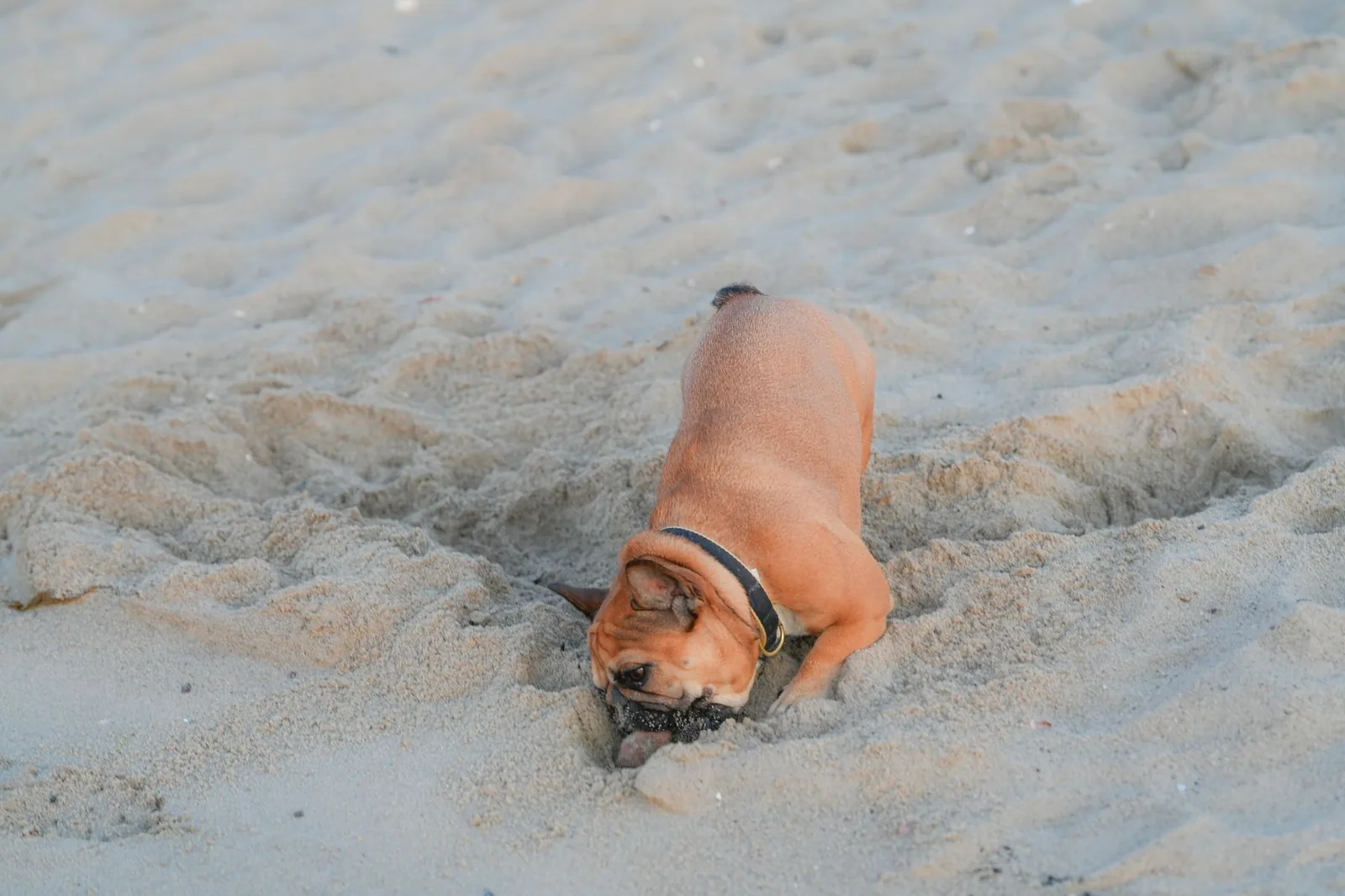
    Trying to stop a terrier digging is a losing project. Redirecting it works remarkably well and takes an afternoon.

    1. Pick a corner and define it — a sandpit, a raised bed, a patch edged with timber.
    2. Fill it with loose sand or soft soil, which is easier to dig than lawn.
    3. Bury things in it — toys, a chew, something that smells interesting.
    4. Take the dog there and dig a bit yourself. This is less undignified than it sounds and it works.
    5. Make the illegal spots dull — chicken wire just under the surface, or stone over the favorite corner.
    6. Restock it occasionally, so it stays more interesting than the borders.

    Persistent digging in one specific spot usually means something is genuinely under it — and escalating digging generally means unspent energy, which is covered in our guide to barking, digging and prey drive.

    A dog digging happily in a sandy patch
    Photo by David Kanigan on Pexels

    Seasonal checks

    SeasonWhat to check
    SpringBulbs coming up; fence gaps opened by winter ground movement
    SummerStanding water and algae; hot paving; wasp nests
    FallMushrooms; conkers and acorns; leaf piles hiding hazards
    WinterAntifreeze spills; ice on ponds; salt and grit stores
    Any timeNew neighbors, new bait, new plants over a shared fence
    Ten minutes walking the fence line each season catches most of what changes.

    Winter has its own set — cold weather care for a Westie covers ice, salt and the paw problems that come with them.

    A small garden pond
    Photo by Liz Earl on Pexels

    Frequently asked questions

    How do I stop my dog digging under the fence?

    Secure the bottom rather than the top. Buried wire mesh turned inward, a gravel trench or paving slabs laid flat along the line all work. Adding height achieves nothing against a digger.

    What garden plants are most dangerous to dogs?

    Sago palm is the most serious and is frequently fatal. Foxglove, oleander, yew, azalea and autumn crocus are all significant, and spring bulbs matter particularly for dogs that dig borders.

    Is compost dangerous for dogs?

    Yes. Moldy decomposing material contains mycotoxins that cause tremors and seizures, and terriers dig into heaps readily. Fence it securely or use a sealed bin.

    How do I give my terrier somewhere to dig?

    Define a corner with loose sand or soft soil, bury toys and chews in it, and take the dog there to start it off. Then make the illegal spots dull with wire just under the surface or stone.

    Is a garden pond safe with a small dog?

    Only if fenced, covered or supervised. Steep-sided ponds are hard for a small dog to climb out of, and standing water can grow blue-green algae in warm weather, which is rapidly fatal.

    A white terrier running in a secure garden
    Photo by Jonh Medeiros on Pexels

    Why we ask about the yard

    Fencing comes up in every adoption conversation, and this is why. It is rarely about whether you have a yard and almost always about whether the bottom of the fence holds.

    What actually happens at a home visit explains what a visitor looks at, and our adoptable dogs page notes which dogs need secure fencing specifically.

  • Holiday Hazards for Dogs, Beyond the Chocolate

    Holiday Hazards for Dogs, Beyond the Chocolate

    Chocolate gets all the holiday warnings. It is genuinely dangerous, and it is not what most dogs end up at the emergency clinic for.

    The commoner problems are a rich meal, a swallowed decoration, and a front door that has been open twenty times in an afternoon.

    The short version

    • Fatty food causes pancreatitis, which is more common at holidays than any poisoning.
    • Tinsel, ribbon and string cause gut obstructions that need surgery.
    • The open door with guests arriving is how dogs get lost.
    • A nervous dog needs a plan for the day, not just supervision.
    A table set with rich festive food
    Photo by Newman Photographs on Pexels

    The food problems

    ItemRiskSeverity
    Fatty trimmings, skin, gravy, butterPancreatitisHigh — the commonest issue
    Cooked bonesSplintering, perforation, obstructionHigh
    Grapes, raisins, currants in bakingKidney failureSevere, no safe dose
    Chocolate, especially darkHeart and nervous systemHigh, dose-dependent
    Onions, garlic, stuffing, gravy granulesRed blood cell damageModerate to high
    Alcohol, including in dessertsRapid intoxicationHigh
    Xylitol in sugar-free bakingBlood sugar crash, liver failureSevere
    Macadamia nutsWeakness, tremorsModerate
    The top row is the one that fills emergency clinics. A small dog does not need much fat to trigger pancreatitis.

    Doses and what to do are covered in our guide to foods and household items dangerous to dogs — the short version is call poison control before doing anything.

    Pancreatitis, specifically

    Worth its own section because it is common, it is painful, and it is entirely caused by a well-meant plate of leftovers.

    The signs are repeated vomiting, a hunched posture, a painful abdomen, lethargy and refusing food. It usually appears within a day or two of the rich meal.

    It needs veterinary treatment, often including hospitalization and fluids. The prevention is simple and universally ignored: do not give the trimmings, and tell your guests not to either.

    Decorations hanging within easy reach of the floor
    Photo by Yelena from Pexels on Pexels

    Decorations and objects

    • Tinsel, ribbon and string — linear foreign bodies, which are among the more dangerous obstructions and usually need surgery.
    • Glass ornaments at tail height, which break and cut paws.
    • Light cables chewed by a bored terrier, with a real electrocution risk.
    • Batteries from cards and gifts, which cause chemical burns.
    • Small gift parts and packaging left within reach.
    • Candles at wagging-tail height.

    Keep the bottom third of any tree free of anything swallowable, and secure the tree itself. A dog that has never shown interest in decorations can change its mind when the house is unusually exciting.

    Plants

    PlantActual risk
    LiliesSevere — particularly dangerous to cats, avoid entirely
    Holly and mistletoeGut upset; mistletoe berries more serious
    PoinsettiaMild irritation — the reputation exceeds the risk
    AmaryllisVomiting and lethargy; bulbs are worse
    Christmas tree waterPreservatives and bacteria; block access
    Pine needlesIrritation and puncture risk if eaten in quantity
    Poinsettia is the famous one and the least dangerous. Lilies and amaryllis deserve far more caution than they get.

    The National Capital Poison Center maintains a public poison information service covering plants and household substances alongside the veterinary-specific lines.

    A front door open as guests arrive
    Photo by Pavel Danilyuk on Pexels

    The part people plan for least

    For a nervous or newly adopted dog, the genuine holiday risk is social rather than chemical.

    A house full of unfamiliar people, children behaving unpredictably, the front door opening repeatedly, routine abandoned, and nowhere quiet to go. That combination produces both bolting and bites.

    1. Set up a quiet room before guests arrive, with water, a bed and something to chew.
    2. Put the dog there before the doorbell, not after it has already been overwhelmed.
    3. Brief guests once, clearly — do not let the children follow the dog, do not feed it, leave it alone in its room.
    4. Use a gate rather than a closed door where the dog tolerates it, so it is separated rather than isolated.
    5. Check the microchip details are current before the season, not after.
    6. Keep the walks going. Routine is what holds a dog together in a week where nothing else is normal.

    The children point is where most holiday bites happen — our guide to canine stress signals covers the warnings that precede them, and our guide to dogs and small children covers supervision properly.

    A dog resting in a quiet room away from activity
    Photo by Antonio Joshy on Pexels

    Travel and boarding

    If the dog is coming, plan the journey rather than adding it to an already long day. If it is staying, book early — boarding and sitters fill up months ahead for holiday weeks.

    A newly adopted dog is usually better left with a sitter in its own home than taken somewhere unfamiliar, and better again if that sitter has met it before.

    Our guide to traveling with a Westie covers car safety and the boarding decision in more detail.

    A dog occupied with a food toy on its bed
    Photo by Sean Brannon on Pexels

    Frequently asked questions

    What is the most common holiday emergency for dogs?

    Pancreatitis from fatty food — trimmings, skin, gravy and butter. It is far commoner than chocolate poisoning and is caused almost entirely by well-meant leftovers.

    Are poinsettias poisonous to dogs?

    Mildly irritant rather than dangerous; the reputation exceeds the risk. Lilies and amaryllis deserve much more caution, and lilies should be avoided entirely in households with cats.

    Why is tinsel dangerous for dogs?

    Swallowed string, ribbon and tinsel form linear foreign bodies, which can saw through the gut and usually require surgery. Keep them off the tree entirely if your dog chews.

    How do I keep a nervous dog calm at a family gathering?

    Set up a quiet room before guests arrive, with water, a bed and something to chew, and put the dog there before the doorbell rather than after. Brief guests clearly and keep the usual walks.

    Should I take my newly adopted dog to a family holiday?

    Usually not in the first few months. A sitter in the dog’s own home is far less stressful than an unfamiliar house full of people, and book early because holiday weeks fill months ahead.

    A dog sleeping peacefully by a window
    Photo by David Kanigan on Pexels

    Before the season starts

    Two things are worth doing in advance rather than on the day: check the microchip registration is current, and find out where your nearest emergency clinic is and what hours it keeps over the holidays.

    Michigan State’s veterinary college publishes seasonal pet health guidance for owners, and our first aid guide covers what warrants that trip. If the dog is new, the first 30 days with a rescue Westie explains why a quiet holiday is the better plan.

  • Leash Reactivity: Why It Happens and What Helps

    Leash Reactivity: Why It Happens and What Helps

    A dog that walks politely off lead and turns into a barking, lunging problem the moment another dog appears on a walk is not being aggressive. In most cases it is frustrated or frightened.

    The leash is a large part of the cause, which is why the behavior often looks dramatic and the same dog is fine in a park.

    The short version

    • Most leash reactivity is frustration or fear, not aggression.
    • Distance is the whole tool. Find the distance where your dog can still think.
    • Reward noticing calmly, rather than waiting for the reaction and correcting it.
    • Punishment adds a bad association to the trigger and reliably makes it worse.
    A dog straining at the end of a taut leash
    Photo by Jens Mahnke on Pexels

    Why the leash makes it worse

    Off lead, an uncomfortable dog increases distance — it curves away, sniffs the ground, or leaves. On lead all of that disappears. The dog is held facing something it wants to avoid or reach, and the tension travels down the leash from a handler who has already braced.

    What is left is the only strategy available: make the thing go away by being loud. It appears to work, because the other dog does pass, which teaches the dog to repeat it.

    Which kind you have

    TypeWhat it looks likeWhat it needs
    Frustrated greetingWhining, straining forward, tail high and looseImpulse control and calm greetings
    Fear-basedBarking with weight shifted back, hackles up, retreating if allowedDistance and counter-conditioning
    Barrier frustrationFine off lead, explosive on lead or behind a fenceManagement plus training
    LearnedStarted as one of the above, now habitualSame method, longer
    Pain-relatedNew in an adult dog, or worsening suddenlyA veterinary check before any training
    The bottom row is the one most often missed. New reactivity in a previously settled adult dog is pain until proven otherwise.

    That is particularly true in an older dog — our guide to arthritis and mobility covers how often irritability turns out to be joints.

    Two dogs at a distance from each other in a park
    Photo by Helena Lopes on Pexels

    Finding the threshold

    The threshold is the distance at which your dog notices another dog but can still respond to you and take food. Everything useful happens on the far side of it.

    To find it, walk somewhere you can see other dogs at a long distance and simply watch yours. Note the point where it stiffens, stares, or stops taking treats. That is the edge; work further back than that.

    Most people start far too close. If your dog will not eat, you are over threshold and nothing is being learned except that other dogs mean tension.

    The method

    1. See the other dog first. Scan ahead constantly; your advantage is noticing before your dog does.
    2. Mark the moment your dog notices, calmly, and feed. You are rewarding the noticing, not the ignoring.
    3. Feed continuously while the trigger is visible, and stop the moment it is gone. The contrast is what teaches.
    4. Move away if the dog cannot eat. Add distance rather than pushing through.
    5. Close the distance in small steps over weeks, never in one session.
    6. Use high-value food reserved for this, not the usual biscuits. You are competing with a strong emotion.

    The second point matters most: rewarding the dog for looking changes what the other dog predicts, which is the mechanism.

    The Academy for Dog Trainers publishes evidence-based training resources and a directory of certified trainers, which is the route if you want help rather than an article.

    A dog taking a treat from a hand during a walk
    Photo by Karlee Heck on Pexels

    Management while you train

    Every reaction rehearses the behavior. Management is not cheating; it is what stops the training being undone between sessions.

    • Walk at quiet times — early morning and late evening.
    • Choose open routes where you can create distance rather than narrow paths.
    • Cross the road early, before your dog fixates.
    • Use a U-turn cue taught in advance, so leaving is cheerful rather than panicked.
    • Put a barrier between — a parked car, a hedge, your own body.
    • Skip walks occasionally and use enrichment instead. A bad walk is worse than no walk.

    Ten minutes of nosework at home beats a walk that ends in three explosions — our guide to enrichment that tires a terrier covers the alternatives.

    What not to do

    ApproachWhy it backfires
    Correcting the lungeAdds pain or fear to the sight of another dog
    Tightening the leash on approachYour tension becomes part of the trigger
    Forcing a greetingRemoves the distance the dog was asking for
    Prong or spray collarsSuppresses the display, raises the underlying fear
    Flooding at a busy parkRepeated panic sensitizes rather than habituates
    Telling the dog off afterwardsPoisons your presence during the trigger
    Suppressing the bark removes the warning while leaving the emotion, which is how a noisy dog becomes a silent one that bites.
    A person turning away along a path with a dog
    Photo by Martin Dalsgaard on Pexels

    Realistic expectations

    Weeks to months for meaningful change, and the endpoint is usually a dog that passes another calmly at a reasonable distance — not one that wants to play with everybody. That is a perfectly good outcome.

    Setbacks happen, usually after a surprise encounter. One bad week is not lost progress — building confidence in a fearful dog covers why regression is normal.

    A quiet empty trail early in the morning
    Photo by Sergej ***** on Pexels

    Frequently asked questions

    Is leash reactivity aggression?

    Usually not. Most of it is frustration at not being able to greet, or fear at not being able to create distance. The display looks alarming but the motivation is different.

    Why is my dog fine off lead but reactive on it?

    Off lead a dog can increase distance, curve away or leave. On lead all of those options are removed, and the only strategy left is to make the other dog go away by being loud.

    What is a threshold in dog training?

    The distance at which your dog notices a trigger but can still respond to you and take food. Training works below that distance; above it the dog cannot learn.

    Will my reactive dog ever be normal?

    Most improve substantially. The realistic goal is a dog that passes others calmly at a reasonable distance, rather than one that wants to greet everybody — which is a fine outcome.

    Do prong or spray collars help reactivity?

    No. They suppress the display while leaving the underlying fear or frustration, and they add pain to the sight of another dog. That can turn a noisy dog into a silent one that bites.

    A dog walking calmly along a path
    Photo by Helena Lopes on Pexels

    Reactive dogs in rescue

    Leash reactivity is one of the commonest things foster carers report, and it reads far worse on a listing than it is to live with.

    A dog described as reactive on lead usually needs quiet routes and a patient handler rather than an expert. Our adoptable dogs page says which dogs need that, and how rescues assess temperament explains how the notes are reached.

    If it is making walks miserable enough to reconsider the adoption, our guide to what happens when an adoption is not working is worth reading before you decide anything.