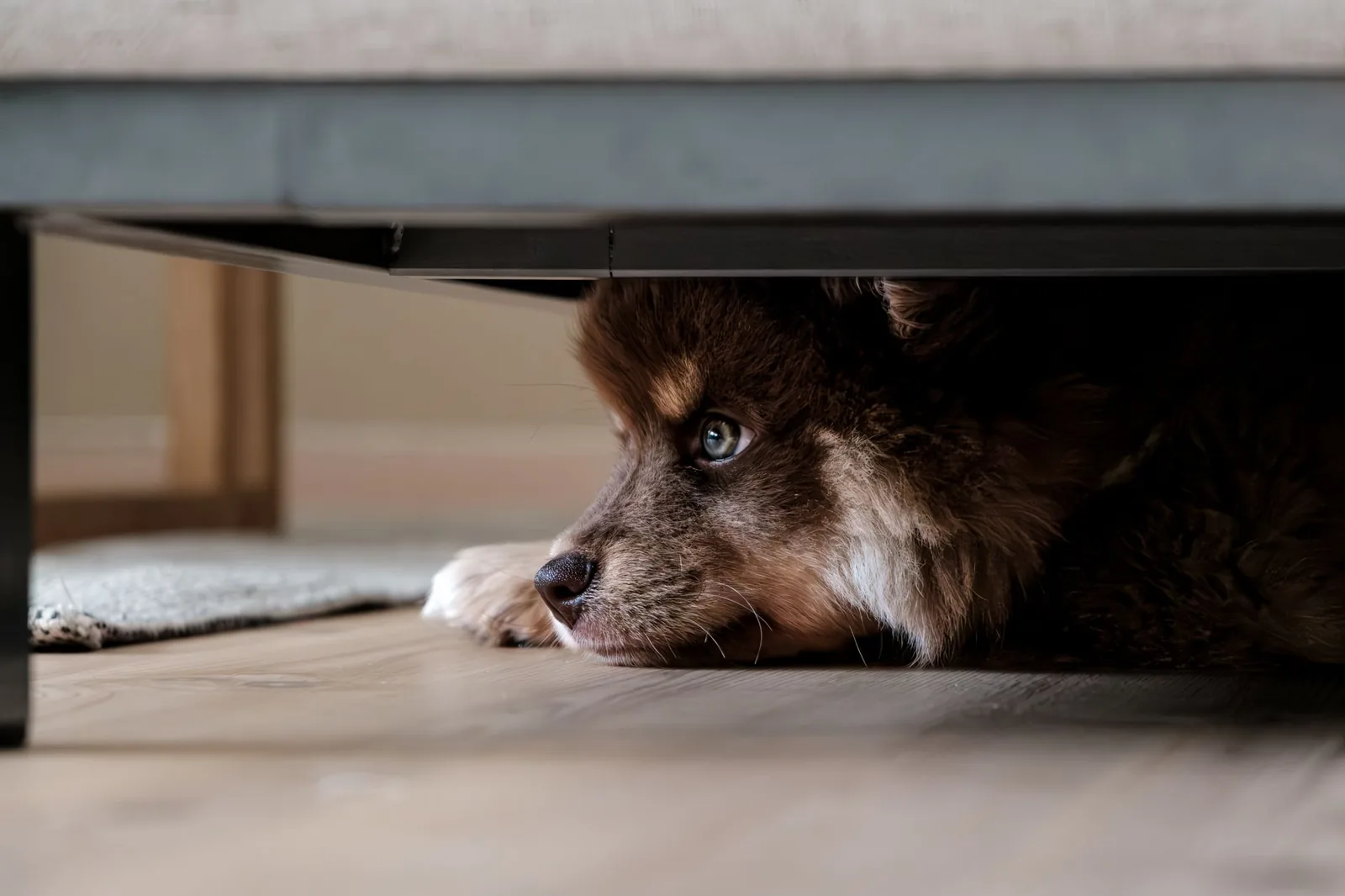
Noise phobia is one of the few behavior problems that reliably worsens if left alone. Each bad night makes the next worse.
It is also a welfare issue rather than a nuisance. A genuinely panicking dog can injure itself trying to escape, and July is a common month for dogs to be lost.
The short version
- Fear of noise escalates without treatment. Waiting it out does not work.
- Start the work months before the season, not on the day.
- Recordings help but cannot reproduce pressure, vibration or flashes.
- For moderate to severe cases, medication is part of treatment, not a failure.
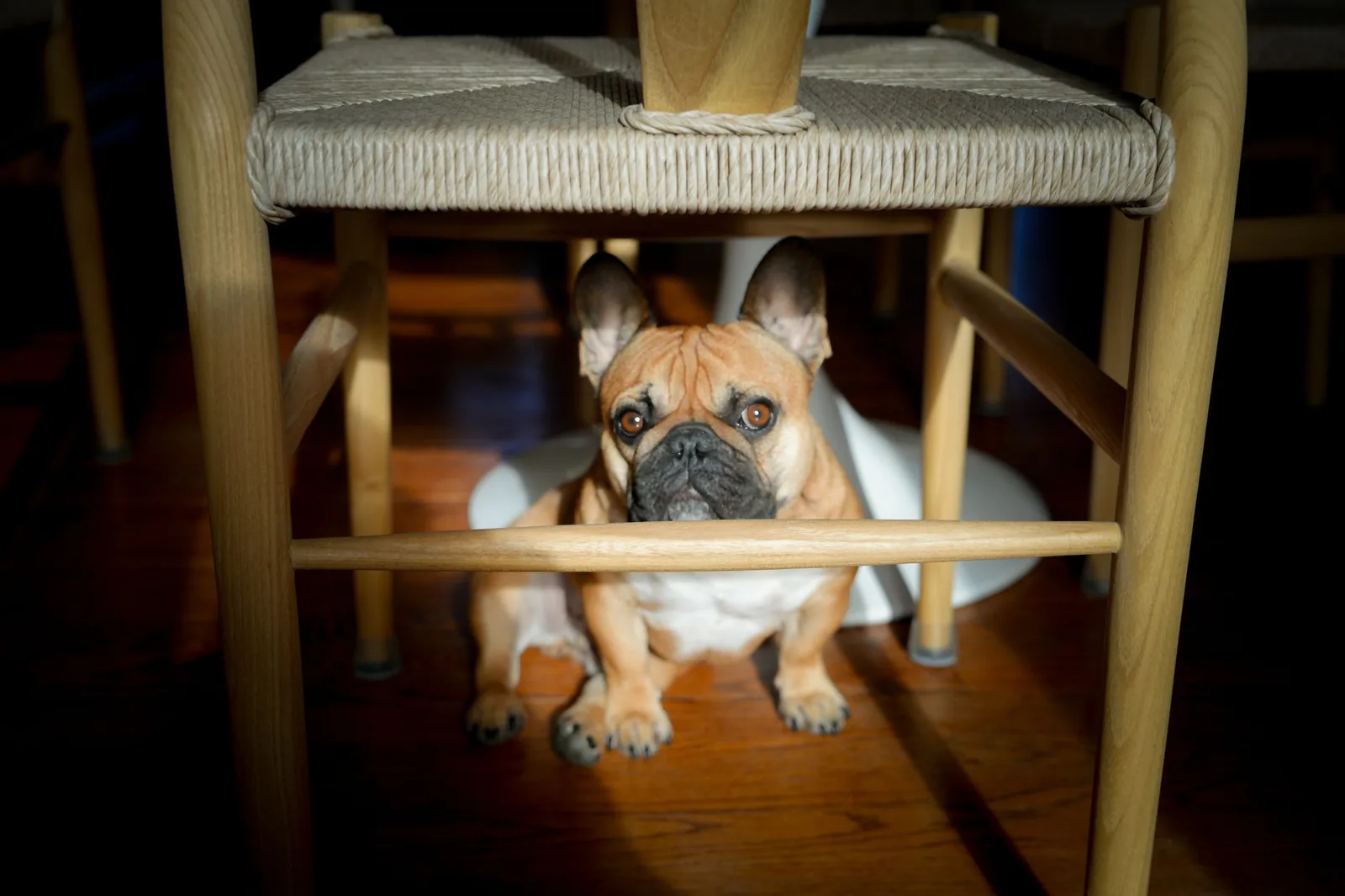
What it looks like
| Severity | Signs | What it needs |
|---|---|---|
| Mild | Alert, restless, seeks company | A safe space and calm handling |
| Moderate | Panting, pacing, drooling, hiding, will not eat | Desensitization program plus management |
| Severe | Trembling, frantic escape attempts, self-injury, soiling | Veterinary involvement including medication |
| Anticipatory | Anxious before the season, or at the first distant bang | Suggests established learning; treat as moderate or worse |
Terriers are prone to bolting when frightened, and a lost dog in the dark during fireworks is a bad situation — our guide to escape-proofing and lost dog recovery covers what to do if it happens.
Why it gets worse
Each frightening event without a good outcome strengthens the association. The dog also generalizes, so a fear of fireworks becomes a fear of any bang, then of the evenings when bangs happen.
It is why a dog mildly unsettled two years ago now shakes at a car door. Distress that appears only when you leave is separation anxiety, which needs a different plan.
Building the safe space
This is the highest-value thing you can do, and it costs almost nothing.
- Pick the most insulated spot in the house — an interior room, a basement, somewhere with fewest windows.
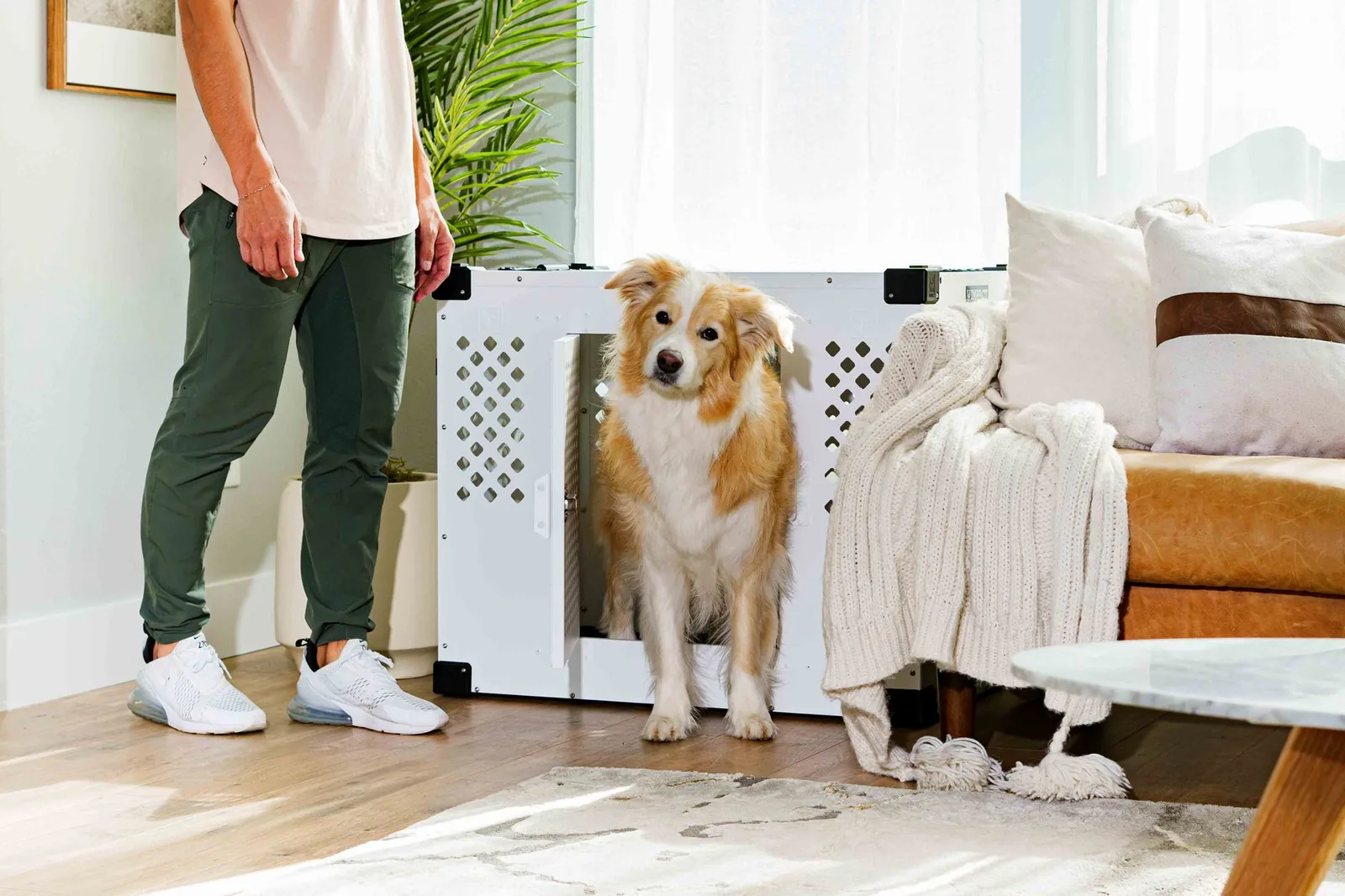
- Make it a den, covered on three sides, with familiar bedding.
- Let the dog choose it in advance, in calm conditions, over weeks.
- Never shut the dog in. A confined frightened dog panics harder.
- Add sound masking — a fan, white noise or music, on before the noise starts.
- Close curtains and blinds to block flashes, which matter more than people expect.
The crate question is worth care here. For a dog that already loves its crate, leaving the door open is ideal. For one that does not, the barrier adds a second problem — our guide to when a crate is the wrong tool covers the distinction.
Desensitization, and its limits
The core method is playing recorded sounds at a volume the dog notices but does not react to, paired with something good, and raising the volume very gradually over weeks.
Five to ten minutes daily, starting months before the season. Done properly it reduces the fear substantially.
What it cannot reproduce is pressure change, vibration through the floor or a concussive thump, which is why sound work reduces a phobia rather than removing it. Management on the night still matters.
Academic veterinary centers such as the Cummings School at Tufts run behavior services that take referral cases, which is the route for a dog that is not responding.
On the night
| Do | Do not |
|---|---|
| Walk the dog well before dark | Walk during or after the noise starts |
| Feed early, before the anxiety starts | Expect a frightened dog to eat |
| Close windows, curtains and blinds | Leave the dog able to see flashes |
| Put sound masking on beforehand | Wait until the dog is already anxious |
| Comfort the dog if it seeks you out | Withhold comfort to avoid “reinforcing fear” |
| Stay calm and ordinary yourself | Fuss, apologize, or hover |
| Double-check doors, gates and the microchip record | Assume the yard is secure |
Medication
A panicking dog cannot learn, so reducing the panic is what makes the behavior work possible. Situational medications given in advance of a known event are common, and there are longer-term options for dogs with year-round anxiety.
The timing matters: most situational medications need giving well before the noise starts rather than once the dog is already distressed. That is a conversation to have with your vet in June, not on the fourth of July.
Over-the-counter calming supplements have a much weaker evidence base and are not a substitute for a plan.

Newly adopted dogs
A dog in its first months has no history with your house and no reason to believe anywhere in it is safe. Noise events during that window can set the fear deeply.
If you adopt in early summer, build the safe space immediately rather than in July, and ask the foster carer how the dog has been with noise — it is one of the things they will have observed.
What to expect in the first 30 days with a rescue Westie covers the wider settling period this sits inside.
Frequently asked questions
Why is my dog suddenly scared of fireworks?
Noise fear commonly escalates with each bad experience and generalizes to similar sounds. A dog mildly unsettled two years ago can be genuinely phobic now, which is why it is worth treating rather than waiting out.
Does comforting a frightened dog make it worse?
No. You cannot reinforce an emotion, only a behavior. If a frightened dog seeks you out, comfort it. Withholding reassurance removes the one thing that helps.
Do sound recordings actually work for noise phobia?
They help, but they cannot reproduce the pressure change, vibration and light that come with real storms and fireworks. Expect them to reduce the fear substantially rather than remove it, and keep managing the night itself.
Should I medicate my dog for fireworks?
For moderate to severe phobia, usually yes, and it is part of treatment rather than a failure. Discuss it with your vet well before the season, because most situational medications need giving before the noise starts.
Should I crate my dog during fireworks?
Only if the dog already regards the crate as a den, and with the door open. A frightened dog shut in a crate it does not love will panic harder and can injure itself.

If it is severe
Self-injury, escape attempts or a dog that cannot recover for days afterwards all warrant veterinary behavioral help rather than another article.
It is also a reason some dogs are given up, which is worth naming. If you are reaching that point, our guide to your options opens with the problems that turn out to be solvable, and the surrender and rehoming page is where to reach us.