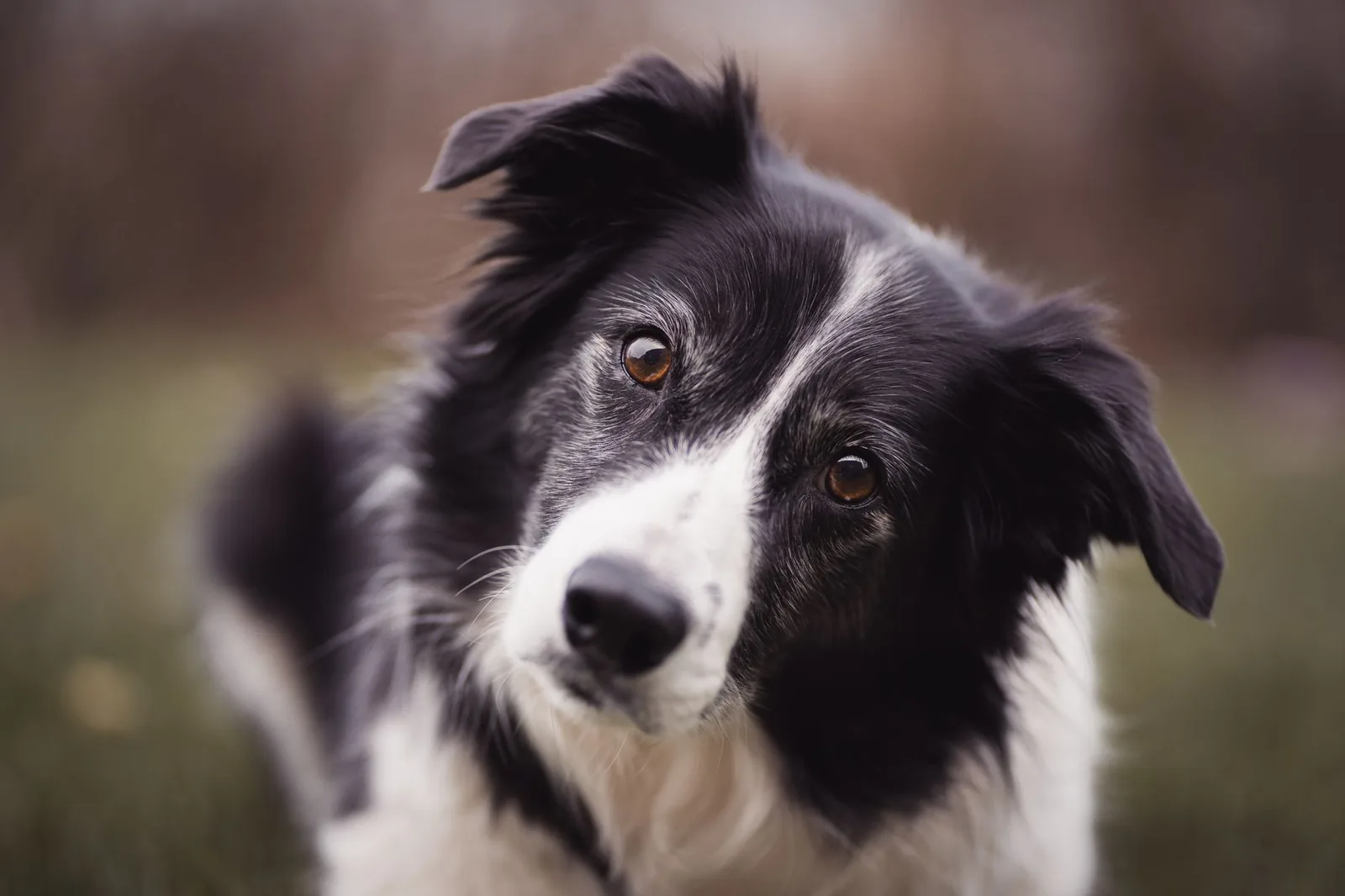
Aggression is a category rather than a diagnosis. It describes behaviors — growling, snapping, biting — arising from completely different causes.
This explains what the word covers and what to do first. It gives no training protocol, because these cases need individual assessment and generic advice gets people bitten.
The short version
- Most aggression is fear. Very little of it is confidence or dominance.
- Rule out pain first. Sudden aggression in an adult dog is medical until proven otherwise.
- Never punish a growl. It is a warning you want the dog to keep giving.
- Anything involving a bite, or children, needs a qualified professional now.
What is usually driving it
| Type | What it looks like | Usually driven by |
|---|---|---|
| Fear-based | Retreating first, then snapping when cornered | Wanting distance |
| Pain-related | New irritability, reacting to touch in one area | Discomfort |
| Resource guarding | Stiffening over food, chews, beds or a person | Anticipated loss |
| Territorial | At doors, windows, fence lines | Alarm and barrier frustration |
| Redirected | Aroused by one thing, bites what is nearest | Overwhelm |
| Predatory | Silent, fixed, no warning display | A different system entirely |
| Frustration | Explosive on lead, fine off it | Being prevented |
The predatory row is the one that behaves differently from all the others, and in a terrier it matters — our guide to Westies and cats covers why silent fixation is more concerning than barking.
Rule out pain first
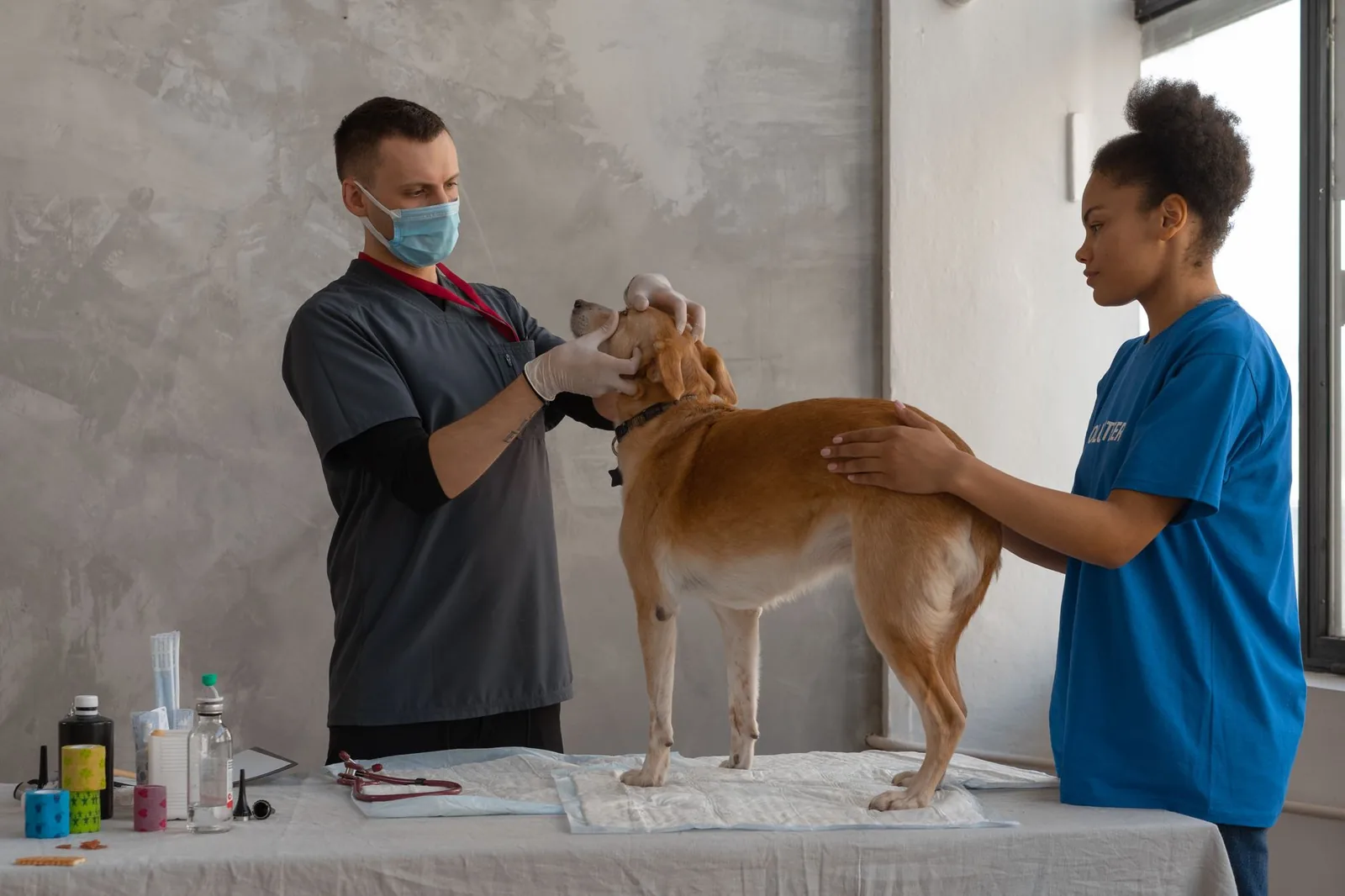
This is the step most often skipped, and a meaningful share of behavior referrals turn out to have a medical component. Aggression that is new, that has changed character, or that follows being touched in one place warrants a veterinary examination before any training plan.
Dental disease, arthritis, ear infections and failing eyesight all produce irritability that looks like temperament — our guide to arthritis and our guide to dental disease both cover behavior change as a presenting sign.
Why growling must not be punished
If there is one thing worth taking from this page, it is this.
A growl is a dog saying it is uncomfortable before doing anything about it, and it gives you time to change the situation.
Punish it and the growl stops; the discomfort does not. You have removed the step between tension and contact.
The dogs described as biting without warning are very often dogs that were corrected for warning. The full escalation ladder is in our guide to reading canine stress signals.
What helps, in general terms
| Approach | Why it works |
|---|---|
| Management first | Every rehearsal strengthens the behavior; prevention buys time |
| Identifying the trigger precisely | Vague descriptions produce vague plans |
| Working under threshold | A dog over threshold cannot learn |
| Changing the association | The trigger predicts something good rather than a correction |
| Removing the need to guard | Trading and adding rather than taking away |
| Medication where appropriate | A panicking dog cannot learn; this makes work possible |
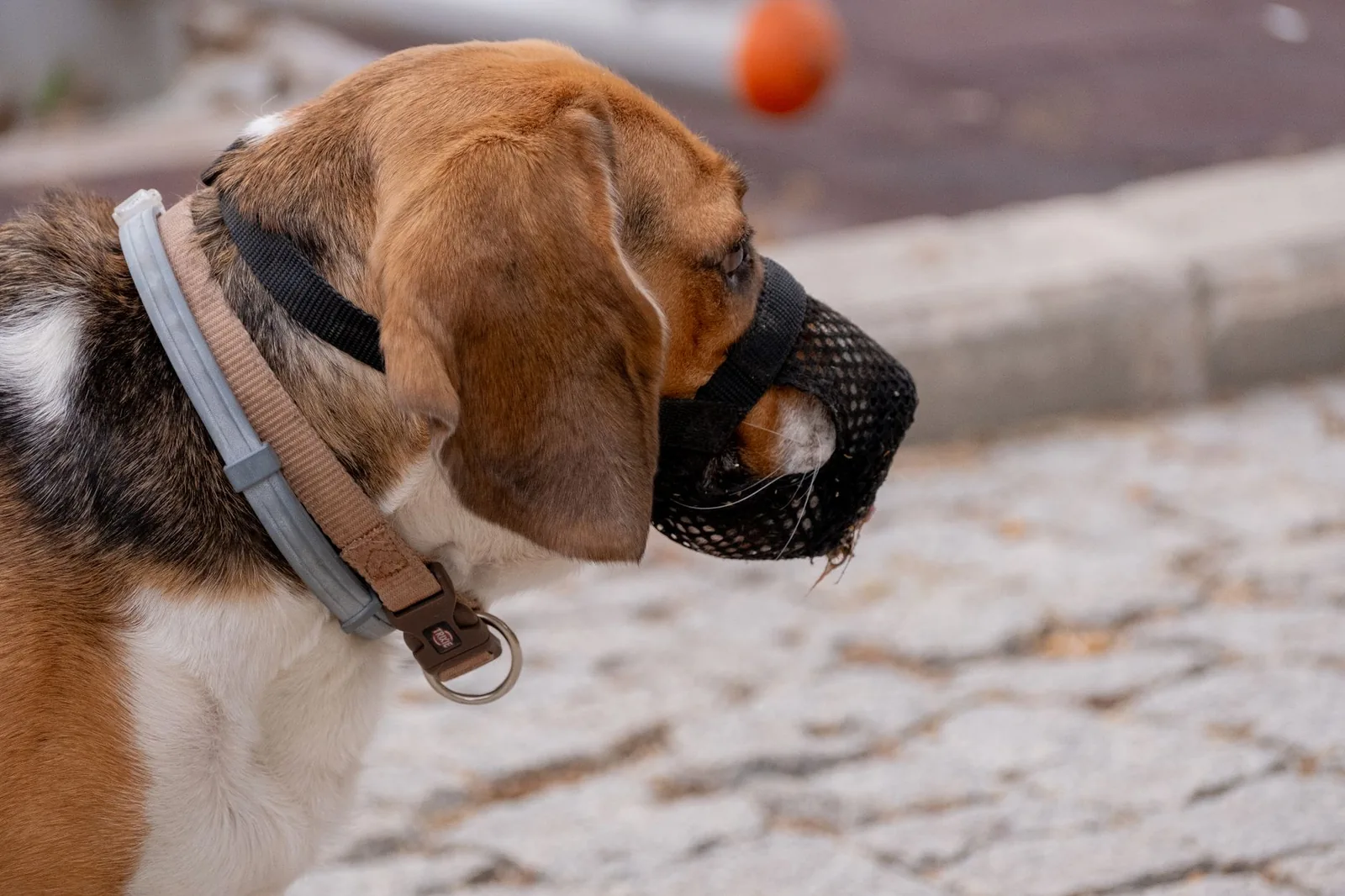
| Muzzle training, done positively | Safety that reduces everyone’s tension |
None of that is a protocol to run from an article. It is what a competent professional will be doing, described so you can recognize it.

What to avoid
- Anything framed as dominance or being the pack leader. The model is outdated and the methods built on it raise bite risk.
- Physical corrections, alpha rolls, scruffing. These escalate defensive aggression.
- Prong, shock or spray collars. Suppression without changing the underlying emotion.
- Confronting a guarding dog to prove a point.
- Flooding — exposure until the dog gives up, which is shutdown rather than progress.
- Board-and-train for aggression, where you cannot see the methods used.
The last one matters. A dog that returns apparently fixed after two weeks away, with no explanation of how, has usually been suppressed rather than helped.
When to get help immediately
Some situations should not wait for a training plan to be researched.
- Any bite that broke skin, whatever the circumstances.
- Any aggression directed at a child, including growling.
- Escalating behavior — more frequent, less warning, or over more things.
- Aggression that appeared suddenly in a previously settled dog.
- Anyone in the household frightened of the dog.
- Aggression toward a resident animal that is not resolving with management.
Look for a veterinary behaviorist or qualified behavior consultant using positive reinforcement. Aggressive Dog maintains education and a directory of professionals specializing in aggression cases, which is a reasonable starting point for finding one.
On breeds
No breed is inherently aggressive, and terriers are not an exception in either direction.
For Westies specifically, the relevant traits are dislike of being grabbed or startled, and a tendency not to back down. That is why the children guidance in our honest guide to whether Westies suit your household is as firm as it is.
Frequently asked questions
Why is my dog suddenly aggressive?
Sudden aggression in a previously settled adult dog is medical until proven otherwise. Dental disease, arthritis, ear infections and failing vision all produce irritability. See a vet before a trainer.
Should I punish my dog for growling?
No, and this matters more than almost anything else on the subject. A growl is a warning you want the dog to keep giving. Punishing it removes the warning while leaving the feeling, which makes a bite without warning more likely.
Is my dog trying to dominate me?
Almost certainly not. The dominance framework explains very little of what is actually happening, and the methods built on it raise bite risk. Most aggression is fear, pain or anticipated loss of something.
Can aggression in dogs be fixed?
It can very often be managed well, and many dogs improve substantially. Whether it can be resolved depends entirely on the cause, the individual dog and the household, which is why it needs individual assessment rather than generic advice.
Are some breeds naturally aggressive?
No. Breeds carry tendencies — arousal threshold, guarding instinct, prey drive — that shape what a dog reacts to. They do not determine whether a dog is aggressive, and individual variation within any breed is far larger.
If you are living with this
Households managing an aggression problem are often isolated by it.
If you cannot manage it safely, that is an honest assessment rather than a failure of commitment, and making it early is better for everyone.
Our guide to what happens when an adoption is not working covers that conversation, and the surrender and rehoming page is where to reach us. Tell us the whole picture — a dog placed on an incomplete account is a dog that comes back.