
Ask the internet whether Westies make good family dogs and the answer is the same everywhere: cheerful, sturdy, brilliant with children. Most of that is true.
It is also one side of the story. Breed guides describe placements that worked; rescue sees the ones that ended.
The short version
- Westies suit active, patient homes that want a small dog with a large personality — not a lap dog.
- Prey drive, digging, barking and stubbornness are breed features, not faults.
- Grooming is the running cost adopters most often underestimate.
- Toddler households are the hardest fit; homes with school-age children are often among the best.

What a Westie is like to live with
A West Highland White Terrier is a working terrier in a 15–20 pound package, bred in Scotland to go to ground after rats and fox — alone, underground, out of earshot. That job selected for a dog that is independent, persistent and convinced of its own judgment.
The terrier part people underestimate
Adopters arrive having read the word “spirited” without unpacking it. In practice it means four things.
- Prey drive. Squirrels, rabbits and cats trigger a chase response that is very hard to train away. Most Westies are never reliably off-lead in open ground.
- Digging. Going to ground is the job description. Lawns and borders are frequent casualties.
- Barking. A terrier that alerts is doing what it was bred for. This matters in apartments and shared walls.
- Stubbornness. Westies learn quickly. They just want to know what is in it for them first.

Westie at a glance
| Trait | What to expect | What it means for a family |
|---|---|---|
| Size | 10–11 in, 15–20 lb | Sturdy enough for children, small enough for most homes |
| Lifespan | 12–16 years | A longer commitment than people plan for |
| Exercise | About an hour a day | Manageable for working homes; not a dog that skips walks |
| Coat | Harsh double coat, low shed | Little hair on the sofa, high grooming cost |
| Barking | Moderate to high | Worth weighing in flats and semi-detached homes |
| With children | Good with respectful older children | Toddler homes need honest assessment |
| With other dogs | Usually fine; same-sex pairs can clash | Introductions matter |
| With cats | Variable, often poor | Ask about the individual dog |
Where Westies fit — and where they struggle
A straight comparison of household types, drawn from placements that hold and those that come back.
| Household | Good fit? | Why |
|---|---|---|
| Active adults or couples | Yes | Time for daily walks; tolerant of terrier opinions |
| Families with children aged 7+ | Yes | Old enough to read a dog’s signals |
| Retired or home-based owners | Often the best fit | Company suits a breed that hates isolation |
| Families with toddlers | Case by case | Westies dislike being grabbed and react fast |
| First-time owners | Case by case | Workable, but a terrier is not the easy starter dog |
| Homes with cats or small pets | Frequently not | Prey drive is real and not reliably trainable |
| Out 10+ hours a day | No | Boredom becomes barking, digging and destruction |
| Wanting a quiet, low-effort dog | No | Genuinely not this breed |

What most often ends a placement
Most surrenders are nobody’s fault. Among the preventable ones, three patterns repeat.
- The household wanted a lap dog. A dog that barks, digs and ignores a recall is not a failed Westie. It is a Westie. The mismatch is with the expectation.
- The grooming was a surprise. The coat needs professional attention every six to ten weeks. Neglect leads to matting, and matting to painful skin problems.
- The skin condition was not anticipated. Westies are strongly predisposed to allergic skin disease. It is manageable but lifelong.
Every dog we place comes with a full account of its health. You can read what that involves in the veterinary care every rescue Westie receives before placement.

What a Westie costs to keep
Adoption fees cover a fraction of a dog’s lifetime cost. These are realistic annual ranges for a healthy adult in New England.
| Cost | Typical year | Notes |
|---|---|---|
| Professional grooming | $400–$800 | Every 6–10 weeks; hand-stripping costs more |
| Food | $300–$600 | Higher on a prescription or limited-ingredient diet |
| Routine veterinary care | $300–$700 | Exam, vaccinations, dental, parasite control |
| Skin and allergy management | $0–$1,500+ | The largest variable in the breed |
| Insurance or emergency fund | $400–$900 | Advised given the breed’s skin and joint profile |
Our Westie adoption fees and what they cover page sets out what the fee itself includes.

Westies and children: the fuller answer
Westies are robust, playful and genuinely enjoy children who treat them well. The breed’s reputation here is largely deserved.
The caveat is handling, not aggression. A terrier picked up suddenly, cornered or disturbed while eating reacts fast and without much warning.
School-age children can learn the rules. Toddlers cannot reliably do so yet, which is why an adoption conversation asks about ages. Families often find a settled older dog is the better fit, and the case for adopting a senior dog is worth reading alongside this.
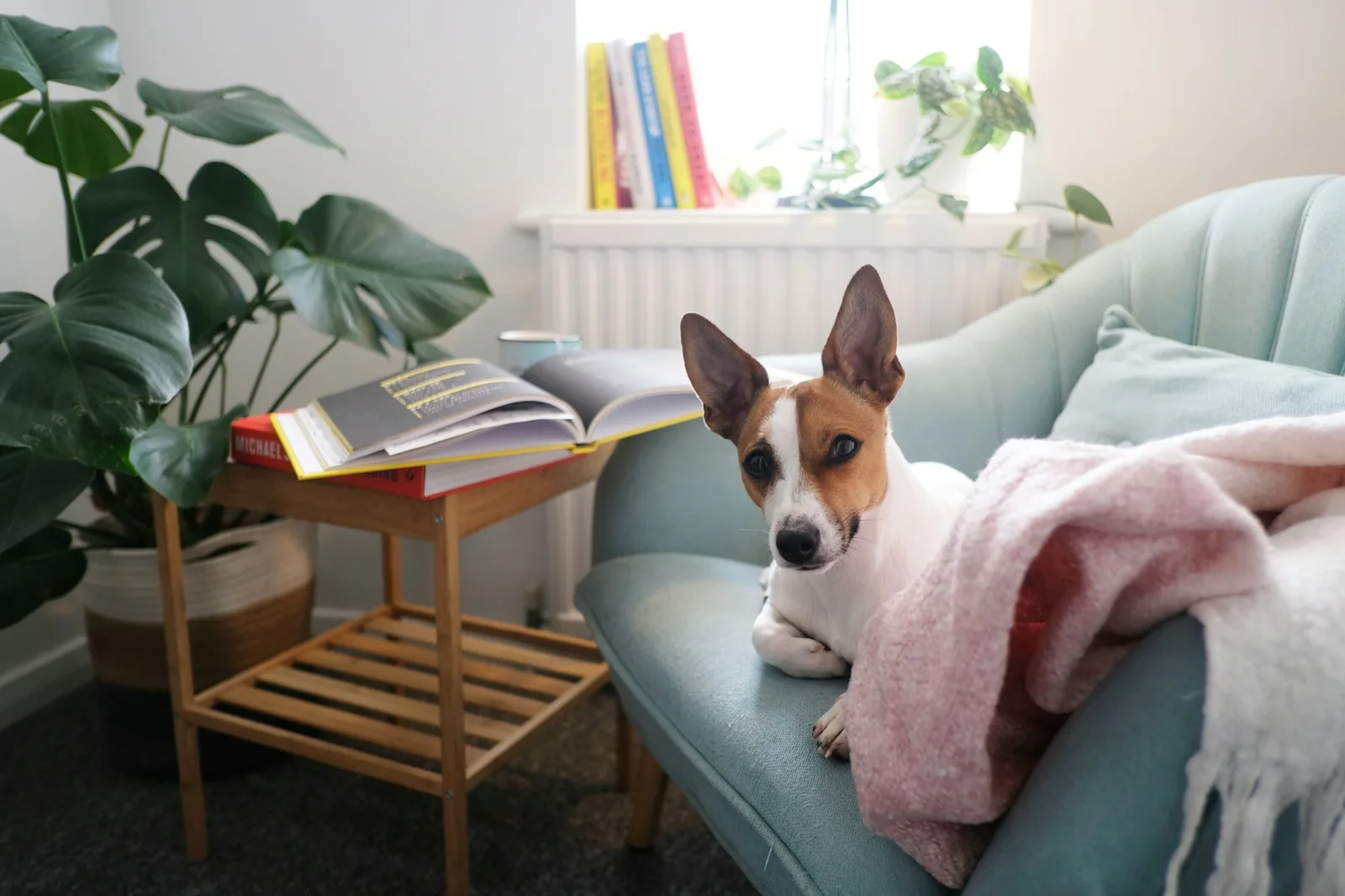
So are they good family dogs?
Yes — for the right family. A Westie in a home that wants a walking companion, tolerates opinions and budgets for grooming is close to an ideal dog.
In a home wanting something quiet and biddable, the same dog will frustrate for fifteen years. The breed is not the variable. The match is.
The West Highland White Terrier Club of America’s breed guidance is worth reading alongside any rescue’s view.
Frequently asked questions
Are Westies good with young children?
They can be, but toddler households need honest assessment first. Westies dislike being grabbed and react quickly. Children aged seven and over are an easier fit.
Do Westies bark a lot?
Most do. Alerting is part of what the breed was developed to do. Training reduces nuisance barking but does not remove the instinct.
Can Westies live with cats?
Some can, many cannot. Prey drive varies by individual and is not reliably trained away. Ask what the specific dog has been assessed with.
How much grooming does a Westie need?
Professional grooming every six to ten weeks, plus brushing two or three times a week at home. Neglected coats mat, and matting causes painful skin problems.
Are Westies good for first-time owners?
They can, with realistic expectations and consistent training. They are not the easiest starter breed.
If a Westie sounds like your dog
We are a volunteer rescue covering New England, focused on seniors and dogs with medical needs. Our guide to adopting a Westie in New England explains the process, and the Westies currently available for adoption shows who is looking.
If you are ready, the foster and adoption application is the first step. To help without adopting, volunteering with a Westie rescue and sponsoring a dog in our care both count. If you already have a Westie you can no longer keep, please use the surrender and rehoming page rather than rehoming privately.