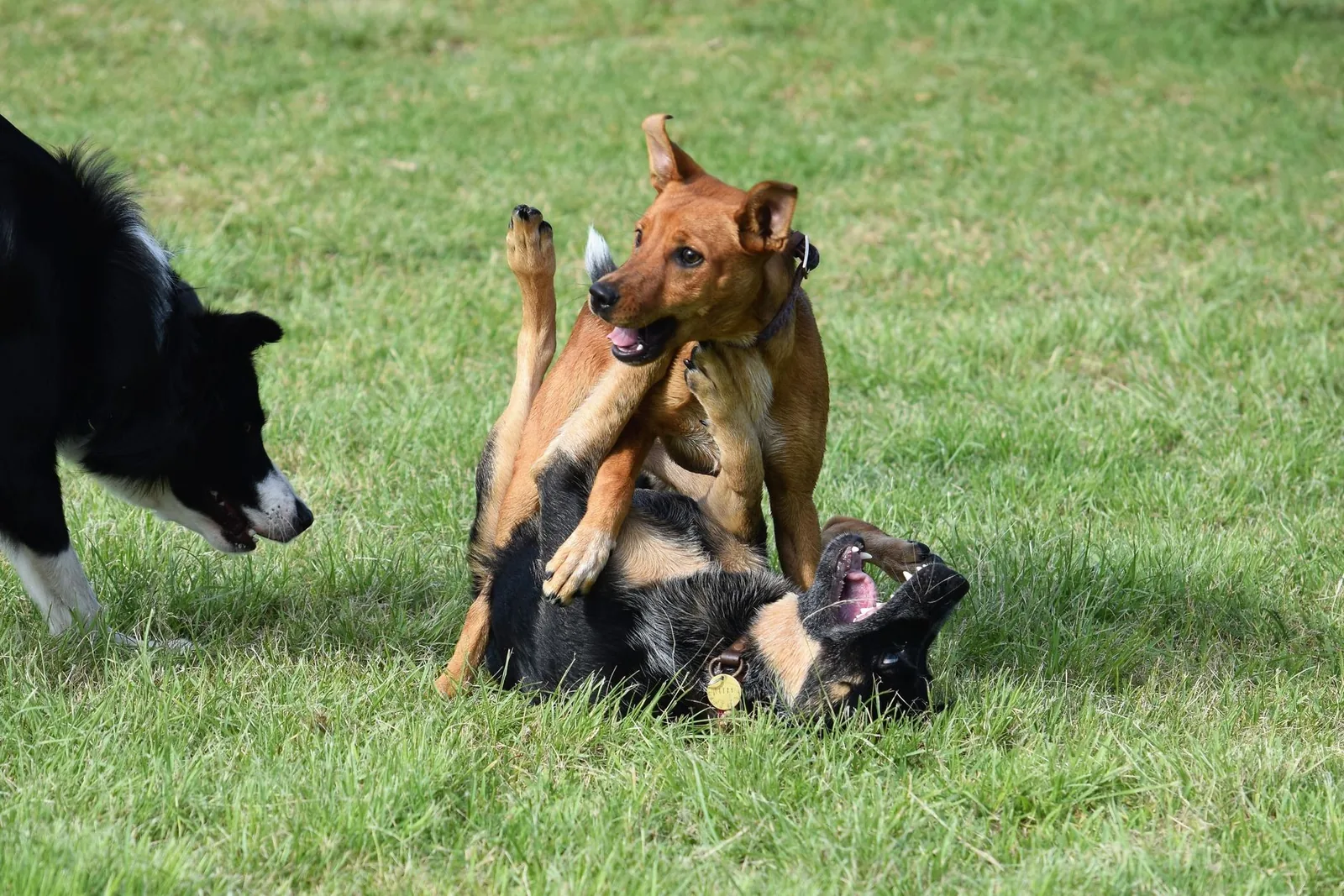
Dog parks are presented as an unambiguous good, and for a confident, sociable, medium-sized dog they often are.
A 17-pound terrier with a working prey drive is a different proposition, and it is worth being straightforward about why.
The short version
- Size mismatch is the main risk. A large dog can injure a small one without meaning to.
- Use a small-dog area if one exists, and leave if it is being ignored.
- Parasite exposure is real — keep prevention current.
- Most terriers get more from a long sniffing walk than from a park.

The size mismatch problem
This is the one that produces genuine injuries. A large dog chasing a small one is often playing, right up until predatory drift takes over.
A running, squealing small dog looks like prey to a dog that was not hunting a moment earlier. The dogs need not be aggressive for the outcome to be serious.
Westies compound this by not backing down. A terrier that stands its ground with a dog four times its size is being characteristic, not brave, and it is how small dogs get hurt.
What the risks actually are
| Risk | How likely | What reduces it |
|---|---|---|
| Injury from a larger dog | The main concern | Small-dog areas; leaving when big dogs enter |
| Intestinal parasites | Common — shared ground, shared feces | Current prevention; pick up immediately |
| Kennel cough and respiratory infection | Common | Vaccination; avoid parks during local outbreaks |
| Fleas and ticks | Common in grass and undergrowth | Year-round prevention |
| A fight over a ball or water bowl | Frequent | Leave toys at home; do not use communal bowls |
| Learning to ignore you | Underrated | Practice recall inside the park, not only at the gate |
| Prey drive triggered by chase | Real in terriers | Leave before play escalates into pursuit |
The Companion Animal Parasite Council publishes prevalence data and prevention guidelines for the parasites dogs pick up, which covers the disease side in more detail.
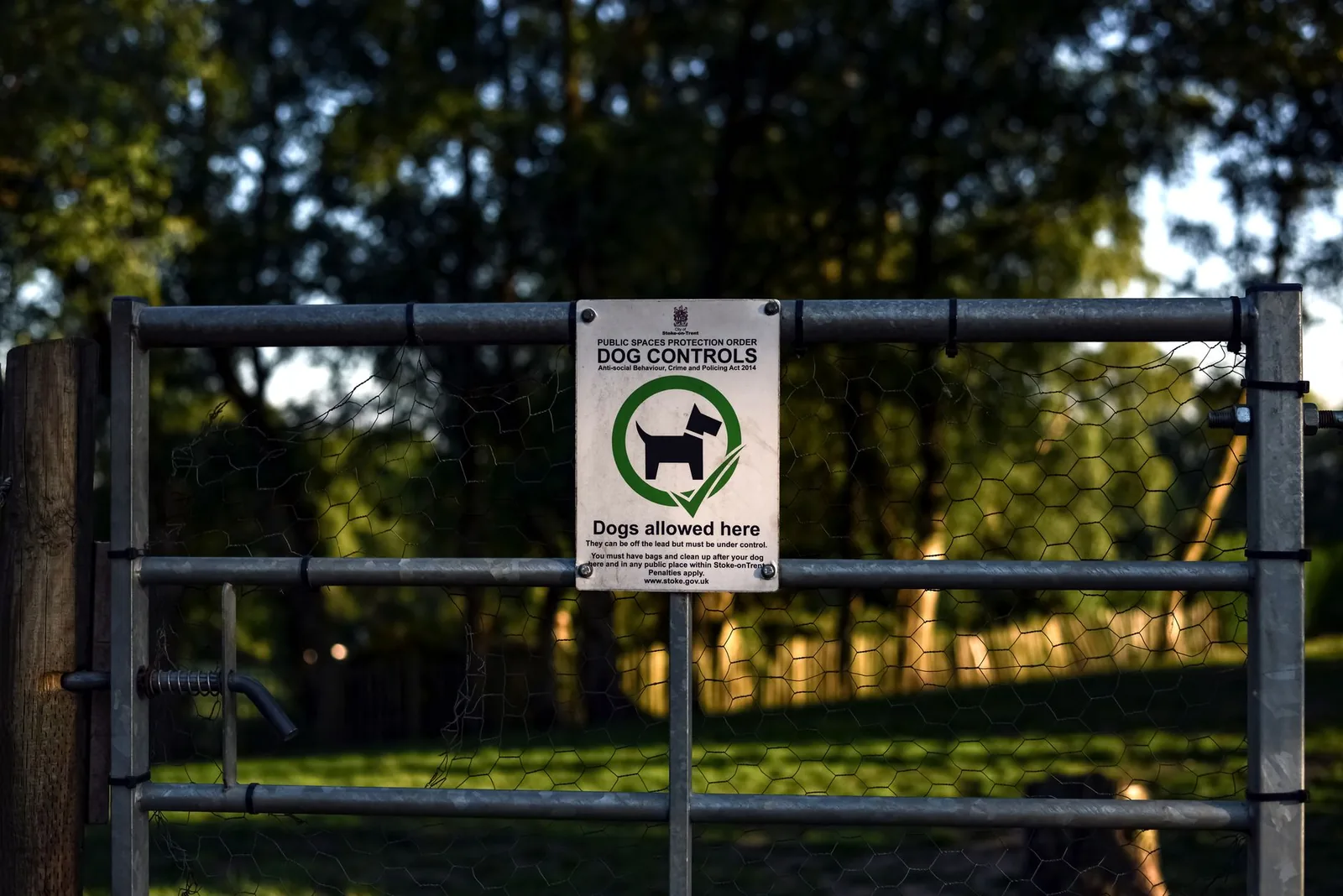
Which terriers cope well
| Dog | Verdict |
|---|---|
| Confident adult, plays well, recalls reliably | Reasonable candidate |
| Sociable but excitable | Small-dog area only, short visits |
| Nervous or reactive on leash | No — a park makes it worse |
| Strong prey drive, chases anything moving | No |
| Newly adopted, under three months in | No — too soon |
| Resource guards toys or food | No |
| Senior, or with joint problems | No — injury risk outweighs benefit |
| Not neutered | Often prohibited, and a common flashpoint |
The socialization argument is where most owners get this wrong: dogs do not become confident by exposure to chaos. Our guide to terrier behavior covers what actually builds tolerance.
If you do go
- Stand at the gate first and watch for five minutes before entering.
- Use the small-dog side, and leave if larger dogs are brought in.
- Keep moving. Standing in a group of owners while dogs sort themselves out is how incidents build.
- Watch your dog, not your phone. The signals that precede trouble are brief.
- Leave early. Twenty good minutes beats forty that end badly.
- Go at quiet times rather than immediately after work.
The signals to watch for — stiffening, hard staring, one dog repeatedly unable to disengage — are set out in our guide to reading canine body language.
Alternatives that usually work better
| Option | Why it suits a terrier |
|---|---|
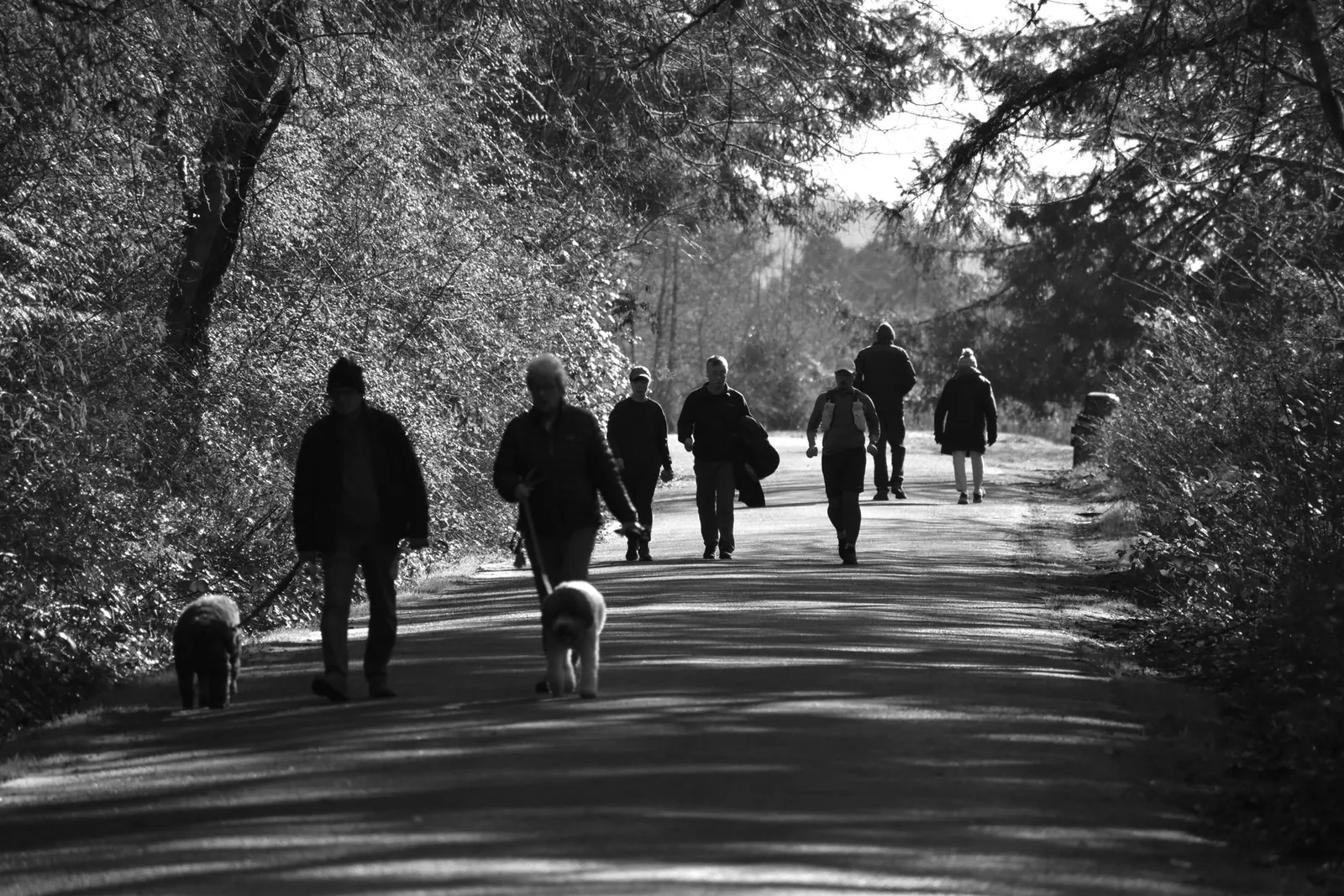
| Long sniffing walk on a long line | Meets the actual need; no social risk |
| Arranged playdate with a known dog | Controlled, matched size and play style |
| Rented private field, where available | Off-leash freedom with no other dogs |
| Scentwork or earthdog class | Uses the breed’s original drive productively |
| Quiet trail at an off-peak hour | Novelty and exercise without crowding |
| Structured training class | Socialization with supervision and structure |
Why that is true is covered in our guide to how much exercise a Westie actually needs.
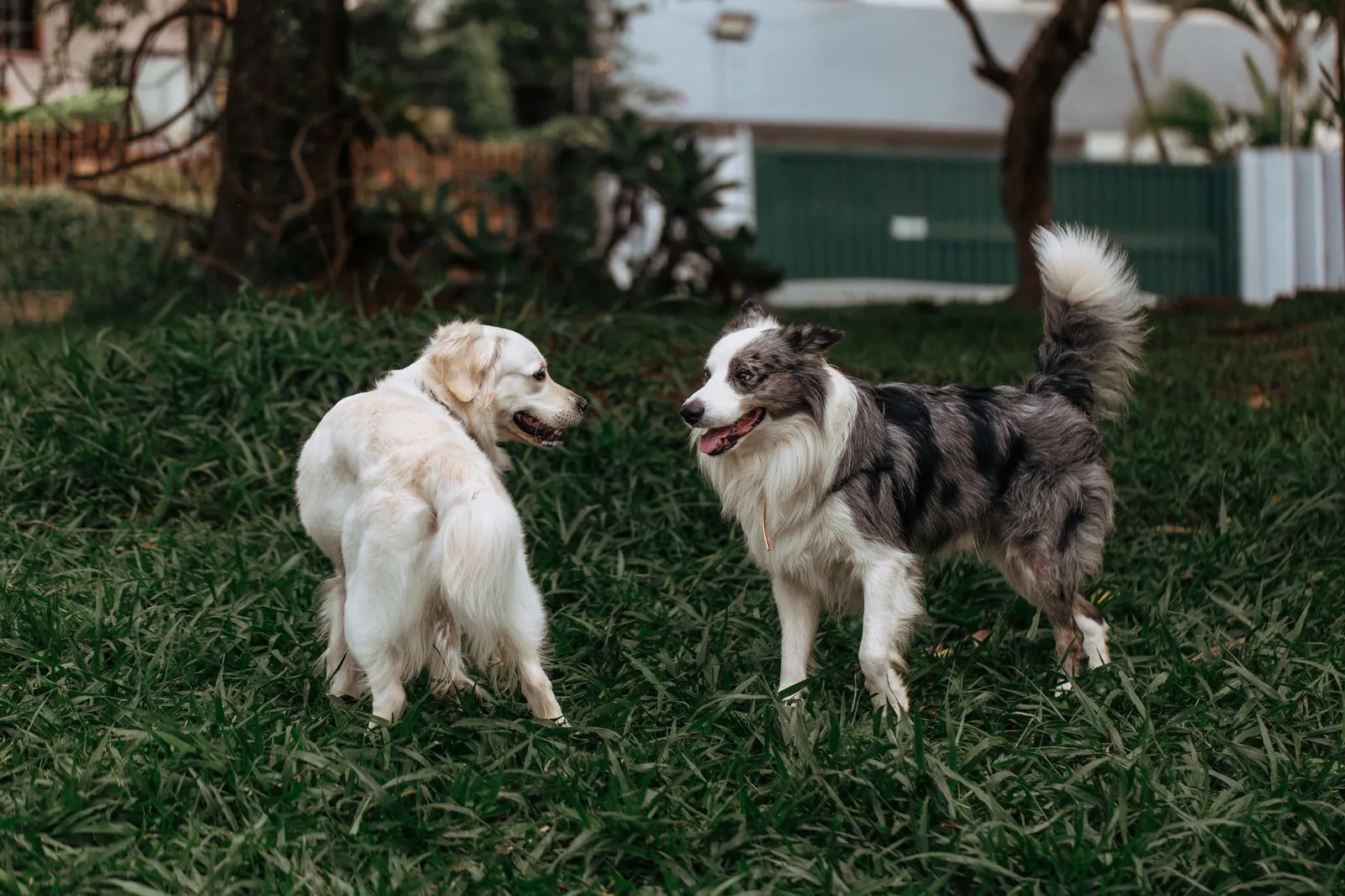
Newly adopted dogs
Give it three months at minimum. A dog that has been with you two weeks has no bond to hold it, no reliable recall, and no reason to choose you over a gate left open.
Dog parks are also a common place for rescue dogs to be lost, which is worth weighing against the perceived benefit — why terriers bolt and what to do if one gets out covers the recovery method.
Frequently asked questions
Are dog parks safe for small dogs?
They carry real size-mismatch risk. A large dog chasing a small one can injure it seriously without any aggressive intent, so a separate small-dog area matters and leaving when it is ignored matters more.
Do dogs need dog parks to be socialized?
No. Socialization means calm, positive exposure, which a busy park often is not. Structured classes, walks with known dogs and controlled meetings all build tolerance more reliably.
Can a terrier with prey drive go to a dog park?
Usually not safely. Chase games can tip into predatory behavior, and a small fast dog running is exactly the trigger. A long line on a quiet walk gives the freedom without that risk.
How soon can a newly adopted dog go to a dog park?
Not for at least three months, and often longer. A new dog has no bond, no reliable recall and nothing holding it to you, which makes both escape and conflict more likely.
What should I never bring to a dog park?
Toys, chews and food. They are the most common cause of fights between dogs who were otherwise getting along. Communal water bowls are also worth avoiding.

What we tell adopters
We do not prohibit dog parks, and we do not recommend them as a default. What matters is the individual dog, and the foster carer will tell you honestly how yours is with unfamiliar dogs.
The Westies currently available for adoption carry those notes, and our guide to dog-to-dog introductions covers controlled meetings, which is the better route to the same goal.