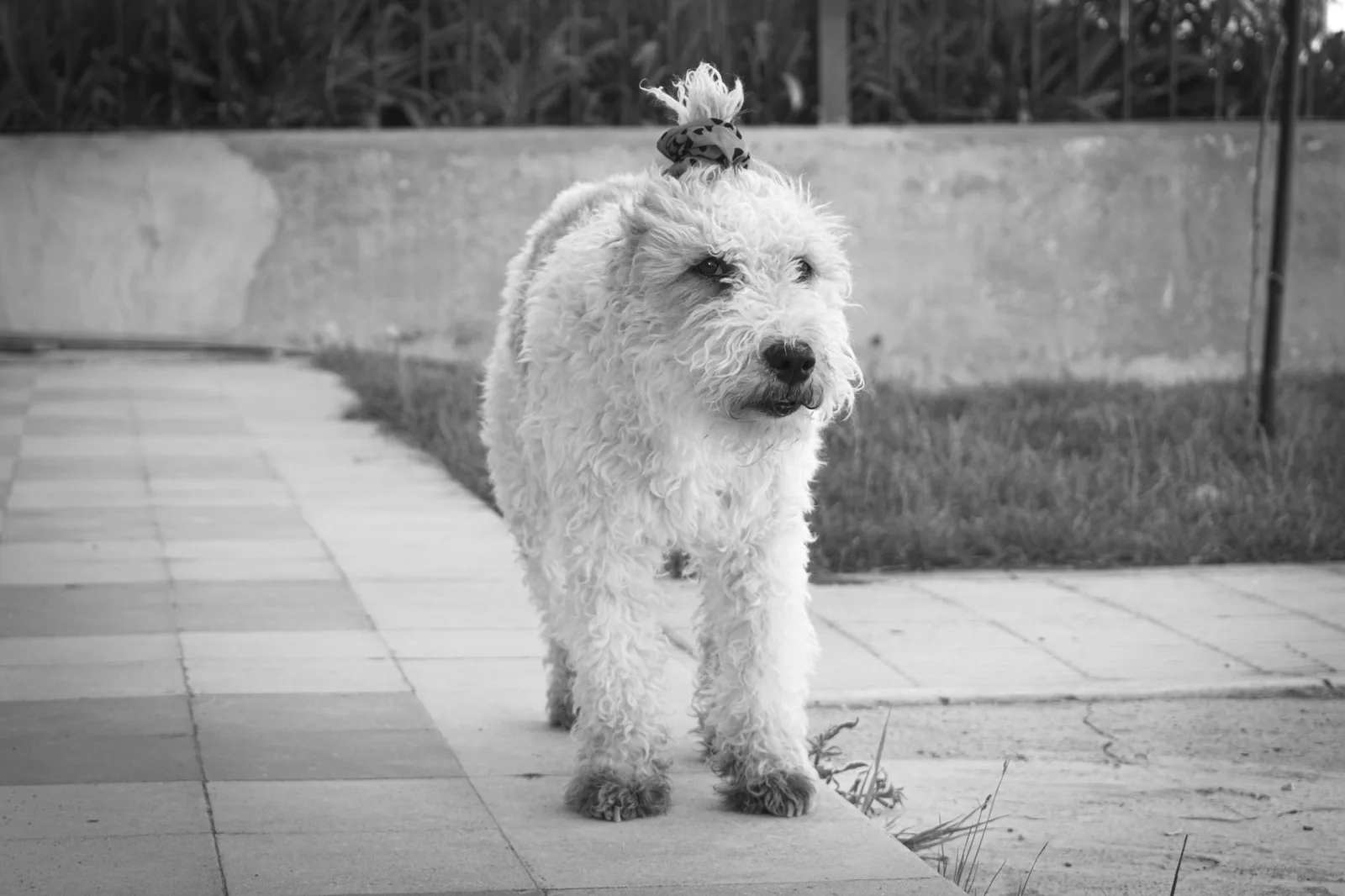
Every Westie is white. Not mostly white, not usually white — the breed standard admits no other color, which is unusual even among terriers.
The reason is practical rather than decorative, and understanding it explains a good deal about how the dog in your living room behaves.
The short version
- The breed comes from Argyll in western Scotland, developed for working terrier stock.
- White was selected so the dog could be told apart from quarry in poor light.
- It shares ancestry with the Cairn, Scottish and Dandie Dinmont terriers.
- Every trait owners find difficult was once the point of the dog.
Where the breed came from
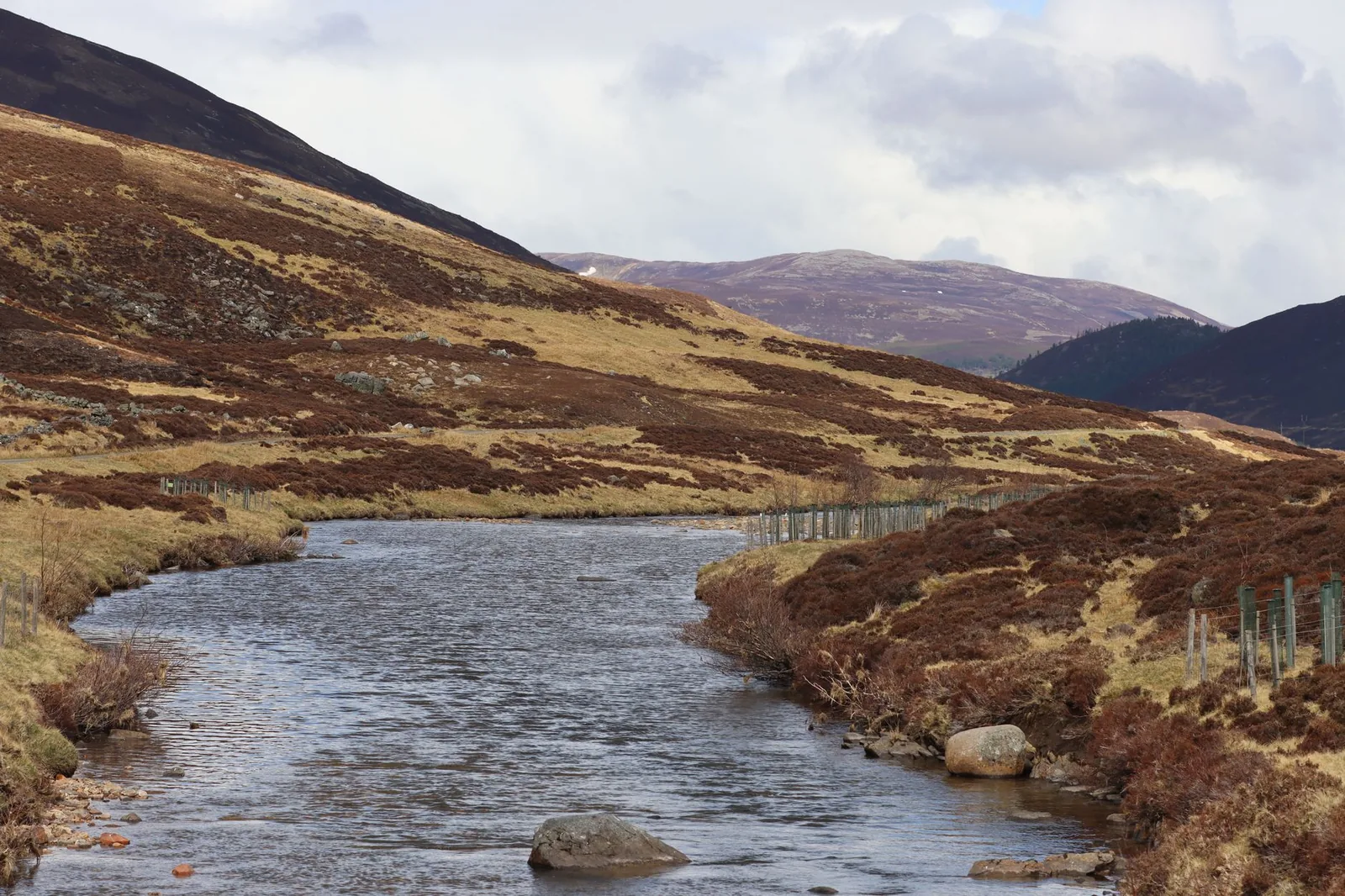
The Westie’s development is associated with Poltalloch in Argyll, on Scotland’s west coast, where the Malcolm family bred working terriers over several generations.
Edward Donald Malcolm, the 16th Laird of Poltalloch, is generally credited with consolidating the modern breed from that stock in the nineteenth century. The dogs were known for a time as Poltalloch Terriers.
The American Kennel Club first recognized them in 1908 under the name Roseneath Terrier, changing it to West Highland White Terrier the following year.
The white coat
The traditional account is that a Poltalloch terrier of a dark, wheaten color was mistaken for quarry and accidentally shot, after which only white dogs were bred.
Whether that particular story is literally true is not documented, but the logic behind it is sound and is the reason the color stuck.
| Working problem | What white solves |
|---|---|
| Telling dog from fox or badger at dusk | A white dog is unmistakable in low light |
| Finding a dog working in bracken or heather | Visible at distance against dark ground |
| Locating a dog that has gone to ground | Visible the moment it reappears |
| Working in poor Highland weather | Stands out against wet rock and peat |
What the job selected for
A dog bred to follow fox and badger underground, alone, out of sight of its handler, needs a specific set of qualities. Those qualities are still here.
| Bred for | Why it was needed | How it shows up today |
|---|---|---|
| Independence | Working alone underground, no handler input | Selective recall; deciding for itself |
| Persistence | Not giving up on quarry | Terrier stubbornness |
| Barking underground | So the handler could locate the dog | Alert barking at everything |
| Digging | Going to ground after quarry | Lawns and flower beds |
| Prey drive | The entire purpose | Squirrels, cats, anything that runs |
| Harsh double coat | Weatherproofing in Highland conditions | High grooming cost, low shedding |
| Compact, sturdy build | Fitting into a burrow and surviving a fight | Robust enough for family life |
| Confidence far beyond size | Facing a badger | Not backing down from larger dogs |
That framing runs through everything we publish about behavior — our guide to barking, digging and prey drive treats these as traits to redirect rather than eliminate.
The Scottish terrier family
Westies, Cairns, Scotties, Skyes and Dandie Dinmonts all descend from the same broad population of Highland working terriers, separated into distinct breeds only in the late nineteenth century.
Before that, a single litter could contain dogs later assigned to different breeds. The Cairn and the Westie in particular were interbred until the practice was formally stopped.
That shared history is why the three are so easily confused — our guide to telling the Scottish terriers apart covers the three checks that settle it.
The Fédération Cynologique Internationale publishes the international breed standard for the West Highland White Terrier, which sets out the formal description the color requirement sits in.
What white does not mean
- Not albino. Westies have dark eyes, black noses and pigmented skin. The white is a coat color, not an absence of pigment.
- Not linked to deafness in this breed, unlike some white breeds where the pattern is associated with congenital hearing loss.
- Not the cause of the skin problems. Atopic dermatitis in Westies is inherited, but it is not a consequence of coat color.
- Not necessarily bright white. Cream and slightly biscuit shading occurs, and repeated clipping dulls the color over years.
That last point is the one owners ask about most — our guide to stripping versus clipping explains why the coat changes color and texture with method.
From working dog to companion
The Westie made the transition to companion dog early and thoroughly, helped by a size that suits ordinary houses and a temperament that is genuinely sociable.
What did not change is the underlying wiring. A century of living on sofas has not removed the instinct to chase, dig and announce visitors, because nobody selected against it.
That is worth knowing before choosing the breed rather than after — our honest guide to whether Westies suit your household sets out which homes struggle.
Frequently asked questions
Why are Westies always white?
The color was selected so a working terrier could be told apart from fox or badger in poor light. The traditional account involves a dark terrier being mistaken for quarry and shot, after which only white dogs were bred at Poltalloch.
Are Westies albino?
No. They have dark eyes, black noses and pigmented skin. The white coat is a color rather than an absence of pigment, which is why they do not have the health issues associated with true albinism.
Where did the West Highland White Terrier originate?
Argyll, in western Scotland, associated with the Malcolm family of Poltalloch. The AKC recognized the breed as the Roseneath Terrier in 1908 and renamed it the following year.
Are Westies and Cairn Terriers related?
Closely. Both descend from the same Highland working terrier stock, along with the Scottish, Skye and Dandie Dinmont, and the two were interbred until the practice was formally ended.
Can Westies be any color other than white?
Not within the breed standard. A cream or biscuit tinge occurs, and repeated clipping dulls the white over years, but a genuinely colored dog is not a Westie.
The dogs behind the history
The breed’s working past is why it makes such a rewarding companion and why it defeats households that expected something quieter.
If the history has made you more interested rather than less, our guide to adopting a Westie in New England explains how the process works, and the Westies currently available for adoption shows who is looking for a home.