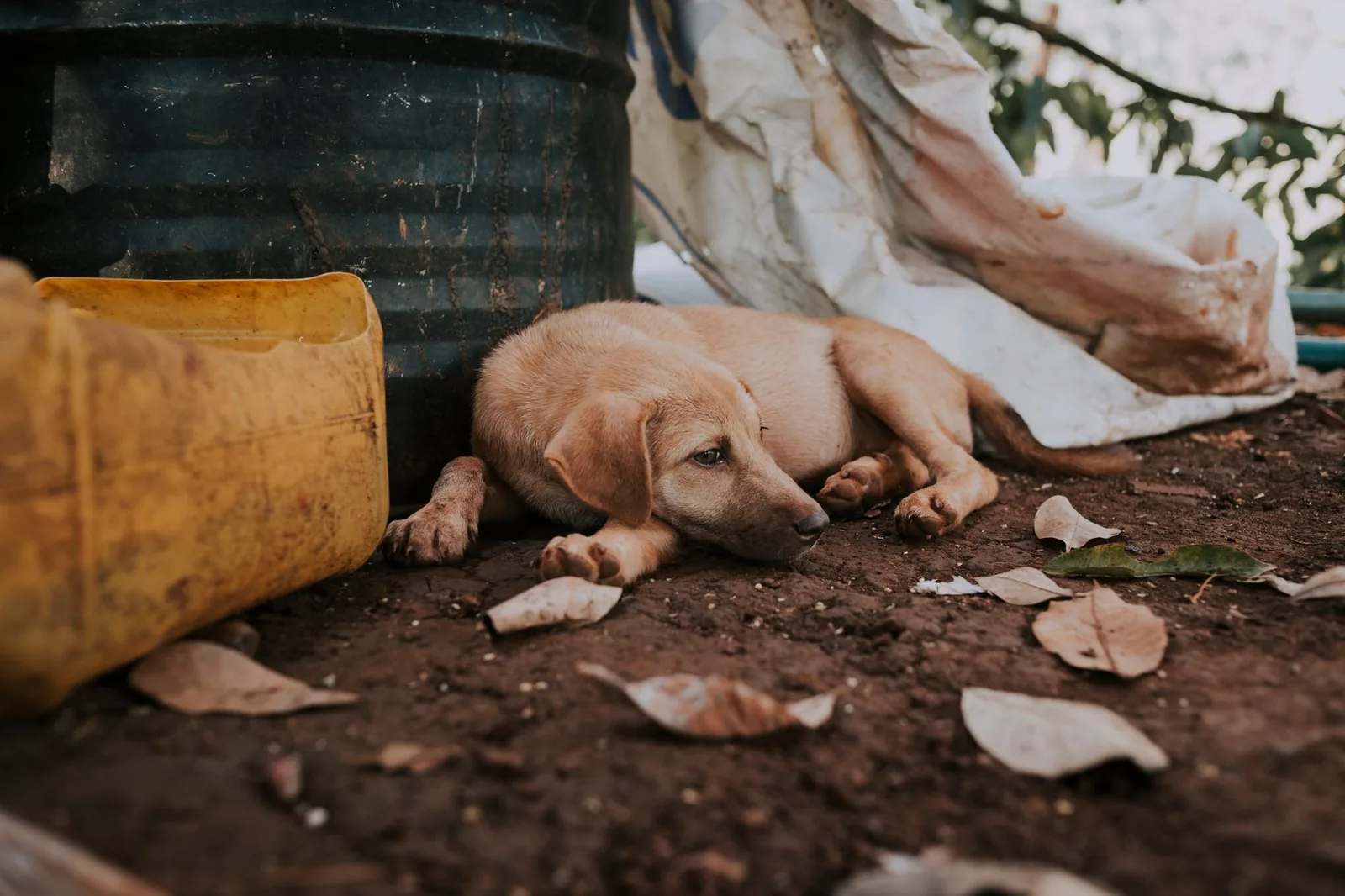
When one dog in a household dies, the other usually changes. It eats less, plays less, sleeps differently and follows people around.
This is well documented and it is not projection. Most surviving dogs show several behavioral changes after losing a companion, and most of them resolve with time and consistency.
The short version
- Expect appetite, sleep and activity changes for weeks to months.
- Keep the routine identical. Predictability is the main thing that helps.
- Let the surviving dog see the body if that is possible.
- Behavior change plus weight loss is a vet visit, not grief.
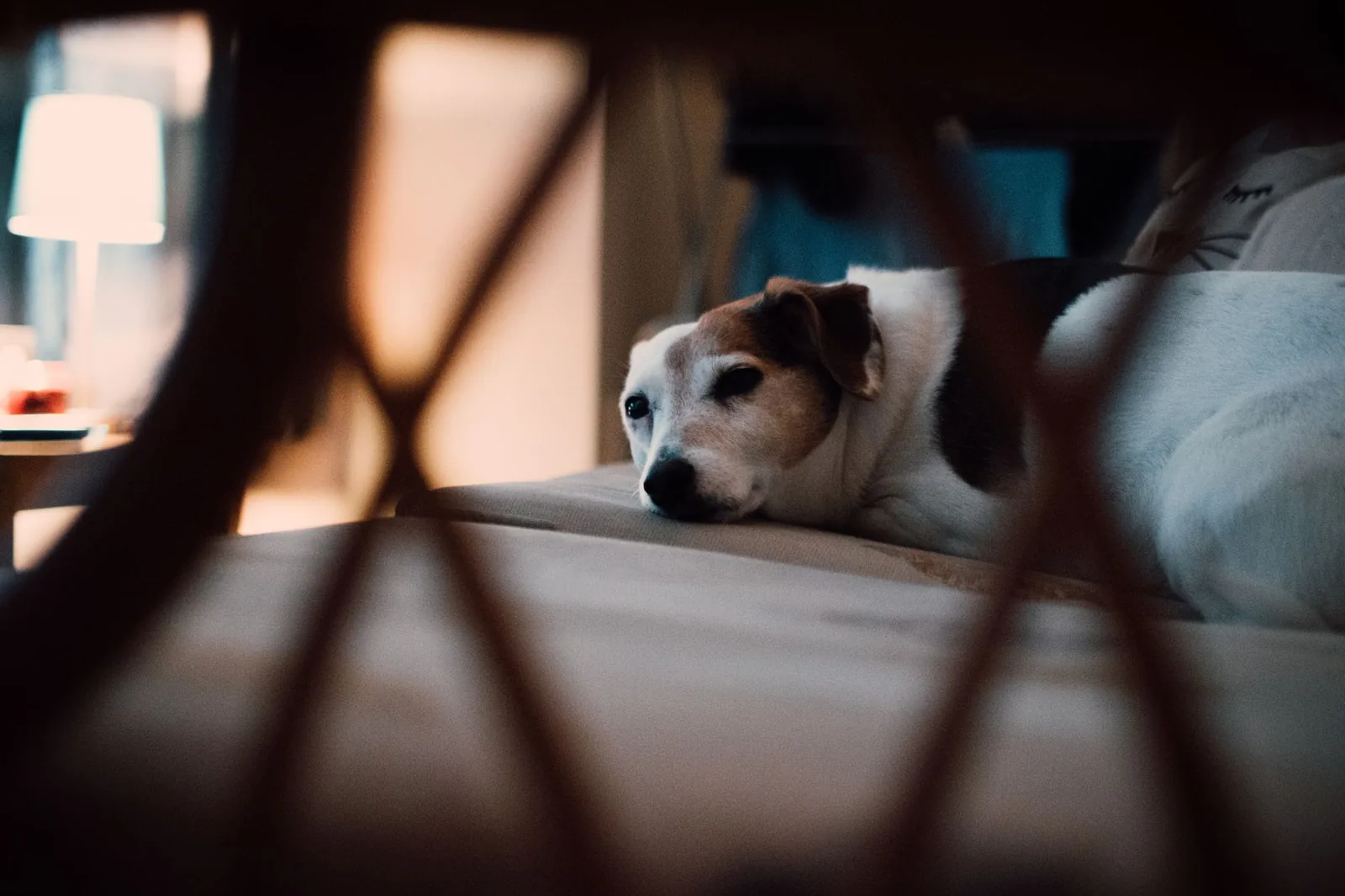
What it looks like
| Change | How common | Typical duration |
|---|---|---|
| Seeking more attention | Very common | Weeks to a few months |
| Eating less | Very common | Days to weeks |
| Playing less | Very common | Weeks to months |
| Searching, waiting at doors | Common | Days to weeks |
| Vocalizing — whining, howling | Common | Weeks |
| Sleeping more, or restless at night | Common | Weeks |
| House soiling | Occasional | Days to weeks |
| Clinginess or new separation distress | Occasional | Weeks to months |
If the clinginess develops into genuine distress when you leave, that is a separate problem — our guide to separation anxiety in Westies covers telling protest from panic.
Whether to let the dog see the body
Where circumstances allow, yes. Dogs given the chance to see and smell a companion after death tend to show less searching behavior afterwards.
It does not remove the grief, and some dogs show little visible reaction. But it appears to shorten the period of waiting at doors and looking in empty beds.
If euthanasia is planned, ask your vet in advance whether this is possible. Home visits make it considerably easier — our guide to hospice and end-of-life care covers planning that conversation before the day.
What actually helps
- Keep the routine identical. Same walk times, same feeding times, same order of events. This is the single most useful thing.
- Give attention when it is asked for, rather than either smothering the dog or deliberately withholding.
- Add short novel activities — a new walking route, a scentwork game — rather than more of what the two dogs did together.
- Feed somewhere slightly different if the dog will not eat in the old spot.
- Leave the other dog’s bed for a while, then remove it gradually rather than overnight.
- Look after your own grief. Dogs read household mood, and a household in crisis is harder to settle into.
That last point is not sentimental. Ohio State’s veterinary school runs veterinary social work and pet loss support programs, which exist precisely because the human side affects the animal side.
What does not help
| Approach | Why it backfires |
|---|---|
| Getting a new dog immediately | Adds change during instability; often resented |
| Changing the routine to distract | Removes the predictability the dog needs most |
| Removing everything at once | Abrupt change compounds the loss |
| Excessive fussing over sad behavior | Can reinforce the behavior you are worried about |
| Assuming all change is grief | Masks illness, which presents the same way |
| Leaving the dog alone more | Isolation worsens almost every symptom |
When it is not grief
Grief and illness look alike from the outside, and a vet visit is worth it rather than assuming.
- Weight loss beyond a few days off food.
- Vomiting or diarrhea alongside the behavior change.
- Increased drinking — kidney disease, diabetes and Cushing’s all present this way.
- Any change lasting beyond about three months without improvement.
- New house soiling that does not resolve within two weeks.
In an older dog particularly, several of these overlap with ordinary aging and with cognitive decline — our guide to caring for a Westie after ten separates what is age from what is treatable.
Whether to get another dog
Eventually, often yes. Immediately, usually not.
Give the surviving dog at least a few months to settle into the new shape of the household, and judge by the dog rather than by your own timeline. A dog that has started playing again and eating normally is ready to be asked; one still searching is not.
When the time comes, the introduction matters as much as the choice — our guide to introducing a new dog to a resident dog covers doing it without creating a rivalry.
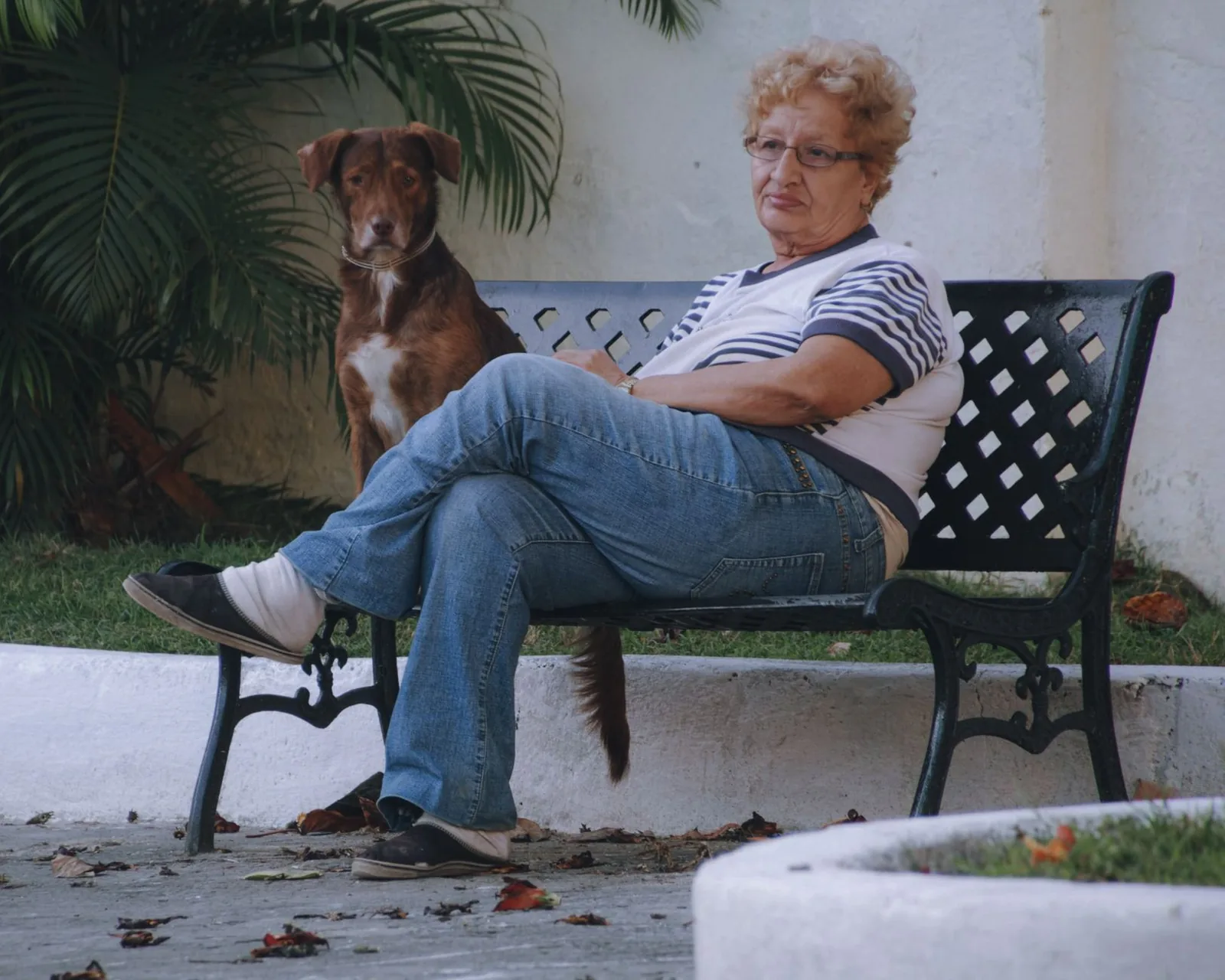
When the person died, not the dog
The hardest version, and a common route into rescue. A dog that has lost its person is grieving and has usually lost the house, the routine and everything familiar at the same time.
These dogs take longer to settle than an ordinary rehoming and are worth extraordinary patience. Many are elderly, and they wait longest for homes.
If you are dealing with this now, our guide to rehoming options covers what to gather and how to choose, and planning for your dog if something happens to you is how the next family avoids it.

Frequently asked questions
Do dogs grieve when another pet dies?
Yes. Most surviving dogs show several behavioral changes, commonly seeking more attention, eating less and playing less, and these can last weeks to months.
How long does a dog grieve for?
Typically several weeks to a few months. A dog still somewhat subdued at three months is within normal range; one that is losing weight or has not improved at all needs a veterinary check.
Should my dog see the body of the dog that died?
Where possible, yes. Dogs allowed to see and smell a companion after death tend to show less searching behavior afterwards. It does not remove the grief but it appears to shorten the waiting.
Should I get another dog straight away?
Usually not. Adding a new dog during instability often causes resentment rather than comfort. Wait until the surviving dog is eating normally and playing again, then judge by the dog rather than the calendar.
How do I tell grief from illness?
Weight loss, vomiting, increased drinking, or any change persisting beyond about three months point to illness rather than mourning. When in doubt, see a vet, because the two look identical from outside.
If you are considering an older dog
Many of the Westies we take in have lost a person or a companion, and they are among the most rewarding placements precisely because the settling is slow.
The Westies currently available for adoption say where each one has come from, and the case for adopting a senior dog makes the argument for the ones who wait longest.