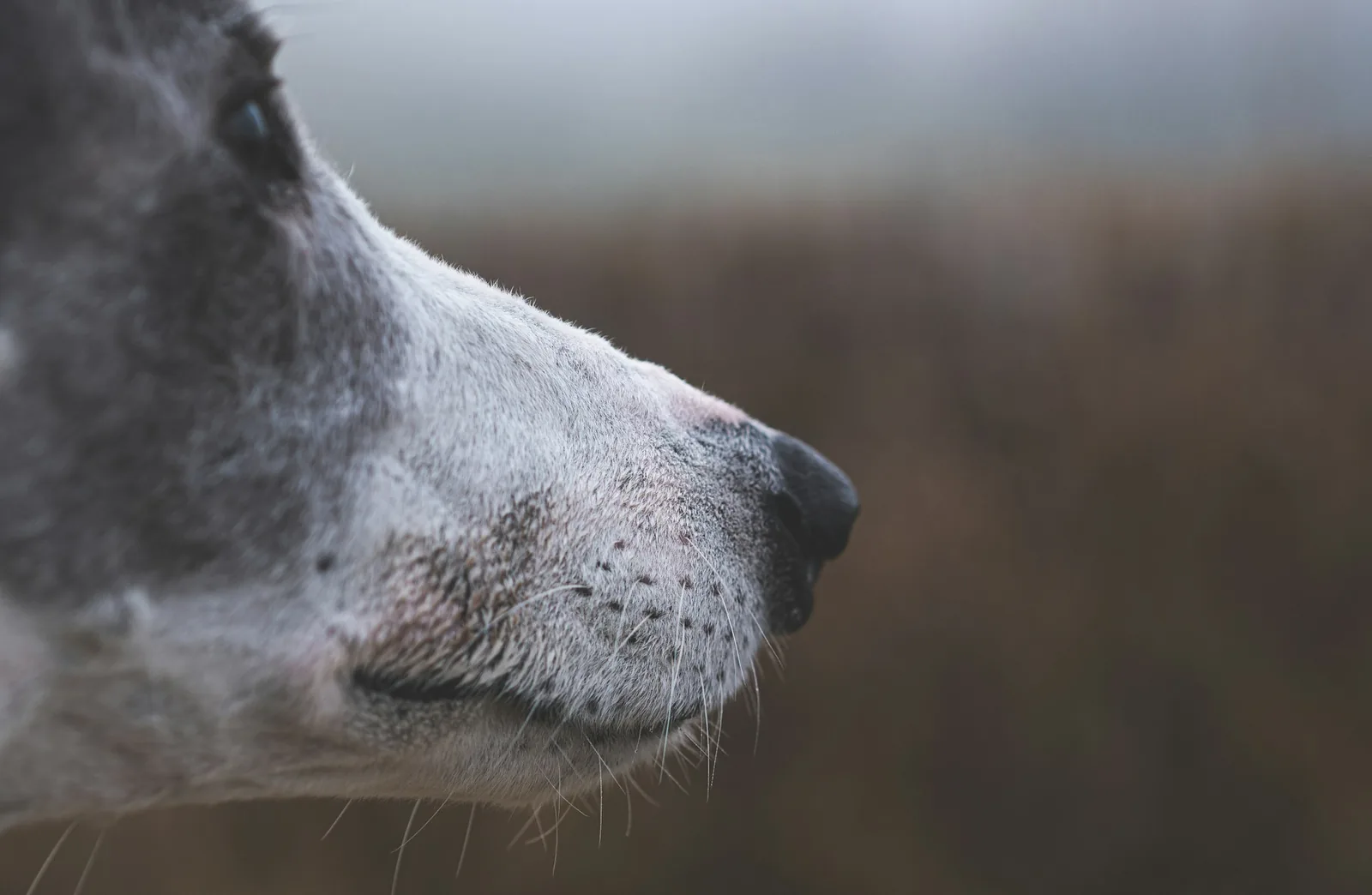
Westies commonly reach fourteen or fifteen, so the last third of the dog’s life is a long stretch rather than a short decline — and most of it can be comfortable.
The skill is telling ordinary aging from treatable disease. A great many things dismissed as “just getting old” are not.
The short version
- A Westie is generally considered senior from about eight, geriatric from twelve.
- Slowing down is normal. Pain, confusion and incontinence are not — they are symptoms.
- Twice-yearly veterinary visits from eight catch most of what matters while it is cheap to treat.
- Environment changes — grip, warmth, ramps — often do more than medication.
Aging or illness?
The left column is expected. The right column is a reason to book.
| What you see | Normal aging | Get it checked |
|---|---|---|
| Activity | Shorter walks, longer naps | Reluctance to move at all, or crying on rising |
| Sleep | Sleeping more overall | Pacing or vocalizing at night |
| Drinking | Roughly unchanged | Noticeably more — kidney disease, diabetes, Cushing’s |
| House habits | Occasional accident if left too long | Regular indoor accidents, or straining |
| Weight | Gradual muscle loss over years | Loss despite normal appetite, or rapid gain |
| Hearing and sight | Gradual dulling | Sudden loss, bumping into things, cloudy or painful eyes |
| Breathing | Slightly less stamina | Dry cough, crackly breath — possible Westie lung |
| Behavior | Less tolerant of disruption | Getting lost in the house, staring at walls, forgetting people |
Several of these overlap with the conditions this breed is specifically prone to, which is worth reading alongside.

Pain is the thing most often missed
Dogs do not usually limp dramatically or cry. They get quieter, and owners read quiet as contentment.
Osteoarthritis is extremely common in older small dogs, and Westies carry the added risk of long-standing patellar problems.
- Hesitating before jumping onto a sofa it used to take easily.
- Standing up in stages, or a stiff first few steps after rest.
- Reluctance on stairs, particularly going down.
- A changed sleeping position, or moving beds repeatedly at night.
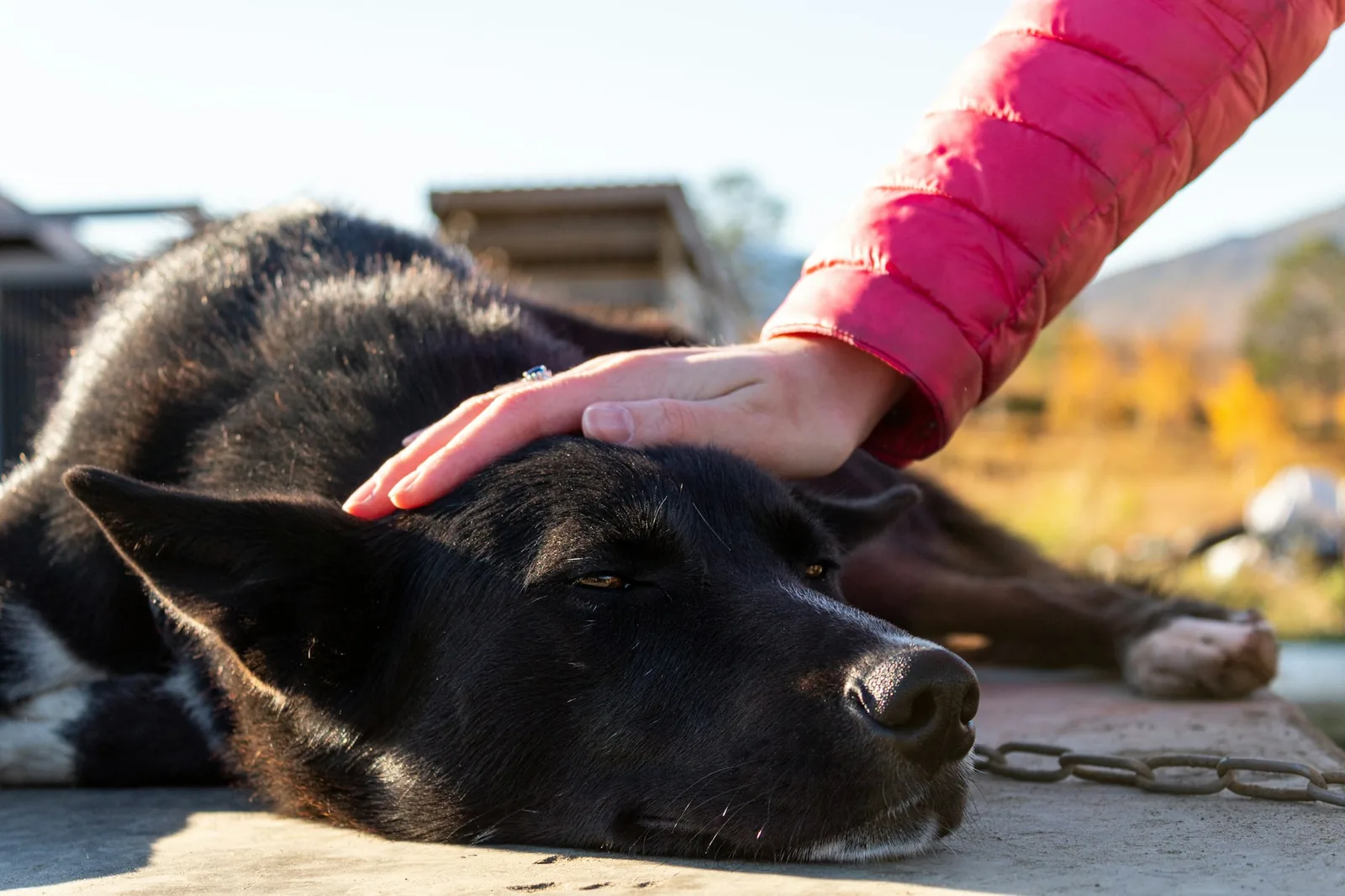
- Irritability when touched along the back or hips.
- Licking one joint persistently.
Modern pain control is good and the difference is often dramatic. Ask about a pain trial rather than waiting to be offered one.
Canine cognitive dysfunction
Doggy dementia is real, common and under-diagnosed. Recognizing it early is what buys good time, because management works better before it is advanced.
| Sign | What it looks like |
|---|---|
| Disorientation | Getting stuck in corners, going to the hinge side of a door |
| Interaction changes | Less greeting, less seeking contact, or sudden clinginess |
| Sleep reversal | Restless at night, sleeping heavily by day |
| House soiling | Accidents in a previously reliable dog |
| Activity changes | Aimless pacing, staring, repetitive circling |
| Anxiety | New fearfulness, especially in the evening |
Cornell’s Riney Canine Health Center publishes owner-facing guidance on canine aging and health, which is a reliable place to read further.
Changes worth making at home
These are cheap, immediate and frequently more effective than anything in a bottle.
| Change | Why it helps a senior Westie |
|---|---|
| Non-slip runners on hard floors | Slipping is a major cause of injury and fear of movement |
| A ramp or steps to the sofa | Removes repeated impact on already worn joints |
| Orthopedic bed, away from drafts | Better sleep, less stiffness on rising |
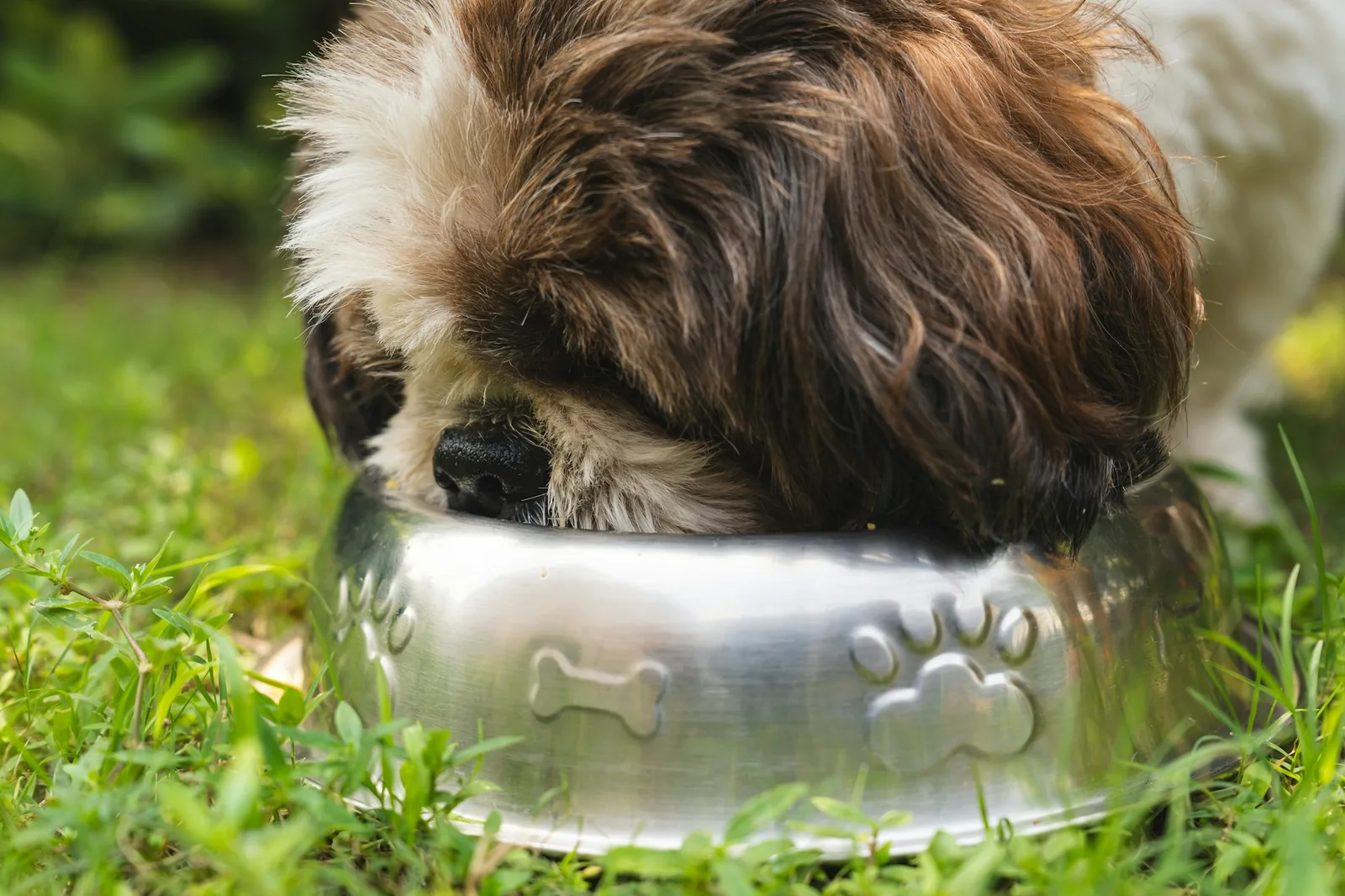
| Raised food and water bowls | Less strain on the neck and shoulders |
| Night lights on the route to the door | Helps failing sight and disorientation |
| More frequent, shorter walks | Maintains muscle without exhausting the dog |
| A coat in winter | Older dogs lose condition and regulate temperature less well |
| Keep furniture where it is | Critical for a dog losing sight or cognition |
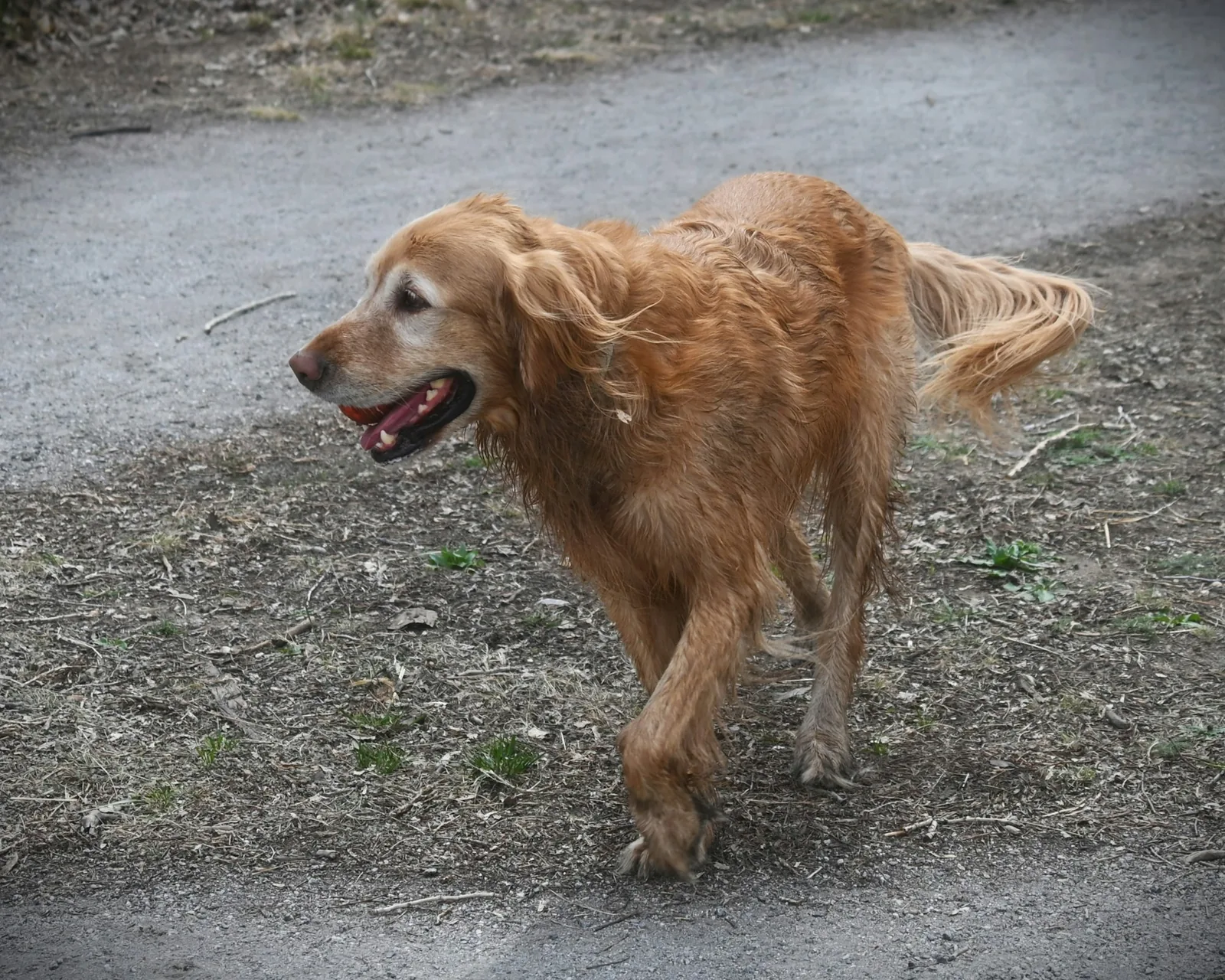
Diet, weight and grooming
Every extra pound loads joints that are already sore, and being overweight is one of the commonest findings in the breed.
You should be able to feel ribs easily under a thin layer. If you cannot, the single kindest intervention available is a controlled reduction.
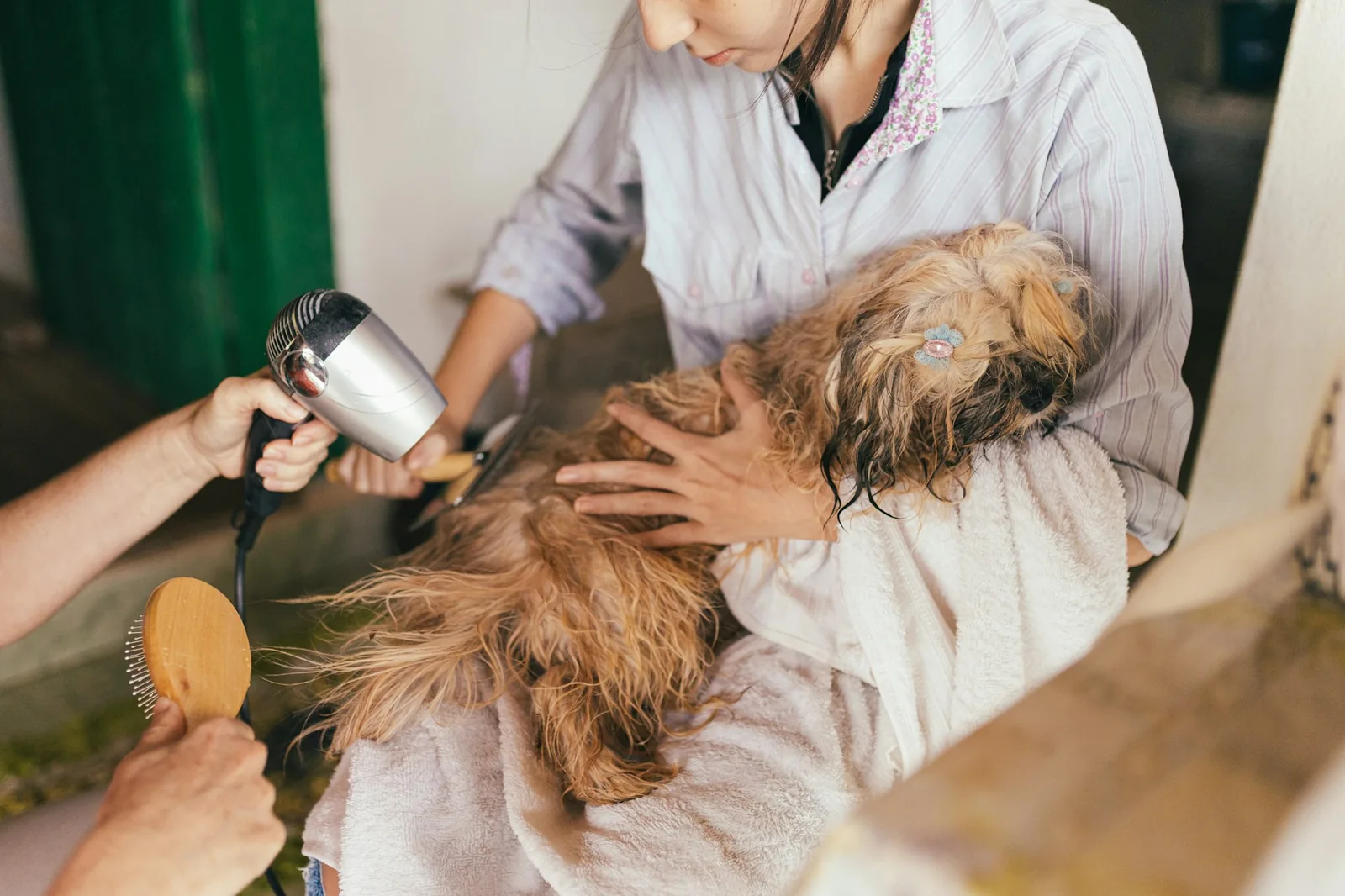
Grooming gets harder for the dog too. Standing on a table is tiring, so shorter, more frequent sessions work better — our Westie grooming guide covers why clipping often becomes sensible with age.
Judging quality of life honestly
At some point this becomes the question. Doing it with a written score rather than in the moment is kinder to everyone, including you.
- Score a few things weekly — pain, appetite, mobility, continence, interest in company, more good days than bad.
- Write it down. Decline is gradual, and memory adjusts to it. A record does not.
- Name three things the dog loves while it can still do them. When it can do none of them, you have your answer.
- Ask your vet directly what they would do. Most will tell you honestly if asked plainly.
What that looks like in practice, and what hospice care involves, is covered in our guide to hospice and end-of-life care for a Westie.
Frequently asked questions
At what age is a Westie a senior?
Around eight for most purposes, and geriatric from about twelve. Against a twelve to sixteen year lifespan, that is a long stretch rather than a decline.
How often should an older Westie see a vet?
Twice yearly from about eight, with annual bloodwork and urinalysis. Six months is a long time in an older dog, and most age-related conditions are cheaper and easier to manage when caught early.
Is it normal for an old dog to have accidents indoors?
No. It is common, but it is a symptom rather than an inevitability. Urinary infection, kidney disease, diabetes, Cushing’s and cognitive dysfunction all present this way and are all worth investigating.
How do I know if my senior Westie is in pain?
Look for hesitation before jumping, stiffness on rising, reluctance on stairs and new irritability when handled. Dogs rarely cry. A pain trial from your vet is often the clearest diagnostic.
Should I still walk a very old dog?
Yes, but shorter and more often. Muscle loss accelerates quickly without use, and gentle regular movement usually helps stiffness rather than worsening it.
Older Westies in rescue
Seniors are what this rescue mostly takes in, usually because an owner has died or become unwell, and they are the dogs that wait longest for a home.
If an older dog appeals, the case for adopting a senior dog makes the argument, and the Westies currently available for adoption shows who is waiting. If the cost of care is what is worrying you, sponsoring a dog in our care funds exactly this, and our long-term care and hospice program takes the dogs who need it most.