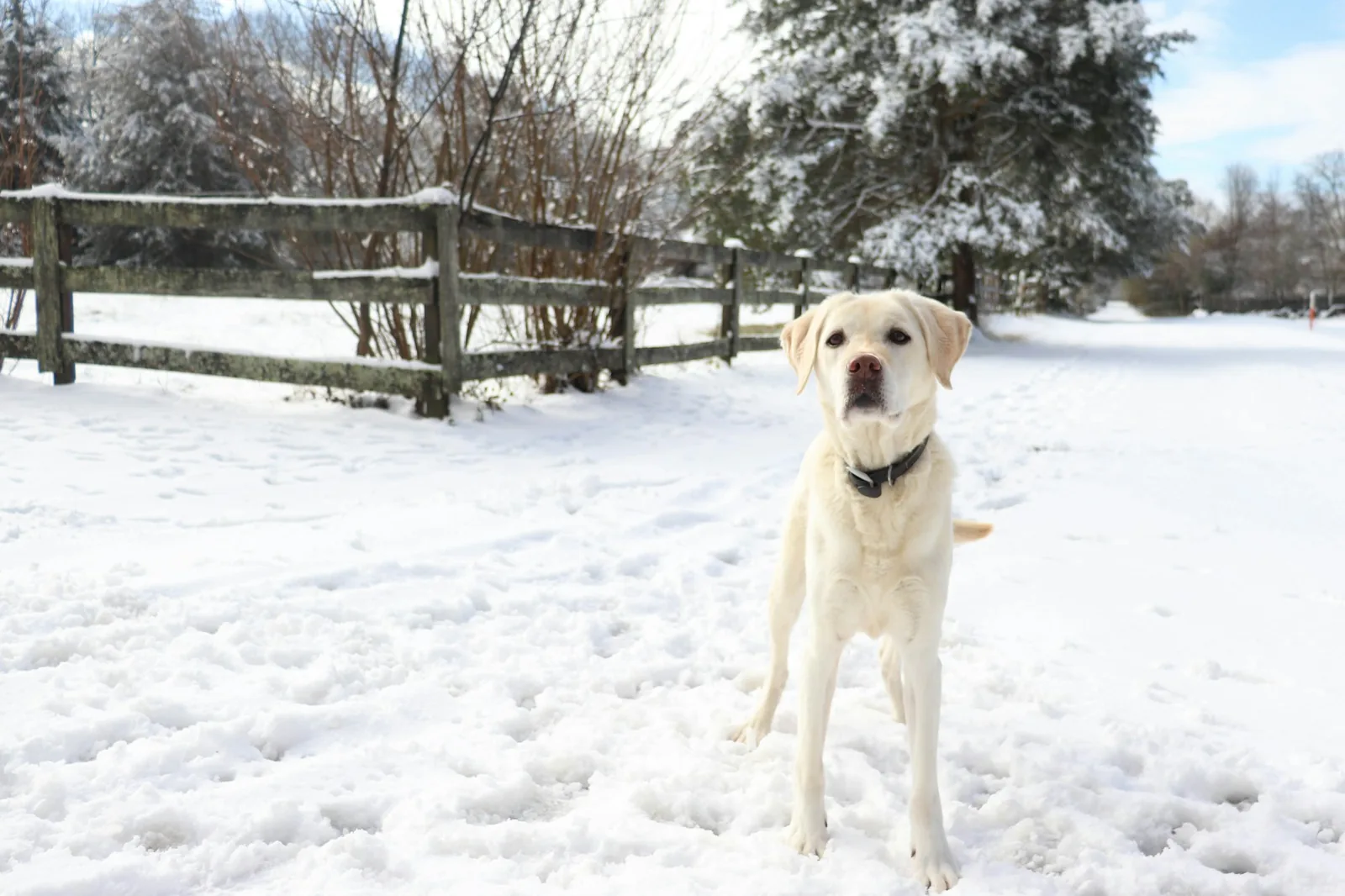
A Westie’s harsh double coat handles cold better than most small breeds, but two New England hazards hit this breed harder than others: de-icing salt, which aggravates skin already prone to disease, and the winter clipping decision, which removes the coat’s insulation.
The short version
- Below about 20°F, keep walks short for a dog this size. Below 15°F, very short.
- Rinse or wipe paws and belly after every walk on treated sidewalks.
- Do not clip the coat short for winter. The undercoat is the insulation.
- Seniors, puppies and dogs with medical conditions have far less margin.
How cold is too cold
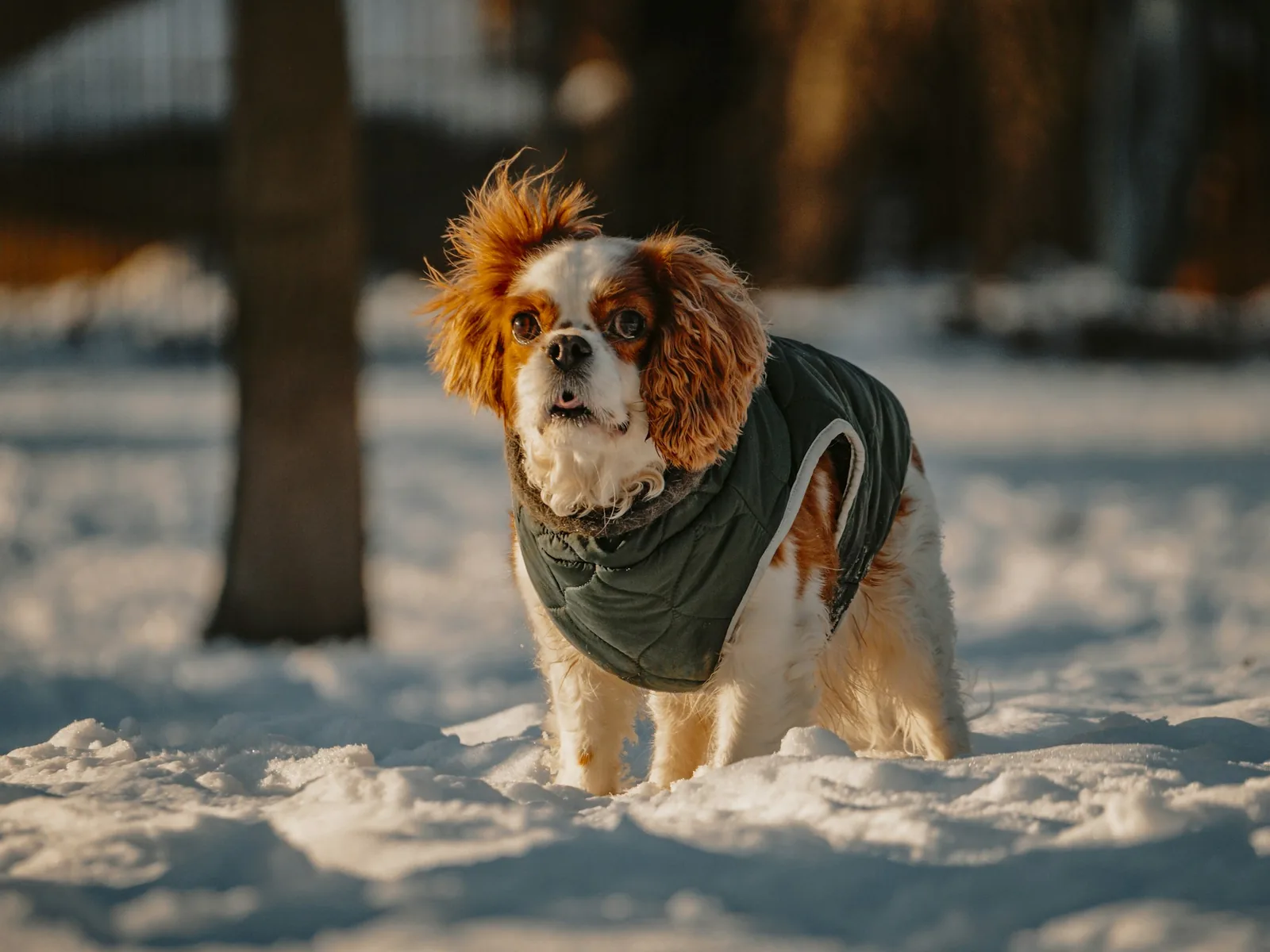
Size matters more than coat. A 17-pound dog has far less mass to hold heat than a Labrador, and wind and damp shift these thresholds sharply.
| Temperature | Healthy adult Westie | Senior, puppy or unwell dog |
|---|---|---|
| Above 45°F | No restriction | No restriction |
| 32–45°F | Comfortable; watch wet conditions | Consider a coat |
| 20–32°F | Fine for normal walks | Coat, and shorter walks |
| 15–20°F | Shorten walks; watch for lifted paws | Brief toilet trips only |
| Below 15°F | Brief trips, coat, monitor closely | Outside only to toilet |
| Below 0°F | Toilet breaks only | Toilet breaks only, supervised |
The signs to turn back are the same at any temperature: shivering, lifting paws, slowing down, whining, or hunching with the tail tucked.
Salt is the New England problem
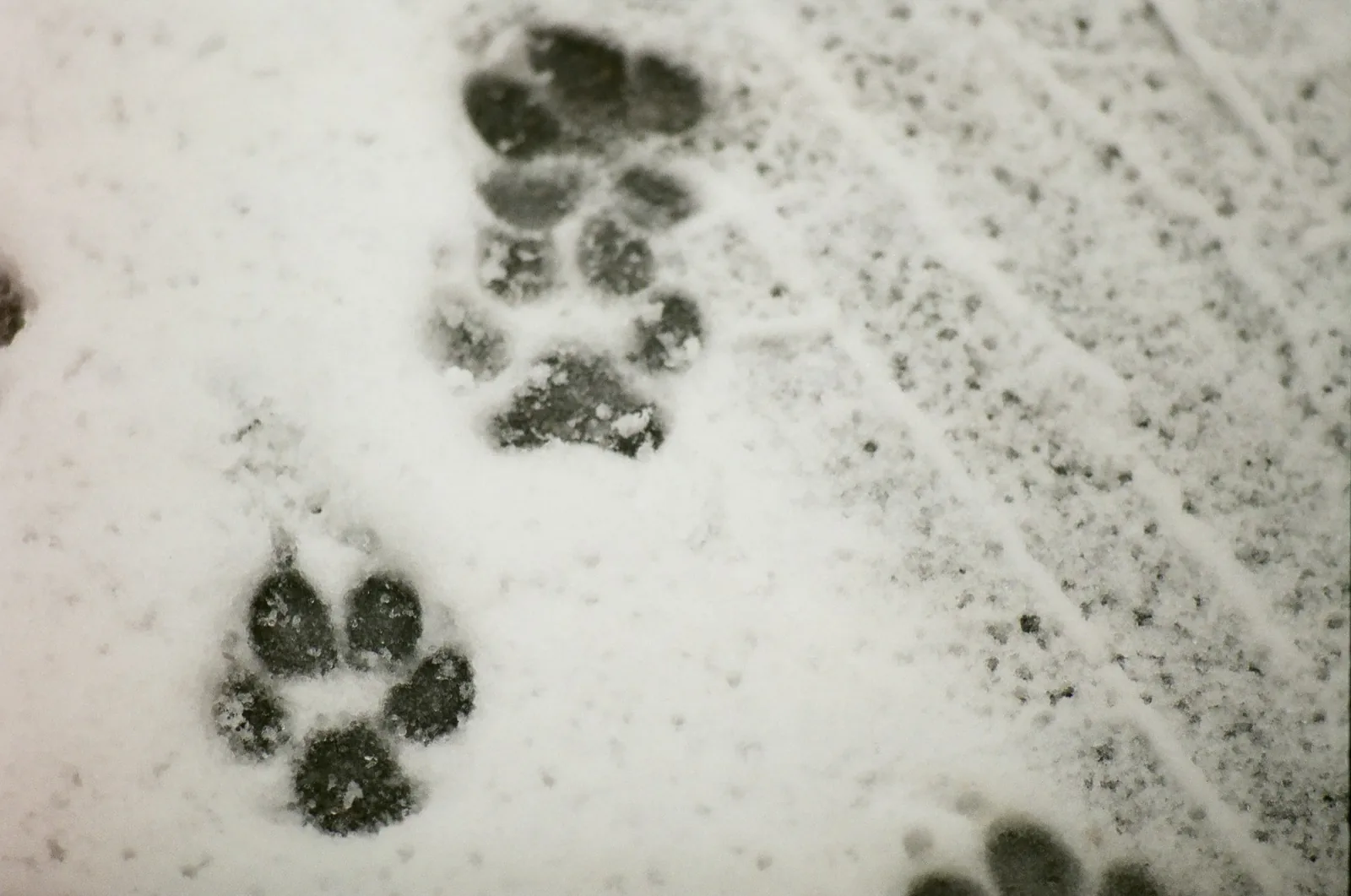
De-icing products are the single most common winter complaint in an area that treats its sidewalks heavily, and they matter more in this breed than most.
- Chemical irritation. Salt draws moisture from the pads and causes cracking and burns.
- Lodging between the toes, where it keeps working and is hard to see.
- Ingestion. A dog that licks its feet takes the salt internally, which causes vomiting and worse in quantity.
- Flare triggering. On skin already predisposed to atopic dermatitis, salt exposure is a reliable way to start a flare.
The fix has to be every time: rinse the feet and belly on returning, and dry between the toes.
For a dog already managing skin disease, this is not optional — our guide to why Westies itch and what helps covers why winter is often the worst season for flares.
The winter grooming mistake
Many owners clip short in winter to reduce mud and snowballing. It is understandable and usually wrong.
| Approach | Effect in winter | Verdict |
|---|---|---|
| Leave the coat at working length | Full insulation retained | Best for most dogs |
| Trim feet and belly only | Less snow clumping, insulation intact | The practical compromise |
| Clip the whole coat short | Removes the insulating undercoat | Avoid |
| Skip grooming entirely | Matting, which traps damp against the skin | Avoid |
| Bathe frequently without drying | Strips oils, chills the dog | Avoid |
The coat mechanics behind this are in our guide to the Westie double coat and how stripping differs from clipping.
Winter hazards worth knowing
| Hazard | Why it matters | What to do |
|---|---|---|
| Antifreeze | Sweet-tasting and lethal in tiny amounts | Clean spills immediately; treat any suspicion as an emergency |
| Frozen ponds and rivers | Small dogs go through ice easily | Leash near water; never follow a dog onto ice |
| Ice melt in the garage | Chemical burns and ingestion | Store sealed and out of reach |
| Space heaters and fires | Burns, and knocked-over units | Guard them; do not leave a dog alone with one |
| Cars as shelter for cats | Cats sleep in warm engine bays | Knock on the hood before starting |
| Shorter daylight | Walking in the dark near traffic | Reflective harness and a light |
| Snowbanks | A white dog is genuinely hard to see | A colored coat is a safety item, not a fashion one |
The University of Illinois College of Veterinary Medicine publishes seasonal pet health columns covering winter hazards, which are written for owners and are a good place to read further.
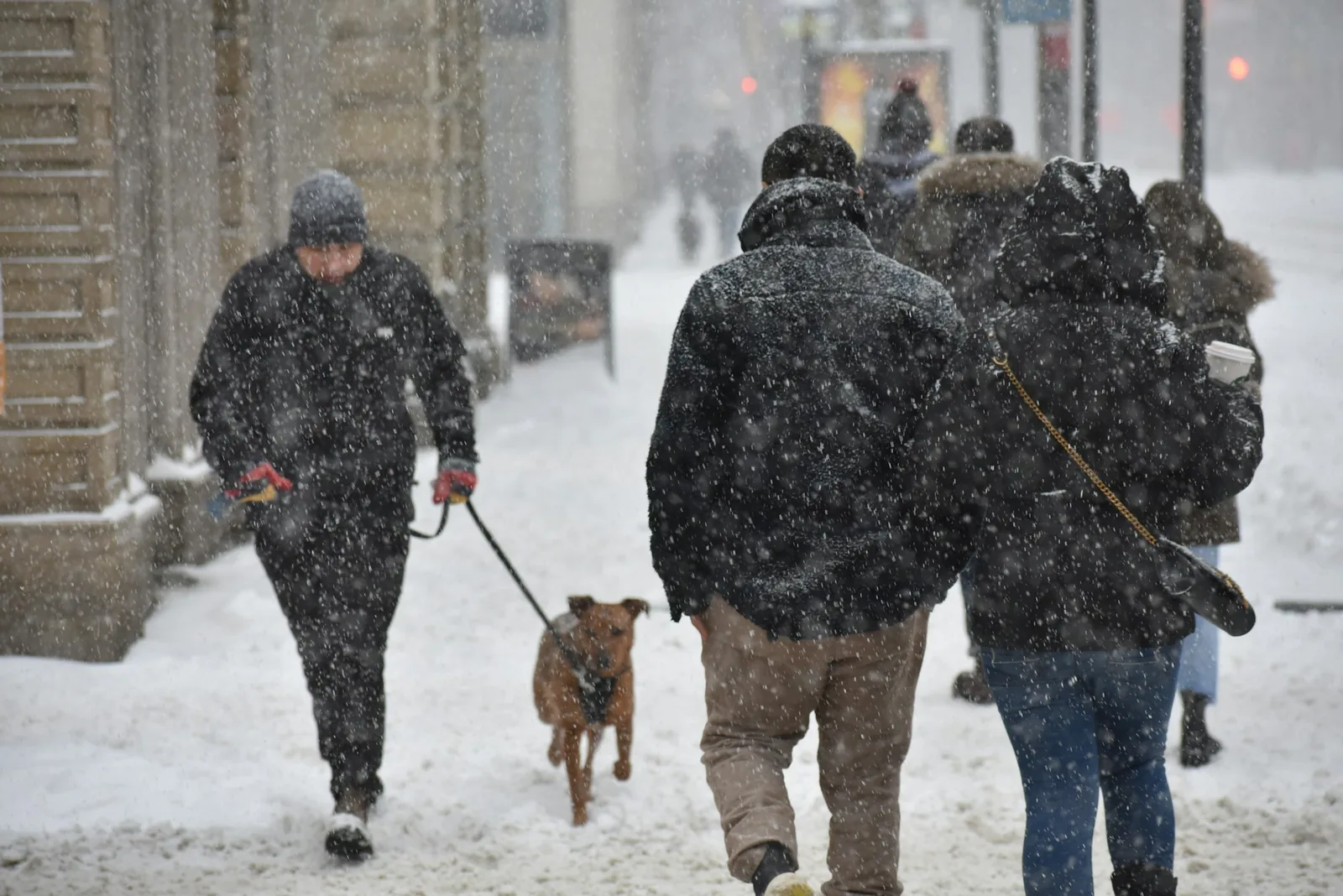
Older dogs need more
Cold worsens arthritis, and stiff joints on ice is how older dogs fall and injure themselves.
- Warm the dog before going out, and keep the bed away from drafts and off cold floors.
- Clear and grit a path so a stiff dog is not negotiating ice to toilet.
- Shorter, more frequent walks rather than one long one.
- Expect pain to worsen. Many dogs need more pain relief in winter than in summer — ask your vet rather than assuming.
- Watch weight. Less exercise plus the same food is how spring arrives with an overweight dog.
What changes with age generally is covered in our guide to caring for an older Westie, and portioning through a less active season in our guide to feeding and weight.

Keeping a terrier occupied indoors
Shorter walks mean unspent energy, which becomes barking, digging and destruction. Winter is when behavior complaints rise.
Mental work substitutes better than exercise. Scatter feeding, snuffle mats and five-minute training sessions tire a Westie efficiently.
More options are in our guide to terrier barking, digging and prey drive, which covers why enrichment beats distance for this breed.

Frequently asked questions
How cold is too cold for a Westie?
Keep walks short below about 20°F and very short below 15°F, adjusting for wind and wet. Seniors, puppies and dogs with medical conditions should go out only to toilet in those conditions.
Do Westies need a coat in winter?
A healthy adult with a full coat usually does not, but seniors, dogs clipped short and dogs with medical conditions benefit. A bright coat also makes a white dog visible against snow.
How do I protect my dog’s paws from road salt?
Rinse the feet and belly in lukewarm water after every walk on treated sidewalks, or wipe thoroughly and dry between the toes. Boots work if the dog tolerates them, and paw balm helps with cracking.
Should I clip my Westie’s coat short in winter?
No. The undercoat provides the insulation. Trimming the feet and belly reduces snow clumping while leaving the body coat intact, which is the usual compromise.
Why is my Westie itchier in winter?
Indoor heating dries the skin, de-icing salt irritates it directly, and damp trapped in a matted coat encourages yeast. All three commonly trigger flares in a breed already prone to allergic skin disease.
Winter and rescue
Intake rises through winter, partly because heating bills and veterinary costs land together, and partly because bereavement peaks.
If costs are what is putting your dog at risk, talk to us through the surrender and rehoming page before it becomes urgent, and sponsoring a dog in our care funds the veterinary work that keeps the ones we take comfortable.