
If you own a Westie, you will hear about skin before long. Allergic skin disease is the breed’s defining health problem, and it is the reason a great many Westies end up in rescue.
This is a practical guide to what causes the itching, how the treatments compare, and what managing it actually costs. It is not veterinary advice — diagnosis belongs with your vet.
The short version
- Atopic dermatitis — environmental allergy — is by far the most common cause.
- Itching that starts between six months and three years old is the classic pattern.
- Secondary yeast and bacterial infection is what turns an itch into a crisis.
- It is managed, not cured. Expect a long-term plan rather than a single fix.
Why the breed is affected so heavily
Westies carry a genetic predisposition to atopic dermatitis, an inappropriate immune response to ordinary environmental allergens — pollen, dust mites, mould spores.
The skin barrier itself is also weaker than in most breeds, which lets allergens in and lets moisture out. That combination is why the same triggers that a Labrador shrugs off will set a Westie scratching for weeks.
It is one of the running costs covered in our honest guide to what owning a Westie involves, and one of the commonest reasons a household reaches its limit.
What the itching usually turns out to be
| Condition | Typical signs | When it starts | How common in Westies |
|---|---|---|---|
| Atopic dermatitis | Itchy paws, belly, face, armpits; often seasonal at first | 6 months–3 years | Very common |
| Secondary yeast infection | Greasy coat, musty smell, darkened thickened skin | Any age, follows scratching | Very common |
| Bacterial skin infection | Pustules, crusting, hair loss in patches | Any age, follows scratching | Common |
| Food allergy | Year-round itching, often with ear or gut signs | Any age | Less common than assumed |
| Flea allergy dermatitis | Intense itching at the tail base | Any age | Common but preventable |
| Dry skin and dandruff | Flaking, dull coat, mild itch | Any age | Common, often grooming-related |
| Epidermal dysplasia | Severe early-onset thickening, dark skin | Under 1 year | Rare but breed-associated |

Getting a diagnosis rather than guessing
The commonest mistake is treating the infection and calling it solved. The infection is downstream. Unless the underlying allergy is addressed, it returns within weeks.
A useful work-up usually runs in this order.
- Rule out parasites. Strict flea control for every animal in the house, plus a skin scrape for mites.
- Treat the secondary infection. Cytology to identify yeast or bacteria, then targeted treatment.
- Run a proper food trial. Eight to twelve weeks on a single novel or hydrolysed protein, with absolutely nothing else — no treats, no table scraps.
- Diagnose atopy by exclusion. If itching persists once the above are clear, environmental allergy is the likely answer.
- Consider allergy testing. Useful mainly if you intend to pursue immunotherapy, not as a first step.
How the main treatments compare
There is no single best option. The right choice depends on severity, the dog’s age and other conditions, and what you can sustain.
| Treatment | How it works | Speed | Trade-offs |
|---|---|---|---|
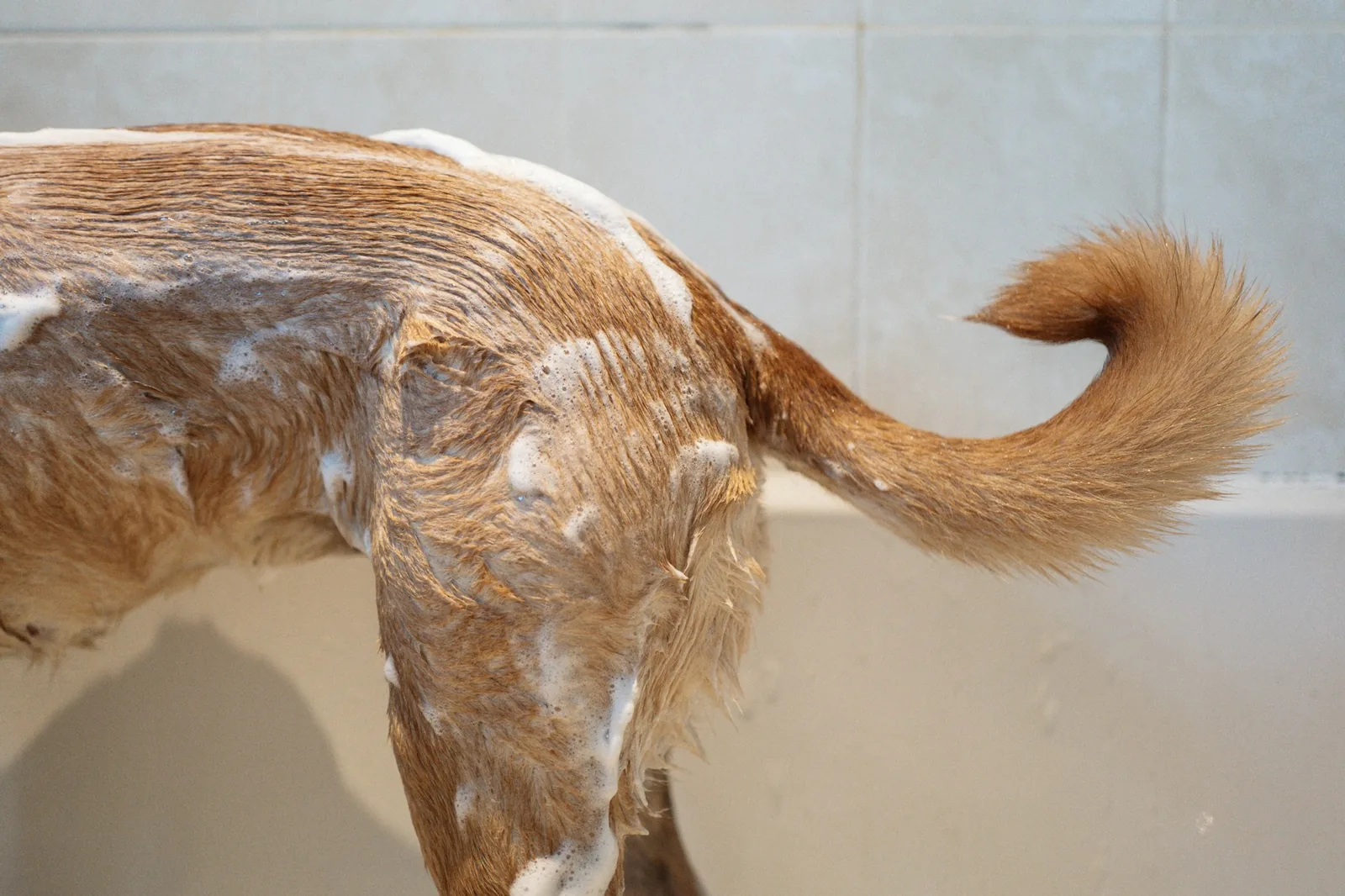
| Medicated shampoo | Removes allergens, treats surface yeast and bacteria | Days | Labor intensive; needed 1–2 times weekly |
| Antihistamines | Blunts the histamine response | Variable | Helps a minority of dogs; cheap and low risk |
| Omega-3 supplements | Supports the skin barrier | Weeks | Supportive rather than sufficient on its own |
| Oclacitinib tablets | Blocks the itch signalling pathway | Hours to days | Daily dosing; monitoring on long-term use |
| Lokivetmab injection | Antibody targeting a key itch cytokine | Days | Every 4–8 weeks; costly; very well tolerated |
| Ciclosporin | Suppresses the immune response | 4–6 weeks | Slow onset; gut upset in some dogs |
| Corticosteroids | Broad anti-inflammatory | Hours | Effective but poor for long-term use |
| Immunotherapy | Desensitizes to identified allergens | 6–12 months | Only route that treats the cause; needs commitment |
The Westie Foundation of America publishes breed-specific health research and owner guidance on Westie dermatitis, including material written for owners rather than clinicians.
What management costs
This is the number that decides whether a household can take on an affected dog, so it is worth being direct about it.
| Severity | Typical annual cost | What that covers |
|---|---|---|
| Mild, seasonal | $200–$500 | Shampoo, omega-3s, occasional vet visit |
| Moderate, year-round | $800–$1,800 | Daily medication, regular cytology, prescription diet |
| Severe or complicated | $2,000–$4,000+ | Injectable therapy, dermatology referral, repeat infections |

What helps day to day
- Rinse after walks. A plain water rinse of the feet and belly removes pollen before it is absorbed.
- Keep the coat properly groomed. Matting traps moisture and yeast thrives underneath.
- Wash bedding weekly on a hot cycle to reduce dust mite load.
- Never break a food trial. One dropped biscuit invalidates eight weeks of work.
- Photograph flare-ups with dates. Patterns emerge that memory misses.
- Treat ears as part of the skin. Recurrent ear infection is usually allergy, not bad luck.
Grooming technique matters more than people expect here — how you groom a Westie changes how the skin behaves. The veterinary care every rescue Westie receives sets out the skin and dental work we complete before a dog is placed.

Frequently asked questions
Why is my Westie so itchy?
In most cases atopic dermatitis — an inherited allergy to environmental triggers like pollen and dust mites — often with a secondary yeast or bacterial infection on top. A vet can distinguish these with cytology.
Do all Westies get skin problems?
No, but the breed is strongly predisposed and it is the most common reason Westies see a vet. Many live entirely comfortably, particularly with early management.
Will changing food fix my Westie’s itching?
Only if food allergy is the cause, which is less common than assumed. A proper eight-to-twelve-week elimination trial is the only way to know.
How often should an itchy Westie be bathed?
Commonly once or twice a week with a medicated shampoo during a flare, then less often for maintenance. Frequency should be set by your vet.
Can Westie skin allergies be cured?
Not cured, but managed well. Immunotherapy is the only approach that addresses the underlying cause, and it takes six to twelve months to show benefit.
If skin disease is why you are considering rehoming
Managing a badly affected dog is genuinely hard, and reaching the end of what you can manage is not a failure. Talk to us early through the surrender and rehoming page rather than waiting until it is a crisis.
Dogs with chronic medical needs are what this rescue exists for. Our long-term care and hospice program covers dogs who need ongoing treatment, and sponsoring a dog in our care funds exactly this kind of work.
If you are considering adopting a dog with managed skin disease, the Westies currently available for adoption lists what each one needs, and our guide to adopting a Westie in New England explains how the matching works.