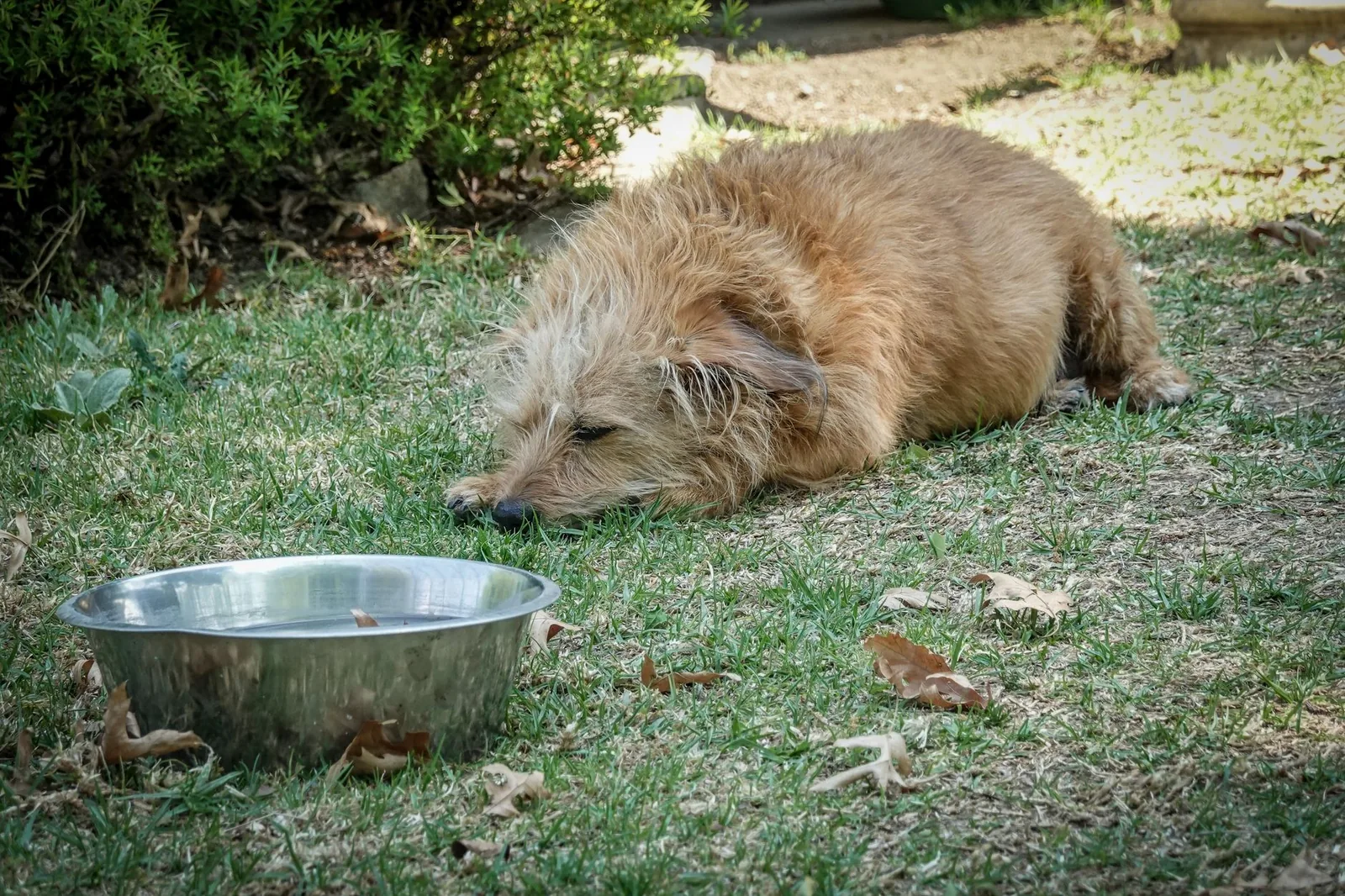
Diabetes is one of the diagnoses that most often makes an owner wonder whether they can keep their dog. Twice-daily injections for life sounds like nursing rather than ownership.
In practice it becomes a routine within two weeks, and most well-managed dogs live normal lives for years.
The short version
- Increased thirst and urination with weight loss is the classic picture.
- Westies are among the breeds it appears in more often, usually after seven.
- Injections are subcutaneous and most dogs barely notice them.
- Consistency — same food, same times, same doses — matters more than anything.
The signs, and why they are missed
| Sign | What it looks like | Why it gets overlooked |
|---|---|---|
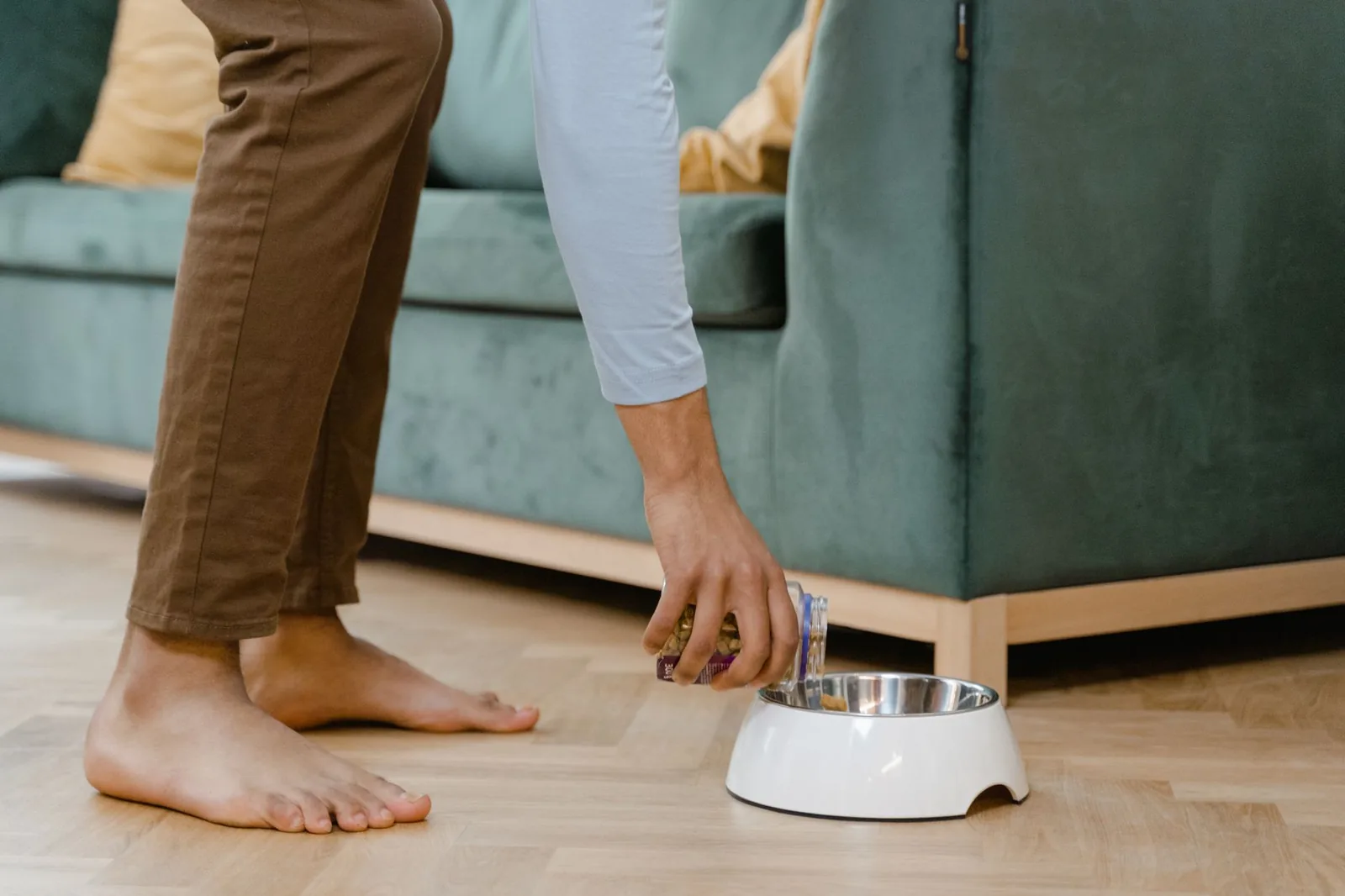
| Drinking much more | Refilling the bowl repeatedly | Attributed to warm weather |
| Urinating more | Asking out at night, occasional accidents | Attributed to age or bladder weakness |
| Weight loss despite eating | Ribs becoming easier to feel | Read as healthy slimming |
| Increased appetite | Hungrier than usual | Read as a good sign |
| Lethargy | Less interested in walks | Attributed to slowing down |
| Sudden cataracts | Lens clouding over weeks | Assumed to be normal aging |
| Recurrent infections | Urinary or skin infections that keep returning | Treated individually rather than investigated |
Increased thirst appears in several conditions — our guide to what changes in a Westie after ten covers the others worth ruling out.
What daily management looks like
Realistically, once it is stable: two injections a day, twelve hours apart, given immediately after a measured meal.
The injection is subcutaneous, using a very fine needle into loose skin over the shoulders. Most dogs do not react at all, and a great many owners describe it as less trouble than giving a tablet.
- Fix the schedule and keep it. Twelve hours apart, every day, including weekends.
- Feed the same measured amount at the same times. Consistency matters more than which food.
- Inject after eating, never before, so you know the meal went in.
- Rotate the injection site slightly each time.
- Keep a daily log of appetite, thirst, dose and anything unusual.
- Never adjust the dose yourself. Changes belong with your vet.
Monitoring and stabilizing
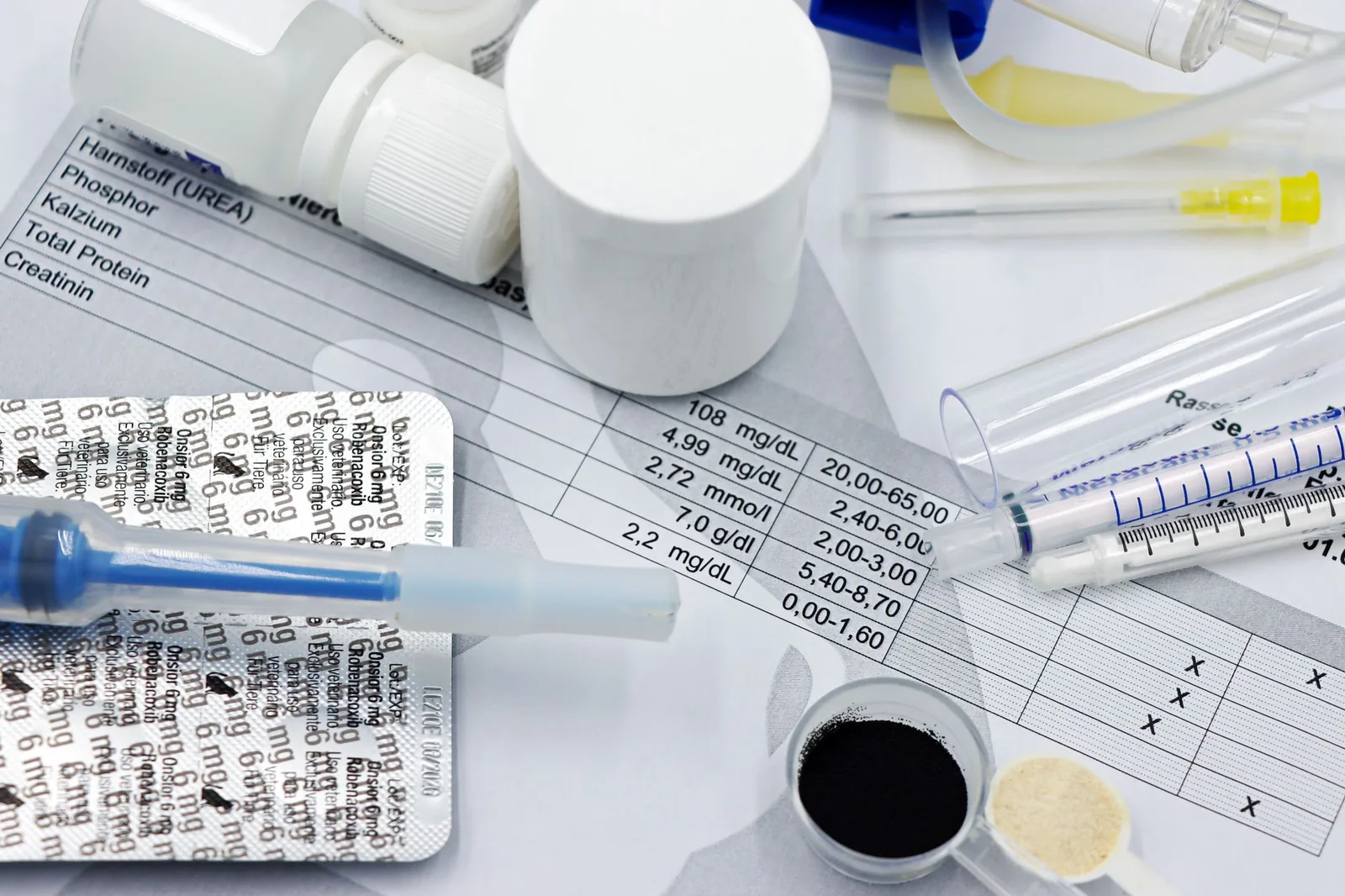
The first month or two is the work. After that it settles into something most households barely notice.
| Stage | What happens | Typical duration |
|---|---|---|
| Diagnosis | Bloodwork, urinalysis, starting dose | One or two visits |
| Stabilizing | Glucose curves, dose adjustments, close contact with the vet | 4–12 weeks |
| Established | Routine injections; recheck every 3–6 months | Ongoing |
| Review | Bloodwork and dose review, or sooner if signs change | Every 3–6 months |
The American College of Veterinary Internal Medicine publishes information on veterinary internal medicine specialists and referral, which is the route for a dog that proves difficult to stabilize.
The emergency to know
Hypoglycemia — blood sugar dropping too low — is the one thing every owner of a diabetic dog must recognize.
Signs are wobbliness, disorientation, weakness, trembling, and in severe cases collapse or seizure. It can follow a missed meal, an accidental double dose, or unusually hard exercise.
The immediate response is sugar — honey or corn syrup rubbed on the gums — then straight to a vet. Keep something suitable in the house and in the car from the day of diagnosis.
When in doubt, treat for low rather than high. A single high reading is far less dangerous than a low one — our first aid guide covers the wider set of emergencies.
What it costs
| Item | Typical range | Notes |
|---|---|---|
| Diagnosis, bloodwork and urinalysis | $225–$500 | One-off |
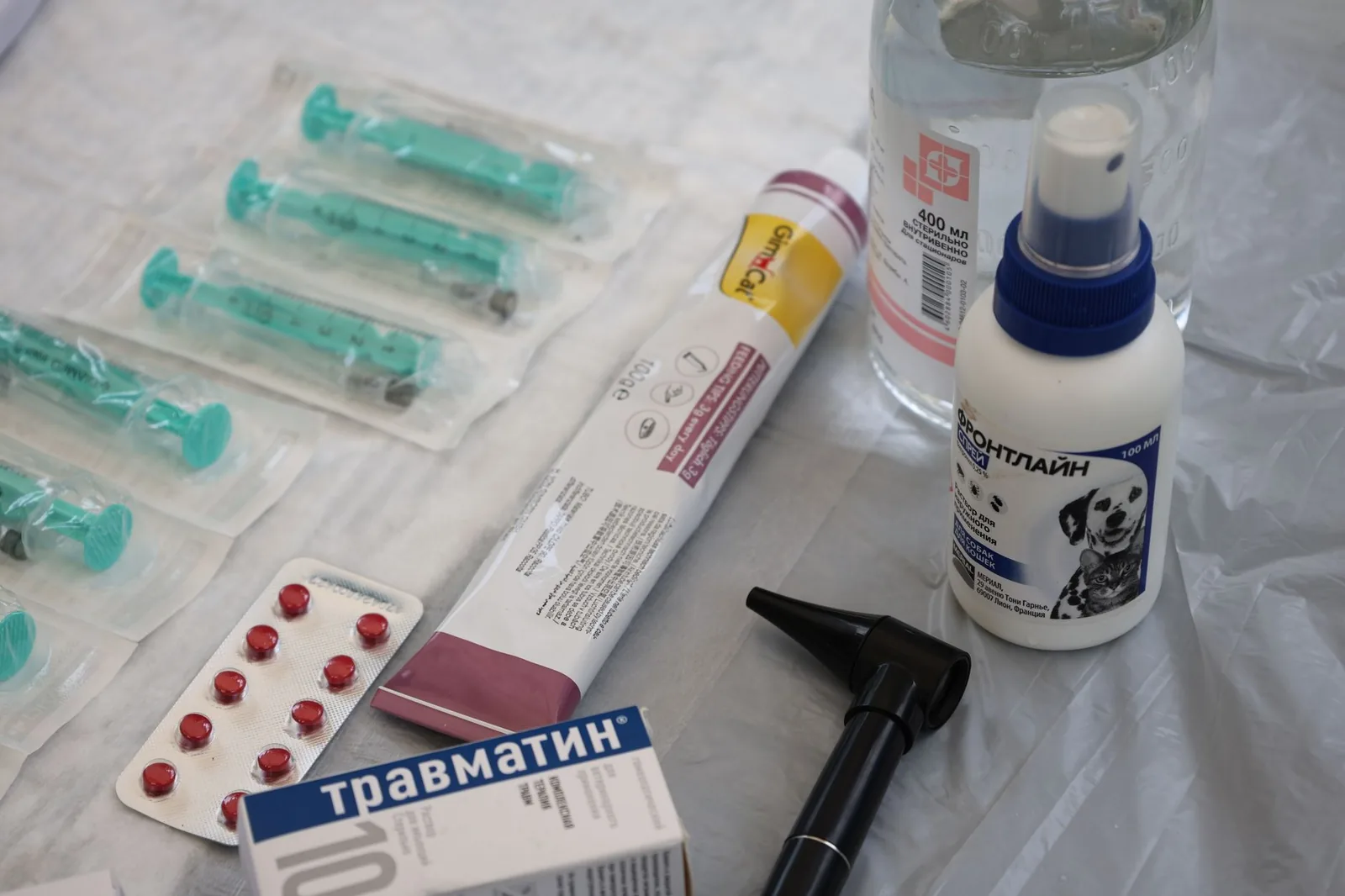
| Insulin | $40–$80 monthly | Lower for a small dog |
| Syringes or pen needles | $15–$30 monthly | |
| Prescription or consistent diet | $40–$90 monthly | Consistency matters most |
| Rechecks and curves | $100–$250 each | Frequent at first, then 2–4 yearly |
| Home monitoring equipment | $50–$150 setup | Optional; often pays for itself |
If that is difficult, raise it before rationing anything — our guide to planning for veterinary costs covers the help that exists, and living with a dog on long-term medication covers the routine side.

What changes, and what does not
- Meals become fixed. Same amount, same times, no free feeding.
- Treats need counting and should be consistent rather than sporadic.
- Exercise stays, but at a steady daily level rather than a big weekend.
- Boarding needs planning, since not every facility gives injections.
- Spaying matters for unspayed females, whose hormones destabilize control.
- Almost everything else is unchanged. Walks, play, sofas, all normal.

Frequently asked questions
What are the first signs of diabetes in a dog?
Drinking and urinating noticeably more, alongside weight loss despite a normal or increased appetite. That combination warrants a blood test rather than watching.
Is giving insulin injections difficult?
Most owners find it far easier than expected. The needle is very fine and goes into loose skin over the shoulders, and most dogs do not react. Many people find it easier than giving a tablet.
Can a diabetic dog live a normal life?
Yes, in most cases. Once stabilized, a well-managed diabetic dog walks, plays and lives normally for years. The first month or two is the work; after that it is a routine.
What does diabetes cost to manage in a dog?
Commonly $100 to $200 a month for a small dog once stable, plus rechecks. Diagnosis and the stabilizing period cost more. Ask about generics and larger quantities.
What is the emergency I need to watch for?
Hypoglycemia — wobbliness, disorientation, weakness or collapse. Rub honey or corn syrup on the gums and go to a vet immediately. Keep something sugary in the house from day one.
Diabetic dogs in rescue
Diabetes is one of the diagnoses that brings dogs to us, usually because an owner believed the management was beyond them.
These dogs are among the harder ones to place and among the more straightforward to live with once stable. Our adoptable dogs page states plainly what each dog needs, and if it is your own dog you are worried about, talk to us through the surrender and rehoming page before deciding anything.