
Ear disease is the second most common thing Westies see a vet for, behind only dental disease. It is also the problem owners most often treat repeatedly without ever fixing.
The reason is simple: a recurrent ear infection is rarely an ear problem. It is usually allergy, presenting through the ear.
The short version
- Allergy is behind a large share of chronic ear infections in dogs.
- Treating the infection without the cause guarantees it returns.
- Never put anything into an ear before a vet has seen the eardrum.
- Head shaking and a smell are early signs. Do not wait for scratching.
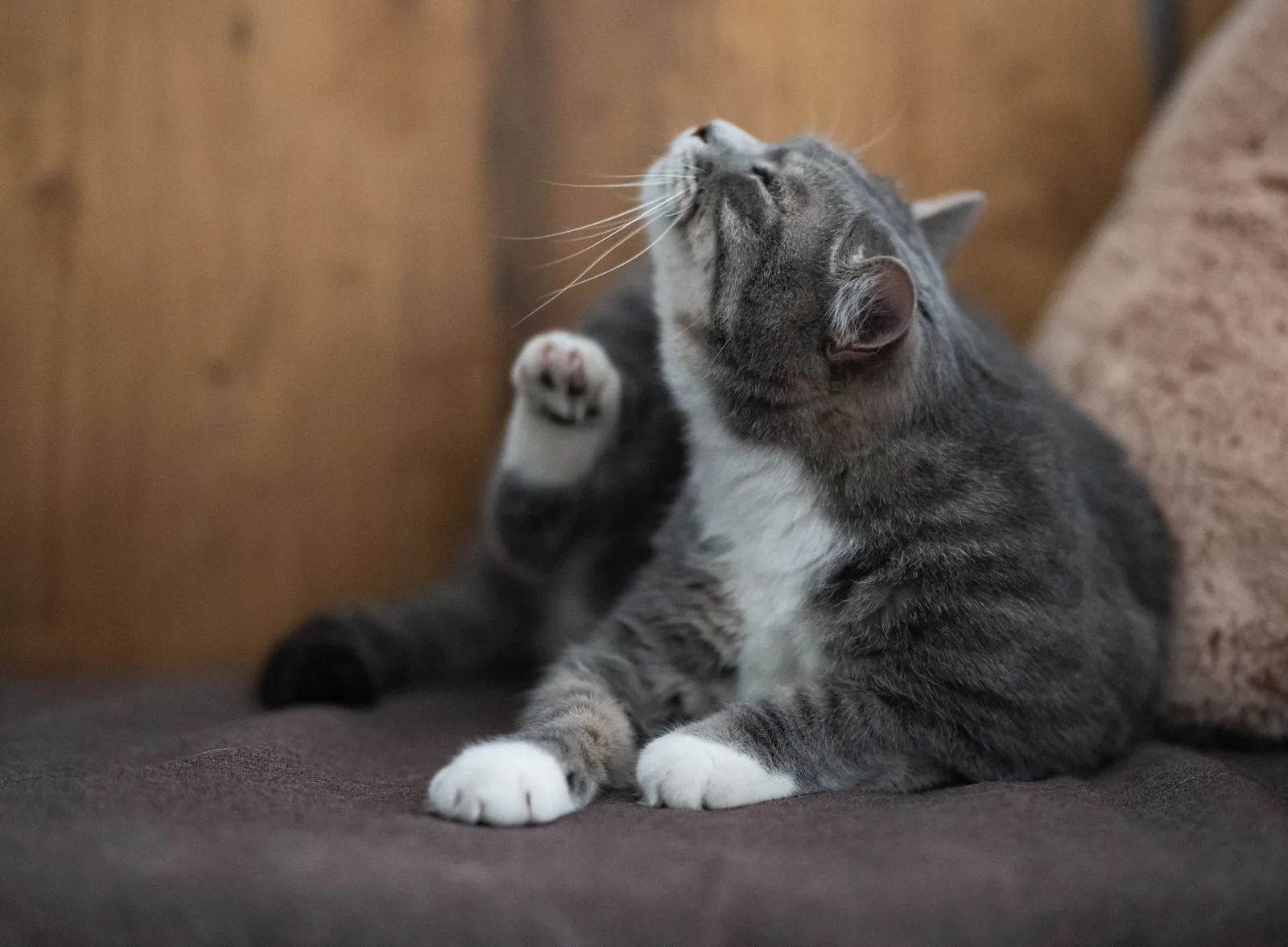
Why the ear is where allergy shows up
The ear canal is skin, folded into a tube. Everything that happens to allergic skin elsewhere on a Westie happens in there too, in a warm enclosed space that holds moisture.
Allergy inflames the lining and increases wax production. The yeast and bacteria that live harmlessly on normal skin then overgrow, and what you notice is the infection rather than the inflammation that allowed it.
That is why the same dog gets the same infection three times a year. The underlying picture is in our guide to why Westies itch and what actually helps.
What you will notice, in order
| Stage | Signs | What it usually means |
|---|---|---|
| Early | Head shaking, a faint yeasty smell | Inflammation starting; act now |
| Developing | Scratching, redness inside the flap, more wax | Overgrowth established |
| Established | Dark or yellow discharge, strong odor, pain on touch | Needs veterinary treatment |
| Chronic | Thickened, narrowed canal; repeated courses of drops | The underlying allergy has never been addressed |
| Advanced | Head tilt, loss of balance, deafness | Possible middle ear involvement — urgent |
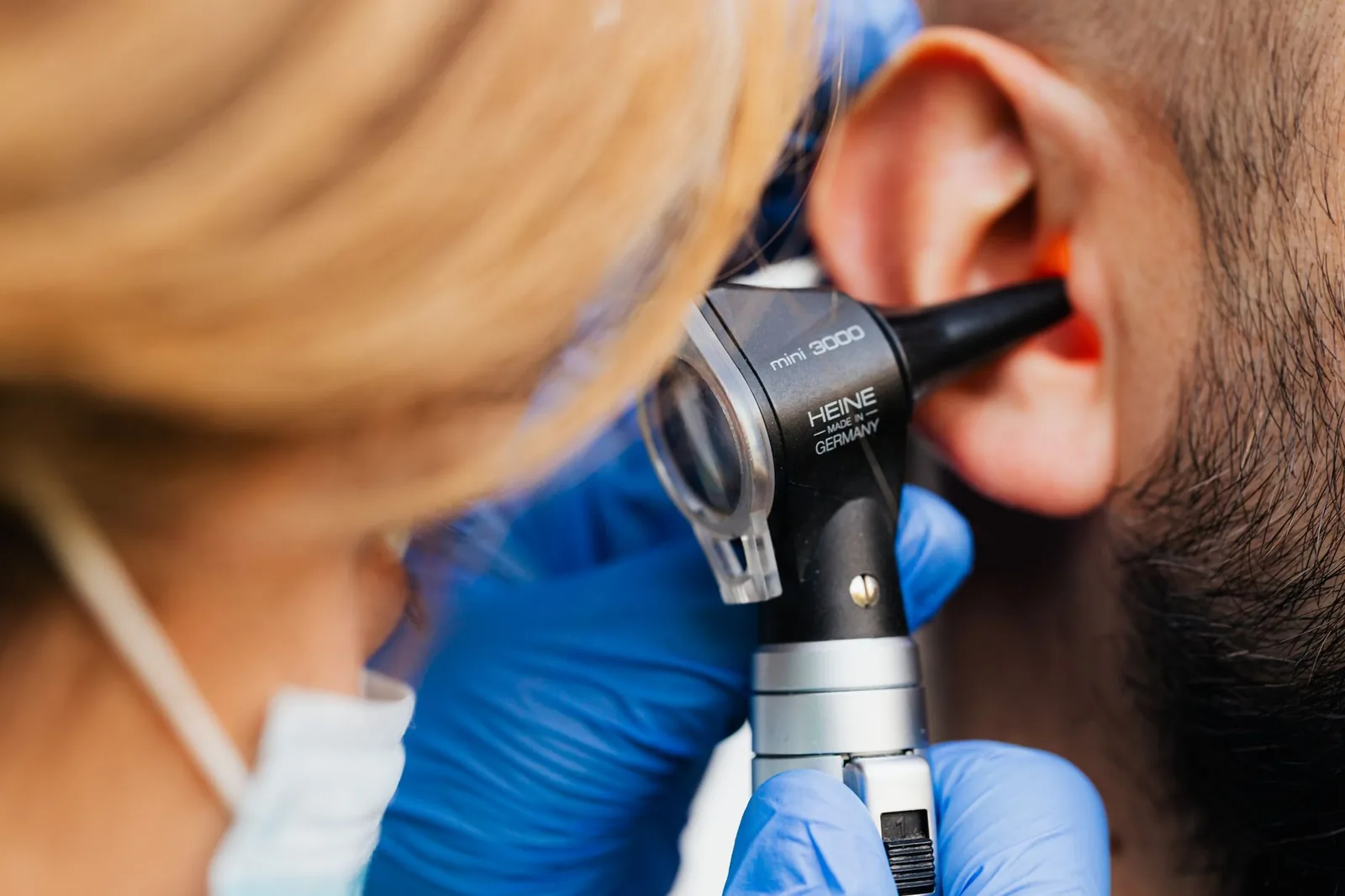
Why the vet looks before treating
Two things have to be established before anything goes into the ear: whether the eardrum is intact, and whether the overgrowth is yeast, bacteria or both.
Cleaners and drops that are safe against an intact eardrum can cause permanent damage if it has ruptured. Cytology settles the second question, and it matters because yeast and bacteria need different drugs.
This is also why leftover medication from last time is a bad idea. The organism may be different, and repeated partial courses are how resistant infections develop.
Finding the cause
- Treat the current infection properly, with the full course, and go back for the recheck even if the ear looks fine.
- Rule out parasites and foreign bodies — grass seeds are a classic cause of a sudden one-sided infection.
- Run a proper elimination diet trial if infections are year-round. Food allergy shows up in the ears more often than anywhere else.
- Consider environmental allergy if the pattern is seasonal at first and then becomes constant.
- Ask about referral if you are on a third course in a year.
The American College of Veterinary Dermatology maintains information on veterinary dermatology specialists and allergic ear disease, which is the route if a general practice has run out of options.
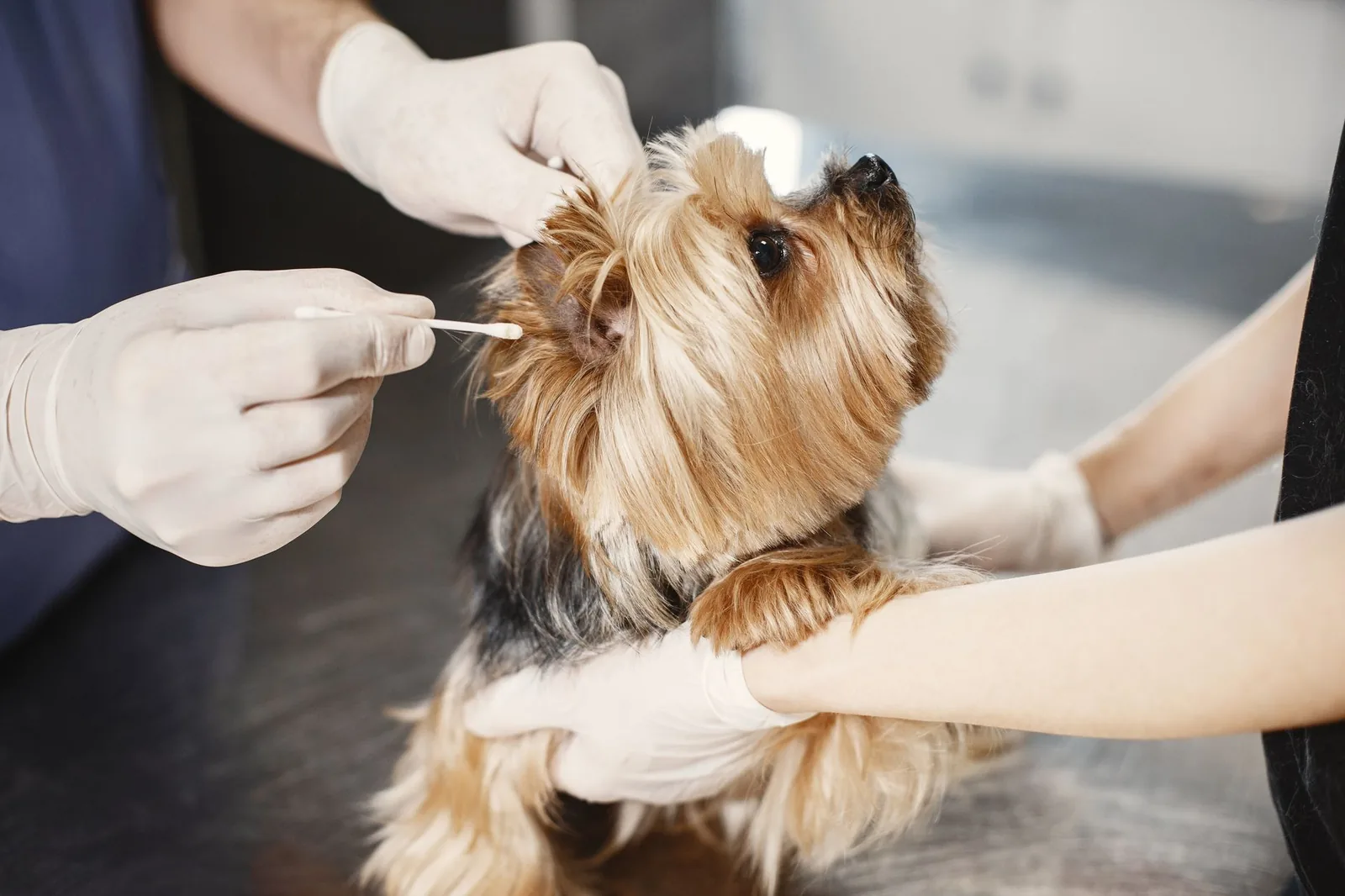
Cleaning ears properly
| Do | Do not |
|---|---|
| Use a vet-recommended ear cleaner | Use vinegar, alcohol or hydrogen peroxide |
| Fill the canal, massage the base, let the dog shake | Push cotton buds down the canal |
| Wipe only what you can see with cotton wool | Clean an ear that is painful or bleeding |
| Clean weekly for maintenance, or as directed | Clean daily unless told to |
| Dry the ear after swimming or bathing | Leave water sitting in the canal |
| Stop and call if the dog flinches | Persist through obvious pain |
Ear care sits inside the wider grooming routine — our Westie grooming guide covers the weekly checks that catch this early.
The diet question
Recurrent ear infections are one of the more reliable signs of food allergy, which makes a proper elimination trial worth doing rather than guessing at brands.
That means eight to twelve weeks on a single novel or hydrolyzed protein with absolutely nothing else. One dropped biscuit invalidates the whole thing.
Switching foods without a controlled trial is the commonest wasted year in this breed — our guide to feeding a Westie covers what food claims actually mean.
Ears in older dogs
Chronic ear disease that has run for years leaves scarring and narrowing, which makes both cleaning and treatment harder. Hearing loss frequently follows.
An older dog that stops responding to its name may be deaf rather than disobedient, and long-standing ear disease is a common route there — what changes in a Westie after ten covers how to tell the difference.
Frequently asked questions
Why does my Westie keep getting ear infections?
Because the infection is usually a symptom rather than the problem. Allergy inflames the ear canal and lets normal yeast and bacteria overgrow, so treating the infection alone leaves the cause in place and it returns.
Can I clean my dog’s ears at home?
Yes, with a vet-recommended cleaner, and only when the ear is comfortable. Fill the canal, massage the base, let the dog shake, then wipe what you can see. Never push cotton buds down the canal.
Is it safe to use leftover ear drops?
No. The organism may be different this time, and some drops cause permanent damage if the eardrum has ruptured. A vet needs to look before anything goes in.
Do ear infections mean my dog has a food allergy?
Not always, but recurrent year-round infections make it worth investigating. Ears are one of the most common places food allergy shows up, and a proper elimination trial is the only way to confirm it.
How often should I clean my Westie’s ears?
Usually a weekly check and clean as maintenance, or whatever your vet directs during treatment. Over-cleaning a healthy ear irritates it and can cause the problem you are trying to prevent.
Ears at intake
Untreated ear disease is one of the more common findings in dogs arriving at rescue, usually alongside skin problems and dental disease.
The veterinary care every rescue Westie receives includes an ear examination and treatment before placement, and our guide to what the breed is prone to ranks ear disease against everything else. Any ongoing management is disclosed on our adoptable dogs page.