
Money is one of the most common reasons dogs reach rescue, and it is almost never the routine costs. It is the four-figure bill that arrives without warning.
Most of that is foreseeable in outline, if not in timing. This is how to plan for it, and what exists if you are already past the planning stage.
The short version
- Budget for the lifetime, not the first year. Costs rise sharply after eight.
- Insure early or save deliberately. Intending to save is what fails.
- Ask for a written estimate before treatment, always. It is normal and expected.
- If you cannot pay, say so before treatment rather than after.

What it actually costs
| Stage | Annual range | What drives it |
|---|---|---|
| Year one after adoption | $800–$1,600 | Setup, first vet visit, insurance, initial training |
| Healthy adult, 2–7 | $1,000–$2,000 | Food, grooming, routine care, prevention |
| Adult with managed skin disease | $1,800–$3,500 | Medication, repeat cytology, prescription diet |
| Senior, 8–12 | $1,500–$3,000 | Twice-yearly visits, bloodwork, dental, early arthritis |
| Geriatric, 12+ | $2,000–$4,000 | Ongoing medication, monitoring, mobility support |
| A single emergency | $1,500–$6,000 | Out-of-hours fees, imaging, surgery, hospitalization |
The skin row is not hypothetical for this breed — our guide to why Westies itch sets out what management costs at each severity.
The three ways to cover it
| Insurance | Dedicated savings | Neither | |
|---|---|---|---|
| Covers a bad first year | Yes, after waiting periods | Only if you saved enough | No |
| Covers chronic conditions | Yes, if insured before diagnosis | Yes, but you fund it indefinitely | No |
| Monthly cost | Fixed, rising with age | Whatever you choose | Nothing until it is |
| Money if never needed | Gone | Still yours | Still yours |
| Discipline required | None | Considerable | Not applicable |
| Typical outcome | Treatment proceeds | Depends on the balance | Borrowing, or a decision nobody wants |
If you go the savings route, automate it. A standing transfer of forty or fifty dollars a month into a separate account is the version that works — our guide to pet insurance for a Westie covers the alternative and why timing matters so much here.

Talking about money with your vet
Veterinary teams are entirely used to this conversation and would far rather have it early. What they cannot do is help with a constraint they do not know about.
- Ask for a written estimate before agreeing to anything non-urgent. This is normal and expected.
- Ask what is essential and what is optional. There is usually a difference between the ideal work-up and the necessary one.
- Ask whether it can be staged — the diagnostic now, the elective part later.
- Ask about payment plans and whether the practice works with charitable funds.
- Ask what happens if you do less, plainly. Sometimes the answer is “very little”; sometimes it is not.
- Say the number you can manage. A vet can work within a budget they know.
Veterinary Partner publishes owner-facing explanations of conditions and treatment options, which is useful for understanding what is being proposed before you decide.
If you cannot afford treatment now
There are more options than most people realize, and the time to explore them is before a decision becomes urgent.
- Practice payment plans, which many offer and few advertise.
- Veterinary charitable funds, including breed-specific health funds.
- Veterinary schools, which sometimes treat at reduced cost through teaching clinics.
- Low-cost clinics for vaccination, spay and neuter and some dentistry.
- Third-party medical credit, which is genuine help but read the deferred interest terms carefully.
- Breed rescue, which can sometimes advise or contribute even where it cannot take the dog.
That last option is worth using. Contact us through the surrender and rehoming page before assuming the only route is giving the dog up — our guide to rehoming options opens with problems that turn out to be solvable.

Reducing the foreseeable costs
A meaningful share of lifetime veterinary spending is preventable, and the preventable parts are the cheap ones.
| Prevention | Cost | What it avoids |
|---|---|---|
| Brushing teeth | Pennies | Extractions at $50–$150 per tooth |
| Keeping the dog lean | Free — less food | Joint disease, diabetes risk |
| Year-round parasite prevention | $150–$300 | Treatment, and allergy flares |
| Regular nail trimming | Free at home | Gait problems and joint loading |
| Weekly ear checks | Free | Repeated infection courses |
| Twice-yearly visits after eight | $100–$200 extra | Late-stage disease that costs far more |
The dental row alone is the highest-value habit available in this breed — our guide to dental care explains why it tops the list of what Westies are seen for.
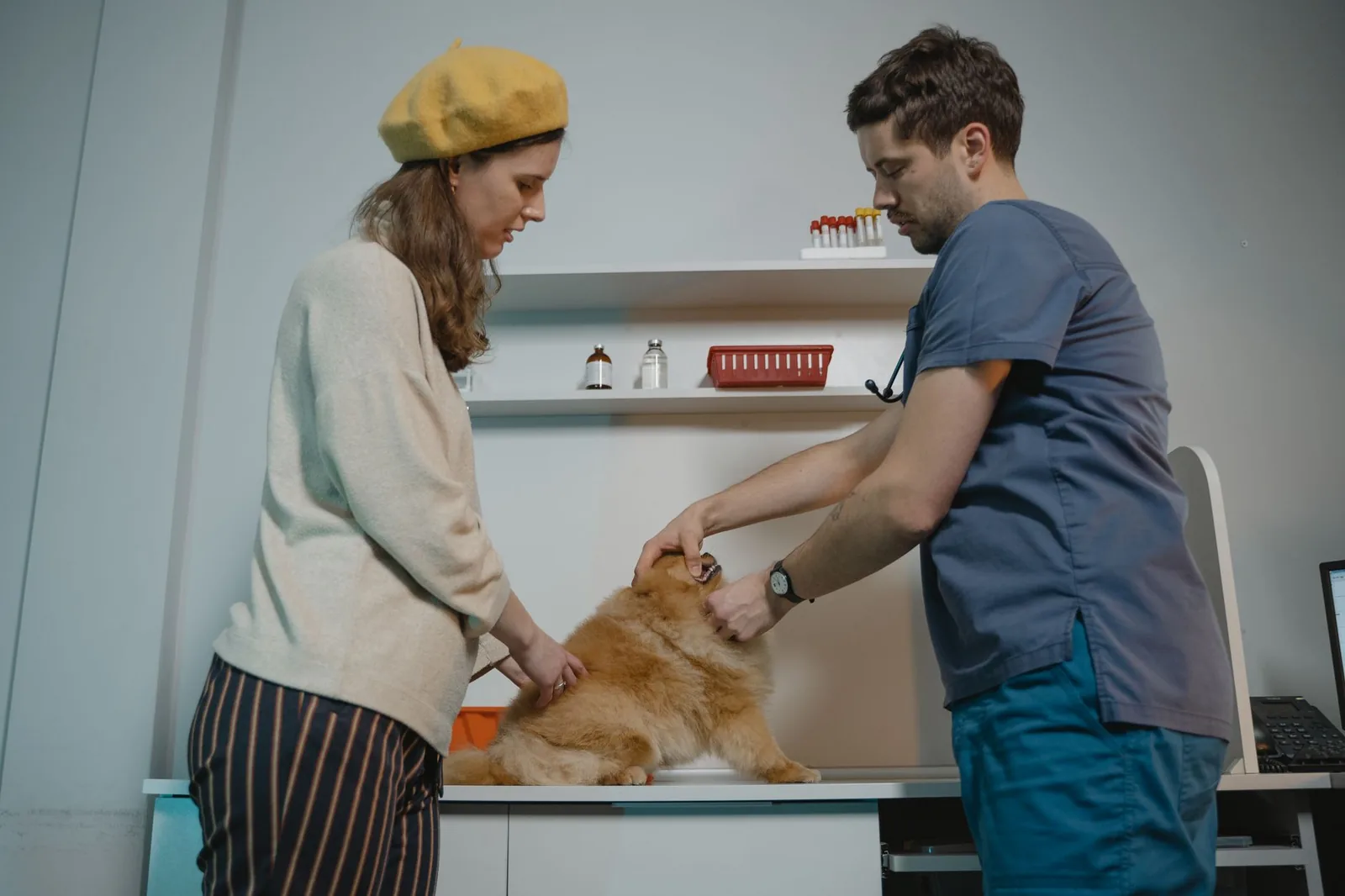
What adoption already covers
An adopted dog arrives with a good deal already done, which is worth counting when comparing routes.
Spay or neuter, vaccinations, microchip, parasite treatment, dental work where needed and any outstanding condition are all addressed before placement, and the adoption fee rarely covers half of it.
Our adoption fees page sets out what the fee contributes towards, and the veterinary care every rescue Westie receives lists what is completed first.

Frequently asked questions
How much does a dog cost per year?
Roughly $1,000 to $2,000 for a healthy adult, rising to $2,000 to $4,000 for a geriatric dog or one with a managed chronic condition. A single emergency can add $1,500 to $6,000 on top.
Is pet insurance or saving better?
Insurance covers a bad year immediately; saving keeps the money if you never need it but requires real discipline. The worst outcome is intending to save and not doing it, which is where most households sit.
Can I ask my vet for a cheaper option?
Yes, and you should. Ask for a written estimate, ask what is essential versus optional, and say what you can manage. Veterinary teams work within budgets routinely when they know there is one.
What help exists if I cannot afford treatment?
Practice payment plans, veterinary charitable funds, breed health funds, teaching hospitals, low-cost clinics and third-party medical credit. Ask before the decision becomes urgent, because options narrow.
Should I give up my dog if I cannot afford its care?
Talk to a breed rescue first. Sometimes the outcome is advice, a referral or help with a bill rather than the dog leaving at all. Contacting someone early gives far more room than contacting them late.

Why we publish this
Cost is behind a large share of the surrenders we see, and in a good number of those cases something could have been done earlier.
If you are approaching that point, contact us before you have decided. Sponsorship is what funds treatment for the dogs where nobody could pay, and it exists precisely because this problem is common.