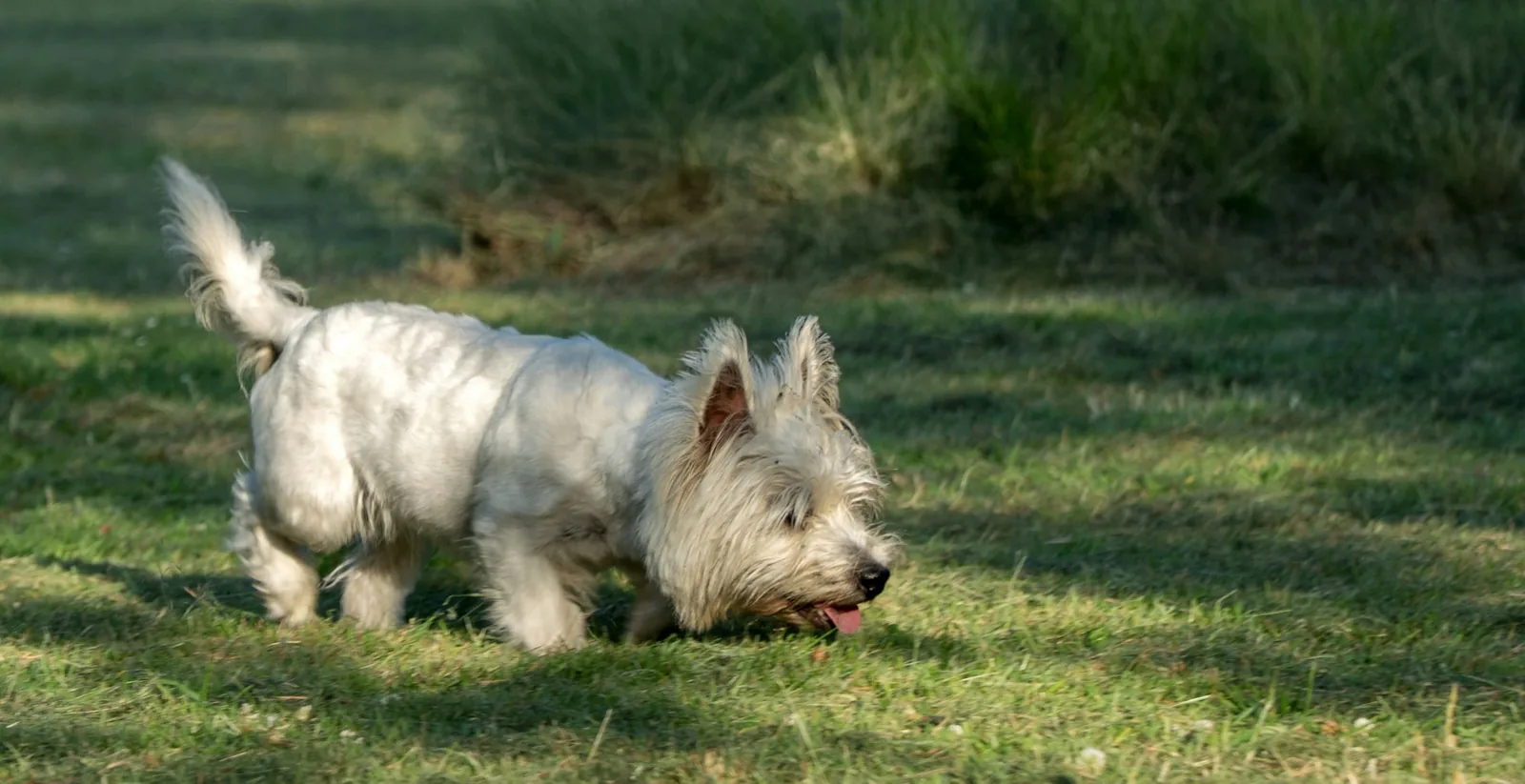
Ask a Westie owner what the breed’s big health problem is and they will say skin. In primary-care data, dental disease outranks it — it is the single most common thing Westies are diagnosed with.
It is also painful, progressive, and almost entirely preventable, which makes it the most worthwhile thing most owners are not doing.
The short version
- Dental disease affects most dogs by age three, and it tops the list in this breed.
- Bad breath is not normal. It is bacteria.
- Anesthesia-free cleaning does not treat disease below the gum line, which is where it is.
- Brushing is the only home measure with real evidence behind it.
Why small breeds get it worse
A Westie fits the same 42 teeth into a much shorter jaw than a Labrador. Crowding traps plaque, plaque mineralizes into tartar, and tartar drives inflammation under the gum.
From there it becomes bone loss, loose teeth and chronic infection. The bacteria do not stay in the mouth, which is why untreated dental disease is linked to heart and kidney problems.
What the stages look like
| Stage | What you can see | What it needs |
|---|---|---|
| Healthy | Pink gums, white teeth, neutral breath | Brushing and annual checks |
| Gingivitis | Red gum line, mild odor | Cleaning; fully reversible at this point |
| Early periodontitis | Tartar, receding gums, clear odor | Professional cleaning with X-rays |
| Established disease | Loose teeth, bleeding, strong odor | Cleaning plus likely extractions |
| Advanced | Missing teeth, facial swelling, reluctance to eat | Surgery, and the dog has been in pain for a long time |
The signs owners miss
Dogs almost never stop eating because of dental pain. They adapt, which is exactly why it goes unnoticed for years, and why new irritability in an older dog is worth reading alongside what changes in a Westie after ten.
- Bad breath — the most reliable early sign, and the most normalized.
- Chewing on one side, or dropping food.
- Pawing at the mouth, or rubbing the face along furniture.
- Reluctance to take hard treats that used to be welcome.
- New irritability when the head or muzzle is touched.
- Blood on toys or in the water bowl.
Anesthesia-free cleaning
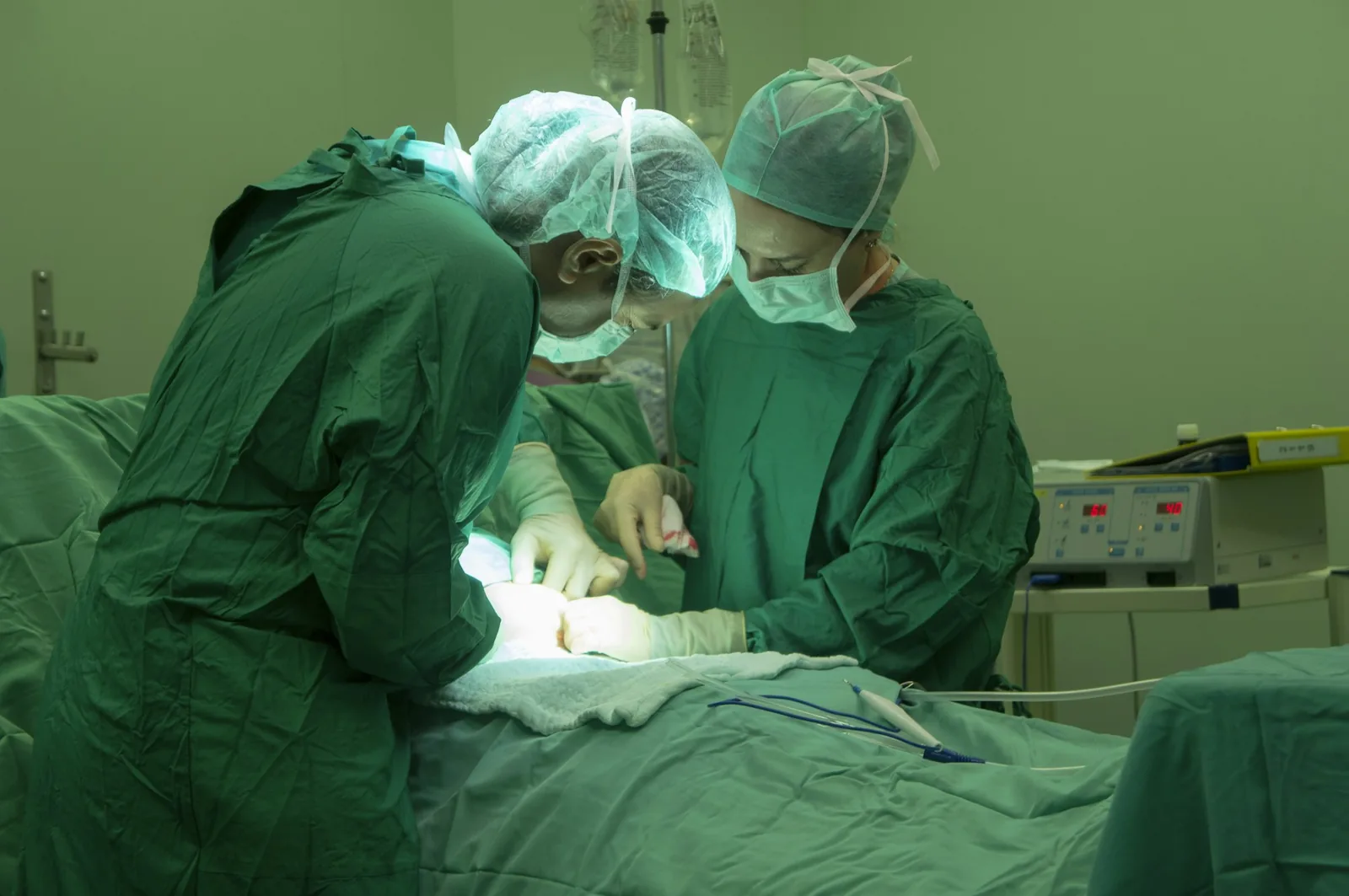
It is marketed as a gentler alternative and it is not one. Scaling a conscious dog removes visible tartar from the crown while leaving disease below the gum line untouched.
The teeth look better, the owner is reassured, and the actual disease continues. It also cannot include the dental X-rays that reveal most of what matters.
The American Veterinary Dental College sets out the professional position on anesthesia-free dental procedures and veterinary dental standards, which is worth reading before booking one.
What a proper cleaning involves and costs
| Component | Why it matters | Typical cost |
|---|---|---|
| Pre-anesthetic bloodwork | Checks organ function before sedation | $80–$200 |
| Anesthesia and monitoring | Allows work below the gum line safely | $200–$400 |
| Full-mouth dental X-rays | Most disease is invisible above the gum | $100–$200 |
| Scaling and polishing | Removes plaque and smooths the surface | $100–$200 |
| Extractions, if needed | Removes teeth already lost to disease | $50–$150 each |
Anesthesia worries most owners, understandably. Modern protocols with pre-anesthetic bloodwork and monitoring are low-risk even in older dogs, and the risk of leaving infection untreated is generally higher.
The home routine that actually works
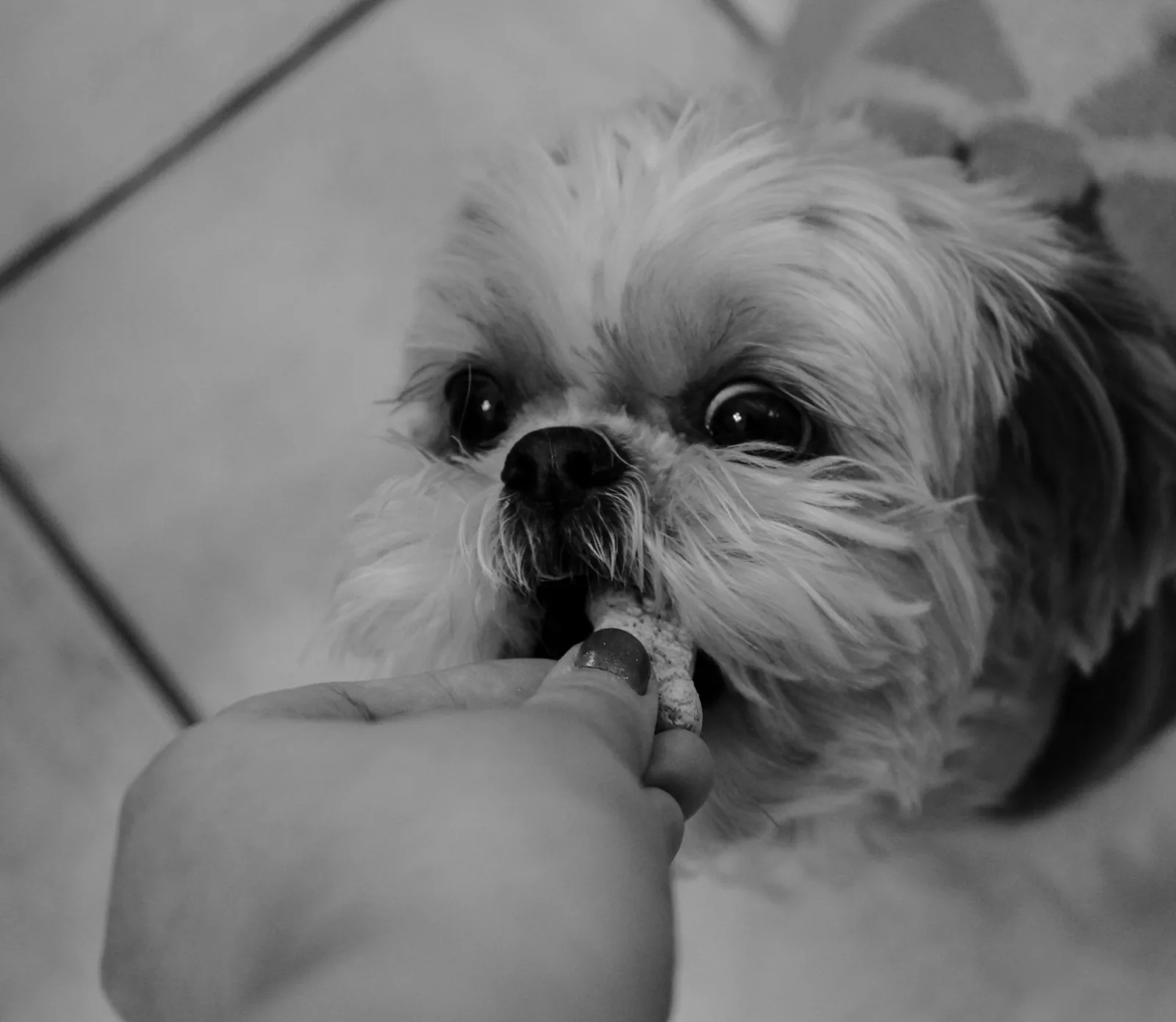
- Brush daily if you can, three times a week minimum, with dog toothpaste. Human toothpaste is toxic to dogs.
- Build up slowly. A week of just touching the muzzle, then lifting the lip, then a finger brush, then the toothbrush.
- Focus on the outer surfaces of the upper back teeth, where tartar accumulates fastest.
- Use products with proven plaque control rather than whatever smells appealing.
- Check the gums monthly, lifting the lip on both sides.
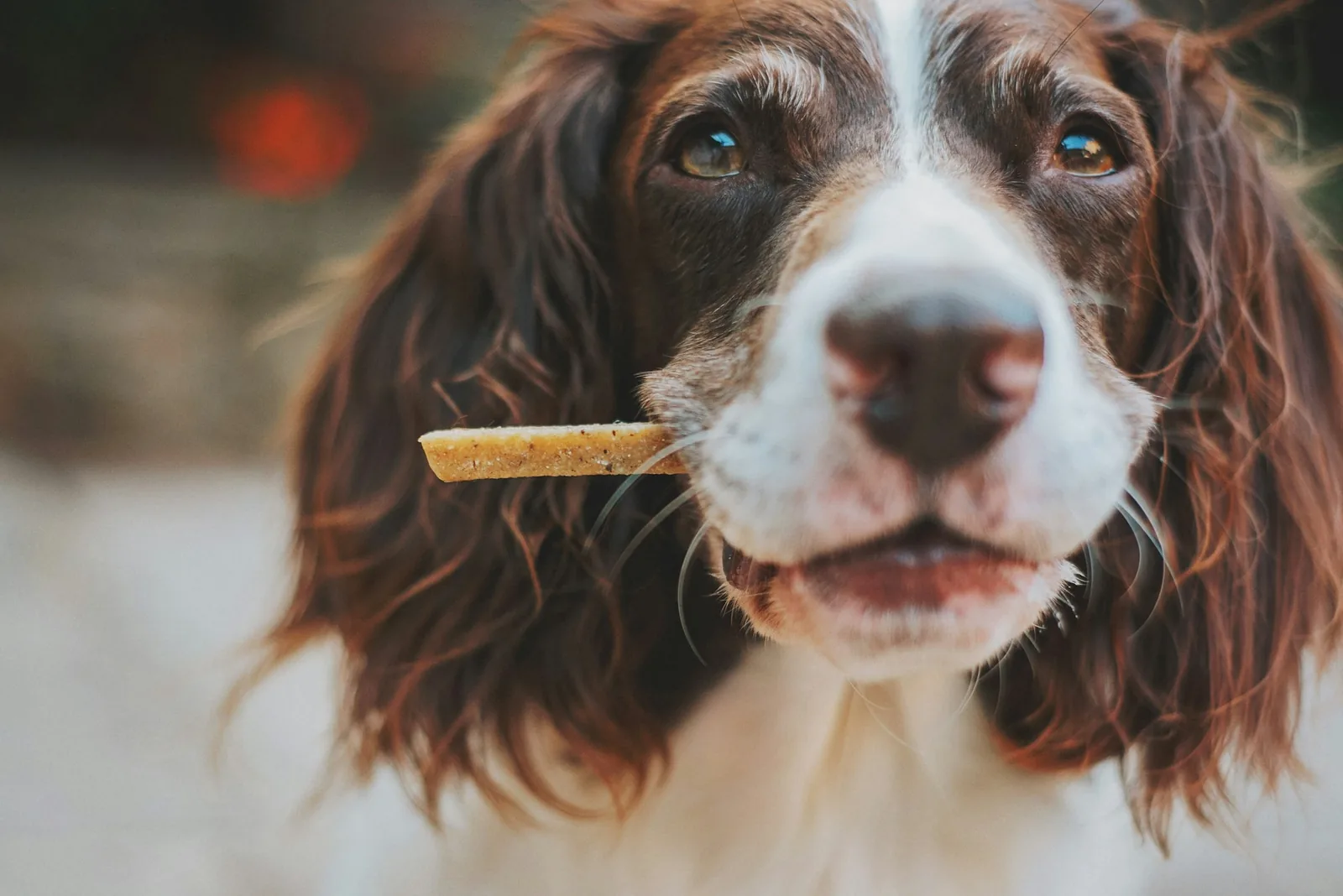
Dental chews and water additives help at the margins. None of them substitute for brushing, and hard chews such as antlers and bones crack teeth — slab fractures on the upper premolars are a common result.
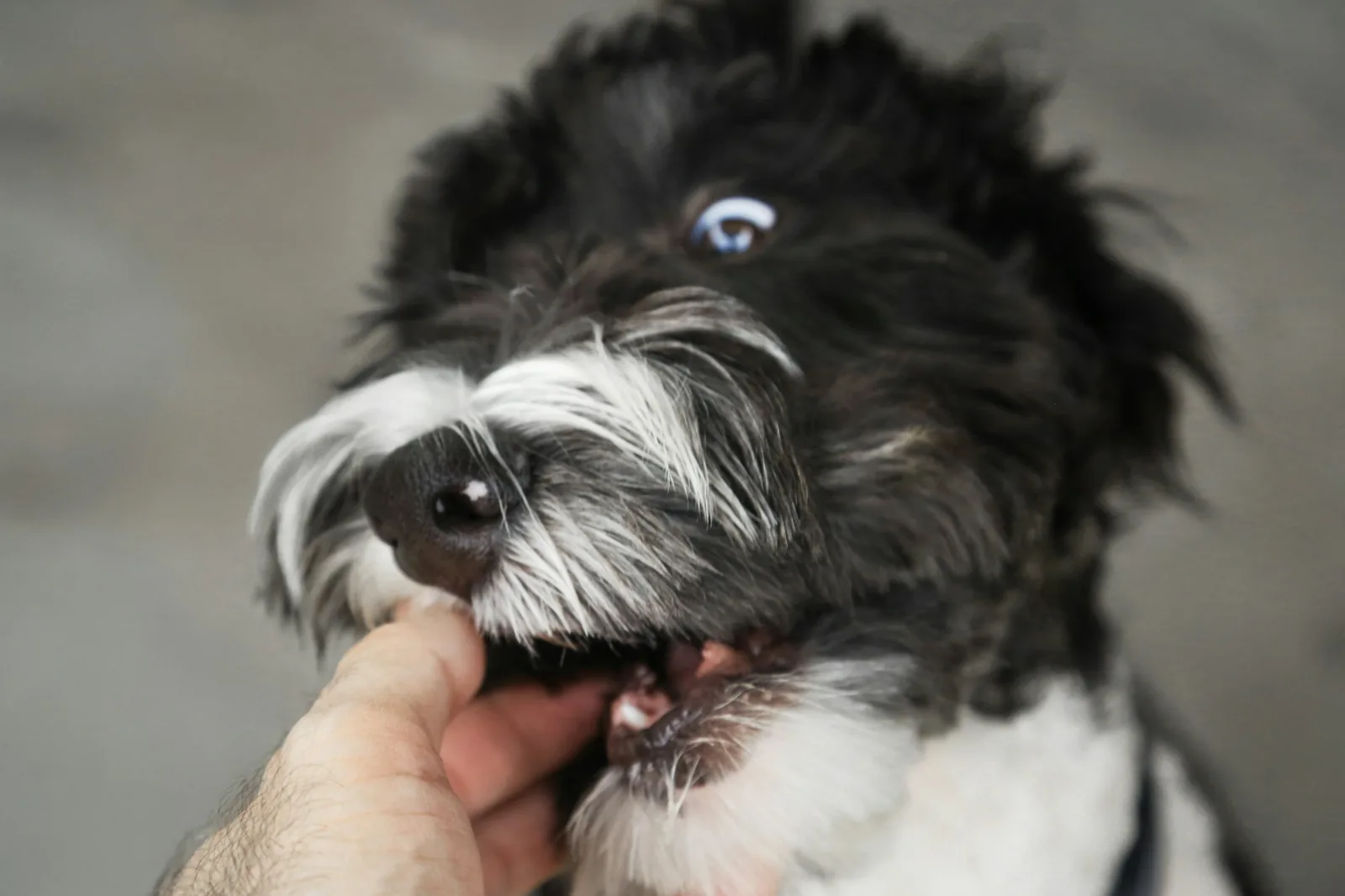

Dental work at intake
Dental treatment is usually the first thing we fund for an incoming Westie, and frequently the largest single cost of a placement.
Many arrive with disease advanced enough to need multiple extractions. The change afterwards is often striking — dogs described as withdrawn or grumpy turn out to have been in constant pain.
The veterinary care every rescue Westie receives covers what is done before placement, our adoptable dogs page notes any dental work already completed, and sponsoring a dog in our care is what pays for it.
Frequently asked questions
How often do dogs need dental cleaning?
Most small breeds benefit from professional cleaning every one to three years, starting around age two or three. Your vet should assess the mouth at every annual visit and tell you when it is due.
Is anesthesia-free dog teeth cleaning safe?
It is not the risk that is the problem, it is that it does not work. Scaling a conscious dog cannot address disease below the gum line, where periodontal disease actually is, and cannot include diagnostic X-rays.
Is dog dental cleaning worth the cost?
Routine cleaning at $300 to $700 is considerably cheaper than treating established disease at $1,000 to $2,000, and it prevents years of pain the dog will not show you.
Do dental chews replace brushing?
No. Chews with demonstrated plaque control help at the margins, but brushing is the only home measure with strong evidence. Avoid antlers, hooves and bones, which fracture teeth.
Is anesthesia safe for an older Westie?
Usually yes, with pre-anesthetic bloodwork and proper monitoring. Age alone is not a contraindication, and leaving infection untreated carries its own risk.
Where this fits
Dental disease sits alongside ear disease, overgrown nails and weight in the group of common problems that are largely within an owner’s control — our guide to what the breed is actually prone to ranks them. Coat and nail care are covered in the Westie grooming guide, and weight in our guide to feeding and portions.