
For most dogs, choosing a vet is a matter of convenience. For an adopted dog it is worth a little more thought, because the first appointment is doing a different job.
You are not confirming that a healthy dog is healthy. You are establishing a baseline for an animal whose history is partly unknown.
The short version
- Register before you need to, ideally in the first week.
- Find out where the nearest 24-hour emergency clinic is at the same time.
- Ask how they handle chronic conditions, because this breed generates them.
- A practice you can talk to matters more than one with the newest equipment.
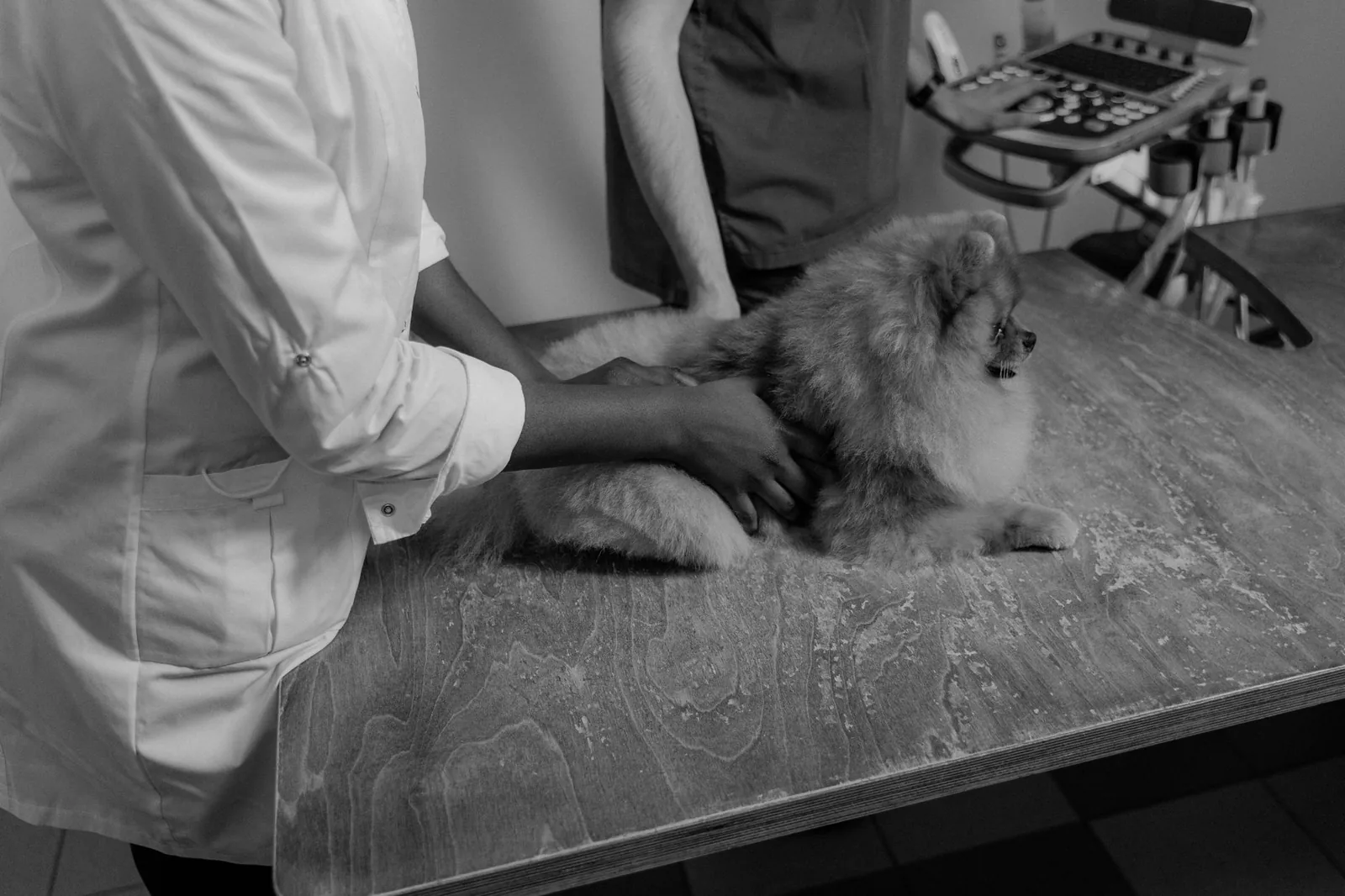
What to look for
| Factor | Why it matters | How to check |
|---|---|---|
| Distance | You will use it more than you expect | Realistic travel time in traffic, not on a map |
| Out-of-hours arrangement | Where you go at 2am | Ask directly: own service, or a referral clinic, and how far |
| Appointment length | Complex dogs need more than ten minutes | Ask what a standard consultation is |
| Continuity of vet | A chronic condition benefits from one person knowing it | Ask whether you can book with the same vet |
| Attitude to dentistry | The commonest problem in the breed | Ask whether dental X-rays are routine |
| Referral relationships | Dermatology and behavior both come up here | Ask who they refer to and how readily |
| Cost transparency | Estimates before work, not invoices after | Ask for a written estimate at the first visit |
The American Board of Veterinary Practitioners maintains a directory of board-certified practitioners in canine medicine, which is useful if you want a practice with formal specialization.
The first appointment
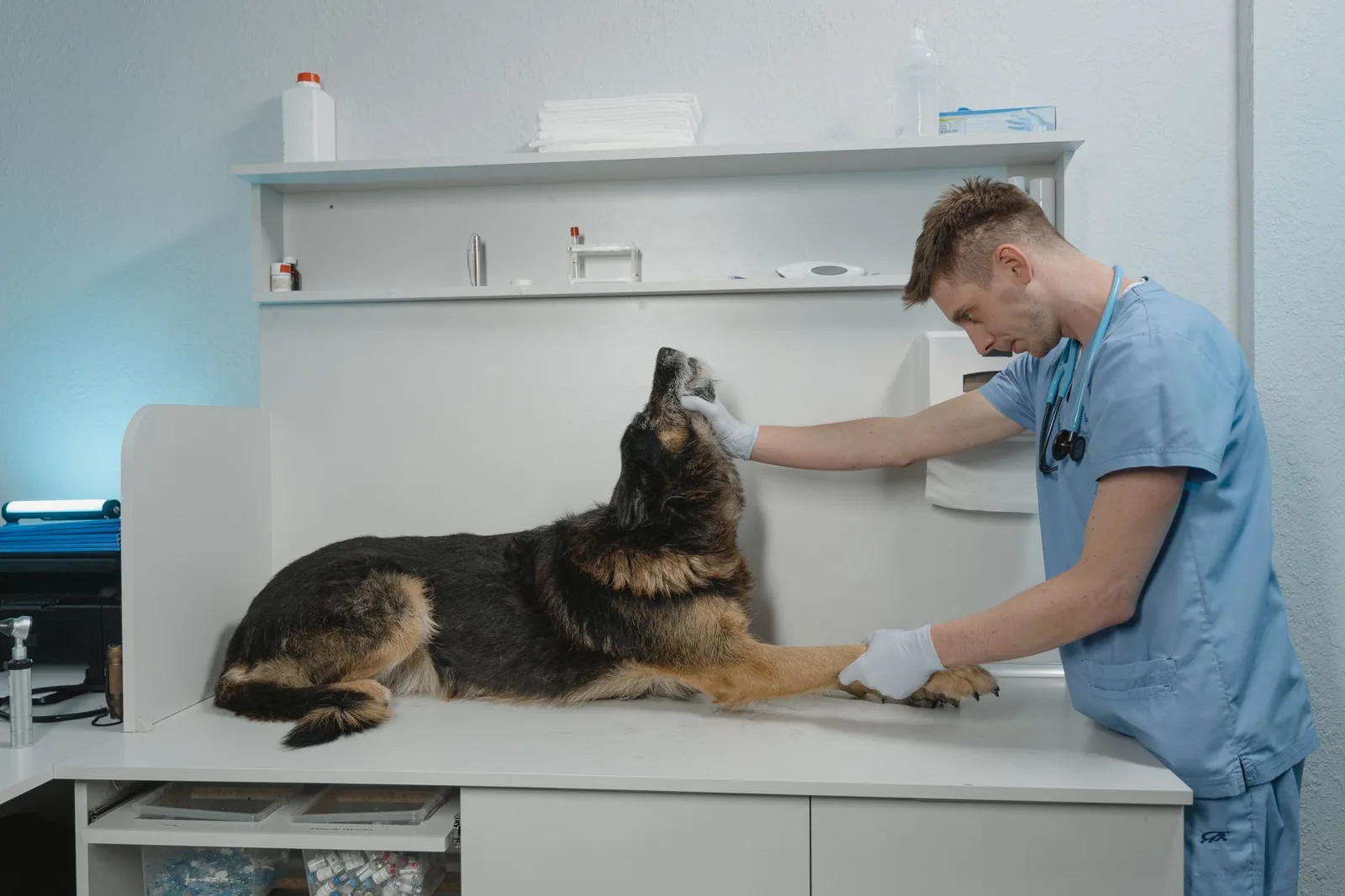
Book it for the first week or two, even if the rescue has just completed a full work-up. The point is establishing a relationship and a baseline, not repeating the medicine.
- Take every record you have, including the rescue’s and anything from a previous owner.
- Ask for a full physical, including a proper look in ears and mouth.
- Get a baseline weight and body condition score recorded.
- Agree a vaccination and parasite plan for where you actually live.
- Discuss any known chronic condition and what monitoring it needs.
- Ask what they would want you to call about rather than wait on.
If the dog is nervous, say so at booking. Many practices will schedule a quiet slot, and a first visit that goes badly is hard to undo — our guide to the first 30 days with a rescue Westie covers what is normal in that period.
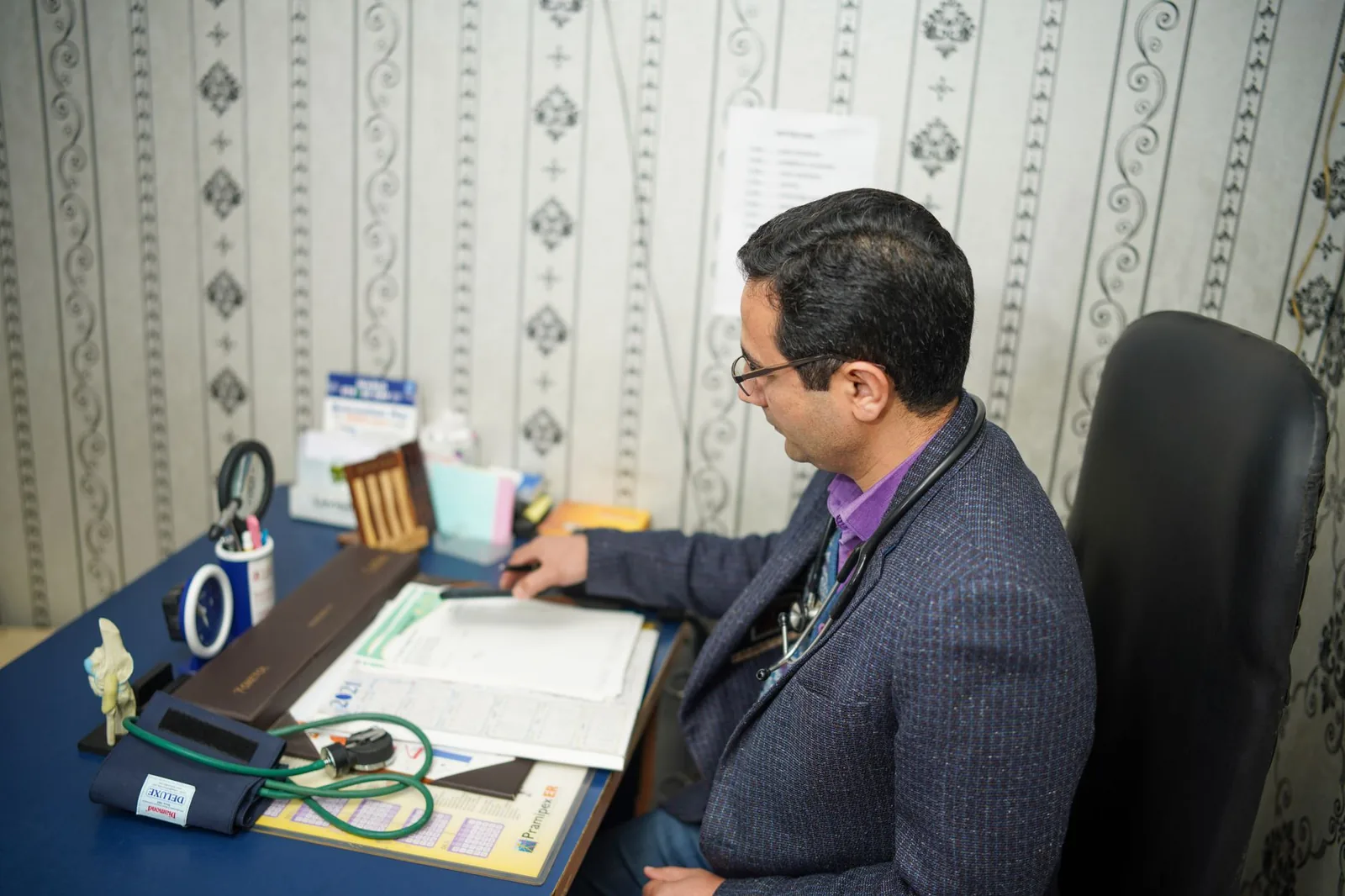
Breed-specific things worth raising
| Topic | Why for this breed |
|---|---|
| Dental assessment | Dental disease is the commonest finding in Westies |
| Skin and ear history | Atopic dermatitis affects a large share of the breed |
| Baseline bloodwork | Useful before any long-term medication starts |
| Weight target | Overweight is in the breed’s top five presenting problems |
| Cough or exercise tolerance | Westie lung disease in older dogs |
| Joint check | Patellar luxation is common in small breeds |
The prevalence behind each row is in our guide to what the breed is actually prone to.
Questions worth asking
- What happens if my dog needs help overnight or at a weekend?
- Do you offer payment plans or work with charitable funds?
- How do you handle a dog that finds the clinic frightening?
- Will I see the same vet for an ongoing condition?
- Do you do dental X-rays as standard?
- Who do you refer to for dermatology, and how soon?
The payment question is worth asking before you need the answer. Cost is a common reason treatment is delayed, and delayed treatment is a common reason dogs end up in rescue — our guide to rehoming options opens with the problems that turn out to have solutions.
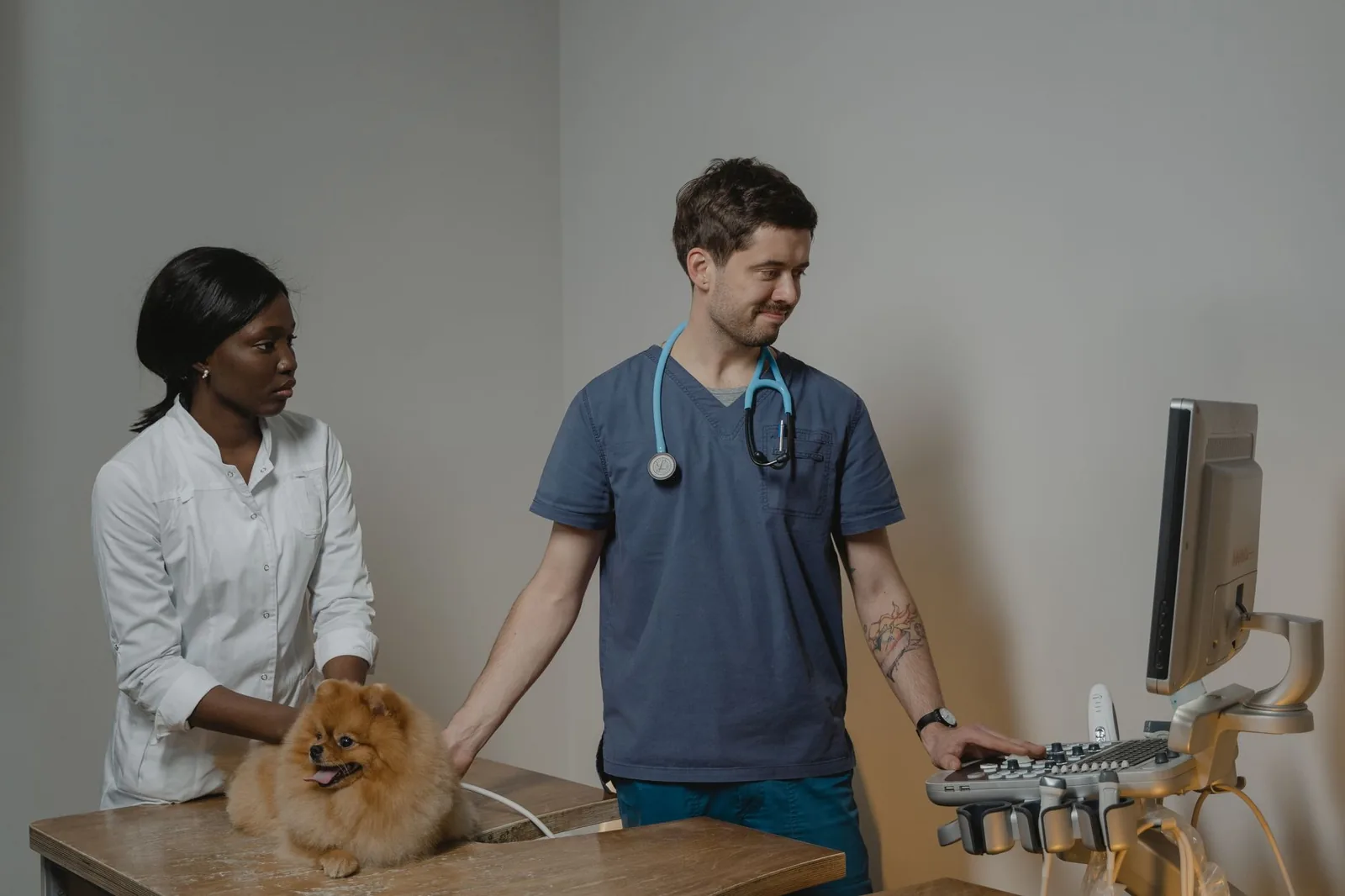
The emergency question
Sort this in the first week, not during the emergency.
Find out whether your practice runs its own out-of-hours service or refers to a separate clinic, how far that clinic is, and what a consultation there typically costs. Write it on the refrigerator.
Emergency care is considerably more expensive than routine care, and knowing the rough figure in advance is better than discovering it at midnight — our first aid guide covers what warrants that trip.

When to change practice
Rarely necessary, but worth doing if the relationship is not working.
- You cannot get a straight answer about cost or prognosis.
- A chronic problem keeps being treated symptomatically without anyone investigating the cause.
- Referral is resisted when a case is clearly beyond general practice.
- Your dog is frightened every time and nobody has suggested adjusting the approach.
- You are not being listened to about what you observe at home.
The second point matters here specifically. Recurrent ear infections treated with successive courses of drops and no allergy investigation is the classic example — why Westie ear infections keep coming back explains what should happen instead.
Frequently asked questions
When should I take a newly adopted dog to the vet?
Within the first week or two, even if the rescue has just completed a full work-up. The purpose is establishing a relationship and a baseline rather than repeating the medicine.
What should I take to the first appointment?
Every record you have, including the rescue’s paperwork and anything from a previous owner, plus a list of current medications and any behavior you have questions about.
How do I find a good vet?
Look at distance, out-of-hours arrangements, appointment length, whether you can see the same vet for ongoing conditions, and how readily they refer. Ask about all of it before you register.
Does my rescue dog need a check-up if it just had one?
Yes, but a brief one. Your own vet needs a baseline of their own, and it establishes the relationship before something goes wrong.
What if I cannot afford veterinary treatment?
Ask the practice directly about payment plans and charitable funds, which are underused. Raise it before treatment is urgent rather than after, when options narrow.
What comes with the dog
Every Westie we place arrives with its full veterinary record and an honest account of any ongoing condition, including what it will cost to manage.
The veterinary care every rescue Westie receives sets out what is completed before placement, and our guide to vaccinations and preventive care covers what happens at that first appointment in more detail.