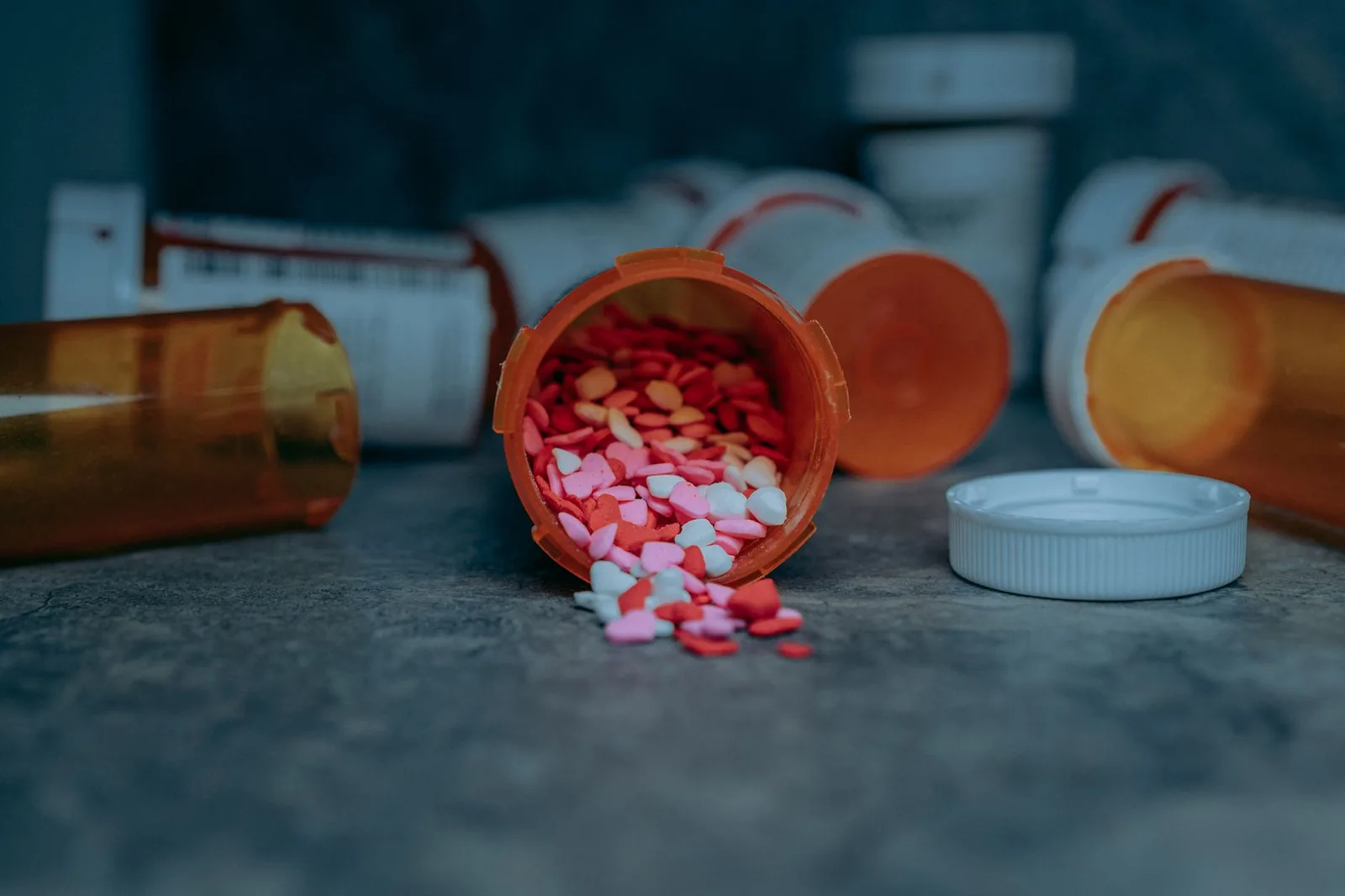
A dog on lifelong medication is not a difficult dog. It is a dog with a routine, and the routine determines whether treatment works.
This is the practical side prescriptions do not come with: getting the tablet in, keeping the schedule, monitoring, and paying for it.
The short version
- Missed doses are the commonest reason treatment appears to stop working.
- Attach the dose to something you already do daily, not to a reminder.
- Never stop or adjust a long-term medication without talking to your vet.
- Ask about generics and larger quantities. Costs vary more than people expect.

The compliance problem
Doses get forgotten more often as treatment becomes routine, and nobody is prompted by feeling unwell. A dog whose skin has settled is easy to under-dose, and the first sign is a flare that looks like the drug failing.
| Approach | Reliability | Why |
|---|---|---|
| Attach it to a meal | Best | You already do it twice daily without prompting |
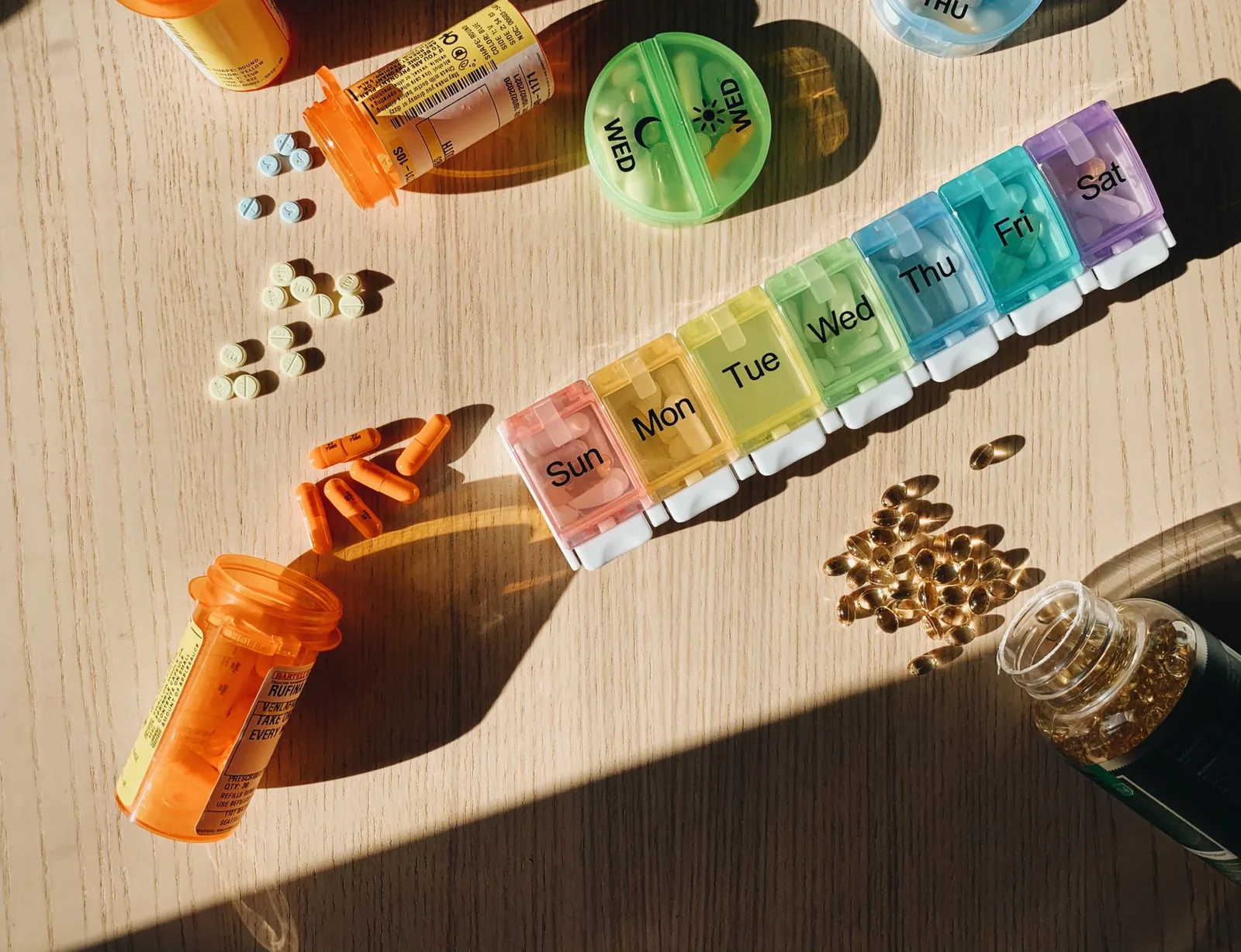
| Weekly pill organizer | Very good | You can see at a glance whether it was given |
| Shared household checklist | Very good | Prevents double-dosing and missed doses |
| Phone alarm | Moderate | Easily dismissed and forgotten |
| Remembering | Poor | It works until the week something changes |
Getting the tablet in
- Try it in food first. Many dogs take a tablet in something soft without noticing.
- Use the three-treat method: a plain treat, then the loaded one, then another plain one, given quickly.
- Check it went down. Terriers are expert at holding a tablet in a cheek and spitting it out later.
- Ask whether it can be crushed before crushing anything. Coated and slow-release tablets must not be.
- Ask about alternative forms. Liquids, chews and transdermal preparations exist for some drugs.
- Ask about compounding if nothing works. A pharmacy can sometimes reformulate into a flavored liquid.
If you are fighting the dog daily, say so. There is usually another way, and a twice-daily battle damages everything else.
Monitoring
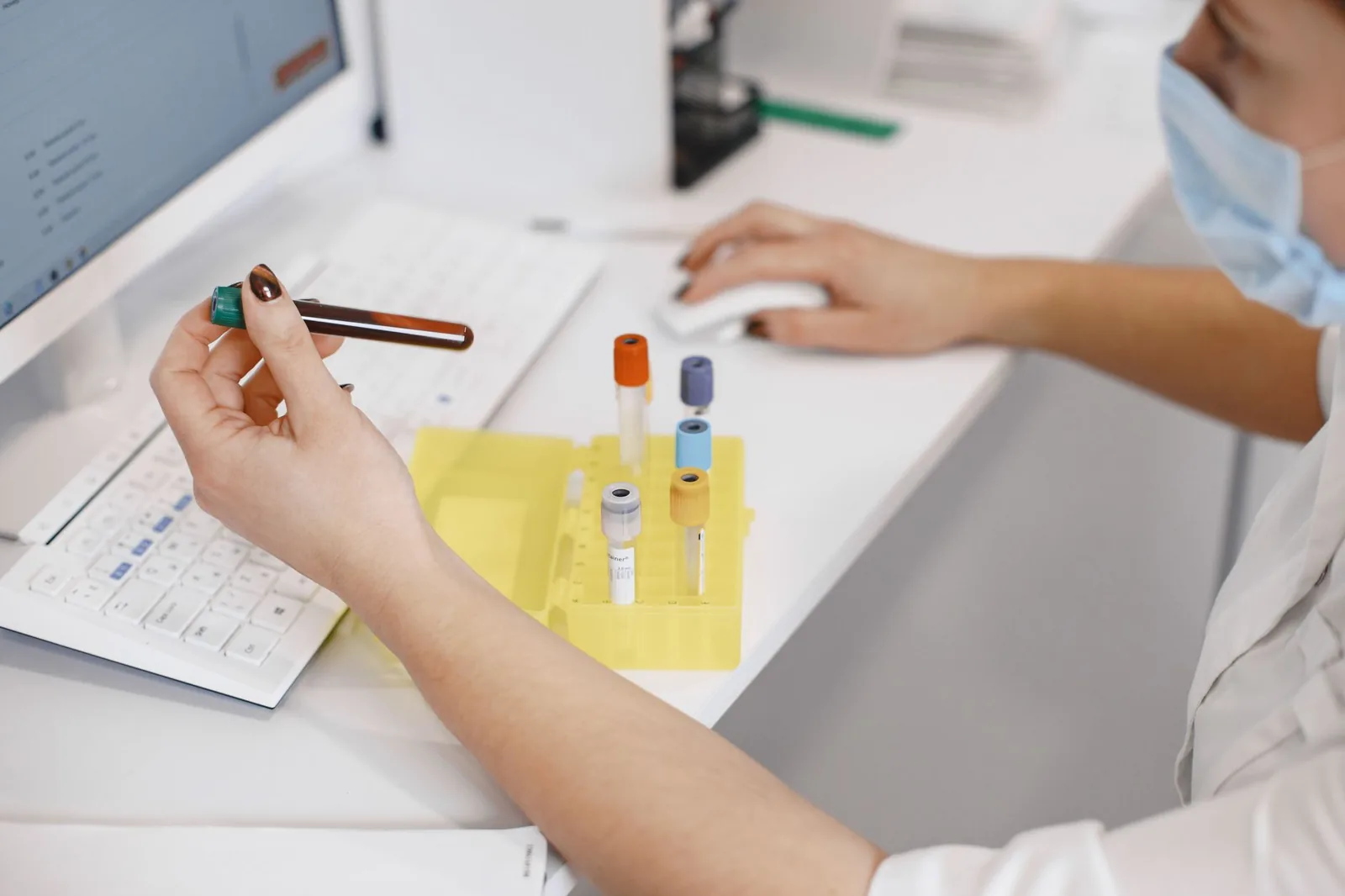
Most long-term medications require periodic bloodwork, and it is not defensive box-ticking. It is how organ effects get caught while they are still reversible.
| What is monitored | Why | Typical frequency |
|---|---|---|
| Liver and kidney values | Many long-term drugs are processed by both | Baseline, then every 6–12 months |
| Blood cell counts | Some immune-modulating drugs affect them | As directed |
| Body weight | Dose is weight-dependent; weight changes silently | Every visit |
| Symptom diary | The only record of whether it is actually working | Ongoing, by you |
| Blood pressure | Relevant with some conditions and drugs | As directed |
The FDA maintains information on approved animal drugs and adverse event reporting, which is where to check a formal product record if you want it.
Keep a diary
This is the single most useful thing an owner contributes, and almost nobody does it.
A line a day: doses given, how the dog seemed, any flare, any side effect. Over six months it shows patterns that memory cannot — seasonal flares, a dose that stopped holding, a side effect that started with a change of brand.
What not to do
- Do not stop because the dog seems better. Improvement is usually the medication working, not the condition resolving.
- Do not adjust the dose yourself, in either direction.
- Do not use leftover medication from a previous episode without asking.
- Do not give human painkillers. Ibuprofen and acetaminophen are toxic to dogs.
- Do not add supplements silently. Some interact with prescribed drugs.
- Do not skip the recheck because the dog looks fine.
The human painkiller point is the one that causes genuine emergencies — our guide to household items dangerous to dogs covers what to do if it happens.
Planning for the cost
A chronic prescription is a standing monthly cost for the life of the dog, so treat it as a budget line rather than a series of surprises.
- Ask whether a generic exists. Price differences can be substantial.
- Ask about three-month quantities, which are often cheaper per dose.
- Ask for a written prescription if an external pharmacy is cheaper, which is your right in most states.
- Ask about practice health plans, which sometimes bundle monitoring.
- Factor in the bloodwork, not just the drug.
Where cost is genuinely a barrier, say so early rather than quietly reducing doses — our guide to planning for veterinary costs covers the options, and our guide to pet insurance explains why timing matters so much in this breed.

Adopting a dog already on medication
More straightforward than people expect, because everything is known in advance rather than discovered later.
Ask what the condition is, what the monthly cost is, what monitoring it needs, what happens if it progresses, and what the dog is like on a good day. A rescue that has been managing it for months can answer all five.
These dogs wait longer for homes than almost any other group, and the daily reality is usually a tablet in a piece of cheese — our adoptable dogs page states what each dog needs plainly.

Frequently asked questions
What if I miss a dose of my dog’s medication?
Call your vet rather than guessing, because the right response differs by drug. Never double up to catch up. If missed doses are becoming routine, change the system rather than trying harder to remember.
How do I give a tablet to a dog that spits it out?
Hide it in something soft and use the three-treat method — plain, loaded, plain, given quickly. Check the dog actually swallowed it. If it keeps failing, ask about liquids, chews or compounding.
Can I stop medication if my dog seems better?
No. Improvement usually means the medication is working rather than the condition having resolved. Stopping is a conversation with your vet, and some drugs need tapering rather than stopping abruptly.
Why does my dog need regular blood tests?
Many long-term medications are processed by the liver and kidneys, and monitoring catches effects while they are still reversible. It also confirms the dose is still right as the dog’s weight changes.
How can I reduce the cost of long-term medication?
Ask about generics, three-month quantities, a written prescription for an external pharmacy, and practice health plans. Raise cost with your vet directly rather than quietly reducing doses.

Why we take these dogs
Dogs with chronic conditions are among the hardest to place and among the least difficult to live with once the routine is established.
The veterinary care every rescue Westie receives sets out what is stabilized before placement, and sponsoring a dog in our care is what funds ongoing treatment for the dogs who stay with us.