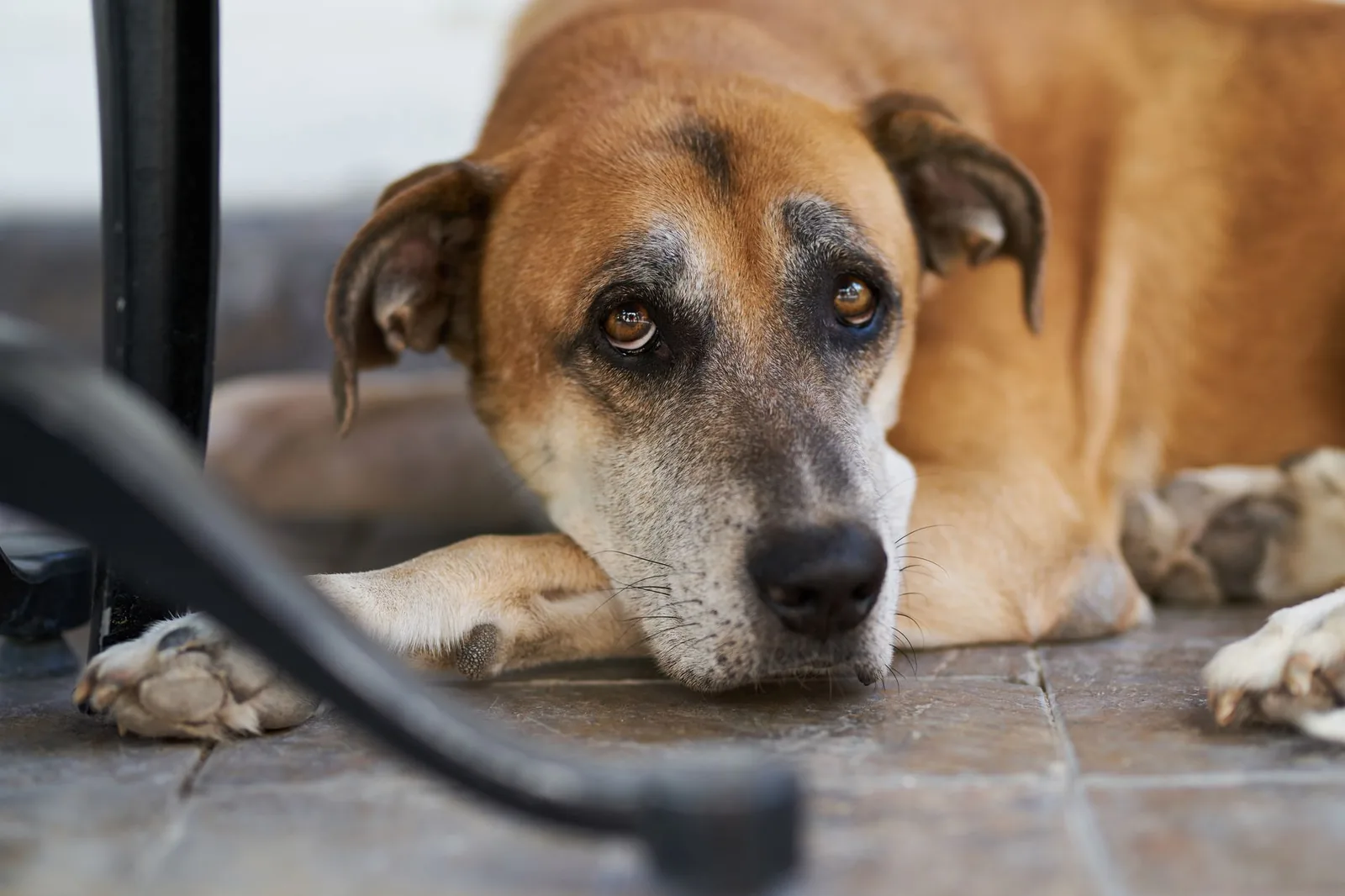
A newly adopted dog that starts coughing a few days after coming home is a common and usually unalarming event. Any group setting is a place respiratory infections circulate.
Most cases are mild and resolve on their own. The useful skill is recognizing the ones that are not, and in an older Westie there is a specific alternative worth ruling out.
The short version
- A honking cough with a bright, well dog is usually uncomplicated.
- Incubation is typically two to ten days, so it often appears after homecoming.
- Use a harness rather than a collar while a dog is coughing.
- A persistent dry cough in an older Westie is a different question entirely.

What kennel cough actually is
It is not one disease. It is a syndrome caused by several bacteria and viruses, often more than one at once, affecting the upper airway.
It spreads through the air and on shared surfaces, which is why it circulates anywhere dogs are close together — boarding, daycare, shelters, grooming salons, classes and dog parks alike.
The classic sign is a sudden, harsh, honking cough, often ending in a retch that owners mistake for vomiting. The dog is usually otherwise bright, eating and interested in walks.
Typical course, and when to worry
| Feature | Uncomplicated | Needs veterinary attention |
|---|---|---|
| The dog itself | Bright, eating, wants to walk | Lethargic, off food |
| Cough | Harsh, honking, in bouts | Wet, productive, or constant |
| Temperature | Normal | Fever |
| Breathing | Normal between bouts | Fast, labored, or effortful at rest |
| Discharge | Clear if any | Green or yellow from nose or eyes |
| Duration | Improving within 7–10 days | Beyond three weeks, or worsening |
| Age and health | Healthy adult | Puppy, senior, or immune-compromised |
Breathing difficulty at rest is an emergency rather than a wait-and-see — our first aid guide covers what warrants an immediate visit.
The Westie-specific question
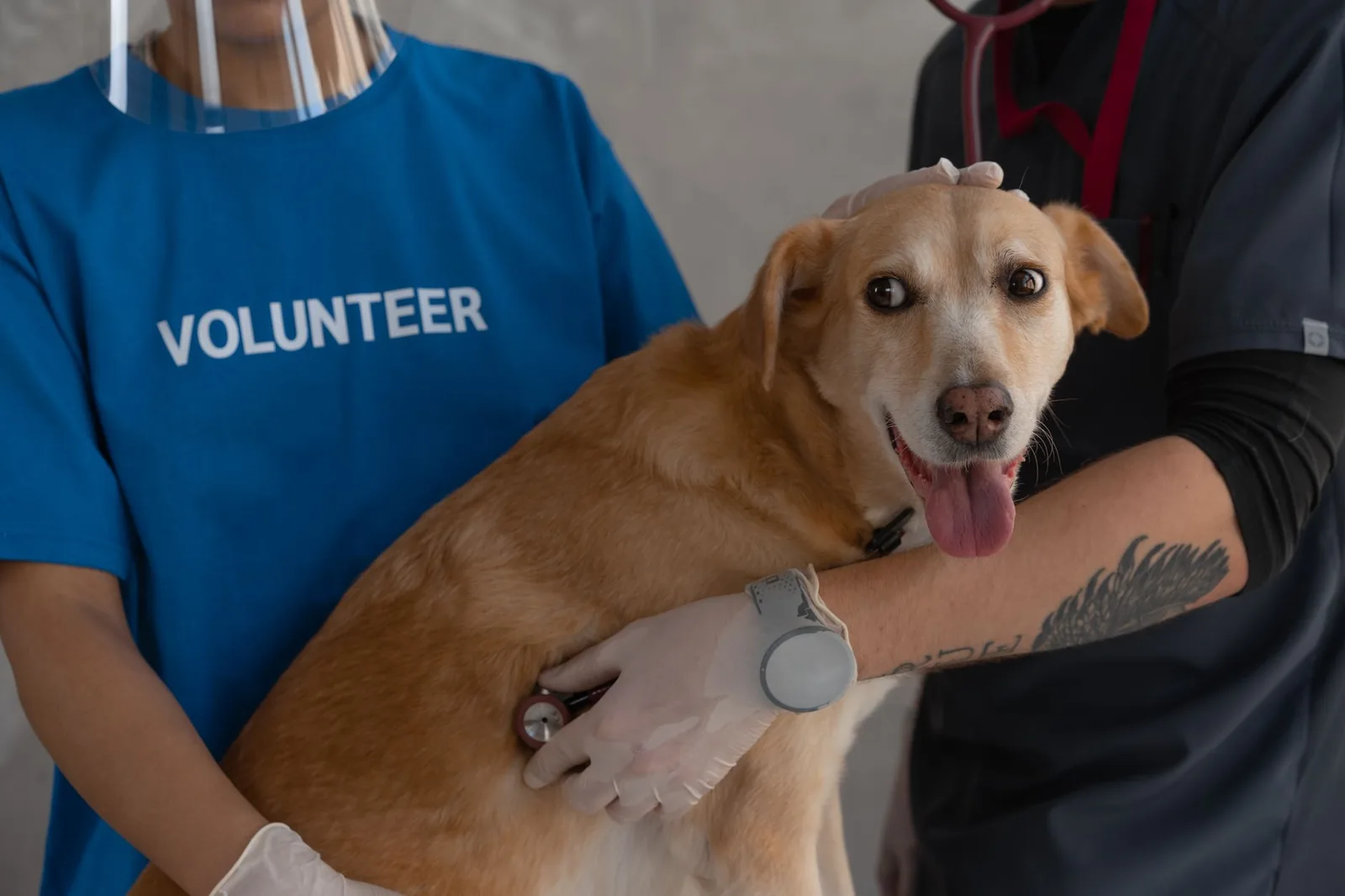
In an older Westie, a persistent dry cough deserves more thought than in most breeds.
Canine idiopathic pulmonary fibrosis is strongly associated with this breed, usually appears after eight, and presents as a dry cough with crackly breathing and reduced exercise tolerance.
The distinction matters. Infectious cough comes on suddenly in an otherwise well dog and improves within days. Pulmonary fibrosis develops gradually, does not resolve, and is easily dismissed as the dog slowing down.
Any cough in an older Westie that lasts beyond a couple of weeks should be investigated properly — our guide to what the breed is actually prone to covers Westie lung in more detail.
Managing an uncomplicated case
- Switch to a harness. Pressure on the throat from a collar triggers coughing directly.
- Rest. Short lead walks only, and no excitement, which sets off bouts.
- Humidity helps. Sitting in a steamy bathroom for ten minutes eases the airway.
- Keep the dog eating and drinking, softening food if swallowing is uncomfortable.
- Isolate from other dogs for the duration and a week beyond.
- Call rather than visit in the first instance, so the practice can advise on avoiding its waiting room.
Most uncomplicated cases resolve in one to three weeks without antibiotics, which are reserved for cases with signs of bacterial involvement rather than given routinely.

Other contagious illnesses worth knowing
| Illness | Signs | Prevention |
|---|---|---|
| Kennel cough complex | Honking cough, otherwise well | Bordetella vaccine reduces severity; not fully protective |
| Canine influenza | Cough, fever, nasal discharge, lethargy | Vaccine available where risk exists |
| Parvovirus | Severe vomiting and bloody diarrhea; emergency | Core vaccination; highly effective |
| Distemper | Respiratory then neurological signs | Core vaccination |
| Giardia | Loose stool, often after shared water | Hygiene; treatable |
| Leptospirosis | Vague illness, then organ involvement | Vaccine advised in New England |
What is core and what is optional is set out in our guide to vaccinations and preventive care. Tufts publishes veterinary health resources covering infectious disease in companion animals if you want more depth.

If you have other dogs
Assume a new arrival could be incubating something for the first two weeks, which is sensible practice regardless of where it came from.
- Separate food and water bowls, which you should be doing anyway during introductions.
- Avoid shared toys until the settling period is over.
- Wash hands between dogs if one is unwell.
- Keep the coughing dog away from puppies and seniors, who are at higher risk of complications.
- Stay away from parks, classes and daycare until a week after the cough stops.
Most of this overlaps with sensible introduction practice anyway — our guide to introducing a new dog to a resident dog covers the rest.

Frequently asked questions
How long does kennel cough last?
Usually one to three weeks, with improvement within seven to ten days in uncomplicated cases. A cough that is worsening, or persisting beyond three weeks, needs investigating.
Does kennel cough need antibiotics?
Often not. Most cases are self-limiting and antibiotics are reserved for dogs showing signs of bacterial involvement — fever, lethargy, discharge or a productive cough — rather than given routinely.
Can a vaccinated dog still get kennel cough?
Yes. The Bordetella vaccine covers one common contributor among several and reduces severity rather than preventing infection outright.
My newly adopted dog is coughing. Is that normal?
It is common. Incubation is typically two to ten days, so a cough often appears after homecoming. If the dog is bright and eating, monitor it. If it is lethargic, off food or breathing hard, see a vet.
When should I worry about my dog’s cough?
Lethargy, loss of appetite, fever, colored discharge, labored breathing, or a cough lasting beyond three weeks. In an older Westie, a persistent dry cough warrants investigation for pulmonary fibrosis.
What we do at intake
Incoming dogs are assessed and, where they have come from a group setting, kept separate from resident dogs in the foster home for an initial period.
Where a dog arrives coughing, it is treated and settled before being made available, and adopters are told. The veterinary care every rescue Westie receives sets out what is completed first, and the first 30 days with a rescue Westie covers what else to expect in that window.