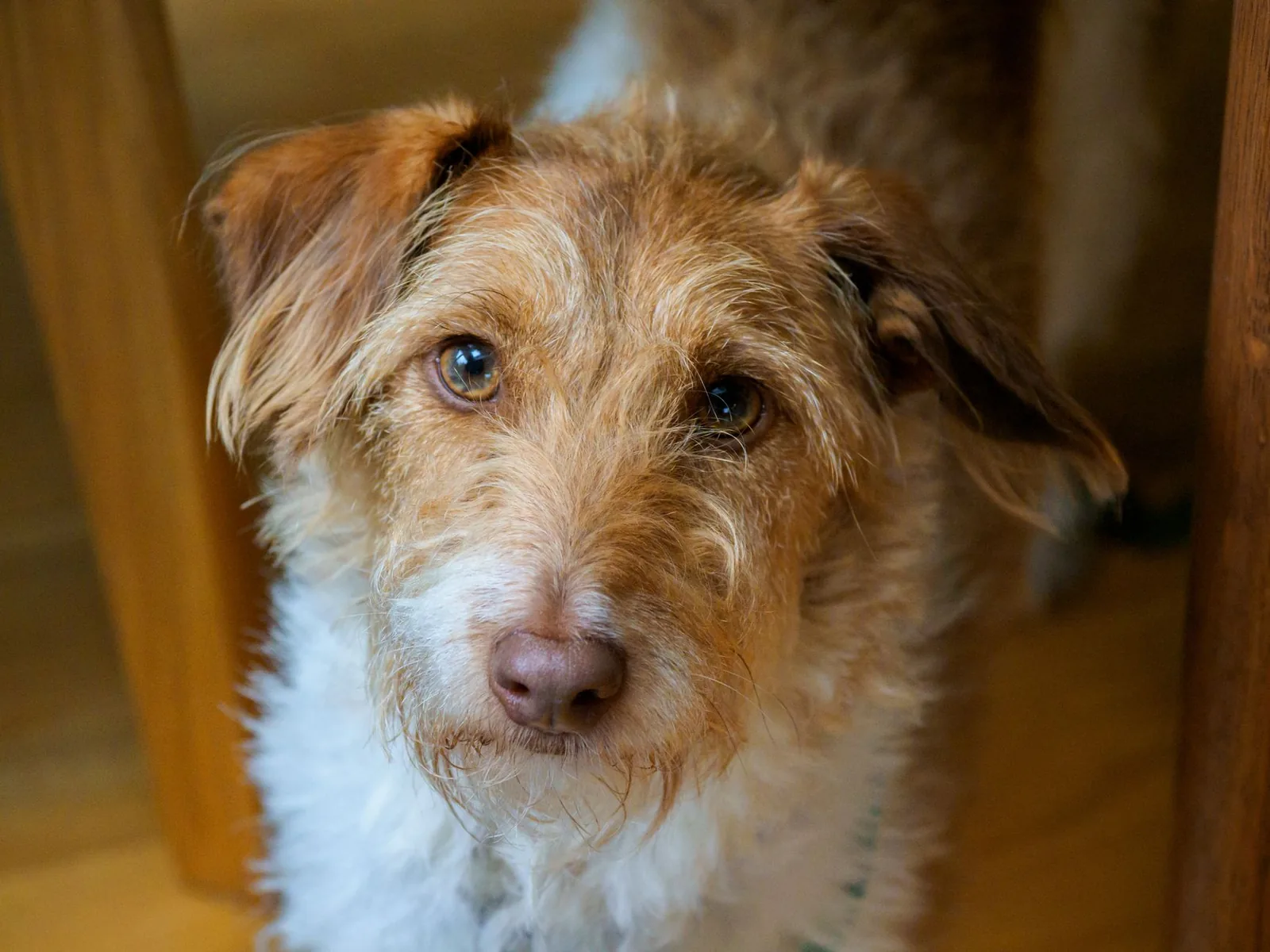
A weepy, red or squinting eye gets treated as conjunctivitis more often than it should. In a Westie there are two commoner explanations, and one of them is an emergency.
Getting the distinction right matters, because the wrong treatment for months costs vision that does not come back.
The short version
- A painful eye with a cloudy or bluish surface is urgent. Same day, not tomorrow.
- Thick, sticky discharge with a dull eye surface suggests dry eye, not infection.
- A gradually cloudy lens in an older dog is usually not an emergency.
- Never use leftover drops. Steroids in an ulcerated eye cause serious damage.
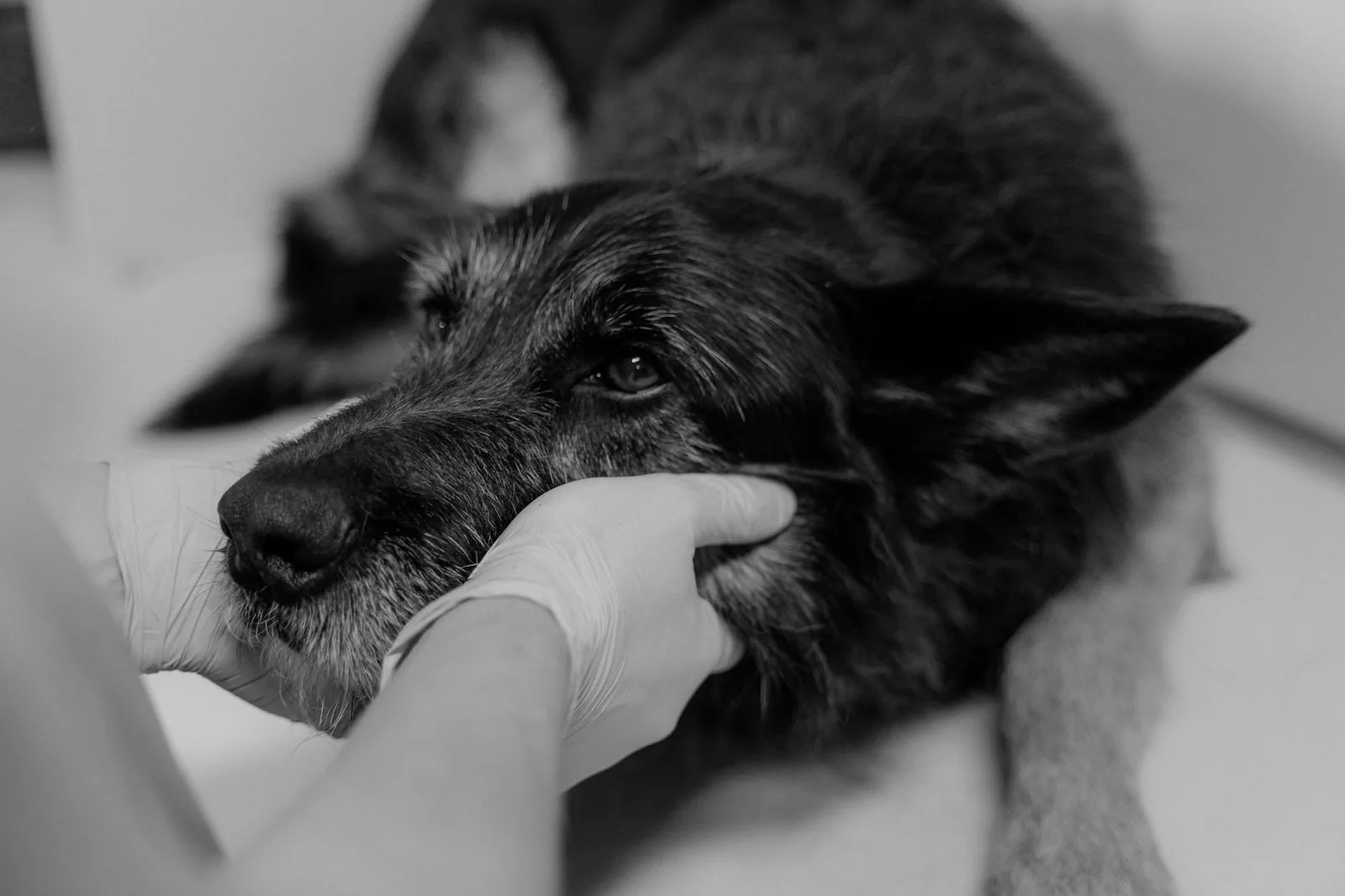
The conditions that matter
| Condition | What you see | Urgency |
|---|---|---|
| Dry eye (KCS) | Thick sticky discharge, dull surface, recurrent redness | Not urgent, but needs diagnosis |
| Corneal ulcer | Squinting, pain, tearing, sometimes a visible dip in the surface | Same day |
| Glaucoma | Very painful, red, cloudy or bluish eye, often one side | Emergency — hours matter |
| Cataract | Lens becomes progressively white; no pain | Not urgent; needs assessment |
| Nuclear sclerosis | Slight greyish haze in an older dog; normal aging | No action needed |
| Entropion | Lid rolling inward, chronic irritation | Surgical, not urgent |
| Conjunctivitis | Redness with clear or mild discharge, comfortable eye | Routine appointment |
Dry eye, the one that gets missed
Keratoconjunctivitis sicca means the eye is not producing enough tear film. Westies are among the breeds it turns up in more often.
It looks like a stubborn infection: a red eye producing thick, sticky discharge, clearing briefly with drops and returning. What is actually happening is that the eye is drying out and the mucus is compensating.
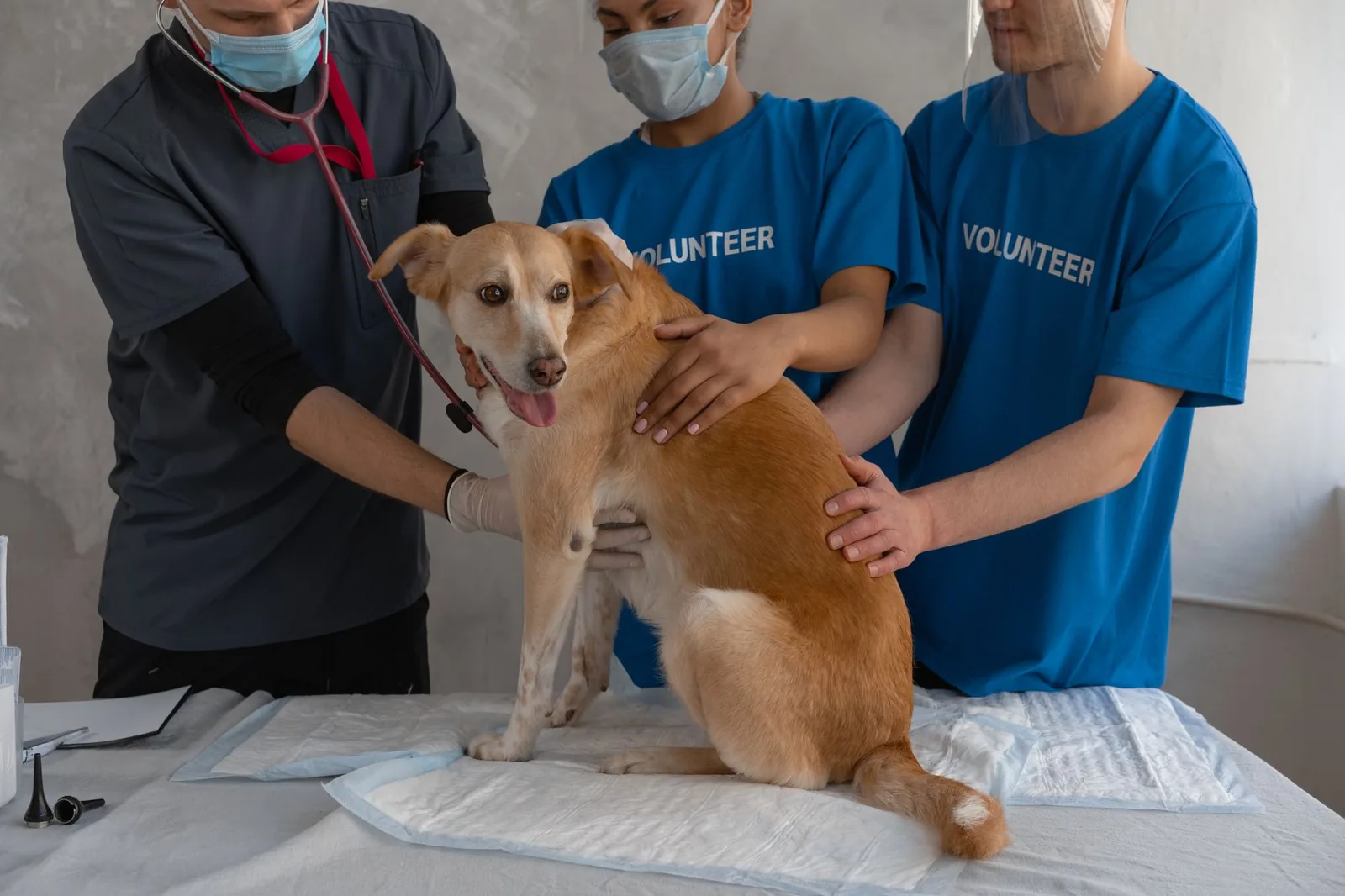
It is diagnosed in about a minute with a tear test strip, which is why it is worth asking for by name if an eye keeps recurring. Untreated it scars the cornea and eventually costs sight.
Cataracts and cloudiness
Two different things get called cloudy eyes, and only one of them matters.
Nuclear sclerosis is a normal aging change: a faint grayish haze in the center of the lens from about eight, which barely affects vision and needs nothing.
A cataract is genuinely opaque and progressive, and in a dog it raises a specific question — diabetes. A high proportion of diabetic dogs develop cataracts, sometimes rapidly, and the eye change is occasionally the first sign anyone notices.
A dog with new cataracts should have its blood glucose checked, which is covered in our guide to diabetes in dogs.
What is an emergency
- An eye held shut, or obvious pain on approach.
- Sudden cloudiness with redness, particularly in one eye.
- A visibly enlarged eye compared with the other.
- Sudden apparent blindness — bumping into things, hesitancy.
- Any visible injury, including a scratch from a branch or another dog.
- Bleeding, or a bulging eye after any trauma.
Glaucoma is the one where hours genuinely matter. Pressure inside the eye rises, it is extremely painful, and vision can be lost within a day.
The American College of Veterinary Ophthalmologists publishes owner information and a directory of veterinary eye specialists, which is the referral route where a general practice needs support.
Why leftover drops are dangerous
This is the single most damaging thing owners do to eyes with good intentions.
Many eye preparations contain steroids. In an eye with an ulcer, a steroid slows healing and can allow the ulcer to deepen through the cornea.
A vet checks for ulceration with a fluorescent stain before prescribing, which takes seconds. Using a bottle left over from a previous episode skips that step on an eye you cannot assess.
Routine eye care
| Task | How often | Why |
|---|---|---|
| Look at both eyes in good light | Weekly | Catches asymmetry early |
| Wipe away discharge with damp cotton | As needed | Use a separate piece per eye |
| Keep hair trimmed around the eyes | Every groom | Reduces irritation and tear wicking |
| Rinse after dusty or windy walks | As needed | Sterile saline, not tap water |
| Note any squinting immediately | Ongoing | Squinting is pain until proven otherwise |
The hair-trimming point overlaps with coat staining — our guide to tear staining and what causes it covers why the fur around the eyes discolors.
If vision is going
Dogs cope with vision loss far better than owners expect, particularly when it is gradual and the house stays the same.
The practical adjustments are simple: do not move the furniture, talk before you touch, block stairs until the dog has mapped them, and use texture underfoot as landmarks.
Our guide to living with a deaf or blind dog covers this in full, including why these dogs are easier to live with than people assume.
Frequently asked questions
Why does my Westie have goopy eyes?
Thick, sticky discharge with a dull-looking eye surface often means dry eye rather than infection, particularly if it keeps returning after drops. A tear test takes a minute and settles it.
Is a cloudy eye in an older dog serious?
Usually not. A faint greyish haze from about age eight is normal lens aging and needs nothing. A genuinely white, opaque lens is a cataract and warrants assessment, including a check for diabetes.
When is a dog’s eye problem an emergency?
Any painful eye — held shut, rubbed, shy of light — plus sudden cloudiness with redness, an enlarged eye, sudden blindness or any injury. Glaucoma can cost vision within a day.
Can I use old eye drops on my dog?
No. Many contain steroids, which slow healing and can let an ulcer deepen through the cornea. A vet checks for ulceration with a stain first, and that step cannot be skipped safely.
Are cataracts linked to diabetes in dogs?
Strongly. A high proportion of diabetic dogs develop cataracts, sometimes rapidly, and the eye change is occasionally the first thing an owner notices. New cataracts warrant a blood glucose check.
Eyes at intake
Untreated dry eye is a fairly common finding in dogs arriving from neglectful situations, and it is one of the more satisfying things to put right.
The veterinary care every rescue Westie receives includes an eye examination, and any ongoing treatment is disclosed on our adoptable dogs page. Where an eye condition is chronic, our guide to living with long-term medication covers the daily routine involved.