
Deaf and blind dogs wait longer for homes than almost any other group, and the reason is usually imagination rather than experience.
People picture constant management. What most adopters actually report is a dog that adapted faster than they did.
The short version
- Dogs cope with sensory loss far better than people expect, especially gradual loss.
- Blind dogs map a house within weeks, then move confidently in it.
- Deaf dogs learn hand signals as readily as any dog learns words.
- The main requirements are consistency, secure fencing and not moving the furniture.
How dogs experience it
A dog does not know it is going blind, and does not grieve for the sense. It adjusts, using what remains — and what remains is a great deal.
Scent is the dominant sense in dogs anyway, so a blind dog is not navigating in the dark in the way a blind person would. It is navigating by a sense it was already using more than vision.
| Deafness | Blindness | |
|---|---|---|
| Usual cause in Westies | Age-related, or chronic ear disease | Cataracts, glaucoma, age-related change |
| Onset | Usually gradual | Gradual more often than sudden |
| How the dog compensates | Vision and vibration | Scent, hearing, memory of layout |
| Hardest part for the dog | Being startled awake | Sudden layout changes |
| Hardest part for the owner | Recall is impossible without line of sight | Resisting the urge to rearrange things |
| Training implications | Hand signals instead of words | Verbal and touch cues instead of gestures |
Living with a deaf dog
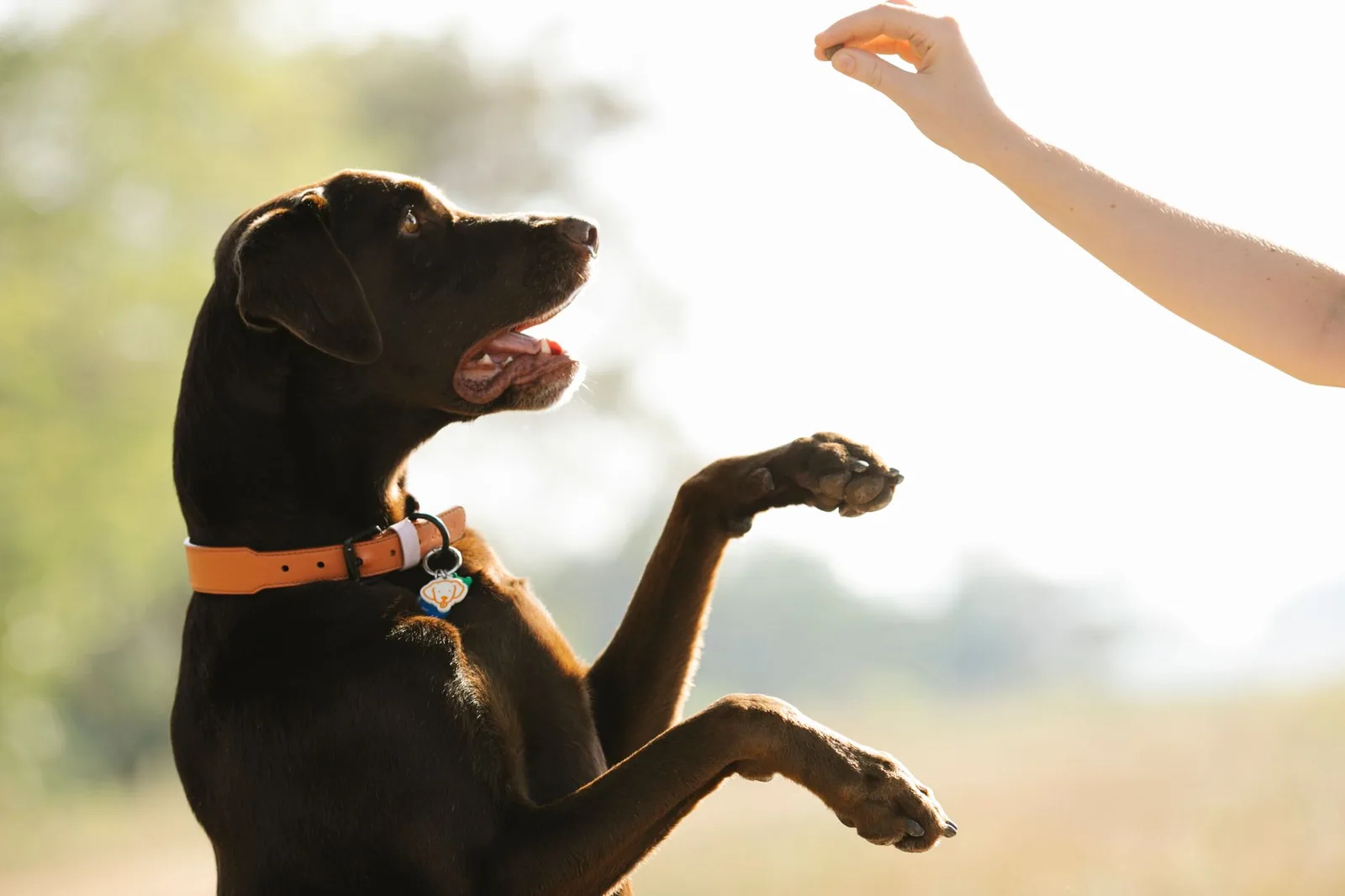
- Switch to hand signals. Dogs read gesture readily, and many deaf dogs end up more attentive than hearing ones because they watch you.
- Use a flashlight or a floor stamp to get attention across a room. Vibration through floorboards carries well.
- Wake the dog by touching the same spot every time, gently, so being woken becomes predictable.
- Never let the dog off leash in unfenced ground. There is no recall without line of sight, and this is non-negotiable.
- Tag the collar to say the dog is deaf, and note it on the microchip record.
LSU maintains a long-running research resource on deafness in dogs, which covers causes, testing and management in detail.
Living with a blind dog
- Do not move the furniture. The single most important rule, and the one households find hardest.
- Keep food, water and bed in fixed positions, permanently.
- Use texture as landmarks — a runner in the hallway, a mat at the top of the stairs.
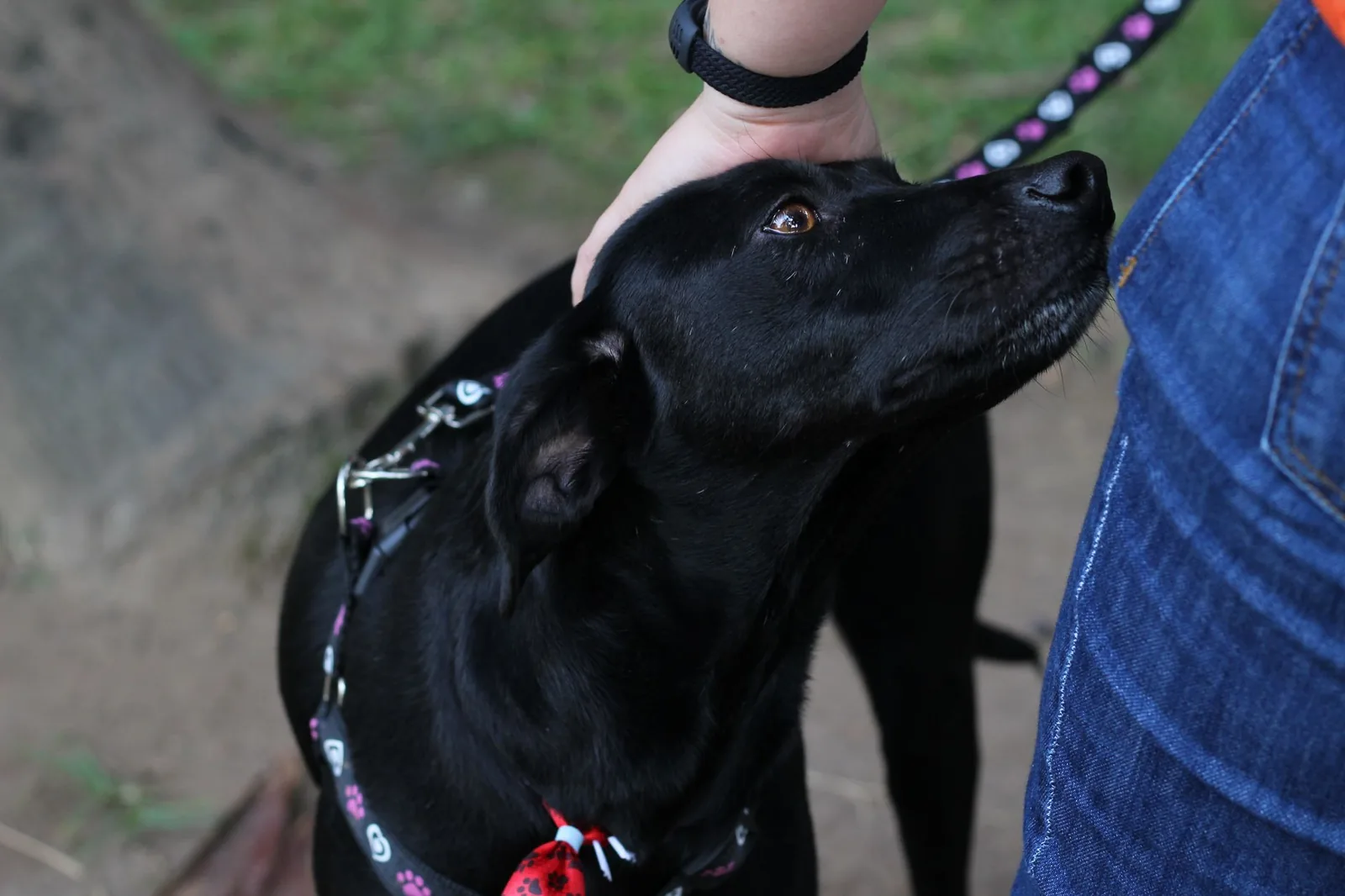
- Talk as you approach so the dog is never touched without warning.
- Block off stairs and pools until you are confident the dog has mapped them.
- Use scent markers — a drop of vanilla near the door out, for instance.
- Keep walks on familiar routes at first, then widen slowly.
Most blind dogs map a new house within two to six weeks and then move around it with a confidence that surprises visitors.
What it actually costs
| Deaf dog | Blind dog | |
|---|---|---|
| Extra equipment | Long line; vibration collar if wanted | Baby gates; textured mats |
| Extra veterinary cost | Usually none for the deafness itself | Depends on cause; glaucoma needs ongoing management |
| Training effort | Learning hand signals together | Mostly household adjustment |
| Daily time | No meaningful difference | No meaningful difference |
| Insurance | Pre-existing, so excluded | Pre-existing, so excluded |
That exclusion works the same way as it does for skin disease — our guide to pet insurance for a Westie explains why timing matters so much.
What these dogs need from a home
Less than people assume, but the requirements are firm.
Secure fencing is essential rather than preferable. A deaf dog cannot hear a recall and a blind dog cannot find its way back, so the boundary has to hold without either.
Beyond that: a stable household, consistent routine, and a willingness to leave the furniture where it is. Homes with very young children are harder, mostly because startling is the main risk with a deaf dog.
Reading a dog that cannot hear you approach matters more than usual — our guide to canine body language covers the signals that precede a startled reaction.
When loss is recent
A dog that has lost a sense suddenly, or is in the middle of losing one, needs more support than one that adapted years ago.
Expect anxiety, clinginess, disorientation and some loss of confidence for several weeks. Keep everything else identical while that settles, and get any painful underlying condition treated — glaucoma in particular is painful as well as blinding.
In older dogs, disorientation can also be cognitive rather than sensory, and the two look similar — our guide to what changes in a Westie after ten separates them.

Frequently asked questions
Are deaf dogs harder to train?
No, just differently. Dogs read gesture readily, and many deaf dogs become unusually attentive because they watch their person. The real constraint is that off-leash freedom in unfenced ground is never safe.
Can a blind dog have a good quality of life?
Yes. Scent is a dog’s dominant sense anyway, and most blind dogs map a house within a few weeks and then move confidently. The main requirement is not rearranging the furniture.
Are white dogs more likely to be deaf?
In some breeds, yes, where the white pattern is linked to congenital deafness. Westies are not among them. Deafness in this breed is usually age-related or follows chronic ear disease.
Do deaf or blind dogs need a companion dog?
Not necessarily. Some benefit from a confident housemate to follow, others find another dog stressful. It depends on the individual rather than the disability.
Will insurance cover a dog that is already deaf or blind?
Not for that condition, which counts as pre-existing. Everything unrelated can still be covered, so it is usually still worth insuring on the day the dog comes home.

Why we place these dogs
Sensory loss is common in the seniors and medically complex dogs we take in, and those dogs are frequently passed over by adopters who assume the care is beyond them.
It rarely is. The Westies currently available for adoption state plainly what each dog needs, and the case for adopting a senior dog makes the argument for the ones who wait longest. If cost is the concern, sponsorship funds their ongoing care.