
Older adopters are often the best homes available for the dogs that wait longest, and frequently the ones who talk themselves out of applying.
The concerns are real and all addressable, through matching properly and planning for changed circumstances.
The short version
- Match on energy and needs, not on the adopter’s age.
- A settled senior dog is frequently the easiest dog in any rescue.
- Name a guardian and a fallback before you adopt, not later.
- A good rescue will help you plan this rather than decline you for asking.
Why the fit is often excellent
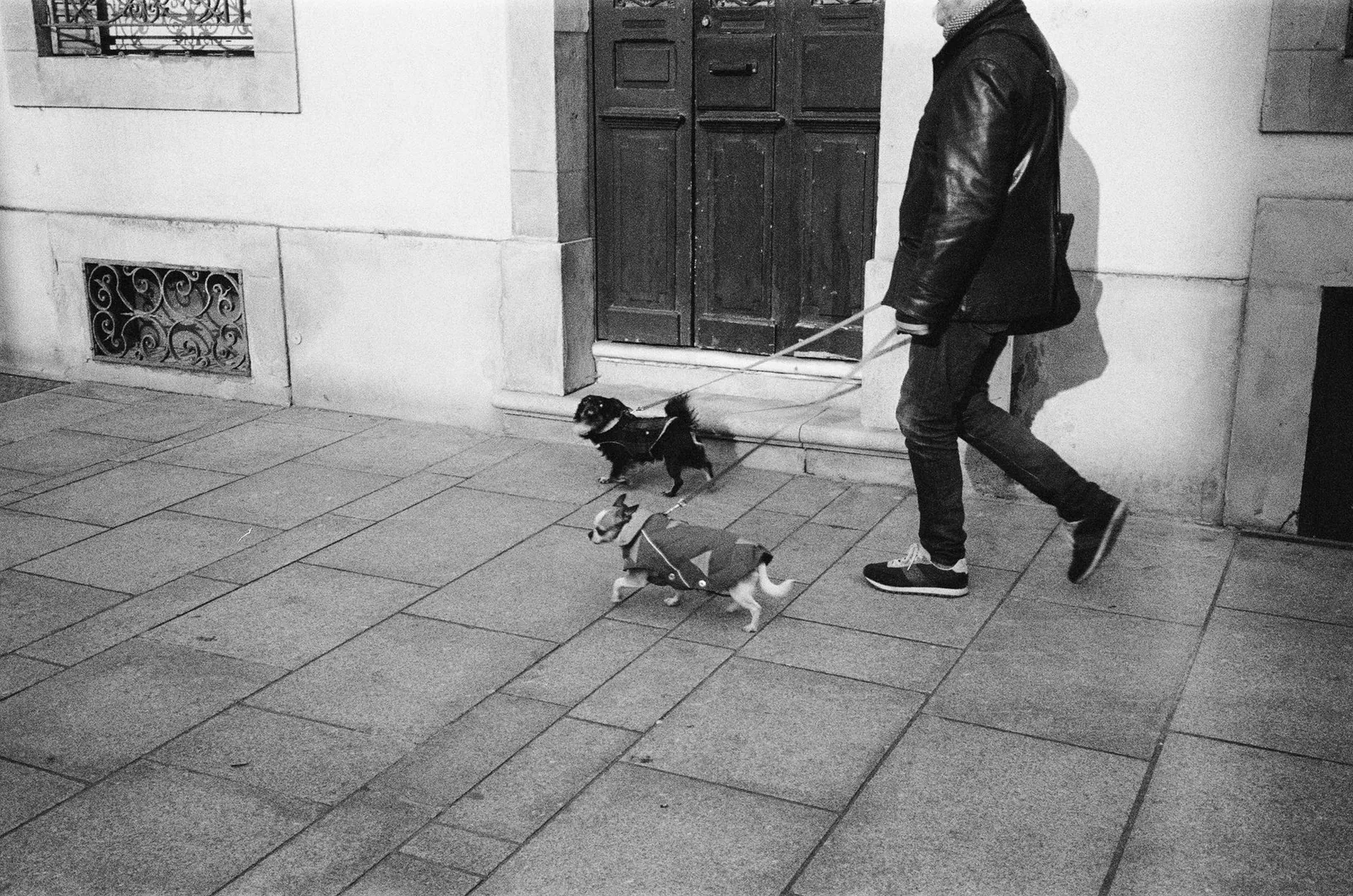
The dogs that wait longest are seniors and dogs with medical needs, and what they want is a quiet house, a predictable routine and someone at home — a description of many retired households.
The companionship runs both ways, and the practical benefits are well documented. AARP publishes material on pet ownership and wellbeing for older adults.
Matching on the right things
| What to match on | Why it matters more than age |
|---|---|
| Daily energy the dog needs | A senior dog needing three short walks suits many households a young one would not |
| Physical handling required | Lifting a 17-pound dog into a car is different from lifting a Labrador |
| Medical routine | A tablet twice daily is easy; weekly medicated baths are not |
| Strength on the lead | A dog that pulls hard is a genuine fall risk |
| Noise level | Relevant in a retirement community or shared building |
| Grooming demands | Whether you will do it or budget for it |
| Stairs in the home | Affects which dog, and whether ramps are needed |
The pulling row is the one most worth taking seriously. Our guide to loose leash walking covers the equipment that reduces the risk.

The contingency plan
This is what turns a reasonable worry into a solved problem, and it is worth doing before you apply rather than being asked about it.
- Name a guardian who has agreed in advance, and a backup.
- Name the rescue as a fallback, having asked us first. We will note it.
- Write it into your will, or set up a pet trust if you want funds ringfenced.
- Carry an emergency card saying you have a dog at home and naming two contacts with a key.
- Keep a care file — vet details, medication, routine, microchip number, behavioral notes.
- Arrange short-term cover for a hospital stay, which is far more likely than the worst case.
The hospital point is the practical one. Most contingency planning imagines death and ignores the far commoner scenario of two weeks away unexpectedly.
The full version is in our guide to planning for your dog if something happens to you, which applies to every owner but matters most here.
The lifespan question
People worry about the dog outliving them. It is worth thinking about plainly rather than avoiding.
| Dog | Typical remaining years | Suits |
|---|---|---|
| Puppy or young adult | 12–16 | Adopters confident about the long term |
| Adult, 5–8 | 6–10 | Most households; a middle path |
| Senior, 9–12 | 3–6 | A realistic and often excellent match |
| Geriatric, 12+ | 1–4 | Adopters who want companionship without a long horizon |
| Hospice placement | Months | People who want to give a good ending |
That last row is real work rather than a euphemism — our guide to hospice and end-of-life care sets out what it involves.

Practical adjustments worth making
- A well-fitted harness rather than a collar, for control with less force.
- A shorter fixed leash, never retractable, which is a trip hazard.
- Ramps rather than lifting, for the car and the sofa.
- Raised bowls to reduce bending.
- A dog walker one or two days a week.
- Delivery of food and supplies, so heavy bags are not a limiting factor.
The dog walker does double duty: somebody who already knows your dog is who can step in at short notice.
What a rescue should ask, and what it should not
A reasonable conversation covers your routine, your physical capacity, who else could help, and the plan if you become unwell. An unreasonable one applies an age cutoff, which serves nobody — the dog simply waits longer for a home that may not come.
If you have been declined on age alone, it is worth asking another organization — how to find a Westie rescue in your state covers where else to look.
If you are helping a parent or relative
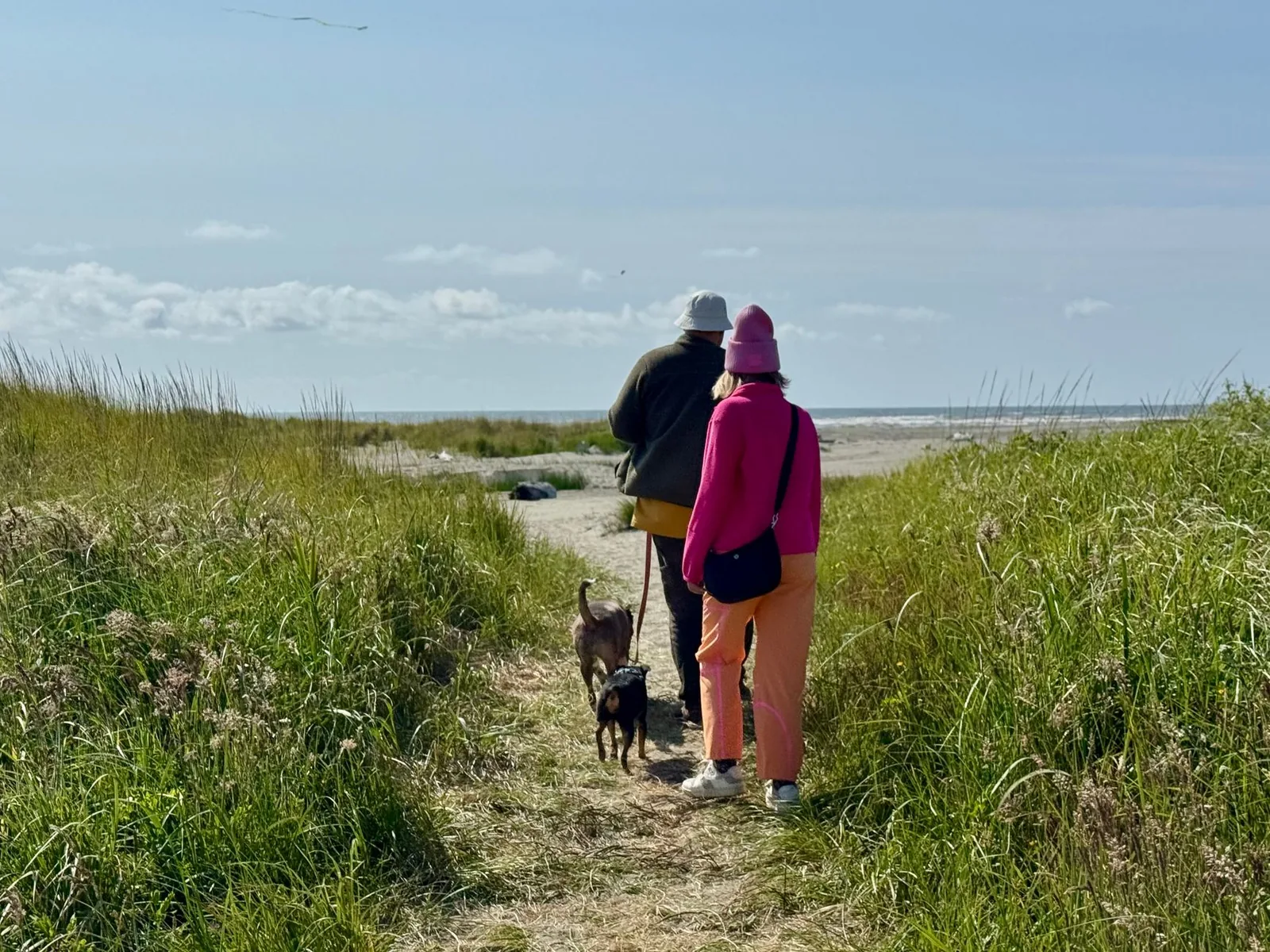
A common situation: an older relative wants a dog, and the family is worried. The useful contribution is not talking them out of it, but helping with matching, being the named guardian, and arranging practical support.
Fostering is also an option with less commitment, where the rescue keeps responsibility and covers costs — what fostering actually involves sets out how.

Frequently asked questions
Am I too old to adopt a dog?
Age alone should not disqualify anyone. What matters is matching the dog to your energy, physical capacity and routine, and having a plan for who takes the dog if you cannot. Older adopters are often ideal for senior dogs.
Will a rescue turn me down because of my age?
Some apply informal cutoffs, which serves nobody well. A good rescue assesses the match and the contingency plan instead. If you are declined on age alone, try another organization.
What happens to my dog if I go into hospital?
This is more likely than the worst case and worth arranging first. Name two people who hold a key and have agreed, carry an emergency card, and keep a written care file with routine and medication.
Should an older adopter get a puppy or a senior dog?
Usually a settled adult or senior. They are calmer, already house trained, need less exercise and are the dogs waiting longest, which makes it a good match in both directions.
Can I adopt if I have limited mobility?
Often yes, with the right dog. A small dog that walks calmly on a harness, does not pull and needs three short outings suits many households. Be specific about what you can and cannot do.
If you are considering it
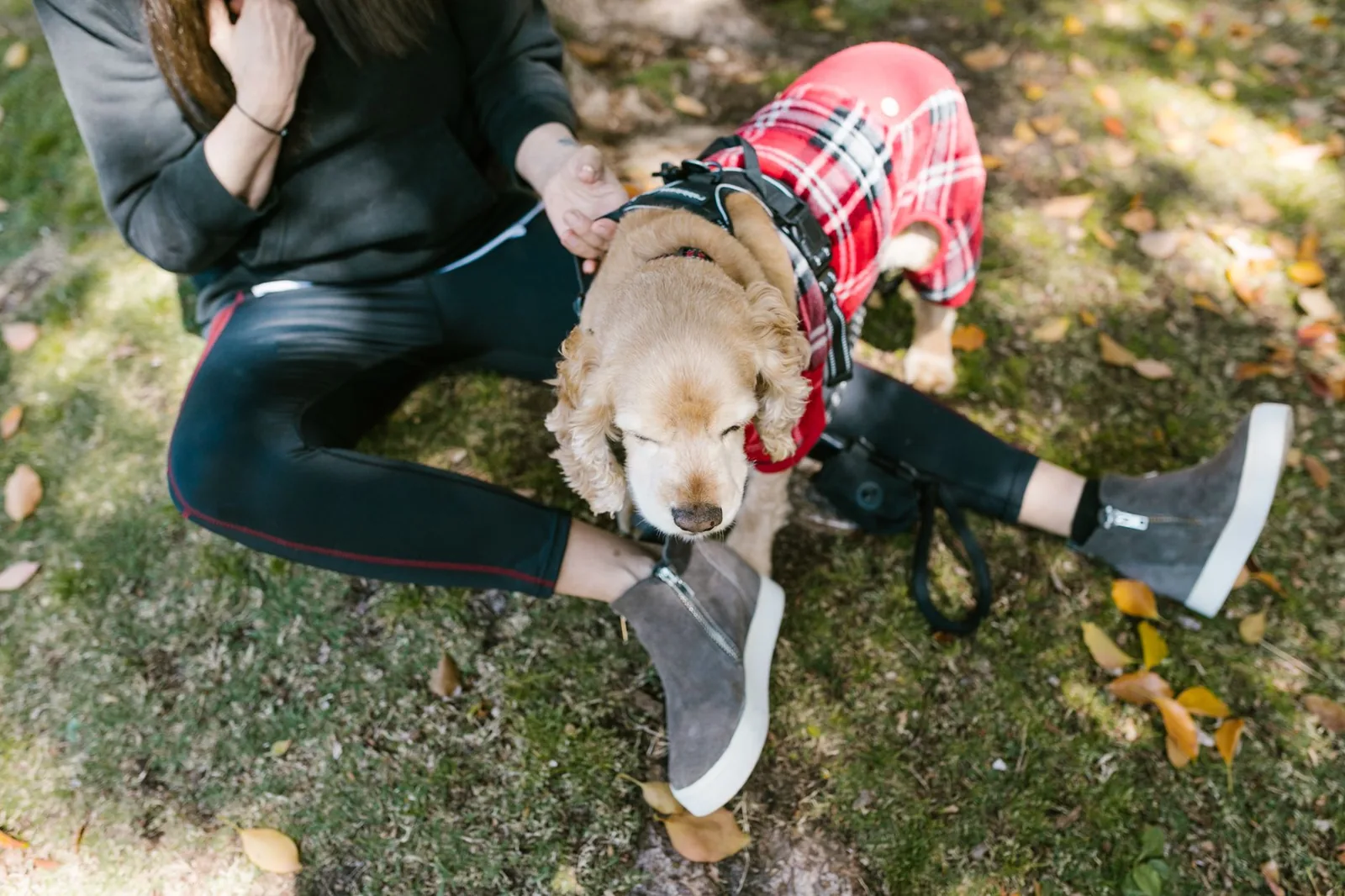
Tell us what your days look like and what you can manage physically. That produces a better match, not a rejection.
The Westies currently available for adoption note the energy and handling each one needs, and our guide to adopting a Westie in New England explains the process. If a permanent commitment feels like too much, say so — there are other ways to have a dog in your life.