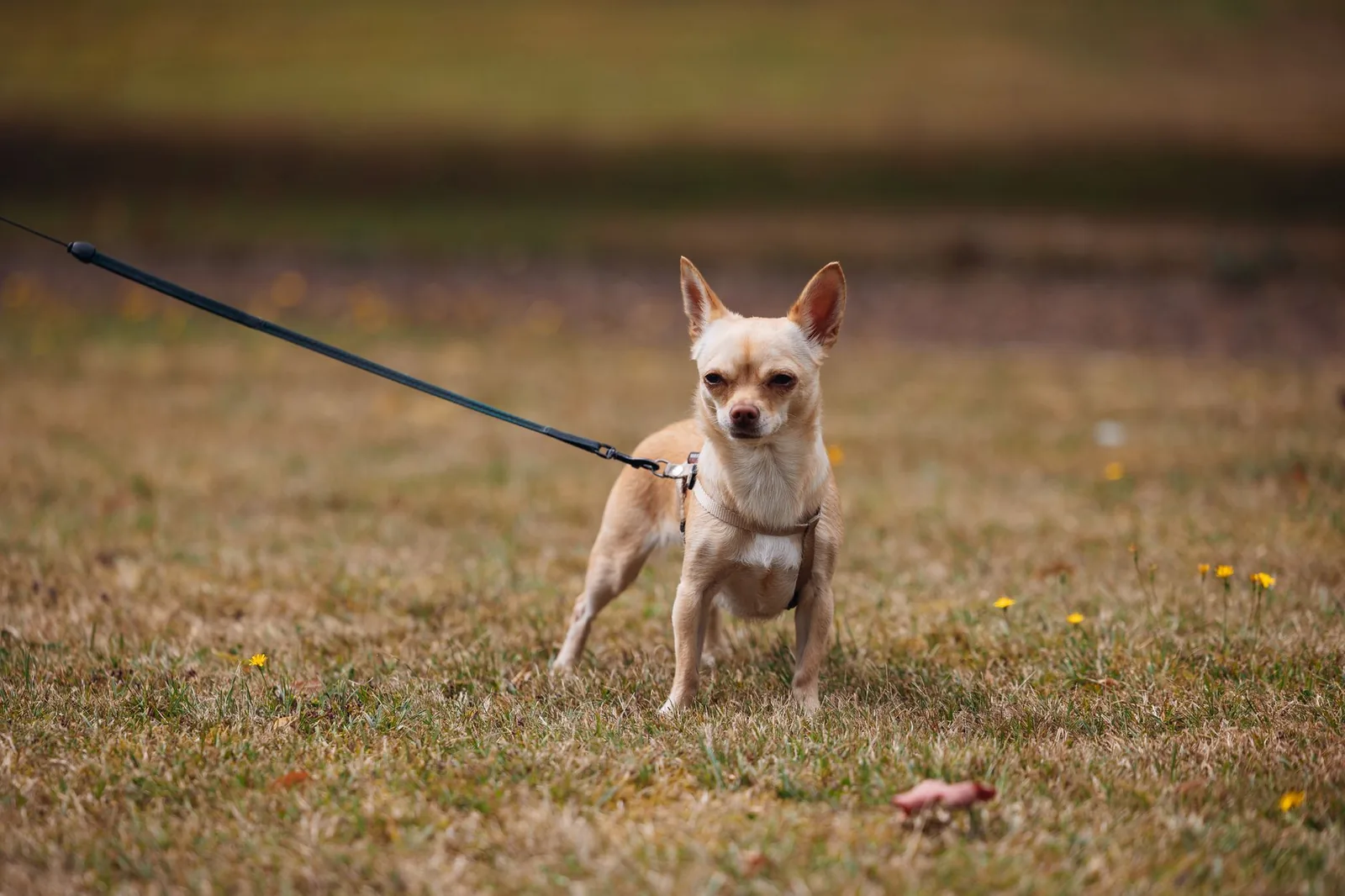
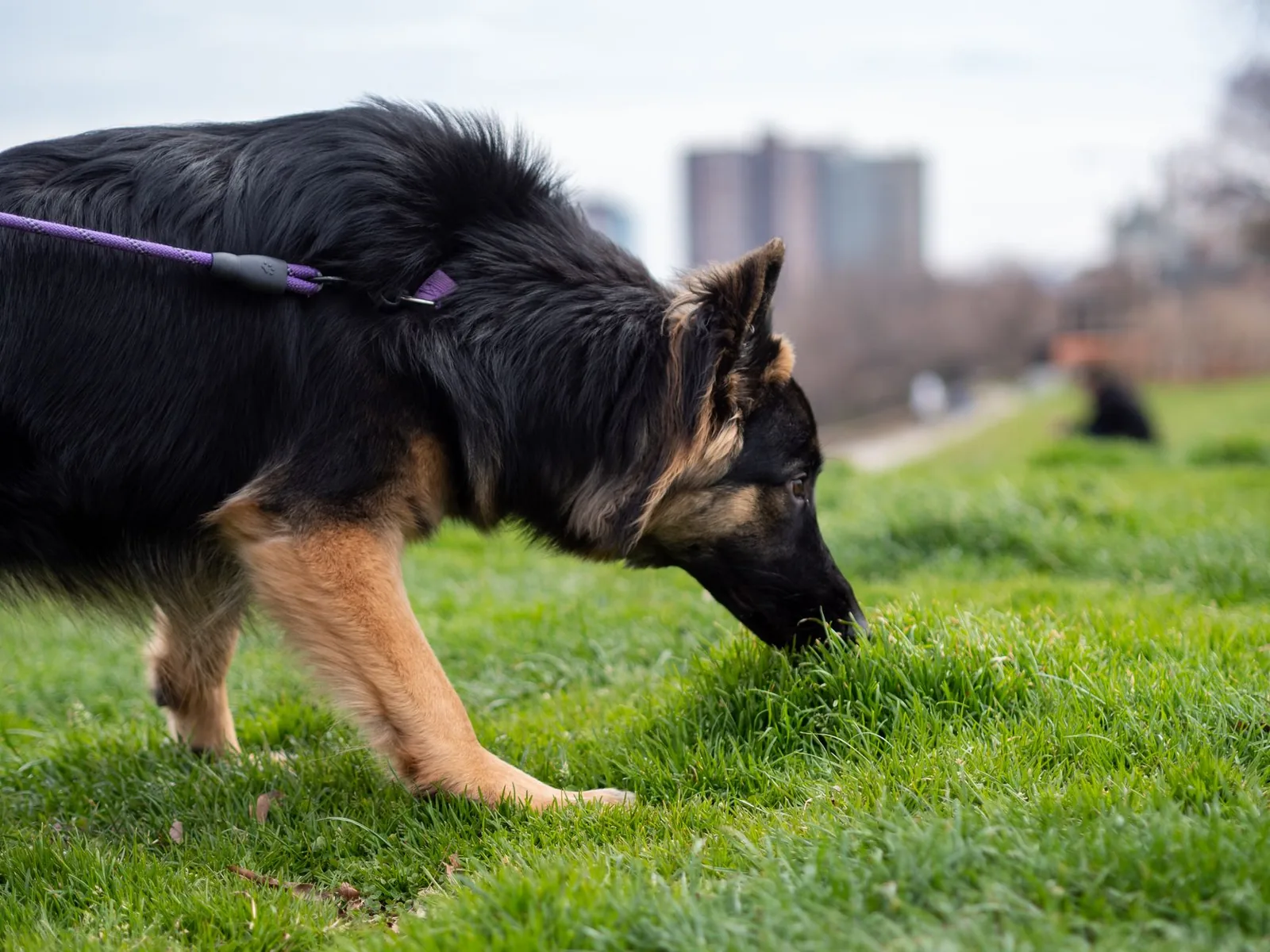
A terrier pulls because a scent trail leads forward and you are attached to it. It is not defiance, and it is not a bid for status.
That matters, because the methods built on the dominance idea are the ones that reliably fail with this breed — and some of them make walks worse.
The short version
- Pulling is self-rewarding: it gets the dog to the interesting thing faster.
- A well-fitted harness protects the neck; the training does the rest.
- Reward position, not just absence of pulling.
- Build sniffing into the walk deliberately, rather than fighting it.
Why the usual approaches fail
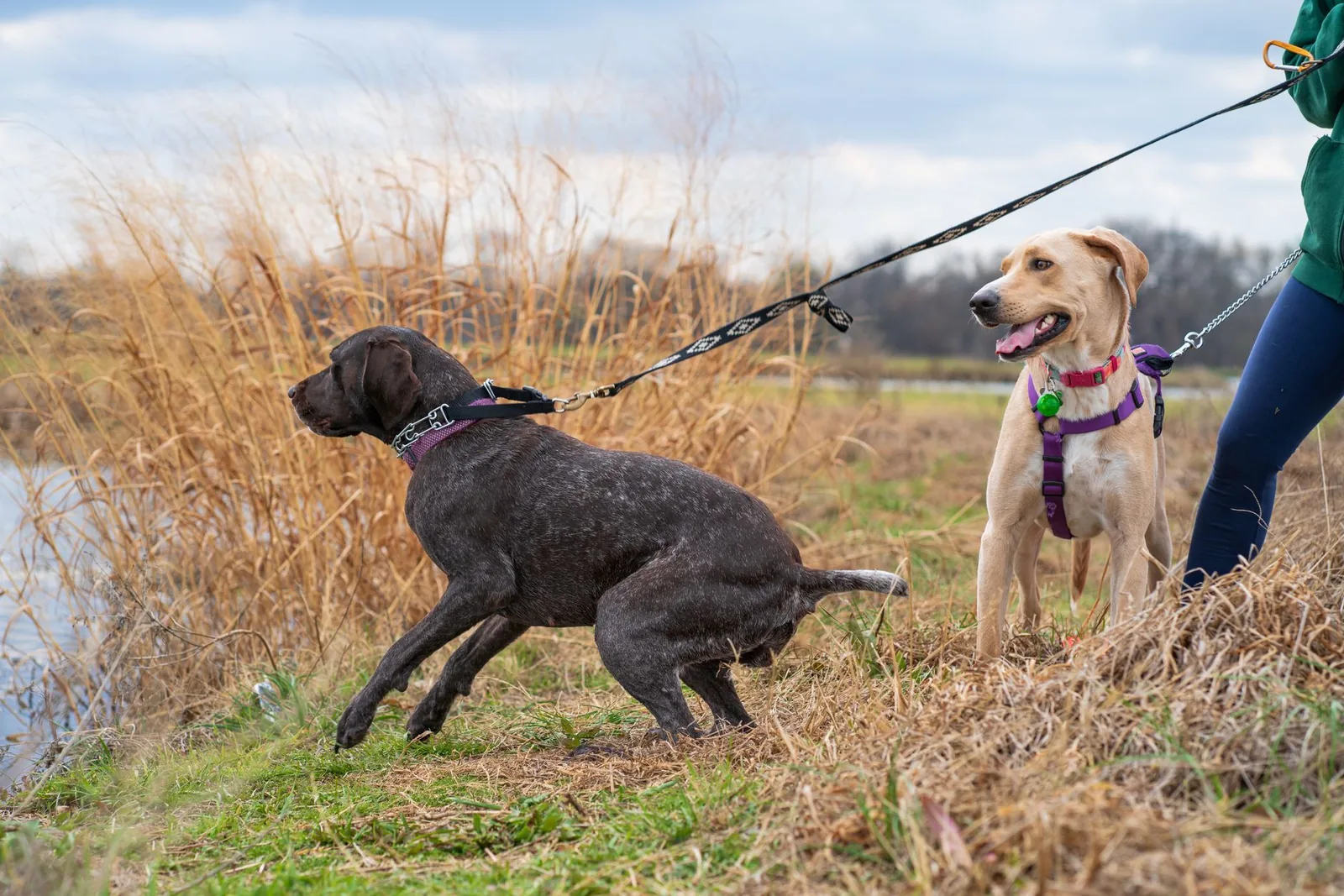
Most owners try three things in order: pulling back, stopping dead, and then a piece of equipment that tightens.
Pulling back triggers an opposition reflex, so the dog leans harder. Stopping dead works only if you are consistent for weeks, which almost nobody is. And tightening equipment suppresses the pulling while doing nothing about the motivation.
What is left is teaching the dog that staying near you is what makes forward progress happen.
Equipment
| Item | Verdict | Why |
|---|---|---|
| Y-front harness, front and back clip | Best | No pressure on the throat; the front clip helps steer |
| Flat collar | For ID only | A pulling terrier on a collar risks tracheal damage |
| Six-foot fixed leash | Best | Consistent feedback the dog can read |
| Long line, 15–30 feet | Excellent for open ground | Freedom to sniff without a chase risk |
| Retractable leash | Avoid | Teaches that pulling extends the leash; poor control near roads |
| Slip lead or choke chain | Avoid | Pain-based, and a real injury risk on a small neck |
| Prong collar | Avoid | Suppresses behavior and raises fear and aggression risk |
The equipment advice here matches the humane-training position set out in our guide to terrier barking, digging and prey drive.
The method
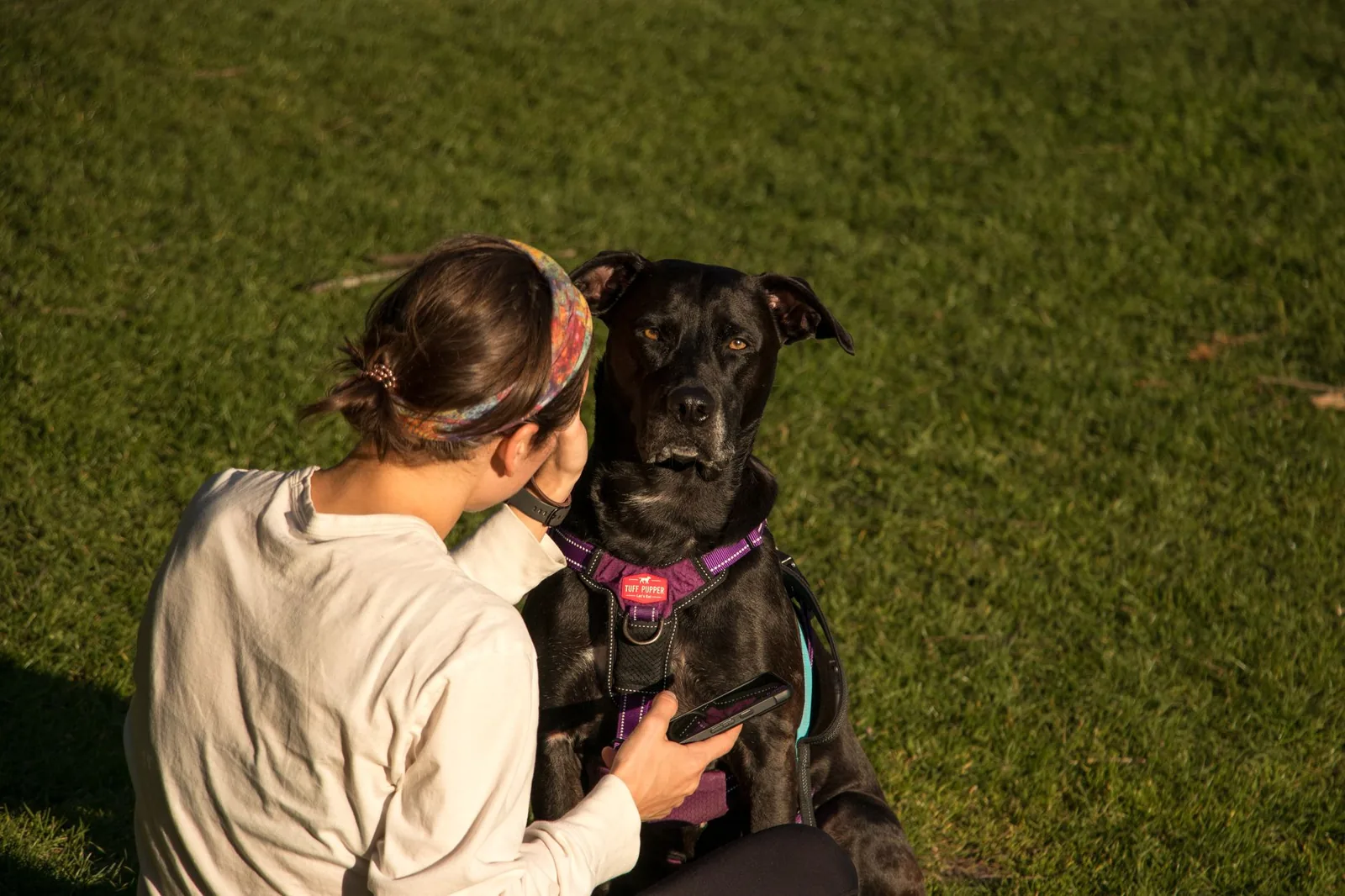
- Start indoors, with no distractions. Reward the dog for being beside your leg, repeatedly, before you go anywhere.
- Move to the yard, then a quiet street. Each new environment resets the difficulty.
- Mark and reward position, not just a loose leash. Deliver the treat at your leg, so that is where the good things happen.
- Stop when the leash tightens. Wait for slack, then move. The dog learns that tension stops progress.
- Change direction when the dog forges ahead, rather than pulling back.
- Keep sessions short. Five focused minutes beats a frustrating hour.
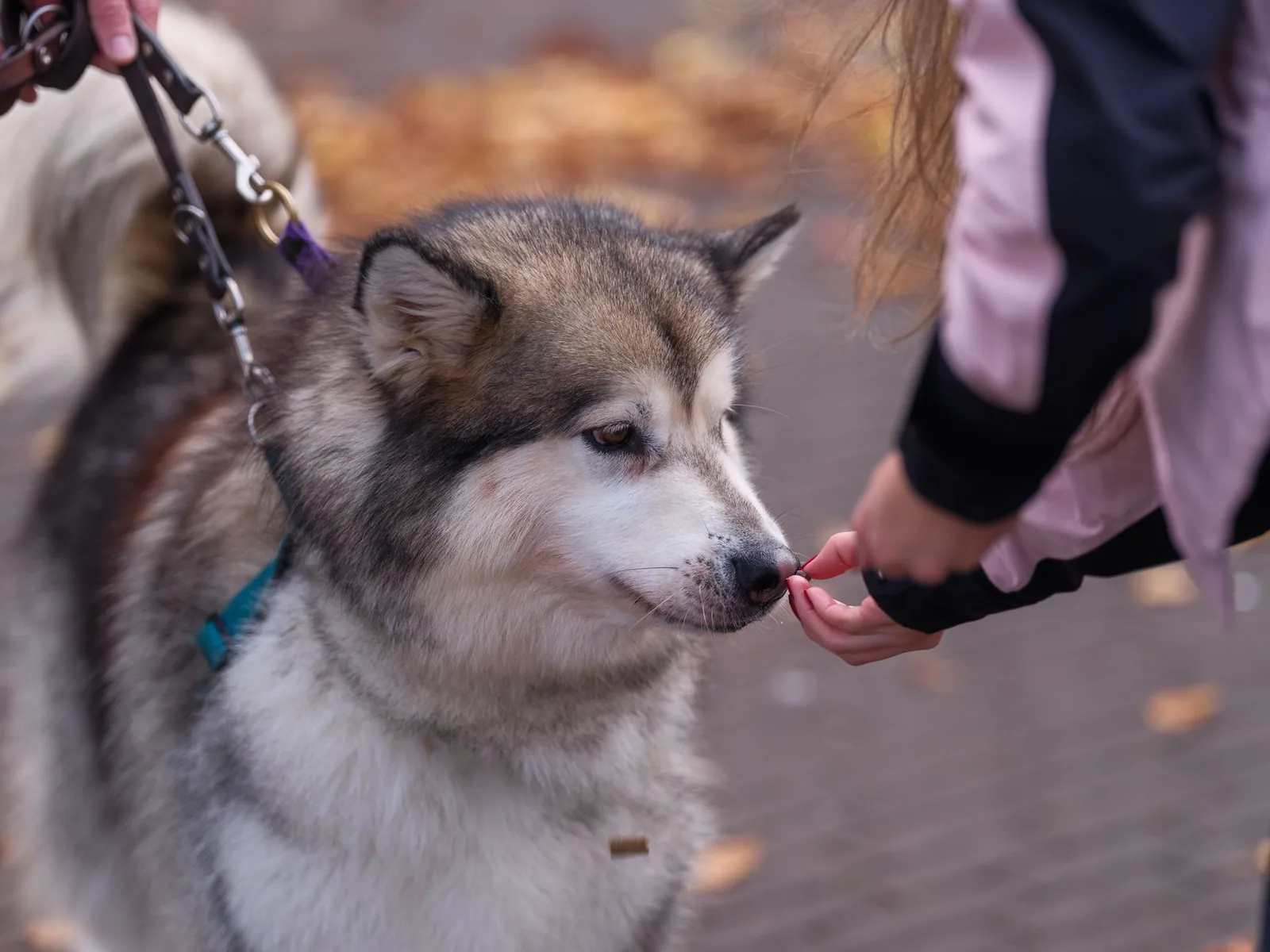
Reward generously at first. You are competing with a scent trail, and a dry biscuit does not compete.
Build sniffing into the walk
This is the part that changes things fastest, and the part most owners resist.
Sniffing is how a dog reads the world, and it tires a terrier far more than distance does. A walk that is entirely heelwork is frustrating for both of you.
| Approach | What it looks like |
|---|---|
| Split the walk | Structured walking on the way out, free sniffing on the way back |
| Use a cue | A release word that means the dog may go and sniff |
| Sniff as the reward | Loose leash for twenty paces earns permission to investigate |
| Long line in open ground | Fifteen minutes of unstructured sniffing |
| Vary the route | New scent is more interesting than more distance |
How much a Westie actually needs is covered in our guide to Westie exercise and enrichment. For city dogs, where every toilet trip is a walk, apartment living with a Westie covers the extra leash time that involves.
When something moves
No amount of leash training competes with a squirrel at close range. Plan around that rather than hoping to train past it.
- Scan ahead and add distance before the dog locks on.
- Reward disengagement — the moment the dog looks back at you after spotting something.
- Use a cue you have practiced at low intensity long before you need it.
- Do not jerk the leash. It adds fear to an already aroused dog.
- Accept that some environments are too much and walk elsewhere.
The Association of Professional Dog Trainers publishes owner resources and a directory of qualified trainers if you would rather have help than work from an article.
Newly adopted dogs
A dog in its first two weeks may have never walked on a leash, or may have learned that pulling is simply how walks work.
Start in the yard rather than the street, keep the first walks very short, and accept that a nervous dog may not take food outdoors at all for a week or two.
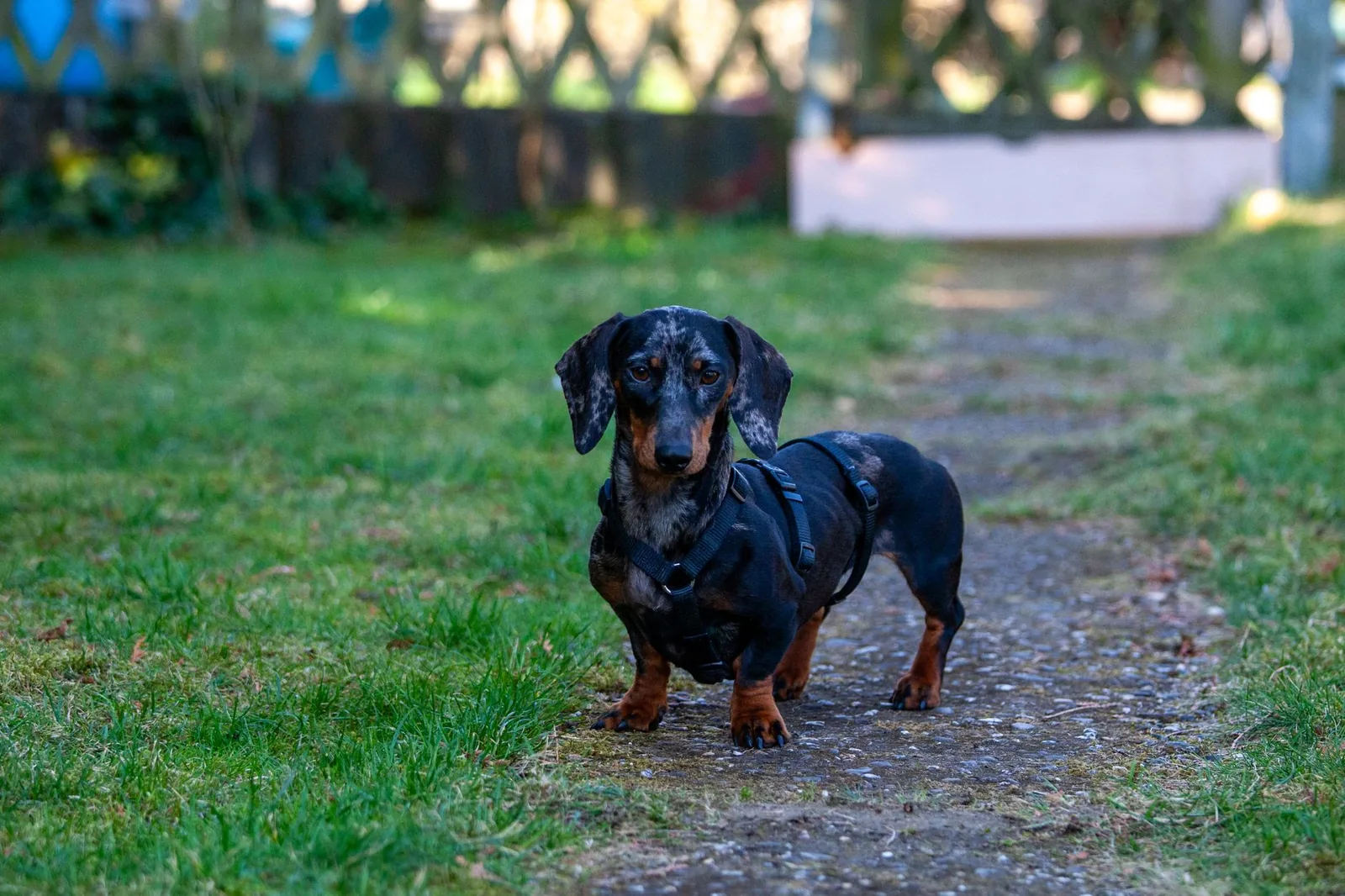
Use a harness from day one — a frightened terrier reverses out of a collar, and the first two weeks are when most rescue dogs are lost.
Frequently asked questions
Why does my terrier pull so much on the leash?
Because pulling works. It gets the dog to the interesting scent faster, which rewards the behavior every time. It is motivation rather than disobedience, which is why methods built on correction tend to fail.
What is the best harness for a Westie that pulls?
A Y-front harness that sits on the breastbone rather than across the shoulder blades, with both a front and a back clip. The front clip helps with steering while the training takes effect.
Are retractable leashes bad?
For a pulling dog, yes. They teach that pulling extends the leash, give poor control near traffic, and offer no useful feedback. A six-foot fixed leash plus a long line for open ground covers both needs.
How long does loose leash training take?
Weeks of short, frequent sessions rather than a few long ones, and each new environment resets the difficulty. Consistency matters far more than session length.
Should I let my dog sniff on walks?
Yes, deliberately. Sniffing is how dogs process the world and it tires a terrier more efficiently than distance. Building it in as a reward makes the structured walking easier, not harder.
If walks are the problem
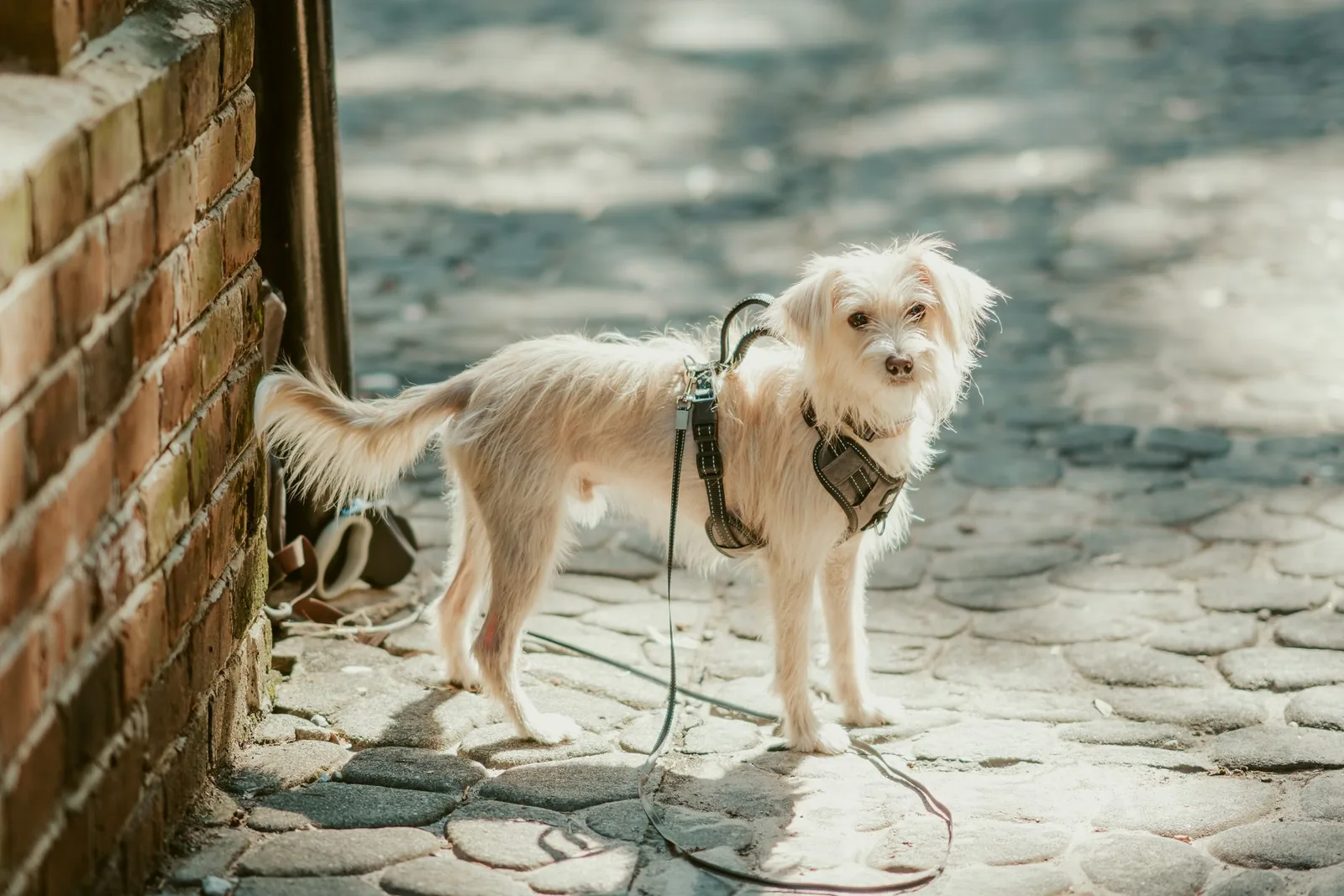
Leash frustration is a common reason people stop walking a dog, which then worsens everything else — barking, digging and destruction all increase with unspent energy.
If it has reached the point of considering rehoming, our guide to your options opens with the problems that turn out to be solvable, and our adoption guide explains what support comes with a dog placed by us.