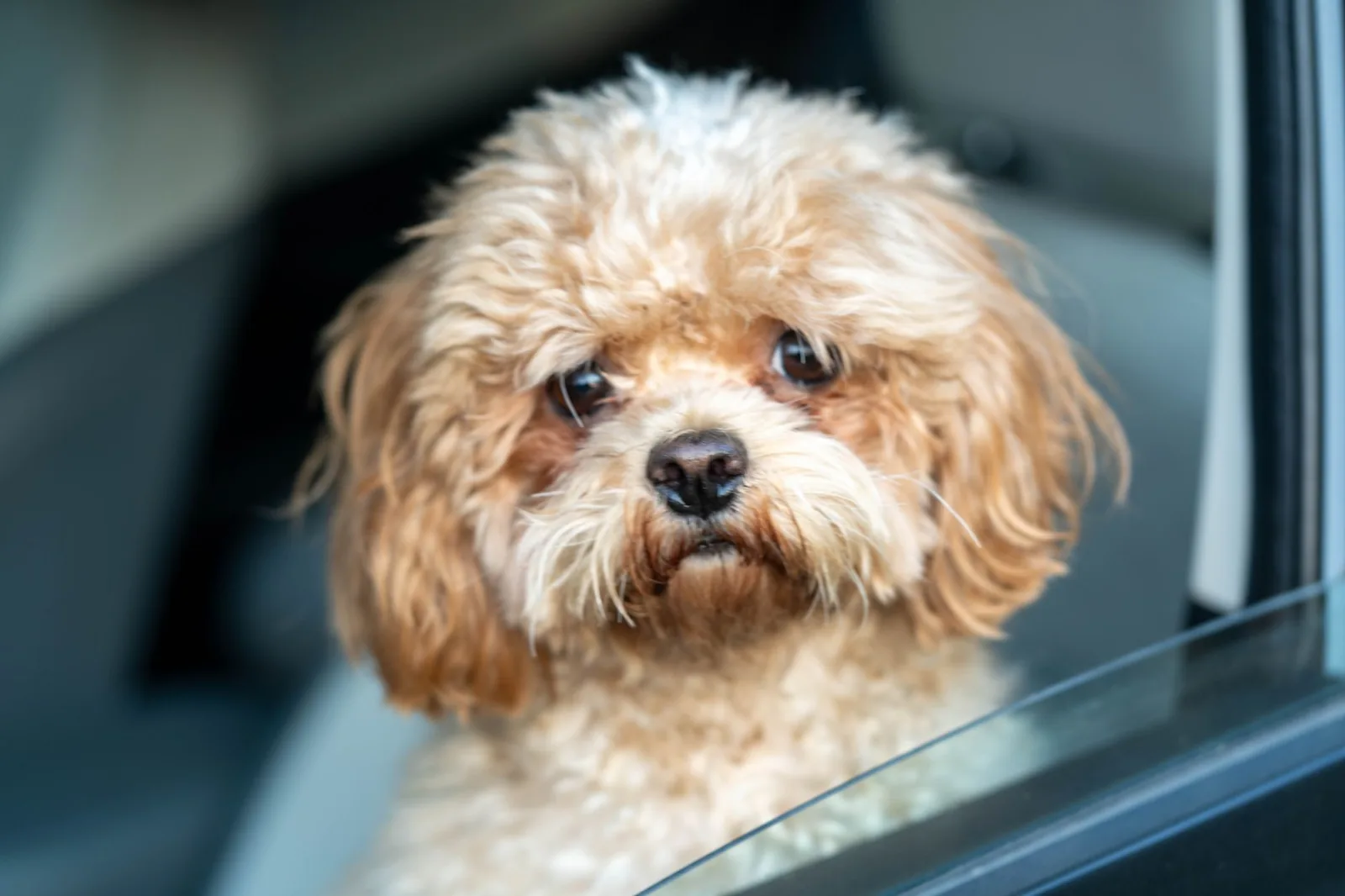
A dog that drools, whines and vomits ten minutes into every journey is usually described as car sick. In an adult dog it is more often anxious.
The distinction is not academic. Anti-nausea medication does very little for a fear response, and desensitization does very little for genuine motion sickness.
The short version
- True motion sickness is mostly a puppy problem. Most adults outgrow it.
- Anxiety looks similar but starts before the car moves.
- Forward-facing and secured reduces both.
- Rebuild tolerance from a stationary car, not from short drives.
Telling the two apart
The most useful question is when the signs begin. Motion sickness needs motion; anxiety does not.
| Sign | Motion sickness | Travel anxiety |
|---|---|---|
| When it starts | After the car is moving | At the sight of the car, or the leash |
| On a stationary car | Nothing | Same signs, sometimes worse |
| Drooling | Common | Common |
| Vomiting | Common | Possible |
| Whining and pacing | Less typical | Very typical |
| Improves on short trips | Yes, often | No, sometimes worse |
| Better lying down | Usually | Rarely settles at all |
Reading the earlier signals is what tells you the dog is worried rather than nauseated — our guide to reading canine stress signals covers what to look for before the drooling starts.
Why rescue dogs so often struggle
For many dogs in rescue, car journeys have an unhappy history — the car took them away from a home, or to a shelter, or to a veterinary clinic they had no reason to trust.
A dog with no other car experience has learned that vehicles precede bad outcomes, which is a reasonable conclusion on the evidence available to it.
That is worth remembering during the first weeks, when almost every journey is to somewhere unfamiliar — what to expect in the first 30 days with a rescue Westie covers the wider settling period.
What helps immediately
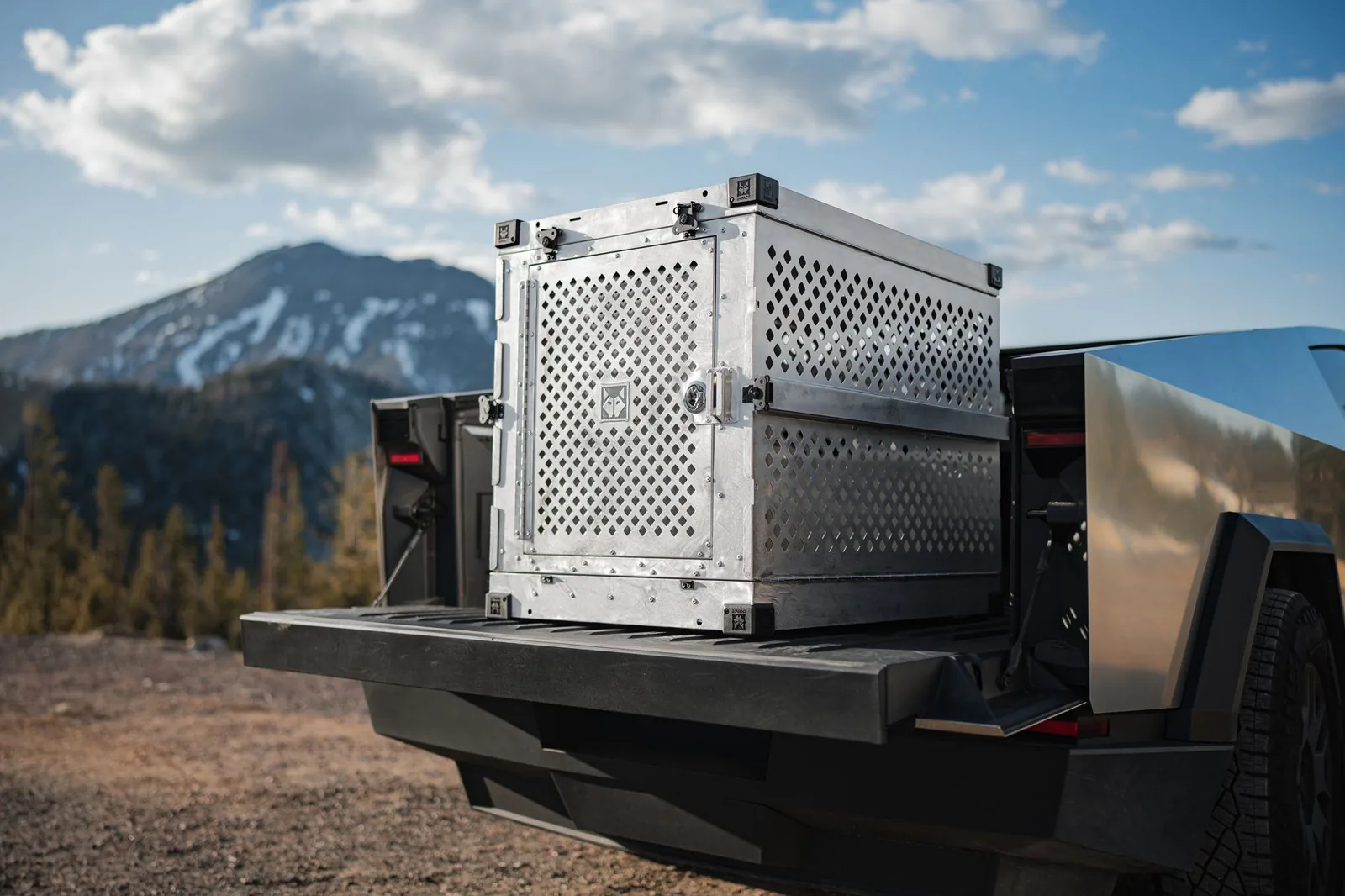
- Secure the dog facing forward, in a crash-tested harness or a fastened crate. Looking sideways out of a window makes motion sickness worse.
- Lower the rear windows slightly to equalize cabin pressure and move air.
- Keep the car cool. Heat makes nausea considerably worse.
- Withhold food for a few hours, but never water.
- Drive gently. Braking, cornering and stop-start traffic are the worst of it.
- Take the first trip somewhere good, not to the vet.
A properly fitted harness is worth the money for restraint as much as for nausea — what to buy before your rescue dog arrives covers the equipment worth having ready.
Rebuilding tolerance
If the problem is anxiety, the work is the same shape as any other fear protocol: stay below the threshold at which the dog panics, and move slowly.
- Feed meals near the parked car, not in it. Several days.
- Feed in the stationary car with the doors open and the engine off.
- Close the doors, engine still off. Short sessions, ending before the dog is worried.
- Start the engine and go nowhere. Sit, feed, switch off.
- Drive to the end of the road and back. Two minutes, then home.
- Build up only while the dog stays relaxed. One bad journey costs several sessions.
This is the same principle used for noise and separation work — our guide to building confidence in a fearful dog explains why staying under threshold matters so much.
When to involve your vet
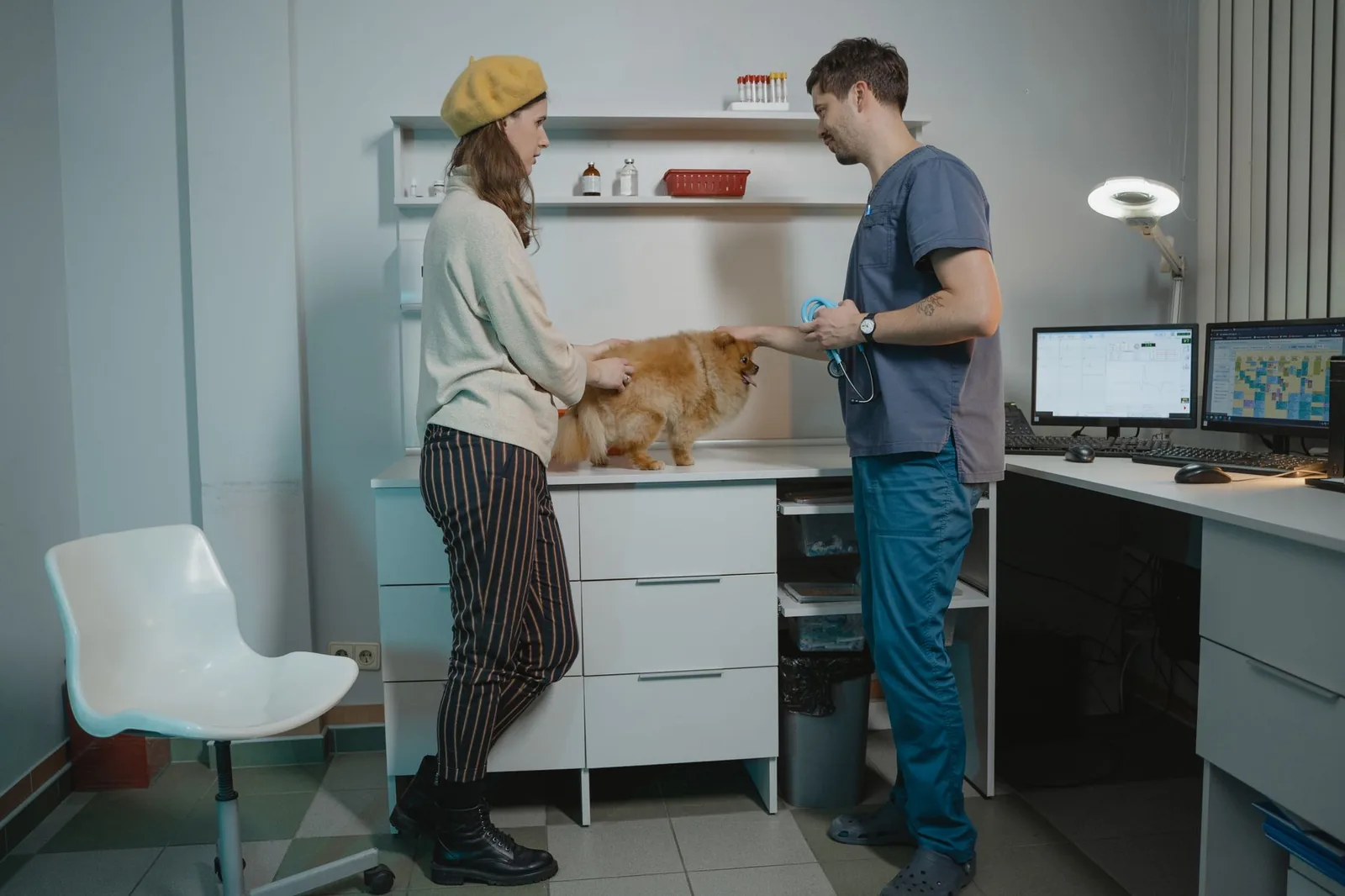
Medication has a genuine place here, and for severe cases it makes the behavioral work possible rather than replacing it.
| Situation | Worth discussing |
|---|---|
| True motion sickness | A prescription anti-nausea medication |
| Anxiety with panic | A situational anti-anxiety medication |
| Both together | They are frequently combined |
| An unavoidable long journey soon | A plan for that trip specifically |
| Sudden onset in an older dog | Investigate: this can be vestibular or painful |
The University of Minnesota College of Veterinary Medicine publishes owner-facing veterinary health information, which is a reliable place to read further before that appointment.
Frequently asked questions
How can I tell motion sickness from anxiety?
By when it starts. Sit with the dog in a parked car for five minutes. If drooling, whining or panting appear without any movement, the problem is anxiety. Motion sickness needs motion.
Do dogs grow out of car sickness?
Puppies often do, because the inner ear structures involved are still developing. An adult dog that has always traveled badly is more likely to be anxious than genuinely motion sick.
Should I withhold food before a journey?
A few hours without food helps, and often reduces vomiting. Never withhold water, and never fast a diabetic dog or a small dog prone to low blood sugar without asking your vet first.
Does an open window help?
Slightly lowered rear windows help by equalizing pressure and moving air. Letting a dog hang its head out is unsafe and risks eye and ear injuries.
Is there medication for car sickness in dogs?
Yes. Prescription anti-nausea medication works well for true motion sickness, and situational anti-anxiety medication is used where fear is the driver. They are often combined. Ask your vet rather than using human remedies.
The journey that matters most
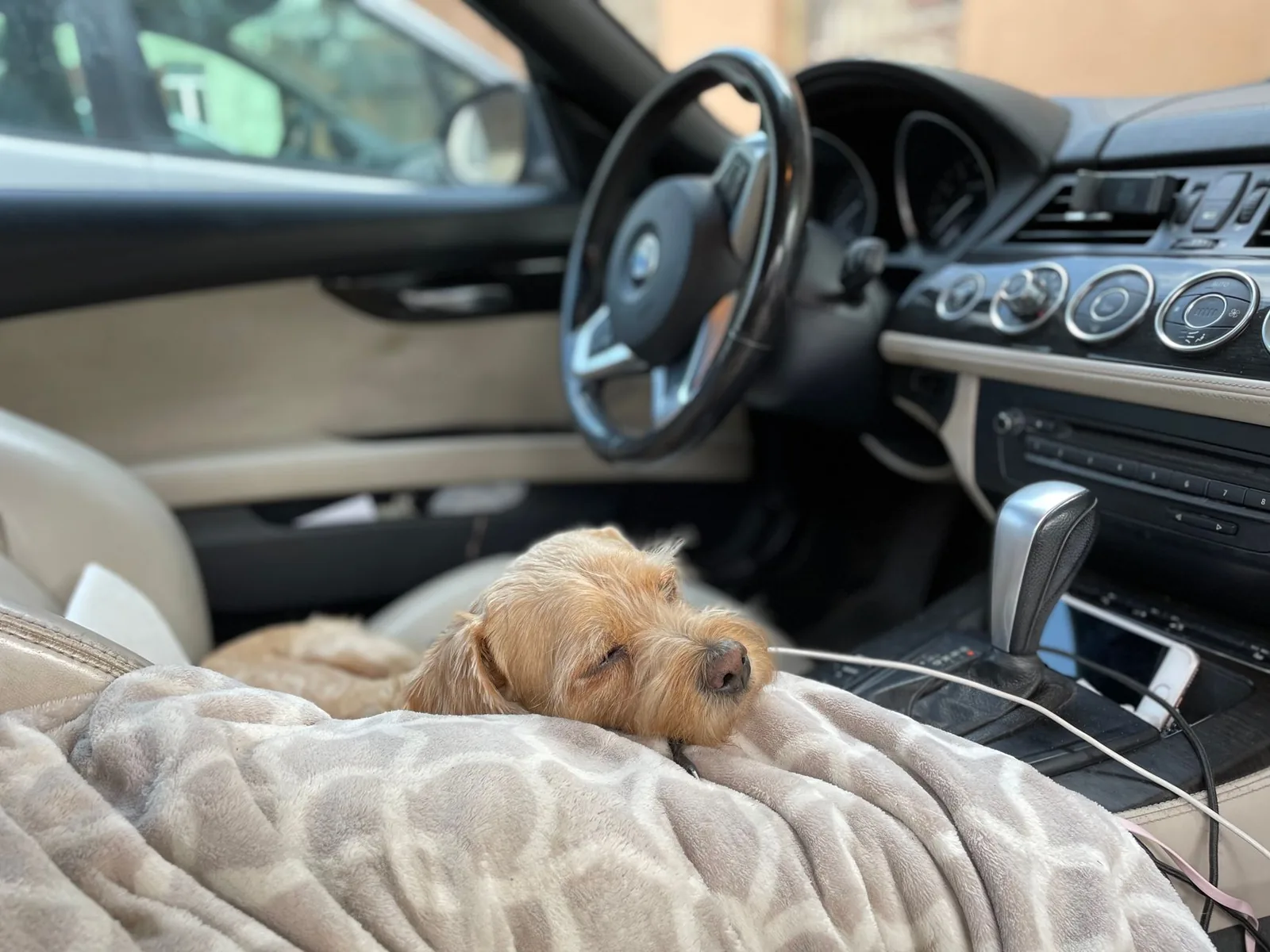
For a dog we place, the first car ride is the one to its new home, and we plan it deliberately: an empty stomach, a secured crate, a quiet route.
If your adopted dog travels badly, tell us. It is common, it improves, and it is worth knowing before a long trip. Our guide to traveling with a Westie covers the logistics once the dog can cope with the car at all.