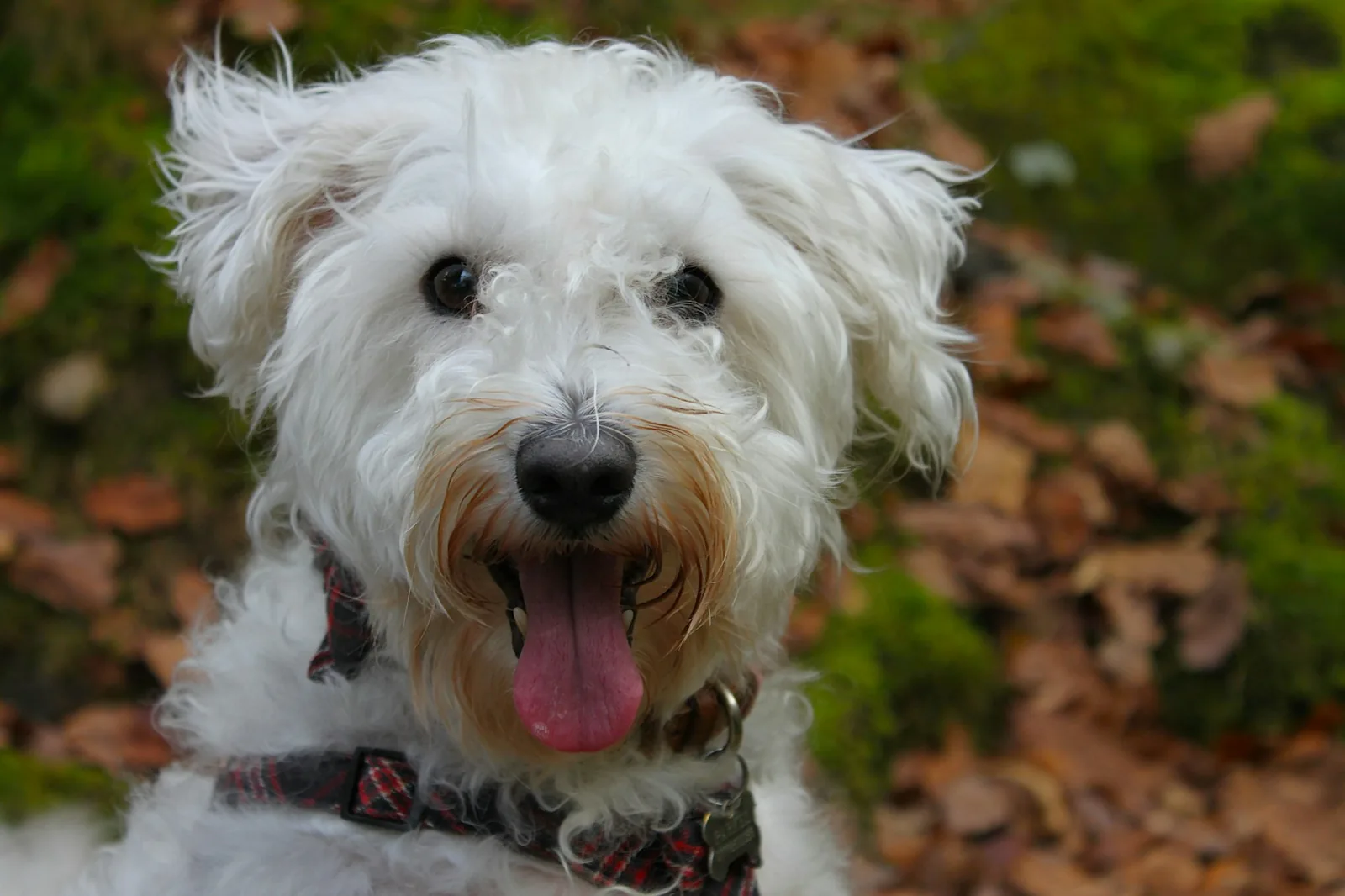
Search for a Westie rescue near you and the results are rarely near you. Breed rescues are thin on the ground, and the nearest one may be several states away.
This explains how coverage actually works for a breed as uncommon as this one, what we cover, and what to do if you fall outside it.
The short version
- We cover the six New England states: Connecticut, Maine, Massachusetts, New Hampshire, Rhode Island and Vermont.
- We have no building. Every dog lives in a volunteer foster home until adoption.
- That means “near you” depends on where the dog is fostered, not where an office sits.
- If you are outside New England, a breed rescue closer to you will almost always be the better route.

Where we cover
| State | Covered | Notes |
|---|---|---|
| Connecticut | Yes | Full coverage |
| Maine | Yes | Full coverage; longer travel in the north of the state |
| Massachusetts | Yes | Full coverage |
| New Hampshire | Yes | Full coverage |
| Rhode Island | Yes | Full coverage |
| Vermont | Yes | Full coverage |
| New York, New Jersey and beyond | Case by case | We will always try to refer you to a closer breed rescue |
Each state also has its own rules on licensing, rabies certification and transporting an adopted dog. Connecticut, for example, publishes its state animal control and dog licensing requirements — worth checking for wherever you live before an adoption completes.
What “near me” means for a foster-based rescue
This is the part that confuses people, and it is genuinely different from how a shelter works.
| Municipal shelter | Foster-based breed rescue | |
|---|---|---|
| Where dogs live | Kennels at one address | Volunteer homes across the region |
| Where you meet a dog | At the shelter | At the foster home, or a midpoint |
| What determines distance | How far you are from the building | How far you are from that particular dog |
| Opening hours | Fixed | By arrangement, often evenings and weekends |
| Dogs available to view | Whoever is in kennels today | Whoever is in foster care now |
| Breed knowledge | General | Specific to one breed |
| Behavior information | Observed in kennels | Observed living in a house |
It also means the honest answer to “how far away are you?” is that it depends on the dog. The Westies currently available for adoption will say roughly where each one is.
How far we will travel
Adoption is not a delivery service, and there is a reason for that beyond logistics.
- You meet the dog before adopting. Always, and usually more than once for a dog with complex needs.
- We visit your home. Informally, and mostly to look at fencing, stairs and where the dog will sleep.
- Volunteers help with transport where distance makes that hard, but the meeting itself is not something we skip.
- We do not ship dogs. No reputable rescue does, and any organization offering to is a warning sign.
That last point matters, because it is the clearest line between a real rescue and the listings covered in our guide to spotting a Westie puppy scam.
If you are outside New England
We would rather help you find the right organization than take an adoption we cannot support afterward.
- Look for a breed rescue in your own region first. Westie rescues exist across most of the country, and the national breed club maintains a rescue referral list.
- Check regional and municipal shelters. Roughly a quarter of shelter dogs are purebred, and Westies do turn up.
- Set up alerts on the national adoption listing sites rather than refreshing them.
- Contact us anyway if you are stuck. We will point you somewhere sensible if we can.
Distance matters after adoption too. A rescue that can realistically take a dog back, advise on a behavior problem, or help in a crisis is worth more than one four hundred miles away.
What we specialize in
We are volunteer-run and deliberately concentrate on the Westies that are hardest to place: seniors, dogs with chronic medical needs, and dogs needing long-term or hospice care.
That shapes what you will find here. There are rarely puppies, and there are often dogs whose adoption comes with a treatment plan attached.
It also means the veterinary work is done before placement. The care every rescue Westie receives sets out what that covers, and our long-term care and hospice program explains what happens to the dogs who will not be adopted.
Frequently asked questions
Is there a Westie rescue near me?
If you are in Connecticut, Maine, Massachusetts, New Hampshire, Rhode Island or Vermont, we cover your area. Outside New England, look for a breed rescue in your own region, or contact us and we will try to refer you.
Can I visit your shelter?
We do not have one. Every dog lives in a volunteer foster home, and you meet the dog there or at an agreed midpoint. It is a better assessment environment than any kennel.
Will you transport a dog to me?
Volunteers help with transport within our area, but you meet the dog first and we visit your home. We never ship a dog to someone who has not met it.
Do you adopt outside New England?
Only in unusual circumstances. Being able to take a dog back and support the adopter afterward matters more than filling a placement.
How do I find out which dogs are available?
The adoptable dogs page lists everyone currently in our care. When it is empty, we genuinely have no dogs available.
Starting an adoption
Our guide to adopting a Westie in New England walks through the process from first enquiry to homecoming, and the foster and adoption application is where it begins.
If you are still deciding whether the breed fits, our honest guide to living with a Westie is the place to start. If you live locally and want to help rather than adopt, fostering a Westie is what limits how many dogs we can take, and our surrender and rehoming page is for anyone who can no longer keep their own dog.