Category: Life Style

  • Westie Grooming: Hand-Stripping, Clipping and What the Coat Needs

    Westie Grooming: Hand-Stripping, Clipping and What the Coat Needs

    Grooming is the running cost that surprises new Westie owners, and the decision most of them make without realizing it is permanent.

    Choosing between hand-stripping and clipping changes the coat itself, not just how the dog looks this month. Here is what each does, what it costs, and how the choice interacts with the breed’s skin.

    The short version

    • The Westie coat is a harsh outer layer over a soft undercoat — two textures with two different jobs.
    • Hand-stripping preserves the harsh texture. Clipping removes it permanently.
    • Most pet Westies are clipped, and that is a perfectly reasonable choice.
    • For a dog with skin disease, the grooming decision should be made with your vet.

    A groomer working through a dog’s coat by hand on a grooming table
    Photo by Buddy AN on Unsplash

    How the double coat actually works

    A correct Westie coat has a harsh, wiry outer layer roughly two inches long over a short, dense, soft undercoat.

    The outer coat repels water and dirt and carries the bright white color. The undercoat insulates. The harsh texture is what keeps mud sitting on the surface rather than working down to the skin.

    That matters for a breed prone to skin disease. A coat that has gone soft holds moisture and debris against skin that is already vulnerable.

    Hand-stripping vs clipping

    Hand-strippingClipping
    What happensDead outer hairs pulled out at the rootHair cut, root left in place
    Effect on textureHarsh texture maintainedCoat softens permanently over time
    Effect on colorStays bright whiteCan dull towards cream or yellow
    Session length2–4 hoursUnder an hour
    Typical cost$90–$180$55–$95
    FrequencyEvery 8–12 weeks, plus rollingEvery 6–8 weeks
    Groomer availabilityLimited — a specialist skillWidely available
    Comfort for the dogFine if done properly and graduallyGenerally very easy
    Best forShow dogs, healthy skin, owners who want correct coatMost pet dogs, older dogs, dogs with skin conditions
    Once a coat has been clipped for a year or more, the harsh texture rarely returns fully even if you switch back.

    The American Kennel Club’s West Highland White Terrier breed profile and coat standard describes what a correct coat should look and feel like, which is a useful reference when talking to a groomer.
    A dog being trimmed with electric clippers during a grooming session
    Photo by Avi Werde on Unsplash

    Which should you choose?

    There is no universally right answer, but the decision is usually straightforward once you match it to the dog.

    • Choose hand-stripping if the dog has healthy skin, you want the correct texture and color, and you can find a groomer who genuinely knows how.
    • Choose clipping if the dog is elderly, has atopic dermatitis, dislikes long sessions, or if stripping is simply not available near you.
    • Ask your vet first if the dog has any diagnosed skin condition. Coat length affects both medicated bathing and how quickly you spot a flare-up.

    Skin comes first, appearance second. our guide to why Westies itch and what helps explains how coat management fits into treating allergic skin disease.

    A dog being brushed at home with a slicker brush
    Photo by Vitaly Gariev on Unsplash

    A realistic home routine

    Professional grooming handles the coat. Everything between visits is on you, and it is where most matting problems are prevented.

    TaskHow oftenWhy it matters
    Brush through with a slicker2–3 times a weekPrevents matting behind ears, in armpits and on the belly
    Comb through to the skinWeeklyA slicker alone misses the mats that actually form
    Check and clean earsWeeklyRecurrent ear infection is common and usually allergy-driven
    Trim nailsEvery 3–4 weeksOverlong nails change gait and stress the joints
    Wipe feet and belly after walksDaily in pollen seasonRemoves allergens before the skin absorbs them
    Brush teethDaily if possibleDental disease is the most common condition we treat at intake
    BathEvery 4–6 weeks, or as directedMore often, with medicated shampoo, if skin disease is being managed
    Fifteen minutes a week prevents most of the problems that turn into a $200 de-matting session.
    Close-up of a small dog’s front paws on a wooden floor
    Photo by engin akyurt on Unsplash

    The mats that catch everyone out

    Matting almost never starts where people brush. It starts in the places a quick once-over misses.

    1. Behind and under the ears, where the coat is finest.
    2. The armpits and groin, where movement and a harness create friction.
    3. Between the toes, especially on a dog that licks its feet.
    4. The tail base, which is also where flea allergy shows first.

    A mat is not just untidy. It pulls the skin, traps moisture and yeast, and hides what is happening underneath until it is painful.

    A small white dog standing in a shallow bath being rinsed
    Photo by benjamin lehman on Unsplash

    What grooming costs over a year

    ApproachPer sessionSessions a yearAnnual total
    Clipping at a salon$55–$957–9$400–$800
    Hand-stripping$90–$1804–6$400–$1,000
    Grooming at homeTools: $80–$200 onceOngoing$80–$250
    De-matting after neglect$100–$250As neededAvoidable entirely
    Home grooming a Westie properly is achievable but takes real practice. Most owners do the maintenance and leave the shaping to a professional.

    These figures sit alongside the other running costs set out in our honest guide to what owning a Westie involves.

    A well-groomed white dog standing outdoors in bright natural light
    Photo by Barcs Tamás on Unsplash

    Frequently asked questions

    Should a Westie be hand-stripped or clipped?

    Hand-stripping keeps the correct harsh coat and bright color; clipping is faster, cheaper and far more widely available. Most pet Westies are clipped, which is fine unless you want a show coat.

    How often does a Westie need grooming?

    Professionally every six to ten weeks depending on method, plus brushing two or three times a week at home.

    Does clipping ruin a Westie’s coat?

    It changes it. Repeated clipping softens the outer coat and can dull the white. That is a cosmetic issue for most owners, but it does reduce the coat’s natural dirt-shedding.

    Why is my Westie’s coat turning yellow?

    Common causes are repeated clipping, saliva staining from licking, and secondary yeast infection. If it comes with itching or a musty smell, see a vet rather than a groomer.

    Can I groom my Westie myself?

    Yes, with practice and the right tools. Most owners handle brushing, nails and ears at home and leave shaping to a professional.

    Grooming and the dogs we take in

    A surprising number of Westies arrive at rescue matted to the skin, because grooming was the first thing to lapse when an owner became unwell or overwhelmed.

    Coat and dental work are usually the first two things we address. The veterinary care every rescue Westie receives sets out what is done before a dog is placed, and sponsoring a dog in our care helps fund it.

    If grooming costs are part of why you are struggling to keep your dog, please talk to us through the surrender and rehoming page early rather than late.

    To see how those dogs look once the coat and the skin are back under control, our Westie adoption success stories follows dogs after placement. Our guide to adopting a Westie in New England explains what happens if you would like to be one of those homes.


  • Westie Skin Problems: Why Westies Itch and What Actually Helps

    Westie Skin Problems: Why Westies Itch and What Actually Helps

    If you own a Westie, you will hear about skin before long. Allergic skin disease is the breed’s defining health problem, and it is the reason a great many Westies end up in rescue.

    This is a practical guide to what causes the itching, how the treatments compare, and what managing it actually costs. It is not veterinary advice — diagnosis belongs with your vet.

    The short version

    • Atopic dermatitis — environmental allergy — is by far the most common cause.
    • Itching that starts between six months and three years old is the classic pattern.
    • Secondary yeast and bacterial infection is what turns an itch into a crisis.
    • It is managed, not cured. Expect a long-term plan rather than a single fix.
    A dog scratching behind its ear with a hind leg
    Photo by Camylla Battani on Unsplash

    Why the breed is affected so heavily

    Westies carry a genetic predisposition to atopic dermatitis, an inappropriate immune response to ordinary environmental allergens — pollen, dust mites, mould spores.

    The skin barrier itself is also weaker than in most breeds, which lets allergens in and lets moisture out. That combination is why the same triggers that a Labrador shrugs off will set a Westie scratching for weeks.

    It is one of the running costs covered in our honest guide to what owning a Westie involves, and one of the commonest reasons a household reaches its limit.

    What the itching usually turns out to be

    ConditionTypical signsWhen it startsHow common in Westies
    Atopic dermatitisItchy paws, belly, face, armpits; often seasonal at first6 months–3 yearsVery common
    Secondary yeast infectionGreasy coat, musty smell, darkened thickened skinAny age, follows scratchingVery common
    Bacterial skin infectionPustules, crusting, hair loss in patchesAny age, follows scratchingCommon
    Food allergyYear-round itching, often with ear or gut signsAny ageLess common than assumed
    Flea allergy dermatitisIntense itching at the tail baseAny ageCommon but preventable
    Dry skin and dandruffFlaking, dull coat, mild itchAny ageCommon, often grooming-related
    Epidermal dysplasiaSevere early-onset thickening, dark skinUnder 1 yearRare but breed-associated
    Most itchy Westies have more than one of these at once, which is why single-cause explanations rarely help.
    A veterinarian parting a dog’s coat to examine the skin underneath
    Photo by FLOUFFY on Unsplash

    Getting a diagnosis rather than guessing

    The commonest mistake is treating the infection and calling it solved. The infection is downstream. Unless the underlying allergy is addressed, it returns within weeks.

    A useful work-up usually runs in this order.

    1. Rule out parasites. Strict flea control for every animal in the house, plus a skin scrape for mites.
    2. Treat the secondary infection. Cytology to identify yeast or bacteria, then targeted treatment.
    3. Run a proper food trial. Eight to twelve weeks on a single novel or hydrolysed protein, with absolutely nothing else — no treats, no table scraps.
    4. Diagnose atopy by exclusion. If itching persists once the above are clear, environmental allergy is the likely answer.
    5. Consider allergy testing. Useful mainly if you intend to pursue immunotherapy, not as a first step.

    How the main treatments compare

    There is no single best option. The right choice depends on severity, the dog’s age and other conditions, and what you can sustain.

    TreatmentHow it worksSpeedTrade-offs
    Medicated shampooRemoves allergens, treats surface yeast and bacteriaDaysLabor intensive; needed 1–2 times weekly
    AntihistaminesBlunts the histamine responseVariableHelps a minority of dogs; cheap and low risk
    Omega-3 supplementsSupports the skin barrierWeeksSupportive rather than sufficient on its own
    Oclacitinib tabletsBlocks the itch signalling pathwayHours to daysDaily dosing; monitoring on long-term use
    Lokivetmab injectionAntibody targeting a key itch cytokineDaysEvery 4–8 weeks; costly; very well tolerated
    CiclosporinSuppresses the immune response4–6 weeksSlow onset; gut upset in some dogs
    CorticosteroidsBroad anti-inflammatoryHoursEffective but poor for long-term use
    ImmunotherapyDesensitizes to identified allergens6–12 monthsOnly route that treats the cause; needs commitment
    All prescription options require veterinary supervision. This table is for informed conversation with your vet, not for self-medication.

    The Westie Foundation of America publishes breed-specific health research and owner guidance on Westie dermatitis, including material written for owners rather than clinicians.

    A small dog being washed in a bath with lathered shampoo
    Photo by Ottr Dan on Unsplash

    What management costs

    This is the number that decides whether a household can take on an affected dog, so it is worth being direct about it.

    SeverityTypical annual costWhat that covers
    Mild, seasonal$200–$500Shampoo, omega-3s, occasional vet visit
    Moderate, year-round$800–$1,800Daily medication, regular cytology, prescription diet
    Severe or complicated$2,000–$4,000+Injectable therapy, dermatology referral, repeat infections
    New England ranges. Insurance taken out before signs appear usually covers much of this; taken out afterwards, it will not.
    A person gently checking the inside of a dog’s ear
    Photo by kyle smith on Unsplash

    What helps day to day

    • Rinse after walks. A plain water rinse of the feet and belly removes pollen before it is absorbed.
    • Keep the coat properly groomed. Matting traps moisture and yeast thrives underneath.
    • Wash bedding weekly on a hot cycle to reduce dust mite load.
    • Never break a food trial. One dropped biscuit invalidates eight weeks of work.
    • Photograph flare-ups with dates. Patterns emerge that memory misses.
    • Treat ears as part of the skin. Recurrent ear infection is usually allergy, not bad luck.

    Grooming technique matters more than people expect here — how you groom a Westie changes how the skin behaves. The veterinary care every rescue Westie receives sets out the skin and dental work we complete before a dog is placed.

    A dog bowl filled with dry food on a kitchen floor
    Photo by Ayla Verschueren on Unsplash
    A white dog sleeping comfortably on a soft bed
    Photo by Ali Alauda on Unsplash

    Frequently asked questions

    Why is my Westie so itchy?

    In most cases atopic dermatitis — an inherited allergy to environmental triggers like pollen and dust mites — often with a secondary yeast or bacterial infection on top. A vet can distinguish these with cytology.

    Do all Westies get skin problems?

    No, but the breed is strongly predisposed and it is the most common reason Westies see a vet. Many live entirely comfortably, particularly with early management.

    Will changing food fix my Westie’s itching?

    Only if food allergy is the cause, which is less common than assumed. A proper eight-to-twelve-week elimination trial is the only way to know.

    How often should an itchy Westie be bathed?

    Commonly once or twice a week with a medicated shampoo during a flare, then less often for maintenance. Frequency should be set by your vet.

    Can Westie skin allergies be cured?

    Not cured, but managed well. Immunotherapy is the only approach that addresses the underlying cause, and it takes six to twelve months to show benefit.

    If skin disease is why you are considering rehoming

    Managing a badly affected dog is genuinely hard, and reaching the end of what you can manage is not a failure. Talk to us early through the surrender and rehoming page rather than waiting until it is a crisis.

    Dogs with chronic medical needs are what this rescue exists for. Our long-term care and hospice program covers dogs who need ongoing treatment, and sponsoring a dog in our care funds exactly this kind of work.

    If you are considering adopting a dog with managed skin disease, the Westies currently available for adoption lists what each one needs, and our guide to adopting a Westie in New England explains how the matching works.

  • Are Westies Good Family Dogs? An Honest Answer From a Rescue

    Are Westies Good Family Dogs? An Honest Answer From a Rescue

    Ask the internet whether Westies make good family dogs and the answer is the same everywhere: cheerful, sturdy, brilliant with children. Most of that is true.

    It is also one side of the story. Breed guides describe placements that worked; rescue sees the ones that ended.

    The short version

    • Westies suit active, patient homes that want a small dog with a large personality — not a lap dog.
    • Prey drive, digging, barking and stubbornness are breed features, not faults.
    • Grooming is the running cost adopters most often underestimate.
    • Toddler households are the hardest fit; homes with school-age children are often among the best.
    A white terrier looking directly at the camera with a bright, alert expression
    Photo by Jennifer Kalenberg on Unsplash

    What a Westie is like to live with

    A West Highland White Terrier is a working terrier in a 15–20 pound package, bred in Scotland to go to ground after rats and fox — alone, underground, out of earshot. That job selected for a dog that is independent, persistent and convinced of its own judgment.

    The terrier part people underestimate

    Adopters arrive having read the word “spirited” without unpacking it. In practice it means four things.

    1. Prey drive. Squirrels, rabbits and cats trigger a chase response that is very hard to train away. Most Westies are never reliably off-lead in open ground.
    2. Digging. Going to ground is the job description. Lawns and borders are frequent casualties.
    3. Barking. A terrier that alerts is doing what it was bred for. This matters in apartments and shared walls.
    4. Stubbornness. Westies learn quickly. They just want to know what is in it for them first.
    A small white dog nose-down in long grass following a scent
    Photo by Joe Caione on Unsplash

    Westie at a glance

    TraitWhat to expectWhat it means for a family
    Size10–11 in, 15–20 lbSturdy enough for children, small enough for most homes
    Lifespan12–16 yearsA longer commitment than people plan for
    ExerciseAbout an hour a dayManageable for working homes; not a dog that skips walks
    CoatHarsh double coat, low shedLittle hair on the sofa, high grooming cost
    BarkingModerate to highWorth weighing in flats and semi-detached homes
    With childrenGood with respectful older childrenToddler homes need honest assessment
    With other dogsUsually fine; same-sex pairs can clashIntroductions matter
    With catsVariable, often poorAsk about the individual dog
    Breed averages. Any dog in rescue is assessed on its own behavior.

    Where Westies fit — and where they struggle

    A straight comparison of household types, drawn from placements that hold and those that come back.

    HouseholdGood fit?Why
    Active adults or couplesYesTime for daily walks; tolerant of terrier opinions
    Families with children aged 7+YesOld enough to read a dog’s signals
    Retired or home-based ownersOften the best fitCompany suits a breed that hates isolation
    Families with toddlersCase by caseWesties dislike being grabbed and react fast
    First-time ownersCase by caseWorkable, but a terrier is not the easy starter dog
    Homes with cats or small petsFrequently notPrey drive is real and not reliably trainable
    Out 10+ hours a dayNoBoredom becomes barking, digging and destruction
    Wanting a quiet, low-effort dogNoGenuinely not this breed
    “Case by case” depends on the individual dog and family.
    A child sitting on the floor gently stroking a small dog
    Photo by Vitaliy Zalishchyker on Unsplash

    What most often ends a placement

    Most surrenders are nobody’s fault. Among the preventable ones, three patterns repeat.

    1. The household wanted a lap dog. A dog that barks, digs and ignores a recall is not a failed Westie. It is a Westie. The mismatch is with the expectation.
    2. The grooming was a surprise. The coat needs professional attention every six to ten weeks. Neglect leads to matting, and matting to painful skin problems.
    3. The skin condition was not anticipated. Westies are strongly predisposed to allergic skin disease. It is manageable but lifelong.

    Every dog we place comes with a full account of its health. You can read what that involves in the veterinary care every rescue Westie receives before placement.

    A small terrier walking on a lead along a path
    Photo by Artem Beliaikin on Unsplash

    What a Westie costs to keep

    Adoption fees cover a fraction of a dog’s lifetime cost. These are realistic annual ranges for a healthy adult in New England.

    CostTypical yearNotes
    Professional grooming$400–$800Every 6–10 weeks; hand-stripping costs more
    Food$300–$600Higher on a prescription or limited-ingredient diet
    Routine veterinary care$300–$700Exam, vaccinations, dental, parasite control
    Skin and allergy management$0–$1,500+The largest variable in the breed
    Insurance or emergency fund$400–$900Advised given the breed’s skin and joint profile
    Indicative planning ranges, not quotes. Costs vary by region, dog and year.

    Our Westie adoption fees and what they cover page sets out what the fee itself includes.

    A dog being brushed during a grooming session
    Photo by benjamin lehman on Unsplash

    Westies and children: the fuller answer

    Westies are robust, playful and genuinely enjoy children who treat them well. The breed’s reputation here is largely deserved.

    The caveat is handling, not aggression. A terrier picked up suddenly, cornered or disturbed while eating reacts fast and without much warning.

    School-age children can learn the rules. Toddlers cannot reliably do so yet, which is why an adoption conversation asks about ages. Families often find a settled older dog is the better fit, and the case for adopting a senior dog is worth reading alongside this.

    A small white dog curled up asleep on a sofa at home
    Photo by Jexo on Unsplash

    So are they good family dogs?

    Yes — for the right family. A Westie in a home that wants a walking companion, tolerates opinions and budgets for grooming is close to an ideal dog.

    In a home wanting something quiet and biddable, the same dog will frustrate for fifteen years. The breed is not the variable. The match is.

    The West Highland White Terrier Club of America’s breed guidance is worth reading alongside any rescue’s view.

    Frequently asked questions

    Are Westies good with young children?

    They can be, but toddler households need honest assessment first. Westies dislike being grabbed and react quickly. Children aged seven and over are an easier fit.

    Do Westies bark a lot?

    Most do. Alerting is part of what the breed was developed to do. Training reduces nuisance barking but does not remove the instinct.

    Can Westies live with cats?

    Some can, many cannot. Prey drive varies by individual and is not reliably trained away. Ask what the specific dog has been assessed with.

    How much grooming does a Westie need?

    Professional grooming every six to ten weeks, plus brushing two or three times a week at home. Neglected coats mat, and matting causes painful skin problems.

    Are Westies good for first-time owners?

    They can, with realistic expectations and consistent training. They are not the easiest starter breed.

    If a Westie sounds like your dog

    We are a volunteer rescue covering New England, focused on seniors and dogs with medical needs. Our guide to adopting a Westie in New England explains the process, and the Westies currently available for adoption shows who is looking.

    If you are ready, the foster and adoption application is the first step. To help without adopting, volunteering with a Westie rescue and sponsoring a dog in our care both count. If you already have a Westie you can no longer keep, please use the surrender and rehoming page rather than rehoming privately.

  • Tips to Protect Your Pet This Summer

    Tips to Protect Your Pet This Summer

    Every year, thousands of dogs suffer injuries, health problems, and even die from heat-related issues during the summer. Don’t let your dog become a statistic, and help educate your friends and neighbors with these tips.

    Tip #1. Avoid Hot Surfaces.

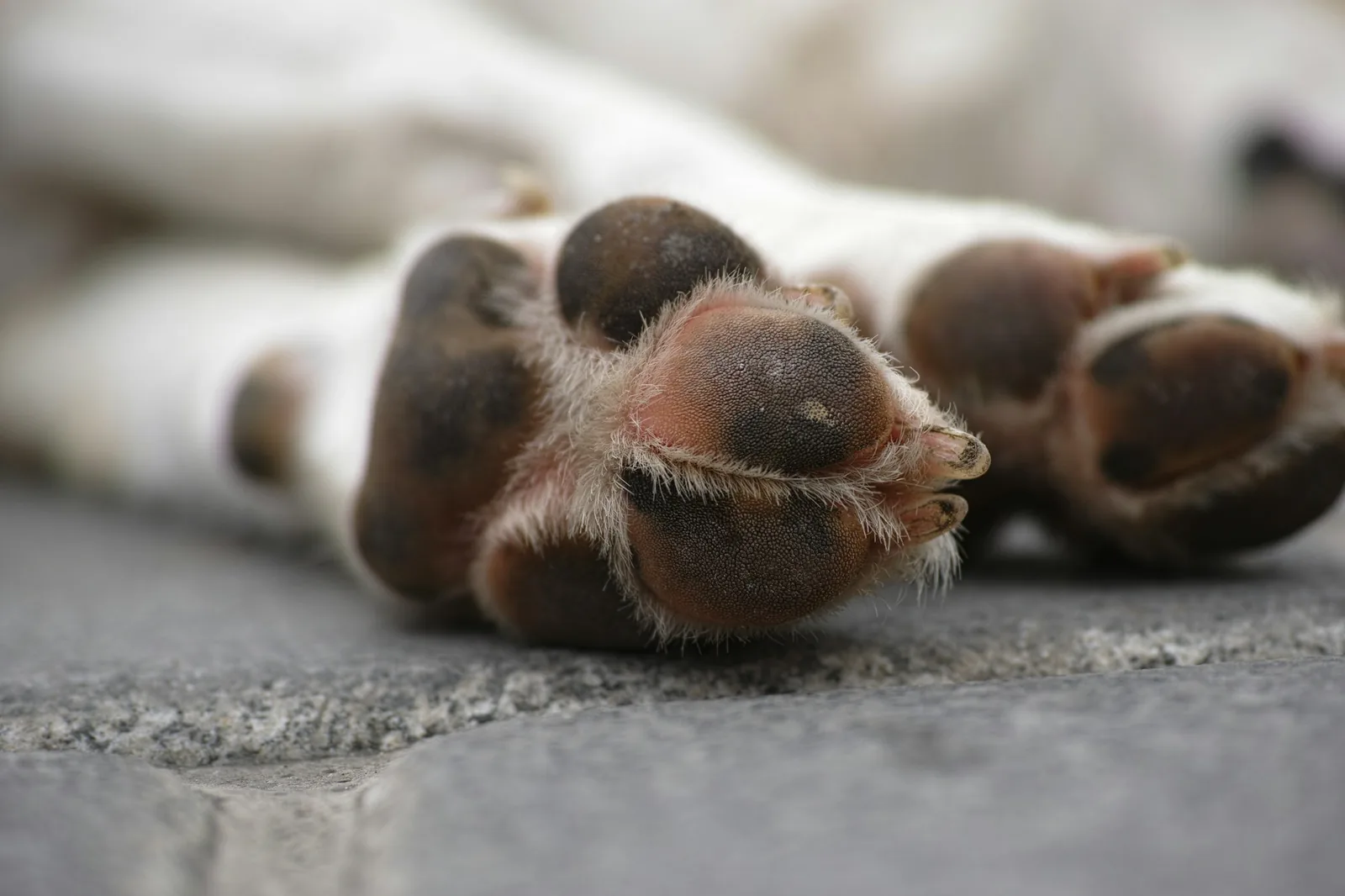
    Most of us have put our bare feet on a hot surface before. It’s no fun. Imagine how your dog’s pads might feel on hot asphalt in 90 degree weather? Try to stay in the shade, on stone surfaces, or grass when walking your dog. If the worst happens, and your dog’s pads become burnt, the VCA has advice for treating the injury:

    Even though foot pads are tough, they can burn on a scorching sidewalk in the middle of the summer or on icy surfaces during the winter. If your dog licks at her feet or limps after a summertime or wintertime stroll, sooth her pads by soaking the foot in room temperature water. If the pads become discolored or if the tissue under the pad becomes exposed, contact your veterinarian. Severe burns need to be treated professionally. Apply antibiotic ointment to the burned foot pad and bandage the paw. Daily bandage changes and close monitoring of the injury are important. Report any changes described under the section on torn foot pads to your veterinarian.

    Tip #2. Practice Water Safety.

    Dogs aren’t all born to swim. Terriers in particular were not bred as working dogs where swimming is required. Dogs must be supervised at all times when in the water. Dogs that are new to the water should be acclimated carefully and not forced to engage in “water sports.” When boating or near water, make sure your dog has on a water floatation device like a life vest.

    Tip #3. Don’t Leave Your Dog in a Parked Car

    We can’t believe there are people that do this, but don’t ever leave your dog in a parked car unattended during summer. (We’d argue this is bad practice at any time of the year, but that’s a subject for another day.) Temperatures can exceed 100 degrees, leading to shock and death. It’s not a good way to die, so don’t do it. Keep an eye out for dogs in hot cars in parking lots, and call the authorities if you see one. Local and state laws may offer some or no protection to people who break car windows to save a dog, so make sure you arm yourself with legal knowledge depending on where you live.

    Tip #4. Limit Physical Activity During Hot Parts of the Day

    Exposure to heat can cause overheating and dehydration. According to the ASPCA, “the symptoms of overheating in pets can include increased heart and respiratory rate, drooling, excessive panting or difficulty breathing, mild weakness, seizures, and an elevated body temperature (over 104 degrees).” Restrict exposure to hot weather to short sessions, and limit running and other forms of vigorous exercise. Avoid going outside

    We hope these tips are helpful to you! Summer is a great time of year to enjoy the outdoors. With preparation and information, dogs can be safe during this time and have fun too!

    Restored from the North Atlantic Westie Rescue website as archived by the Internet Archive. View the original capture.

    Coat care matters in hot weather too: how the Westie double coat works and why clipping it short can backfire. For dogs that scratch through the summer, see what causes seasonal itching in Westies.

    Heat is the part of this worth going into properly. Our guide to summer heat safety for dogs covers ground temperature, the early signs of heatstroke and how to cool a dog down safely, and basic canine first aid covers what to do before you reach a vet.