Category: Life Style

  • Dog First Aid: What to Do Before You Reach the Vet

    Dog First Aid: What to Do Before You Reach the Vet

    First aid for a dog is stabilization and transport. It is not treatment, and almost nothing on this page is a substitute for getting to a vet.

    What it does is buy time, prevent the situation getting worse, and stop well-meaning interventions that cause harm.

    The short version

    • Call the clinic on the way rather than deciding at home whether to go.
    • Muzzle an injured dog if you must handle it — pain makes any dog bite.
    • Never induce vomiting, and never give human painkillers.
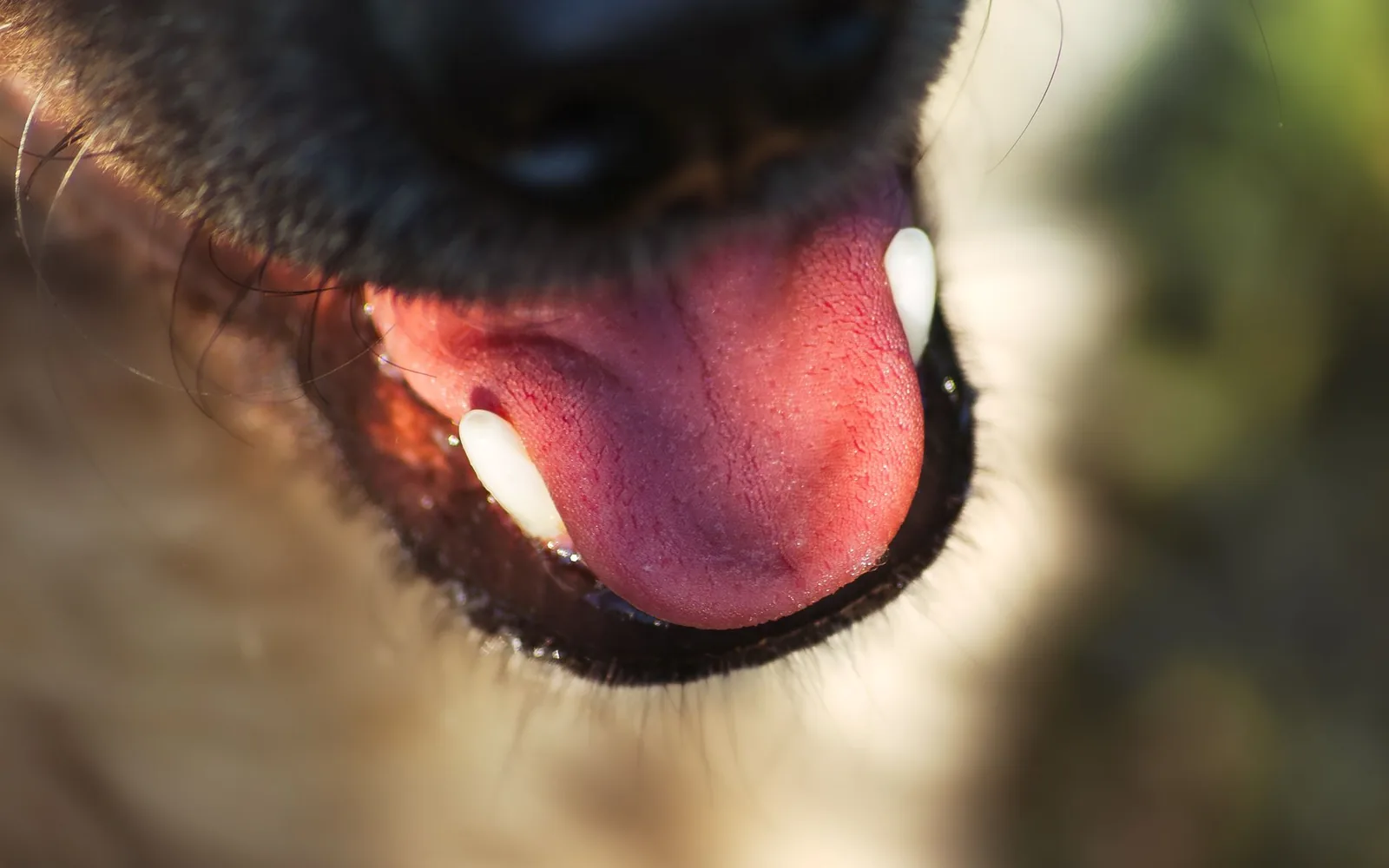
    • Pale, white or brick-red gums mean go now.

    First aid supplies laid out including bandages and gauze
    Photo by Marta Branco on Pexels

    What counts as an emergency

    SignWhy it mattersAction
    Pale, white or brick-red gumsShock, blood loss or heat injuryGo now
    Difficulty breathingAirway, lung or heart problemGo now, keep the dog calm
    Distended, hard abdomen with retchingPossible bloat — rapidly fatalGo now, do not wait
    Seizure lasting over 3 minutesRisk of brain injuryGo now
    Uncontrolled bleedingBlood lossPressure, then go
    Collapse or inability to standMany causes, all seriousGo now
    Repeated unproductive vomitingObstruction or bloatGo now
    Known toxin ingestionDelayed effects are commonCall poison control, then go
    Bloat is less common in Westies than in deep-chested breeds, but it is not impossible and it kills quickly.

    The toxin row is covered separately in our guide to foods and household items dangerous to dogs.

    Before you touch an injured dog

    A dog in pain will bite, including yours, including one that has never shown aggression in its life. That is not temperament; it is reflex.

    • Approach quietly and low, side-on, speaking calmly.
    • Improvise a muzzle with a bandage or a leash if you must handle a conscious injured dog — never on a dog that is vomiting or struggling to breathe.
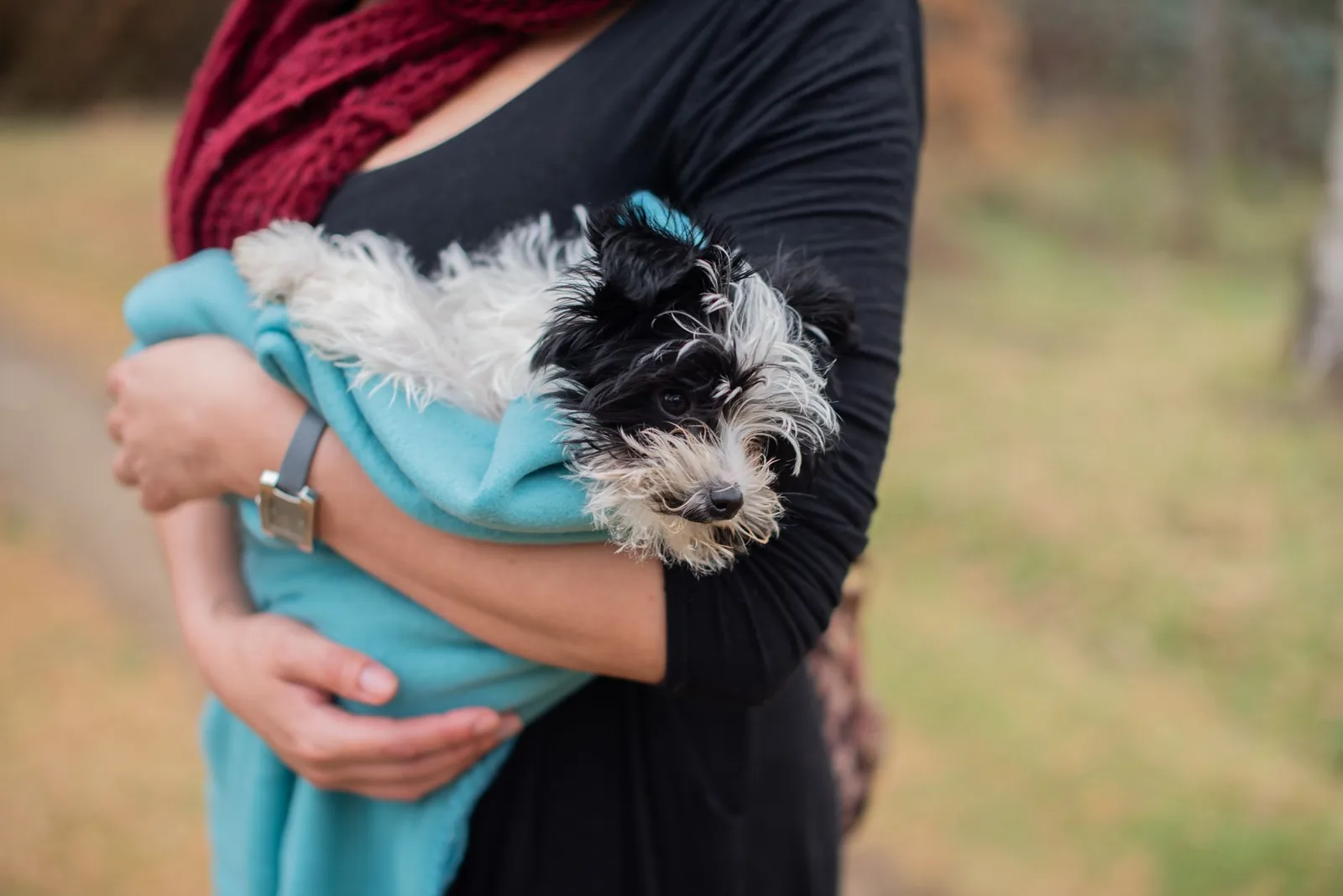
    • Support the whole body when lifting; use a board or a blanket as a stretcher for a suspected spinal injury.
    • Keep the dog warm unless the problem is overheating.
    • Have someone else drive if at all possible.

    The body language that precedes a defensive bite is set out in our guide to reading canine stress signals.
    A person lifting a dog’s lip to check gum color
    Photo by Marek Piwnicki on Pexels

    The situations worth knowing

    SituationDoDo not
    BleedingFirm direct pressure with a clean cloth for 5 minutesLift the cloth to look; apply a tourniquet
    ChokingLook in the mouth; sweep only what you can clearly see and reachBlind finger sweeps, which push objects further in
    HeatstrokeMove to shade, wet with cool water, offer small drinks, goUse ice or ice water, which constricts vessels
    SeizureClear the space, time it, dim the lights, stay backPut hands near the mouth or restrain the dog
    Suspected fractureKeep still, support, transport carefullyAttempt to splint
    Insect stingRemove a visible sting, apply a cool compress, watch closelyGive any human antihistamine without veterinary advice
    Paw cutRinse, pressure, bandage lightlyUse antiseptic meant for humans
    In every row the destination is the same. The differences are about not making it worse on the way.
    A dog being cooled with water on a warm day
    Photo by Jack Geoghegan on Pexels

    Heatstroke in a white double-coated dog

    Westies overheat faster than owners expect. The coat insulates in both directions, and a dog that has been running does not always stop when it should.

    Early signs are heavy panting, thick drool, bright red gums and a dog that lies down and will not get up. Later signs are vomiting, wobbliness and collapse.

    Cool with room-temperature water rather than ice, get air moving, and travel with the windows down. Do not delay to cool completely — cool and go at the same time.

    The coat insulates against cold as well, and the winter thresholds are set out in cold weather care for a Westie.

    What belongs in a kit

    1. Gauze, self-adhesive bandage and blunt scissors.
    2. A clean towel for pressure, warmth or as a stretcher.
    3. Digital thermometer and lubricant — normal is roughly 101 to 102.5 degrees Fahrenheit.
    4. Tick remover and tweezers.
    5. Saline for flushing eyes or wounds.
    6. A copy of vaccination records and current medications.
    7. Your vet, the nearest 24-hour clinic and a poison line, written down, not only in a phone.

    The American Red Cross publishes pet emergency and disaster preparedness guidance, including what to have ready before you need it.
    A small dog wrapped in a blanket being carried carefully
    Photo by Rushay Booysen on Pexels

    Know your dog when it is well

    Most of first aid is noticing that something has changed, which requires knowing the baseline.

    Check gum color and how quickly it refills after pressing. Learn where the pulse is. Know the resting breathing rate. Do all of it on a healthy calm dog, once, so the comparison exists when you need it.

    For an older dog, that baseline shifts — what changes in a Westie after ten covers what is age and what is illness.

    A handwritten note attached to a refrigerator door
    Photo by Walls.io on Pexels

    Frequently asked questions

    What should I do if my dog is bleeding heavily?

    Firm direct pressure with a clean cloth, held for a full five minutes without lifting to check, and go to a vet. Do not apply a tourniquet, which causes more damage than it prevents in untrained hands.

    Can I give my dog human painkillers?

    No. Ibuprofen and acetaminophen are toxic to dogs and cause kidney, liver and stomach damage. Give nothing without veterinary instruction, even if the dog is clearly in pain.

    How do I know if my dog has heatstroke?

    Heavy panting, thick drool, bright red gums, and a dog that lies down and will not get up. Cool with room-temperature water rather than ice and travel to a vet immediately rather than waiting to see improvement.

    What should I do during a seizure?

    Clear hard objects away, dim the lights, time it, and stay back. Do not put hands near the mouth or restrain the dog. Anything past about three minutes, or repeated seizures, is an emergency.

    What should be in a dog first aid kit?

    Gauze, self-adhesive bandage, blunt scissors, a clean towel, a thermometer, tweezers, saline, vaccination records, and written emergency numbers. The numbers matter more than the supplies.
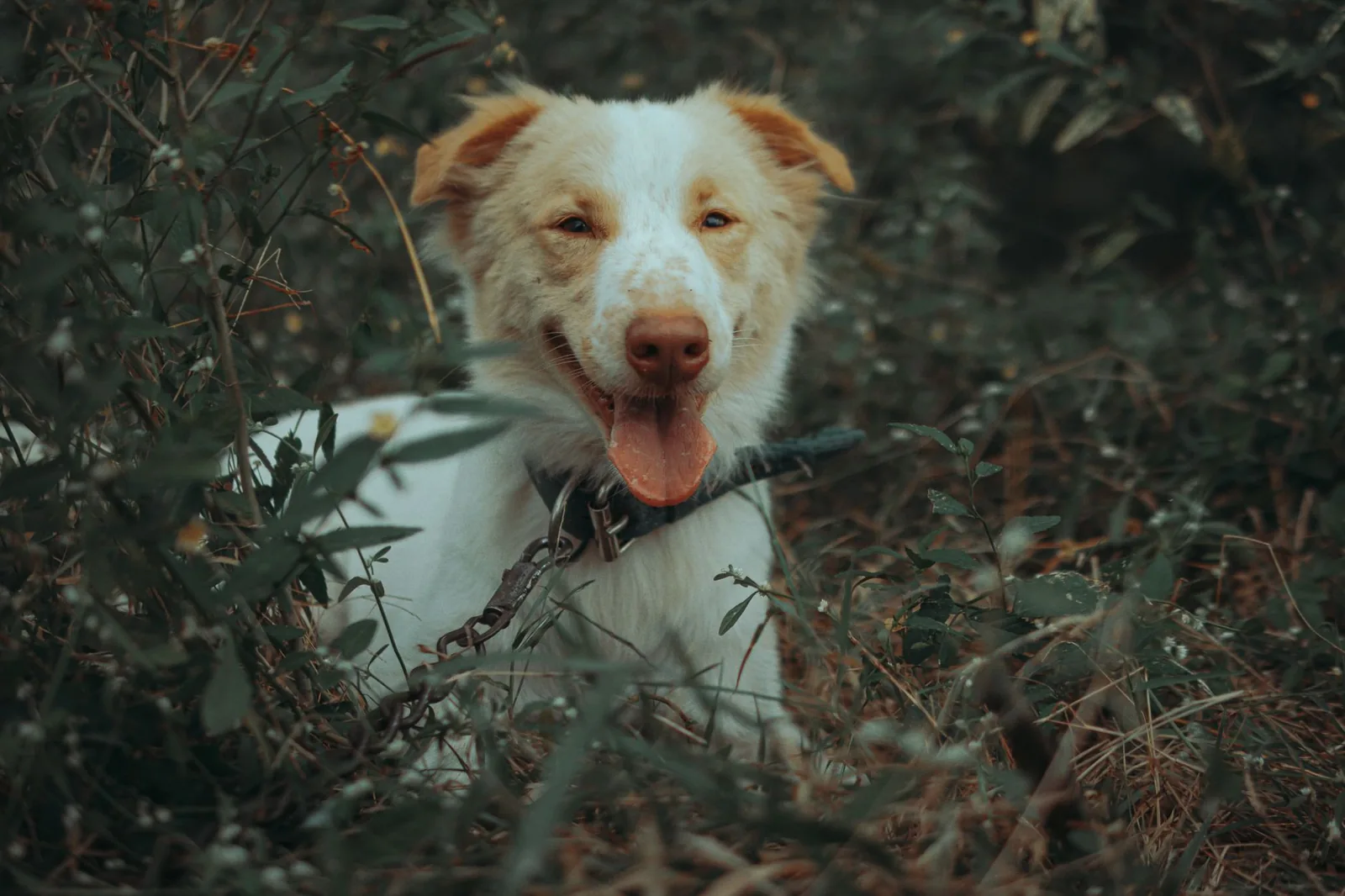
    A healthy white terrier standing outdoors
    Photo by Nothing Ahead on Pexels

    Sort the numbers now

    The most useful thing on this page is not a technique. It is knowing, before you need it, where the nearest clinic open at two in the morning actually is.

    Write it on the refrigerator alongside your own vet and a poison line. If you have just adopted, do it in the first week — our guide to the first 30 days covers the rest of the setup, and planning for your dog if something happens to you covers the reverse situation.


  • Westies and Cats: Can It Work?

    Westies and Cats: Can It Work?

    Some Westies live contentedly with cats for years. Others cannot be in the same room safely, and no amount of work changes that.

    This is the one question where the honest answer sometimes has to be no, and where getting it wrong has consequences a cat does not recover from.

    The short version

    • Prey drive is inherited and varies enormously between individual dogs.
    • It is managed, not trained away. Plan for management that lasts.
    • The cat needs vertical escape routes and a dog-free zone from day one.
    • A dog that fixates, stiffens and cannot look away is telling you the answer.
    A cat resting on a high shelf out of reach
    Photo by Arina Krasnikova on Pexels

    Why this is not a training problem

    Terriers were developed to find and dispatch small fast animals. That is not a behavior layered on top of the dog; it is close to the point of the breed.

    Training can build a reliable interrupt and a strong recall. What it cannot do is remove the underlying motivation, which means the management has to hold on the day the training does not.

    The same logic runs through our guide to prey drive and terrier behavior, where the realistic goal is disengagement rather than indifference.

    Reading the dog honestly

    What the dog doesWhat it meansOutlook
    Glances, then looks awayLow interestGood prospect with normal management
    Watches with a loose bodyCuriosityWorkable
    Alert but responds to its nameInterest, still thinkingWorkable with training
    Stiffens and stares, name has no effectPredatory focusPoor prospect
    Whines, trembles, cannot settleHigh arousalPoor prospect
    Lunges, or stalks in silencePredatory sequence engagedNot safe
    Silent stalking is more concerning than barking. A barking dog is aroused; a silent, fixated one is hunting.

    The full signal ladder is in our guide to reading canine body language.

    A baby gate fitted across an interior doorway
    Photo by Jep Gambardella on Pexels

    Setting the house up first

    Do this before the dog arrives, not after. The cat needs somewhere it can always get to and the dog never can.

    • Vertical escape routes — shelves, cat trees, the top of a wardrobe. Height is the cat’s main defense.
    • A dog-free room with food, water, litter and a bed, behind a gate the cat can pass and the dog cannot.
    • Litter tray out of reach. Dogs raid them, and a cat that feels ambushed stops using it.
    • Food up high. Cat food is the single most common flashpoint.
    • Baby gates with a cat flap, or set a few inches off the floor.
    • Nowhere the cat can be cornered — check dead ends and narrow hallways.

    The introduction

    1. Separate completely for several days. Swap bedding so each learns the other’s scent before meeting.
    2. Feed on opposite sides of a closed door, so proximity predicts something good.
    3. Let them see each other through a gate, briefly, with the dog on a lead and rewarded for looking away.
    4. Keep sessions very short — a minute or two, ending while the dog is still calm.
    5. Same room, dog on lead, only once the gate sessions are consistently boring.
    6. Never off lead together until you have weeks of complete calm, and never unsupervised before months.

    There is no timetable. Some pairs are settled in two weeks, some take six months, and some never get past the gate stage.

    A terrier staring intently at something out of frame
    Photo by Blue Bird on Pexels

    What the cat needs from you

    Most advice concentrates on the dog. The cat is the animal at risk, and its stress is easier to miss.

    Sign in the catWhat it means
    Stops using the litter trayFeels unsafe on the route to it
    Eating only at nightAvoiding the dog’s active hours
    Hiding for most of the dayNot coping
    OvergroomingChronic stress
    Blocking doorways or swattingDefending territory rather than settling
    Vocalizing at the dogOngoing conflict, not communication
    A cat that stops using the tray is telling you the arrangement is not working, whatever the dog is doing.

    The American Association of Feline Practitioners publishes guidance on feline environmental needs and household stress, which is worth reading from the cat’s side.

    A folded pet blanket in a basket
    Photo by Alfo Medeiros on Pexels

    When the answer is no

    If the dog cannot break focus, stalks silently, or has ever made contact with the cat, the responsible position is permanent separation rather than more training.

    Permanent separation is workable — gates, separate floors, rotation — but it is a real commitment, and it has to hold on the day someone leaves a door open.

    Deciding that a dog cannot live with your cat is not a failure. It is the same assessment a rescue makes before placing one.

    A dog held on a lead indoors during a supervised session
    Photo by Emrecan Dora on Pexels

    How rescues assess this

    A dog that has lived with cats and been observed doing so is described as cat-tested. A dog with no known history is described as untested, which is not the same as safe.

    Foster homes with cats are limited, so many dogs simply cannot be assessed. Any responsible rescue will say which it is rather than guessing — our adoptable dogs page states it explicitly for each dog.

    If you have a cat, say so at application stage. It narrows which dogs suit rather than ruling you out — what makes an adoption application strong covers why that disclosure helps you.

    A cat and a dog asleep in separate spots in one room
    Photo by Antoun Boustani on Pexels

    Frequently asked questions

    Can Westies live with cats?

    Some can and some cannot, and it depends on the individual dog rather than the breed. Prey drive is inherited and varies enormously, so the honest answer requires assessing the specific dog rather than generalizing.

    Can you train prey drive out of a terrier?

    No. You can build a reliable interrupt and reward disengagement, which makes daily life manageable, but the underlying motivation remains. Management has to hold on the day the training does not.

    How long does it take to introduce a dog and a cat?

    Anything from two weeks to six months, and some pairs never progress past a gate. There is no timetable, and rushing it is how a cat gets hurt.

    What does “cat-tested” mean at a rescue?

    That the dog has been observed living with cats and its reaction recorded. “Untested” means no such observation exists, which is not the same as safe, and many rescues simply do not have foster homes with cats.

    My dog stares at my cat. Is that a problem?

    A stiff, silent, fixated stare the dog cannot break is predatory focus, and it is more concerning than barking. A loose-bodied glance that ends when you say the dog’s name is ordinary curiosity.

    Adding a dog to a cat household

    If you are considering it, be specific with the rescue about your cat — age, confidence, whether it has lived with dogs, and whether it has escape routes.

    Matching on that is most of what determines whether it works. Our guide to dog-to-dog introductions covers the same principles for a resident dog, and the first 30 days with a rescue Westie sets out the settling window this sits inside.

  • How Much Exercise Does a Westie Actually Need?

    How Much Exercise Does a Westie Actually Need?

    The standard answer is about an hour a day, which is roughly right and almost useless on its own. How you spend the hour matters more than the number.

    A terrier walked briskly for an hour on a short leash arrives home wired. The same dog given twenty minutes of sniffing and a food puzzle sleeps.

    The short version

    • Around an hour daily for a healthy adult, split into two or more outings.
    • Sniffing and problem-solving tire a terrier faster than distance.
    • Under-exercised terriers bark, dig and chew. It is the commonest cause.
    • More is not always better — young joints and old joints both have limits.
    A dog with its nose deep in grass, following a scent
    Photo by Jean-Daniel Francoeur on Pexels

    By age and condition

    DogDaily targetShape of it
    Puppy under 12 monthsShort and frequentRoughly five minutes per month of age, twice daily, plus free play
    Young adult, 1–460–90 minutesTwo walks plus training and problem-solving
    Adult, 4–845–60 minutesTwo walks, one with real sniffing time
    Senior, 8–1230–45 minutesThree shorter outings; keep muscle on
    Geriatric, 12+15–30 minutesSeveral very short walks, gentle pace
    Managing arthritisAs toleratedLittle and often; consistency beats intensity
    Growing joints are damaged by forced repetitive exercise. Free play on soft ground is safer than long structured walks in a young dog.

    What changes with age is covered in our guide to caring for a Westie after ten.

    Why sniffing does the work

    A dog processing scent is doing genuine cognitive work. The nose is the dominant sense, and using it properly is mentally demanding in a way that walking in a straight line is not.

    For a breed developed to follow scent underground, this is not enrichment in the decorative sense. It is the activity the dog was built for.

    The practical version: let the dog stop. A walk where the dog chooses where to sniff for a third of the time is worth more than one covering twice the distance — how to build sniffing into a structured walk covers doing that without losing the leash training.

    A dog searching for scattered treats on a rug
    Photo by Magda Ehlers on Pexels

    Enrichment that actually tires a terrier

    ActivityTimeWhy it works
    Scatter feeding10–15 minTurns a meal into a search; costs nothing
    Snuffle mat or towel roll10 minConcentrated sniffing indoors
    Find-it games10 minHide a toy or treats, send the dog to search
    Food puzzle or stuffed toy15–30 minProblem-solving plus licking, which calms
    Short training sessions5 minThree a day tires more than one long one
    Flirt pole5–10 minSatisfies chase drive in a controlled outlet
    Cardboard box destruction10 minLegal shredding; supervise and remove tape
    Ten minutes of nosework is roughly equivalent to a half-hour walk for most terriers, and it works in bad weather.

    Purdue’s Center for Animal Welfare Science publishes research on canine welfare and behavioral needs, which is the evidence base behind the enrichment argument.

    A small dog concentrating during an indoor training session
    Photo by Kampus Production on Pexels

    Signs of too little

    • Barking at everything, including things previously ignored.
    • Digging that escalates rather than staying at one favorite spot.
    • Destructive chewing when left, particularly in the evening.
    • Restlessness — pacing, unable to settle after dinner.
    • Overreacting to ordinary noises at the door or window.
    • Weight gain with no change in food.

    These are the same behaviors people describe as terrier stubbornness, and they usually resolve within two weeks of adding mental work — our guide to barking, digging and prey drive covers the training side alongside it.

    Signs of too much

    Less discussed, and a real risk in young dogs and enthusiastic new adopters.

    Stiffness the following morning, reluctance to set off, lagging on the way home, or lying down mid-walk all mean the current routine is beyond what the dog can recover from.

    Heat matters too: a white double-coated dog overheats faster than owners expect, and cold has its own limits — cold weather care for a Westie covers the winter thresholds.

    An older dog walking slowly along a path
    Photo by Optical Chemist on Pexels

    Working around a difficult day

    1. Feed the whole breakfast by scattering it in the yard or across a rug.
    2. Do three five-minute training sessions instead of a second walk.
    3. Freeze a stuffed food toy the night before for a long slow session.
    4. Walk a new route rather than a longer one — novelty is the ingredient, not distance.

    None of this substitutes for daily outdoor time indefinitely, but it covers a bad week without the behavior falling apart.

    A dog chasing a toy across a garden
    Photo by Natalie Buchanan on Pexels

    Frequently asked questions

    How much exercise does a Westie need?

    Around 45 to 60 minutes daily for a healthy adult, split into two or more outings, plus mental work. Puppies need short frequent sessions, and seniors do better with several very short walks.

    Is a walk enough exercise for a terrier?

    Usually not on its own. Terriers were bred to solve problems and follow scent, and a purely physical walk leaves that need unmet. Ten minutes of nosework often does more than an extra half-hour of walking.

    Can you over-exercise a Westie?

    Yes, particularly puppies with growing joints and older dogs with arthritis. Stiffness the next morning, lagging on the way home or lying down mid-walk all mean it is too much.

    What can I do on days I cannot walk the dog?

    Scatter feed the whole meal, run three short training sessions, and give a stuffed food toy. That covers a bad day without the behavior deteriorating, though it is not a long-term substitute.

    Do Westies need a yard?

    It helps but is not essential. Many live well in apartments with committed daily walks and indoor enrichment. Secure fencing matters more than size where there is a yard.

    A contented dog resting after exercise
    Photo by Marco Biribò on Pexels

    Matching a dog to your routine

    Energy level is one of the things a foster carer assesses, so a household that walks twice a day and one that manages one short outing can both be matched well — to different dogs.

    Be accurate about your routine when you apply. What makes an adoption application strong explains why understating hours away leads to placements that fail, and the Westies currently available note what each one needs.

  • Loose Leash Walking With a Terrier: What Actually Works

    Loose Leash Walking With a Terrier: What Actually Works

    A terrier pulls because a scent trail leads forward and you are attached to it. It is not defiance, and it is not a bid for status.

    That matters, because the methods built on the dominance idea are the ones that reliably fail with this breed — and some of them make walks worse.

    The short version

    • Pulling is self-rewarding: it gets the dog to the interesting thing faster.
    • A well-fitted harness protects the neck; the training does the rest.
    • Reward position, not just absence of pulling.
    • Build sniffing into the walk deliberately, rather than fighting it.
    A dog leaning forward into a tight leash
    Photo by gabesdotphotos photographer on Pexels

    Why the usual approaches fail

    Most owners try three things in order: pulling back, stopping dead, and then a piece of equipment that tightens.

    Pulling back triggers an opposition reflex, so the dog leans harder. Stopping dead works only if you are consistent for weeks, which almost nobody is. And tightening equipment suppresses the pulling while doing nothing about the motivation.

    What is left is teaching the dog that staying near you is what makes forward progress happen.

    Equipment

    ItemVerdictWhy
    Y-front harness, front and back clipBestNo pressure on the throat; the front clip helps steer
    Flat collarFor ID onlyA pulling terrier on a collar risks tracheal damage
    Six-foot fixed leashBestConsistent feedback the dog can read
    Long line, 15–30 feetExcellent for open groundFreedom to sniff without a chase risk
    Retractable leashAvoidTeaches that pulling extends the leash; poor control near roads
    Slip lead or choke chainAvoidPain-based, and a real injury risk on a small neck
    Prong collarAvoidSuppresses behavior and raises fear and aggression risk
    A harness that crosses the shoulder blades restricts gait. Look for a Y shape that sits on the breastbone.

    The equipment advice here matches the humane-training position set out in our guide to terrier barking, digging and prey drive.

    A small dog wearing a well-fitted harness
    Photo by Vatsal Patni on Pexels

    The method

    1. Start indoors, with no distractions. Reward the dog for being beside your leg, repeatedly, before you go anywhere.
    2. Move to the yard, then a quiet street. Each new environment resets the difficulty.
    3. Mark and reward position, not just a loose leash. Deliver the treat at your leg, so that is where the good things happen.
    4. Stop when the leash tightens. Wait for slack, then move. The dog learns that tension stops progress.
    5. Change direction when the dog forges ahead, rather than pulling back.
    6. Keep sessions short. Five focused minutes beats a frustrating hour.

    Reward generously at first. You are competing with a scent trail, and a dry biscuit does not compete.

    Build sniffing into the walk

    This is the part that changes things fastest, and the part most owners resist.

    Sniffing is how a dog reads the world, and it tires a terrier far more than distance does. A walk that is entirely heelwork is frustrating for both of you.

    ApproachWhat it looks like
    Split the walkStructured walking on the way out, free sniffing on the way back
    Use a cueA release word that means the dog may go and sniff
    Sniff as the rewardLoose leash for twenty paces earns permission to investigate
    Long line in open groundFifteen minutes of unstructured sniffing
    Vary the routeNew scent is more interesting than more distance
    Twenty minutes of sniffing tires most terriers more thoroughly than an hour of brisk walking.

    How much a Westie actually needs is covered in our guide to Westie exercise and enrichment. For city dogs, where every toilet trip is a walk, apartment living with a Westie covers the extra leash time that involves.

    A person rewarding a dog with a treat during a walk
    Photo by Haberdoedas Photography on Pexels

    When something moves

    No amount of leash training competes with a squirrel at close range. Plan around that rather than hoping to train past it.

    • Scan ahead and add distance before the dog locks on.
    • Reward disengagement — the moment the dog looks back at you after spotting something.
    • Use a cue you have practiced at low intensity long before you need it.
    • Do not jerk the leash. It adds fear to an already aroused dog.
    • Accept that some environments are too much and walk elsewhere.

    The Association of Professional Dog Trainers publishes owner resources and a directory of qualified trainers if you would rather have help than work from an article.

    A dog sniffing intently at grass beside a path
    Photo by Gabriel Almanzar on Pexels

    Newly adopted dogs

    A dog in its first two weeks may have never walked on a leash, or may have learned that pulling is simply how walks work.

    Start in the yard rather than the street, keep the first walks very short, and accept that a nervous dog may not take food outdoors at all for a week or two.

    Use a harness from day one — a frightened terrier reverses out of a collar, and the first two weeks are when most rescue dogs are lost.

    A dog training in a quiet back yard
    Photo by Peter Jochim on Pexels

    Frequently asked questions

    Why does my terrier pull so much on the leash?

    Because pulling works. It gets the dog to the interesting scent faster, which rewards the behavior every time. It is motivation rather than disobedience, which is why methods built on correction tend to fail.

    What is the best harness for a Westie that pulls?

    A Y-front harness that sits on the breastbone rather than across the shoulder blades, with both a front and a back clip. The front clip helps with steering while the training takes effect.

    Are retractable leashes bad?

    For a pulling dog, yes. They teach that pulling extends the leash, give poor control near traffic, and offer no useful feedback. A six-foot fixed leash plus a long line for open ground covers both needs.

    How long does loose leash training take?

    Weeks of short, frequent sessions rather than a few long ones, and each new environment resets the difficulty. Consistency matters far more than session length.

    Should I let my dog sniff on walks?

    Yes, deliberately. Sniffing is how dogs process the world and it tires a terrier more efficiently than distance. Building it in as a reward makes the structured walking easier, not harder.

    A small dog walking calmly along a town sidewalk
    Photo by Juan Vargas on Pexels

    If walks are the problem

    Leash frustration is a common reason people stop walking a dog, which then worsens everything else — barking, digging and destruction all increase with unspent energy.

    If it has reached the point of considering rehoming, our guide to your options opens with the problems that turn out to be solvable, and our adoption guide explains what support comes with a dog placed by us.

  • Crate Training an Adult Rescue Dog (And When Not To)

    Crate Training an Adult Rescue Dog (And When Not To)

    A crate gives an unsettled dog somewhere that is unambiguously its own, which is exactly what most newly adopted dogs need in week one.

    It is also, for a minority of dogs, the single worst thing you could introduce. Working out which you have is the first job.

    The short version

    • A crate is a den, never a punishment or a way to store a dog.
    • Introduce it with the door open for days before it ever closes.
    • A dog with confinement distress or a kennel history may need a pen instead.
    • If the dog panics rather than protests, stop and reassess.
    A covered dog bed set up in a quiet corner
    Photo by Ryszard Zaleski on Pexels

    What a crate is for

    Two things: a place the dog can retreat to and not be disturbed, and short periods of safe containment when you cannot supervise.

    Both are genuinely useful during settling. House training relies on a dog not wanting to soil where it sleeps, and a den reduces the pacing that comes with too much unfamiliar space too soon.

    It is not a solution to being out all day, and it is not a substitute for training. What to expect in the first 30 days with a rescue Westie covers where it fits in the wider settling picture.

    Which dogs it suits

    DogCrate?Why
    Newly adopted, previously home-raisedUsually yesA den reduces overwhelm in the first weeks
    Recovering from surgeryYes, on veterinary adviceEnforced rest without stress
    House training in progressYes, in short stintsSupports the natural den instinct
    Nervous but not panickingYes, slowly, door open for a long timeBecomes a retreat once it is genuinely optional
    Confinement distressNoThe barrier is the trigger; a crate adds to the problem
    Long-term kennel or breeding backgroundUsually not at firstHas already been contained for years; a pen works better
    Severe separation anxietyNot as a fixContains the damage, not the panic
    The bottom three rows matter. A crate used on the wrong dog produces broken teeth and torn nails, not a settled dog.

    The difference between protest and panic is set out in our guide to separation anxiety in Westies.

    A dog eating from a bowl placed on the floor
    Photo by MART PRODUCTION on Pexels

    Introducing it, step by step

    1. Set it up and ignore it. Door fixed open, comfortable bedding, in a room the family uses. Leave it for two or three days.
    2. Feed near it, then in it. Bowl beside the entrance, then just inside, then at the back. Door stays open throughout.
    3. Scatter good things inside at random times so the dog finds them without you present.
    4. Close the door for three seconds while the dog is eating, then open it. Build to a minute over several sessions.
    5. Step out of sight briefly, then return before the dog reacts.
    6. Build duration slowly, varying it rather than always increasing.

    Most adult dogs take one to three weeks. Rushing to a closed door on day one is the mistake that creates a dog that will never go in again.

    Getting the setup right

    ElementWhat worksWhat does not
    SizeStand, turn and lie flat — roughly 24 inches for a WestieSo large the dog can soil one end
    LocationA quiet corner of a room people useA garage, or total isolation
    BeddingWashable, familiar, the dog’s own scentBrand new and unfamiliar
    CoveringA blanket over three sidesFully enclosed with no airflow
    ContentsA safe chew or stuffed food toyCollar or harness left on
    DoorFixed open for the first weekClosed on the first day
    Always remove collars and harnesses before closing a crate. They catch on bars.
    A calm dog resting on the floor beside an open door
    Photo by Yusuf Çelik on Pexels

    How long is too long

    A crate is for short periods. An adult dog should not be crated for more than about four hours at a stretch during the day, and less while it is still learning.

    Overnight is different, because the dog is asleep, but it still needs an outlet before bed and first thing.

    If your working day means longer than that, the answer is a sitter, a neighbor or a pen rather than a longer crate stint — adopting a dog when you work full time covers the realistic options.

    When it is not working

    • Damage to the crate itself, bent bars, bloodied gums or torn nails — stop immediately.
    • Drooling, panting or soiling every time the door closes.
    • Refusing to enter after weeks of positive work.
    • Escalating rather than settling over sessions.

    Any of these means the crate is the wrong tool for this dog. A pen or a dog-proofed room gives the same containment without the barrier that triggers it.

    The Certification Council for Professional Dog Trainers maintains a directory of certified trainers and standards for humane training, which is where to look if you want help rather than another article.

    A dog standing behind an indoor pen gate
    Photo by Kostas Dimopoulos on Pexels

    The kennel-background exception

    A dog that spent years in a run has already been contained. It does not need a crate to feel safe, and for many the enclosure is the part they most want to leave behind.

    Use an open pen with a clear sleeping area instead, and expect house training to take months rather than weeks — what adopting a retired breeding Westie really involves sets out the timeline.

    A dog asleep on its bed in a darkened room
    Photo by Torsten Dettlaff on Pexels

    Frequently asked questions

    Can you crate train an adult dog?

    Yes, and most adult dogs learn faster than puppies. Expect one to three weeks with the door open for much of that, and build the closed-door duration slowly.

    How long can a dog stay in a crate?

    Up to about four hours at a stretch during the day for an adult dog, and less while training. Overnight is acceptable because the dog is asleep, with an outlet before bed and first thing.

    Is crate training cruel?

    Not when the crate is a den the dog chooses to use. It becomes cruel when it is used as punishment, for long stretches, or on a dog that panics rather than settles.

    What if my rescue dog hates the crate?

    Stop and use a pen or a dog-proofed room instead. Damage to the crate, bleeding gums, torn nails, drooling or soiling every time the door shuts all mean this is the wrong tool for this dog.

    Should I crate a dog with separation anxiety?

    Not as a solution. A crate limits the damage but does nothing about the panic, and for many anxious dogs the confinement makes it worse. Graduated desensitization is the treatment.

    A dog lying in a chosen corner of a room
    Photo by Franco Monsalvo on Pexels

    Where this fits

    Crate work supports house training rather than replacing it — our practical method for house training an adult rescue dog is the companion piece.

    If you are still at the deciding stage, our guide to adopting a Westie in New England explains the process, and the Westies currently available note which dogs are already crate trained and which are not.

  • Westie Ear Infections: Why They Keep Coming Back

    Westie Ear Infections: Why They Keep Coming Back

    Ear disease is the second most common thing Westies see a vet for, behind only dental disease. It is also the problem owners most often treat repeatedly without ever fixing.

    The reason is simple: a recurrent ear infection is rarely an ear problem. It is usually allergy, presenting through the ear.

    The short version

    • Allergy is behind a large share of chronic ear infections in dogs.
    • Treating the infection without the cause guarantees it returns.
    • Never put anything into an ear before a vet has seen the eardrum.
    • Head shaking and a smell are early signs. Do not wait for scratching.
    A dog scratching at its ear with a back paw
    Photo by Cats Coming on Pexels

    Why the ear is where allergy shows up

    The ear canal is skin, folded into a tube. Everything that happens to allergic skin elsewhere on a Westie happens in there too, in a warm enclosed space that holds moisture.

    Allergy inflames the lining and increases wax production. The yeast and bacteria that live harmlessly on normal skin then overgrow, and what you notice is the infection rather than the inflammation that allowed it.

    That is why the same dog gets the same infection three times a year. The underlying picture is in our guide to why Westies itch and what actually helps.

    What you will notice, in order

    StageSignsWhat it usually means
    EarlyHead shaking, a faint yeasty smellInflammation starting; act now
    DevelopingScratching, redness inside the flap, more waxOvergrowth established
    EstablishedDark or yellow discharge, strong odor, pain on touchNeeds veterinary treatment
    ChronicThickened, narrowed canal; repeated courses of dropsThe underlying allergy has never been addressed
    AdvancedHead tilt, loss of balance, deafnessPossible middle ear involvement — urgent
    Head shaking with no scratching is the earliest useful sign, and the one most often dismissed.
    A veterinarian examining inside a dog’s ear with an otoscope
    Photo by https://kaboompics.com/ on Pexels

    Why the vet looks before treating

    Two things have to be established before anything goes into the ear: whether the eardrum is intact, and whether the overgrowth is yeast, bacteria or both.

    Cleaners and drops that are safe against an intact eardrum can cause permanent damage if it has ruptured. Cytology settles the second question, and it matters because yeast and bacteria need different drugs.

    This is also why leftover medication from last time is a bad idea. The organism may be different, and repeated partial courses are how resistant infections develop.

    Finding the cause

    1. Treat the current infection properly, with the full course, and go back for the recheck even if the ear looks fine.
    2. Rule out parasites and foreign bodies — grass seeds are a classic cause of a sudden one-sided infection.
    3. Run a proper elimination diet trial if infections are year-round. Food allergy shows up in the ears more often than anywhere else.
    4. Consider environmental allergy if the pattern is seasonal at first and then becomes constant.
    5. Ask about referral if you are on a third course in a year.

    The American College of Veterinary Dermatology maintains information on veterinary dermatology specialists and allergic ear disease, which is the route if a general practice has run out of options.

    A person cleaning the outer part of a dog’s ear
    Photo by Gustavo Fring on Pexels

    Cleaning ears properly

    DoDo not
    Use a vet-recommended ear cleanerUse vinegar, alcohol or hydrogen peroxide
    Fill the canal, massage the base, let the dog shakePush cotton buds down the canal
    Wipe only what you can see with cotton woolClean an ear that is painful or bleeding
    Clean weekly for maintenance, or as directedClean daily unless told to
    Dry the ear after swimming or bathingLeave water sitting in the canal
    Stop and call if the dog flinchesPersist through obvious pain
    A dog that suddenly resents having its ears touched is telling you something hurts. That is a reason to stop, not to push on.

    Ear care sits inside the wider grooming routine — our Westie grooming guide covers the weekly checks that catch this early.

    Medication being applied from a small bottle
    Photo by Oliver Wagenblatt on Pexels

    The diet question

    Recurrent ear infections are one of the more reliable signs of food allergy, which makes a proper elimination trial worth doing rather than guessing at brands.

    That means eight to twelve weeks on a single novel or hydrolyzed protein with absolutely nothing else. One dropped biscuit invalidates the whole thing.

    Switching foods without a controlled trial is the commonest wasted year in this breed — our guide to feeding a Westie covers what food claims actually mean.

    A bowl of dog food on a kitchen floor
    Photo by MART PRODUCTION on Pexels

    Ears in older dogs

    Chronic ear disease that has run for years leaves scarring and narrowing, which makes both cleaning and treatment harder. Hearing loss frequently follows.

    An older dog that stops responding to its name may be deaf rather than disobedient, and long-standing ear disease is a common route there — what changes in a Westie after ten covers how to tell the difference.

    A relaxed white terrier resting outdoors
    Photo by Alessandro Antonio Serra on Pexels

    Frequently asked questions

    Why does my Westie keep getting ear infections?

    Because the infection is usually a symptom rather than the problem. Allergy inflames the ear canal and lets normal yeast and bacteria overgrow, so treating the infection alone leaves the cause in place and it returns.

    Can I clean my dog’s ears at home?

    Yes, with a vet-recommended cleaner, and only when the ear is comfortable. Fill the canal, massage the base, let the dog shake, then wipe what you can see. Never push cotton buds down the canal.

    Is it safe to use leftover ear drops?

    No. The organism may be different this time, and some drops cause permanent damage if the eardrum has ruptured. A vet needs to look before anything goes in.

    Do ear infections mean my dog has a food allergy?

    Not always, but recurrent year-round infections make it worth investigating. Ears are one of the most common places food allergy shows up, and a proper elimination trial is the only way to confirm it.

    How often should I clean my Westie’s ears?

    Usually a weekly check and clean as maintenance, or whatever your vet directs during treatment. Over-cleaning a healthy ear irritates it and can cause the problem you are trying to prevent.

    Ears at intake

    Untreated ear disease is one of the more common findings in dogs arriving at rescue, usually alongside skin problems and dental disease.

    The veterinary care every rescue Westie receives includes an ear examination and treatment before placement, and our guide to what the breed is prone to ranks ear disease against everything else. Any ongoing management is disclosed on our adoptable dogs page.

  • Traveling With a Westie: Cars, Flights and Boarding

    Traveling With a Westie: Cars, Flights and Boarding

    A Westie is small enough that cabin flying is realistic, which is not true of most breeds, and exactly the wrong size to be loose in a car.

    This covers the practical decisions: securing the dog on the road, what cabin travel actually involves, and how to choose between taking the dog and leaving it in good hands.

    The short version

    • An unsecured small dog is a projectile in a crash and a hazard to the driver.
    • Cabin travel means the carrier stays under the seat for the whole flight.
    • Book flights, boarding and paperwork weeks ahead. Availability is the constraint.
    • Rest stops are a common escape point — harness on before the door opens.
    A dog secured on a car back seat with a harness
    Photo by Amanda Brady on Pexels

    Car travel

    This is where most dogs actually travel and where the risk is routinely underestimated. A 17-pound dog in a 30 mph impact carries enormous force.

    MethodSafetyNotes
    Crash-tested crate, securedBestBulky, but the safest option available
    Crash-tested harness on a seat beltGoodPractical for most cars
    Ordinary walking harness clipped to a beltPoorNot designed for impact loads; better than nothing
    Booster seat with a tetherFairComfort and visibility, limited crash protection
    Loose in the carDangerousProjectile risk, driver distraction, escape at doors
    Front seatDangerousAirbags are designed for adult humans
    Look for products tested to an independent standard rather than described as “safety” harnesses, which is an unregulated term.
    • Build up gradually if the dog is unused to cars — sitting in a stationary car, then short trips somewhere good.
    • Skip the meal before travel, but not the water.
    • Stop every two to three hours for a toilet break and a stretch.
    • Never leave the dog in a parked car. Temperature rises faster than people expect in both directions.
    • Harness on before the door opens, every time. Rest stops are where dogs are lost.

    That last point matters more for terriers than most breeds — why terriers bolt and what to do if one gets out covers the recovery method if it happens.

    A soft pet carrier bag standing ready for travel
    Photo by Cup of Couple on Pexels

    Flying

    At this size a Westie can usually travel in the cabin, which is far preferable to cargo. Cargo carries real risk for any dog and should be a last resort.

    Cabin rules are strict and vary by airline: the carrier must fit under the seat in front, the dog must stay inside it for the whole flight, and there is a limit on pets per cabin, so booking early is the real constraint.

    What to checkWhy
    Carrier dimensions for that specific aircraftLimits differ by airline and by plane
    Combined dog and carrier weight limitCommonly around 20 lb total
    How many pets are allowed per cabinOften very few; first come, first served
    Health certificate timingUsually must be issued within a set window before travel
    Destination entry requirementsRabies documentation, microchip standards, sometimes quarantine
    Breed or snub-nose restrictionsNot an issue for Westies, but check anyway
    Rules change frequently. Confirm current requirements with the airline and the destination authority rather than relying on any article, including this one.

    IATA publishes the industry framework for transporting pets by air, which is a useful orientation before you talk to a specific airline.

    A dog on a lead standing on grass beside a parking area
    Photo by Vova Kras on Pexels

    Taking the dog, or leaving it

    OptionSuitsWatch for
    Dog comes alongRoad trips, dog-friendly accommodation, confident dogsRestaurants and attractions that will not admit dogs
    Pet sitter in your homeAnxious dogs, seniors, medical routinesCost; availability at holidays
    Staying with a friend or familyDogs who know the household wellBeing honest about medication and habits
    Boarding kennelConfident, sociable dogsVaccination requirements; noise stress for nervous dogs
    Home boarding with a host familySmall dogs who dislike kennelsCheck other dogs in the home and insurance
    For an anxious or elderly Westie, a sitter at home usually beats boarding by a wide margin.

    If your dog struggles when you leave at all, that is worth resolving before a trip rather than during one — our guide to separation anxiety in Westies covers the difference between distress and simple protest.

    A dog sitting beside a person in a home setting
    Photo by Nikita Nikitin on Pexels

    Season matters too. Summer travel needs shade and water planning, and winter driving brings its own hazards — cold weather care for a Westie covers what changes below freezing.

    What to take

    1. Two weeks of the usual food, even for a short trip. Diet changes plus travel is a reliable route to an upset stomach — see feeding and portions.
    2. All medication, plus a written list of doses.
    3. Vaccination records and your vet’s number.
    4. The dog’s own bed or blanket, unwashed. Familiar scent settles a dog faster than anything you can buy.
    5. A spare harness and lead, and a tag with your mobile number rather than your home address.
    6. The emergency vet number for where you are going, looked up in advance.
    A travel bag packed with dog supplies
    Photo by RDNE Stock project on Pexels

    Frequently asked questions

    Can a Westie fly in the cabin?

    Usually yes, at 15 to 20 pounds, provided the dog and carrier together meet the airline’s weight limit and the carrier fits under the seat. Book early, as most airlines allow only a few pets per cabin.

    What is the safest way for a dog to travel in a car?

    A crash-tested crate secured in the back, or a crash-tested harness on a seat belt. An ordinary walking harness is not designed for impact loads, and a loose dog is both a projectile risk and a driver distraction.

    Is boarding or a pet sitter better?

    For confident sociable dogs, boarding is fine. For anxious or elderly dogs, and any dog on a medication routine, a sitter in your own home is usually much less stressful.

    How often should I stop on a long drive?

    Every two to three hours for a toilet break, water and a short stretch. Put the harness on before opening any door, because rest stops are a common place for dogs to bolt.

    Can I leave my dog in the car for a few minutes?

    No. Temperature inside a parked car rises and falls far faster than people expect, and a few minutes can become longer than intended. Take the dog with you or leave it at home.

    A small dog resting on the floor of an unfamiliar room
    Photo by susana MaRo on Pexels

    If you are newly adopted

    Give a new dog several months before a significant trip. A dog still learning that your house is home does not need an unfamiliar one on top of it, and an older dog may not travel well at all — caring for a Westie after ten covers what changes.

    What to expect in the first 30 days with a rescue Westie covers the settling period, and if travel plans are what is making a dog difficult to keep, our guide to rehoming options starts with the problems that turn out to be solvable.

  • Dog Body Language: Reading Stress Before It Escalates

    Dog Body Language: Reading Stress Before It Escalates

    Almost every bite described as coming out of nowhere was preceded by a long sequence of signals. The dog was not being unpredictable. It was being ignored.

    Learning to read that sequence is the single most useful skill for anyone living with a dog, and it matters most in households with children.

    The short version

    • Dogs escalate through a predictable ladder. Growling is near the top, not the start.
    • A wagging tail means arousal, not friendliness.
    • Punishing a growl removes the warning and keeps the feeling.
    • The reliable rule for children: let the dog choose to approach, always.
    A dog licking its lips while looking away
    Photo by Kojirou Sasaki on Unsplash

    The ladder of signals

    Dogs work up this sequence, usually in order. Most people notice from about step seven, by which point the dog has been asking for six steps.

    LevelWhat it looks likeWhat the dog is saying
    1. SubtleBlinking, yawning, nose lickingI am uncomfortable
    2. AvoidanceTurning the head away, looking awayPlease stop
    3. DisengagingTurning the whole body away, walking offI am removing myself
    4. AppeasingScratching, sniffing the ground, shaking offI am trying to defuse this
    5. FreezingGoing completely still, hard stareI am serious now
    6. WarningLip curl, showing teeth, low growlLast verbal warning
    7. SnapAir snap, no contactA deliberate miss
    8. BiteContact, graded by intentNothing else worked
    A dog punished at level six often learns to skip straight from level five to level eight. That is where “no warning” bites come from.

    What the tail actually tells you

    The most persistent myth is that a wagging tail means a friendly dog. Wagging signals arousal, and arousal can be happy, anxious or aggressive.

    • Loose, sweeping, whole-body wag — relaxed and genuinely friendly.
    • High, stiff, fast wag — tense and aroused. Approach with care.
    • Low, tucked, fast wag — anxious and appeasing.
    • Tail held very high and still — alert, possibly confrontational.
    • Tail clamped underneath — frightened.

    Read the whole dog rather than one part. A soft face with a loose body and a wagging tail is a relaxed dog; a hard stare with a stiff high wag is not, and the tail looks similar in a photograph.

    A dog turning its head away from the camera
    Photo by Juan Pablo Mascanfroni on Unsplash

    Relaxed versus tense, side by side

    Body partRelaxedTense or worried
    EyesSoft, blinking normallyWide, whites showing, or hard staring
    MouthSlightly open, looseClosed tight, or panting with a tight jaw
    EarsNeutral or forward and loosePinned back, or rigidly forward
    BodyCurved, weight evenStiff, leaning forward or away
    FurFlatRaised along the shoulders or spine
    TailLoose, mid-heightHigh and stiff, or clamped
    MovementLoose and bouncySlow and deliberate, or frozen
    Look for clusters rather than single signs. One raised ear means nothing; a stiff body with a hard stare and a high tail means a great deal.
    A relaxed dog lying on grass with a loose posture
    Photo by Ayaan P. on Unsplash

    Children and dogs

    Most bites to children happen at home, with a familiar dog, during ordinary interaction. The dog usually gave warnings that an adult did not recognize.

    The single rule worth teaching is that the dog chooses. If it moves away, it is finished. If it does not come over, it does not want to be touched.

    • Never disturb a sleeping or eating dog.
    • No hugging around the neck. Dogs do not experience it as affection.
    • No climbing, riding or leaning on the dog.
    • Leave the dog alone in its bed. The bed is inviolable.
    • Pet the chest and shoulder, not the top of the head.
    • Supervise actively. Being in the room is not supervision.

    Dogs Trust publishes illustrated owner guidance on canine body language and safe interaction, which is particularly useful for teaching children.

    A child sitting quietly on the floor near a dog
    Photo by Tapish on Unsplash

    Why punishing a growl is a mistake

    A growl is a dog telling you clearly that it is uncomfortable, before doing anything about it. It is the most useful thing a dog can do.

    Punish it and the growl disappears. The discomfort does not. You have taught the dog that warning does not work, and the next escalation may skip straight to contact.

    The correct response is to increase distance, work out what caused it, and change the situation. Our guide to terrier behavior covers the training approaches that address the cause rather than the signal.

    A dog standing very still and staring intently
    Photo by S J on Unsplash

    Signals in a newly adopted dog

    A dog in its first two weeks is stressed by definition, and will show far more of the lower rungs than it will later. That is normal.

    It also means you are meeting a dog that is not yet itself, which is why temperament assessments made in week one are unreliable.

    Give space, watch rather than interact, and let the dog approach on its own terms. What to expect in the first 30 days with a rescue Westie covers the wider settling picture, introducing a new dog to a resident dog applies the same signals to dog-to-dog meetings, and the signals that mean genuine distress when you leave are a separate matter again.

    A dog resting undisturbed in its own bed
    Photo by Simon Hesthaven on Unsplash

    Frequently asked questions

    Does a wagging tail mean a dog is friendly?

    No. Wagging indicates arousal, which can be happy, anxious or aggressive. A loose sweeping wag with a relaxed body is friendly; a high stiff fast wag with a hard stare is not.

    What are the first signs a dog is uncomfortable?

    Blinking, yawning out of context, licking the nose, turning the head away and sniffing the ground. These come long before any growl and are the point at which to give space.

    Should I punish my dog for growling?

    No. A growl is a warning you want the dog to keep giving. Punishing it can remove the warning while leaving the underlying discomfort, which makes a bite without warning more likely.

    How do I teach my child to be safe around dogs?

    One rule covers most of it: the dog chooses. No hugging, no disturbing a sleeping or eating dog, no touching a dog in its bed, and pet the chest rather than the head. Supervise actively.

    Why do dogs bite “without warning”?

    They almost never do. The warnings were given at lower levels and missed, or the dog was previously punished for growling and has learned that warning does not help.

    Why this matters in rescue

    Foster carers spend weeks recording exactly these signals, which is what makes an honest assessment possible. A dog described as “not suited to young children” usually earned that note through observation, not incident.

    The Westies currently available for adoption carry those notes, and our honest guide to Westies in family households explains why the age question comes up in every adoption conversation.

  • Introducing a New Dog to Your Resident Dog

    Introducing a New Dog to Your Resident Dog

    Most dogs can learn to live together. What decides whether it goes smoothly is the first meeting and the first month, and both are easy to get wrong with the best intentions.

    Westies generally live well with other dogs. The two things worth knowing are that same-sex pairs clash more often in terrier breeds, and that resource guarding is the usual flashpoint.

    The short version

    • Meet on neutral ground, both on loose leads, one handler each.
    • Walk together before they greet face to face.
    • Feed separately and pick up all toys and chews for the first month.
    • Slow is faster. A rushed introduction can take months to undo.
    Two people walking dogs side by side along a path
    Photo by Łukasz on Unsplash

    Before the dogs meet

    • Pick genuinely neutral ground. Not the park you walk your dog in daily — that is his territory too.
    • One handler per dog, both confident and calm. Two dogs on one person is how introductions go wrong.
    • Set the house up first, with separate beds, separate feeding spots and a baby gate ready.
    • Remove all toys, chews and food bowls before the new dog comes in.
    • Exercise both dogs beforehand, so neither arrives full of energy.

    The introduction, step by step

    1. Start at a distance, walking in the same direction on opposite sides of a path or field. No greeting yet.
    2. Close the gap gradually over ten or fifteen minutes, watching both dogs rather than each other.
    3. Allow a brief sniff on loose leads, then move on after a few seconds. Short and positive beats long and tense.
    4. Repeat two or three times, each slightly longer, praising calm behavior.
    5. Walk home together if you can, arriving as a group rather than one dog admitting another.
    6. Let the resident dog in first, then the new dog, leads on, doors open, nothing to compete over.

    End every session while both dogs are still relaxed. Stopping too late is the commonest mistake, and the one that creates a bad first association. Terrier traits that complicate this are covered in our guide to barking, digging and prey drive.
    A dog crouched in a play bow on grass
    Photo by Li Lin on Unsplash

    Reading how it is going

    SignalWhat it meansWhat to do
    Play bow, loose wagging bodyGenuine invitation to playCarry on
    Curved approach, sniffing rearNormal, polite greetingCarry on
    Shaking off after contactSelf-regulating, releasing tensionFine; give a pause
    Stiff body, high slow tailTension buildingMove apart, increase distance
    Hard staring, freezingA serious warningSeparate calmly and immediately
    Lip curl, low growlClear communication, not aggressionIncrease distance; never punish it
    One dog repeatedly turning awayAsking for spaceRespect it and end the session
    A growl is information, not a problem. Punishing it removes the warning and leaves the feeling.

    Reading these signals reliably is worth learning properly — our guide to canine stress signals covers the ladder from mild discomfort to a bite.

    The first month at home

    PeriodHow to manage itWhat you should see
    Days 1–3Separate spaces, supervised contact only, leads on indoorsCuriosity, some avoidance, occasional grumbling
    Week 1Short supervised sessions; separate feeding and sleepingTolerance, brief parallel activity
    Weeks 2–3Longer sessions; still no free access to toys or chewsFirst play, choosing to lie in the same room
    Week 4+Gradual normal access, reintroducing toys one at a timeSettled coexistence; friendship may take months
    Coexistence within a month is a good outcome. Friendship is a bonus and often takes considerably longer.
    Two dog bowls placed apart on a kitchen floor
    Photo by Chris Diamond on Unsplash

    The terrier-specific parts

    Two things come up more in this breed group than in dogs generally, and both are manageable if you plan for them.

    Same-sex pairings. Two females in particular can clash in terrier breeds, and disputes tend to escalate faster. Opposite-sex pairs are usually the easier bet, and any responsible rescue will discuss this rather than assume.

    Whether a second dog suits your household at all is worth thinking through first — our honest guide to living with a Westie covers the running costs and time two dogs actually take.

    Resource guarding. Food, chews, beds and sometimes a person. The management is simple — separate everything for the first month — but skipping it is how a single dispute becomes a pattern.

    The International Association of Animal Behavior Consultants maintains a directory of qualified behavior consultants and owner resources, which is the place to look if introductions are not going well.

    A dog looking through a baby gate in a doorway
    Photo by Alexander Tisko on Pexels
    Two small dogs playing together outdoors
    Photo by GEORGE VERGIS on Unsplash

    What not to do

    • Do not introduce them in the house. Territory is the whole problem.
    • Do not hold the leads tight. Tension travels down the lead and creates the reaction you are bracing for.
    • Do not let them “sort it out”. They usually do not, and the version they settle on may not be one you want.
    • Do not leave them alone together for at least the first few weeks.
    • Do not punish growling. You remove the warning and keep the conflict.
    • Do not force interaction. Some dogs simply coexist, and that is a fine outcome.
    Two dogs asleep near each other on a rug
    Photo by anotherxlife on Unsplash

    Frequently asked questions

    How do I introduce a new dog to my current dog?

    On neutral ground, both on loose leads with one handler each. Walk in the same direction at a distance first, close the gap gradually, then allow a brief sniff and move on. Keep the first sessions short and positive.
    How long does it take for two dogs to get along?

    Most reach settled coexistence within about a month. Genuine friendship can take several months, and some dogs never become playmates but live together perfectly well.

    Are two Westies a good idea?

    Often yes, though opposite-sex pairs tend to be easier. Same-sex terrier pairs, especially two females, clash more frequently and disputes escalate faster.

    Should I let my dogs fight it out?

    No. Dogs rarely resolve conflict productively, and letting a dispute run can establish a pattern. Separate calmly, increase distance, and reintroduce more slowly.

    My new dog growls at my resident dog. Is that bad?

    A growl is communication, not aggression, and it is useful information. Increase the distance and slow the process down. Never punish it, or you remove the warning while leaving the discomfort.

    Adopting a second dog

    If you are considering it, tell the rescue about your resident dog in detail — age, sex, temperament, how it is with other dogs. Matching on that is most of what determines success.

    The Westies currently available for adoption note how each has been assessed with other dogs, and the first 30 days with a rescue Westie covers the settling period this sits inside. If you would rather help without taking on a second dog permanently, fostering suits multi-dog households well.

  • Escape-Proofing for Terriers, and What to Do If Yours Gets Out

    Escape-Proofing for Terriers, and What to Do If Yours Gets Out

    Terriers were bred to follow quarry underground. That instinct does not stop at a fence line, and it explains both how they escape and why they are so hard to recover once out.

    Two things matter here, and both run against instinct: secure the ground rather than the height, and if your dog does get out, do not chase it.

    The short version

    • Terriers dig under and squeeze through. Height is rarely the weak point.
    • The highest-risk window is the first two weeks after adoption.
    • A microchip only works if the registration details are current. Most are not.
    • Never chase or call a frightened loose dog. Both make it run further.
    A dog digging in soil close to a fence line
    Photo by Raymond Morland on Unsplash

    How terriers actually get out

    RouteWhy it happensThe fix
    Digging underThe original job descriptionBuried wire mesh, gravel trench or a concrete footer along the line
    Gaps at gate postsA 15-pound dog fits through less than you thinkClose anything wider than four inches
    Gate left unlatchedThe single most common causeSelf-closing hinge and a spring latch, not a drop bolt
    Following a person outDoors opening to deliveries and visitorsA baby gate set back from the front door
    Slipping a collarA frightened terrier reverses out of a flat collarA properly fitted harness, always
    Bolting after preySquirrel, cat, rabbit — recall does not competeLong line in any unfenced space
    Note that none of these involve jumping. Securing the bottom foot of a fence does more than adding height to the top.

    The first two weeks are the danger

    A newly adopted dog has no bond to hold it, no attachment to the house, and no reason to come back. Most rescue dogs that are lost are lost in week one.

    Use a harness with a tag from the first day, keep the dog on lead in the yard until you have watched it test the boundary, and warn everyone about doors. This is one reason our adoption process includes a home visit.

    The wider picture of that period is in what to expect in the first 30 days with a rescue Westie.

    A closed garden gate with a secure latch
    Photo by Vitalii Kyktov on Unsplash

    Identification that actually works

    1. Update the microchip registration. A chip with a previous owner’s disconnected number is functionally no chip at all. Do this on adoption day.
    2. Put a tag on the harness, with a mobile number rather than a name and address.
    3. Add a second contact on the tag or the chip record, in case you are unreachable.
    4. Photograph the dog properly, including any distinctive markings, from the side and front. A generic white terrier photo helps nobody.
    5. Check the chip scans at the next vet visit. They occasionally migrate or fail.

    If your dog gets out: the first hour

    This is where most people do the wrong thing with the best intentions. A loose dog in an unfamiliar place is usually in flight mode, and a running, shouting human is a threat.

    InstinctWhat actually works
    Chase the dogStop moving. Sit or crouch, side-on, and look away
    Call its name urgentlyStay quiet, or talk calmly to somebody else
    Spread out and search wideSearch close first — frightened dogs usually stay within a mile
    Approach directlyLet the dog come to you. Scatter food and wait
    Post everywhere immediatelyPost locally and specifically, with a clear photo and one number
    Assume it has run farCheck under decks, sheds, hedges and parked cars nearby
    Counterintuitive but well established: lying down and ignoring the dog often brings it back when calling will not.

    The Missing Animal Response Network publishes search methods based on how lost dogs actually behave, including why the calming approach works better than pursuit.

    A dog collar with an identification tag attached
    Photo by Ryan Waring on Unsplash

    What to do beyond the first hour

    • Leave scent at the escape point — a worn item of clothing and the dog’s bed, outside the door.
    • Call the microchip registry and flag the chip as missing.
    • Contact every shelter and vet within a fifteen-mile radius, and repeat daily rather than once.
    • Post in local neighborhood groups with one clear photograph and one phone number.
    • Ask people to report sightings, not to catch the dog. Well-meaning pursuit pushes a frightened dog out of the area.
    • Search at dawn and dusk, when a frightened dog moves.

    Off-leash: the honest answer

    Most Westies are never reliably off leash in unfenced open ground. Recall does not compete with a moving squirrel, and no amount of training makes it reliable enough to bet on near a road.

    That is not a failure of training. It is the breed doing what it was selected for over a couple of centuries.

    A long line gives most of the freedom with none of the risk. Our guide to prey drive and terrier behavior covers the disengagement training that makes walks manageable.

    A person walking a quiet path at dusk
    Photo by Valna Studio on Unsplash
    A white terrier standing safely in an enclosed garden
    Photo by Gerardo Pantoja on Pexels

    Frequently asked questions

    How do I stop my terrier digging under the fence?

    Secure the bottom rather than the top. Buried wire mesh turned inward, a gravel trench or a concrete footer along the fence line all work. Height is rarely the weak point with a terrier.

    What should I do first if my dog runs off?

    Stop moving and stop calling. Crouch side-on, look away, and let the dog approach. Chasing and shouting both push a frightened dog further, which is the opposite of what you want.

    How far do lost dogs usually go?

    Frightened dogs often stay within a mile of where they were lost, hiding under decks, sheds, hedges and cars. Search close and thoroughly before widening out.

    Does a microchip help if my dog is lost?

    Only if the registration is current. A chip still listing a previous owner or a disconnected number cannot return your dog. Update it on adoption day and check it scans at vet visits.

    Can a Westie ever be let off leash?

    In securely fenced areas, yes. In open unfenced ground most cannot be trusted, because prey drive overrides recall. A long line is the practical compromise.

    A dog exploring a field at the end of a long lead
    Photo by Michal Mikulec on Unsplash

    Why we ask about fencing

    Fencing comes up in every adoption conversation, and it is not box-ticking. A frightened dog with no bond and no recall, loose near a road, is the outcome the question exists to prevent.

    It rarely rules anyone out. It changes which dog suits — what makes an adoption application strong explains how that assessment works, and our adoptable dogs page notes which dogs need secure fencing specifically.

    If a dog you have lost is not yours to begin with, or you have found one, our New England coverage page explains how to reach us, and the surrender and rehoming page is the right route for a stray nobody claims.