
Working full time does not disqualify you from adopting. Being vague about what your day actually looks like does more damage than any honest answer about hours.
The question is not whether you work. It is how long the dog is alone in one stretch, and which dog that suits.
The short version
- Four hours alone is comfortable for most adult dogs. Nine in one stretch is not.
- Breaking the day is what matters, not reducing the total.
- Seniors and settled adults often suit working households better than young dogs.
- Understating your hours produces a placement that fails, not one that succeeds.

What a rescue is actually assessing
Nobody is checking whether you deserve a dog. They are working out which dog could live in your specific week without being miserable.
| Your situation | Realistic? | Which dogs suit |
|---|---|---|
| Home most of the day | Yes | Almost any, including anxious and elderly dogs |
| Out 4–5 hours, home at lunch | Yes | Most adults |
| Out 8–9 hours, midday visit arranged | Yes | Settled adults and seniors |
| Out 8–9 hours, no break | Rarely | Very few dogs; a bonded pair sometimes copes better |
| Hybrid, home 2–3 days a week | Yes, with cover on office days | Most adults, with a consistent routine |
| Shift work, irregular | Case by case | Adaptable dogs; predictability matters more than hours |
| Frequent overnight travel | Only with reliable cover | Depends entirely on the cover |
Why Westies specifically
Terriers were developed to work alongside a handler. Long isolation is not neutral for them, and the consequences show up as barking, digging and destruction rather than quiet acceptance.
That is not a training failure. It is an unmet need presenting as behavior, and it is one of the more common reasons dogs of this breed reach rescue.
The distinction between boredom and genuine distress is set out in our guide to separation anxiety in Westies, and it matters because the two need opposite responses.
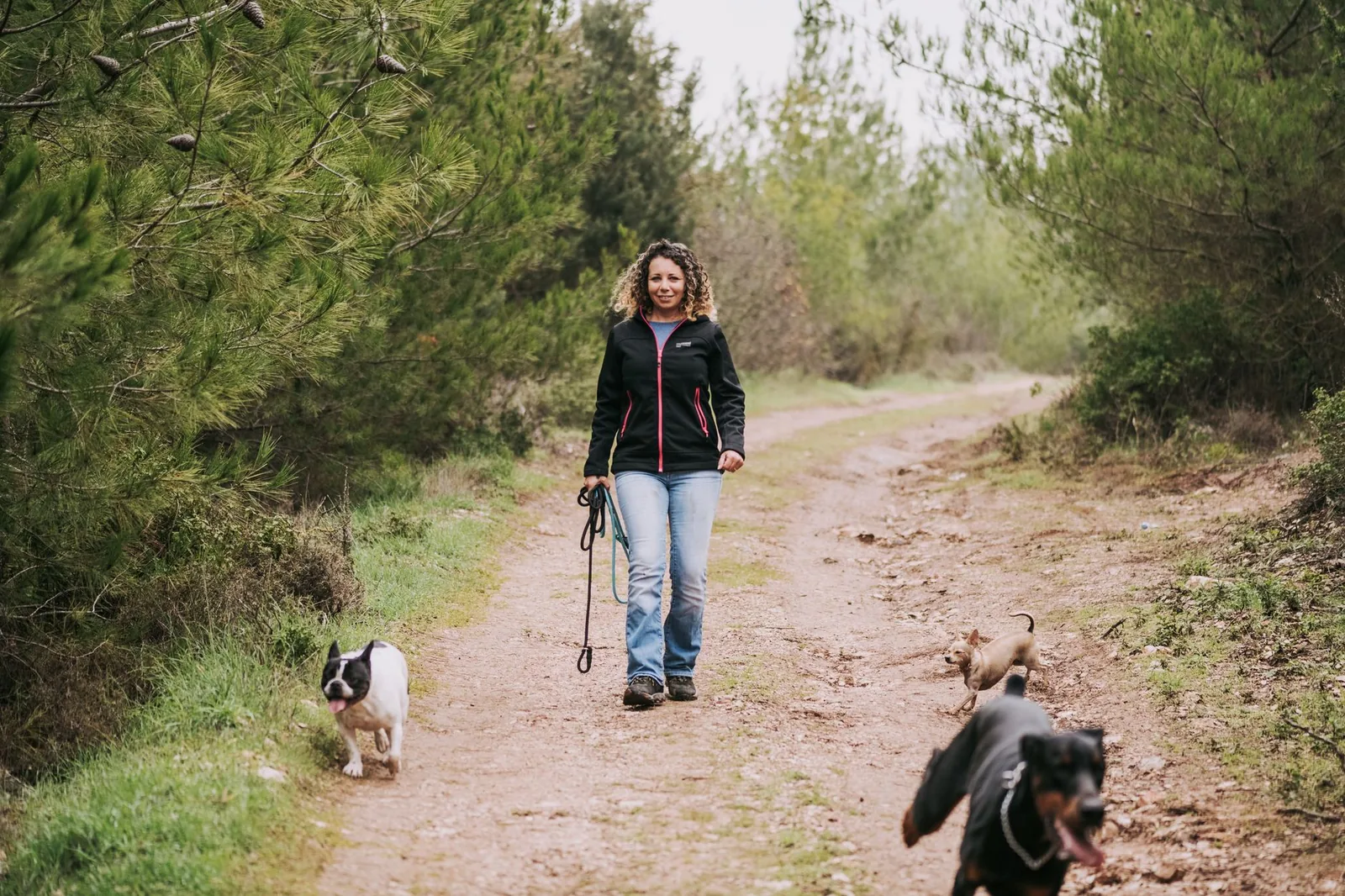
The options that make a working day work
| Option | Typical cost | Suits |
|---|---|---|
| Midday dog walker | $20–$30 per visit | Most working households |
| Neighbor or family visit | Free to nominal | Anyone with a reliable person nearby |
| Doggy daycare, 1–3 days | $30–$50 per day | Confident, sociable dogs only |
| Home boarding or sitter | Varies | Travel weeks rather than daily use |
| Bringing the dog to work | Free | Where genuinely permitted and the dog copes |
| Staggering household schedules | Free | Two-adult households |
Daycare deserves a caveat for this breed: a busy group environment suits some terriers and overwhelms others. Pet Sitters International maintains a directory of professional pet sitters and dog walkers if a quieter one-to-one option fits better.

Which dogs suit a working household
Counterintuitively, the dogs that suit best are often the ones people assume need most.
- Settled adults, four to eight. Past the destructive stage, established routines, generally sleep through a working day.
- Seniors. Frequently the best fit — low activity needs, long naps, and no interest in redecorating.
- Dogs already used to being alone, which the foster carer will have observed and recorded.
- Bonded pairs, occasionally — though two dogs is not a substitute for company if the attachment is to a person.
And which suit least: puppies, retired breeding dogs in early decompression, and any dog with diagnosed separation anxiety. What adopting a retired breeding Westie involves explains why that group needs someone home.
Making the day easier
- Exercise before you leave, and make it sniffing-based rather than a brisk march. A mentally tired dog sleeps.
- Leave a stuffed food toy as you go, which occupies the first thirty minutes — the hardest part.
- Keep departures undramatic. Long goodbyes raise the stakes.
- Leave background sound to mask the outside noises that trigger alerting.
- Film it once, so you actually know how the dog copes rather than guessing.
- Make the evening count — the dog has been waiting all day for it.
The enrichment that fills a day properly is covered in our guide to how much exercise a Westie really needs.

The first weeks are different
However workable your routine is long-term, a newly adopted dog cannot be left for a full day in week one.
Plan time off, or build up gradually from very short absences. A dog left for nine hours on day three learns that you disappear, which is precisely how separation problems start.
What to expect in the first 30 days with a rescue Westie sets out that build-up, and it is worth arranging before the dog arrives rather than after.

Frequently asked questions
Can I adopt a dog if I work full time?
Usually yes, provided the day is broken up. Four to five hours alone at a stretch is comfortable for most adult dogs; eight or nine unbroken is not, and few rescues will place a dog into that.
How long can a dog be left alone?
Around four hours for a healthy adult as a routine maximum, less for puppies and dogs with medical needs. What matters is the length of a single stretch rather than the daily total.
Will a rescue reject me for working full time?
Not for working. They may decline a particular dog if the hours do not suit it, which is a matching decision rather than a judgment. Being accurate about your schedule gets you a better match, not a worse one.
Would two dogs keep each other company while I work?
Sometimes, but not reliably. If the attachment is to a person, a second dog does not substitute, and you may simply end up with two unhappy dogs.
Is doggy daycare good for a Westie?
It suits confident sociable dogs and overwhelms others. A busy group environment is a lot for a terrier, and a quieter one-to-one walker often works better.

Be specific when you apply
Write down what a real week looks like, including the days that differ, and put that on the application rather than a rounded average.
What makes an adoption application strong explains why understating hours is the most damaging thing you can do, and the Westies currently available note how each one copes with being left. If your schedule genuinely will not suit a dog right now, fostering and the volunteer roles both work around a full-time job.