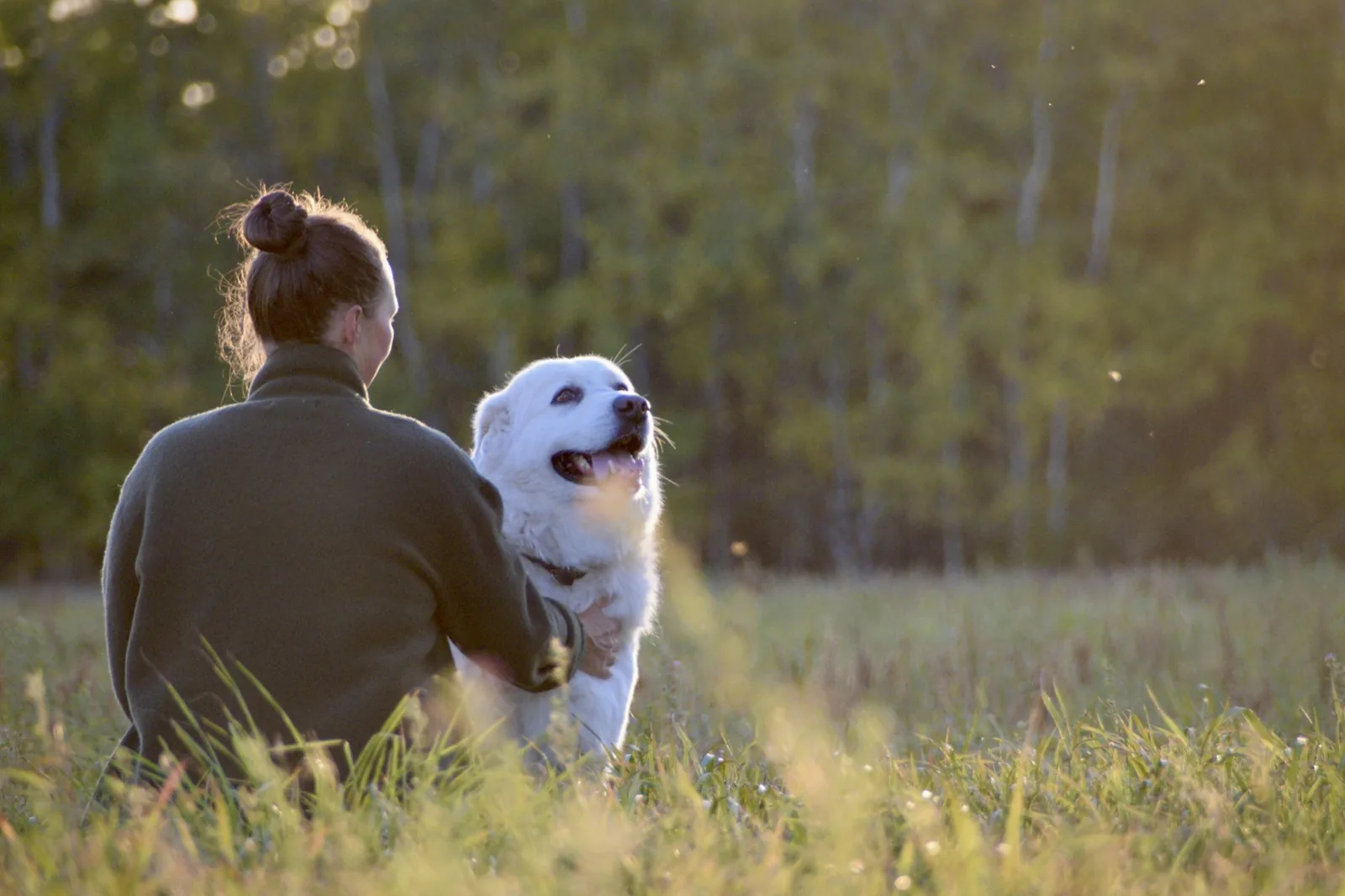
Most people who want to help a rescue assume it means taking a dog into their home, decide they cannot, and stop there.
Fostering is the biggest constraint, but it is not the only one. A small volunteer-run rescue depends on a dozen other jobs, several of which take an hour a month.
The short version
- Foster homes limit how many dogs we can take. Everything else limits how well we do it.
- Transport and home visits are the roles most often short-handed.
- Several roles are entirely remote and can be done around a full-time job.
- No experience is required for most of them. We train.
The roles, and what each actually asks
| Role | Time | Where | Suits you if |
|---|---|---|---|
| Foster carer | Daily, for weeks or months | Your home | You have space and a flexible routine |
| Transport driver | 2–5 hours, occasional | On the road | You drive and can take an occasional weekend leg |
| Home visitor | 1–2 hours per visit | Applicants’ homes | You are comfortable asking straightforward questions |
| Intake and enquiry calls | 2–4 hours a week | Remote | You are calm on the phone with people in difficulty |
| Application processing | 2–3 hours a week | Remote | You are organized and discreet |
| Photography | A few hours a month | Foster homes | You can photograph a moving white dog |
| Fundraising and events | Seasonal | Local | You enjoy organizing and talking to people |
| Social media and website | 1–2 hours a week | Remote | You can write clearly and post consistently |
| Veterinary liaison | Ad hoc | Remote and clinics | You are methodical about records |
Transport: the most underrated job
A dog rarely goes straight from surrender to foster home. It may need to reach a vet, move between foster placements, or travel to meet an adopter.
Across six states, that adds up to a lot of driving, and it is the role most often short-handed at short notice.
- You take one leg, often an hour or two, sometimes handing over to another driver.
- We provide the crate and cover fuel costs if you want them covered.
- No dog handling experience needed beyond being calm and careful.
- It is genuinely flexible. Say yes when you can and no when you cannot.
Home visits
Somebody has to see where a dog is going to live. It is less intimidating than it sounds, in both directions.
The visit is mostly practical: fencing, stairs, where the dog will sleep, whether the household matches the application. It is a conversation, not an inspection.
Volunteers are trained, given a checklist, and never sent alone to a first visit until they are comfortable. What matters is being willing to ask the awkward question and record the answer honestly.

The remote roles
If you cannot host a dog, drive or visit homes, these are the jobs that keep the rest of it functioning.
| Role | What it involves | Why it matters |
|---|---|---|
| Enquiry and intake calls | Talking to owners who need to rehome a dog | Often the first contact someone has. Handled well, it sometimes prevents a surrender |
| Application processing | Reading applications, checking references, scheduling | A backlog here stalls every adoption behind it |
| Records and veterinary liaison | Tracking treatments, invoices and appointments | Dogs with complex needs generate a lot of paperwork |
| Photography and listings | Photographing dogs and writing accurate profiles | A good photograph and honest description finds the right home faster |
| Fundraising | Grants, appeals, events, sponsorship | Most of what we spend goes on veterinary care nobody else will fund |
American Humane publishes guidance and research on animal welfare volunteering if you want a wider view of what these roles look like across the sector.

What we ask of volunteers
- Reliability over availability. An hour a month you actually do is worth more than five you intend to.
- Discretion. You will hear why people are giving up their dogs. Those stories are not yours to repeat.
- Honesty in writing. Notes on a dog or a home are what other people make decisions from.
- Saying no when you need to. Rescue burns people out when they will not.
If you cannot volunteer
There are two other things that make a direct difference, and neither takes time.
Sponsoring a dog in our care pays for the veterinary work a foster carer never has to cover, and it is the reason we can take dogs that other rescues turn down. One-off donations do the same thing without the commitment.
Sharing a listing also matters more than people think. Most of our adopters first heard about a dog from somebody they know.

Frequently asked questions
Do I need experience to volunteer with a dog rescue?
For most roles, no. Transport, admin, photography and fundraising need no dog handling experience at all. Fostering and home visits come with training and support.
How much time does volunteering take?
It depends entirely on the role. Transport can be a few hours occasionally; application processing is a couple of hours a week; fostering is daily for the length of a placement.
Can I volunteer if I already have dogs?
Yes. It is often an advantage, particularly for fostering, where a steady resident dog helps a newcomer settle. We check that the dogs will suit each other.
Do you cover volunteer expenses?
Yes, on request. Fuel for transport runs and supplies for foster homes are covered. Nobody should be out of pocket for volunteering.
What if I can only help occasionally?
That is genuinely useful. Transport and event help work well on an occasional basis, and a reliable occasional volunteer is worth more than an overcommitted one.
Getting started
The first step is a conversation rather than a commitment. Our volunteer page lists what we currently need, and the foster and adoption application is the same form for fostering — you tell us what you are offering.
If fostering is what interests you, what fostering a Westie actually involves covers the costs, the timescales and the goodbye. And if you came here because you can no longer keep your own dog, the surrender and rehoming page is the right place to start instead.