
You go home with a dog and a folder. The dog gets all the attention, which is as it should be, and the folder goes in a drawer.
It is worth twenty minutes. Two of the things in it need acting on within the first week, and one of them is the reason lost dogs get home.
The short version
- Update the microchip registration to you. Nothing else in the folder is as urgent.
- Take the whole folder to your first veterinary appointment.
- Photograph everything, so a copy exists somewhere other than the drawer.
- Ask about anything missing while the rescue still has it to hand.
What should be in the folder
| Document | What it is for |
|---|---|
| Adoption contract | Your copy of what you agreed |
| Vaccination record | What was given, when, and when it is next due |
| Microchip number and registry | The number, and which database holds it |
| Spay or neuter certificate | Proof of the procedure and its date |
| Veterinary history | Everything done while the dog was in rescue |
| Current medication and dosing | Names, doses, and how long the supply lasts |
| Diet and routine notes | What the dog eats and when, from the foster home |
That last row is easy to overlook and prevents a week of digestive upset — our guide to feeding a Westie explains why changing food abruptly causes trouble.
The microchip, and why it comes first
A microchip is a number, not a tracker. It only works if the number is registered to someone reachable.
At adoption that registration usually still points at the rescue or the previous owner. Until you change it, a dog found two streets away leads a shelter to a phone number that is not yours.
- Find the chip number on the paperwork, and confirm which registry holds it.
- Contact that registry and transfer the record into your name.
- Add a second contact, someone reachable if you are away.
- Ask your vet to scan the dog at the first appointment and read the number aloud, so you know the paperwork matches the dog.
- Update it again if you move. An out-of-date address is the commonest failure.
Identification is the practical half of escape-proofing — our guide to escape-proofing for terriers covers the other half.

Reading the vaccination record
| You may see | What it means |
|---|---|
| DA2PP or DHPP | The core combination vaccine |
| Rabies, with a tag number | Legally required; keep the certificate |
| Bordetella | Kennel cough; often required by boarding facilities |
| Leptospirosis | Common in New England; risk-based |
| Titer results | Blood test showing existing immunity |
| “Due” dates | When the next dose is needed, not when protection stops |
What is due and when varies by dog and by state — our guide to vaccinations and preventive care for an adopted dog sets out the usual pattern.
When something is missing
Gaps are normal and worth asking about early, while the rescue still has the file open and the foster carer still remembers.
The contract is the one document worth reading properly rather than filing — our guide to what an adoption contract actually commits you to goes through the clauses that matter.
- No history before intake. Common with strays and seizures. Say so to your vet rather than guessing.
- No neuter certificate. A vet can usually confirm surgically or by examination.
- Unknown date of birth. Almost always an estimate from dentition. Treat it as approximate.
- Medication with no written dose. Do not guess. Call before the next one is due.
- A microchip that scans but is unregistered. Register it yourself; the number is still perfectly usable.

What to do with it all
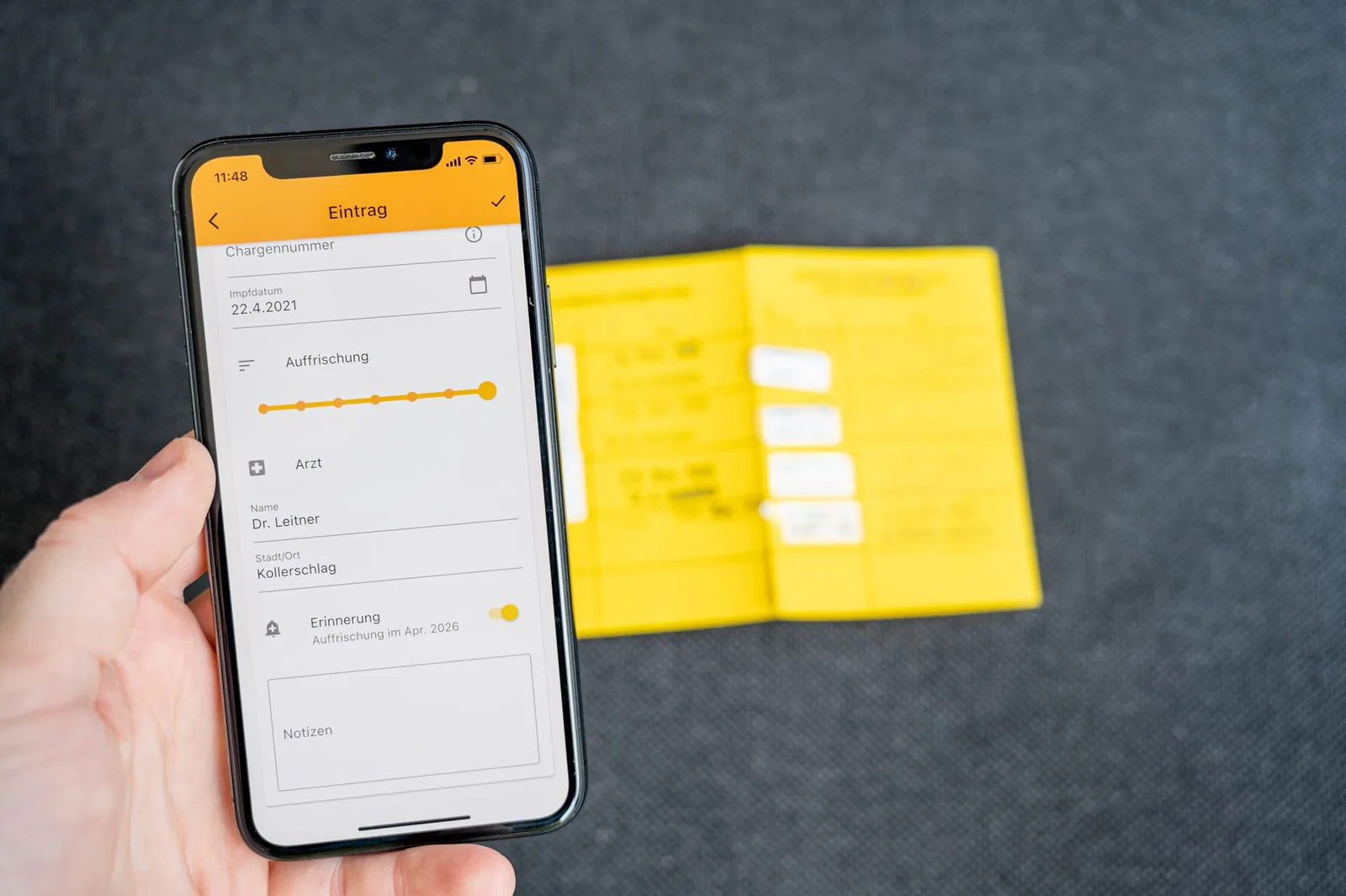
Photograph every page and keep the images somewhere you can reach from a phone. In an emergency at eleven at night, a drawer at home is no use.
Take the originals to your first appointment and let your new vet copy what they need into their own system. After that, keep adding to the same folder so the dog’s history stays in one place.
The American Animal Hospital Association publishes standards and owner guidance on veterinary care and records, which sets out what a practice should be keeping on your behalf.

Frequently asked questions
What paperwork should I get when I adopt a dog?
An adoption contract, vaccination record, microchip number and registry, spay or neuter certificate, veterinary history from intake onward, current medication details, and notes on diet and routine.
Do I need to update the microchip myself?
Yes, and it is the most urgent thing in the folder. At adoption the registration usually still points at the rescue or a previous owner, so a found dog leads to the wrong phone number.
What if my rescue dog has no history before it came into rescue?
That is common with strays and seizure cases. Tell your vet plainly rather than estimating. They will work from examination and from the rescue’s own records instead.
Is my dog’s stated age reliable?
Usually an estimate based on teeth, and it can be out by a year or two in either direction. It is close enough for care decisions but should not be treated as a birthday.
What should I take to the first vet appointment?
The whole folder, not a summary. Your vet will read more from the original records than from a description, and will want to copy the relevant parts into their own system.

What we send home
Every dog leaves us with its full file, including the parts that are incomplete, because a gap you know about is more useful than a tidy summary that hides one.
The veterinary care every rescue Westie receives lists what is completed before placement, and our guide to choosing a vet for a rescue dog covers that first appointment.