Category: Life Style

  • Dog Dental Care: The Problem Westie Owners Underestimate

    Dog Dental Care: The Problem Westie Owners Underestimate

    Ask a Westie owner what the breed’s big health problem is and they will say skin. In primary-care data, dental disease outranks it — it is the single most common thing Westies are diagnosed with.

    It is also painful, progressive, and almost entirely preventable, which makes it the most worthwhile thing most owners are not doing.

    The short version

    • Dental disease affects most dogs by age three, and it tops the list in this breed.
    • Bad breath is not normal. It is bacteria.
    • Anesthesia-free cleaning does not treat disease below the gum line, which is where it is.
    • Brushing is the only home measure with real evidence behind it.
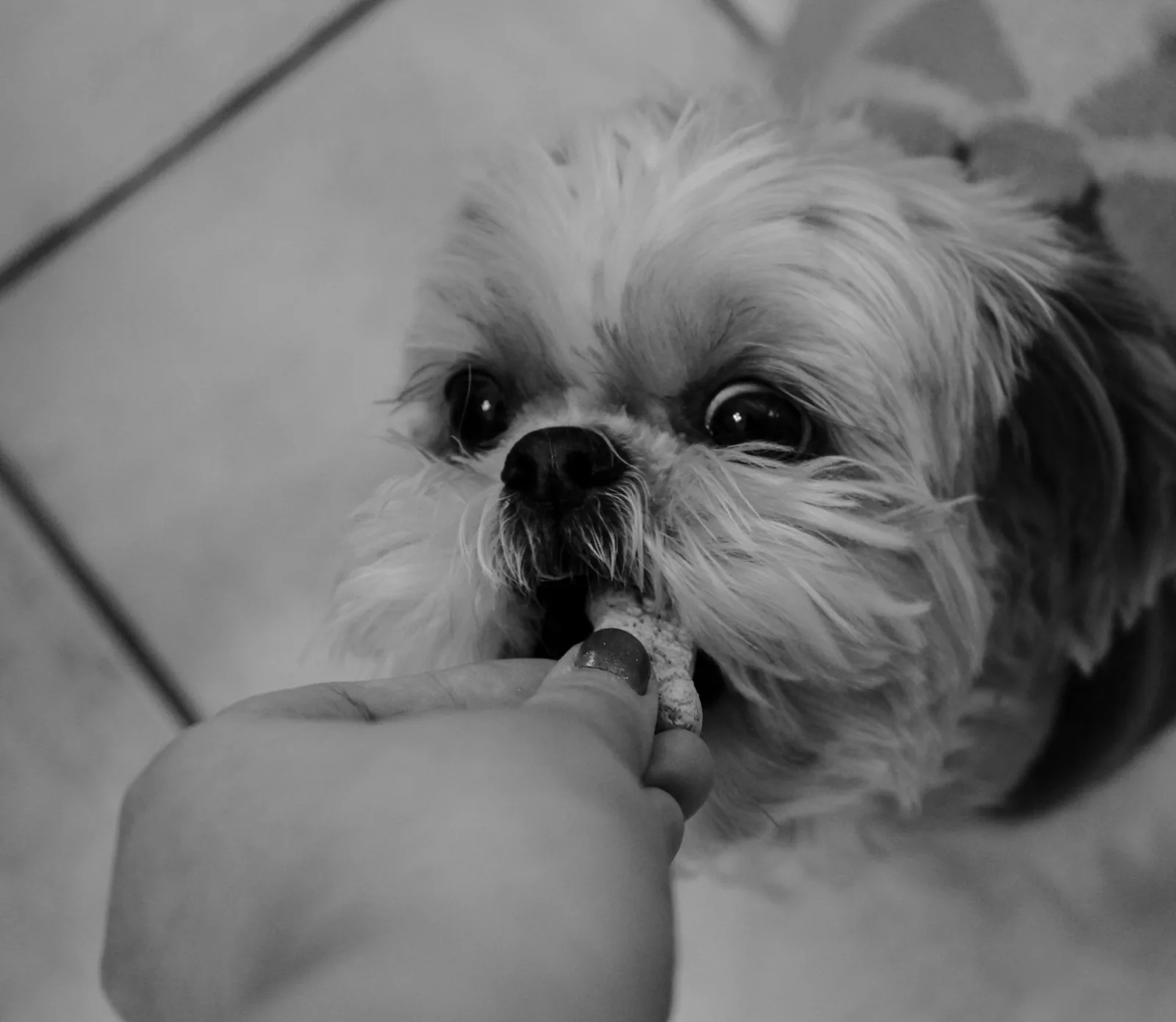
    A small dog having its teeth brushed with a toothbrush
    Photo by Meagan Barr on Unsplash

    Why small breeds get it worse

    A Westie fits the same 42 teeth into a much shorter jaw than a Labrador. Crowding traps plaque, plaque mineralizes into tartar, and tartar drives inflammation under the gum.

    From there it becomes bone loss, loose teeth and chronic infection. The bacteria do not stay in the mouth, which is why untreated dental disease is linked to heart and kidney problems.

    What the stages look like

    StageWhat you can seeWhat it needs
    HealthyPink gums, white teeth, neutral breathBrushing and annual checks
    GingivitisRed gum line, mild odorCleaning; fully reversible at this point
    Early periodontitisTartar, receding gums, clear odorProfessional cleaning with X-rays
    Established diseaseLoose teeth, bleeding, strong odorCleaning plus likely extractions
    AdvancedMissing teeth, facial swelling, reluctance to eatSurgery, and the dog has been in pain for a long time
    Only the first two stages are reversible. Everything below involves bone that does not grow back.
    A veterinary team working on a dog in a clinical setting
    Photo by engin akyurt on Unsplash

    The signs owners miss

    Dogs almost never stop eating because of dental pain. They adapt, which is exactly why it goes unnoticed for years, and why new irritability in an older dog is worth reading alongside what changes in a Westie after ten.

    • Bad breath — the most reliable early sign, and the most normalized.
    • Chewing on one side, or dropping food.
    • Pawing at the mouth, or rubbing the face along furniture.
    • Reluctance to take hard treats that used to be welcome.
    • New irritability when the head or muzzle is touched.
    • Blood on toys or in the water bowl.

    Anesthesia-free cleaning

    It is marketed as a gentler alternative and it is not one. Scaling a conscious dog removes visible tartar from the crown while leaving disease below the gum line untouched.

    The teeth look better, the owner is reassured, and the actual disease continues. It also cannot include the dental X-rays that reveal most of what matters.

    The American Veterinary Dental College sets out the professional position on anesthesia-free dental procedures and veterinary dental standards, which is worth reading before booking one.

    A dog chewing on a dental treat
    Photo by James Lacy on Unsplash

    What a proper cleaning involves and costs

    ComponentWhy it mattersTypical cost
    Pre-anesthetic bloodworkChecks organ function before sedation$80–$200
    Anesthesia and monitoringAllows work below the gum line safely$200–$400
    Full-mouth dental X-raysMost disease is invisible above the gum$100–$200
    Scaling and polishingRemoves plaque and smooths the surface$100–$200
    Extractions, if neededRemoves teeth already lost to disease$50–$150 each
    A routine cleaning commonly totals $300–$700. With extractions it can reach $1,000–$2,000, which is the argument for prevention.

    Anesthesia worries most owners, understandably. Modern protocols with pre-anesthetic bloodwork and monitoring are low-risk even in older dogs, and the risk of leaving infection untreated is generally higher.

    The home routine that actually works

    1. Brush daily if you can, three times a week minimum, with dog toothpaste. Human toothpaste is toxic to dogs.
    2. Build up slowly. A week of just touching the muzzle, then lifting the lip, then a finger brush, then the toothbrush.
    3. Focus on the outer surfaces of the upper back teeth, where tartar accumulates fastest.
    4. Use products with proven plaque control rather than whatever smells appealing.
    5. Check the gums monthly, lifting the lip on both sides.

    Dental chews and water additives help at the margins. None of them substitute for brushing, and hard chews such as antlers and bones crack teeth — slab fractures on the upper premolars are a common result.


    A person lifting a dog’s lip to check the gums
    Photo by Giorgio Trovato on Unsplash
    An older dog resting quietly after a veterinary procedure
    Photo by Eugene Chystiakov on Unsplash

    Dental work at intake

    Dental treatment is usually the first thing we fund for an incoming Westie, and frequently the largest single cost of a placement.

    Many arrive with disease advanced enough to need multiple extractions. The change afterwards is often striking — dogs described as withdrawn or grumpy turn out to have been in constant pain.

    The veterinary care every rescue Westie receives covers what is done before placement, our adoptable dogs page notes any dental work already completed, and sponsoring a dog in our care is what pays for it.

    A white terrier with a relaxed, open-mouthed expression
    Photo by Benoît Deschasaux on Unsplash

    Frequently asked questions

    How often do dogs need dental cleaning?

    Most small breeds benefit from professional cleaning every one to three years, starting around age two or three. Your vet should assess the mouth at every annual visit and tell you when it is due.

    Is anesthesia-free dog teeth cleaning safe?

    It is not the risk that is the problem, it is that it does not work. Scaling a conscious dog cannot address disease below the gum line, where periodontal disease actually is, and cannot include diagnostic X-rays.

    Is dog dental cleaning worth the cost?

    Routine cleaning at $300 to $700 is considerably cheaper than treating established disease at $1,000 to $2,000, and it prevents years of pain the dog will not show you.

    Do dental chews replace brushing?

    No. Chews with demonstrated plaque control help at the margins, but brushing is the only home measure with strong evidence. Avoid antlers, hooves and bones, which fracture teeth.

    Is anesthesia safe for an older Westie?

    Usually yes, with pre-anesthetic bloodwork and proper monitoring. Age alone is not a contraindication, and leaving infection untreated carries its own risk.

    Where this fits

    Dental disease sits alongside ear disease, overgrown nails and weight in the group of common problems that are largely within an owner’s control — our guide to what the breed is actually prone to ranks them. Coat and nail care are covered in the Westie grooming guide, and weight in our guide to feeding and portions.


  • Cold Weather Care for a Westie: A New England Guide

    Cold Weather Care for a Westie: A New England Guide

    A Westie’s harsh double coat handles cold better than most small breeds, but two New England hazards hit this breed harder than others: de-icing salt, which aggravates skin already prone to disease, and the winter clipping decision, which removes the coat’s insulation.

    The short version

    • Below about 20°F, keep walks short for a dog this size. Below 15°F, very short.
    • Rinse or wipe paws and belly after every walk on treated sidewalks.
    • Do not clip the coat short for winter. The undercoat is the insulation.
    • Seniors, puppies and dogs with medical conditions have far less margin.
    A small dog wearing a fitted coat on a winter walk
    Photo by Dawid Tkocz on Unsplash

    How cold is too cold

    Size matters more than coat. A 17-pound dog has far less mass to hold heat than a Labrador, and wind and damp shift these thresholds sharply.

    TemperatureHealthy adult WestieSenior, puppy or unwell dog
    Above 45°FNo restrictionNo restriction
    32–45°FComfortable; watch wet conditionsConsider a coat
    20–32°FFine for normal walksCoat, and shorter walks
    15–20°FShorten walks; watch for lifted pawsBrief toilet trips only
    Below 15°FBrief trips, coat, monitor closelyOutside only to toilet
    Below 0°FToilet breaks onlyToilet breaks only, supervised
    Wind chill and wet fur both effectively lower these numbers. A damp dog in wind loses heat far faster than the thermometer suggests.

    The signs to turn back are the same at any temperature: shivering, lifting paws, slowing down, whining, or hunching with the tail tucked.

    Close-up of a dog’s paw resting in snow
    Photo by Sydney Moore on Unsplash

    Salt is the New England problem

    De-icing products are the single most common winter complaint in an area that treats its sidewalks heavily, and they matter more in this breed than most.

    • Chemical irritation. Salt draws moisture from the pads and causes cracking and burns.
    • Lodging between the toes, where it keeps working and is hard to see.
    • Ingestion. A dog that licks its feet takes the salt internally, which causes vomiting and worse in quantity.
    • Flare triggering. On skin already predisposed to atopic dermatitis, salt exposure is a reliable way to start a flare.

    The fix has to be every time: rinse the feet and belly on returning, and dry between the toes.

    For a dog already managing skin disease, this is not optional — our guide to why Westies itch and what helps covers why winter is often the worst season for flares.

    The winter grooming mistake

    Many owners clip short in winter to reduce mud and snowballing. It is understandable and usually wrong.

    ApproachEffect in winterVerdict
    Leave the coat at working lengthFull insulation retainedBest for most dogs
    Trim feet and belly onlyLess snow clumping, insulation intactThe practical compromise
    Clip the whole coat shortRemoves the insulating undercoatAvoid
    Skip grooming entirelyMatting, which traps damp against the skinAvoid
    Bathe frequently without dryingStrips oils, chills the dogAvoid
    Trimming the feet and belly while leaving the body coat is what most groomers will recommend for a New England winter.

    The coat mechanics behind this are in our guide to the Westie double coat and how stripping differs from clipping.

    A dog being dried with a towel after coming indoors
    Photo by Hayffield L on Unsplash

    Winter hazards worth knowing

    HazardWhy it mattersWhat to do
    AntifreezeSweet-tasting and lethal in tiny amountsClean spills immediately; treat any suspicion as an emergency
    Frozen ponds and riversSmall dogs go through ice easilyLeash near water; never follow a dog onto ice
    Ice melt in the garageChemical burns and ingestionStore sealed and out of reach
    Space heaters and firesBurns, and knocked-over unitsGuard them; do not leave a dog alone with one
    Cars as shelter for catsCats sleep in warm engine baysKnock on the hood before starting
    Shorter daylightWalking in the dark near trafficReflective harness and a light
    SnowbanksA white dog is genuinely hard to seeA colored coat is a safety item, not a fashion one
    Antifreeze is the one to treat as a true emergency. Signs can appear within an hour and treatment is time-critical.

    The University of Illinois College of Veterinary Medicine publishes seasonal pet health columns covering winter hazards, which are written for owners and are a good place to read further.

    A person walking a small dog along a snowy street
    Photo by Ken Whytock on Unsplash

    Older dogs need more

    Cold worsens arthritis, and stiff joints on ice is how older dogs fall and injure themselves.

    • Warm the dog before going out, and keep the bed away from drafts and off cold floors.
    • Clear and grit a path so a stiff dog is not negotiating ice to toilet.
    • Shorter, more frequent walks rather than one long one.
    • Expect pain to worsen. Many dogs need more pain relief in winter than in summer — ask your vet rather than assuming.
    • Watch weight. Less exercise plus the same food is how spring arrives with an overweight dog.

    What changes with age generally is covered in our guide to caring for an older Westie, and portioning through a less active season in our guide to feeding and weight.

    A dog playing with a toy on a rug indoors
    Photo by Casey Lovegrove on Unsplash

    Keeping a terrier occupied indoors

    Shorter walks mean unspent energy, which becomes barking, digging and destruction. Winter is when behavior complaints rise.

    Mental work substitutes better than exercise. Scatter feeding, snuffle mats and five-minute training sessions tire a Westie efficiently.

    More options are in our guide to terrier barking, digging and prey drive, which covers why enrichment beats distance for this breed.

    A dog curled up asleep under a warm blanket
    Photo by Christian Tan on Unsplash

    Frequently asked questions

    How cold is too cold for a Westie?

    Keep walks short below about 20°F and very short below 15°F, adjusting for wind and wet. Seniors, puppies and dogs with medical conditions should go out only to toilet in those conditions.

    Do Westies need a coat in winter?

    A healthy adult with a full coat usually does not, but seniors, dogs clipped short and dogs with medical conditions benefit. A bright coat also makes a white dog visible against snow.

    How do I protect my dog’s paws from road salt?

    Rinse the feet and belly in lukewarm water after every walk on treated sidewalks, or wipe thoroughly and dry between the toes. Boots work if the dog tolerates them, and paw balm helps with cracking.

    Should I clip my Westie’s coat short in winter?

    No. The undercoat provides the insulation. Trimming the feet and belly reduces snow clumping while leaving the body coat intact, which is the usual compromise.

    Why is my Westie itchier in winter?

    Indoor heating dries the skin, de-icing salt irritates it directly, and damp trapped in a matted coat encourages yeast. All three commonly trigger flares in a breed already prone to allergic skin disease.

    Winter and rescue

    Intake rises through winter, partly because heating bills and veterinary costs land together, and partly because bereavement peaks.

    If costs are what is putting your dog at risk, talk to us through the surrender and rehoming page before it becomes urgent, and sponsoring a dog in our care funds the veterinary work that keeps the ones we take comfortable.

  • Separation Anxiety in Westies: What Helps and What Does Not

    Separation Anxiety in Westies: What Helps and What Does Not

    Westies were developed to work alongside a handler, not to spend nine hours alone. Difficulty with isolation is common in the breed, not a character flaw.

    But not every dog that barks when you leave has separation anxiety, and that distinction decides whether treatment works.

    The short version

    • Film the dog. You cannot treat what you have not actually seen.
    • True separation anxiety is panic. Boredom looks similar and needs the opposite approach.
    • Punishment makes panic worse, without exception.
    • Expect weeks to months. Rushing the plan is the usual reason it fails.
    A person picking up keys and a coat while a dog watches
    Photo by Yue WU on Unsplash

    Three different problems that look the same

    The wrong diagnosis means months of effort aimed at the wrong target.

    Separation anxietyBoredomConfinement distress
    When it startsWithin minutes of you leavingAfter an hour or moreOn being shut in, even with you home
    What you see on cameraPacing, drooling, panting, door scratchingSleeping, then finding something to destroyFrantic escape attempts at the barrier
    Damage locationExit points — doors, windows, framesAnywhere interestingThe crate or gate itself
    VocalizingSustained howling and whiningIntermittent barking at noisesContinuous while confined
    ToiletingCommon, even in a house-trained dogRareCommon
    Eats a stuffed toy when aloneNo — too distressedYes, enthusiasticallyNo
    What actually helpsGraduated desensitizationExercise and enrichmentChange the confinement, not the absence
    The stuffed-toy row is the quickest field test. A panicking dog will not eat.

    If the picture is really boredom, our guide to terrier barking, digging and prey drive is the right starting point instead — the fix there is mental work, not departure training.

    A dog lying alone in a quiet empty room
    Photo by Kari Shea on Unsplash

    Film it before you do anything

    Almost every owner is surprised by the footage.

    1. Set a phone or camera covering the room the dog settles in and the door you leave by.
    2. Leave normally, without a long goodbye, and stay out for thirty minutes.
    3. Watch the first ten minutes closely. That is where the answer is.
    4. Note the timestamp at which the dog settles, if it does. That number is your starting point for training.

    Rule out medical causes too. House soiling only when alone can be anxiety or a urinary problem — the causes worth excluding first are set out separately.

    The method that works

    Graduated desensitization is slow, and the only approach with a good evidence base. The principle: never leave the dog longer than it can currently cope with, because every panic episode sets progress back.

    StageWhat you practiceMove on when
    1. Cue neutralityPick up keys, put on a coat, then sit back downThe dog stops reacting to the cues
    2. Door, no exitOpen the door, close it, stay insideNo reaction across several repetitions
    3. SecondsStep outside, return in 5–10 secondsCalm on your return, every time
    4. MinutesBuild in small increments, varying the lengthComfortable at 20–30 minutes
    5. Longer absencesIncrease in 5–15 minute stepsSettled for 90 minutes
    6. Normal lifeOrdinary absences of several hoursMost dogs able to cope with a working day
    Ninety minutes is the usual threshold: a dog comfortable there is generally comfortable for much longer.

    Vary the durations rather than always increasing them.

    A chewed toy left on a carpeted floor
    Photo by Pete Alexopoulos on Unsplash

    What helps alongside the plan

    • Exercise before departure, ideally sniffing-based rather than physical.
    • A food toy as you leave, which doubles as a daily test of progress.
    • Undramatic departures and returns. Long goodbyes raise the stakes.
    • Background sound masking the noises that trigger alerting.
    • A consistent safe space the dog chose, not one you assigned.
    • Daycare, a sitter or a neighbor during training, so the dog is never left beyond its threshold.

    That last point is the one people skip, and every over-long absence undoes several sessions. What is normal in a brand-new adoption is covered in the first 30 days with a rescue Westie.
    What does not help

    ApproachWhy it fails
    Punishment on returnThe dog associates your arrival with anger, raising anxiety
    Getting a second dogAttachment is usually to you specifically; often produces two anxious dogs
    Bark collarsSuppresses the symptom and increases the underlying panic
    Flooding — leaving longer to “get used to it”Repeated panic sensitizes rather than habituates
    Ignoring the dog entirely at homeOld advice, no good evidence, and unkind
    A crate, for a dog with confinement distressAdds a second trigger to the first
    Academic veterinary behavior services publish guidance consistent with this.

    The University of Wisconsin School of Veterinary Medicine is one of several academic centers offering behavior referrals, if you want that rather than a trainer.

    A dog resting calmly on a mat near a doorway
    Photo by Bianca Ackermann on Unsplash

    When medication is appropriate

    Medication is not an admission of failure. A panicking dog cannot learn, so reducing panic to a level where new associations can form is the point.

    This is a conversation for your vet. Over-the-counter calming supplements have a much weaker evidence base.

    A dog working at a stuffed food toy on the floor
    Photo by Maria João Correia on Unsplash

    Newly adopted dogs are a special case

    A dog in its first two weeks will often follow you room to room and protest when you leave. That is usually not anxiety but a dog that has lost everything familiar twice, and most of it resolves as the routine becomes predictable.

    Start short absences early. A month of constant company followed by a full working day is how genuine anxiety gets created.

    A dog sleeping peacefully on its own bed
    Photo by Amy Humphries on Unsplash

    Frequently asked questions

    How do I know if my Westie has separation anxiety or is just bored?

    Film it. Anxiety starts within minutes and shows as pacing, drooling, panting and damage at exit points. Boredom starts later and the dog will happily eat a stuffed food toy, which a panicking dog will not touch.

    How long does it take to treat separation anxiety?

    Commonly a few weeks to a few months, depending on severity and how consistently the plan is followed. The most common reason it fails is leaving the dog beyond its threshold during training.

    Will getting another dog help?

    Usually not. Separation anxiety is normally attachment to a specific person, so a second dog does not substitute and may simply become anxious too.

    Can Westies be left alone all day?

    Most cope poorly with routine nine-hour absences. Long isolation is a common trigger for barking, digging and destruction.

    Is medication necessary for separation anxiety?

    Not always, but for severe cases it often makes the behavior work possible, because a panicking dog cannot learn. It is usually temporary and should be discussed with your vet.

    If it is not improving

    Severe separation anxiety is one of the harder behavior problems and a legitimate reason to get professional help. It is also a common reason dogs are given up.

    If you are reaching that point, our guide to your options opens with the problems that turn out to be solvable, and the surrender and rehoming page is where to reach us. Any dog on our adoptable dogs page comes with an honest note on how it copes alone.

  • Pet Insurance for a Westie: What to Know Before You Buy

    Pet Insurance for a Westie: What to Know Before You Buy

    Insurance is worth more in this breed than most, for a specific reason: the condition you are most likely to claim for is chronic, expensive and permanently excluded once diagnosed. Timing is the whole game.

    The short version

    • Insure before any sign of skin disease appears. After a diagnosis it is excluded for life.
    • No policy anywhere covers pre-existing conditions. That is the industry norm, not a bad insurer.
    • Compare annual limits and payout rules, not headline monthly premiums.
    • Premiums rise every year as the dog ages. Budget for that, not for year one.
    A person reading through an insurance policy document
    Photo by Kelly Sikkema on Unsplash

    Why timing matters more for Westies

    Atopic dermatitis affects a substantial share of the breed and typically first appears between six months and three years old.

    It is lifelong, it needs ongoing medication, and severe cases can run to several thousand dollars a year. It is also, in insurance terms, exactly the sort of thing that becomes uninsurable the moment it is written in a clinical record.

    When you insureWhat happens to a later skin diagnosis
    Before any signs, dog under 1Covered, subject to the usual waiting period
    Before any signs, adult dogCovered, subject to the usual waiting period
    After one recorded episode of itchingUsually excluded, even without a diagnosis
    After a formal diagnosisExcluded permanently
    After a diagnosis, then 6+ months symptom-freeOccasionally reconsidered, at the insurer’s discretion
    Note row three. A vet note saying “itchy paws” is often enough to trigger an exclusion, with no diagnosis involved.

    What that condition actually involves is set out in our guide to why Westies itch and what helps, including realistic annual management costs.

    A calculator resting on a stack of bills on a desk
    Photo by FIN on Unsplash

    The four policy types

    TypeWhat it coversTypical monthlyVerdict for a Westie
    Accident onlyInjuries, not illness$10–$20Poor fit — this breed’s costs are illness, not accidents
    Annual limitAccident and illness, capped and reset each year$30–$60Workable, but a chronic condition can exhaust the cap
    Per-condition limitA fixed pot per condition, for life$30–$55Risky here — skin disease will consume the pot and then stop
    LifetimeAnnual limit that resets each year, for the dog’s life$45–$90The only type that reliably suits a chronic-condition breed
    Indicative ranges for a healthy adult small dog. Age, location and chosen excess move them substantially.

    For a breed whose defining problem is chronic and lifelong, a per-condition limit is the trap. It looks competitive and then stops paying in year three, when the condition is uninsurable elsewhere.

    The North American Pet Health Insurance Association publishes industry data and plain-language explanations of how pet policies work, which is a neutral place to read about terms before talking to a seller.

    A young white terrier playing on grass
    Photo by Malin K. on Unsplash

    What to compare, in order

    1. Annual limit and whether it resets. The single most important term for this breed.
    2. Reimbursement percentage. Commonly 70, 80 or 90 percent after the excess.
    3. Deductible structure. Annual is generally better than per-condition.
    4. Waiting periods. Days for accidents, weeks for illness, sometimes months for orthopedic conditions.

    5. Bilateral condition clauses. If one knee is treated, the other may be excluded — relevant given patellar luxation in small breeds.

    6. Whether prescription diets and behavioral treatment are included. Often not, and both are relevant here.
    7. How premiums change with age, and whether the insurer can drop coverage.

    The exclusions that catch people out

    ExclusionWhat it means in practice
    Pre-existing conditionsAnything noted before cover started, diagnosed or not
    Waiting-period conditionsSigns appearing in the first days or weeks are treated as pre-existing
    Bilateral conditionsA problem in one joint can exclude the matching one
    Preventive careVaccinations, dental cleaning and parasite control, unless a wellness add-on is bought
    Dental diseaseFrequently excluded or heavily limited — and it is the commonest finding in the breed
    GroomingNever covered, including medicated bathing in most policies
    Breeding and pregnancyStandard exclusion
    Dental is worth checking closely. It tops the list of what Westies actually present with, and coverage varies more than any other term.

    The prevalence figures behind that last point are in our guide to what this breed is actually prone to.

    A veterinarian discussing treatment with a dog owner
    Photo by Kit (formerly ConvertKit) on Unsplash

    Is it worth it?

    It depends on whether you could absorb a $4,000 year without borrowing. If you could, self-insuring into a dedicated account is legitimate.

    InsuranceSelf-insuring
    Monthly costFixed, rising with ageWhatever you choose to set aside
    Covers a bad first yearYes, immediately after waiting periodsOnly if you saved enough
    Chronic conditionsYes, if insured before diagnosisYes, but you fund it forever
    Money if never claimedGoneStill yours
    Discipline neededNoneConsiderable
    Best forMost households, and any dog under twoPeople with genuine reserves
    The worst outcome is neither — intending to save, not saving, and facing the bill anyway.
    A person writing figures in a notebook at a table
    Photo by Jakub Żerdzicki on Unsplash

    If you are adopting

    Take out cover on the day the dog comes home rather than two weeks later. Anything that appears in the gap counts against you.

    Everything already diagnosed is disclosed to you before adoption — the veterinary care every rescue Westie receives sets out what is checked and treated first, and our adoption fees page explains what the fee itself covers.

    A white terrier running happily across open grass
    Photo by Raul Ling on Unsplash

    Frequently asked questions

    Does pet insurance cover Westie skin allergies?

    Only if the policy started before any sign of skin disease was recorded. Once itching appears in a clinical note, it is generally excluded as pre-existing, whether or not it was formally diagnosed.

    When should I insure a Westie?

    As early as possible, and on the day an adopted dog comes home. Atopic dermatitis typically appears between six months and three years, and insuring after that point excludes the thing you most need covered.

    How much does pet insurance cost for a Westie?

    Commonly $30 to $90 a month for accident and illness cover, depending on age, location, deductible and policy type. Premiums rise every year as the dog ages.

    What type of policy is best for this breed?

    A lifetime policy with an annual limit that resets. Per-condition limits are a poor fit, because a chronic skin condition exhausts the pot and cannot then be insured elsewhere.

    Is pet insurance worth it for a rescue dog?

    Usually yes, and it should start on homecoming day. Conditions already documented will be excluded, but everything new is covered, and adopted dogs are often at an age where costs are about to rise.

    A note on why this matters to us

    A meaningful share of the dogs that reach rescue arrive because a diagnosis outran what a household could pay. Uninsured chronic skin disease is one of the commonest versions of that story.

    If cost is what is putting your dog at risk, talk to us through the surrender and rehoming page before it becomes a crisis, and sponsoring a dog in our care is what funds treatment for the dogs where nobody could.

  • Hospice and End-of-Life Care for a Westie

    Hospice and End-of-Life Care for a Westie

    Nobody reads this until they need it. If you are here now, the situation has probably already changed.

    This sets out what hospice care involves and how to assess quality of life without relying on the moment. Written plainly, because vagueness does not help here.

    The short version

    • Hospice care means treating comfort as the goal once a cure is no longer the goal.
    • Score quality of life on paper, weekly. Memory adjusts to decline; a record does not.
    • Planning the day in advance removes an enormous amount of avoidable distress.
    • Grief for a dog is real grief, and support exists for it.
    An old dog asleep on a blanket in a warm room
    Photo by Claudio Carrozzo on Unsplash

    What hospice care actually means

    It is not giving up, and it is not doing nothing. It is a deliberate change of goal — from extending life to protecting the quality of it.

    Curative careHospice care
    GoalTreat or reverse the diseaseComfort and dignity
    Typical measuresSurgery, chemotherapy, aggressive interventionPain control, appetite support, mobility aids, nursing
    DiagnosticsExtensive, to guide treatmentOnly where they change comfort
    Vet visitsFrequent and clinicalFewer; home visits where possible
    Success measured byTest results and survival timeGood days versus bad days
    DurationUntil the disease is resolved or is notDays to many months, depending on the condition
    The two are not opposites, and the change is rarely made in a single moment.

    Many older Westies live comfortably in this phase for months. What changes in a Westie after ten covers the stage before this one.

    The practical side of comfort

    • Pain control is the foundation. Ask for a plan rather than a prescription, and ask what to do when it stops being enough.
    • Grip and warmth. Non-slip runners, an orthopedic bed, a coat. Older dogs in decline lose the ability to regulate temperature.
    • Bring resources to the dog. Water, food and bedding on one level, close together.
    • Accept appetite changes. Warm the food, hand feed, allow things you would not normally allow. Calories now matter more than diet purity.
    • Manage continence without shame. Washable bedding, belly bands, more frequent trips out. The dog is not being disobedient.
    • Protect sleep. Restless nights are often pain or cognitive change and are usually treatable.
    A veterinarian talking quietly with a dog owner in a consulting room
    Photo by Werzk Luuuuuuu on Unsplash

    Assessing quality of life honestly

    Decline is gradual, and people adjust to it without noticing. A written score, kept weekly, is the single most useful tool available.

    What to scoreAsk yourselfConcerning when
    PainIs it controlled on the current plan?Breakthrough pain between doses
    AppetiteIs the dog eating enough to hold weight?Refusing favorite food
    HydrationDrinking normally, or needing fluids?Persistent dehydration
    HygieneCan the dog stay clean and dry?Soiling itself and unable to move away
    MobilityCan it get up, get out, get to water?Falling, or unable to rise unaided
    InterestDoes it still greet you, or want company?Withdrawn from everything
    Good daysDo good days outnumber bad?The ratio has reversed
    Score each out of five weekly and keep the sheet. The trend line matters far more than any single day.

    One further test many people find clarifying: name three things your dog genuinely enjoys while it can still do them. When it can no longer do any of the three, you have an answer that does not depend on how you feel today.

    A person’s hands resting gently on an old dog’s paw
    Photo by Shane on Unsplash

    Planning ahead

    The hardest version of this decision is the one made at two in the morning in a crisis. Almost all of that can be avoided.

    1. Ask your vet what to expect. Specifically: what will the end stage of this condition look like, and what should trigger a call?
    2. Find out about home euthanasia now, not later. Many areas have vets who will come to you, and they book up.
    3. Decide about aftercare in advance — individual or communal cremation, burial where legal, what you want returned.
    4. Agree it within the household, so nobody is making the decision alone or relitigating it in the moment.
    5. Write down your threshold. The line you set while calm is usually wiser than the one you would draw in distress.
    An elderly dog lying in the sun in a garden
    Photo by Mustafi Numann on Unsplash

    Afterwards

    Grief for a dog is frequently underestimated, including by the people feeling it. Fifteen years of daily routine ends at once, and the house is arranged around an absence.

    It is common to feel it more sharply than expected, and to feel guilty about the timing in both directions. Almost everyone does.

    The Association for Pet Loss and Bereavement offers pet loss support groups and grief resources, including moderated chat support, if talking to someone would help.

    Our own Rainbow Bridge page remembers the dogs who came through this rescue.

    A worn dog collar resting on a wooden table
    Photo by Lepeto on Unsplash
    A quiet footpath running between trees
    Photo by Leo_Visions on Unsplash

    Hospice dogs in rescue

    Some dogs arrive with us knowing they will not be adopted. An owner has died, or a diagnosis has made care impossible, and what the dog needs is somewhere to finish comfortably.

    Our long-term care and hospice program exists for exactly those dogs. They stay in foster homes, their treatment is funded, and they are not passed on again.

    It is the most expensive thing we do and the least visible. Sponsoring a dog in long-term care is what pays for it.

    Frequently asked questions

    What does hospice care for a dog involve?

    Shifting the goal from curing a condition to keeping the dog comfortable: pain control, mobility and hygiene support, appetite management, and fewer clinical interventions. It can last days or many months.

    How do I know when it is time?

    Score quality of life weekly on paper rather than judging in the moment. When pain is no longer controlled, when the dog can no longer stay clean or rise unaided, or when bad days outnumber good ones, discuss it with your vet.

    Should I be present at the end?

    That is entirely your choice and there is no wrong answer. Many people find it helps both them and the dog; others cannot, and that is not a failure of love.

    Can euthanasia be done at home?

    In most areas, yes. Home visits let the dog stay somewhere familiar and avoid a final car journey. Ask your vet early, because availability is limited.

    Should my other dogs see the body?

    It is generally advised. Dogs allowed to see and smell a companion after death tend to show less searching behavior, though they may still be subdued for some weeks.

    If you need help now

    If cost is what is standing between your dog and adequate pain control, say so to your vet before you decide anything. Payment plans and charitable funds exist and are underused.

    If you can no longer provide the care your dog needs, please talk to us through the surrender and rehoming page rather than waiting. And if you are considering giving a home to a dog in this position, the Westies currently in our care will say plainly which ones they are.

  • House Training an Adult Rescue Dog: A Practical Method

    House Training an Adult Rescue Dog: A Practical Method

    Adult dogs usually learn house training faster than puppies. They have bladder control a puppy does not, and they generalize more quickly.

    What slows it down is almost never the dog. It is an unclear schedule, punishment, or an undiagnosed medical problem.

    The short version

    • See a vet first if a previously reliable dog starts soiling indoors.
    • Supervision plus schedule beats correction, every time.
    • Most adult rescue dogs are reliable within two to four weeks.
    • Dogs from kennels or breeding operations take considerably longer — months, not weeks.
    A small dog sniffing the grass in a garden early in the day
    Photo by Charlie Dogaong on Unsplash

    Rule out the medical causes first

    This is not a formality. A meaningful share of house soiling has a physical cause, and no amount of training fixes it.

    Sign alongside the accidentsPossible cause
    Straining, frequent small amounts, bloodUrinary tract infection or stones
    Drinking much more than usualKidney disease, diabetes, Cushing’s
    Leaking while asleepUrinary incontinence, common in spayed females
    Loose or urgent stoolsParasites, diet intolerance, colitis
    Sudden onset in an older dogCognitive dysfunction, arthritis pain on the stairs
    Accidents only when aloneSeparation distress rather than house training
    A urine sample at the first appointment saves a second visit. Collect it in a clean container the same morning.

    The last two rows overlap with what changes in an older Westie and with separation distress and other terrier behavior, both of which need a different approach entirely.

    A dog lying calmly inside an open crate with soft bedding
    Photo by Ayla Verschueren on Unsplash

    The schedule that works

    House training is a numbers game. You are trying to make the right choice happen so often that it becomes the default.

    WhenWhy it matters
    First thing on wakingThe fullest bladder of the day
    Within 15 minutes of every mealEating stimulates the gut reliably
    After every napShort sleep still fills the bladder
    After play or excitementArousal increases urgency
    Before being left aloneRemoves the most likely accident window
    Last thing at nightSets up a clean night
    Every 2–3 hours otherwise, at firstStretch the interval as reliability builds
    Adult dogs need out at least four times daily even once fully trained. During training, far more.
    1. Go out with the dog, every time. You cannot reward what you did not see, and a dog let out alone often comes back in and then goes.
    2. Stand still and be boring until the dog performs. Sniffing time is part of the process.
    3. Reward within three seconds, outdoors, with something genuinely good. Three seconds is the window that teaches.
    4. Then have the walk or the play as a second reward, rather than ending the fun the moment the dog goes.

    Supervision, and what to do about accidents

    Between outings, the dog is either where you can see it, or somewhere it is unlikely to soil. That is the whole method.

    • Use a crate or a small safe room when you cannot watch. Most dogs will not soil where they sleep — with one important exception below.
    • Close doors. Free run of a house is what lets a dog slip away to a spare room.
    • Learn the pre-signal. Circling, sudden sniffing, heading for a door or leaving the room usually precedes an accident by seconds.
    • Interrupt gently if you catch it, with a light clap or a cheerful noise, then straight outside and reward if the dog finishes there.
    • Never punish after the fact. The dog cannot connect it, and you teach it to hide from you instead.
    • Clean with an enzymatic cleaner, never ammonia-based. Residual scent invites a repeat in the same spot.

    Oregon Humane Society publishes practical training resources for newly adopted dogs, which cover the same ground from a large shelter’s experience.

    A person rewarding a dog with a treat outdoors
    Photo by Charlie Harland on Unsplash

    The exception: dogs from kennels and breeding operations

    The whole method above rests on a dog not wanting to soil where it sleeps. A dog that has spent years in a run has had no choice but to do exactly that.

    Those dogs need the instinct built rather than reawakened, and it takes months. A crate may not help at first, because the crate is not yet a den to them.

    • Use a pen rather than a crate initially, with a clear sleeping area and a separate surface.
    • Go out far more often than the schedule above — hourly at first.
    • Expect regression during any change of routine.
    • Reward extravagantly for anything outdoors. This is a new concept, not a reminder.

    The full timeline for these dogs is set out in what adopting a retired breeding Westie really involves.

    A person cleaning a spot on a hard floor with a cloth
    Photo by Vitaly Gariev on Unsplash

    How long it takes

    BackgroundTypical time to reliableNotes
    Previously house trained, settling in3–14 daysUsually stress rather than lost training
    Adult, patchy history2–4 weeksResponds quickly to a clear schedule
    Long-term outdoor or yard dog4–10 weeksNeeds the indoor concept built
    Retired breeding or kennel dog3–9 monthsSlow, non-linear, worth it
    Senior with medical involvementDepends on treatmentManage with belly bands and access rather than training
    Regression around week three is common in every group and is usually a sign the dog has relaxed, not that training has failed.
    A veterinarian examining a small dog during a consultation
    Photo by Karsten Winegeart on Unsplash
    A relaxed dog lying on a clean floor in a bright home
    Photo by Albert Zhuang on Unsplash

    Frequently asked questions

    How long does it take to house train an adult rescue dog?

    Most are reliable within two to four weeks with a consistent schedule. Dogs from kennels or breeding operations can take three to nine months, because they must build the instinct rather than recover it.

    Why is my newly adopted dog having accidents when it was house trained before?

    Usually stress, an unfamiliar signal for asking to go out, or not knowing where the door is. If it persists beyond two weeks, or comes with straining or increased drinking, see a vet.

    Should I use puppy pads with an adult dog?

    Generally no. Pads teach that indoors is acceptable, which is the opposite of the goal. The exception is a dog with a medical condition or very limited outdoor access.

    Is it too late to house train an older dog?

    No. Older dogs learn this quickly provided there is no medical cause. Age is far less relevant than background and consistency.

    Does rubbing a dog’s nose in it work?

    No, and it does harm. The dog cannot link the punishment to something it did earlier, so it learns to avoid you and to go where you cannot see. Supervision and reward are what work.

    If it is not going well

    Call the rescue that placed the dog before you conclude it is not working. House soiling is one of the most common reasons adoptions wobble and one of the most fixable.

    What to expect in the first 30 days with a rescue Westie puts this in context, and if you are weighing whether you can continue, our guide to your options opens with the problems that turn out to be solvable. You can always reach us through the surrender and rehoming page.

  • Senior Westie Care: What Changes After Ten

    Senior Westie Care: What Changes After Ten

    Westies commonly reach fourteen or fifteen, so the last third of the dog’s life is a long stretch rather than a short decline — and most of it can be comfortable.

    The skill is telling ordinary aging from treatable disease. A great many things dismissed as “just getting old” are not.

    The short version

    • A Westie is generally considered senior from about eight, geriatric from twelve.
    • Slowing down is normal. Pain, confusion and incontinence are not — they are symptoms.
    • Twice-yearly veterinary visits from eight catch most of what matters while it is cheap to treat.
    • Environment changes — grip, warmth, ramps — often do more than medication.
    An older dog pausing at the bottom of a set of steps
    Photo by Gary Meulemans on Unsplash

    Aging or illness?

    The left column is expected. The right column is a reason to book.

    What you seeNormal agingGet it checked
    ActivityShorter walks, longer napsReluctance to move at all, or crying on rising
    SleepSleeping more overallPacing or vocalizing at night
    DrinkingRoughly unchangedNoticeably more — kidney disease, diabetes, Cushing’s
    House habitsOccasional accident if left too longRegular indoor accidents, or straining
    WeightGradual muscle loss over yearsLoss despite normal appetite, or rapid gain
    Hearing and sightGradual dullingSudden loss, bumping into things, cloudy or painful eyes
    BreathingSlightly less staminaDry cough, crackly breath — possible Westie lung
    BehaviorLess tolerant of disruptionGetting lost in the house, staring at walls, forgetting people
    The right-hand column is not a list of things to accept. Almost all of it is treatable or at least manageable.

    Several of these overlap with the conditions this breed is specifically prone to, which is worth reading alongside.

    A senior dog asleep on a thick padded bed on a rug
    Photo by Alexas Fotos on Pexels

    Pain is the thing most often missed

    Dogs do not usually limp dramatically or cry. They get quieter, and owners read quiet as contentment.

    Osteoarthritis is extremely common in older small dogs, and Westies carry the added risk of long-standing patellar problems.

    • Hesitating before jumping onto a sofa it used to take easily.
    • Standing up in stages, or a stiff first few steps after rest.
    • Reluctance on stairs, particularly going down.
    • A changed sleeping position, or moving beds repeatedly at night.
    • Irritability when touched along the back or hips.
    • Licking one joint persistently.

    Modern pain control is good and the difference is often dramatic. Ask about a pain trial rather than waiting to be offered one.

    Canine cognitive dysfunction

    Doggy dementia is real, common and under-diagnosed. Recognizing it early is what buys good time, because management works better before it is advanced.

    SignWhat it looks like
    DisorientationGetting stuck in corners, going to the hinge side of a door
    Interaction changesLess greeting, less seeking contact, or sudden clinginess
    Sleep reversalRestless at night, sleeping heavily by day
    House soilingAccidents in a previously reliable dog
    Activity changesAimless pacing, staring, repetitive circling
    AnxietyNew fearfulness, especially in the evening
    Any of these warrants a veterinary visit first — several have medical causes that are not dementia at all.

    Cornell’s Riney Canine Health Center publishes owner-facing guidance on canine aging and health, which is a reliable place to read further.

    A veterinarian examining an older small dog on an exam table
    Photo by J. Balla Photography on Unsplash

    Changes worth making at home

    These are cheap, immediate and frequently more effective than anything in a bottle.

    ChangeWhy it helps a senior Westie
    Non-slip runners on hard floorsSlipping is a major cause of injury and fear of movement
    A ramp or steps to the sofaRemoves repeated impact on already worn joints
    Orthopedic bed, away from draftsBetter sleep, less stiffness on rising
    Raised food and water bowlsLess strain on the neck and shoulders
    Night lights on the route to the doorHelps failing sight and disorientation
    More frequent, shorter walksMaintains muscle without exhausting the dog
    A coat in winterOlder dogs lose condition and regulate temperature less well
    Keep furniture where it isCritical for a dog losing sight or cognition
    Grip and warmth are the two highest-value changes for most older Westies.
    An older dog walking slowly along a garden path
    Photo by Gennady Zakharin on Unsplash

    Diet, weight and grooming

    Every extra pound loads joints that are already sore, and being overweight is one of the commonest findings in the breed.

    You should be able to feel ribs easily under a thin layer. If you cannot, the single kindest intervention available is a controlled reduction.

    Grooming gets harder for the dog too. Standing on a table is tiring, so shorter, more frequent sessions work better — our Westie grooming guide covers why clipping often becomes sensible with age.

    A small dog eating from a bowl on a kitchen floor
    Photo by Gayatri Malhotra on Unsplash
    A person gently stroking an elderly dog resting in their lap
    Photo by Mats Fjellheim on Unsplash

    Judging quality of life honestly

    At some point this becomes the question. Doing it with a written score rather than in the moment is kinder to everyone, including you.

    1. Score a few things weekly — pain, appetite, mobility, continence, interest in company, more good days than bad.
    2. Write it down. Decline is gradual, and memory adjusts to it. A record does not.
    3. Name three things the dog loves while it can still do them. When it can do none of them, you have your answer.
    4. Ask your vet directly what they would do. Most will tell you honestly if asked plainly.

    What that looks like in practice, and what hospice care involves, is covered in our guide to hospice and end-of-life care for a Westie.

    Frequently asked questions

    At what age is a Westie a senior?

    Around eight for most purposes, and geriatric from about twelve. Against a twelve to sixteen year lifespan, that is a long stretch rather than a decline.

    How often should an older Westie see a vet?

    Twice yearly from about eight, with annual bloodwork and urinalysis. Six months is a long time in an older dog, and most age-related conditions are cheaper and easier to manage when caught early.

    Is it normal for an old dog to have accidents indoors?

    No. It is common, but it is a symptom rather than an inevitability. Urinary infection, kidney disease, diabetes, Cushing’s and cognitive dysfunction all present this way and are all worth investigating.

    How do I know if my senior Westie is in pain?

    Look for hesitation before jumping, stiffness on rising, reluctance on stairs and new irritability when handled. Dogs rarely cry. A pain trial from your vet is often the clearest diagnostic.

    Should I still walk a very old dog?

    Yes, but shorter and more often. Muscle loss accelerates quickly without use, and gentle regular movement usually helps stiffness rather than worsening it.

    Older Westies in rescue

    Seniors are what this rescue mostly takes in, usually because an owner has died or become unwell, and they are the dogs that wait longest for a home.

    If an older dog appeals, the case for adopting a senior dog makes the argument, and the Westies currently available for adoption shows who is waiting. If the cost of care is what is worrying you, sponsoring a dog in our care funds exactly this, and our long-term care and hospice program takes the dogs who need it most.

  • Westie Behavior Problems: Barking, Digging and Prey Drive

    Westie Behavior Problems: Barking, Digging and Prey Drive

    Most Westie “behavior problems” are a working terrier doing precisely what it was bred to do, in a house where nobody needs it done.

    That framing changes the goal. You are not correcting a fault; you are giving a strong instinct somewhere acceptable to go.

    The short version

    • Barking, digging and chasing are breed features. They can be redirected, rarely removed.
    • Almost all of it worsens with boredom and improves with mental work.
    • Punishment-based methods make fear-driven behavior worse and are not recommended by veterinary behavior bodies.
    • A sudden new behavior in an adult dog warrants a vet visit before a trainer.
    A small dog barking while standing in a garden
    Photo by Barnabas Davoti on Unsplash

    What each behavior is actually for

    BehaviorWhat it was bred forWhat triggers it nowRealistic goal
    BarkingSignaling location underground to the handlerMovement outside, doorbells, boredom, isolationFewer, shorter episodes on cue
    DiggingGoing to ground after quarryScent of rodents, heat, boredom, soft soilRedirected to a permitted spot
    ChasingPursuing and dispatching verminSquirrels, cats, bikes, joggersReliable disengagement on cue
    Resource guardingProtecting scarce food in a working kennelFood, chews, beds, sometimes peopleTrading rather than confrontation
    Pulling on leashIndependent forward driveScent trails, prey movementLoose leash in most environments
    Separation distressBred to work alongside a handlerLong absences, routine changesComfortable alone for normal working hours
    Note the right-hand column. Aiming to eliminate a bred-in behavior sets everyone up to fail.

    Barking

    The volume is not a training failure; it is the job the breed was built for.

    1. Identify the trigger. Alert barking, boredom barking and distress barking are different problems needing different answers.
    2. Manage the environment first. Film on the lower half of the window, or moving the dog’s bed away from the front of the house, often does more than weeks of training.
    3. Teach an alternative. Reward the dog for coming to you when the doorbell goes, rather than trying to suppress the first bark.
    4. Meet the mental need. Ten minutes of scentwork tires a terrier more than an hour of walking.
    5. Never punish alert barking in a dog that is frightened. You remove the warning, not the fear.
    A dog digging enthusiastically in loose soil
    Photo by Bella on Unsplash

    Digging

    Going to ground is the breed’s original job description. A Westie that digs is not being destructive; it is being a Westie in a garden.

    • Give it a legal outlet. A sandpit or a defined corner, seeded with buried toys, works remarkably well.
    • Make the illegal spots dull. Chicken wire under the soil surface, or stone over the favorite corner.
    • Check for heat. Dogs dig to lie in cool earth. Shade and water reduce summer digging noticeably.
    • Rule out rodents. Persistent digging in one spot usually means something is genuinely under it.
    • Increase enrichment. Most escalating digging is unspent energy.

    Prey drive and chasing

    This is the one that cannot be trained away. The realistic aim is a dog that disengages when asked in ordinary conditions — not one you can trust beside a running squirrel.

    ApproachWhat it doesVerdict
    Long line in open groundFreedom to sniff without the risk of a chaseThe single most useful tool
    “Leave it” and emergency recallBuys you the seconds before a chase startsWorth heavy investment
    Engage-disengage gamesRewards looking back at you after spotting preyHighly effective, slow to build
    Flirt pole and scentworkSatisfies the drive in a controlled outletExcellent, and tiring
    Secure fencingRemoves the risk entirely at homeNon-negotiable
    Shock or spray collarsSuppresses behavior through pain or startleNot recommended; raises fear and aggression risk
    Most Westies are never reliably off leash in unfenced open ground. Planning around that is safer than hoping to train past it.

    The American Veterinary Society of Animal Behavior sets out position statements on humane, evidence-based dog training methods, including why aversive tools carry a documented welfare risk.

    A dog sitting attentively while being given a training treat outdoors
    Photo by Giorgio Trovato on Unsplash

    When to see a vet before a trainer

    Behavior that appears suddenly in an adult dog, or changes character, is a medical question until proven otherwise.

    ChangeConsider
    New house soilingUrinary infection, Cushing’s, diabetes and other breed-linked conditions
    New irritability or snappingPain — dental, joints, ears
    Increased barking in an older dogHearing loss, cognitive decline
    New night restlessnessCognitive dysfunction, pain
    Sudden fearfulnessVision loss, pain, thyroid
    Compulsive licking or chewingAllergic skin disease
    The last row is common enough in this breed to check first — see our guide to Westie skin problems.
    A dog working at a treat-dispensing puzzle toy on the floor
    Photo by Oskar Kadaksoo on Unsplash

    What actually works across all of it

    1. Mental work beats distance. Scatter feeding, snuffle mats, find-it games and short training sessions tire a terrier far more efficiently than walking.
    2. Be boringly consistent. Terriers test inconsistency faster than most breeds and remember what worked.
    3. Reward what you want, frequently and immediately, rather than waiting to correct what you do not.
    4. Manage the environment so the dog cannot rehearse the behavior. Every repetition makes it stronger.
    5. Get help early for anything involving fear or aggression, from a qualified behaviorist rather than a board-and-train.
    A small dog sniffing through grass at the end of a long leash
    Photo by freestocks on Unsplash
    A relaxed terrier lying settled on a wooden floor
    Photo by Boudewijn Huysmans on Unsplash

    Frequently asked questions

    Why does my Westie bark so much?

    Because the breed was developed to bark underground so a handler could locate it. Common triggers are movement outside, doorbells, boredom and being left alone. Training reduces the frequency; it does not remove the instinct.

    How do I stop my Westie digging up the garden?

    Give it a permitted digging area seeded with buried toys, make the favored spots physically dull, check for rodents and heat, and increase mental enrichment. Digging that escalates is usually unspent energy.

    Can a Westie ever be trusted off leash?

    In securely fenced areas, yes. In open unfenced ground, most Westies never become reliable, because prey drive overrides recall. A long line gives freedom without the risk.

    Are shock collars effective for prey drive?

    They suppress behavior but carry documented risks of increased fear and aggression, and veterinary behavior bodies advise against them. Long lines, disengagement training and secure fencing achieve more, safely.

    My Westie has suddenly started growling. What should I do?

    See a vet before a trainer. Sudden irritability in an adult dog is very often pain, commonly dental or joint related. Never punish a growl, which is a warning you want the dog to keep giving.

    If behavior is why you are struggling

    Behavior is the most solvable of the common reasons dogs are given up, and the one where early help changes the outcome most often.

    Before deciding anything, read what your options are if you can no longer keep your Westie — the first section covers problems that turn out to be fixable. If you are newly adopted and struggling, what to expect in the first 30 days with a rescue Westie may explain what you are seeing.

    Our honest guide to living with a Westie sets out the temperament behind all of this, and you can reach us any time through the surrender and rehoming page.

  • Westie vs Cairn vs Scottish Terrier: Telling Them Apart

    Westie vs Cairn vs Scottish Terrier: Telling Them Apart

    Westies, Cairns and Scotties come from the same corner of Scotland and were once bred from overlapping stock. People mix them up constantly.

    It matters more than it sounds. Breed rescues can generally only take their own breed, so a misidentified dog gets sent to the wrong door.

    The quick answer

    • Westie: always white, upright pointed ears, rounded head, the most outgoing of the three.
    • Cairn: any color but white, shaggier and more natural-looking, slightly smaller.
    • Scottie: longer body, distinctive beard and eyebrows, usually black, the most reserved.
    • All three are working terriers. None is a low-maintenance lap dog.
    A shaggy-coated small terrier with a broad head standing outdoors
    Photo by Jordan Heinz on Unsplash

    The three breeds side by side

    West Highland White TerrierCairn TerrierScottish Terrier
    Height10–11 in9–10 in10 in
    Weight15–20 lb13–14 lb18–22 lb
    BuildCompact, squareSmall, sturdy, shaggyLong-bodied, low-slung
    Coat colorWhite onlyAny color except whiteBlack, wheaten or brindle
    HeadRounded, short muzzleBroad, wide-set eyesLong, with beard and eyebrows
    EarsSmall, pointed, erectPointed, erect, slightly largerPointed, erect, set high
    TailCarrot-shaped, uprightShort, uprightUpright, slightly thicker at base
    TemperamentOutgoing, merry, confidentBusy, sensible, adaptableDignified, reserved, independent
    With strangersFriendlyFriendly but alertAloof
    Lifespan12–16 years13–15 years11–13 years
    Breed standards from the parent clubs. Individual dogs vary, and mixes vary more.

    The Kennel Club publishes the full West Highland White Terrier breed standard if you want the formal description against which show dogs are judged.

    A black Scottish Terrier with a long beard standing on grass
    Photo by Jordan Heinz on Unsplash

    How to tell which one you are looking at

    Three checks settle it in almost every case, in this order.

    1. Color first. Pure white means Westie. Cairns are specifically not white. Scotties are almost always black or dark brindle.
    2. Then body length. A Scottie is noticeably longer than it is tall. A Westie is close to square.
    3. Then the face. A pronounced beard and long eyebrows over a long muzzle is a Scottie. A rounded head with a short muzzle and a soft expression is a Westie. A broad head with a shaggy, unshaped look is a Cairn.

    A common point of confusion: a Cairn can be very pale cream and look almost white in some light. Check the ear tips and the roots of the coat, which stay darker.

    Living with each of them

    WestieCairnScottie
    EnergyModerate to highHighModerate
    Exercise neededAbout an hour dailyAbout an hour, plus mental work45–60 minutes
    BarkingModerate to highHighModerate
    TrainabilityWilling but stubbornQuick, easily boredIndependent, slow to comply
    With childrenGood with older childrenGenerally good, robustBetter with respectful older children
    With other dogsUsually fineUsually fineCan be same-sex reactive
    With catsOften poorOften poorOften poor
    Alone time toleranceLowLowModerate
    First-time ownersCase by caseCase by caseUsually not
    All three retain a working prey drive. None is reliably off leash in open ground.
    Close-up of a terrier’s head showing ear set and muzzle shape
    Photo by Jordan Heinz on Unsplash

    Grooming and health

    WestieCairnScottie
    Coat typeHarsh double coatHarsh, shaggier double coatHarsh, long furnishings
    Professional groomingEvery 6–10 weeksEvery 8–12 weeksEvery 6–8 weeks
    Home brushing2–3 times a week2 times a week3 times a week
    SheddingLowLowLow
    Signature health riskAtopic dermatitis, Westie lungGenerally robust; portosystemic shuntVon Willebrand disease, Scottie cramp
    Shared risksPatellar luxation, dental diseasePatellar luxation, dental diseasePatellar luxation, dental disease
    Dental disease is the most common problem in all three, and the most preventable.

    The Westie column is covered in depth in our guide to the health problems this breed is prone to, and coat care in our guide to Westie grooming and coat texture.

    A small terrier trotting across an open field
    Photo by Thea Harrison on Unsplash

    Which one suits you?

    • Choose a Westie if you want the most sociable of the three and can commit to grooming and possible skin management.
    • Choose a Cairn if you want a busy, hardy, low-fuss terrier and can keep a clever dog occupied.
    • Choose a Scottie if you want a dignified, self-contained dog and do not need one that greets everybody.
    • Choose none of them if you want a quiet dog that can be left for long days and trusted off leash.

    If it is the Westie you keep coming back to, our honest guide to whether Westies suit your household goes considerably further than a breed comparison can.

    Close-up of a wiry dog coat being combed through
    Photo by Jonathan Cosens Photography on Unsplash
    Two small terriers sitting side by side outdoors
    Photo by Helena Lopes on Unsplash

    Frequently asked questions

    What is the difference between a Westie and a Cairn Terrier?

    Color is the reliable one: Westies are always white, and Cairns are any color except white. Westies are also slightly larger, more squarely built and generally more outgoing with strangers.

    Are Westies and Scottish Terriers related?

    Yes. Both descend from the working terriers of the Scottish Highlands, along with the Cairn, Skye and Dandie Dinmont. They were separated into distinct breeds in the late nineteenth century.

    Which is calmer, a Westie or a Cairn?

    Westies are usually a little calmer indoors; Cairns tend to be busier and bore more easily. Neither is a low-energy breed, and both bark.

    Can breed rescues take mixes?

    It varies. Many breed rescues, including ours, will consider Westie mixes where the breed is clearly predominant. Ask rather than assume.

    Which of the three is best for a first-time owner?

    A Westie or a Cairn, with realistic expectations. Scotties are the most independent and the least forgiving of inconsistent training.

    If you think you have a Westie

    We cover West Highland White Terriers and Westie mixes across New England. If you are unsure what your dog is, send us a photograph through the contact page and we will tell you honestly, including when the answer is another breed’s rescue.

    Our guide to adopting a Westie in New England explains the process, and the Westies currently available for adoption shows who is with us now.

  • Westie Health Problems: What the Breed Is Actually Prone To

    Westie Health Problems: What the Breed Is Actually Prone To

    Search for Westie health problems and you get a long, unranked list of frightening conditions, most of which your dog will never have.

    This ranks them. The figures below come from a study of West Highland White Terriers under routine veterinary care, so they describe what dogs actually present with rather than what is theoretically possible.

    The short version

    • The most common problems are ordinary ones: teeth, ears, nails and weight.
    • Allergic skin disease is the defining breed problem and has its own guide.
    • The genuinely breed-specific conditions — Westie lung, CMO, Legg-Calvé-Perthes — are real but uncommon.
    • Most of the top five are preventable with routine care.
    A dog’s mouth held open showing its teeth and gums
    Photo by Andriyko Podilnyk on Unsplash

    What Westies actually go to the vet for

    ConditionShare of Westies affectedPreventable?
    Dental disease15.7%Largely — brushing and scaling
    Ear disease10.6%Often — usually allergy-driven
    Overgrown nails7.2%Entirely — routine trimming
    Allergic skin disorder6.5%Managed rather than prevented
    Overweight6.1%Entirely — diet and exercise
    Figures from a primary-care study of West Highland White Terriers in the UK. The five commonest problems are all routine-care issues.

    The full dataset is published in the VetCompass study of West Highland White Terriers in primary veterinary care, which is open access if you want the detail.

    The practical message is that four of the top five are things an owner influences directly. Our Westie grooming guide covers nails, ears and coat; teeth are addressed below.

    A veterinarian listening to a small dog’s chest with a stethoscope
    Photo by Frederick Medina on Unsplash

    The conditions that are genuinely breed-linked

    These are less common but worth recognizing, because early detection changes the outcome for several of them.

    ConditionWhat it isTypical ageFirst signs
    Atopic dermatitisInherited environmental allergy6 months–3 yearsLicking paws, itchy belly and face
    Westie lung (pulmonary fibrosis)Progressive scarring of lung tissue8+ yearsDry cough, crackly breathing, tiring on walks
    Craniomandibular osteopathyAbnormal jaw bone growth, self-limiting3–8 monthsPain opening the mouth, jaw swelling
    Legg-Calvé-Perthes diseaseDegeneration of the femoral head4–12 monthsLimping on a back leg, muscle wasting
    Patellar luxationKneecap slipping out of positionAny ageSkipping stride, holding a back leg up briefly
    Diabetes mellitusInadequate insulin regulation7+ yearsDrinking and urinating far more, weight loss
    Copper-associated hepatitisCopper accumulation in the liverAdultOften silent; found on bloodwork
    DeafnessCongenital or age-relatedPuppy or seniorNo response to sound from one side
    Uncommon individually. Any persistent cough, limp or change in thirst in a Westie is worth a veterinary opinion.

    Dental disease: the one to take seriously

    It tops the list, it is painful, and it is the condition we most often find untreated in dogs arriving at rescue.

    Small breeds crowd 42 teeth into a short jaw, which traps plaque. Left alone it becomes gum disease, then tooth loss, then infection that affects the heart and kidneys.

    • Brush daily if you can, three times a week at minimum, with dog toothpaste.
    • Expect professional cleaning under anesthesia every one to three years.
    • Watch for bad breath — it is not normal, it is bacteria.
    • Check for dropped food, pawing at the mouth or chewing on one side.

    Dental work is usually the first thing we fund for an incoming dog. The veterinary care every rescue Westie receives sets out what that involves.

    A small terrier running across open grass
    Photo by Jamie Street on Unsplash

    Westie lung disease

    Canine idiopathic pulmonary fibrosis is strongly associated with this breed, which is why it is often just called Westie lung.

    Lung tissue gradually stiffens and scars. It usually appears in older dogs and progresses slowly, so it is easy to mistake for normal aging at first.

    The signs to act on are a persistent dry cough, breathing that sounds crackly, reduced exercise tolerance, and blue-tinged gums after exertion. It cannot be cured, but it can be managed, and early diagnosis buys comfortable time.

    What to expect at each life stage

    Life stageWatch forRoutine care
    Puppy (0–1)Jaw pain, limping, deafnessVaccinations, early handling for grooming and teeth
    Young adult (1–4)Onset of itching, ear infectionsAnnual exam, parasite control, weight baseline
    Adult (4–8)Skin flares, dental disease, weight gainAnnual exam plus dental assessment; bloodwork from 7
    Senior (8–12)Cough, thirst changes, lumps, stiffnessTwice-yearly exams, annual bloodwork and urinalysis
    Geriatric (12+)Mobility, cognition, appetiteTwice-yearly exams, pain scoring, quality-of-life review
    Twice-yearly checks from eight onward catch most of what matters while it is still cheap to treat.
    A stocky small dog walking slowly on a lead
    Photo by Andriyko Podilnyk on Unsplash

    What actually keeps a Westie healthy

    1. Keep the dog lean. Overweight sits in the top five and worsens joints, breathing and diabetes risk. You should feel ribs easily.
    2. Brush the teeth. The single highest-value thing most owners are not doing.
    3. Treat ears as an allergy signal. Recurrent infections are rarely bad luck.
    4. Keep nails short. Overlong nails change gait and load the joints wrongly.
    5. Insure early. Before signs appear, not after — pre-existing exclusions are what catch people out in this breed.
    6. Go twice a year past eight. Most of the serious conditions above are far cheaper to manage when caught early.
    A person lifting a dog’s ear flap to check inside
    Photo by Vinícius Costa on Unsplash

    Health and the dogs we take in

    A large share of the Westies that reach rescue arrive with untreated dental disease, managed-but-neglected skin conditions, or a diagnosis their owner could no longer afford.

    None of that makes them bad dogs, and most of it is fixable. Our long-term care and hospice program exists for the ones where it is not, and sponsoring a dog in our care funds the treatment directly.

    An older white dog resting comfortably indoors
    Photo by Seb Reivers on Unsplash

    Frequently asked questions

    What health problems are Westies prone to?

    The commonest by a distance are dental disease, ear disease, overgrown nails, allergic skin disease and being overweight. Breed-linked conditions such as Westie lung, craniomandibular osteopathy and Legg-Calve-Perthes are real but much rarer.

    How long do Westies live?

    Commonly 12 to 16 years. Weight control, dental care and early treatment of skin disease make the largest difference to both length and quality of life.

    What is Westie lung disease?

    Canine idiopathic pulmonary fibrosis, a progressive scarring of lung tissue strongly associated with the breed. It usually appears after eight and presents as a dry cough and reduced exercise tolerance.

    Are Westies expensive to insure?

    Often higher than average because of the breed’s skin and respiratory profile. Insuring before any signs appear matters more in this breed than most, since allergic skin disease is commonly excluded once diagnosed.

    How often should a Westie see a vet?

    Annually to age eight, then twice yearly. Add bloodwork from about seven, and a dental assessment at every visit.

    Where to read next

    For the skin side in depth, our guide to why Westies itch and what actually helps covers diagnosis, treatments and costs. If you are still deciding on the breed, our honest guide to whether Westies suit your household sets out the running costs alongside the temperament.

    If a diagnosis has made keeping your dog impossible, please talk to us early through the surrender and rehoming page. Dogs with medical needs are exactly what this rescue is for, and the Westies currently available for adoption lists what each one needs.