Category: Life Style

  • Choosing a Vet for a Rescue Dog

    Choosing a Vet for a Rescue Dog

    For most dogs, choosing a vet is a matter of convenience. For an adopted dog it is worth a little more thought, because the first appointment is doing a different job.

    You are not confirming that a healthy dog is healthy. You are establishing a baseline for an animal whose history is partly unknown.

    The short version

    • Register before you need to, ideally in the first week.
    • Find out where the nearest 24-hour emergency clinic is at the same time.
    • Ask how they handle chronic conditions, because this breed generates them.
    • A practice you can talk to matters more than one with the newest equipment.
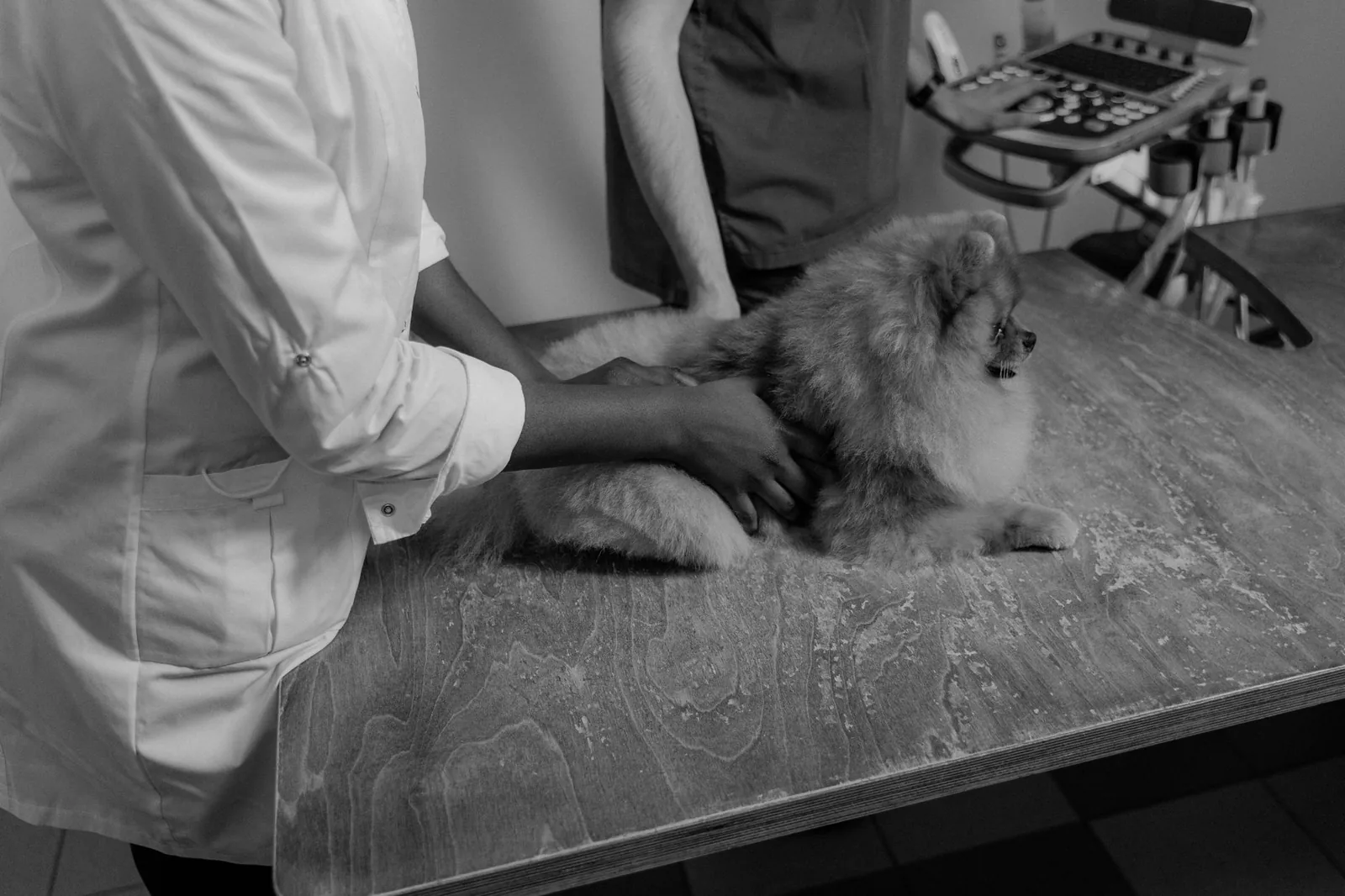
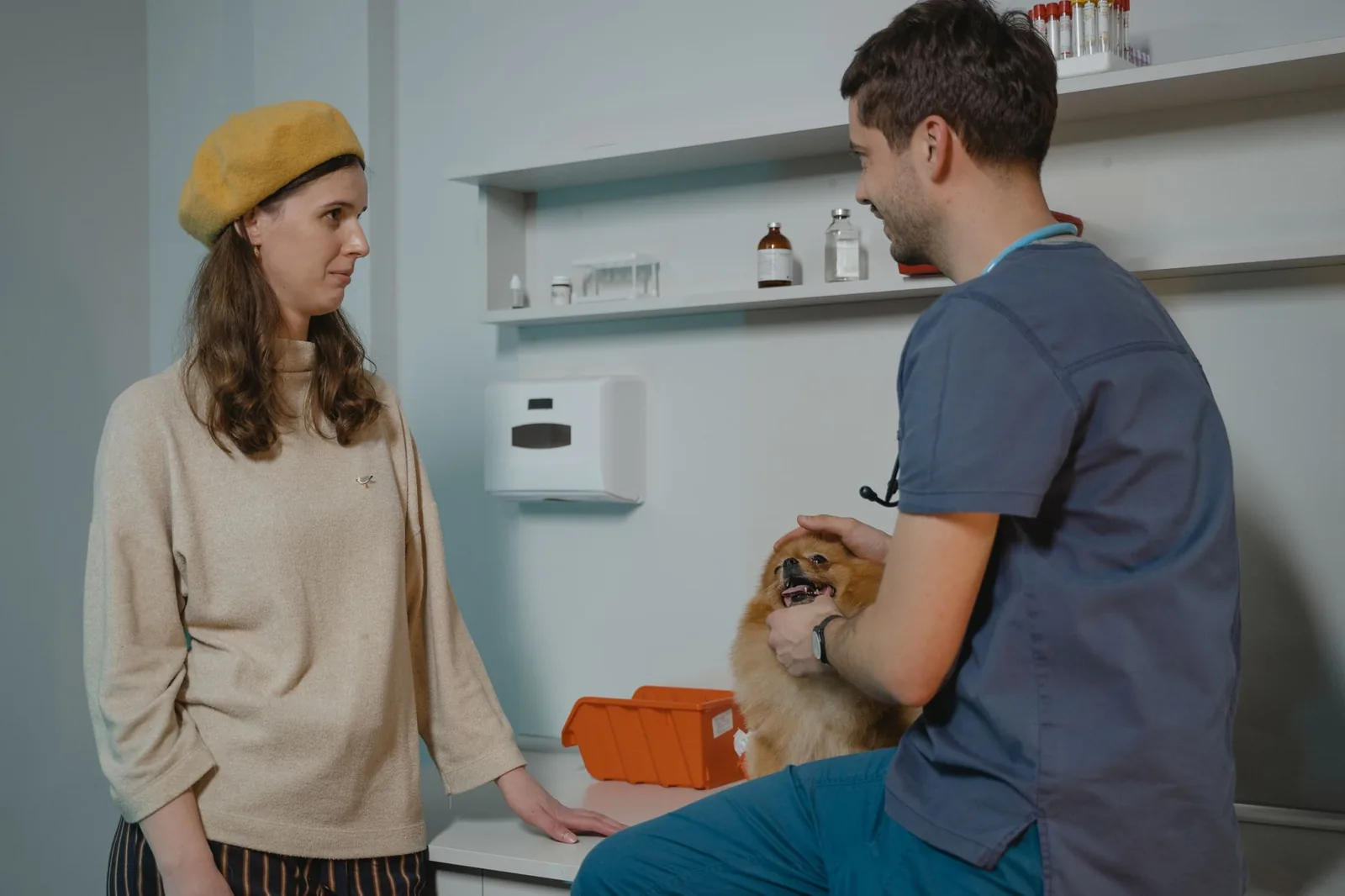
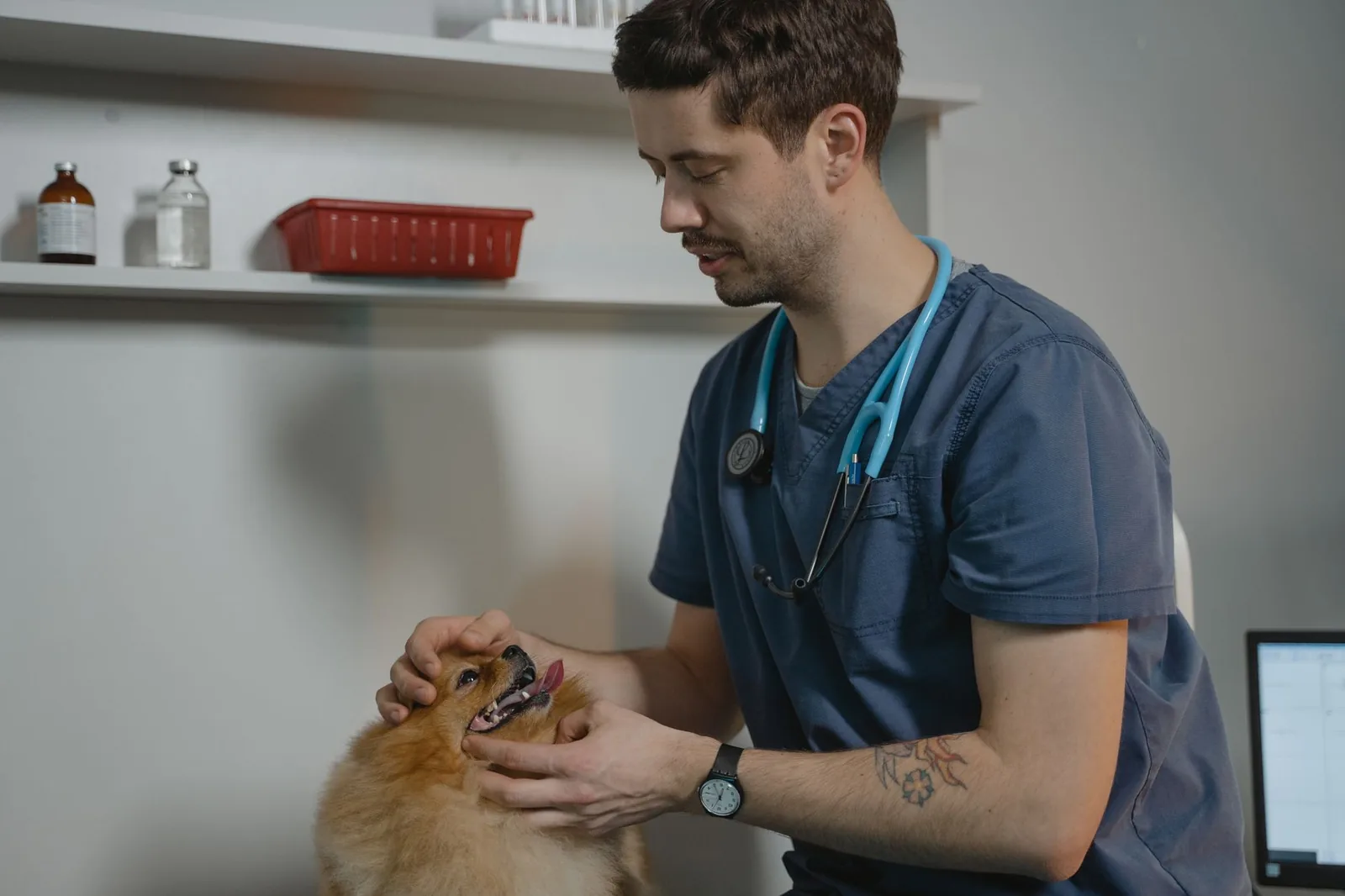
    A veterinarian examining a small dog at a first appointment
    Photo by Tima Miroshnichenko on Pexels

    What to look for

    FactorWhy it mattersHow to check
    DistanceYou will use it more than you expectRealistic travel time in traffic, not on a map
    Out-of-hours arrangementWhere you go at 2amAsk directly: own service, or a referral clinic, and how far
    Appointment lengthComplex dogs need more than ten minutesAsk what a standard consultation is
    Continuity of vetA chronic condition benefits from one person knowing itAsk whether you can book with the same vet
    Attitude to dentistryThe commonest problem in the breedAsk whether dental X-rays are routine
    Referral relationshipsDermatology and behavior both come up hereAsk who they refer to and how readily
    Cost transparencyEstimates before work, not invoices afterAsk for a written estimate at the first visit
    The out-of-hours question is the one people forget to ask and most regret not knowing.

    The American Board of Veterinary Practitioners maintains a directory of board-certified practitioners in canine medicine, which is useful if you want a practice with formal specialization.

    The first appointment

    Book it for the first week or two, even if the rescue has just completed a full work-up. The point is establishing a relationship and a baseline, not repeating the medicine.

    1. Take every record you have, including the rescue’s and anything from a previous owner.
    2. Ask for a full physical, including a proper look in ears and mouth.
    3. Get a baseline weight and body condition score recorded.
    4. Agree a vaccination and parasite plan for where you actually live.
    5. Discuss any known chronic condition and what monitoring it needs.
    6. Ask what they would want you to call about rather than wait on.

    If the dog is nervous, say so at booking. Many practices will schedule a quiet slot, and a first visit that goes badly is hard to undo — our guide to the first 30 days with a rescue Westie covers what is normal in that period.

    A folder of veterinary records open on a desk
    Photo by Imad Clicks on Pexels

    Breed-specific things worth raising

    TopicWhy for this breed
    Dental assessmentDental disease is the commonest finding in Westies
    Skin and ear historyAtopic dermatitis affects a large share of the breed
    Baseline bloodworkUseful before any long-term medication starts
    Weight targetOverweight is in the breed’s top five presenting problems
    Cough or exercise toleranceWestie lung disease in older dogs
    Joint checkPatellar luxation is common in small breeds
    Raising these early means the practice is looking for them rather than reacting to them.

    The prevalence behind each row is in our guide to what the breed is actually prone to.

    Questions worth asking

    • What happens if my dog needs help overnight or at a weekend?
    • Do you offer payment plans or work with charitable funds?
    • How do you handle a dog that finds the clinic frightening?
    • Will I see the same vet for an ongoing condition?
    • Do you do dental X-rays as standard?
    • Who do you refer to for dermatology, and how soon?

    The payment question is worth asking before you need the answer. Cost is a common reason treatment is delayed, and delayed treatment is a common reason dogs end up in rescue — our guide to rehoming options opens with the problems that turn out to have solutions.
    A small dog being weighed at a veterinary practice
    Photo by Tima Miroshnichenko on Pexels

    The emergency question

    Sort this in the first week, not during the emergency.

    Find out whether your practice runs its own out-of-hours service or refers to a separate clinic, how far that clinic is, and what a consultation there typically costs. Write it on the refrigerator.

    Emergency care is considerably more expensive than routine care, and knowing the rough figure in advance is better than discovering it at midnight — our first aid guide covers what warrants that trip.

    A lit clinic entrance at night
    Photo by Carsten Ruthemann on Pexels

    When to change practice

    Rarely necessary, but worth doing if the relationship is not working.

    • You cannot get a straight answer about cost or prognosis.
    • A chronic problem keeps being treated symptomatically without anyone investigating the cause.
    • Referral is resisted when a case is clearly beyond general practice.
    • Your dog is frightened every time and nobody has suggested adjusting the approach.
    • You are not being listened to about what you observe at home.

    The second point matters here specifically. Recurrent ear infections treated with successive courses of drops and no allergy investigation is the classic example — why Westie ear infections keep coming back explains what should happen instead.

    A veterinarian and owner discussing a treatment plan
    Photo by DCC Pets on Pexels

    Frequently asked questions

    When should I take a newly adopted dog to the vet?

    Within the first week or two, even if the rescue has just completed a full work-up. The purpose is establishing a relationship and a baseline rather than repeating the medicine.

    What should I take to the first appointment?

    Every record you have, including the rescue’s paperwork and anything from a previous owner, plus a list of current medications and any behavior you have questions about.

    How do I find a good vet?

    Look at distance, out-of-hours arrangements, appointment length, whether you can see the same vet for ongoing conditions, and how readily they refer. Ask about all of it before you register.

    Does my rescue dog need a check-up if it just had one?

    Yes, but a brief one. Your own vet needs a baseline of their own, and it establishes the relationship before something goes wrong.

    What if I cannot afford veterinary treatment?

    Ask the practice directly about payment plans and charitable funds, which are underused. Raise it before treatment is urgent rather than after, when options narrow.
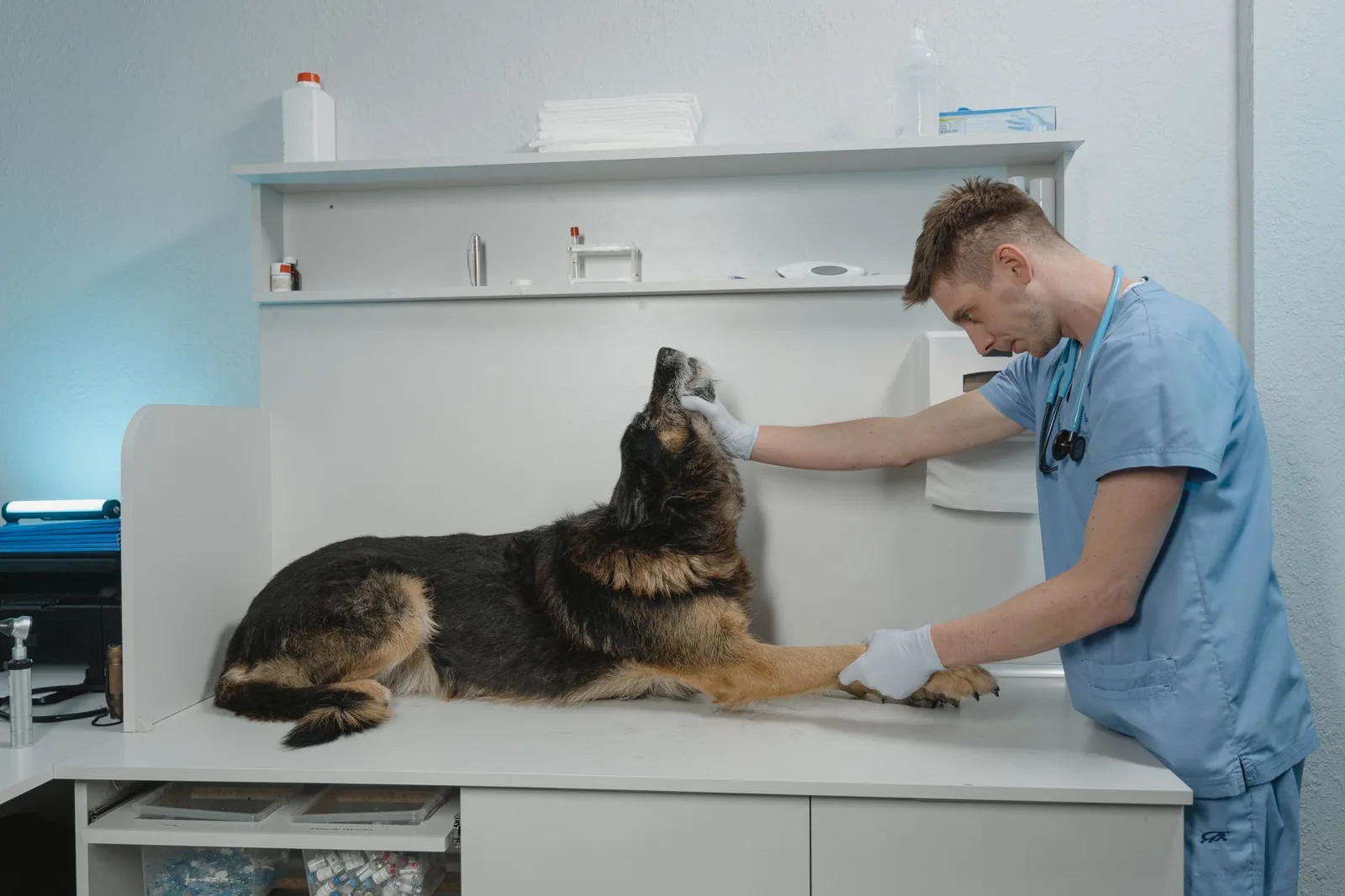
    A calm dog waiting comfortably at a veterinary practice
    Photo by Tima Miroshnichenko on Pexels

    What comes with the dog

    Every Westie we place arrives with its full veterinary record and an honest account of any ongoing condition, including what it will cost to manage.

    The veterinary care every rescue Westie receives sets out what is completed before placement, and our guide to vaccinations and preventive care covers what happens at that first appointment in more detail.

  • Noise Phobia in Dogs: Fireworks, Thunder and What Helps

    Noise Phobia in Dogs: Fireworks, Thunder and What Helps

    Noise phobia is one of the few behavior problems that reliably worsens if left alone. Each bad night makes the next worse.

    It is also a welfare issue rather than a nuisance. A genuinely panicking dog can injure itself trying to escape, and July is a common month for dogs to be lost.

    The short version

    • Fear of noise escalates without treatment. Waiting it out does not work.
    • Start the work months before the season, not on the day.
    • Recordings help but cannot reproduce pressure, vibration or flashes.
    • For moderate to severe cases, medication is part of treatment, not a failure.
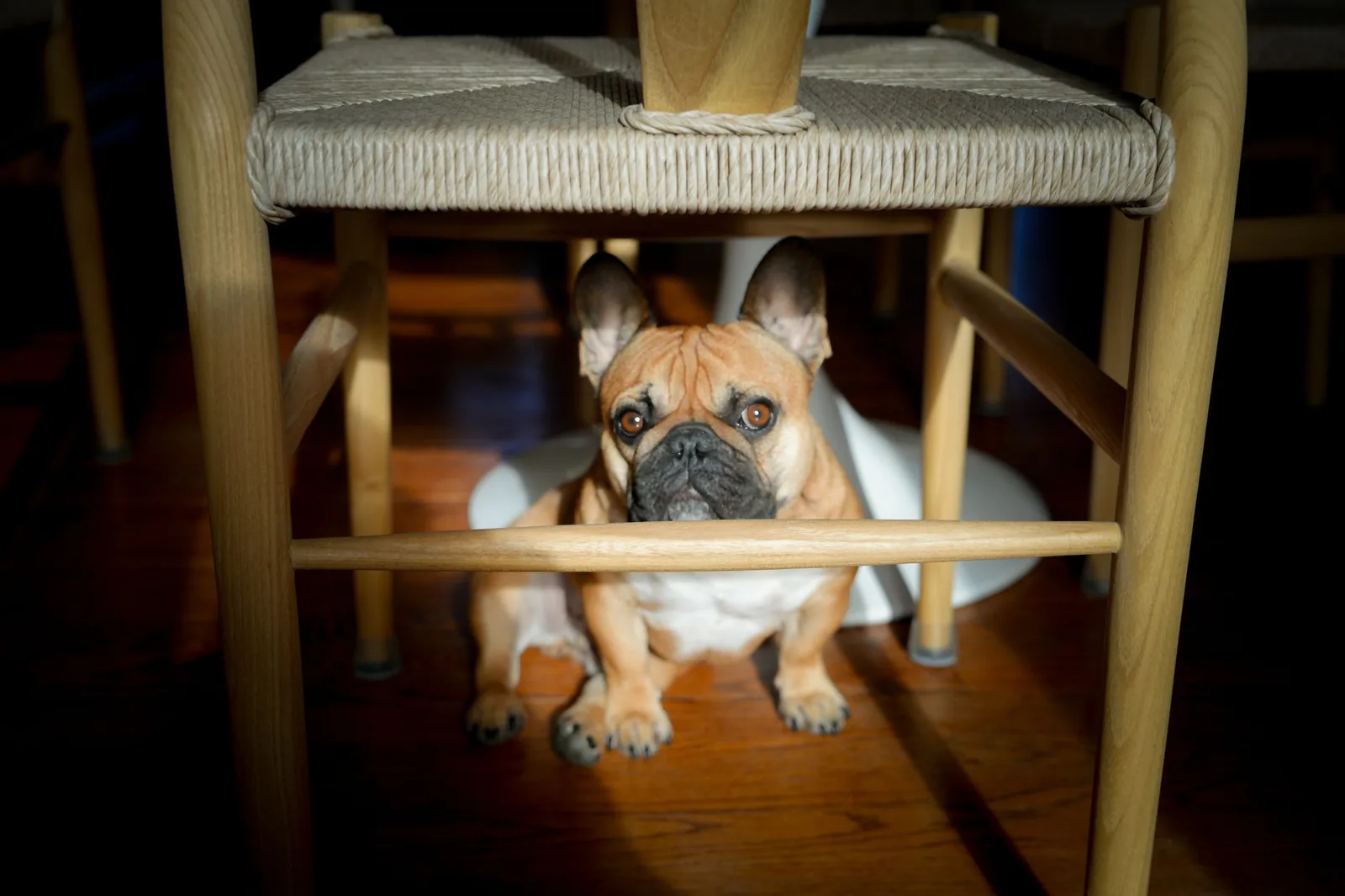
    A dog sheltering underneath a piece of furniture
    Photo by David Kanigan on Pexels

    What it looks like

    SeveritySignsWhat it needs
    MildAlert, restless, seeks companyA safe space and calm handling
    ModeratePanting, pacing, drooling, hiding, will not eatDesensitization program plus management
    SevereTrembling, frantic escape attempts, self-injury, soilingVeterinary involvement including medication
    AnticipatoryAnxious before the season, or at the first distant bangSuggests established learning; treat as moderate or worse
    Escape attempts put this in the severe category regardless of what else the dog is doing. A dog through a window is the outcome to prevent.

    Terriers are prone to bolting when frightened, and a lost dog in the dark during fireworks is a bad situation — our guide to escape-proofing and lost dog recovery covers what to do if it happens.

    Why it gets worse

    Each frightening event without a good outcome strengthens the association. The dog also generalizes, so a fear of fireworks becomes a fear of any bang, then of the evenings when bangs happen.

    It is why a dog mildly unsettled two years ago now shakes at a car door. Distress that appears only when you leave is separation anxiety, which needs a different plan.

    A covered crate set up as a den with blankets
    Photo by Impact Dog Crates on Pexels

    Building the safe space

    This is the highest-value thing you can do, and it costs almost nothing.

    1. Pick the most insulated spot in the house — an interior room, a basement, somewhere with fewest windows.
    2. Make it a den, covered on three sides, with familiar bedding.
    3. Let the dog choose it in advance, in calm conditions, over weeks.
    4. Never shut the dog in. A confined frightened dog panics harder.
    5. Add sound masking — a fan, white noise or music, on before the noise starts.
    6. Close curtains and blinds to block flashes, which matter more than people expect.

    The crate question is worth care here. For a dog that already loves its crate, leaving the door open is ideal. For one that does not, the barrier adds a second problem — our guide to when a crate is the wrong tool covers the distinction.

    Desensitization, and its limits

    The core method is playing recorded sounds at a volume the dog notices but does not react to, paired with something good, and raising the volume very gradually over weeks.

    Five to ten minutes daily, starting months before the season. Done properly it reduces the fear substantially.

    What it cannot reproduce is pressure change, vibration through the floor or a concussive thump, which is why sound work reduces a phobia rather than removing it. Management on the night still matters.

    Academic veterinary centers such as the Cummings School at Tufts run behavior services that take referral cases, which is the route for a dog that is not responding.

    A person sitting calmly with a dog indoors
    Photo by Andres Ayrton on Pexels

    On the night

    DoDo not
    Walk the dog well before darkWalk during or after the noise starts
    Feed early, before the anxiety startsExpect a frightened dog to eat
    Close windows, curtains and blindsLeave the dog able to see flashes
    Put sound masking on beforehandWait until the dog is already anxious
    Comfort the dog if it seeks you outWithhold comfort to avoid “reinforcing fear”
    Stay calm and ordinary yourselfFuss, apologize, or hover
    Double-check doors, gates and the microchip recordAssume the yard is secure
    The comfort row settles an old myth: you cannot reinforce an emotion. Comforting a frightened dog does not make it more frightened.

    Medication

    A panicking dog cannot learn, so reducing the panic is what makes the behavior work possible. Situational medications given in advance of a known event are common, and there are longer-term options for dogs with year-round anxiety.

    The timing matters: most situational medications need giving well before the noise starts rather than once the dog is already distressed. That is a conversation to have with your vet in June, not on the fourth of July.

    Over-the-counter calming supplements have a much weaker evidence base and are not a substitute for a plan.

    A thunderstorm building over rooftops
    Photo by Carol Tatpati on Pexels

    Newly adopted dogs

    A dog in its first months has no history with your house and no reason to believe anywhere in it is safe. Noise events during that window can set the fear deeply.

    If you adopt in early summer, build the safe space immediately rather than in July, and ask the foster carer how the dog has been with noise — it is one of the things they will have observed.

    What to expect in the first 30 days with a rescue Westie covers the wider settling period this sits inside.

    A veterinarian discussing treatment with a dog owner
    Photo by Tima Miroshnichenko on Pexels

    Frequently asked questions

    Why is my dog suddenly scared of fireworks?

    Noise fear commonly escalates with each bad experience and generalizes to similar sounds. A dog mildly unsettled two years ago can be genuinely phobic now, which is why it is worth treating rather than waiting out.

    Does comforting a frightened dog make it worse?

    No. You cannot reinforce an emotion, only a behavior. If a frightened dog seeks you out, comfort it. Withholding reassurance removes the one thing that helps.

    Do sound recordings actually work for noise phobia?

    They help, but they cannot reproduce the pressure change, vibration and light that come with real storms and fireworks. Expect them to reduce the fear substantially rather than remove it, and keep managing the night itself.

    Should I medicate my dog for fireworks?

    For moderate to severe phobia, usually yes, and it is part of treatment rather than a failure. Discuss it with your vet well before the season, because most situational medications need giving before the noise starts.

    Should I crate my dog during fireworks?

    Only if the dog already regards the crate as a den, and with the door open. A frightened dog shut in a crate it does not love will panic harder and can injure itself.

    A relaxed dog asleep indoors
    Photo by Barnabas Davoti on Pexels

    If it is severe

    Self-injury, escape attempts or a dog that cannot recover for days afterwards all warrant veterinary behavioral help rather than another article.

    It is also a reason some dogs are given up, which is worth naming. If you are reaching that point, our guide to your options opens with the problems that turn out to be solvable, and the surrender and rehoming page is where to reach us.

  • Spay and Neuter: What Adopters Should Know

    Spay and Neuter: What Adopters Should Know

    Every dog we place has already been spayed or neutered. Adopters reasonably ask what that involved, and whether it was done at the right time.

    The honest answer is that the surgery is routine, the population argument is settled, and the ideal timing is genuinely debated in the literature.

    The short version

    • Both are routine procedures, done daily, with low complication rates.
    • Rescues alter before placement because unaltered dogs produce more unwanted dogs.
    • Health effects cut both ways, and the balance differs by breed and size.
    • Recovery is 10 to 14 days of genuinely restricted activity, which is the hard part.
    A veterinary team preparing for a routine procedure
    Photo by Gustavo Fring on Pexels

    What the procedures are

    Spay (female)Neuter (male)
    What is removedOvaries, usually with the uterusBoth testicles
    IncisionAbdominalIn front of the scrotum
    AnesthesiaGeneralGeneral
    Typical duration30–90 minutes15–30 minutes
    Home the same dayUsuallyUsually
    Restricted activity10–14 days10–14 days
    Typical cost privately$300–$800$200–$500
    Low-cost clinics exist in most areas and charge considerably less. Cost should never be the reason a dog is left unaltered.

    Why rescues alter before placement

    Not as a moral position, but as an arithmetic one. An unaltered dog placed in a good home can still produce a litter, and rescues exist because there are more dogs than homes.

    It also removes a decision from a household that has just taken on a new dog, and it eliminates the risk of an accidental litter during the settling period when a dog is most likely to escape.

    There are practical benefits too: no seasons, no roaming driven by hormones, and no risk of pyometra, which is a life-threatening uterine infection in older unspayed females.

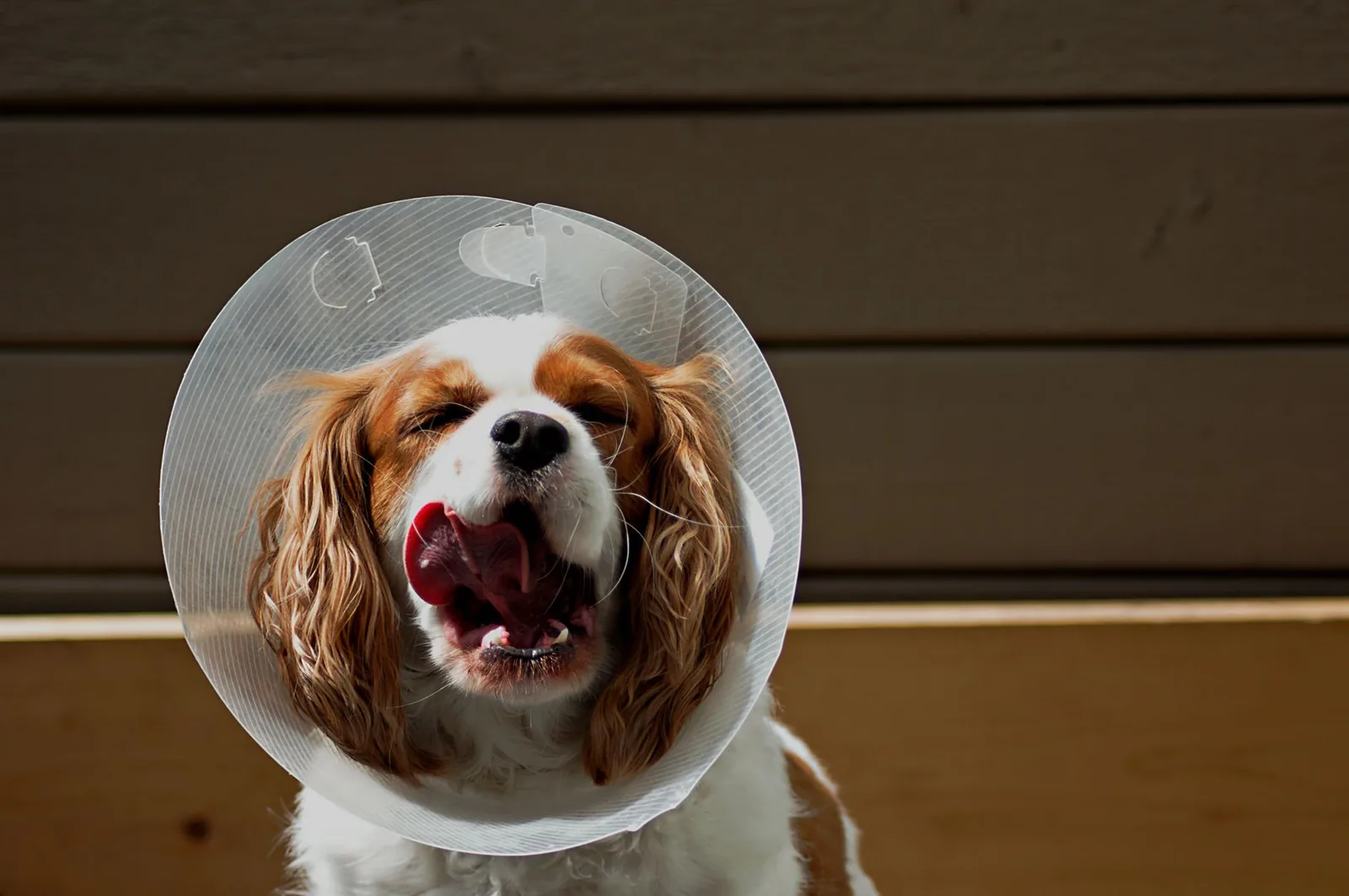
    A small dog wearing a protective recovery collar
    Photo by Micah on Pexels

    The health trade-offs, honestly

    This is where the internet is least useful, because both sides quote real studies at each other.

    Reduced riskIncreased risk
    Pyometra — common and often fatal in older unspayed femalesUrinary incontinence in some spayed females
    Mammary tumors, particularly if spayed youngWeight gain without a matching reduction in calories
    Testicular cancerSome orthopedic conditions in large breeds altered very young
    Prostate enlargementSome cancers, in specific large breeds
    Roaming and associated road accidentsCoat texture changes in some breeds
    Unwanted litters
    Much of the concerning research involves large and giant breeds altered before skeletal maturity. Extrapolating it to a 17-pound terrier is not straightforward.

    The Alliance for Contraception in Cats and Dogs maintains research summaries on spay and neuter timing and alternatives, which is the least partisan source available on a contested question.

    Timing

    For a small breed such as a Westie, the orthopedic concerns that dominate the large-breed literature carry much less weight, and conventional timing is generally considered reasonable.

    For an adopted adult, the question is usually moot, because it has already been done. Where it has not, it is a conversation with your own vet about this dog rather than about dogs in general.

    What is not in dispute: leaving a dog unaltered indefinitely because the timing question is complicated carries its own risks, pyometra chief among them. In an older female that risk rises with every season — our guide to caring for a Westie after ten covers what else changes.

    A dog sleeping on its bed during recovery
    Photo by Lisa Fotios on Pexels

    Recovery

    The surgery is the easy part. Ten to fourteen days of a terrier not being allowed to do anything is the difficult part.

    1. Restrict activity properly. Short lead walks only, no stairs where avoidable, no jumping on or off furniture, no running.
    2. Keep the collar or suit on. One session of licking can open an incision that was healing perfectly.
    3. Check the site twice daily for swelling, redness, discharge or gaping.
    4. Keep it dry. No baths or swimming until your vet says otherwise.
    5. Give the pain relief as prescribed, even if the dog seems comfortable. A comfortable dog is often comfortable because of it.
    6. Use mental enrichment to fill the gap where exercise used to be.

    That last point is what makes those two weeks survivable with a terrier. Scatter feeding, snuffle mats and short training sessions all work at rest — our guide to enrichment that tires a terrier has the full list.

    When to call the vet

    • Swelling that is increasing rather than settling after day three.
    • Discharge, particularly if it smells or is not clear.
    • The incision opening at any point.
    • Not eating beyond the first 24 hours.
    • Vomiting, lethargy or a distended abdomen.
    • Persistent licking despite the collar.

    Most of these are minor if caught early and serious if left. The general rule for post-operative worry is that calling is free — our first aid guide covers the wider set of signs that mean go now.

    A person gently checking a small dog during recovery
    Photo by Tima Miroshnichenko on Pexels

    Weight afterwards

    Altered dogs need meaningfully fewer calories, and the commonest post-surgery problem is not surgical at all. It is a dog that gains weight over the following year because nothing changed in the bowl.

    Reduce the portion, weigh the food rather than scooping it, and check body condition monthly — our guide to feeding and portions covers how to assess it by hand.

    A dog on a short, slow lead walk
    Photo by Nimit N on Pexels

    Frequently asked questions

    Why do rescues spay and neuter before adoption?

    To prevent unwanted litters, which is the reason rescues exist. It also removes the risk of an accidental litter during the settling period, when a newly adopted dog is most likely to escape.

    Does neutering calm a dog down?

    It reduces hormone-driven behaviors such as roaming and some marking. It does not change temperament, energy level or trained behavior, and it will not fix barking, digging or reactivity.

    Will my dog get fat after being spayed or neutered?

    Only if the food does not change. Altered dogs need fewer calories, so reduce the portion and monitor body condition rather than waiting to notice the weight.

    How long does recovery take?

    Ten to fourteen days of genuinely restricted activity — short lead walks only, no jumping, no stairs where avoidable, and the recovery collar left on. The restriction is harder than the surgery.

    Is it safe to neuter an older dog?

    Usually yes, with pre-anesthetic bloodwork and appropriate monitoring. Age alone is not a contraindication, and for unspayed older females the risk of pyometra often argues for proceeding.

    A healthy white terrier outdoors after recovery
    Photo by Rajesh S Balouria on Pexels

    What is done before placement

    Spay or neuter, vaccinations, microchip, dental assessment and any outstanding treatment are all completed before a dog is made available.

    The veterinary care every rescue Westie receives sets out the full list, and our adoption fees page explains how much of it the fee actually covers, which is usually well under half.

  • Vaccinations and Preventive Care for an Adopted Dog

    Vaccinations and Preventive Care for an Adopted Dog

    Almost every article on dog vaccination is written about puppies. Adopted adults are a different situation, and usually a more common one.

    The dog arrives with partial records, no records, or records naming a practice nobody can reach. Here is how that is actually handled.

    The short version

    • Core vaccines are recommended for every dog. Non-core depend on where and how it lives.
    • Unknown history is treated as unvaccinated, which is safe rather than wasteful.
    • Rabies requirements are set by state law, not by veterinary preference.
    • Parasite prevention matters more than most owners assume in New England.
    A clipboard of veterinary records on a desk
    Photo by SHVETS production on Pexels

    Core and non-core

    VaccineTypeProtects againstTypical adult interval
    RabiesCore, legally requiredRabies1 or 3 years, set by state law
    DistemperCoreCanine distemper virusUsually every 3 years
    AdenovirusCoreInfectious hepatitisUsually every 3 years
    ParvovirusCoreParvoUsually every 3 years
    ParainfluenzaOften combinedRespiratory infectionWith the core combination
    BordetellaNon-coreKennel coughEvery 6–12 months if at risk
    LeptospirosisNon-core, often advisedBacterial, from wildlife and waterAnnually where risk exists
    LymeNon-core, regionally importantBorrelia from ticksAnnually in tick-heavy areas
    Core protects against diseases that are severe, widespread or transmissible to people. Non-core is a risk judgment your vet makes with you.

    Lyme and leptospirosis are worth discussing seriously in New England specifically, where tick burden and wildlife exposure are both high.

    When the history is unknown

    This is the normal situation for a rescue dog, and it is not a problem.

    A dog with no verifiable record is treated as unvaccinated and given the adult series, usually two core doses a few weeks apart plus rabies. Vaccinating a dog that turns out to have been covered already does no harm.

    Titer testing, which measures existing antibodies, is an alternative in some circumstances. It costs more than revaccinating and does not satisfy rabies law, so it is usually reserved for dogs where vaccination carries specific risk.

    Every dog we place has this addressed before adoption — the veterinary care every rescue Westie receives sets out what is completed at intake.

    A veterinarian preparing a vaccination
    Photo by DΛVΞ GΛRCIΛ on Pexels

    A realistic yearly schedule

    AgeVeterinary visitsWhat is usually done
    Adult, 1–7AnnualExam, weight, dental check, due vaccines, parasite plan
    Adult, 7+Annual, moving to twice yearlyAdd baseline bloodwork and urinalysis
    Senior, 8–12Twice yearlyBloodwork annually, blood pressure, pain scoring
    Geriatric, 12+Twice yearlyQuality of life review alongside the physical
    Any age, chronic conditionAs directedMonitoring bloods for long-term medication
    The visit matters more than the vaccine. Most of what a vet finds in an older dog is found on examination, not on a syringe.

    What those visits are looking for in an older dog is covered in our guide to caring for a Westie after ten.

    Parasite prevention

    • Fleas — year-round in heated homes, and a flare trigger for a dog with allergic skin disease.
    • Ticks — active whenever it is above freezing, which in New England is most of the year.
    • Heartworm — mosquito-borne, preventable monthly, expensive and dangerous to treat once established.
    • Intestinal worms — routine deworming, more often for dogs with yard or park access.
    • Check for ticks daily in season. A thick white coat hides them well, so go by feel around the ears, neck and armpits.

    The flea point is not incidental for this breed. A single flea can trigger weeks of itching in a dog with atopic dermatitis — our guide to why Westies itch covers why parasite control is the first step in any skin work-up.

    A dog walking through long grass
    Photo by Lorna Pauli on Pexels

    Reactions and how common they are

    Mild soreness, tiredness or a slightly reduced appetite for a day is ordinary and not a cause for concern.

    Serious reactions are rare but worth recognizing: facial swelling, hives, vomiting, collapse or difficulty breathing within hours of a vaccine need immediate veterinary attention.

    If a dog has reacted before, say so. Vaccines can be split across visits, pre-medicated, or in some cases omitted on veterinary advice.

    The Merck Veterinary Manual publishes an owner-facing reference on canine vaccination and preventive care, which is a reliable place to read the detail behind any recommendation.

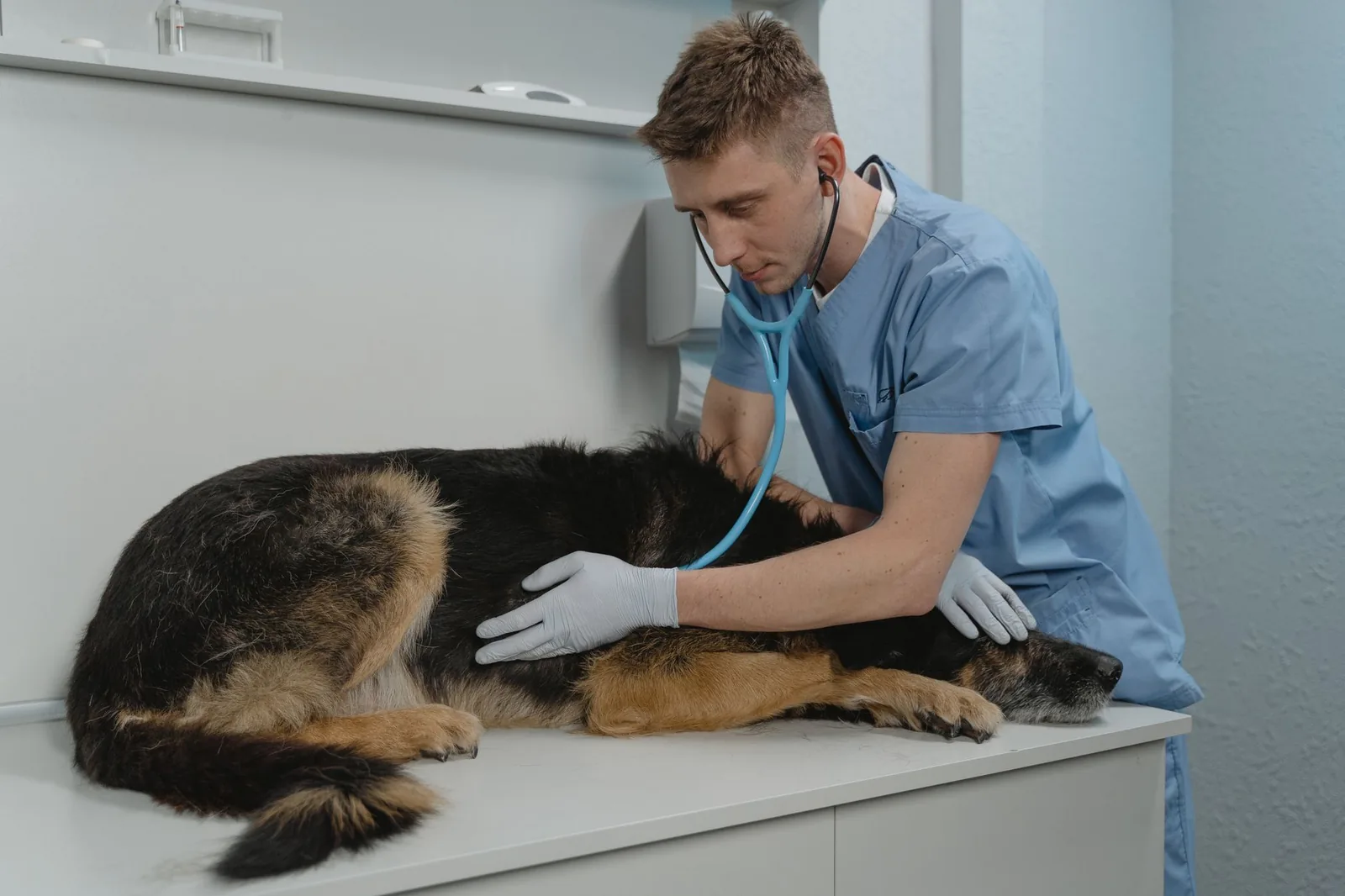
    A veterinarian listening to a dog’s chest during a health check
    Photo by Tima Miroshnichenko on Pexels

    What to ask at the first appointment

    1. Which non-core vaccines make sense here, given local tick and wildlife risk?
    2. What parasite prevention do you recommend, and year-round or seasonal?
    3. Is this dog due for dental assessment, given what you can see today?
    4. What baseline bloodwork is worth doing now, so future changes mean something?
    5. What would you want me to call about rather than wait and see?

    Take the rescue’s records with you, even if incomplete. And if you have not chosen a practice yet, our guide to choosing a vet for a rescue dog covers what to look for.

    A dog being given a tablet hidden in a treat
    Photo by Yaroslav Shuraev on Pexels

    Frequently asked questions

    What vaccines does an adopted adult dog need?

    The core set — rabies, distemper, adenovirus and parvovirus — plus any non-core vaccines your vet advises for local risk, commonly leptospirosis and Lyme in New England.

    What if my rescue dog has no vaccination records?

    It is treated as unvaccinated and given the adult series, usually two core doses a few weeks apart plus rabies. Vaccinating a dog that was already covered causes no harm.

    How often do adult dogs need vaccinating?

    Core vaccines are commonly every three years for adults, and rabies on the interval set by state law. Non-core vaccines such as Bordetella and Lyme are usually annual where risk justifies them.

    Is titer testing worth it?

    Sometimes, for dogs where vaccination carries specific risk. It costs more than simply revaccinating and does not satisfy rabies law, so it is not a routine substitute.

    Do indoor dogs need vaccines and parasite prevention?

    Yes. Rabies is legally required regardless, fleas thrive in heated homes year-round, and mosquitoes carrying heartworm get indoors. Risk is lower, not absent.

    A healthy white terrier standing in a park
    Photo by Natalia Sevruk on Pexels

    What arrives with the dog

    Every Westie we place comes with its full veterinary record, whatever we were able to establish plus everything done in our care.

    Where history is genuinely unknown, we say so rather than guessing. The Westies currently available for adoption list what has been completed, and our adoption fees page explains which of it the fee contributes towards.

  • The Five Cues Worth Teaching a Rescue Dog First

    The Five Cues Worth Teaching a Rescue Dog First

    Most training advice starts with sit. For a newly adopted dog that is close to the least useful thing you could teach.

    A rescue dog needs cues that keep it safe and help it settle. Sit is a party trick by comparison, and it can wait a month.

    The short version

    • Teach the name first. Most rescue dogs do not know one, or knew a different one.
    • Prioritize safety cues over obedience cues.
    • Five short sessions a day beat one long one, especially with a terrier.
    • Pay generously at the start. You are competing with a very interesting world.
    A person crouching and calling a dog outdoors
    Photo by Helena Lopes on Pexels

    The five, in order

    CueWhat it doesWhy it comes first
    1. NameGets attention without pressureEverything else depends on it, and the dog may not have one
    2. Look at meBuys focus in a distracting momentThe building block of recall and disengagement
    3. Leave itInterrupts before the dog commitsThe cue most likely to prevent a genuine emergency
    4. ComeBrings the dog backNever reliable against prey in a terrier, but worth every hour
    5. SettleTeaches how to switch offThe one that makes daily life liveable
    Sit, down, paw and the rest are useful later. None of them keeps a dog out of a road.

    1. The name

    A rescue dog often arrives with a name it has had for a week, or one it associates with being shouted at. Either way it means nothing useful yet.

    Say the name once, in a light tone, and the instant the dog looks at you, mark it and pay. Repeat ten times, three or four times a day, in a quiet room.

    Never use the name to interrupt something the dog is enjoying, and never say it twice in a row. A name that predicts good things works; a name that predicts nothing gets ignored within two weeks.

    A dog taking a treat gently from an outstretched hand
    Photo by Liudmyla Shalimova on Pexels

    2. Look at me

    This is the cue that makes the others possible. A dog that can offer eye contact on request has a moment of thought available, which is exactly what is missing when a squirrel appears.

    Start by simply marking any voluntary glance. Once the dog is offering it deliberately, add the word. Then practice it somewhere slightly harder, and keep raising the difficulty in small steps.

    The endpoint is a dog that checks in with you by habit outdoors, which is worth more than a formal heel — our guide to loose leash walking with a terrier builds on exactly this.

    3. Leave it

    The highest-value cue on the list, because it works on dropped medication, chicken bones, rodent bait and the neighbor’s cat.

    1. Start with a covered treat in your closed hand. Wait. The moment the dog stops trying, mark and pay from the other hand.
    2. Add the words once the dog is backing off reliably.
    3. Move to the floor, covered, then uncovered, ready to cover it again.
    4. Generalize outdoors with low-value items before you ever need it for something high-value.
    5. Always pay from a different source. The dog must learn that leaving something produces something better.

    The emergency version of this is what stands between a terrier and a road. It also matters for the hazards in our guide to foods and household items dangerous to dogs.

    A dog looking at an item placed on the floor
    Photo by Helena Lopes on Pexels

    4. Come

    Worth building properly, and worth being honest about: most Westies never become reliable against live prey, and planning around that is safer than believing otherwise.

    DoDo not
    Use a distinct word reserved for recallUse the name alone
    Pay every single time, generouslyFade rewards early
    Practice on a long line in open groundTest it off leash before it is solid
    Run away as the dog comesMove towards the dog
    Recall for something good, then release againOnly recall to end the fun or to leave
    Keep an emergency word held in reserveBurn it on ordinary use
    The fifth row is the one that quietly ruins recalls. If coming back always means the walk is over, the dog draws the obvious conclusion.

    5. Settle

    Underrated, and the cue that most changes life with a terrier. It teaches a dog that switching off is an option, which does not come naturally to a breed developed to stay alert.

    Put a mat down where the family sits. Reward the dog for any contact with it, then for lying on it, then for staying there while nothing happens. Feed calmly and often at first.

    Done properly it becomes a portable off switch you can take to a café or a friend’s house. Karen Pryor Academy publishes training resources grounded in positive reinforcement if you want the method in more depth.

    A dog running across grass towards its owner
    Photo by Bethany Ferr on Pexels

    How to run the sessions

    • Two to five minutes, several times a day. Terriers disengage from long sessions.
    • End while the dog still wants more.
    • Use genuinely good food at the start. Kibble does not compete with a front window.
    • One new thing at a time, and lower the difficulty whenever you change location.
    • Never train a stressed dog. A newly arrived dog may not take food at all for a week or two, which is normal.

    That last point matters most in the first two weeks — what to expect in the first 30 days with a rescue Westie covers what is normal before training is even realistic.

    A dog lying settled on a mat indoors
    Photo by https://kaboompics.com/ on Pexels

    Frequently asked questions

    What should I teach a rescue dog first?

    Its name, then eye contact, then leave it, come and settle. Safety and settling cues matter far more in the first months than sit or down, which can wait.

    How do I teach a rescue dog its new name?

    Say it once in a light tone, and mark and reward the instant the dog looks at you. Never use it to interrupt something enjoyable, or it stops working.

    How long should training sessions be?

    Two to five minutes, several times a day. Terriers lose interest in long sessions, and three short ones tire a dog more than one long one.

    Can you train a terrier to come back reliably?

    You can build a strong recall, but most Westies never become reliable against live prey. Train it thoroughly and still use a long line in unfenced ground.

    My new dog will not take treats. What do I do?

    Wait. A stressed dog often cannot eat for the first week or two, and that is normal rather than stubbornness. Work on routine and space first, and start training once the dog is eating comfortably.

    A short training session with a small dog and treats
    Photo by Goochie Poochie Grooming on Pexels

    Where this fits

    These five build the foundation that everything else sits on. Once they are solid, the problem behaviors people worry about become considerably easier — our guide to barking, digging and prey drive assumes this groundwork.

    If you are still deciding, our guide to adopting a Westie in New England explains the process, and the Westies currently available note what each dog already knows.

  • Keeping a Westie White: Stains, Bathing and What They Mean

    Keeping a Westie White: Stains, Bathing and What They Mean

    A yellowing Westie is the most common cosmetic complaint in the breed, and the most commonly misdiagnosed. Most owners reach for a whitening shampoo.

    In a good share of cases the coat is not dirty. It is stained from the inside — by saliva, tears or discharge — and the stain is a symptom.

    The short version

    • Over-bathing damages the coat and the skin barrier. Frequency is not the answer.
    • Rust-colored staining is porphyrin from saliva or tears, not dirt.
    • Paw and muzzle staining usually means licking, which usually means itching.
    • Drying thoroughly matters more than what you wash with.
    Close-up of a small dog’s face and eye area
    Photo by Pablo Ezequiel Nieva on Pexels

    What the stains actually are

    WhereColorUsual cause
    Around the eyesRust or reddish-brownTear overflow; porphyrin oxidizing in light
    Muzzle and lipsRust or brownSaliva; often from licking something that itches
    Front pawsRust or orangePersistent licking — a classic allergy sign
    Belly and groinYellow or grayUrine scald, or skin secretions
    Whole coat, gradualCream or yellowRepeated clipping; sun; secondary yeast
    Patchy, greasy, mustyDarker, waxyYeast overgrowth — see a vet
    The bottom row is medical rather than cosmetic. So, often, is the paw row.

    Rust-colored staining is porphyrin, a pigment in saliva and tears that darkens on exposure to light. No shampoo removes it from the outside, because it is deposited from the inside.

    When the stain is a symptom

    This is the part worth taking seriously. Persistent paw licking in a Westie is an allergy sign until proven otherwise, and the orange feet are just the visible evidence.

    • Rust-stained front paws with licking — atopic dermatitis until ruled out.
    • Sudden increase in tear staining — possible blocked tear duct, entropion or eye irritation.
    • Greasy, musty, darkening coat — yeast overgrowth, which needs treatment rather than washing.
    • Staining with head shaking — look at the ears too.
    • Yellow belly with a strong smell — possible urine scald or skin infection.

    The underlying condition is covered in our guide to why Westies itch and what helps, and the ear connection in why Westie ear infections keep coming back.

    A small white dog being bathed with shampoo
    Photo by Goochie Poochie Grooming on Pexels

    How often to bathe

    More often than most owners think for a dirty dog, and far less often than the whitening-shampoo aisle implies.

    DogFrequencyNotes
    Healthy adult, ordinary lifeEvery 4–6 weeksMore often strips the coat and dries the skin
    Muddy or swimming regularlyRinse as needed, full bath monthlyPlain water rinses do not count against the total
    Managing atopic dermatitisWeekly or twice weekly, as directedMedicated shampoo is treatment, not grooming
    Senior or thin-coatedEvery 6–8 weeksWarmth and drying time matter more
    After salted sidewalksRinse feet and belly every timeSalt is an irritant, not just dirt
    A dog on a medicated bathing protocol is following a prescription. Do not reduce the frequency because the coat looks better.

    The winter rinsing point matters more in New England than almost anywhere — cold weather care for a Westie covers why de-icing salt drives flares.

    A wet dog being dried thoroughly with a towel
    Photo by Dariusz Grosa on Pexels

    Bathing properly

    1. Brush thoroughly first. Wetting a matted coat tightens the mats and traps water against the skin.
    2. Use lukewarm water and wet right down to the skin, which takes longer than it looks on a double coat.
    3. Use a dog shampoo at the dilution on the label. Human shampoo has the wrong pH for canine skin.
    4. Leave medicated shampoo on for the stated contact time, usually ten minutes. Rinsing early is why it does not work.
    5. Rinse until you are certain, then rinse again. Residue is a common cause of post-bath itching.
    6. Dry thoroughly, including between the toes and under the armpits. Damp undercoat is how yeast establishes.

    Oregon State’s veterinary college publishes owner-facing veterinary health resources covering skin and coat care among other topics.

    What not to use

    ProductWhy to avoid it
    Human shampooWrong pH; strips the coat and irritates skin
    Whitening products with bleach or peroxideDamages the coat and can burn skin
    Baking soda or lemon pasteAlkaline or acidic; disrupts the skin barrier
    Cornstarch left in the coatCakes, and encourages matting
    Antibiotic eye ointment for tear stainsNot appropriate without a diagnosis
    Daily bathing to fix stainingMakes both coat and skin worse
    Almost every home whitening remedy works by damaging the coat slightly. Over years, that shows.
    A dog licking at one of its front paws
    Photo by Jayson Lorenzo on Pexels

    The daily habits that do most

    • Wipe the face daily with a damp cloth, drying afterwards.
    • Rinse paws after walks, particularly in pollen season and on treated sidewalks.
    • Brush two or three times a week to lift dirt before it settles.
    • Dry the dog properly after rain, not just the top coat.
    • Keep the coat trimmed around the eyes so tears do not wick along the hair.

    Ten minutes a week here prevents most of what people try to fix with products — and the same routine catches ear and skin problems early, which is the real benefit. Our grooming guide covers the clipping decision that affects coat color over years.

    A dog’s face being wiped gently with a damp cloth
    Photo by Towfiqu barbhuiya on Pexels

    Frequently asked questions

    Why is my white dog turning yellow?

    Usually porphyrin staining from saliva or tears rather than dirt, or a gradual dulling from repeated clipping. A greasy, musty, darkening coat is different and suggests yeast overgrowth, which needs veterinary treatment.

    How often should I bathe a Westie?

    Every four to six weeks for a healthy adult. More often strips the coat and dries the skin. Dogs on a medicated bathing protocol for skin disease are a different case and should follow the vet’s frequency.

    How do I get rid of tear stains?

    Treat the cause rather than the color. Wipe the face daily, keep the hair around the eyes trimmed, and see a vet if staining increases suddenly, since blocked tear ducts and eye irritation both present this way.

    Why are my dog’s paws orange?

    Almost always saliva staining from persistent licking, and persistent paw licking in a Westie is an allergy sign until proven otherwise. The color is evidence rather than the problem.

    Are whitening shampoos safe?

    Gentle brightening shampoos formulated for dogs are fine occasionally. Anything using bleach or peroxide, and home remedies involving baking soda or lemon, damage the coat and can irritate skin.

    A white dog with a bright, well-kept coat in sunlight
    Photo by Mohan Nannapaneni on Pexels

    Coats at intake

    Dogs arriving at rescue frequently have heavily stained coats, and it is almost never neglect of washing. It is untreated skin disease, dental disease driving saliva staining, or both.

    The veterinary care every rescue Westie receives addresses the cause before the appearance, which is why dogs often look dramatically different a few months after intake. Our success stories show a number of them.

  • Why Are Westies White? The Breed’s History Explained

    Why Are Westies White? The Breed’s History Explained

    Every Westie is white. Not mostly white, not usually white — the breed standard admits no other color, which is unusual even among terriers.

    The reason is practical rather than decorative, and understanding it explains a good deal about how the dog in your living room behaves.

    The short version

    • The breed comes from Argyll in western Scotland, developed for working terrier stock.
    • White was selected so the dog could be told apart from quarry in poor light.
    • It shares ancestry with the Cairn, Scottish and Dandie Dinmont terriers.
    • Every trait owners find difficult was once the point of the dog.
    Open hill country of the kind Highland terriers were worked in
    Photo by Normunds Ispwich on Pexels

    Where the breed came from

    The Westie’s development is associated with Poltalloch in Argyll, on Scotland’s west coast, where the Malcolm family bred working terriers over several generations.

    Edward Donald Malcolm, the 16th Laird of Poltalloch, is generally credited with consolidating the modern breed from that stock in the nineteenth century. The dogs were known for a time as Poltalloch Terriers.

    The American Kennel Club first recognized them in 1908 under the name Roseneath Terrier, changing it to West Highland White Terrier the following year.

    The white coat

    The traditional account is that a Poltalloch terrier of a dark, wheaten color was mistaken for quarry and accidentally shot, after which only white dogs were bred.

    Whether that particular story is literally true is not documented, but the logic behind it is sound and is the reason the color stuck.

    Working problemWhat white solves
    Telling dog from fox or badger at duskA white dog is unmistakable in low light
    Finding a dog working in bracken or heatherVisible at distance against dark ground
    Locating a dog that has gone to groundVisible the moment it reappears
    Working in poor Highland weatherStands out against wet rock and peat
    The coat was a safety feature for the dog, in a context where mistaking one small animal for another had consequences.
    A small dog investigating a gap between rocks
    Photo by Ambareesh Sridhar Photography on Pexels

    What the job selected for

    A dog bred to follow fox and badger underground, alone, out of sight of its handler, needs a specific set of qualities. Those qualities are still here.

    Bred forWhy it was neededHow it shows up today
    IndependenceWorking alone underground, no handler inputSelective recall; deciding for itself
    PersistenceNot giving up on quarryTerrier stubbornness
    Barking undergroundSo the handler could locate the dogAlert barking at everything
    DiggingGoing to ground after quarryLawns and flower beds
    Prey driveThe entire purposeSquirrels, cats, anything that runs
    Harsh double coatWeatherproofing in Highland conditionsHigh grooming cost, low shedding
    Compact, sturdy buildFitting into a burrow and surviving a fightRobust enough for family life
    Confidence far beyond sizeFacing a badgerNot backing down from larger dogs
    Nothing in the right-hand column is a fault. It is the left-hand column, still operating in a house.

    That framing runs through everything we publish about behavior — our guide to barking, digging and prey drive treats these as traits to redirect rather than eliminate.

    Close-up of a wiry, harsh-textured dog coat
    Photo by Andreas Schnabl on Pexels

    The Scottish terrier family

    Westies, Cairns, Scotties, Skyes and Dandie Dinmonts all descend from the same broad population of Highland working terriers, separated into distinct breeds only in the late nineteenth century.

    Before that, a single litter could contain dogs later assigned to different breeds. The Cairn and the Westie in particular were interbred until the practice was formally stopped.

    That shared history is why the three are so easily confused — our guide to telling the Scottish terriers apart covers the three checks that settle it.

    The Fédération Cynologique Internationale publishes the international breed standard for the West Highland White Terrier, which sets out the formal description the color requirement sits in.

    What white does not mean

    • Not albino. Westies have dark eyes, black noses and pigmented skin. The white is a coat color, not an absence of pigment.
    • Not linked to deafness in this breed, unlike some white breeds where the pattern is associated with congenital hearing loss.
    • Not the cause of the skin problems. Atopic dermatitis in Westies is inherited, but it is not a consequence of coat color.
    • Not necessarily bright white. Cream and slightly biscuit shading occurs, and repeated clipping dulls the color over years.

    That last point is the one owners ask about most — our guide to stripping versus clipping explains why the coat changes color and texture with method.

    A white dog clearly visible against dark ground at dusk
    Photo by Arian Fernandez on Pexels

    From working dog to companion

    The Westie made the transition to companion dog early and thoroughly, helped by a size that suits ordinary houses and a temperament that is genuinely sociable.

    What did not change is the underlying wiring. A century of living on sofas has not removed the instinct to chase, dig and announce visitors, because nobody selected against it.

    That is worth knowing before choosing the breed rather than after — our honest guide to whether Westies suit your household sets out which homes struggle.

    A white terrier standing in profile showing its outline
    Photo by Mika Lika on Pexels

    Frequently asked questions

    Why are Westies always white?

    The color was selected so a working terrier could be told apart from fox or badger in poor light. The traditional account involves a dark terrier being mistaken for quarry and shot, after which only white dogs were bred at Poltalloch.

    Are Westies albino?

    No. They have dark eyes, black noses and pigmented skin. The white coat is a color rather than an absence of pigment, which is why they do not have the health issues associated with true albinism.

    Where did the West Highland White Terrier originate?

    Argyll, in western Scotland, associated with the Malcolm family of Poltalloch. The AKC recognized the breed as the Roseneath Terrier in 1908 and renamed it the following year.

    Are Westies and Cairn Terriers related?

    Closely. Both descend from the same Highland working terrier stock, along with the Scottish, Skye and Dandie Dinmont, and the two were interbred until the practice was formally ended.

    Can Westies be any color other than white?

    Not within the breed standard. A cream or biscuit tinge occurs, and repeated clipping dulls the white over years, but a genuinely colored dog is not a Westie.

    A white terrier relaxing indoors at home
    Photo by Brixiv on Pexels

    The dogs behind the history

    The breed’s working past is why it makes such a rewarding companion and why it defeats households that expected something quieter.

    If the history has made you more interested rather than less, our guide to adopting a Westie in New England explains how the process works, and the Westies currently available for adoption shows who is looking for a home.

  • Apartment Living With a Westie: What It Really Takes

    Apartment Living With a Westie: What It Really Takes

    A Westie takes up almost no room. Fifteen to twenty pounds, content on a sofa, and perfectly happy without a yard.

    The constraint is not floor space. It is a breed developed to bark, living behind a shared wall next to a corridor full of footsteps.

    The short version

    • Space is rarely the problem. Alert barking usually is.
    • Manage the environment first — where the bed sits matters more than training.
    • No yard means every toilet trip is a walk, including the one at 6am in February.
    • Adult and senior dogs suit apartments considerably better than young ones.
    A dog standing alert at a closed apartment door
    Photo by David Brown on Pexels

    The barking question

    Westies were bred to bark underground so a handler could locate them. In a corridor building, every passing neighbor, delivery and elevator ping is a trigger.

    This is the thing that decides whether apartment living works, and it is manageable rather than solvable. The instinct does not go away.

    ApproachEffectEffort
    Move the bed away from the front doorOften dramaticOne afternoon
    Film on the lower half of windows facing walkwaysLargeOne afternoon
    White noise or radio near the doorModerate to largeOngoing, trivial
    Reward coming to you when the door goesLarge, over weeksDaily practice
    Meet the mental need dailyLarge — boredom amplifies everythingDaily
    Bark collarsSuppresses the symptom, raises anxietyNot recommended
    The first two rows cost nothing and often do more than months of training. Change what the dog can see and hear before trying to change the dog.

    The training side is covered in our guide to terrier barking, digging and prey drive, including why punishing alert barking makes things worse.

    No yard: what changes

    Every toileting trip becomes a walk. That is fine in October and a genuine commitment in February, and it is the part people underestimate.

    • Four to five trips daily for an adult, more during house training.
    • Elevator or stairs each time, which adds minutes and, for a nervous dog, stress.
    • Harness on before the door opens, every time — a corridor is not a secure space.
    • Somewhere to clean paws by the door, particularly where sidewalks are salted.
    • A plan for illness — a dog with diarrhea and no yard is a hard night.

    Winter is the season that tests this. Cold weather care for a Westie covers the salt problem, which matters more for city dogs than anyone else.

    A small dog walking on a leash along a city street
    Photo by Narmin Aliyeva on Pexels

    Exercise without a yard

    Apartment dogs are often better exercised than suburban ones, because nobody mistakes a yard for a walk.

    A Westie needs roughly 45 to 60 minutes daily plus mental work, and the mental work is what fits an apartment best — scatter feeding, snuffle mats, find-it games and short training sessions all work in a hallway.

    Our guide to how much exercise a Westie actually needs sets out the indoor options, which matter more here than anywhere.

    Stairs, elevators and small spaces

    SituationWhat to do
    Stairs, young healthy dogFine; let the dog set the pace
    Stairs, senior or arthritic dogCarry, or move to a lower floor if possible
    ElevatorPractice with treats before you need it; keep the leash short
    Narrow corridors with other dogsTurn and take another route rather than pass close
    BalconyNever unsupervised; check gaps a small dog could fit through
    Communal entranceHarness and leash on before leaving the apartment
    Corridor meetings are the commonest flashpoint in apartment buildings, because neither dog can create distance.

    Fear Free publishes owner guidance on reducing stress in everyday handling and environments, which is useful for elevator and corridor work specifically.

    A dog working at a puzzle toy on a rug
    Photo by Helena Lopes on Pexels

    Which dogs suit an apartment

    DogSuits an apartment?
    Settled adult, 4–8Yes — usually the best fit
    SeniorYes, if stairs are manageable or there is an elevator
    PuppyHard — house training without a yard is a long project
    Known heavy barkerRisky; depends entirely on the building
    Retired breeding dogDifficult early on; corridors and elevators are overwhelming
    Dog with separation anxietyNo — vocal distress and shared walls do not mix
    Reactive to other dogsDifficult; corridors force close encounters
    Two of the harder rows describe dogs this rescue takes in most often, which is worth knowing before applying.

    If a dog struggles with being left, shared walls make it everyone’s problem — our guide to separation anxiety covers how to tell before you commit.

    A small dog on an indoor staircase
    Photo by Bethany Ferr on Pexels

    Before you apply

    1. Get landlord permission in writing, including any weight or breed limits.
    2. Check the lease for pet deposits, numbers and rules about communal areas.
    3. Be honest about the building — a thin-walled studio next to a stairwell is a different proposition to a corner unit.
    4. Work out the toileting logistics for a bad-weather day, not a good one.
    5. Say all of it on the application. It narrows which dog suits rather than ruling you out.

    What makes an adoption application strong explains why apartment living is one of the worries that is usually far smaller than applicants expect.

    A dog bed tucked into a quiet corner away from the door
    Photo by Delano Jones on Pexels

    Frequently asked questions

    Can a Westie live in an apartment?

    Yes, comfortably. The breed is small, content indoors and does not need a yard. The real constraint is alert barking in a building with shared walls and a busy corridor.

    How do I stop my dog barking at hallway noise?

    Change the environment first: move the bed away from the front door, add background sound, and film windows facing walkways. Then reward the dog for coming to you when it hears something, rather than punishing the bark.

    Do Westies need a yard?

    No, but without one every toilet trip becomes a walk, four or five times a day in all weather. That is the commitment people underestimate rather than the exercise itself.

    Are apartments bad for dogs?

    Not inherently. Apartment dogs are often better exercised, because nobody confuses a yard with a walk. What matters is daily outdoor time, mental enrichment and managing noise.

    Will a rescue turn me down for living in an apartment?

    Not for the apartment itself. It narrows which dog suits, particularly ruling out heavy barkers and dogs with separation anxiety, but plenty of dogs do very well in one.

    A dog relaxing beside an apartment window
    Photo by Giovana Montes Furlan on Pexels

    Which of our dogs suit city homes

    Quite a few. Seniors in particular often do better in an apartment than in a house with stairs, and the dogs we take in are rarely high-energy.

    The Westies currently available for adoption note how vocal each dog is and how it copes with being left, and our guide to adopting a Westie in New England explains how the matching works.

  • Helping a Dog Through the Loss of a Companion

    Helping a Dog Through the Loss of a Companion

    When one dog in a household dies, the other usually changes. It eats less, plays less, sleeps differently and follows people around.

    This is well documented and it is not projection. Most surviving dogs show several behavioral changes after losing a companion, and most of them resolve with time and consistency.

    The short version

    • Expect appetite, sleep and activity changes for weeks to months.
    • Keep the routine identical. Predictability is the main thing that helps.
    • Let the surviving dog see the body if that is possible.
    • Behavior change plus weight loss is a vet visit, not grief.
    An empty dog bed in the corner of a room
    Photo by Lisa Fotios on Pexels

    What it looks like

    ChangeHow commonTypical duration
    Seeking more attentionVery commonWeeks to a few months
    Eating lessVery commonDays to weeks
    Playing lessVery commonWeeks to months
    Searching, waiting at doorsCommonDays to weeks
    Vocalizing — whining, howlingCommonWeeks
    Sleeping more, or restless at nightCommonWeeks
    House soilingOccasionalDays to weeks
    Clinginess or new separation distressOccasionalWeeks to months
    A dog still visibly subdued at three months is within the normal range. One losing weight is not, and needs a vet.

    If the clinginess develops into genuine distress when you leave, that is a separate problem — our guide to separation anxiety in Westies covers telling protest from panic.

    Whether to let the dog see the body

    Where circumstances allow, yes. Dogs given the chance to see and smell a companion after death tend to show less searching behavior afterwards.

    It does not remove the grief, and some dogs show little visible reaction. But it appears to shorten the period of waiting at doors and looking in empty beds.

    If euthanasia is planned, ask your vet in advance whether this is possible. Home visits make it considerably easier — our guide to hospice and end-of-life care covers planning that conversation before the day.

    A dog being walked along a familiar path
    Photo by Josh Hild on Pexels

    What actually helps

    1. Keep the routine identical. Same walk times, same feeding times, same order of events. This is the single most useful thing.
    2. Give attention when it is asked for, rather than either smothering the dog or deliberately withholding.
    3. Add short novel activities — a new walking route, a scentwork game — rather than more of what the two dogs did together.
    4. Feed somewhere slightly different if the dog will not eat in the old spot.
    5. Leave the other dog’s bed for a while, then remove it gradually rather than overnight.
    6. Look after your own grief. Dogs read household mood, and a household in crisis is harder to settle into.

    That last point is not sentimental. Ohio State’s veterinary school runs veterinary social work and pet loss support programs, which exist precisely because the human side affects the animal side.

    What does not help

    ApproachWhy it backfires
    Getting a new dog immediatelyAdds change during instability; often resented
    Changing the routine to distractRemoves the predictability the dog needs most
    Removing everything at onceAbrupt change compounds the loss
    Excessive fussing over sad behaviorCan reinforce the behavior you are worried about
    Assuming all change is griefMasks illness, which presents the same way
    Leaving the dog alone moreIsolation worsens almost every symptom
    The first row is the most common well-meant mistake. Most surviving dogs need months before a new companion is a kindness rather than an intrusion.
    A dog sitting beside a full food bowl
    Photo by Katya Wolf on Pexels

    When it is not grief

    Grief and illness look alike from the outside, and a vet visit is worth it rather than assuming.

    • Weight loss beyond a few days off food.
    • Vomiting or diarrhea alongside the behavior change.
    • Increased drinking — kidney disease, diabetes and Cushing’s all present this way.
    • Any change lasting beyond about three months without improvement.
    • New house soiling that does not resolve within two weeks.

    In an older dog particularly, several of these overlap with ordinary aging and with cognitive decline — our guide to caring for a Westie after ten separates what is age from what is treatable.

    Whether to get another dog

    Eventually, often yes. Immediately, usually not.

    Give the surviving dog at least a few months to settle into the new shape of the household, and judge by the dog rather than by your own timeline. A dog that has started playing again and eating normally is ready to be asked; one still searching is not.

    When the time comes, the introduction matters as much as the choice — our guide to introducing a new dog to a resident dog covers doing it without creating a rivalry.

    A person sitting quietly on the floor beside a dog
    Photo by Mehmet Turgut Kirkgoz on Pexels

    When the person died, not the dog

    The hardest version, and a common route into rescue. A dog that has lost its person is grieving and has usually lost the house, the routine and everything familiar at the same time.

    These dogs take longer to settle than an ordinary rehoming and are worth extraordinary patience. Many are elderly, and they wait longest for homes.

    If you are dealing with this now, our guide to rehoming options covers what to gather and how to choose, and planning for your dog if something happens to you is how the next family avoids it.

    A dog exploring an unfamiliar outdoor space
    Photo by Julia Barrantes on Pexels

    Frequently asked questions

    Do dogs grieve when another pet dies?

    Yes. Most surviving dogs show several behavioral changes, commonly seeking more attention, eating less and playing less, and these can last weeks to months.

    How long does a dog grieve for?

    Typically several weeks to a few months. A dog still somewhat subdued at three months is within normal range; one that is losing weight or has not improved at all needs a veterinary check.

    Should my dog see the body of the dog that died?

    Where possible, yes. Dogs allowed to see and smell a companion after death tend to show less searching behavior afterwards. It does not remove the grief but it appears to shorten the waiting.

    Should I get another dog straight away?

    Usually not. Adding a new dog during instability often causes resentment rather than comfort. Wait until the surviving dog is eating normally and playing again, then judge by the dog rather than the calendar.

    How do I tell grief from illness?

    Weight loss, vomiting, increased drinking, or any change persisting beyond about three months point to illness rather than mourning. When in doubt, see a vet, because the two look identical from outside.

    A settled dog resting in a patch of sunlight
    Photo by Rufina Rusakova on Pexels

    If you are considering an older dog

    Many of the Westies we take in have lost a person or a companion, and they are among the most rewarding placements precisely because the settling is slow.

    The Westies currently available for adoption say where each one has come from, and the case for adopting a senior dog makes the argument for the ones who wait longest.

  • Dog Parks and Terriers: An Honest Assessment

    Dog Parks and Terriers: An Honest Assessment

    Dog parks are presented as an unambiguous good, and for a confident, sociable, medium-sized dog they often are.

    A 17-pound terrier with a working prey drive is a different proposition, and it is worth being straightforward about why.

    The short version

    • Size mismatch is the main risk. A large dog can injure a small one without meaning to.
    • Use a small-dog area if one exists, and leave if it is being ignored.
    • Parasite exposure is real — keep prevention current.
    • Most terriers get more from a long sniffing walk than from a park.
    A small dog standing beside a much larger dog
    Photo by Burst on Pexels

    The size mismatch problem

    This is the one that produces genuine injuries. A large dog chasing a small one is often playing, right up until predatory drift takes over.

    A running, squealing small dog looks like prey to a dog that was not hunting a moment earlier. The dogs need not be aggressive for the outcome to be serious.

    Westies compound this by not backing down. A terrier that stands its ground with a dog four times its size is being characteristic, not brave, and it is how small dogs get hurt.

    What the risks actually are

    RiskHow likelyWhat reduces it
    Injury from a larger dogThe main concernSmall-dog areas; leaving when big dogs enter
    Intestinal parasitesCommon — shared ground, shared fecesCurrent prevention; pick up immediately
    Kennel cough and respiratory infectionCommonVaccination; avoid parks during local outbreaks
    Fleas and ticksCommon in grass and undergrowthYear-round prevention
    A fight over a ball or water bowlFrequentLeave toys at home; do not use communal bowls
    Learning to ignore youUnderratedPractice recall inside the park, not only at the gate
    Prey drive triggered by chaseReal in terriersLeave before play escalates into pursuit
    Parasite burden in shared dog spaces is well documented, which is an argument for current prevention rather than for avoidance.

    The Companion Animal Parasite Council publishes prevalence data and prevention guidelines for the parasites dogs pick up, which covers the disease side in more detail.
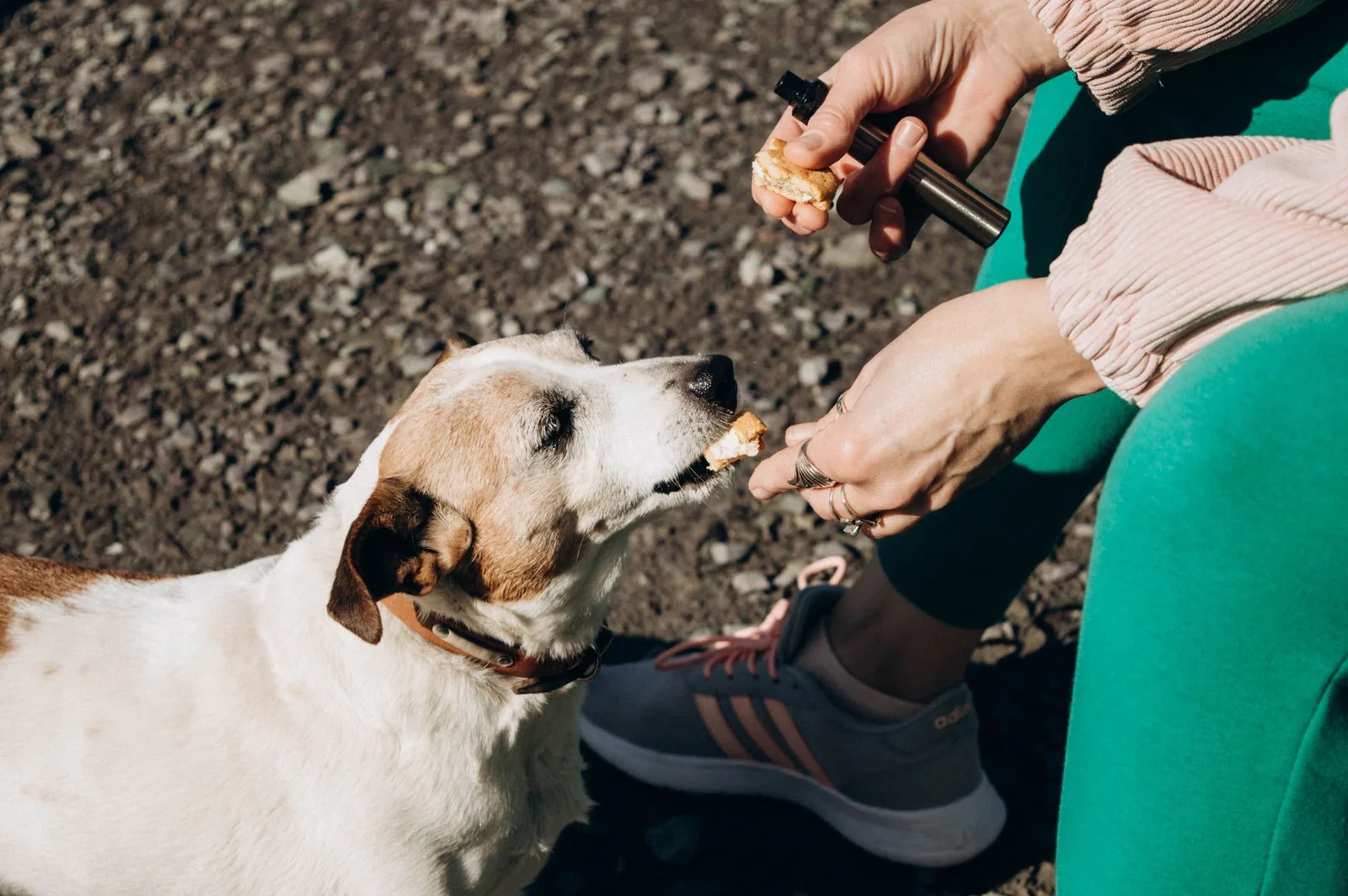
    The fenced entrance gate to a dog park
    Photo by Tolu Akinyemi on Pexels

    Which terriers cope well

    DogVerdict
    Confident adult, plays well, recalls reliablyReasonable candidate
    Sociable but excitableSmall-dog area only, short visits
    Nervous or reactive on leashNo — a park makes it worse
    Strong prey drive, chases anything movingNo
    Newly adopted, under three months inNo — too soon
    Resource guards toys or foodNo
    Senior, or with joint problemsNo — injury risk outweighs benefit
    Not neuteredOften prohibited, and a common flashpoint
    Two rows are worth emphasizing. A newly adopted dog has no bond and no recall, and a reactive dog does not learn confidence from being overwhelmed.
    The socialization argument is where most owners get this wrong: dogs do not become confident by exposure to chaos. Our guide to terrier behavior covers what actually builds tolerance.

    If you do go

    1. Stand at the gate first and watch for five minutes before entering.
    2. Use the small-dog side, and leave if larger dogs are brought in.
    3. Keep moving. Standing in a group of owners while dogs sort themselves out is how incidents build.
    4. Watch your dog, not your phone. The signals that precede trouble are brief.
    5. Leave early. Twenty good minutes beats forty that end badly.
    6. Go at quiet times rather than immediately after work.

    The signals to watch for — stiffening, hard staring, one dog repeatedly unable to disengage — are set out in our guide to reading canine body language.

    A dog walking along a quiet woodland trail
    Photo by wr heustis on Pexels

    Alternatives that usually work better

    OptionWhy it suits a terrier
    Long sniffing walk on a long lineMeets the actual need; no social risk
    Arranged playdate with a known dogControlled, matched size and play style
    Rented private field, where availableOff-leash freedom with no other dogs
    Scentwork or earthdog classUses the breed’s original drive productively
    Quiet trail at an off-peak hourNovelty and exercise without crowding
    Structured training classSocialization with supervision and structure
    The first row is the one most owners underestimate. Twenty minutes of sniffing tires a terrier more thoroughly than an hour of chasing.

    Why that is true is covered in our guide to how much exercise a Westie actually needs.

    Two dogs playing in an enclosed garden
    Photo by Helena Lopes on Pexels

    Newly adopted dogs

    Give it three months at minimum. A dog that has been with you two weeks has no bond to hold it, no reliable recall, and no reason to choose you over a gate left open.

    Dog parks are also a common place for rescue dogs to be lost, which is worth weighing against the perceived benefit — why terriers bolt and what to do if one gets out covers the recovery method.

    A dog sniffing along the base of a hedge
    Photo by Mathias Reding on Pexels

    Frequently asked questions

    Are dog parks safe for small dogs?

    They carry real size-mismatch risk. A large dog chasing a small one can injure it seriously without any aggressive intent, so a separate small-dog area matters and leaving when it is ignored matters more.

    Do dogs need dog parks to be socialized?

    No. Socialization means calm, positive exposure, which a busy park often is not. Structured classes, walks with known dogs and controlled meetings all build tolerance more reliably.

    Can a terrier with prey drive go to a dog park?

    Usually not safely. Chase games can tip into predatory behavior, and a small fast dog running is exactly the trigger. A long line on a quiet walk gives the freedom without that risk.

    How soon can a newly adopted dog go to a dog park?

    Not for at least three months, and often longer. A new dog has no bond, no reliable recall and nothing holding it to you, which makes both escape and conflict more likely.

    What should I never bring to a dog park?

    Toys, chews and food. They are the most common cause of fights between dogs who were otherwise getting along. Communal water bowls are also worth avoiding.

    A contented terrier standing outdoors
    Photo by Gundula Vogel on Pexels

    What we tell adopters

    We do not prohibit dog parks, and we do not recommend them as a default. What matters is the individual dog, and the foster carer will tell you honestly how yours is with unfamiliar dogs.

    The Westies currently available for adoption carry those notes, and our guide to dog-to-dog introductions covers controlled meetings, which is the better route to the same goal.