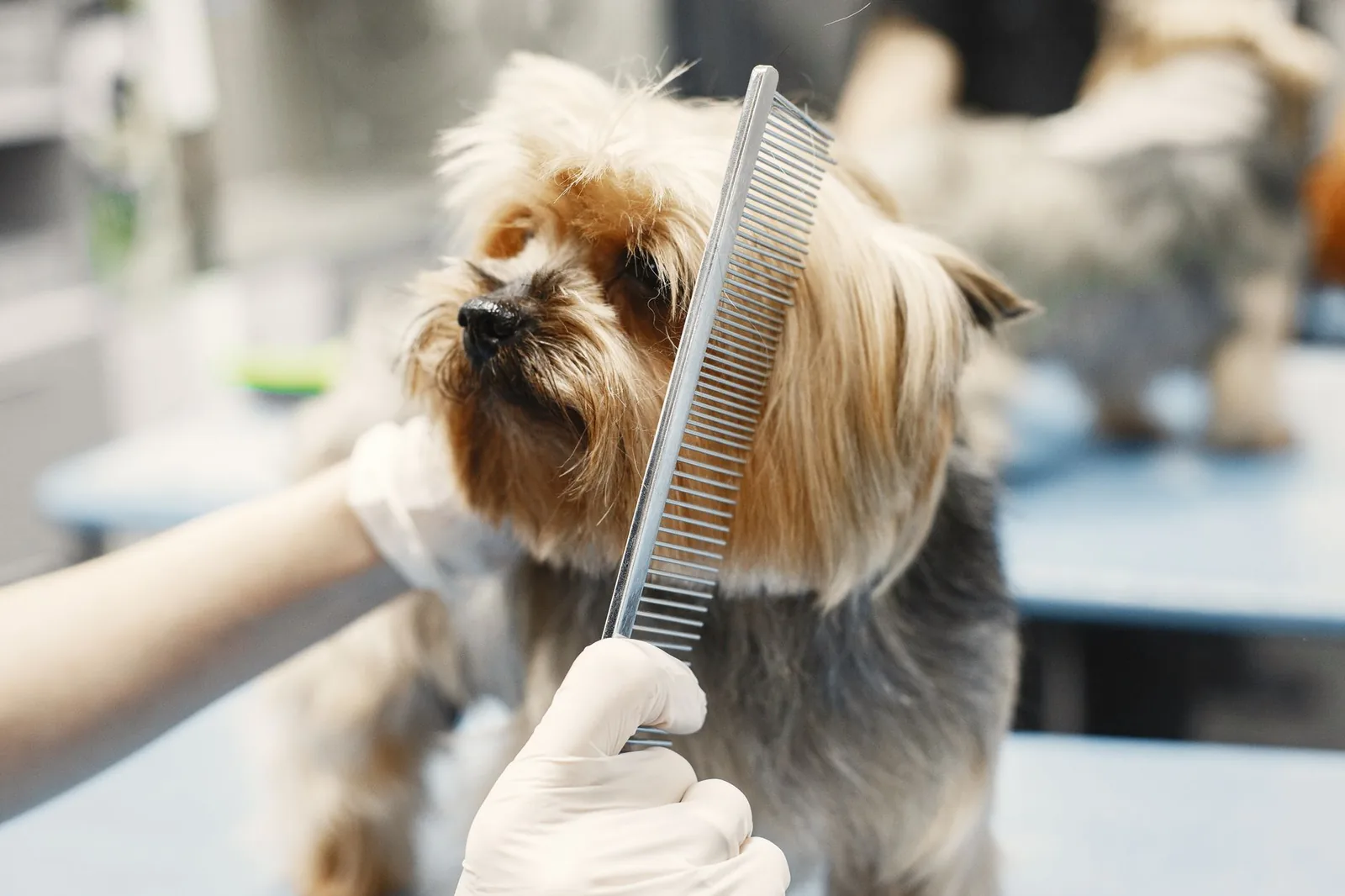
Most Westie owners will use a professional groomer, and most will choose one on proximity and price. That works until the day someone clips a harsh double coat down to the skin without asking.
The coat takes a season or more to recover, and in some dogs it never fully does. A few questions beforehand prevent it.
The short version
- Ask specifically about terrier coats and hand-stripping, not about grooming generally.
- Agree what will happen to the coat before the dog goes on the table.
- A groomer who asks you a lot of questions is a good sign, not a slow one.
- For seniors, ask about short sessions and whether the dog is left in a crate.
Why the breed makes this specific
A Westie has a harsh outer coat over a soft undercoat, and the two behave differently under a clipper.
| Approach | What it does | Suits |
|---|---|---|
| Hand-stripping | Removes dead outer coat at the root, keeps the harsh texture | Dogs whose coat and skin tolerate it |
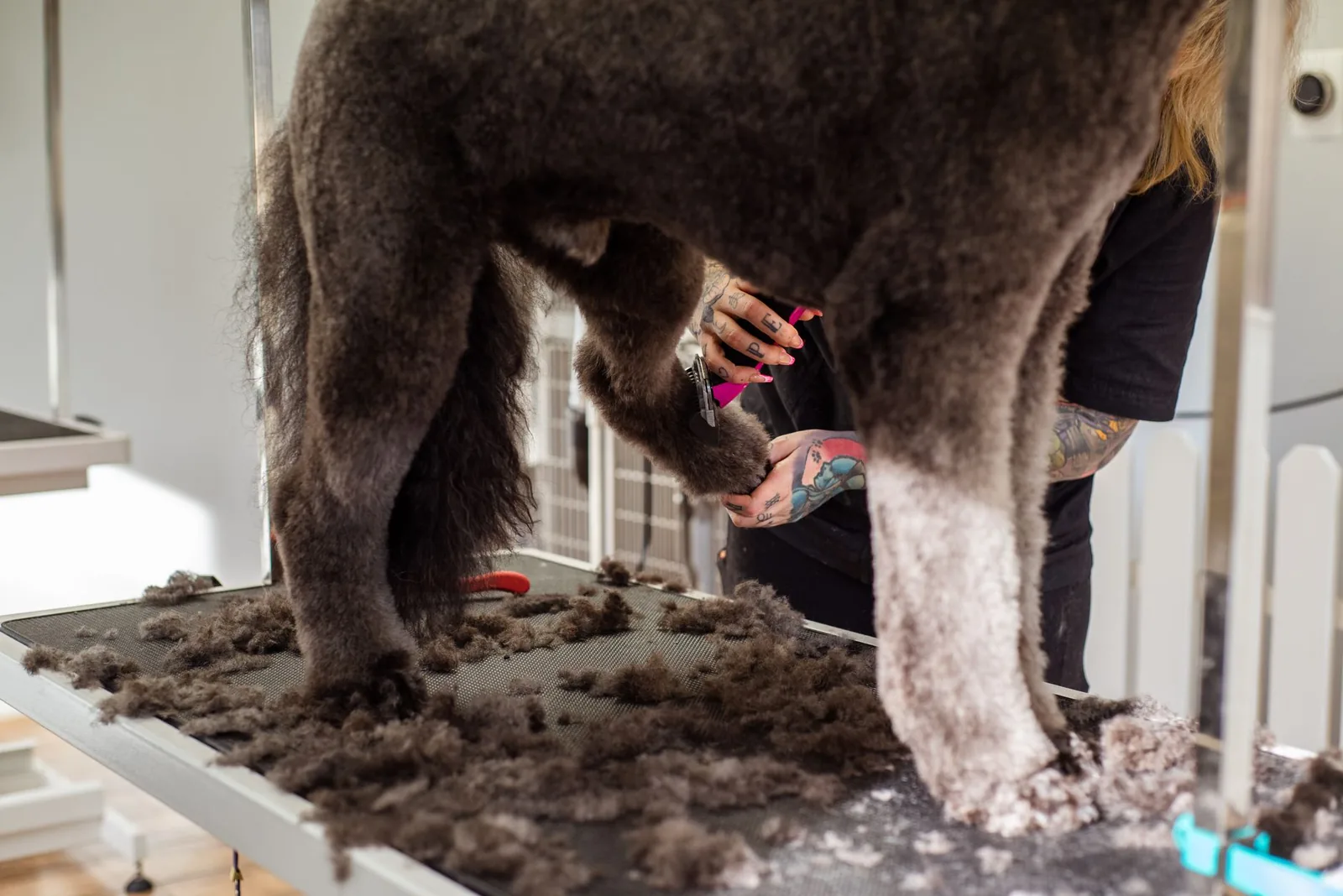
| Clipping | Cuts the coat, leaving the soft undercoat dominant | Seniors, dogs in pain, dogs with skin disease |
| A mix | Stripped body, clipped underside and sanitary areas | Many pet Westies |
| Bath and tidy only | No coat removal | Dogs between full grooms |
Which suits your dog is a real decision rather than a preference — our guide to hand-stripping, clipping and what to ask for sets out the trade-offs in full.
What to ask before booking
- How many Westies or terriers do you groom regularly? Experience with the coat type is the whole question.
- Do you hand-strip, and is it available for my dog? Many salons do not offer it, which is fine if they say so.
- What will you do if the coat is more matted than expected? You want “I will call you”, not a decision made without you.
- How long will my dog be with you, and where is it between the bath and the table?
- What is your policy on an anxious or elderly dog? Listen for a plan, not reassurance.
- May I see the grooming area? A confident answer here tells you a lot.
That last one matters more than people expect. A salon that will not show you where dogs wait is answering the question anyway — the same instinct that serves you well when judging how anyone handles dogs.
What a good first visit looks like
| Good sign | Warning sign |
|---|---|
| Asks about health, age and medication | Takes the dog without questions |
| Confirms the plan for the coat before starting | Assumes a clip |
| Gives a realistic collection time | Vague about how long |
| Mentions ears, nails and pads unprompted | Body coat only |
| Tells you about anything found on the skin | Nothing reported |
| Calm, quiet premises | Constant barking, dogs stacked in crates |
| Happy for you to book a short first session | Insists on a full groom first time |
The ears row is worth weight in this breed, which is prone to recurrent infection — our guide to why Westie ear infections keep coming back covers what a groomer may notice first.
Credentials, and what they mean
Dog grooming is largely unregulated in the United States. Anyone may use the title, and there is no license to check.
Voluntary certification exists and is a reasonable signal, though plenty of excellent groomers have none and learned through apprenticeship instead.
The International Professional Groomers organization publishes information on grooming certification and standards, which is useful context for what a credential does and does not mean.
Treat certification as one input among several. What the groomer says about terrier coats will tell you more.
Older dogs and dogs with a history
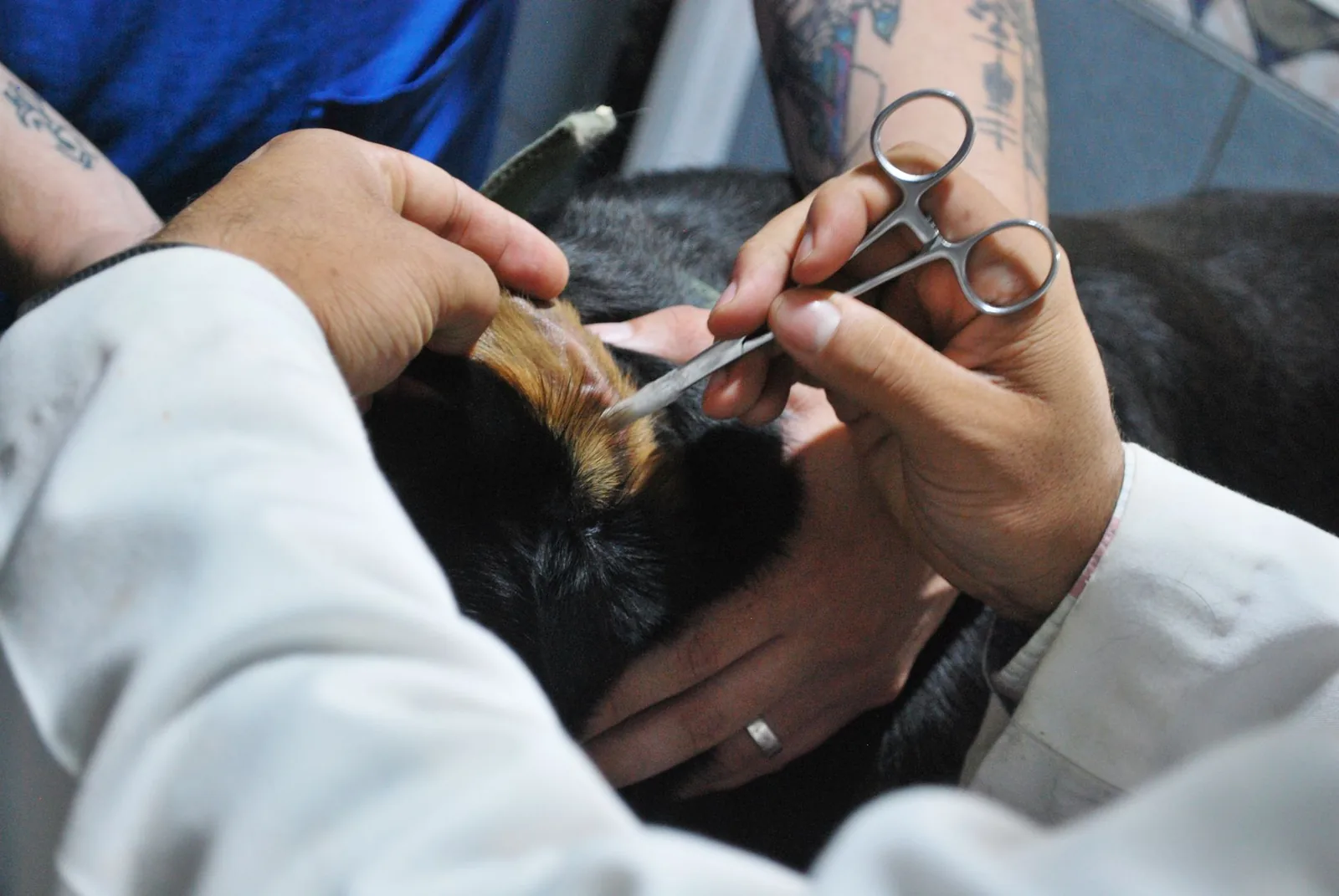
A grooming table is a demanding place for an arthritic dog: standing still, on a hard surface, being handled by a stranger.
Ask for shorter, more frequent sessions rather than a single long one, and say plainly if your dog cannot stand for long or dislikes having its feet held.
For a rescue dog with an unknown past, the same applies with more caution — our guide to building confidence in a fearful dog covers introducing handling gradually rather than all at once.
Frequently asked questions
How often does a Westie need professional grooming?
Commonly every six to ten weeks, depending on whether the coat is stripped or clipped and how much you do at home. Brushing between visits matters more than the exact interval.
Should I let a groomer clip my Westie?
Sometimes yes. Clipping suits seniors, dogs in pain and dogs with skin disease. What matters is that it is a decision you made together, not one taken on the table without asking you.
How do I find a groomer who can hand-strip?
Ask directly, and ask how many terriers they strip regularly. It is a slower, more skilled job that many salons do not offer. A groomer who says they do not is being straight with you.
Is dog grooming regulated in the US?
Largely not. There is no required license in most states and anyone may advertise as a groomer. Voluntary certification exists, but experience with your dog’s coat type is the more useful signal.
What should I do if my dog comes home shaved?
Speak to the groomer calmly and find out what happened; severe matting sometimes leaves no safe alternative. Then agree in writing what happens next time. The coat will regrow, though texture may take a season or more.

What we tell adopters
Book a short introductory appointment before you need a full groom, and take the dog’s history with you. A groomer who knows the dog was neglected will handle it differently.
Grooming is a recurring cost worth budgeting for from the start — our guide to planning for the cost of a dog includes it, and keeping a Westie white covers what you can do between visits.