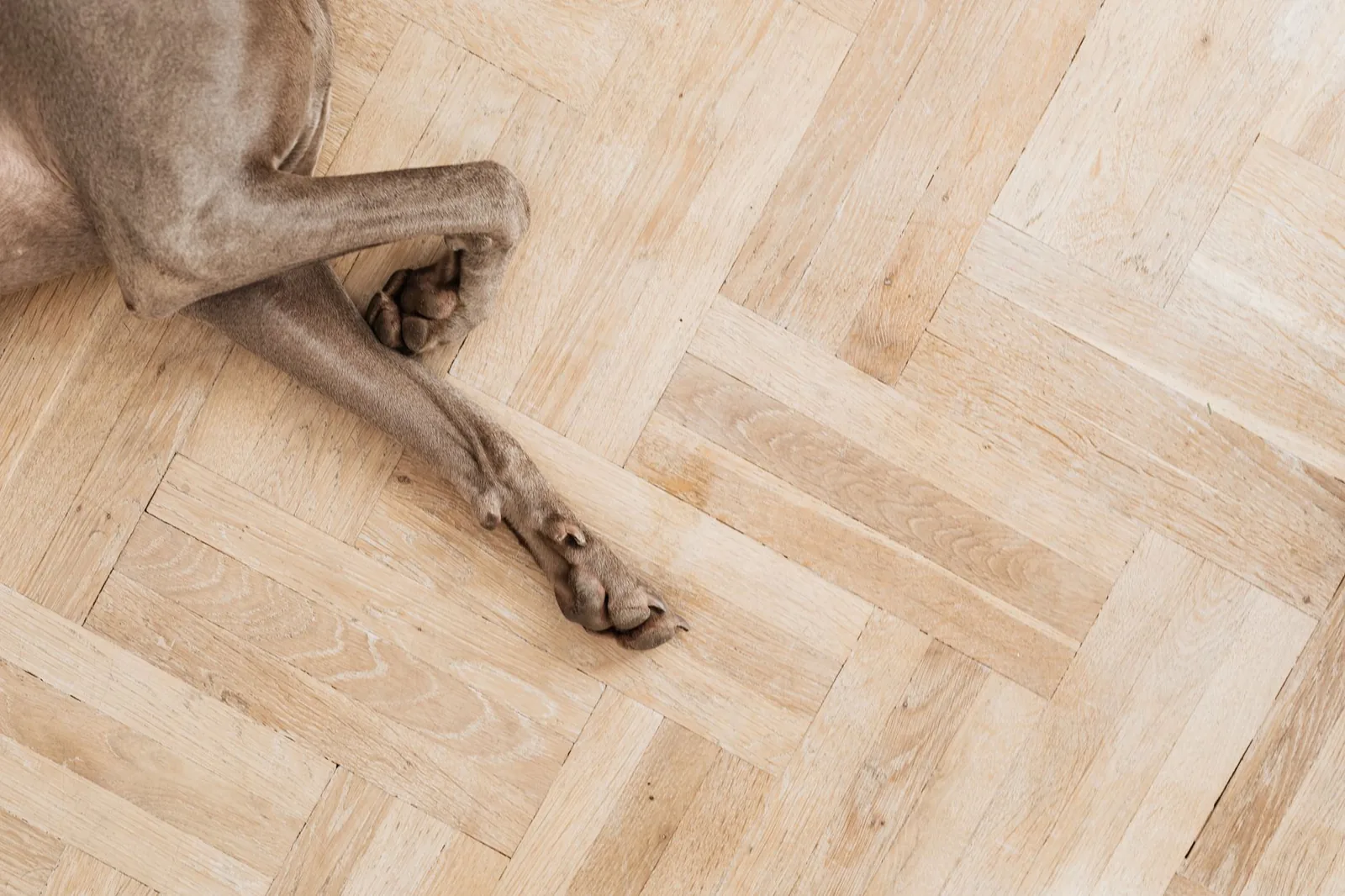
Overgrown nails are the third most common problem Westies are seen for in general practice, behind only dental and ear disease. Ahead of the skin conditions everyone worries about.
It sounds cosmetic. It is not, and the reason is mechanical.
The short version
- A nail that touches the ground when the dog stands is too long.
- Overlong nails change the toe angle and alter gait, which loads joints wrongly.
- Every 3–4 weeks for most dogs; more often for dogs walked on grass.
- Trim little and often. The quick recedes as the nail shortens.
Why length matters mechanically
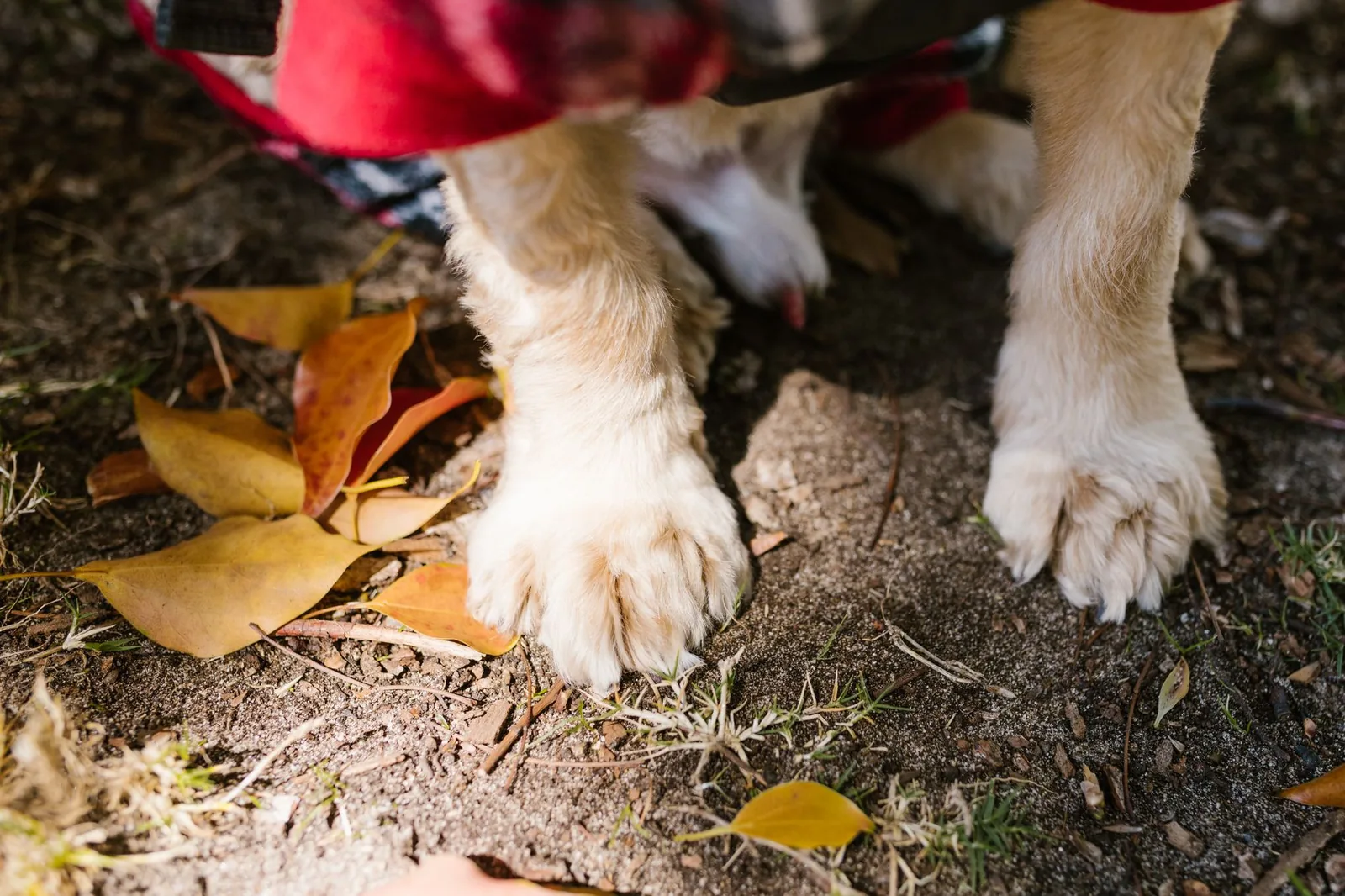
A dog’s weight should sit on the pads. When nails are long enough to contact the floor, they push the toes upward and backward on every step.
That shifts weight off the pads and onto the joints behind them. Over months it changes posture, reduces grip on hard floors, and adds load to hips and knees that may already be arthritic.
It also hurts. A dog that has stopped wanting to walk on laminate is often not being difficult — it has no traction and sore toes.
In an older dog this compounds fast, and it is one of the cheapest interventions available — our guide to arthritis and mobility in older dogs covers what else helps.
How to tell if they are too long
| Test | What you are looking for |
|---|---|
| Stand the dog on a hard floor | No nail should touch. If they do, they are long |
| Listen | Clicking on tile or laminate means too long |
| Look from the side | Nails should not extend past the pad when standing |
| Check the dewclaws | They never wear down and are the most commonly missed |
| Watch the gait | Splayed toes or a shuffling step suggests discomfort |
| Check for curling | A nail curving toward the pad will eventually grow into it |

Trimming without a disaster
Most owners stop trimming because they once cut the quick, the dog bled and screamed, and neither party wanted to try again.
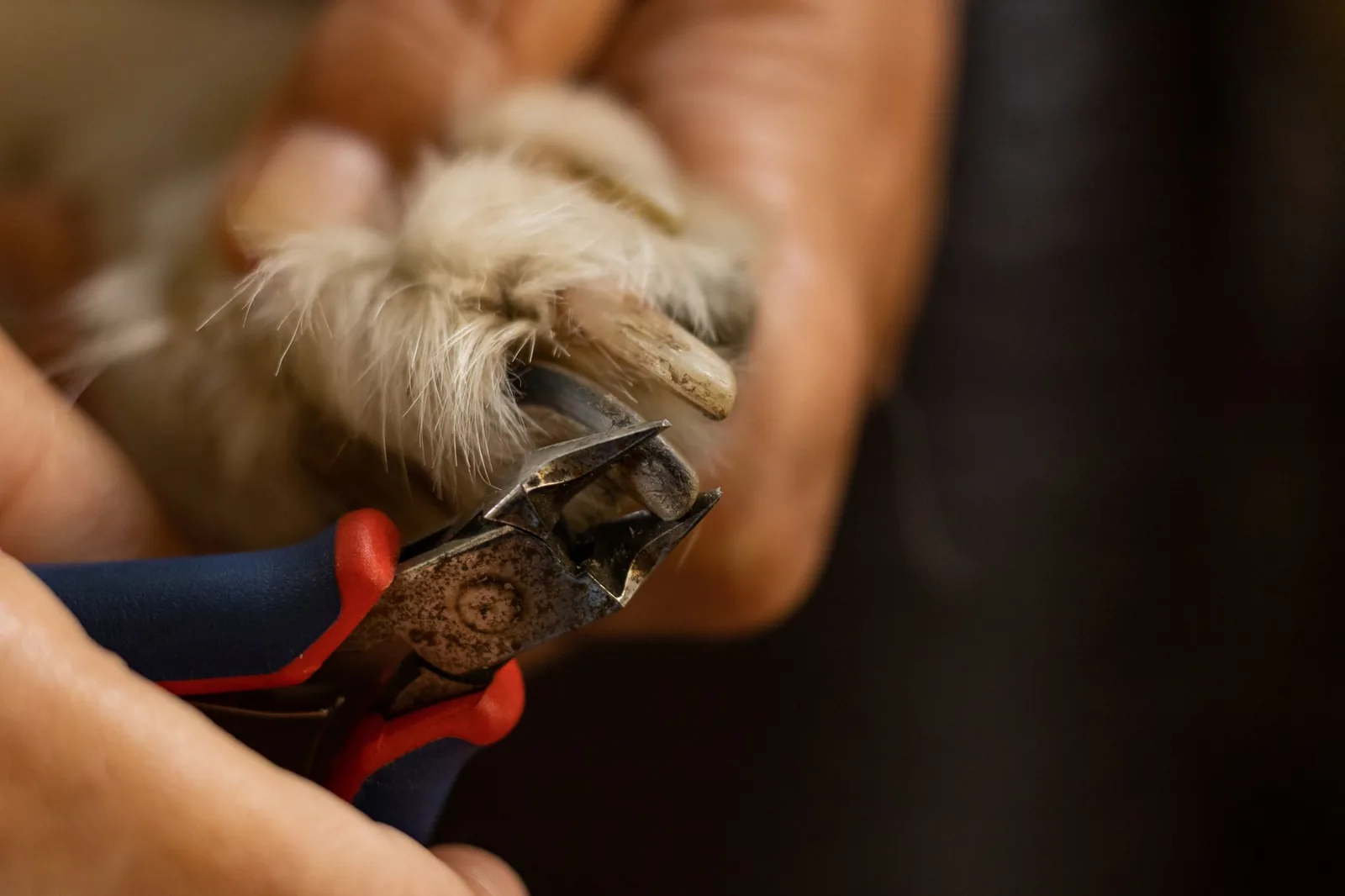
- Take tiny amounts. Several small cuts beat one confident one. You can always take more.
- Look at the cut end. A white or chalky center means keep going; a gray or pink oval appearing means stop.
- Cut at a slight downward angle, following the natural curve rather than straight across.
- Do one nail a day if the dog is worried. There is no rule that says all sixteen at once.
- Keep styptic powder within reach before you start, not after you need it.
- Pay well afterwards, every time, so the association improves rather than degrades.
Black nails hide the quick, which is why little-and-often matters more than confidence. Trim weekly by a millimetre and the quick recedes, letting you get shorter over a month or two without ever hitting it.
Clippers or a grinder
| Scissor clippers | Guillotine clippers | Rotary grinder | |
|---|---|---|---|
| Speed | Fast | Fast | Slow |
| Precision | Good | Moderate | Very good |
| Risk of over-cutting | Moderate | Higher | Low |
| Noise and vibration | Minimal | Minimal | Significant — needs habituation |
| Suits nervous dogs | Sometimes | Rarely | Once introduced properly |
| Leaves a smooth edge | No | No | Yes |
| Best for black nails | Workable with care | Not ideal | Best option |
The National Dog Groomers Association publishes grooming standards and a directory of certified groomers if you would rather have it done than do it.

Paws, not just nails
The weekly nail check is a good moment to look at everything else down there, because feet tell you a lot.
- Rust-stained fur between the toes — saliva from licking, which usually means itching.
- Redness or moisture between pads — yeast likes warm damp gaps.
- Cracked or dry pads — common in winter, made worse by de-icing salt.
- Matted fur under the paw — removes grip and traps grit.
- Grass seeds or grit lodged between toes, which migrate and abscess.
- A nail growing into the pad, which is painful and needs a vet.
The staining point is the one that matters most in this breed. Persistent paw licking is an allergy sign until ruled out — our guide to why Westies itch explains the work-up, and our guide to coat staining covers why the color appears.
Seasonal paw care
| Season | Risk | What to do |
|---|---|---|
| Winter | De-icing salt burns; ice balling between toes | Rinse after every walk; trim the fur between pads |
| Summer | Hot asphalt burns pads in seconds | Test with the back of your hand; walk early or late |
| Spring and fall | Grass seeds; mud packing between toes | Check feet after every off-path walk |
| Year-round | Rough ground wearing pads | Build up distance gradually on new surfaces |
The winter salt problem is covered in more detail in cold weather care for a Westie.
Frequently asked questions
How often should I cut my dog’s nails?
Every three to four weeks for most dogs, and more often for dogs walked mainly on grass, which wears nails down far less than sidewalks. The test is whether nails touch the floor when the dog stands.
How do I cut black nails without hitting the quick?
Take very small amounts and look at the cut end. A white chalky center means you can continue; a gray or pink oval means stop. Trimming weekly by a small amount lets the quick recede over time.
What do I do if I cut the quick?
Apply styptic powder with firm pressure, and keep the dog quiet for a few minutes. It looks dramatic and stops quickly. Have the powder ready before you start rather than after.
Are overgrown nails actually harmful?
Yes. Nails long enough to touch the ground push the toes back on every step, shifting weight off the pads onto the joints. It reduces grip, alters gait and adds load to joints that may already be arthritic.
Why are my dog’s paws orange?
Saliva staining from licking. In a Westie, persistent paw licking is an allergy sign until proven otherwise, so the color is worth investigating rather than washing.
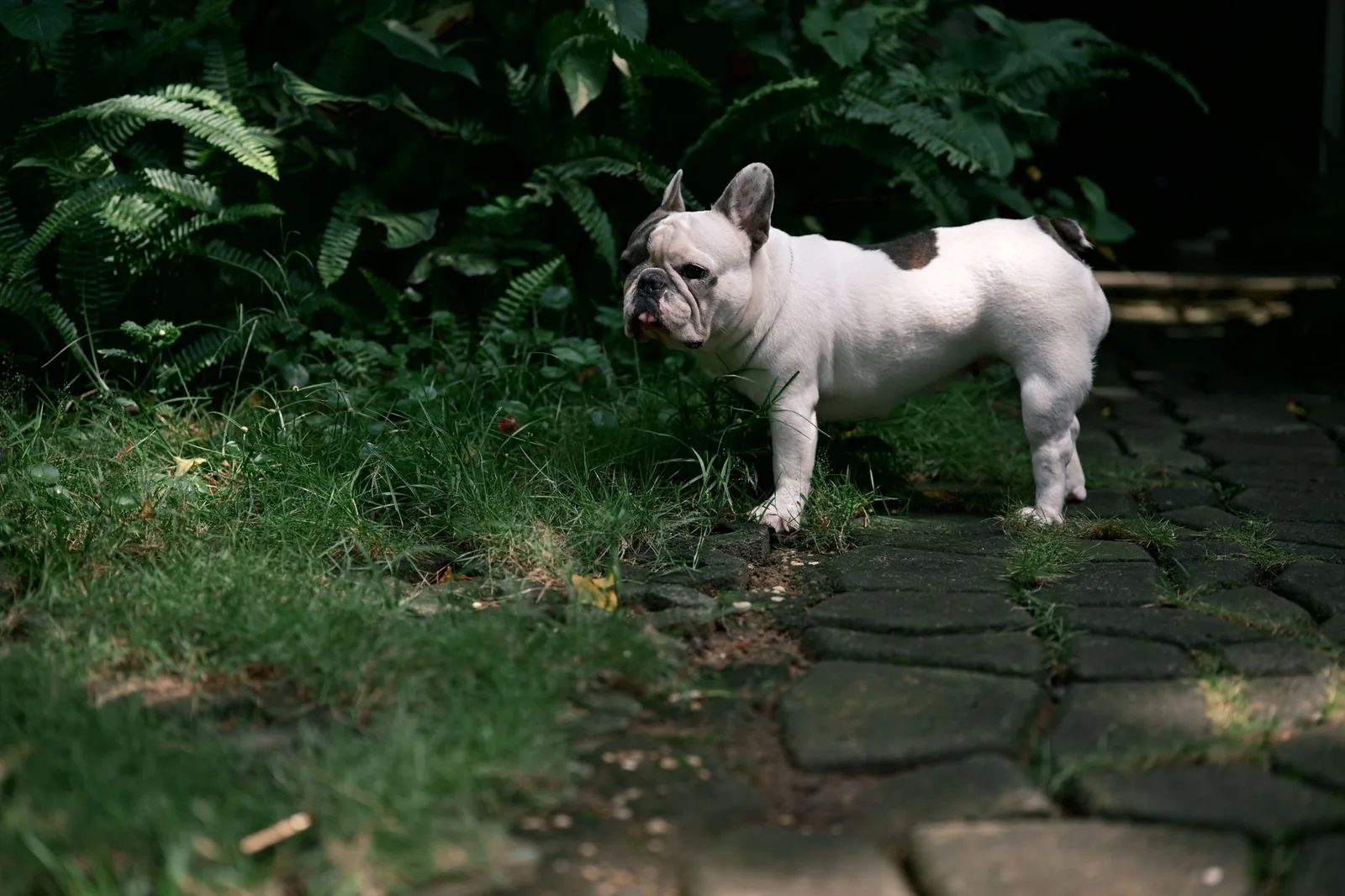
Nails at intake
Badly overgrown nails are among the most common findings in dogs arriving at rescue, and one of the first things addressed.
Where nails have curled into the pads, that is a veterinary job rather than a grooming one. The veterinary care every rescue Westie receives covers what is done before placement, and our grooming guide sets out the routine that keeps it from recurring.