Adoption listings carry short phrases that decide a great deal — good with children, not suited to cats, needs a quiet home. Each is a judgment somebody made.
This explains how they are reached, and where the assessment is weak.
The short version
- Observation over weeks in a home beats any formal test on one afternoon.
- “Untested” means unknown, which is not the same as safe.
- The first two weeks tell you almost nothing; a stressed dog is not itself.
- A rescue that tells you the awkward things is doing it properly.

Why foster homes beat formal testing
Standardized temperament tests are a snapshot of a frightened dog in a strange place. Shelters use them because they have no alternative.
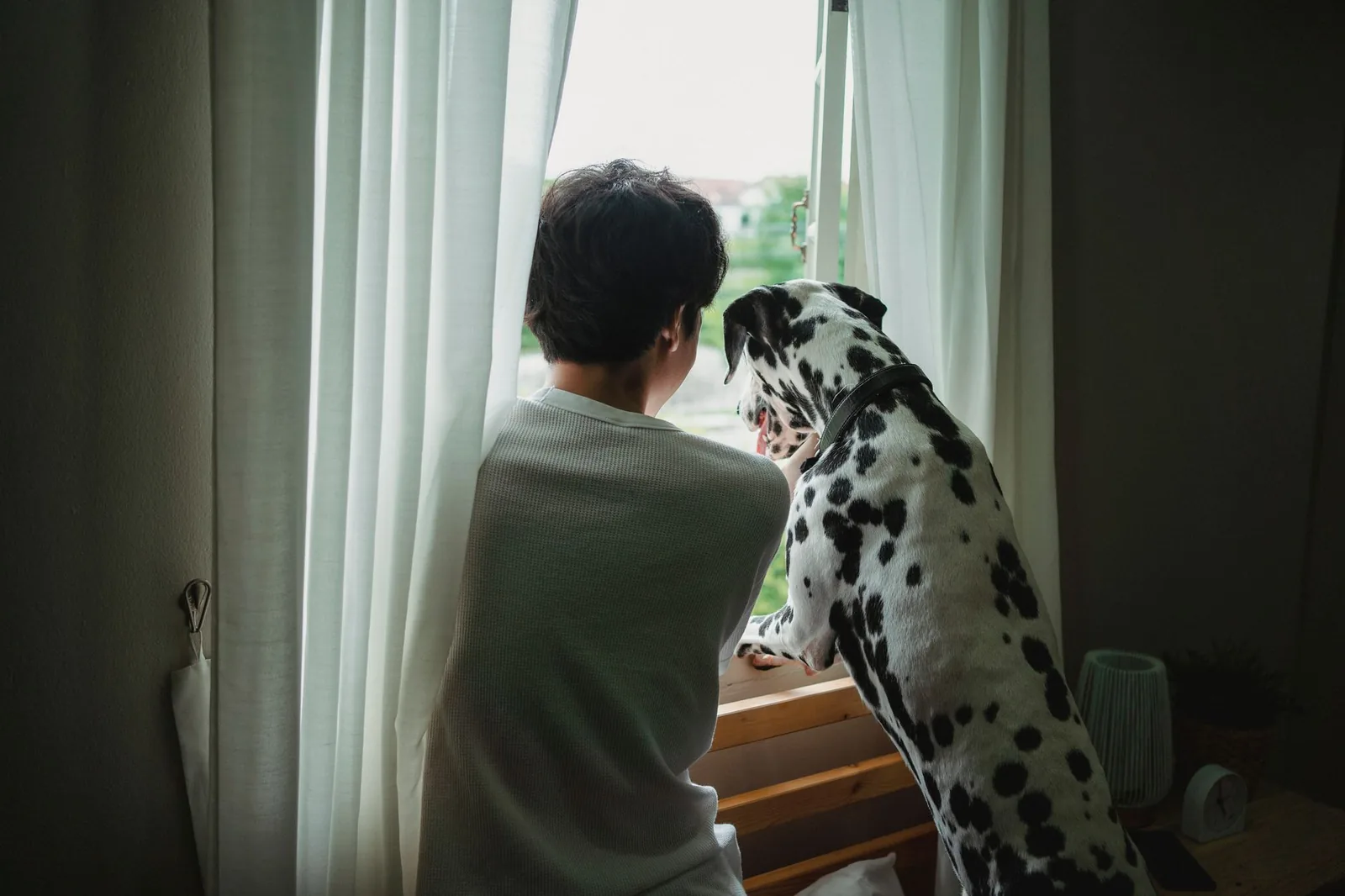
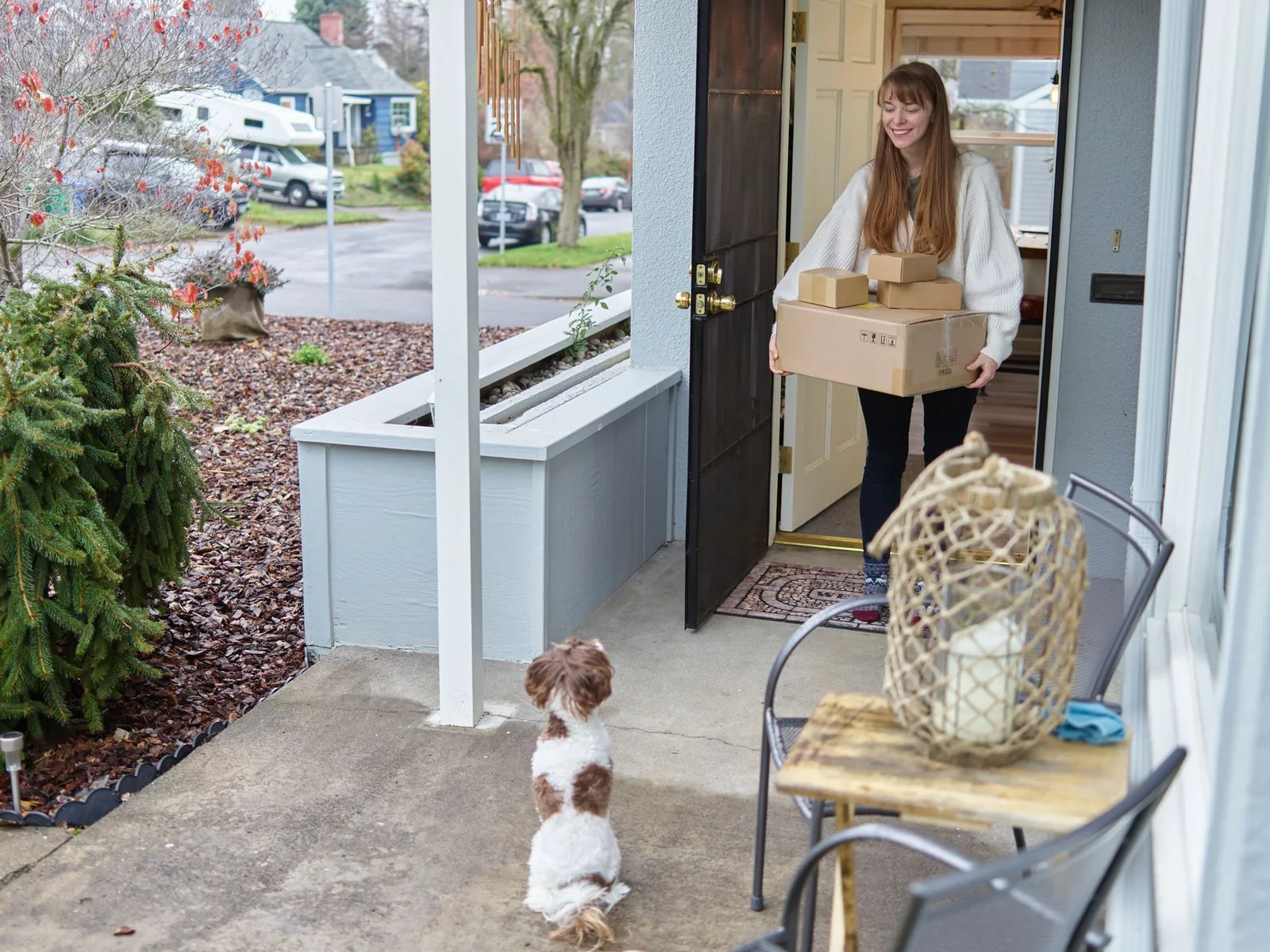
A foster home produces something better: weeks of ordinary life. How the dog is at 6am, when the vacuum starts, when a delivery arrives, when a child next door shrieks, when it is left for two hours.
It is why a foster-based rescue can say more about a dog than a kennel can.
What is actually observed
| Area | What the carer records | How long it takes |
|---|---|---|
| Baseline recovery | How long until the dog eats, sleeps and moves normally | Days 1–14 |
| Household noise | Reaction to vacuum, doorbell, TV, arguments | Weeks 1–3 |
| Being left alone | Filmed, not guessed at | Weeks 2–4 |
| Handling | Grooming, nails, ears, mouth, being lifted | Ongoing |
| Resources | Food, chews, beds, and whether the dog guards any | Weeks 2–6 |
| Other dogs | On walks, then controlled meetings | Weeks 2–6 |
| Cats and small animals | Only if the foster home has them | If possible at all |
| Children | Only with children who are actually present | If possible at all |
| Recovery from a fright | How fast the dog settles after something startles it | Whenever it happens |

What the words mean
| Phrase | What it actually means |
|---|---|
| Cat-tested | Observed living with or meeting cats; the reaction was recorded |
| Untested with cats | No observation exists. Not a statement about safety |
| Good with children | Observed with children of a stated age, in a real household |
| No young children | Either an observed reaction, or a judgment from other behavior |
| Needs a quiet home | Struggles with noise, visitors or unpredictability |
| Would suit an experienced owner | Something here needs handling skill |
| Best as an only dog | Observed conflict, or strong resource guarding |
| Still settling | We do not yet know; ask again in a few weeks |
The cat question is the one where that distinction matters most — our guide to Westies and cats explains why prey drive cannot be assumed either way.
The limits, honestly
Assessment is genuinely useful and genuinely imperfect. A rescue that implies otherwise is overselling.
- A foster home is one environment. A dog fine with a calm retired couple may not be fine in a house with teenagers.
- Absence of evidence is not evidence. A dog that has never met a cat has no record, not a clean one.
- Behavior changes as a dog relaxes. Some things only appear at month three, which is a genuine limitation of shorter placements.
- Some things cannot be tested safely, and nobody should try.
- Foster homes are not laboratories. They are households doing their best to notice accurately.
Shelter Animals Count publishes national data on sheltering outcomes and practice, which is the wider context these individual judgments sit in.
Why honest notes matter more than flattering ones
There is an obvious temptation to describe every dog warmly, and it is the quickest way to get a dog returned.
A placement built on an incomplete picture fails, usually within months, and the dog comes back having lost another home. That is worse for the dog than waiting longer for the right household.
So a listing that says “guards chews” or “cannot be left more than three hours” is a rescue doing its job, not one struggling to place a difficult dog.
What you can do with this
- Ask what was observed, not what is concluded. “What did he actually do when the cat walked in?” is a better question than “is he good with cats?”
- Ask what the foster carer worries about with this dog.
- Ask what has not been assessed, and why.
- Describe your household accurately so the match is made on real information.
- Meet the dog more than once where the placement is complex.
The accuracy point cuts both ways — what makes an adoption application strong explains why understating your hours or omitting a resident cat produces a worse match rather than a faster one.

What happens after placement
A dog that turns out to guard the sofa, or to be frightened of men in hats, is not a failed assessment. It is new information, and usually workable with support.
What to expect in the first 30 days with a rescue Westie covers that window, and reading canine stress signals is what lets you observe your own dog the way a foster carer would.

Frequently asked questions
How do rescues know a dog’s temperament?
Mostly by living with it. Foster carers record how the dog behaves across weeks of ordinary life — noise, visitors, handling, being left, meeting other dogs — which tells you far more than a single formal test.
What does “untested with cats” mean?
That no observation exists, usually because the foster home has no cat. It is not a statement that the dog is safe with them, and it should be read as unknown.
Are temperament tests reliable?
A single formal test is a snapshot of a stressed dog in an unfamiliar place, so it is far weaker than sustained observation. It is what shelters use because they have no alternative.
Why does a listing mention negative things?
Because placements built on incomplete pictures fail, and a returned dog has lost another home. Honest notes are a rescue doing its job rather than struggling to place a dog.
Can a dog’s temperament change after adoption?
Behavior certainly does, as the dog relaxes. Things can appear at month three that were invisible in foster care. That is normal, usually workable, and a reason to stay in touch with the rescue.

Reading our listings
Every dog on our adoptable dogs page carries notes written by the person living with it, including the awkward parts.
If something is unclear, ask — the foster carer will usually tell you more in five minutes than any listing can. What fostering actually involves explains where those observations come from, and why foster homes are the thing that limits how many dogs we can help.