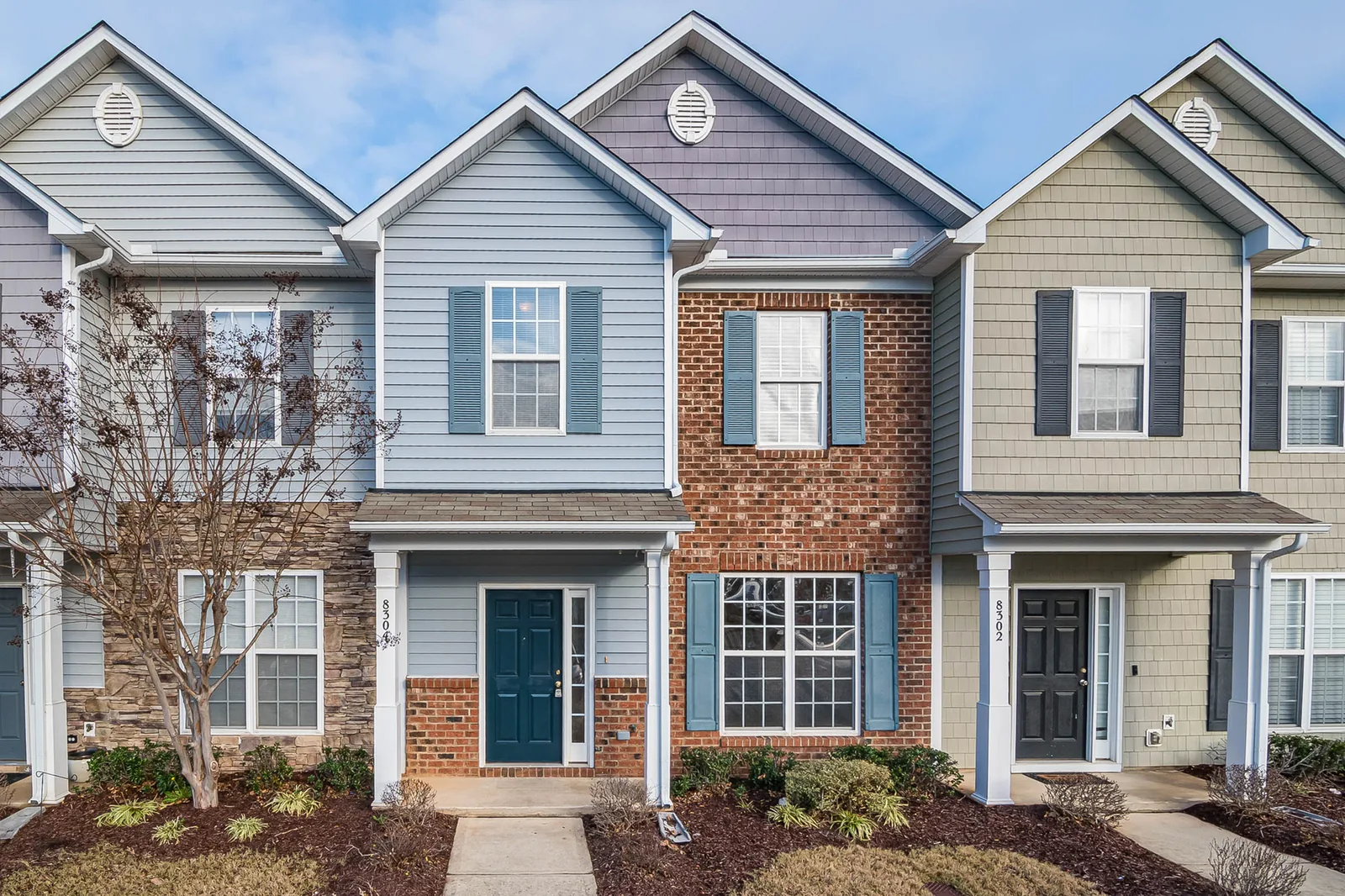
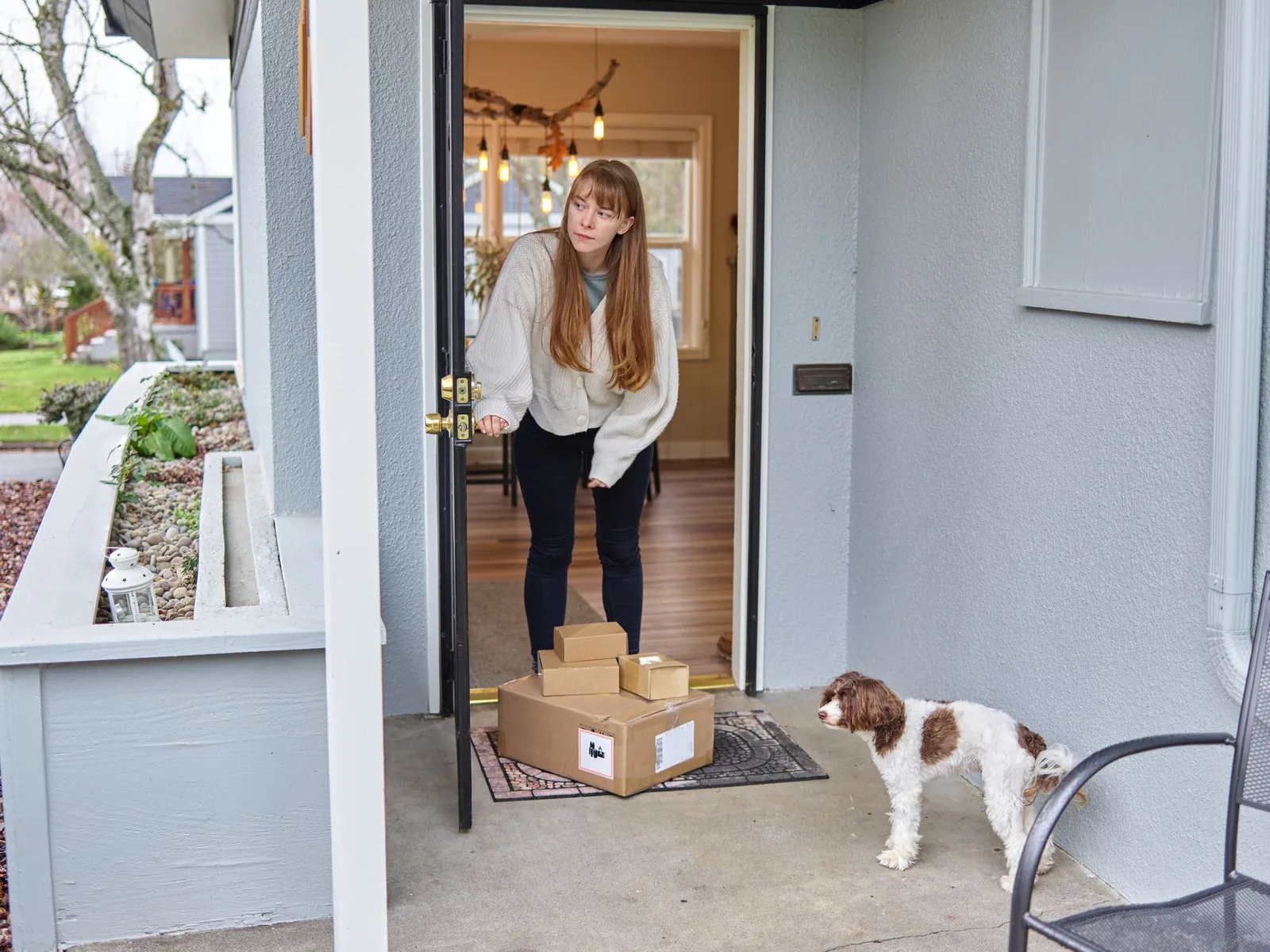
The home visit is the part of adoption applicants worry about most, and it is almost always the least eventful step in the process.
People picture an inspection with a clipboard. What actually happens is a conversation, mostly about fencing, stairs and where the dog will sleep.
The short version
- It usually takes 45 minutes to an hour, and much of it is talking.
- Nobody is judging your housekeeping, your décor or your income.
- Fencing, stairs, sleeping arrangements and other pets are the practical focus.
- Almost nobody fails. Most visits end with suggestions rather than a verdict.
What the visitor is actually looking at
| Area | What they check | Why |
|---|---|---|
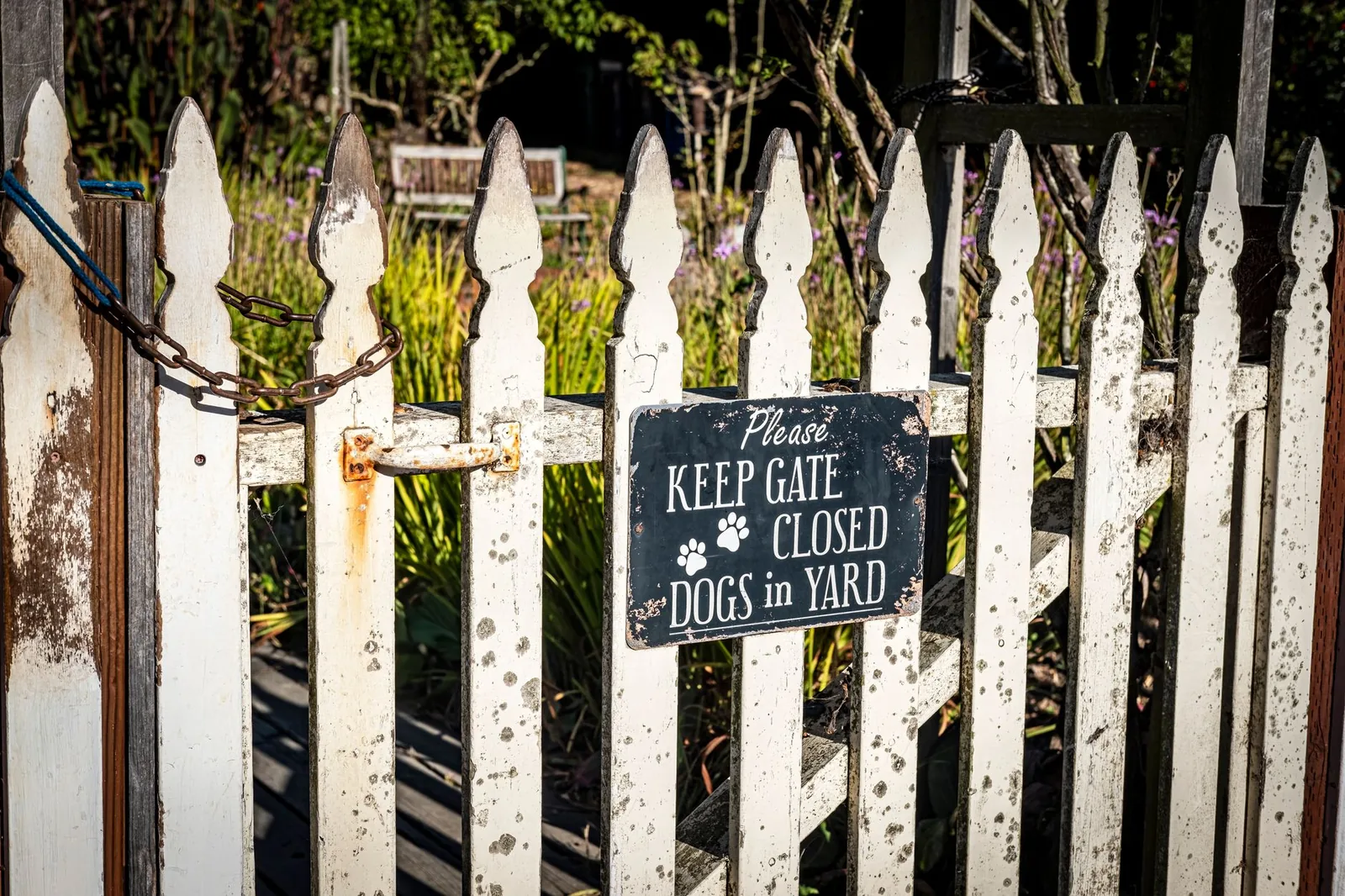
| Fencing | Height, gaps at the bottom, gate latches | Terriers go under and through, not over |
| Access points | Front door layout, whether a dog could slip out | Week one is when dogs are lost |
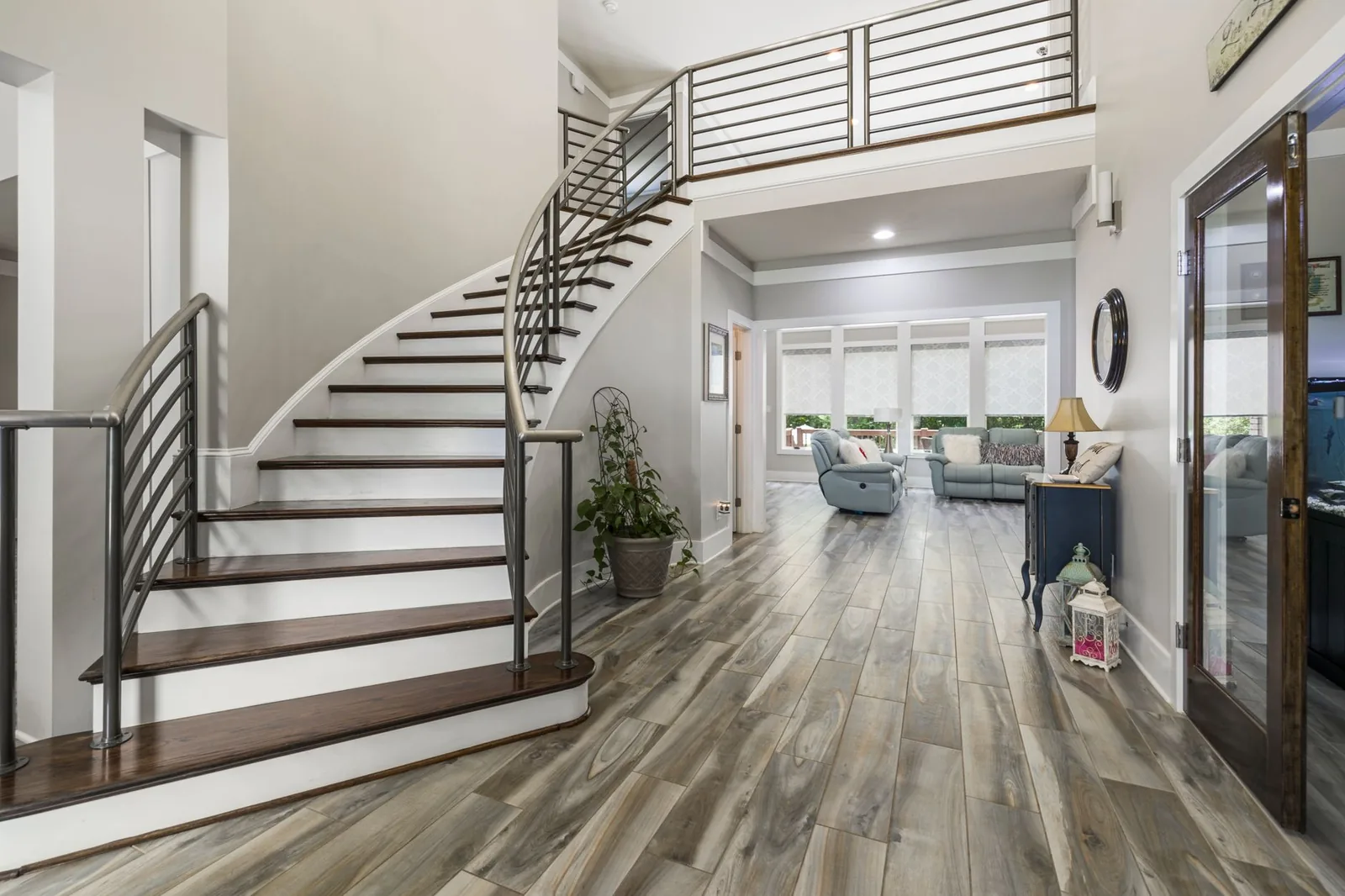
| Stairs | How many, how steep, whether they can be gated | Matters for older and arthritic dogs |
| Sleeping arrangements | Where the bed will go, whether it is quiet | Settling depends on it |
| Other pets | Where they are, how they use the space | Determines introduction planning |
| Household | Who lives here, ages, hours away | Confirms the application in person |
| Hazards | Ponds, drops, unfenced drives | Only where relevant to this dog |
The fencing focus is not arbitrary — our guide to escape-proofing for terriers explains why the bottom foot of a fence matters more than the top.
What they are not looking at
- How tidy the house is. Nobody cares, and everybody has seen worse.
- Whether you own or rent, beyond checking that pets are permitted.
- The size of the house or yard. A flat with committed walks beats a big garden nobody uses.
- Your income, beyond a general sense that veterinary costs are manageable.
- How new your furniture is. The dog will not respect it either way.
- Whether you have had a dog before. First-time owners adopt successfully all the time.
People tidy for days beforehand. It is unnecessary, and a house that looks lived-in tells a visitor more useful things than a staged one.

How it usually goes
- Arrival and a drink. Most of the visit is conversation, and it starts here.
- Talking through your application — routine, hours, who does what.
- A walk round, including the yard. Ten minutes, informal.
- Meeting resident pets, if there are any.
- Talking about specific dogs and which might suit.
- Your questions, which is the part applicants most often forget to prepare.
Volunteers are trained and given a checklist, and they are usually adopters themselves. RescueGroups publishes tools and resources used by rescue organizations to manage adoptions, which is the kind of system many groups run this process through.
What comes up most often
| Finding | What happens next |
|---|---|
| A gap under the fence | A suggestion to fill it; not a refusal |
| No fencing at all | Narrows which dogs suit; some are placed without it |
| Steep stairs | Relevant for older dogs; a gate usually resolves it |
| A pond or pool | A conversation about supervision or fencing it |
| A resident cat | Determines that a cat-tested dog is needed |
| Very young children | Narrows to dogs assessed with children of that age |
| Hours away longer than stated | An honest conversation, not a black mark |
The cat row is the one that genuinely narrows things most — our guide to Westies and cats explains why prey drive cannot be assumed either way.
How to prepare
Very little is needed, and none of it involves cleaning.
- Walk your own fence line first and note any gaps, so you can raise them rather than be shown them.
- Have everyone home who lives there, including children.
- Know your real hours, including the days that differ.
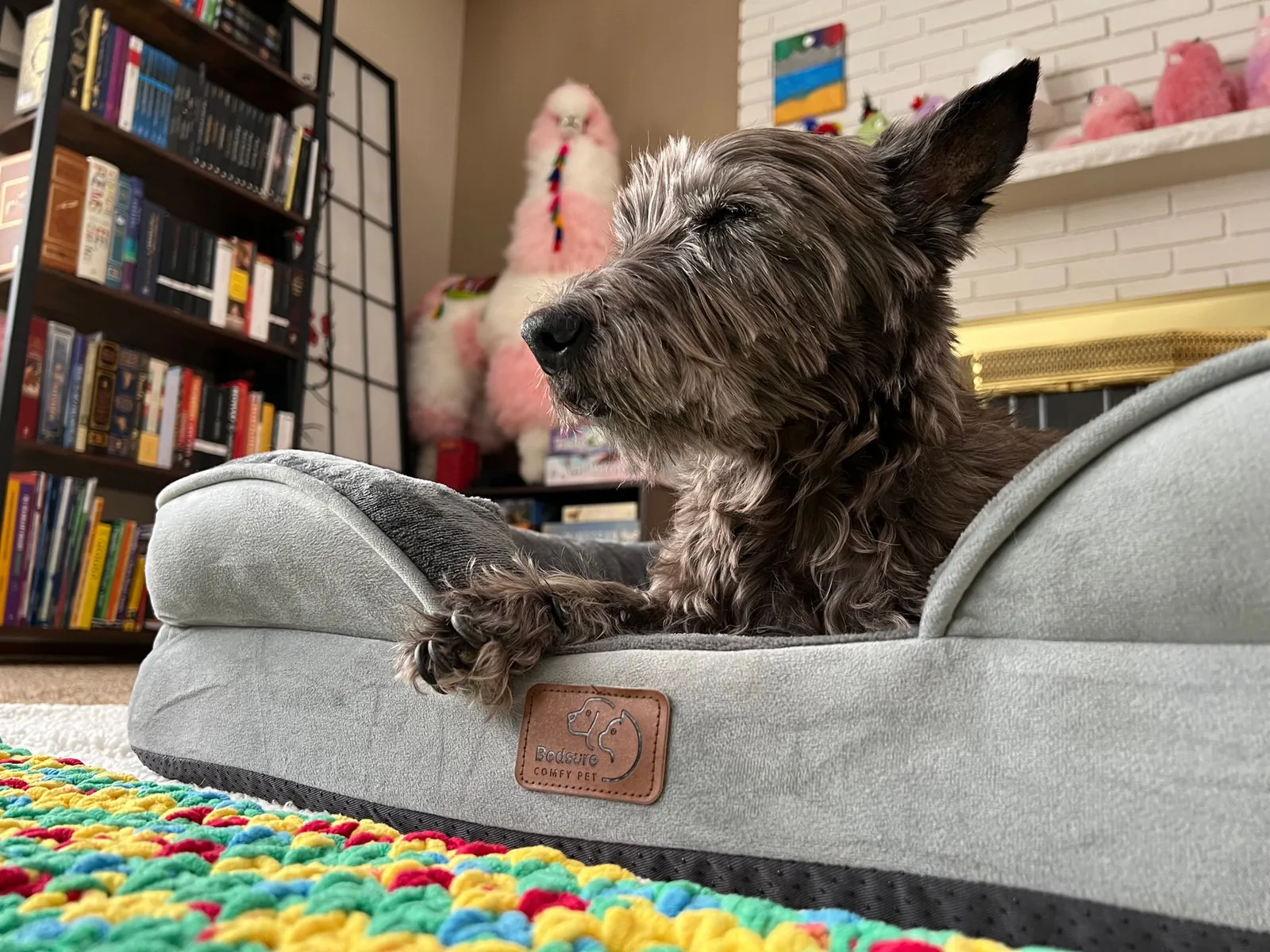
- Think about where the bed will go before you are asked.
- Write down your questions. This is your chance to ask about the process, the dogs and the support afterwards.
- Be honest about anything awkward. It is far better raised now.
The honesty point matters as much here as on the form — what makes an adoption application strong covers why understating hours produces placements that fail.
If something is raised
Being told the fence needs work, or that a cat rules out certain dogs, is not a rejection. It is the process doing what it exists to do.
Ask what would resolve it, and whether it rules out all dogs or only some. In most cases it is the latter, and the answer changes which dog rather than whether you get one.
If you are declined outright, ask why plainly. The reason is usually specific and practical, and another organization may take a different view — how to find a Westie rescue in your state covers where else to look.
Frequently asked questions
What do they look for in a home visit for dog adoption?
Fencing, how the dog could get out of the front door, stairs, where the dog will sleep, other pets and who lives in the household. It is about whether a specific dog could live there safely.
Do I need to tidy the house before a home visit?
No. Nobody is assessing housekeeping, and a lived-in house tells a visitor more useful things than a staged one. Walk your fence line instead.
How long does a home visit take?
Usually 45 minutes to an hour, and most of it is conversation. The walk round the house and yard is typically about ten minutes.
Can you fail a home visit?
It is uncommon. Most visits produce a suggestion or narrow which dog suits rather than a decline. Where something does rule you out, it is usually practical and specific.
Do I need a fenced yard to adopt?
Not always, though it matters more for terriers because recall is unreliable against prey. Without one, it narrows which dogs suit rather than ruling you out entirely.
Where it fits in the process
The visit comes after the application and reference checks, and before meeting the dog.
Our guide to adopting a Westie in New England sets out the whole sequence, and the first 30 days with a rescue Westie covers what happens after the dog comes home. If you are volunteering rather than adopting, home visiting is one of the roles most often short-handed — the volunteer roles explains what it involves.