Category: Blog

  • Understanding Aggression in Dogs

    Understanding Aggression in Dogs

    Aggression is a category rather than a diagnosis. It describes behaviors — growling, snapping, biting — arising from completely different causes.

    This explains what the word covers and what to do first. It gives no training protocol, because these cases need individual assessment and generic advice gets people bitten.

    The short version

    • Most aggression is fear. Very little of it is confidence or dominance.
    • Rule out pain first. Sudden aggression in an adult dog is medical until proven otherwise.
    • Never punish a growl. It is a warning you want the dog to keep giving.
    • Anything involving a bite, or children, needs a qualified professional now.
    A dog turning its head away and holding still
    Photo by Viridiana Rivera on Pexels

    What is usually driving it

    TypeWhat it looks likeUsually driven by
    Fear-basedRetreating first, then snapping when corneredWanting distance
    Pain-relatedNew irritability, reacting to touch in one areaDiscomfort
    Resource guardingStiffening over food, chews, beds or a personAnticipated loss
    TerritorialAt doors, windows, fence linesAlarm and barrier frustration
    RedirectedAroused by one thing, bites what is nearestOverwhelm
    PredatorySilent, fixed, no warning displayA different system entirely
    FrustrationExplosive on lead, fine off itBeing prevented
    Note how few of these involve a dog wanting to be in charge. The dominance framework explains almost none of what is actually happening.

    The predatory row is the one that behaves differently from all the others, and in a terrier it matters — our guide to Westies and cats covers why silent fixation is more concerning than barking.

    Rule out pain first

    This is the step most often skipped, and a meaningful share of behavior referrals turn out to have a medical component. Aggression that is new, that has changed character, or that follows being touched in one place warrants a veterinary examination before any training plan.

    Dental disease, arthritis, ear infections and failing eyesight all produce irritability that looks like temperament — our guide to arthritis and our guide to dental disease both cover behavior change as a presenting sign.
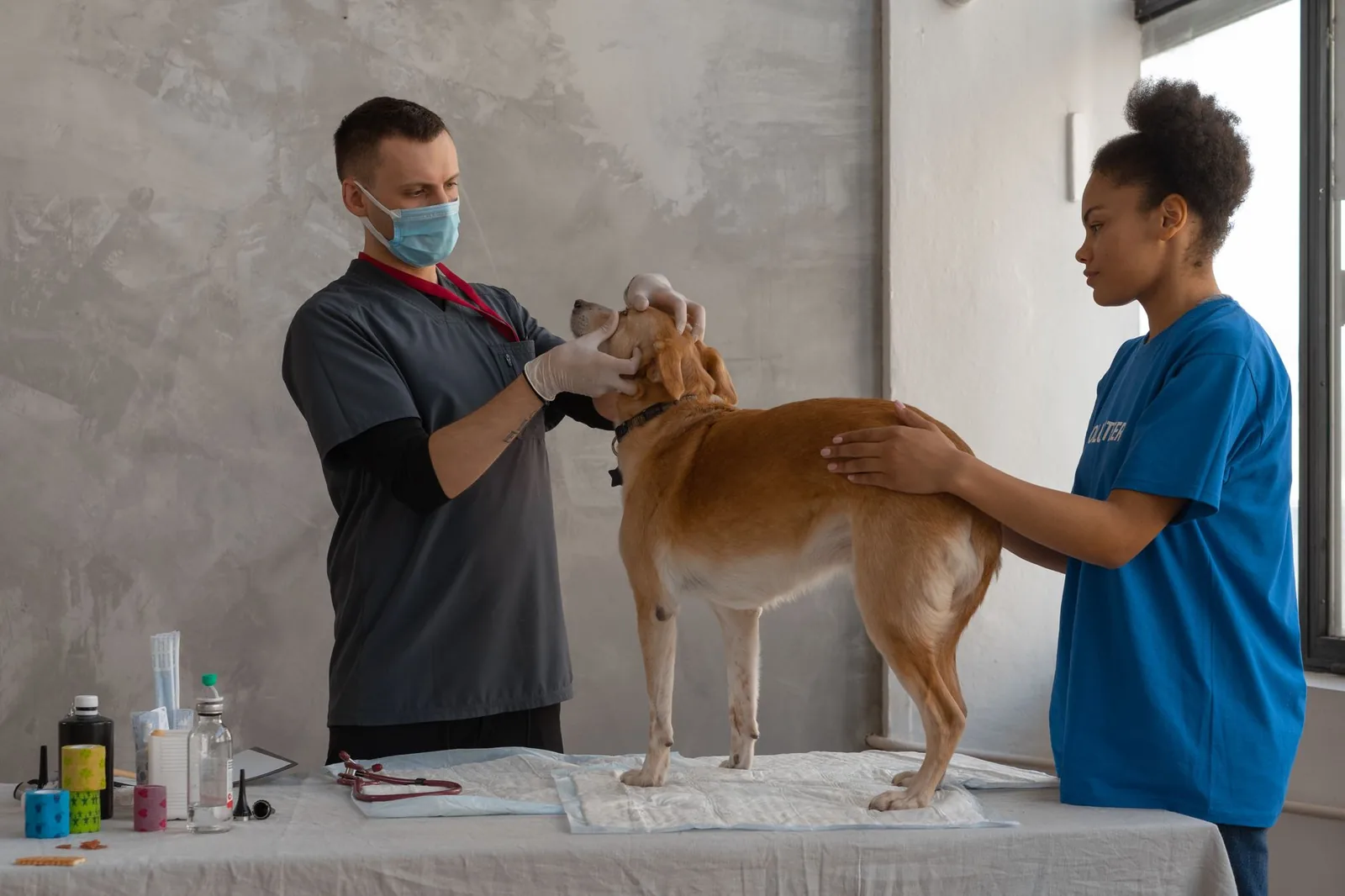
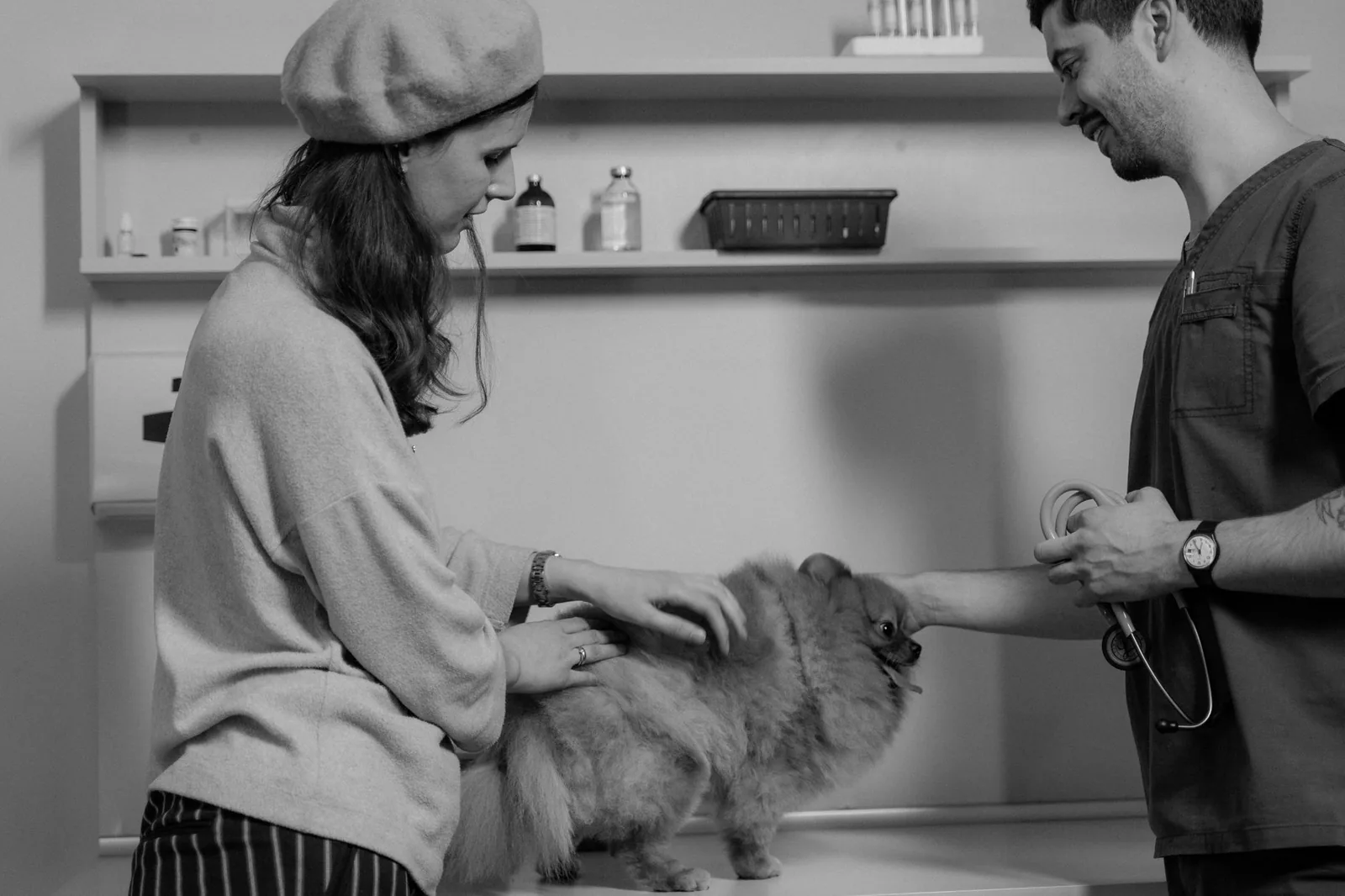
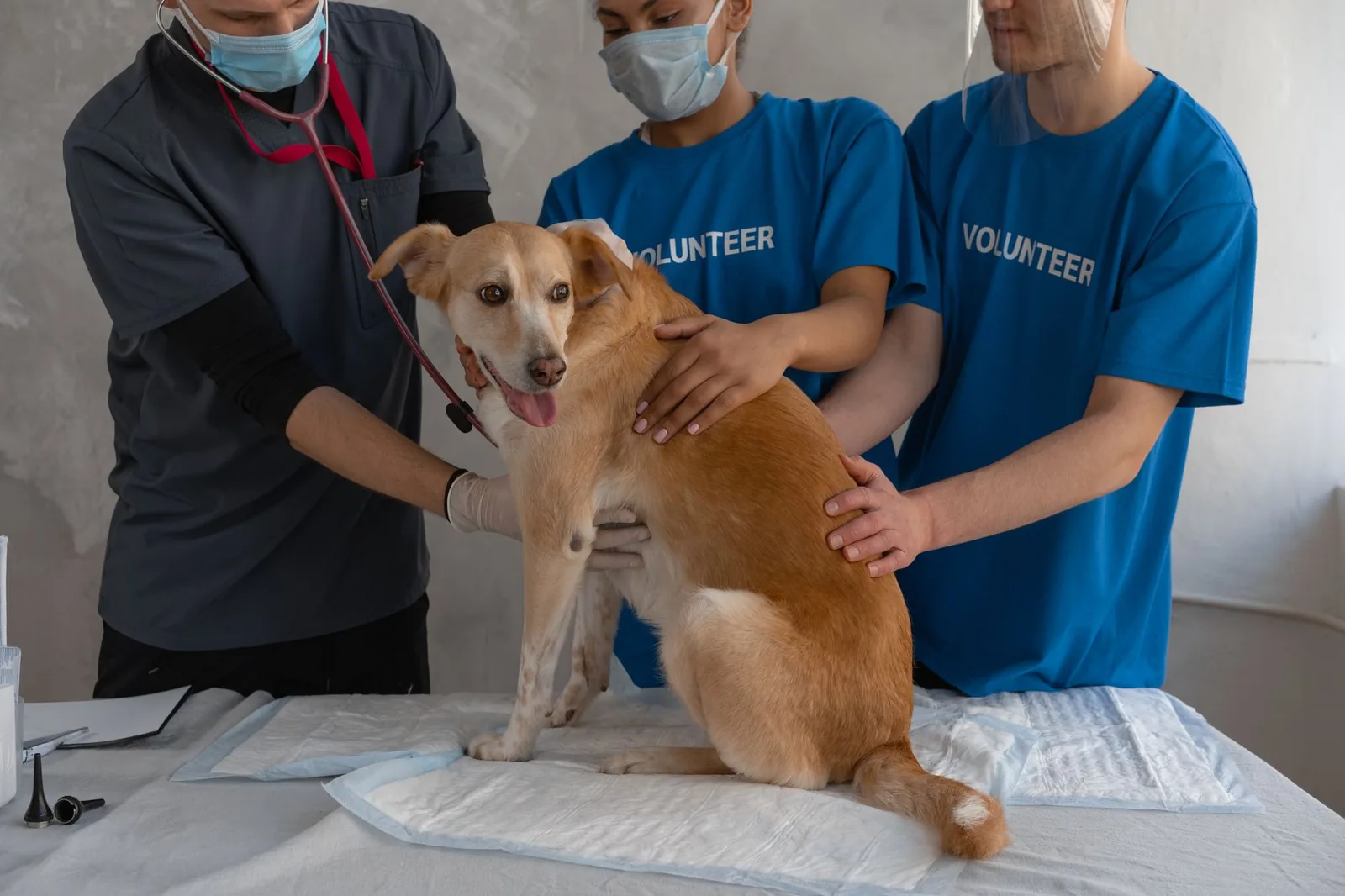
    A veterinarian carefully examining a dog
    Photo by Mikhail Nilov on Pexels

    Why growling must not be punished

    If there is one thing worth taking from this page, it is this.

    A growl is a dog saying it is uncomfortable before doing anything about it, and it gives you time to change the situation.

    Punish it and the growl stops; the discomfort does not. You have removed the step between tension and contact.

    The dogs described as biting without warning are very often dogs that were corrected for warning. The full escalation ladder is in our guide to reading canine stress signals.

    What helps, in general terms

    ApproachWhy it works
    Management firstEvery rehearsal strengthens the behavior; prevention buys time
    Identifying the trigger preciselyVague descriptions produce vague plans
    Working under thresholdA dog over threshold cannot learn
    Changing the associationThe trigger predicts something good rather than a correction
    Removing the need to guardTrading and adding rather than taking away
    Medication where appropriateA panicking dog cannot learn; this makes work possible
    Muzzle training, done positivelySafety that reduces everyone’s tension
    Muzzle training is worth doing well before you need it. A muzzle introduced calmly is a safety tool; one applied in a crisis is another trigger.

    None of that is a protocol to run from an article. It is what a competent professional will be doing, described so you can recognize it.
    A gate separating two rooms in a home
    Photo by cottonbro studio on Pexels

    What to avoid

    • Anything framed as dominance or being the pack leader. The model is outdated and the methods built on it raise bite risk.
    • Physical corrections, alpha rolls, scruffing. These escalate defensive aggression.
    • Prong, shock or spray collars. Suppression without changing the underlying emotion.
    • Confronting a guarding dog to prove a point.
    • Flooding — exposure until the dog gives up, which is shutdown rather than progress.
    • Board-and-train for aggression, where you cannot see the methods used.

    The last one matters. A dog that returns apparently fixed after two weeks away, with no explanation of how, has usually been suppressed rather than helped.

    When to get help immediately

    Some situations should not wait for a training plan to be researched.

    • Any bite that broke skin, whatever the circumstances.
    • Any aggression directed at a child, including growling.
    • Escalating behavior — more frequent, less warning, or over more things.
    • Aggression that appeared suddenly in a previously settled dog.
    • Anyone in the household frightened of the dog.
    • Aggression toward a resident animal that is not resolving with management.

    Look for a veterinary behaviorist or qualified behavior consultant using positive reinforcement. Aggressive Dog maintains education and a directory of professionals specializing in aggression cases, which is a reasonable starting point for finding one.
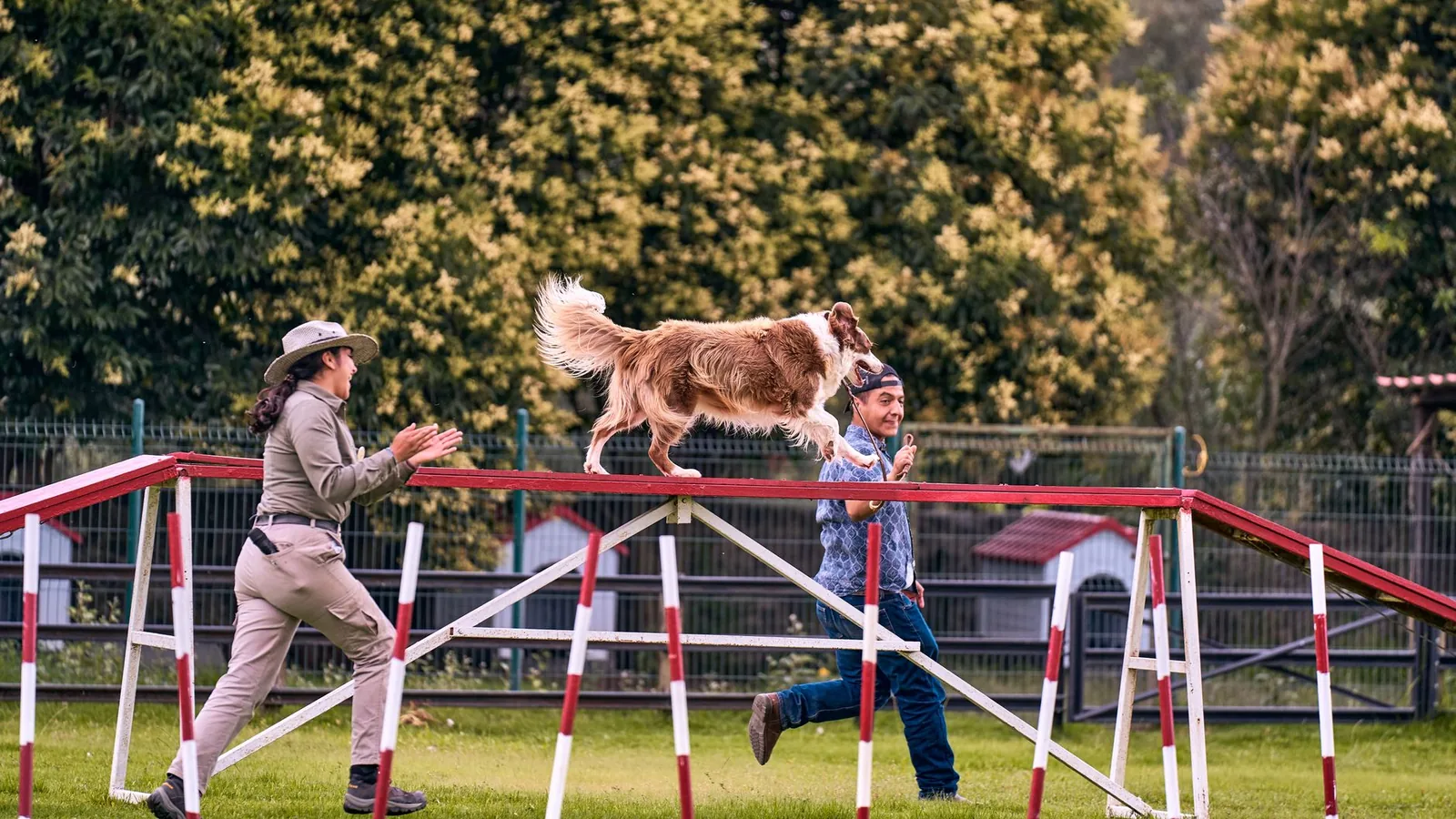
    A trainer observing a dog outdoors
    Photo by Willians Huerta on Pexels

    On breeds

    No breed is inherently aggressive, and terriers are not an exception in either direction.

    For Westies specifically, the relevant traits are dislike of being grabbed or startled, and a tendency not to back down. That is why the children guidance in our honest guide to whether Westies suit your household is as firm as it is.
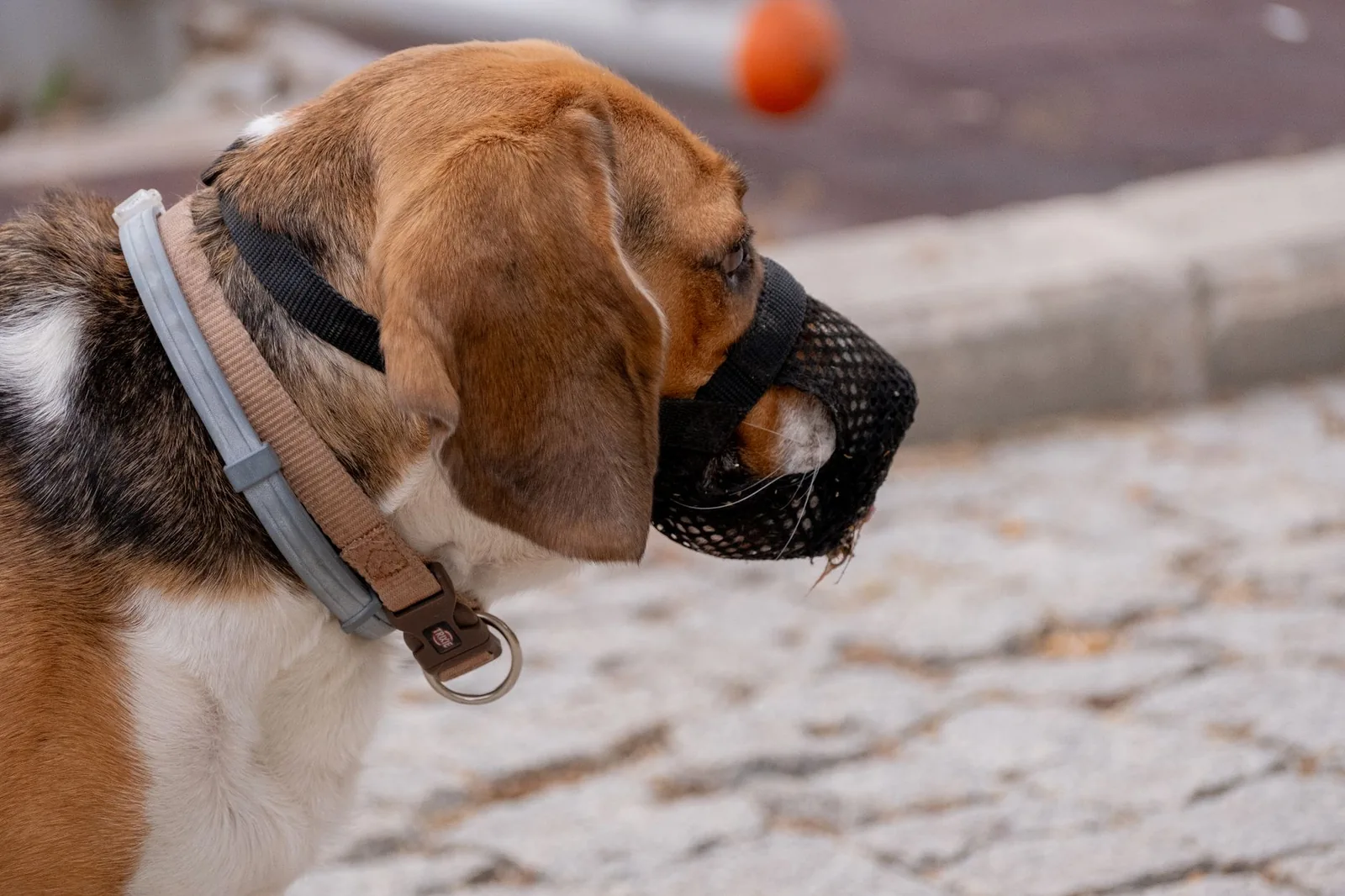
    A dog wearing a basket muzzle on a walk
    Photo by Doğan Alpaslan Demir on Pexels

    Frequently asked questions

    Why is my dog suddenly aggressive?

    Sudden aggression in a previously settled adult dog is medical until proven otherwise. Dental disease, arthritis, ear infections and failing vision all produce irritability. See a vet before a trainer.

    Should I punish my dog for growling?

    No, and this matters more than almost anything else on the subject. A growl is a warning you want the dog to keep giving. Punishing it removes the warning while leaving the feeling, which makes a bite without warning more likely.

    Is my dog trying to dominate me?

    Almost certainly not. The dominance framework explains very little of what is actually happening, and the methods built on it raise bite risk. Most aggression is fear, pain or anticipated loss of something.

    Can aggression in dogs be fixed?

    It can very often be managed well, and many dogs improve substantially. Whether it can be resolved depends entirely on the cause, the individual dog and the household, which is why it needs individual assessment rather than generic advice.

    Are some breeds naturally aggressive?

    No. Breeds carry tendencies — arousal threshold, guarding instinct, prey drive — that shape what a dog reacts to. They do not determine whether a dog is aggressive, and individual variation within any breed is far larger.
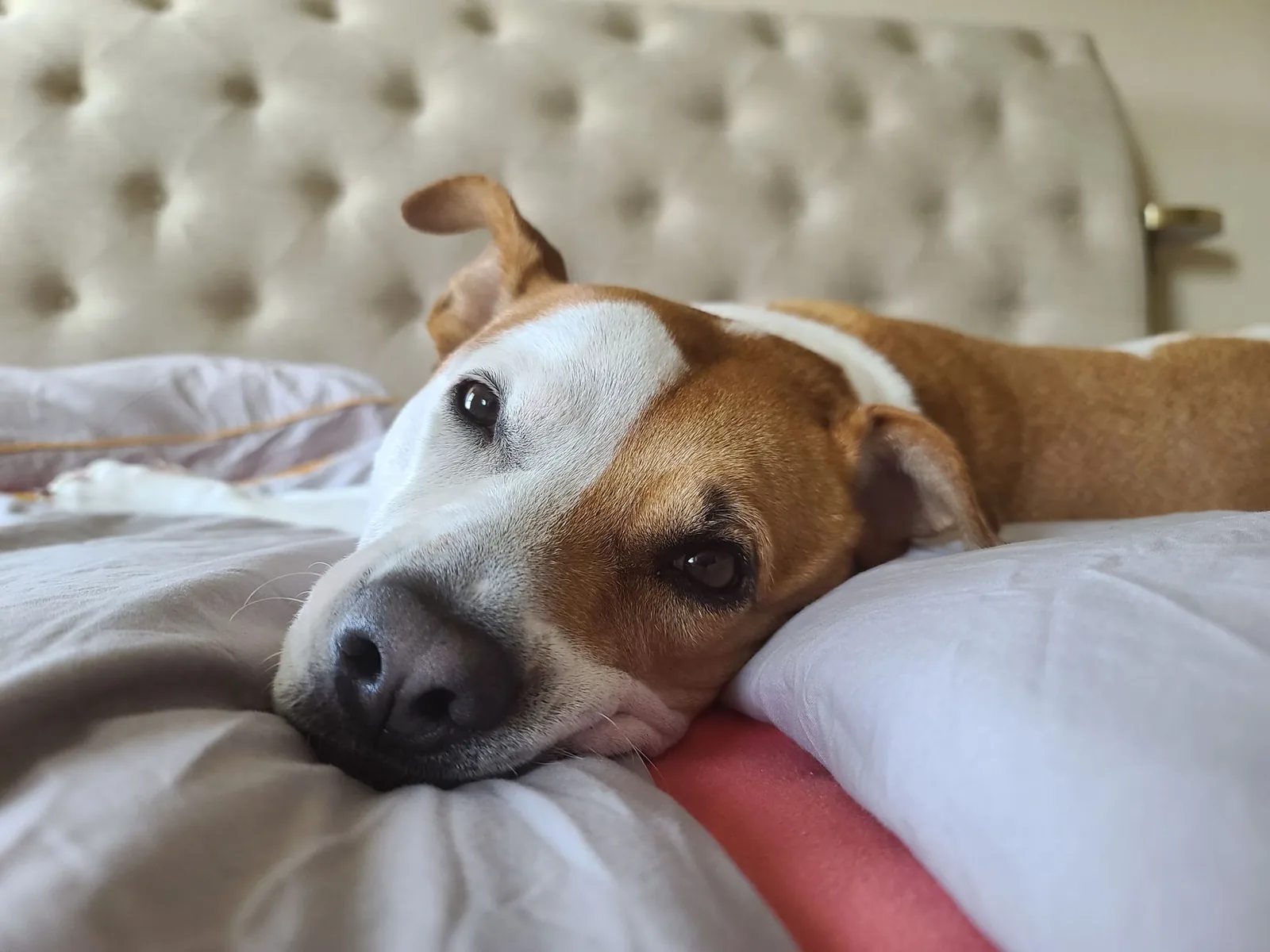
    A dog resting undisturbed in its own bed
    Photo by Viktoria B. on Pexels

    If you are living with this

    Households managing an aggression problem are often isolated by it.

    If you cannot manage it safely, that is an honest assessment rather than a failure of commitment, and making it early is better for everyone.

    Our guide to what happens when an adoption is not working covers that conversation, and the surrender and rehoming page is where to reach us. Tell us the whole picture — a dog placed on an incomplete account is a dog that comes back.
  • Dog-Proofing Your Yard: A Practical Checklist

    Dog-Proofing Your Yard: A Practical Checklist

    A yard is the part of a home most owners assume is already safe, and the part a terrier investigates most thoroughly.

    A dog that digs reaches things a dog that does not will never find, which makes several of these risks materially higher for this breed.

    The short version

    • Secure the bottom foot of the fence, not the top. Terriers go under.
    • Rodent bait is the single most dangerous thing likely to be in or near a yard.
    • Give the dog somewhere legal to dig rather than trying to stop the behavior.
    • Check the fence line seasonally — ground shifts and gaps open.
    A fence line viewed at ground level
    Photo by David Brown on Pexels

    Fencing for a digger

    Weak pointFixEffort
    Gap under the fenceBuried wire mesh turned inward, or a gravel trenchHalf a day
    Soft soil along the linePaving slabs or a concrete footer laid flatA day
    Gaps at gate postsClose anything wider than four inchesAn hour
    Gate latchSelf-closing hinge plus a spring latch, not a drop boltAn hour
    Chain link at ground levelSecure the bottom rail properlyVaries
    Neighboring fence you do not ownA secondary internal barrierVaries
    Height under four feetOnly relevant for climbers; rare in this breedVaries
    Note how little of this is about height. Adding a foot to the top of a fence does nothing for a dog that goes underneath it.

    The recovery method if it does happen is in our guide to escape-proofing and lost dog recovery, including why chasing is the wrong instinct.

    Plants worth knowing about

    Most garden plants cause nothing worse than an upset stomach. A short list is genuinely dangerous, and one of them kills dogs regularly.

    PlantRisk
    Sago palmSevere liver failure; frequently fatal, including the seeds
    LiliesExtremely dangerous to cats; avoid in mixed households
    Foxglove, oleander, yewCardiac effects; serious
    Spring bulbs — daffodil, tulip, hyacinthBulbs are the dangerous part
    Azalea and rhododendronVomiting, weakness, cardiac effects
    Autumn crocusSevere multi-organ effects
    Wild mushroomsUnidentifiable and sometimes fatal; remove on sight
    Bulbs matter for terriers specifically. A dog that digs borders in spring is digging exactly where they are.

    If something has been eaten, identify it if you can and call before doing anything — our guide to foods and household items dangerous to dogs covers the first ten minutes. The National Capital Poison Center runs a public information service covering plants and household substances.

    A planted garden border
    Photo by Neville Hawkins on Pexels

    Chemicals and the shed

    • Rodent bait — the most dangerous thing likely to be present. Ask neighbors too, because a dog that roams a fence line finds theirs.
    • Slug pellets — rapid tremors and seizures; use pet-safe alternatives.
    • Antifreeze — sweet, lethal in tiny amounts, and often stored in a garage a dog can reach.
    • Cocoa mulch — contains theobromine and smells appealing.
    • Fertilizers and weedkillers — keep the dog off treated areas for the stated period.
    • Compost heaps — moldy material causes seizures; fence it or bin it.

    The compost point is underrated. A terrier will dig into a heap, and the mycotoxins in decomposing food are genuinely neurotoxic.

    Water

    Ponds, pools and water butts all need thinking about, and small dogs are worse placed than large ones.

    A dog that falls into a pond with steep sides frequently cannot get out, and a pool cover is not a floor. Fence, cover securely, or supervise — and if you have a pool, teach the dog where the steps are.

    Standing water also grows blue-green algae in warm weather, which is rapidly fatal and does not look dangerous. If a pond has a bloom on it, the dog does not go near it at all.

    A garden shed with tools and containers
    Photo by Lisa Fotios on Pexels

    Somewhere legal to dig

    Trying to stop a terrier digging is a losing project. Redirecting it works remarkably well and takes an afternoon.

    1. Pick a corner and define it — a sandpit, a raised bed, a patch edged with timber.
    2. Fill it with loose sand or soft soil, which is easier to dig than lawn.
    3. Bury things in it — toys, a chew, something that smells interesting.
    4. Take the dog there and dig a bit yourself. This is less undignified than it sounds and it works.
    5. Make the illegal spots dull — chicken wire just under the surface, or stone over the favorite corner.
    6. Restock it occasionally, so it stays more interesting than the borders.

    Persistent digging in one specific spot usually means something is genuinely under it — and escalating digging generally means unspent energy, which is covered in our guide to barking, digging and prey drive.

    A dog digging happily in a sandy patch
    Photo by David Kanigan on Pexels

    Seasonal checks

    SeasonWhat to check
    SpringBulbs coming up; fence gaps opened by winter ground movement
    SummerStanding water and algae; hot paving; wasp nests
    FallMushrooms; conkers and acorns; leaf piles hiding hazards
    WinterAntifreeze spills; ice on ponds; salt and grit stores
    Any timeNew neighbors, new bait, new plants over a shared fence
    Ten minutes walking the fence line each season catches most of what changes.

    Winter has its own set — cold weather care for a Westie covers ice, salt and the paw problems that come with them.

    A small garden pond
    Photo by Liz Earl on Pexels

    Frequently asked questions

    How do I stop my dog digging under the fence?

    Secure the bottom rather than the top. Buried wire mesh turned inward, a gravel trench or paving slabs laid flat along the line all work. Adding height achieves nothing against a digger.

    What garden plants are most dangerous to dogs?

    Sago palm is the most serious and is frequently fatal. Foxglove, oleander, yew, azalea and autumn crocus are all significant, and spring bulbs matter particularly for dogs that dig borders.

    Is compost dangerous for dogs?

    Yes. Moldy decomposing material contains mycotoxins that cause tremors and seizures, and terriers dig into heaps readily. Fence it securely or use a sealed bin.

    How do I give my terrier somewhere to dig?

    Define a corner with loose sand or soft soil, bury toys and chews in it, and take the dog there to start it off. Then make the illegal spots dull with wire just under the surface or stone.

    Is a garden pond safe with a small dog?

    Only if fenced, covered or supervised. Steep-sided ponds are hard for a small dog to climb out of, and standing water can grow blue-green algae in warm weather, which is rapidly fatal.

    A white terrier running in a secure garden
    Photo by Jonh Medeiros on Pexels

    Why we ask about the yard

    Fencing comes up in every adoption conversation, and this is why. It is rarely about whether you have a yard and almost always about whether the bottom of the fence holds.

    What actually happens at a home visit explains what a visitor looks at, and our adoptable dogs page notes which dogs need secure fencing specifically.

  • Holiday Hazards for Dogs, Beyond the Chocolate

    Holiday Hazards for Dogs, Beyond the Chocolate

    Chocolate gets all the holiday warnings. It is genuinely dangerous, and it is not what most dogs end up at the emergency clinic for.

    The commoner problems are a rich meal, a swallowed decoration, and a front door that has been open twenty times in an afternoon.

    The short version

    • Fatty food causes pancreatitis, which is more common at holidays than any poisoning.
    • Tinsel, ribbon and string cause gut obstructions that need surgery.
    • The open door with guests arriving is how dogs get lost.
    • A nervous dog needs a plan for the day, not just supervision.
    A table set with rich festive food
    Photo by Newman Photographs on Pexels

    The food problems

    ItemRiskSeverity
    Fatty trimmings, skin, gravy, butterPancreatitisHigh — the commonest issue
    Cooked bonesSplintering, perforation, obstructionHigh
    Grapes, raisins, currants in bakingKidney failureSevere, no safe dose
    Chocolate, especially darkHeart and nervous systemHigh, dose-dependent
    Onions, garlic, stuffing, gravy granulesRed blood cell damageModerate to high
    Alcohol, including in dessertsRapid intoxicationHigh
    Xylitol in sugar-free bakingBlood sugar crash, liver failureSevere
    Macadamia nutsWeakness, tremorsModerate
    The top row is the one that fills emergency clinics. A small dog does not need much fat to trigger pancreatitis.

    Doses and what to do are covered in our guide to foods and household items dangerous to dogs — the short version is call poison control before doing anything.

    Pancreatitis, specifically

    Worth its own section because it is common, it is painful, and it is entirely caused by a well-meant plate of leftovers.

    The signs are repeated vomiting, a hunched posture, a painful abdomen, lethargy and refusing food. It usually appears within a day or two of the rich meal.

    It needs veterinary treatment, often including hospitalization and fluids. The prevention is simple and universally ignored: do not give the trimmings, and tell your guests not to either.

    Decorations hanging within easy reach of the floor
    Photo by Yelena from Pexels on Pexels

    Decorations and objects

    • Tinsel, ribbon and string — linear foreign bodies, which are among the more dangerous obstructions and usually need surgery.
    • Glass ornaments at tail height, which break and cut paws.
    • Light cables chewed by a bored terrier, with a real electrocution risk.
    • Batteries from cards and gifts, which cause chemical burns.
    • Small gift parts and packaging left within reach.
    • Candles at wagging-tail height.

    Keep the bottom third of any tree free of anything swallowable, and secure the tree itself. A dog that has never shown interest in decorations can change its mind when the house is unusually exciting.

    Plants

    PlantActual risk
    LiliesSevere — particularly dangerous to cats, avoid entirely
    Holly and mistletoeGut upset; mistletoe berries more serious
    PoinsettiaMild irritation — the reputation exceeds the risk
    AmaryllisVomiting and lethargy; bulbs are worse
    Christmas tree waterPreservatives and bacteria; block access
    Pine needlesIrritation and puncture risk if eaten in quantity
    Poinsettia is the famous one and the least dangerous. Lilies and amaryllis deserve far more caution than they get.

    The National Capital Poison Center maintains a public poison information service covering plants and household substances alongside the veterinary-specific lines.

    A front door open as guests arrive
    Photo by Pavel Danilyuk on Pexels

    The part people plan for least

    For a nervous or newly adopted dog, the genuine holiday risk is social rather than chemical.

    A house full of unfamiliar people, children behaving unpredictably, the front door opening repeatedly, routine abandoned, and nowhere quiet to go. That combination produces both bolting and bites.

    1. Set up a quiet room before guests arrive, with water, a bed and something to chew.
    2. Put the dog there before the doorbell, not after it has already been overwhelmed.
    3. Brief guests once, clearly — do not let the children follow the dog, do not feed it, leave it alone in its room.
    4. Use a gate rather than a closed door where the dog tolerates it, so it is separated rather than isolated.
    5. Check the microchip details are current before the season, not after.
    6. Keep the walks going. Routine is what holds a dog together in a week where nothing else is normal.

    The children point is where most holiday bites happen — our guide to canine stress signals covers the warnings that precede them, and our guide to dogs and small children covers supervision properly.

    A dog resting in a quiet room away from activity
    Photo by Antonio Joshy on Pexels

    Travel and boarding

    If the dog is coming, plan the journey rather than adding it to an already long day. If it is staying, book early — boarding and sitters fill up months ahead for holiday weeks.

    A newly adopted dog is usually better left with a sitter in its own home than taken somewhere unfamiliar, and better again if that sitter has met it before.

    Our guide to traveling with a Westie covers car safety and the boarding decision in more detail.

    A dog occupied with a food toy on its bed
    Photo by Sean Brannon on Pexels

    Frequently asked questions

    What is the most common holiday emergency for dogs?

    Pancreatitis from fatty food — trimmings, skin, gravy and butter. It is far commoner than chocolate poisoning and is caused almost entirely by well-meant leftovers.

    Are poinsettias poisonous to dogs?

    Mildly irritant rather than dangerous; the reputation exceeds the risk. Lilies and amaryllis deserve much more caution, and lilies should be avoided entirely in households with cats.

    Why is tinsel dangerous for dogs?

    Swallowed string, ribbon and tinsel form linear foreign bodies, which can saw through the gut and usually require surgery. Keep them off the tree entirely if your dog chews.

    How do I keep a nervous dog calm at a family gathering?

    Set up a quiet room before guests arrive, with water, a bed and something to chew, and put the dog there before the doorbell rather than after. Brief guests clearly and keep the usual walks.

    Should I take my newly adopted dog to a family holiday?

    Usually not in the first few months. A sitter in the dog’s own home is far less stressful than an unfamiliar house full of people, and book early because holiday weeks fill months ahead.

    A dog sleeping peacefully by a window
    Photo by David Kanigan on Pexels

    Before the season starts

    Two things are worth doing in advance rather than on the day: check the microchip registration is current, and find out where your nearest emergency clinic is and what hours it keeps over the holidays.

    Michigan State’s veterinary college publishes seasonal pet health guidance for owners, and our first aid guide covers what warrants that trip. If the dog is new, the first 30 days with a rescue Westie explains why a quiet holiday is the better plan.

  • When an Adoption Is Not Working

    When an Adoption Is Not Working

    Every responsible rescue promises to take a dog back for life, and almost none writes about what that looks like.

    So adopters treat a return as a disgrace, endure for months, and call when everyone is exhausted. Earlier is better for the dog and for you.

    The short version

    • Call the rescue before you decide anything. That call is not a commitment.
    • Most difficulties in the first three months are settling, not incompatibility.
    • Some genuinely are the wrong match, and recognizing that early is responsible.
    • A dog returned at week three is far easier to place than one returned at month nine.
    A person making a phone call at home
    Photo by cottonbro studio on Pexels

    What is usually settling, and what is not

    What you are seeingLikely settlingPossibly a real mismatch
    Not eating, hiding, withdrawnVery common in weeks 1–3Beyond two months
    House soilingCommon under stressPersisting with no medical cause
    Barking when leftNormal early protestGenuine panic, self-injury
    Not bonding with youWeeks to months is normalActive avoidance at month four
    Grumbling at the resident dogNormal in early introductionsEscalating conflict despite management
    Chasing the catExpected at firstSilent fixation that cannot be interrupted
    Growling at childrenNever dismiss thisNeeds immediate professional input
    The middle column resolves with time and routine. The right-hand column needs a conversation now rather than in three months.

    The first three rows are covered in what to expect in the first 30 days with a rescue Westie, which is worth rereading before concluding anything.

    What to try first

    1. Call the rescue. They know this dog, they have seen this before, and the call costs nothing.
    2. Rule out pain. A great deal of difficult behavior in an adult dog is medical.
    3. Simplify everything. Fewer visitors, shorter walks, more routine, less novelty.
    4. Fix one thing at a time, rather than attempting a whole training program at once.
    5. Get qualified help for anything involving fear or aggression.
    6. Give it a defined period, with a review date, rather than an open-ended struggle.

    The medical point is worth taking seriously. Reactivity, irritability and house soiling all have physical causes that get treated as behavior for months — our guide to leash reactivity and our house training guide both open with what to rule out first.

    A dog lying at a distance in a family room
    Photo by https://kaboompics.com/ on Pexels

    When returning is the right call

    Sometimes it genuinely is, and recognizing that is responsible rather than weak.

    • A safety issue that cannot be managed, particularly with children in the household.
    • The dog is not coping, months in, and is visibly unhappy rather than simply difficult.
    • Your circumstances have changed in a way that is not going to reverse.
    • A genuine mismatch of needs — a dog needing quiet in a house that cannot provide it.
    • Conflict between animals that is escalating despite proper management.
    • You are unwell, and the care required is beyond what you can sustain.

    None of these is a moral failure. A dog placed in a home that cannot meet its needs is not being done a favor by staying there.

    How to do it well

    DoWhy
    Call rather than emailA conversation resolves more than a form
    Be completely honest about what happenedConcealing it means the next placement fails too
    Return to the rescue, not privatelyIt is in the contract, and it protects the dog
    Send everything backRecords, medication, the bed with familiar scent
    Write down what you learnedYour notes are the next adopter’s advantage
    Give notice where you canFoster space takes time to arrange
    The honesty row is the one that matters most. A dog returned with an accurate account is placed correctly next time.

    Animal Sheltering publishes professional resources on adoption, returns and post-adoption support, which is the sector view of why returns are treated as information rather than failure.

    A trainer working with a dog outdoors
    Photo by Anton Kudryashov on Pexels

    What happens to the dog

    It goes back into foster care, usually with a carer who knows it, and is reassessed with what you have added to the picture.

    Returned dogs are not marked down or treated as damaged. In practice a return often improves the next placement, because the listing becomes more accurate — “cannot be left more than three hours” is far more useful than an untested guess.

    Some dogs are returned twice before the right household appears, and then stay for the rest of their lives. How rescues assess temperament explains how that information gets used.

    If it is money or circumstances rather than the dog

    This is common, and it sometimes has answers that are not a return.

    Temporary fostering exists in some situations. Help with veterinary costs exists more often than people know. A period of boarding through a crisis is occasionally arranged.

    None of that is guaranteed, but it is worth asking before assuming — our guide to planning for veterinary costs covers the help that exists, and our guide to rehoming options applies if the dog did not come from us.

    Documents and a dog lead on a table
    Photo by Anete Lusina on Pexels

    The part nobody says out loud

    Adopters who return a dog frequently describe feeling they failed, and carry it for a long time afterwards.

    Worth saying plainly: you took on a dog that needed a home, gave it a genuine chance, and made a hard decision honestly rather than letting it drift. That is not the same as failing, and the rescue that placed the dog will not see it that way either.

    A dog arriving at a house doorway
    Photo by Sami Aksu on Pexels

    Frequently asked questions

    Can I return an adopted dog?

    Yes. A responsible rescue takes its dogs back for the whole of their lives, with no time limit, and that commitment is written into the adoption contract.

    How long should I give a new dog before deciding?

    Most difficulties in the first three months are settling rather than incompatibility. But anything involving safety, or a dog that is visibly not coping, warrants a conversation immediately rather than waiting.

    Will the rescue judge me for returning a dog?

    A good one will not. Returns happen, they are treated as information rather than failure, and the honest account you give makes the next placement more likely to hold.

    Is it better to rehome the dog myself?

    No, and it usually breaches the adoption contract. The rescue knows the dog, has an application pipeline, and retains responsibility for it. Private rehoming removes all of that.

    Does returning a dog make it harder to adopt again?

    Not with a rescue that understands what happened. An honest return, particularly one made early, is viewed very differently from a dog rehomed quietly on social media.

    A content dog resting beside a person
    Photo by https://kaboompics.com/ on Pexels

    If you are at that point

    Call before you decide. It is not a commitment to anything, and most of these conversations end with a plan rather than a return.

    Our surrender and rehoming page is where to reach us, and it applies whether the dog came from us or not. If you are still deciding whether to adopt at all, what makes an adoption application strong explains why accuracy at the start prevents most of this.

  • What Actually Happens at an Adoption Home Visit

    What Actually Happens at an Adoption Home Visit

    The home visit is the part of adoption applicants worry about most, and it is almost always the least eventful step in the process.

    People picture an inspection with a clipboard. What actually happens is a conversation, mostly about fencing, stairs and where the dog will sleep.

    The short version

    • It usually takes 45 minutes to an hour, and much of it is talking.
    • Nobody is judging your housekeeping, your décor or your income.
    • Fencing, stairs, sleeping arrangements and other pets are the practical focus.
    • Almost nobody fails. Most visits end with suggestions rather than a verdict.
    A garden fence and closed gate
    Photo by David McElwee on Pexels

    What the visitor is actually looking at

    AreaWhat they checkWhy
    FencingHeight, gaps at the bottom, gate latchesTerriers go under and through, not over
    Access pointsFront door layout, whether a dog could slip outWeek one is when dogs are lost
    StairsHow many, how steep, whether they can be gatedMatters for older and arthritic dogs
    Sleeping arrangementsWhere the bed will go, whether it is quietSettling depends on it
    Other petsWhere they are, how they use the spaceDetermines introduction planning
    HouseholdWho lives here, ages, hours awayConfirms the application in person
    HazardsPonds, drops, unfenced drivesOnly where relevant to this dog
    Almost all of it is about whether a specific dog could live here safely, not about whether you deserve one.

    The fencing focus is not arbitrary — our guide to escape-proofing for terriers explains why the bottom foot of a fence matters more than the top.

    What they are not looking at

    • How tidy the house is. Nobody cares, and everybody has seen worse.
    • Whether you own or rent, beyond checking that pets are permitted.
    • The size of the house or yard. A flat with committed walks beats a big garden nobody uses.
    • Your income, beyond a general sense that veterinary costs are manageable.
    • How new your furniture is. The dog will not respect it either way.
    • Whether you have had a dog before. First-time owners adopt successfully all the time.

    People tidy for days beforehand. It is unnecessary, and a house that looks lived-in tells a visitor more useful things than a staged one.

    Two people talking at a kitchen table
    Photo by Vitaly Gariev on Pexels

    How it usually goes

    1. Arrival and a drink. Most of the visit is conversation, and it starts here.
    2. Talking through your application — routine, hours, who does what.
    3. A walk round, including the yard. Ten minutes, informal.
    4. Meeting resident pets, if there are any.
    5. Talking about specific dogs and which might suit.
    6. Your questions, which is the part applicants most often forget to prepare.

    Volunteers are trained and given a checklist, and they are usually adopters themselves. RescueGroups publishes tools and resources used by rescue organizations to manage adoptions, which is the kind of system many groups run this process through.

    What comes up most often

    FindingWhat happens next
    A gap under the fenceA suggestion to fill it; not a refusal
    No fencing at allNarrows which dogs suit; some are placed without it
    Steep stairsRelevant for older dogs; a gate usually resolves it
    A pond or poolA conversation about supervision or fencing it
    A resident catDetermines that a cat-tested dog is needed
    Very young childrenNarrows to dogs assessed with children of that age
    Hours away longer than statedAn honest conversation, not a black mark
    Almost everything produces a suggestion or a narrowing of which dog suits, rather than a decline.

    The cat row is the one that genuinely narrows things most — our guide to Westies and cats explains why prey drive cannot be assumed either way.

    A dog bed set up in the corner of a living room
    Photo by Jordan Heinz on Pexels

    How to prepare

    Very little is needed, and none of it involves cleaning.

    • Walk your own fence line first and note any gaps, so you can raise them rather than be shown them.
    • Have everyone home who lives there, including children.
    • Know your real hours, including the days that differ.
    • Think about where the bed will go before you are asked.
    • Write down your questions. This is your chance to ask about the process, the dogs and the support afterwards.
    • Be honest about anything awkward. It is far better raised now.

    The honesty point matters as much here as on the form — what makes an adoption application strong covers why understating hours produces placements that fail.

    A staircase inside a family home
    Photo by Curtis Adams on Pexels

    If something is raised

    Being told the fence needs work, or that a cat rules out certain dogs, is not a rejection. It is the process doing what it exists to do.

    Ask what would resolve it, and whether it rules out all dogs or only some. In most cases it is the latter, and the answer changes which dog rather than whether you get one.

    If you are declined outright, ask why plainly. The reason is usually specific and practical, and another organization may take a different view — how to find a Westie rescue in your state covers where else to look.

    A dog greeting a visitor at the door
    Photo by ArtHouse Studio on Pexels

    Frequently asked questions

    What do they look for in a home visit for dog adoption?

    Fencing, how the dog could get out of the front door, stairs, where the dog will sleep, other pets and who lives in the household. It is about whether a specific dog could live there safely.

    Do I need to tidy the house before a home visit?

    No. Nobody is assessing housekeeping, and a lived-in house tells a visitor more useful things than a staged one. Walk your fence line instead.

    How long does a home visit take?

    Usually 45 minutes to an hour, and most of it is conversation. The walk round the house and yard is typically about ten minutes.

    Can you fail a home visit?

    It is uncommon. Most visits produce a suggestion or narrow which dog suits rather than a decline. Where something does rule you out, it is usually practical and specific.

    Do I need a fenced yard to adopt?

    Not always, though it matters more for terriers because recall is unreliable against prey. Without one, it narrows which dogs suit rather than ruling you out entirely.

    People sitting together in a living room
    Photo by Ethem Günhan on Pexels

    Where it fits in the process

    The visit comes after the application and reference checks, and before meeting the dog.

    Our guide to adopting a Westie in New England sets out the whole sequence, and the first 30 days with a rescue Westie covers what happens after the dog comes home. If you are volunteering rather than adopting, home visiting is one of the roles most often short-handed — the volunteer roles explains what it involves.

  • Leash Reactivity: Why It Happens and What Helps

    Leash Reactivity: Why It Happens and What Helps

    A dog that walks politely off lead and turns into a barking, lunging problem the moment another dog appears on a walk is not being aggressive. In most cases it is frustrated or frightened.

    The leash is a large part of the cause, which is why the behavior often looks dramatic and the same dog is fine in a park.

    The short version

    • Most leash reactivity is frustration or fear, not aggression.
    • Distance is the whole tool. Find the distance where your dog can still think.
    • Reward noticing calmly, rather than waiting for the reaction and correcting it.
    • Punishment adds a bad association to the trigger and reliably makes it worse.
    A dog straining at the end of a taut leash
    Photo by Jens Mahnke on Pexels

    Why the leash makes it worse

    Off lead, an uncomfortable dog increases distance — it curves away, sniffs the ground, or leaves. On lead all of that disappears. The dog is held facing something it wants to avoid or reach, and the tension travels down the leash from a handler who has already braced.

    What is left is the only strategy available: make the thing go away by being loud. It appears to work, because the other dog does pass, which teaches the dog to repeat it.

    Which kind you have

    TypeWhat it looks likeWhat it needs
    Frustrated greetingWhining, straining forward, tail high and looseImpulse control and calm greetings
    Fear-basedBarking with weight shifted back, hackles up, retreating if allowedDistance and counter-conditioning
    Barrier frustrationFine off lead, explosive on lead or behind a fenceManagement plus training
    LearnedStarted as one of the above, now habitualSame method, longer
    Pain-relatedNew in an adult dog, or worsening suddenlyA veterinary check before any training
    The bottom row is the one most often missed. New reactivity in a previously settled adult dog is pain until proven otherwise.

    That is particularly true in an older dog — our guide to arthritis and mobility covers how often irritability turns out to be joints.

    Two dogs at a distance from each other in a park
    Photo by Helena Lopes on Pexels

    Finding the threshold

    The threshold is the distance at which your dog notices another dog but can still respond to you and take food. Everything useful happens on the far side of it.

    To find it, walk somewhere you can see other dogs at a long distance and simply watch yours. Note the point where it stiffens, stares, or stops taking treats. That is the edge; work further back than that.

    Most people start far too close. If your dog will not eat, you are over threshold and nothing is being learned except that other dogs mean tension.

    The method

    1. See the other dog first. Scan ahead constantly; your advantage is noticing before your dog does.
    2. Mark the moment your dog notices, calmly, and feed. You are rewarding the noticing, not the ignoring.
    3. Feed continuously while the trigger is visible, and stop the moment it is gone. The contrast is what teaches.
    4. Move away if the dog cannot eat. Add distance rather than pushing through.
    5. Close the distance in small steps over weeks, never in one session.
    6. Use high-value food reserved for this, not the usual biscuits. You are competing with a strong emotion.

    The second point matters most: rewarding the dog for looking changes what the other dog predicts, which is the mechanism.

    The Academy for Dog Trainers publishes evidence-based training resources and a directory of certified trainers, which is the route if you want help rather than an article.

    A dog taking a treat from a hand during a walk
    Photo by Karlee Heck on Pexels

    Management while you train

    Every reaction rehearses the behavior. Management is not cheating; it is what stops the training being undone between sessions.

    • Walk at quiet times — early morning and late evening.
    • Choose open routes where you can create distance rather than narrow paths.
    • Cross the road early, before your dog fixates.
    • Use a U-turn cue taught in advance, so leaving is cheerful rather than panicked.
    • Put a barrier between — a parked car, a hedge, your own body.
    • Skip walks occasionally and use enrichment instead. A bad walk is worse than no walk.

    Ten minutes of nosework at home beats a walk that ends in three explosions — our guide to enrichment that tires a terrier covers the alternatives.

    What not to do

    ApproachWhy it backfires
    Correcting the lungeAdds pain or fear to the sight of another dog
    Tightening the leash on approachYour tension becomes part of the trigger
    Forcing a greetingRemoves the distance the dog was asking for
    Prong or spray collarsSuppresses the display, raises the underlying fear
    Flooding at a busy parkRepeated panic sensitizes rather than habituates
    Telling the dog off afterwardsPoisons your presence during the trigger
    Suppressing the bark removes the warning while leaving the emotion, which is how a noisy dog becomes a silent one that bites.
    A person turning away along a path with a dog
    Photo by Martin Dalsgaard on Pexels

    Realistic expectations

    Weeks to months for meaningful change, and the endpoint is usually a dog that passes another calmly at a reasonable distance — not one that wants to play with everybody. That is a perfectly good outcome.

    Setbacks happen, usually after a surprise encounter. One bad week is not lost progress — building confidence in a fearful dog covers why regression is normal.

    A quiet empty trail early in the morning
    Photo by Sergej ***** on Pexels

    Frequently asked questions

    Is leash reactivity aggression?

    Usually not. Most of it is frustration at not being able to greet, or fear at not being able to create distance. The display looks alarming but the motivation is different.

    Why is my dog fine off lead but reactive on it?

    Off lead a dog can increase distance, curve away or leave. On lead all of those options are removed, and the only strategy left is to make the other dog go away by being loud.

    What is a threshold in dog training?

    The distance at which your dog notices a trigger but can still respond to you and take food. Training works below that distance; above it the dog cannot learn.

    Will my reactive dog ever be normal?

    Most improve substantially. The realistic goal is a dog that passes others calmly at a reasonable distance, rather than one that wants to greet everybody — which is a fine outcome.

    Do prong or spray collars help reactivity?

    No. They suppress the display while leaving the underlying fear or frustration, and they add pain to the sight of another dog. That can turn a noisy dog into a silent one that bites.

    A dog walking calmly along a path
    Photo by Helena Lopes on Pexels

    Reactive dogs in rescue

    Leash reactivity is one of the commonest things foster carers report, and it reads far worse on a listing than it is to live with.

    A dog described as reactive on lead usually needs quiet routes and a patient handler rather than an expert. Our adoptable dogs page says which dogs need that, and how rescues assess temperament explains how the notes are reached.

    If it is making walks miserable enough to reconsider the adoption, our guide to what happens when an adoption is not working is worth reading before you decide anything.

  • Preparing Your Dog for a New Baby

    Preparing Your Dog for a New Baby

    A new baby is a common reason dogs are given up, and most of it is preventable by starting early enough.

    The problems rarely come from the baby, but from everything changing at once, which the dog experiences as loss.

    The short version

    • Start three to six months ahead. Changes made now are unconnected to the baby.
    • Never leave a dog and an infant together unsupervised. No exceptions, no matter the dog.
    • The dangerous stage is not the newborn. It is the crawling and toddling one.
    • Teach the dog a settle and a safe space it can retreat to and not be followed.
    A nursery set up ahead of a baby’s arrival
    Photo by https://kaboompics.com/ on Pexels

    Why timing matters

    If the walk shortens, the sofa becomes off limits and the bedroom door closes in the same week the baby arrives, the dog draws the obvious conclusion. Make every change months ahead, so each is normal by the time it could be associated with anything.

    ChangeWhen to make itWhy
    New sleeping arrangement3–6 months aheadThe biggest change; needs longest
    Any furniture rules3–6 months aheadSo it is not linked to the baby
    Nursery access decided3 months aheadGate up and normal well beforehand
    Walk time and route changes2–3 months aheadPractice the realistic version
    Whoever will walk the dog takes over2 months aheadOften the less-involved parent
    Settle on a mat taught2–3 months aheadThe single most useful skill
    Baby sounds introduced quietly2 months aheadRecordings, at low volume, with food
    Nothing on this list should be new in the week the baby comes home.

    Skills worth teaching first

    1. Settle on a mat. A portable off switch, so the dog can be near you without being underfoot while you are holding a baby.
    2. Four paws on the floor for attention, so nobody is jumped at while carrying a child.
    3. Go to your bed, as a cheerful cue rather than a banishment.
    4. Leave it, which will apply to dropped food, pacifiers and later to everything a toddler holds.
    5. Loose leash walking with a stroller, practiced with an empty one first.

    These build on the five cues worth teaching first and loose leash walking.

    A baby gate fitted across a doorway
    Photo by Picography on Pexels

    The introduction

    Less of an event than people imagine, and better kept low key.

    Send home a blanket with the baby’s scent first, and let the dog investigate it calmly.

    When you come home, have somebody else hold the baby while you greet the dog normally. Then simply exist in the same room, dog on lead or behind a gate, baby held — no face sniffing, no forced proximity, no fuss. Repeat until it is boring.

    Supervision, stated plainly

    This is the part where softness would be a disservice.

    SituationRule
    Dog and infant in a room togetherAn adult actively watching, not present
    Adult leaves the room, even brieflyDog or baby goes too. Every time
    Baby on the floorDog behind a gate or on a settle, at a distance
    Baby crying or startled movementIncrease distance; watch the dog, not the baby
    Dog choosing to leaveLet it. Never call it back or block the exit
    Feeding timesSeparate entirely
    NightDog out of the nursery, door closed or gated
    Being in the room is not supervision. Watching the dog is. Most incidents happen in the seconds an adult stepped away.

    Family Paws Parent Education specializes in preparing dogs for babies and toddlers, with support for expecting families, and is worth contacting where a dog has any history of guarding or reactivity.

    A dog settled on its own mat
    Photo by Pavel Danilyuk on Pexels

    The stage people underestimate

    The difficulty arrives at six to twelve months, when the baby becomes mobile, grabs, and moves unpredictably at the dog’s eye level.

    Terriers dislike being grabbed, and a dog patient for a year can react in a second when cornered.

    Reading the earlier signals is what prevents it — our guide to canine stress signals covers the ladder that runs long before a growl.

    Keeping the dog’s life intact

    • Protect one walk a day, even a short one, as the dog’s own.
    • Five minutes of individual attention, twice daily, with nothing else happening.
    • Keep enrichment going — a food puzzle while you feed the baby works for both of you.
    • Do not punish attention-seeking. It usually means the dog has run out of other options.
    • Accept help. A dog walker two days a week is a reasonable thing to arrange for the first year.

    The food-puzzle point does real work — our guide to enrichment that tires a terrier has options that need no handler input.

    An adult holding a baby while a dog observes from a distance
    Photo by Sarah Chai on Pexels

    When to get help

    Some situations need a professional before the baby arrives. Any history of growling at people, guarding food or resting places, or reacting badly to children outside warrants a qualified behaviorist while there is time.

    That is not a sign the dog cannot stay. It is how it stays safely — our guide to understanding aggression covers what these behaviors mean and what they do not.

    A toddler and a dog in the same room with an adult present
    Photo by Sarah Chai on Pexels

    Frequently asked questions

    When should I start preparing my dog for a baby?

    Three to six months before the birth. The aim is that every change — sleeping arrangements, furniture rules, walk times, nursery access — is old news by the time the baby arrives, rather than something the dog associates with it.

    How do I introduce my dog to a newborn?

    Keep it low key. Send a blanket with the baby’s scent home first, greet the dog properly before the baby comes in, then simply be in the same room with the dog on lead or behind a gate. No face sniffing, no ceremony.

    Can I leave my dog alone with my baby?

    No. Not for a moment, regardless of how gentle the dog is. If you leave the room, one of them goes with you. Most incidents happen in the seconds an adult stepped away.

    When is the riskiest stage?

    Not the newborn phase but around six to twelve months, when the baby becomes mobile, grabs and moves unpredictably at the dog’s eye level. Households often relax just as the risk rises.

    Should I rehome my dog before the baby comes?

    Very rarely necessary. Most difficulties are preventable with preparation started early enough. If your dog has a history of growling or guarding, get a behaviorist involved while there is still time.

    A person walking a dog in a park
    Photo by Jonathan Cooper on Pexels

    If you are considering rehoming

    A new baby is one of the commonest stated reasons for surrender, and among the most avoidable.

    Talk to somebody before you decide. Our guide to rehoming options opens with problems that turn out to be solvable, and the surrender and rehoming page is where to reach us. Doing it early and calmly gives the dog a far better outcome than doing it in crisis.

  • When Your Dog Gets a Serious Diagnosis

    When Your Dog Gets a Serious Diagnosis

    Somebody names something serious, and the rest of the appointment goes past you. Most people leave holding a leaflet and remembering almost nothing.

    That is normal, and it is the worst possible moment to decide anything. This is about giving yourself room to think.

    The short version

    • You almost never have to decide today. Ask how long you actually have.
    • Write questions down beforehand, and take somebody with you.
    • Ask what happens with each option, including doing nothing.
    • A second opinion is normal practice, not a criticism of your vet.
    A veterinarian talking with an owner in a consulting room
    Photo by Tima Miroshnichenko on Pexels

    At the appointment

    Three practical things make an enormous difference, and all of them are easier to arrange in advance than in the moment.

    • Take somebody with you. Two people remember roughly twice as much, and one of you can write.
    • Ask to record the conversation, or take notes. Most vets are entirely happy with this.
    • Ask for it in writing, including the diagnosis name spelled out, so you can read about the right thing afterwards.

    If the news lands badly, say so. Asking for five minutes, or to come back tomorrow with questions, is completely reasonable and commonly done.

    The questions worth asking

    QuestionWhy it matters
    What exactly is the diagnosis, and how certain is it?Some are confirmed; some are working assumptions
    What happens if we do nothing?The baseline every option is measured against
    What are the realistic options, including palliative care?Palliation is a legitimate choice, not a failure
    What does each option involve for the dog?Frequency of visits, side effects, hospital stays
    What does each cost, roughly?Better asked now than assumed
    How long do I have to decide?Usually longer than it feels
    What would you do?Most vets will answer honestly if asked directly
    What should make me call you sooner?Gives you a threshold rather than worry
    The second and last rows are the two most people forget, and the two that help most in the following weeks.
    A list of questions written in a notebook
    Photo by Leeloo The First on Pexels

    Treating, palliating, and the space between

    These are not two options with a right answer. They are a range, and where a particular dog sits depends on the dog rather than on principle.

    ApproachGoalSuits when
    Full treatmentCure or long remissionThe dog is otherwise well and can tolerate it
    Modified treatmentBenefit with less burdenAge or other conditions make the full protocol hard
    Palliative careComfort, not cureTreatment burden outweighs likely benefit
    Watchful waitingMonitor, act if things changeSlow conditions found incidentally
    HospiceComfort to the endProgression is established and treatment is done
    Choosing comfort over cure is a clinical decision, not a moral one, and for an older dog it is frequently the kinder answer.

    What the last row involves is set out in our guide to hospice and end-of-life care for a Westie.

    Second opinions and referral

    Asking for one is routine, and any vet who takes offense has told you something useful about the practice.

    It is worth doing when the diagnosis is uncertain, the treatment is major, the condition is uncommon, or you simply need to hear it twice before you can act.

    Referral is different: not a second opinion but access to someone who does this specific thing daily. Ask what a specialist would add, and whether it is worth the travel for this dog.

    The Veterinary Cancer Society maintains information on veterinary oncology and finding a specialist, which is one route where the diagnosis is a tumour.

    Medical imaging displayed on a screen
    Photo by Charlss GonzHu on Pexels

    Deciding without deciding in a panic

    1. Write down what the dog enjoys — three specific things. It becomes your measure later.
    2. Set a review date rather than an open-ended worry. Two weeks, then reassess.
    3. Agree it within the household, so nobody is deciding alone or relitigating it.
    4. Separate the money question and ask it out loud. Cost is a legitimate factor and pretending otherwise helps nobody.
    5. Score quality of life weekly, on paper. Decline is gradual and memory adjusts to it.
    6. Decide what you will not do, in advance and while calm.

    That last point is the one experienced owners describe as most useful. A line drawn while calm is usually wiser than one drawn at two in the morning.

    The money conversation

    It is uncomfortable and it is unavoidable, and having it early gives you more options than having it late.

    Ask for a written estimate, ask what is essential versus optional, ask whether anything can be staged, and say plainly what you can manage. Veterinary teams work within budgets routinely when they know there is one.

    Deciding on cost grounds is not a moral failure — our guide to planning for veterinary costs covers the help that exists, including funds most people never hear about.

    Two people talking at a kitchen table
    Photo by Vitaly Gariev on Pexels

    Living with it afterwards

    Most serious diagnoses become, after a few weeks, a routine. Medication with breakfast, a note in a diary, a recheck in the calendar.

    The anticipatory grief is real and often harder than the practical side. It helps to notice that the dog is not grieving — it is having a normal Tuesday, and can carry on doing so for a long time.

    Our guide to living with a dog on long-term medication covers the routine, and caring for a Westie after ten covers what else changes alongside.

    A dog resting comfortably on its bed
    Photo by Jessika Arraes on Pexels

    Frequently asked questions

    Should I get a second opinion for my dog?

    It is routine and reasonable, particularly where the diagnosis is uncertain, the treatment is major, or you need to hear it twice. Any vet who objects has told you something useful.

    How do I decide whether to treat or not?

    Ask what happens with each option including doing nothing, what each involves for the dog day to day, and what it costs. Then judge against what your dog actually enjoys rather than against survival time alone.

    Is choosing palliative care giving up?

    No. It is a clinical decision to prioritize comfort over cure, and for an older dog with other conditions it is frequently the kinder choice.

    How long do I have to decide?

    Usually longer than it feels. Ask directly. Very few decisions genuinely have to be made in the consulting room, and most vets will tell you plainly which ones do.

    Is it wrong to consider cost?

    No, and pretending otherwise helps nobody. Say what you can manage, ask for a written estimate, and ask what is essential versus optional. Options narrow the later you raise it.

    A dog enjoying sunshine outdoors
    Photo by Erwin Bosman on Pexels

    If it changes what you can manage

    Sometimes a diagnosis genuinely puts care beyond a household, through cost, physical demands or circumstances.

    If that is where you are, talk to us early through the surrender and rehoming page rather than at the point of crisis. Dogs with medical needs are what this rescue exists for, and our long-term care and hospice program takes the ones who will not be adopted again.

  • Diabetes in Dogs: What a Diagnosis Actually Means

    Diabetes in Dogs: What a Diagnosis Actually Means

    Diabetes is one of the diagnoses that most often makes an owner wonder whether they can keep their dog. Twice-daily injections for life sounds like nursing rather than ownership.

    In practice it becomes a routine within two weeks, and most well-managed dogs live normal lives for years.

    The short version

    • Increased thirst and urination with weight loss is the classic picture.
    • Westies are among the breeds it appears in more often, usually after seven.
    • Injections are subcutaneous and most dogs barely notice them.
    • Consistency — same food, same times, same doses — matters more than anything.
    An empty water bowl on a kitchen floor
    Photo by MART PRODUCTION on Pexels

    The signs, and why they are missed

    SignWhat it looks likeWhy it gets overlooked
    Drinking much moreRefilling the bowl repeatedlyAttributed to warm weather
    Urinating moreAsking out at night, occasional accidentsAttributed to age or bladder weakness
    Weight loss despite eatingRibs becoming easier to feelRead as healthy slimming
    Increased appetiteHungrier than usualRead as a good sign
    LethargyLess interested in walksAttributed to slowing down
    Sudden cataractsLens clouding over weeksAssumed to be normal aging
    Recurrent infectionsUrinary or skin infections that keep returningTreated individually rather than investigated
    The combination that should trigger a blood test is drinking more and losing weight at the same time. Either alone is less specific.

    Increased thirst appears in several conditions — our guide to what changes in a Westie after ten covers the others worth ruling out.

    What daily management looks like

    Realistically, once it is stable: two injections a day, twelve hours apart, given immediately after a measured meal.

    The injection is subcutaneous, using a very fine needle into loose skin over the shoulders. Most dogs do not react at all, and a great many owners describe it as less trouble than giving a tablet.

    1. Fix the schedule and keep it. Twelve hours apart, every day, including weekends.
    2. Feed the same measured amount at the same times. Consistency matters more than which food.
    3. Inject after eating, never before, so you know the meal went in.
    4. Rotate the injection site slightly each time.
    5. Keep a daily log of appetite, thirst, dose and anything unusual.
    6. Never adjust the dose yourself. Changes belong with your vet.
    A blood sample being tested at a veterinary laboratory
    Photo by Marta Branco on Pexels

    Monitoring and stabilizing

    The first month or two is the work. After that it settles into something most households barely notice.

    StageWhat happensTypical duration
    DiagnosisBloodwork, urinalysis, starting doseOne or two visits
    StabilizingGlucose curves, dose adjustments, close contact with the vet4–12 weeks
    EstablishedRoutine injections; recheck every 3–6 monthsOngoing
    ReviewBloodwork and dose review, or sooner if signs changeEvery 3–6 months
    Home glucose monitoring, including continuous monitors, is increasingly available and can reduce both stress and clinic visits. Ask whether it suits your dog.

    The American College of Veterinary Internal Medicine publishes information on veterinary internal medicine specialists and referral, which is the route for a dog that proves difficult to stabilize.

    The emergency to know

    Hypoglycemia — blood sugar dropping too low — is the one thing every owner of a diabetic dog must recognize.

    Signs are wobbliness, disorientation, weakness, trembling, and in severe cases collapse or seizure. It can follow a missed meal, an accidental double dose, or unusually hard exercise.

    The immediate response is sugar — honey or corn syrup rubbed on the gums — then straight to a vet. Keep something suitable in the house and in the car from the day of diagnosis.

    When in doubt, treat for low rather than high. A single high reading is far less dangerous than a low one — our first aid guide covers the wider set of emergencies.

    A syringe and medical supplies laid out on a surface
    Photo by Tahir Xəlfəquliyev on Pexels

    What it costs

    ItemTypical rangeNotes
    Diagnosis, bloodwork and urinalysis$225–$500One-off
    Insulin$40–$80 monthlyLower for a small dog
    Syringes or pen needles$15–$30 monthly
    Prescription or consistent diet$40–$90 monthlyConsistency matters most
    Rechecks and curves$100–$250 eachFrequent at first, then 2–4 yearly
    Home monitoring equipment$50–$150 setupOptional; often pays for itself
    Roughly $100 to $200 a month once stable for a small dog, plus periodic rechecks. Ask about generics and larger quantities.

    If that is difficult, raise it before rationing anything — our guide to planning for veterinary costs covers the help that exists, and living with a dog on long-term medication covers the routine side.

    A dog eating a measured meal from a bowl
    Photo by https://kaboompics.com/ on Pexels

    What changes, and what does not

    • Meals become fixed. Same amount, same times, no free feeding.
    • Treats need counting and should be consistent rather than sporadic.
    • Exercise stays, but at a steady daily level rather than a big weekend.
    • Boarding needs planning, since not every facility gives injections.
    • Spaying matters for unspayed females, whose hormones destabilize control.
    • Almost everything else is unchanged. Walks, play, sofas, all normal.
    A daily log being kept in a notebook
    Photo by Lukas Blazek on Pexels

    Frequently asked questions

    What are the first signs of diabetes in a dog?

    Drinking and urinating noticeably more, alongside weight loss despite a normal or increased appetite. That combination warrants a blood test rather than watching.

    Is giving insulin injections difficult?

    Most owners find it far easier than expected. The needle is very fine and goes into loose skin over the shoulders, and most dogs do not react. Many people find it easier than giving a tablet.

    Can a diabetic dog live a normal life?

    Yes, in most cases. Once stabilized, a well-managed diabetic dog walks, plays and lives normally for years. The first month or two is the work; after that it is a routine.

    What does diabetes cost to manage in a dog?

    Commonly $100 to $200 a month for a small dog once stable, plus rechecks. Diagnosis and the stabilizing period cost more. Ask about generics and larger quantities.

    What is the emergency I need to watch for?

    Hypoglycemia — wobbliness, disorientation, weakness or collapse. Rub honey or corn syrup on the gums and go to a vet immediately. Keep something sugary in the house from day one.

    A small dog walking happily outdoors
    Photo by Vladimir Srajber on Pexels

    Diabetic dogs in rescue

    Diabetes is one of the diagnoses that brings dogs to us, usually because an owner believed the management was beyond them.

    These dogs are among the harder ones to place and among the more straightforward to live with once stable. Our adoptable dogs page states plainly what each dog needs, and if it is your own dog you are worried about, talk to us through the surrender and rehoming page before deciding anything.

  • Westie Eye Problems: What to Watch For

    Westie Eye Problems: What to Watch For

    A weepy, red or squinting eye gets treated as conjunctivitis more often than it should. In a Westie there are two commoner explanations, and one of them is an emergency.

    Getting the distinction right matters, because the wrong treatment for months costs vision that does not come back.
    The short version

    • A painful eye with a cloudy or bluish surface is urgent. Same day, not tomorrow.
    • Thick, sticky discharge with a dull eye surface suggests dry eye, not infection.
    • A gradually cloudy lens in an older dog is usually not an emergency.
    • Never use leftover drops. Steroids in an ulcerated eye cause serious damage.
    A dog’s eye being examined closely
    Photo by Tima Miroshnichenko on Pexels

    The conditions that matter

    ConditionWhat you seeUrgency
    Dry eye (KCS)Thick sticky discharge, dull surface, recurrent rednessNot urgent, but needs diagnosis
    Corneal ulcerSquinting, pain, tearing, sometimes a visible dip in the surfaceSame day
    GlaucomaVery painful, red, cloudy or bluish eye, often one sideEmergency — hours matter
    CataractLens becomes progressively white; no painNot urgent; needs assessment
    Nuclear sclerosisSlight greyish haze in an older dog; normal agingNo action needed
    EntropionLid rolling inward, chronic irritationSurgical, not urgent
    ConjunctivitisRedness with clear or mild discharge, comfortable eyeRoutine appointment
    Pain is the dividing line. A dog holding an eye shut, rubbing it, or shy of light needs to be seen today.

    Dry eye, the one that gets missed

    Keratoconjunctivitis sicca means the eye is not producing enough tear film. Westies are among the breeds it turns up in more often.

    It looks like a stubborn infection: a red eye producing thick, sticky discharge, clearing briefly with drops and returning. What is actually happening is that the eye is drying out and the mucus is compensating.

    It is diagnosed in about a minute with a tear test strip, which is why it is worth asking for by name if an eye keeps recurring. Untreated it scars the cornea and eventually costs sight.

    A veterinarian examining a dog using a light
    Photo by Mikhail Nilov on Pexels

    Cataracts and cloudiness

    Two different things get called cloudy eyes, and only one of them matters.

    Nuclear sclerosis is a normal aging change: a faint grayish haze in the center of the lens from about eight, which barely affects vision and needs nothing.

    A cataract is genuinely opaque and progressive, and in a dog it raises a specific question — diabetes. A high proportion of diabetic dogs develop cataracts, sometimes rapidly, and the eye change is occasionally the first sign anyone notices.

    A dog with new cataracts should have its blood glucose checked, which is covered in our guide to diabetes in dogs.

    What is an emergency

    • An eye held shut, or obvious pain on approach.
    • Sudden cloudiness with redness, particularly in one eye.
    • A visibly enlarged eye compared with the other.
    • Sudden apparent blindness — bumping into things, hesitancy.
    • Any visible injury, including a scratch from a branch or another dog.
    • Bleeding, or a bulging eye after any trauma.

    Glaucoma is the one where hours genuinely matter. Pressure inside the eye rises, it is extremely painful, and vision can be lost within a day.

    The American College of Veterinary Ophthalmologists publishes owner information and a directory of veterinary eye specialists, which is the referral route where a general practice needs support.

    Eye drops being applied to a small dog
    Photo by Aleks on Pexels

    Why leftover drops are dangerous

    This is the single most damaging thing owners do to eyes with good intentions.

    Many eye preparations contain steroids. In an eye with an ulcer, a steroid slows healing and can allow the ulcer to deepen through the cornea.

    A vet checks for ulceration with a fluorescent stain before prescribing, which takes seconds. Using a bottle left over from a previous episode skips that step on an eye you cannot assess.

    Routine eye care

    TaskHow oftenWhy
    Look at both eyes in good lightWeeklyCatches asymmetry early
    Wipe away discharge with damp cottonAs neededUse a separate piece per eye
    Keep hair trimmed around the eyesEvery groomReduces irritation and tear wicking
    Rinse after dusty or windy walksAs neededSterile saline, not tap water
    Note any squinting immediatelyOngoingSquinting is pain until proven otherwise
    Comparing one eye with the other is the most useful habit. Asymmetry is easier to spot than gradual change.

    The hair-trimming point overlaps with coat staining — our guide to tear staining and what causes it covers why the fur around the eyes discolors.

    An older dog’s eye showing a cloudy lens
    Photo by Klas Tauberman on Pexels

    If vision is going

    Dogs cope with vision loss far better than owners expect, particularly when it is gradual and the house stays the same.

    The practical adjustments are simple: do not move the furniture, talk before you touch, block stairs until the dog has mapped them, and use texture underfoot as landmarks.

    Our guide to living with a deaf or blind dog covers this in full, including why these dogs are easier to live with than people assume.

    A dog moving carefully across a familiar room
    Photo by Sergio Arteaga on Pexels

    Frequently asked questions

    Why does my Westie have goopy eyes?

    Thick, sticky discharge with a dull-looking eye surface often means dry eye rather than infection, particularly if it keeps returning after drops. A tear test takes a minute and settles it.

    Is a cloudy eye in an older dog serious?

    Usually not. A faint greyish haze from about age eight is normal lens aging and needs nothing. A genuinely white, opaque lens is a cataract and warrants assessment, including a check for diabetes.

    When is a dog’s eye problem an emergency?

    Any painful eye — held shut, rubbed, shy of light — plus sudden cloudiness with redness, an enlarged eye, sudden blindness or any injury. Glaucoma can cost vision within a day.

    Can I use old eye drops on my dog?

    No. Many contain steroids, which slow healing and can let an ulcer deepen through the cornea. A vet checks for ulceration with a stain first, and that step cannot be skipped safely.

    Are cataracts linked to diabetes in dogs?

    Strongly. A high proportion of diabetic dogs develop cataracts, sometimes rapidly, and the eye change is occasionally the first thing an owner notices. New cataracts warrant a blood glucose check.
    A bright-eyed white terrier outdoors
    Photo by Alexas Fotos on Pexels

    Eyes at intake

    Untreated dry eye is a fairly common finding in dogs arriving from neglectful situations, and it is one of the more satisfying things to put right.

    The veterinary care every rescue Westie receives includes an eye examination, and any ongoing treatment is disclosed on our adoptable dogs page. Where an eye condition is chronic, our guide to living with long-term medication covers the daily routine involved.