Category: Blog

  • Traveling With a Westie: Cars, Flights and Boarding

    Traveling With a Westie: Cars, Flights and Boarding

    A Westie is small enough that cabin flying is realistic, which is not true of most breeds, and exactly the wrong size to be loose in a car.

    This covers the practical decisions: securing the dog on the road, what cabin travel actually involves, and how to choose between taking the dog and leaving it in good hands.

    The short version

    • An unsecured small dog is a projectile in a crash and a hazard to the driver.
    • Cabin travel means the carrier stays under the seat for the whole flight.
    • Book flights, boarding and paperwork weeks ahead. Availability is the constraint.
    • Rest stops are a common escape point — harness on before the door opens.
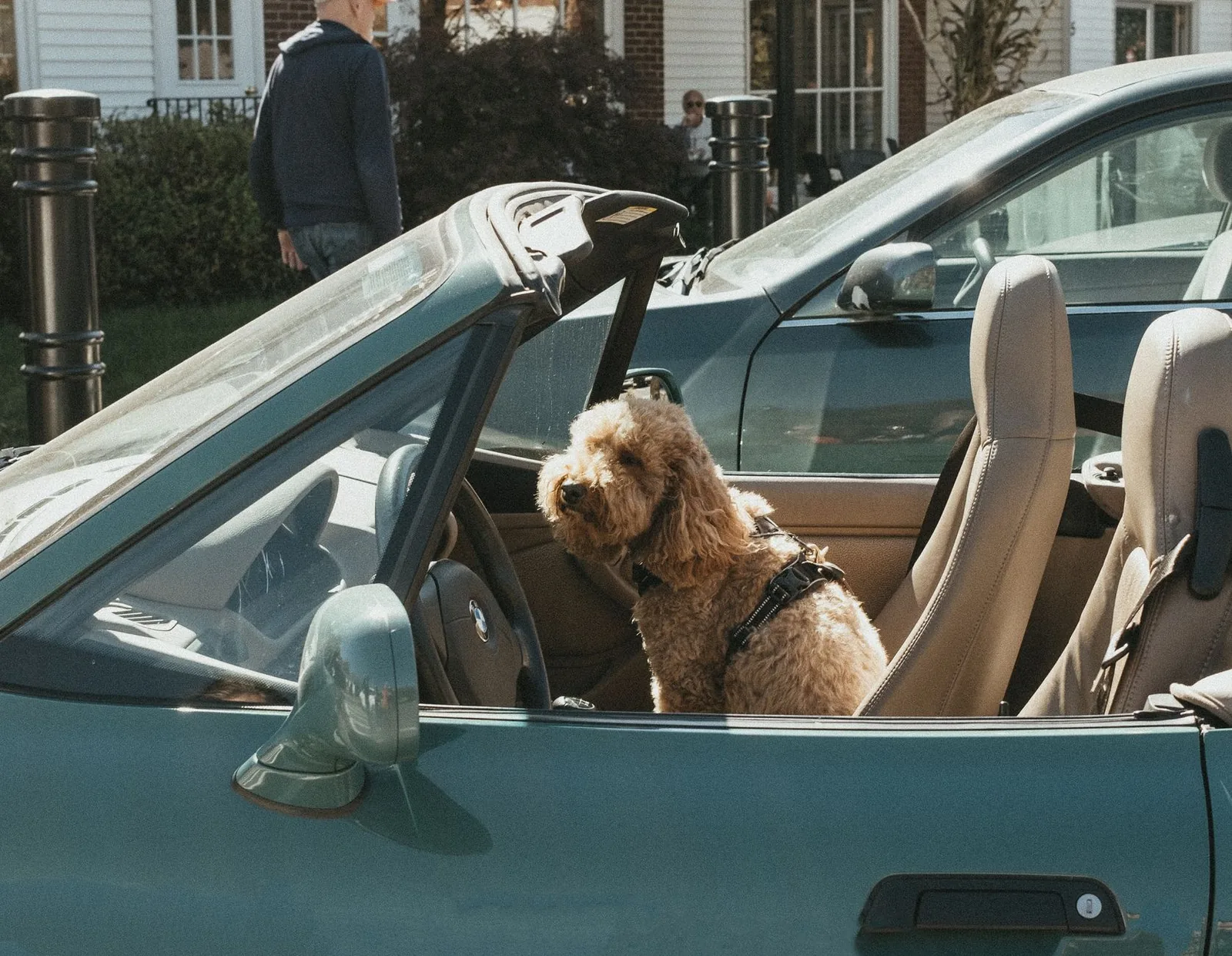
    A dog secured on a car back seat with a harness
    Photo by Amanda Brady on Pexels

    Car travel

    This is where most dogs actually travel and where the risk is routinely underestimated. A 17-pound dog in a 30 mph impact carries enormous force.

    MethodSafetyNotes
    Crash-tested crate, securedBestBulky, but the safest option available
    Crash-tested harness on a seat beltGoodPractical for most cars
    Ordinary walking harness clipped to a beltPoorNot designed for impact loads; better than nothing
    Booster seat with a tetherFairComfort and visibility, limited crash protection
    Loose in the carDangerousProjectile risk, driver distraction, escape at doors
    Front seatDangerousAirbags are designed for adult humans
    Look for products tested to an independent standard rather than described as “safety” harnesses, which is an unregulated term.
    • Build up gradually if the dog is unused to cars — sitting in a stationary car, then short trips somewhere good.
    • Skip the meal before travel, but not the water.
    • Stop every two to three hours for a toilet break and a stretch.
    • Never leave the dog in a parked car. Temperature rises faster than people expect in both directions.
    • Harness on before the door opens, every time. Rest stops are where dogs are lost.

    That last point matters more for terriers than most breeds — why terriers bolt and what to do if one gets out covers the recovery method if it happens.
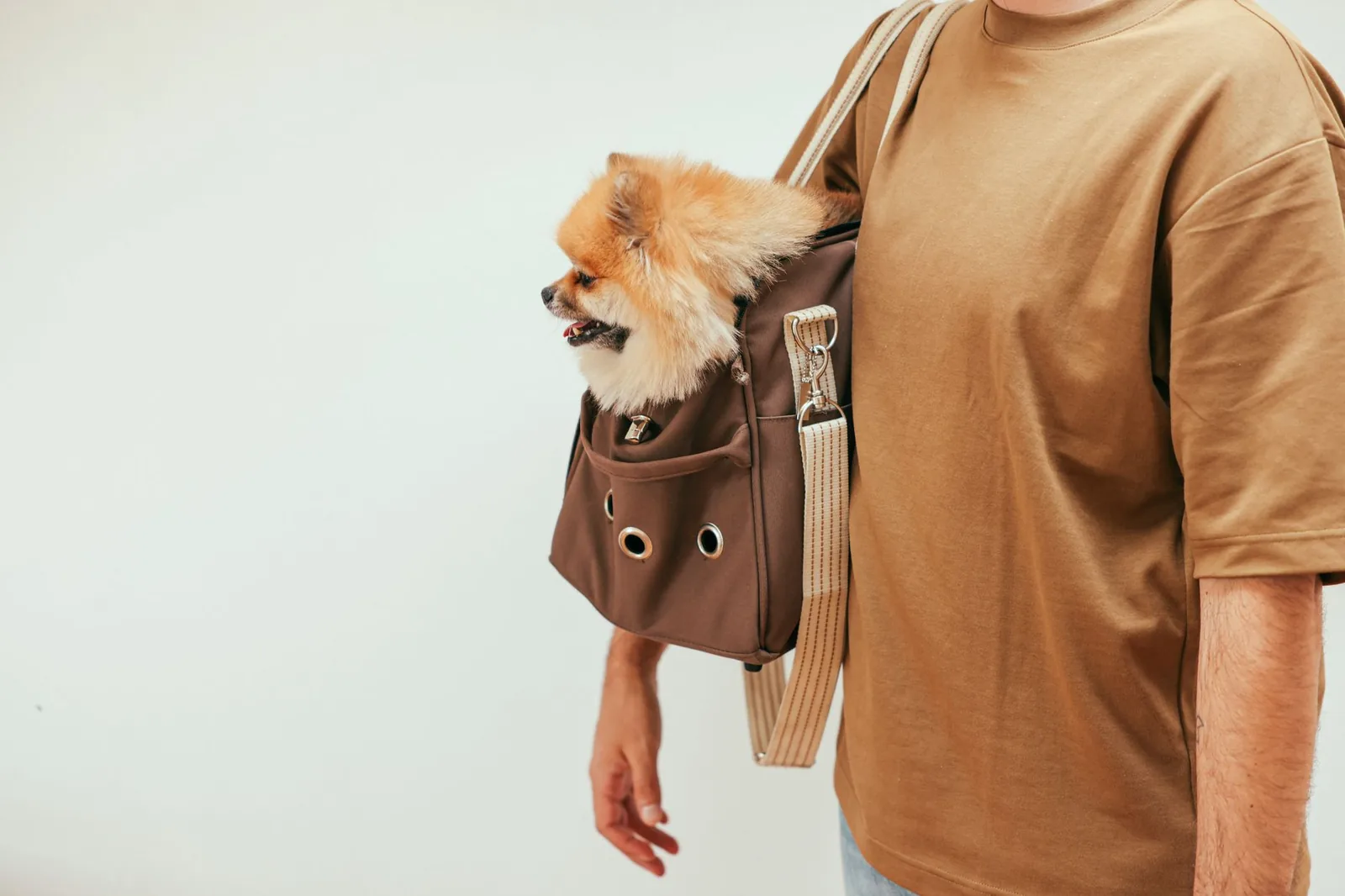
    A soft pet carrier bag standing ready for travel
    Photo by Cup of Couple on Pexels

    Flying

    At this size a Westie can usually travel in the cabin, which is far preferable to cargo. Cargo carries real risk for any dog and should be a last resort.

    Cabin rules are strict and vary by airline: the carrier must fit under the seat in front, the dog must stay inside it for the whole flight, and there is a limit on pets per cabin, so booking early is the real constraint.

    What to checkWhy
    Carrier dimensions for that specific aircraftLimits differ by airline and by plane
    Combined dog and carrier weight limitCommonly around 20 lb total
    How many pets are allowed per cabinOften very few; first come, first served
    Health certificate timingUsually must be issued within a set window before travel
    Destination entry requirementsRabies documentation, microchip standards, sometimes quarantine
    Breed or snub-nose restrictionsNot an issue for Westies, but check anyway
    Rules change frequently. Confirm current requirements with the airline and the destination authority rather than relying on any article, including this one.

    IATA publishes the industry framework for transporting pets by air, which is a useful orientation before you talk to a specific airline.
    A dog on a lead standing on grass beside a parking area
    Photo by Vova Kras on Pexels

    Taking the dog, or leaving it

    OptionSuitsWatch for
    Dog comes alongRoad trips, dog-friendly accommodation, confident dogsRestaurants and attractions that will not admit dogs
    Pet sitter in your homeAnxious dogs, seniors, medical routinesCost; availability at holidays
    Staying with a friend or familyDogs who know the household wellBeing honest about medication and habits
    Boarding kennelConfident, sociable dogsVaccination requirements; noise stress for nervous dogs
    Home boarding with a host familySmall dogs who dislike kennelsCheck other dogs in the home and insurance
    For an anxious or elderly Westie, a sitter at home usually beats boarding by a wide margin.

    If your dog struggles when you leave at all, that is worth resolving before a trip rather than during one — our guide to separation anxiety in Westies covers the difference between distress and simple protest.
    A dog sitting beside a person in a home setting
    Photo by Nikita Nikitin on Pexels

    Season matters too. Summer travel needs shade and water planning, and winter driving brings its own hazards — cold weather care for a Westie covers what changes below freezing.

    What to take

    1. Two weeks of the usual food, even for a short trip. Diet changes plus travel is a reliable route to an upset stomach — see feeding and portions.
    2. All medication, plus a written list of doses.
    3. Vaccination records and your vet’s number.
    4. The dog’s own bed or blanket, unwashed. Familiar scent settles a dog faster than anything you can buy.
    5. A spare harness and lead, and a tag with your mobile number rather than your home address.
    6. The emergency vet number for where you are going, looked up in advance.

    A travel bag packed with dog supplies
    Photo by RDNE Stock project on Pexels

    Frequently asked questions

    Can a Westie fly in the cabin?

    Usually yes, at 15 to 20 pounds, provided the dog and carrier together meet the airline’s weight limit and the carrier fits under the seat. Book early, as most airlines allow only a few pets per cabin.

    What is the safest way for a dog to travel in a car?

    A crash-tested crate secured in the back, or a crash-tested harness on a seat belt. An ordinary walking harness is not designed for impact loads, and a loose dog is both a projectile risk and a driver distraction.

    Is boarding or a pet sitter better?

    For confident sociable dogs, boarding is fine. For anxious or elderly dogs, and any dog on a medication routine, a sitter in your own home is usually much less stressful.

    How often should I stop on a long drive?

    Every two to three hours for a toilet break, water and a short stretch. Put the harness on before opening any door, because rest stops are a common place for dogs to bolt.

    Can I leave my dog in the car for a few minutes?

    No. Temperature inside a parked car rises and falls far faster than people expect, and a few minutes can become longer than intended. Take the dog with you or leave it at home.

    A small dog resting on the floor of an unfamiliar room
    Photo by susana MaRo on Pexels

    If you are newly adopted

    Give a new dog several months before a significant trip. A dog still learning that your house is home does not need an unfamiliar one on top of it, and an older dog may not travel well at all — caring for a Westie after ten covers what changes.

    What to expect in the first 30 days with a rescue Westie covers the settling period, and if travel plans are what is making a dog difficult to keep, our guide to rehoming options starts with the problems that turn out to be solvable.

  • Foods and Household Items That Are Dangerous for Dogs

    Foods and Household Items That Are Dangerous for Dogs

    Most toxicity is a matter of dose relative to bodyweight, which is why this matters more for a Westie than for a big dog.

    A quantity a Labrador would shrug off can be a genuine emergency in a 17-pound terrier. Two squares of dark chocolate is the classic example.

    The short version

    • Small dogs reach a dangerous dose at far smaller quantities.
    • Xylitol, grapes and raisins are the ones people most often underestimate.
    • Do not induce vomiting at home. Some substances do more damage coming back up.
    • Call poison control or your vet first, before doing anything else.
    Chocolate and grapes sitting on a kitchen table
    Photo by Jane Palash on Unsplash

    The foods that matter most

    FoodWhy it is dangerousRisk to a 17 lb dog
    Xylitol (sugar-free gum, peanut butter, baked goods)Causes a rapid crash in blood sugar, then liver failureSevere — a single piece of gum can be enough
    Grapes and raisinsKidney failure; the mechanism is still not fully understoodSevere — no established safe dose
    ChocolateTheobromine affects the heart and nervous systemHigh — dark and baking chocolate are worst
    Onions, garlic, leeks, chivesDamages red blood cells; cumulative over daysModerate to high, including cooked and powdered
    Macadamia nutsWeakness, tremors, hind-limb collapseModerate
    Alcohol and raw doughDough ferments in the stomach, producing alcoholHigh
    Cooked bonesSplinter and perforate the gutHigh
    Very fatty foodsTriggers pancreatitisModerate, and common at holidays
    Xylitol is the one most people have in the house without realizing it. Check peanut butter labels before using it in a food toy.
    Loose tablets and a medicine bottle on a counter
    Photo by mehmetography on Pexels

    Non-food hazards

    HazardWhere it isWhy it matters
    Human medicationBags, bedside tables, dropped tabletsIbuprofen and acetaminophen are highly toxic to dogs
    AntifreezeGarage, driveway spillsSweet-tasting and lethal in very small amounts
    Rodent baitSheds, garages, neighbors’ yardsOften fatal; symptoms can be delayed for days
    Slug pelletsGarden bordersRapid tremors and seizures
    Lilies, sago palm, azaleaHouseplants and yardsSago palm is frequently fatal
    Batteries and magnetsToys, remote controlsChemical burns and gut perforation
    Compost and moldy foodGarden heaps, trashTremorgenic mycotoxins cause seizures
    A terrier that digs is more likely than most dogs to find rodent bait and compost, which is worth planning around.

    What to do in the first ten minutes

    1. Remove the dog from the source and take the packaging with you.
    2. Work out how much and when, as precisely as you can. This determines the whole response.
    3. Call your vet or a pet poison line immediately. Do this before searching online.
    4. Do not induce vomiting unless a professional tells you to. Corrosives and petroleum products cause more damage coming back up.
    5. Do not give milk, salt or hydrogen peroxide. Home remedies commonly make things worse.
    6. Go in if you are told to, and take the packaging with you.

    The Pet Poison Helpline provides a 24-hour poison control service and searchable toxin database. Save the number in your phone now rather than looking for it during an emergency.

    A leafy houseplant on a windowsill
    Photo by Elena Golovchenko on Pexels

    Symptoms that mean go now

    • Repeated vomiting or diarrhea, particularly with blood.
    • Tremors, twitching or seizures.
    • Unsteadiness, collapse or sudden weakness.
    • Pale, white or very red gums.
    • Labored breathing or a racing heart.
    • Sudden lethargy or disorientation.
    • A distended, painful abdomen — also a bloat sign.

    With several toxins, notably rodent bait and xylitol, a dog can appear fine for hours or days. Waiting to see is the wrong strategy when you know what was eaten.

    Some of these signs overlap with ordinary illness — the conditions this breed is genuinely prone to helps separate a poisoning from a bad day, and what changes in an older Westie covers the same signs in a geriatric dog.

    Prevention that actually works for a terrier

    Westies are small, fast, and inclined to investigate anything at nose height. Height-based storage is not the protection people assume, and a dog that digs finds things a dog that does not will never reach — terrier digging is a hazard as well as a nuisance.

    • Latched bins, not lidded ones. A determined terrier tips a pedal bin.
    • Bags off the floor. Bags with gum or medication in them are a common route.
    • Check the yard for mushrooms, compost access and gaps into a garage.
    • Ask neighbors about rodent bait if your dog has yard access.
    • Brief guests and children that food is not shared, especially at holidays.
    • Read peanut butter labels before using it in a food toy.
    A closed kitchen trash bin
    Photo by Tima Miroshnichenko on Pexels

    What is actually fine

    Plenty of the panic online is unfounded, and a short list of safe options is useful when you want to reward a dog without adding calories.

    Carrot, cucumber, green beans, plain cooked chicken, blueberries, plain pumpkin and small amounts of apple without seeds are all fine for most dogs.

    Portion still counts. Treats of any kind should stay under a tenth of daily intake — our guide to feeding and portions covers why weight is one of the commonest findings in the breed.

    A person making a phone call while holding a note
    Photo by Tima Miroshnichenko on Pexels

    Frequently asked questions

    How much chocolate is dangerous for a small dog?

    It depends on type and bodyweight. Dark and baking chocolate carry far more theobromine than milk chocolate, and a 17-pound dog reaches a dangerous dose at a much smaller amount than a large breed. Call poison control with the weight, type and quantity.

    Are grapes really toxic to dogs?

    Yes, and there is no established safe dose. A small number has caused kidney failure in some dogs while others are unaffected, and the mechanism is not fully understood. Treat any ingestion as urgent.

    What is xylitol and why is it dangerous?

    A sugar substitute in sugar-free gum, some peanut butters, baked goods and mouthwash. It causes a rapid crash in blood sugar and can lead to liver failure. Very small amounts are dangerous to a small dog.

    Should I make my dog vomit if it eats something toxic?

    Not unless a vet or poison control tells you to. Corrosive substances and petroleum products cause further damage coming back up, and home remedies like salt or hydrogen peroxide can be harmful in themselves.

    My dog seems fine after eating something toxic. Do I still call?

    Yes. Several toxins, including rodent bait and xylitol, have delayed effects. If you know what was eaten, act on that rather than on how the dog looks.

    A small dog being offered a piece of carrot
    Photo by ClickerHappy on Pexels

    Keep the numbers somewhere findable

    Your regular vet, the nearest 24-hour emergency clinic and a poison control line — on the refrigerator and in your phone, before you need them.

    If you have just adopted, add them during the first week. What to expect in the first 30 days with a rescue Westie covers the rest of the setup, and planning for your dog if something happens to you covers the emergency card that matters if you are the one taken ill.

  • Dog Body Language: Reading Stress Before It Escalates

    Dog Body Language: Reading Stress Before It Escalates

    Almost every bite described as coming out of nowhere was preceded by a long sequence of signals. The dog was not being unpredictable. It was being ignored.

    Learning to read that sequence is the single most useful skill for anyone living with a dog, and it matters most in households with children.

    The short version

    • Dogs escalate through a predictable ladder. Growling is near the top, not the start.
    • A wagging tail means arousal, not friendliness.
    • Punishing a growl removes the warning and keeps the feeling.
    • The reliable rule for children: let the dog choose to approach, always.
    A dog licking its lips while looking away
    Photo by Kojirou Sasaki on Unsplash

    The ladder of signals

    Dogs work up this sequence, usually in order. Most people notice from about step seven, by which point the dog has been asking for six steps.

    LevelWhat it looks likeWhat the dog is saying
    1. SubtleBlinking, yawning, nose lickingI am uncomfortable
    2. AvoidanceTurning the head away, looking awayPlease stop
    3. DisengagingTurning the whole body away, walking offI am removing myself
    4. AppeasingScratching, sniffing the ground, shaking offI am trying to defuse this
    5. FreezingGoing completely still, hard stareI am serious now
    6. WarningLip curl, showing teeth, low growlLast verbal warning
    7. SnapAir snap, no contactA deliberate miss
    8. BiteContact, graded by intentNothing else worked
    A dog punished at level six often learns to skip straight from level five to level eight. That is where “no warning” bites come from.

    What the tail actually tells you

    The most persistent myth is that a wagging tail means a friendly dog. Wagging signals arousal, and arousal can be happy, anxious or aggressive.

    • Loose, sweeping, whole-body wag — relaxed and genuinely friendly.
    • High, stiff, fast wag — tense and aroused. Approach with care.
    • Low, tucked, fast wag — anxious and appeasing.
    • Tail held very high and still — alert, possibly confrontational.
    • Tail clamped underneath — frightened.

    Read the whole dog rather than one part. A soft face with a loose body and a wagging tail is a relaxed dog; a hard stare with a stiff high wag is not, and the tail looks similar in a photograph.

    A dog turning its head away from the camera
    Photo by Juan Pablo Mascanfroni on Unsplash

    Relaxed versus tense, side by side

    Body partRelaxedTense or worried
    EyesSoft, blinking normallyWide, whites showing, or hard staring
    MouthSlightly open, looseClosed tight, or panting with a tight jaw
    EarsNeutral or forward and loosePinned back, or rigidly forward
    BodyCurved, weight evenStiff, leaning forward or away
    FurFlatRaised along the shoulders or spine
    TailLoose, mid-heightHigh and stiff, or clamped
    MovementLoose and bouncySlow and deliberate, or frozen
    Look for clusters rather than single signs. One raised ear means nothing; a stiff body with a hard stare and a high tail means a great deal.
    A relaxed dog lying on grass with a loose posture
    Photo by Ayaan P. on Unsplash

    Children and dogs

    Most bites to children happen at home, with a familiar dog, during ordinary interaction. The dog usually gave warnings that an adult did not recognize.

    The single rule worth teaching is that the dog chooses. If it moves away, it is finished. If it does not come over, it does not want to be touched.

    • Never disturb a sleeping or eating dog.
    • No hugging around the neck. Dogs do not experience it as affection.
    • No climbing, riding or leaning on the dog.
    • Leave the dog alone in its bed. The bed is inviolable.

    • Pet the chest and shoulder, not the top of the head.
    • Supervise actively. Being in the room is not supervision.

    Dogs Trust publishes illustrated owner guidance on canine body language and safe interaction, which is particularly useful for teaching children.

    A child sitting quietly on the floor near a dog
    Photo by Tapish on Unsplash

    Why punishing a growl is a mistake

    A growl is a dog telling you clearly that it is uncomfortable, before doing anything about it. It is the most useful thing a dog can do.

    Punish it and the growl disappears. The discomfort does not. You have taught the dog that warning does not work, and the next escalation may skip straight to contact.

    The correct response is to increase distance, work out what caused it, and change the situation. Our guide to terrier behavior covers the training approaches that address the cause rather than the signal.

    A dog standing very still and staring intently
    Photo by S J on Unsplash

    Signals in a newly adopted dog

    A dog in its first two weeks is stressed by definition, and will show far more of the lower rungs than it will later. That is normal.

    It also means you are meeting a dog that is not yet itself, which is why temperament assessments made in week one are unreliable.

    Give space, watch rather than interact, and let the dog approach on its own terms. What to expect in the first 30 days with a rescue Westie covers the wider settling picture, introducing a new dog to a resident dog applies the same signals to dog-to-dog meetings, and the signals that mean genuine distress when you leave are a separate matter again.

    A dog resting undisturbed in its own bed
    Photo by Simon Hesthaven on Unsplash

    Frequently asked questions

    Does a wagging tail mean a dog is friendly?

    No. Wagging indicates arousal, which can be happy, anxious or aggressive. A loose sweeping wag with a relaxed body is friendly; a high stiff fast wag with a hard stare is not.


    What are the first signs a dog is uncomfortable?

    Blinking, yawning out of context, licking the nose, turning the head away and sniffing the ground. These come long before any growl and are the point at which to give space.

    Should I punish my dog for growling?

    No. A growl is a warning you want the dog to keep giving. Punishing it can remove the warning while leaving the underlying discomfort, which makes a bite without warning more likely.

    How do I teach my child to be safe around dogs?

    One rule covers most of it: the dog chooses. No hugging, no disturbing a sleeping or eating dog, no touching a dog in its bed, and pet the chest rather than the head. Supervise actively.

    Why do dogs bite “without warning”?

    They almost never do. The warnings were given at lower levels and missed, or the dog was previously punished for growling and has learned that warning does not help.

    Why this matters in rescue

    Foster carers spend weeks recording exactly these signals, which is what makes an honest assessment possible. A dog described as “not suited to young children” usually earned that note through observation, not incident.

    The Westies currently available for adoption carry those notes, and our honest guide to Westies in family households explains why the age question comes up in every adoption conversation.

  • Introducing a New Dog to Your Resident Dog

    Introducing a New Dog to Your Resident Dog

    Most dogs can learn to live together. What decides whether it goes smoothly is the first meeting and the first month, and both are easy to get wrong with the best intentions.

    Westies generally live well with other dogs. The two things worth knowing are that same-sex pairs clash more often in terrier breeds, and that resource guarding is the usual flashpoint.

    The short version

    • Meet on neutral ground, both on loose leads, one handler each.
    • Walk together before they greet face to face.
    • Feed separately and pick up all toys and chews for the first month.
    • Slow is faster. A rushed introduction can take months to undo.
    Two people walking dogs side by side along a path
    Photo by Łukasz on Unsplash

    Before the dogs meet

    • Pick genuinely neutral ground. Not the park you walk your dog in daily — that is his territory too.
    • One handler per dog, both confident and calm. Two dogs on one person is how introductions go wrong.
    • Set the house up first, with separate beds, separate feeding spots and a baby gate ready.
    • Remove all toys, chews and food bowls before the new dog comes in.
    • Exercise both dogs beforehand, so neither arrives full of energy.

    The introduction, step by step

    1. Start at a distance, walking in the same direction on opposite sides of a path or field. No greeting yet.
    2. Close the gap gradually over ten or fifteen minutes, watching both dogs rather than each other.
    3. Allow a brief sniff on loose leads, then move on after a few seconds. Short and positive beats long and tense.
    4. Repeat two or three times, each slightly longer, praising calm behavior.
    5. Walk home together if you can, arriving as a group rather than one dog admitting another.
    6. Let the resident dog in first, then the new dog, leads on, doors open, nothing to compete over.

    End every session while both dogs are still relaxed. Stopping too late is the commonest mistake, and the one that creates a bad first association. Terrier traits that complicate this are covered in our guide to barking, digging and prey drive.

    A dog crouched in a play bow on grass
    Photo by Li Lin on Unsplash

    Reading how it is going

    SignalWhat it meansWhat to do
    Play bow, loose wagging bodyGenuine invitation to playCarry on
    Curved approach, sniffing rearNormal, polite greetingCarry on
    Shaking off after contactSelf-regulating, releasing tensionFine; give a pause
    Stiff body, high slow tailTension buildingMove apart, increase distance
    Hard staring, freezingA serious warningSeparate calmly and immediately
    Lip curl, low growlClear communication, not aggressionIncrease distance; never punish it
    One dog repeatedly turning awayAsking for spaceRespect it and end the session
    A growl is information, not a problem. Punishing it removes the warning and leaves the feeling.

    Reading these signals reliably is worth learning properly — our guide to canine stress signals covers the ladder from mild discomfort to a bite.

    The first month at home

    PeriodHow to manage itWhat you should see
    Days 1–3Separate spaces, supervised contact only, leads on indoorsCuriosity, some avoidance, occasional grumbling
    Week 1Short supervised sessions; separate feeding and sleepingTolerance, brief parallel activity
    Weeks 2–3Longer sessions; still no free access to toys or chewsFirst play, choosing to lie in the same room
    Week 4+Gradual normal access, reintroducing toys one at a timeSettled coexistence; friendship may take months
    Coexistence within a month is a good outcome. Friendship is a bonus and often takes considerably longer.
    Two dog bowls placed apart on a kitchen floor
    Photo by Chris Diamond on Unsplash

    The terrier-specific parts

    Two things come up more in this breed group than in dogs generally, and both are manageable if you plan for them.

    Same-sex pairings. Two females in particular can clash in terrier breeds, and disputes tend to escalate faster. Opposite-sex pairs are usually the easier bet, and any responsible rescue will discuss this rather than assume.

    Whether a second dog suits your household at all is worth thinking through first — our honest guide to living with a Westie covers the running costs and time two dogs actually take.

    Resource guarding. Food, chews, beds and sometimes a person. The management is simple — separate everything for the first month — but skipping it is how a single dispute becomes a pattern.

    The International Association of Animal Behavior Consultants maintains a directory of qualified behavior consultants and owner resources, which is the place to look if introductions are not going well.

    A dog looking through a baby gate in a doorway
    Photo by Alexander Tisko on Pexels
    Two small dogs playing together outdoors
    Photo by GEORGE VERGIS on Unsplash

    What not to do

    • Do not introduce them in the house. Territory is the whole problem.
    • Do not hold the leads tight. Tension travels down the lead and creates the reaction you are bracing for.
    • Do not let them “sort it out”. They usually do not, and the version they settle on may not be one you want.
    • Do not leave them alone together for at least the first few weeks.
    • Do not punish growling. You remove the warning and keep the conflict.
    • Do not force interaction. Some dogs simply coexist, and that is a fine outcome.
    Two dogs asleep near each other on a rug
    Photo by anotherxlife on Unsplash

    Frequently asked questions

    How do I introduce a new dog to my current dog?

    On neutral ground, both on loose leads with one handler each. Walk in the same direction at a distance first, close the gap gradually, then allow a brief sniff and move on. Keep the first sessions short and positive.

    How long does it take for two dogs to get along?

    Most reach settled coexistence within about a month. Genuine friendship can take several months, and some dogs never become playmates but live together perfectly well.

    Are two Westies a good idea?

    Often yes, though opposite-sex pairs tend to be easier. Same-sex terrier pairs, especially two females, clash more frequently and disputes escalate faster.

    Should I let my dogs fight it out?

    No. Dogs rarely resolve conflict productively, and letting a dispute run can establish a pattern. Separate calmly, increase distance, and reintroduce more slowly.

    My new dog growls at my resident dog. Is that bad?

    A growl is communication, not aggression, and it is useful information. Increase the distance and slow the process down. Never punish it, or you remove the warning while leaving the discomfort.

    Adopting a second dog

    If you are considering it, tell the rescue about your resident dog in detail — age, sex, temperament, how it is with other dogs. Matching on that is most of what determines success.

    The Westies currently available for adoption note how each has been assessed with other dogs, and the first 30 days with a rescue Westie covers the settling period this sits inside. If you would rather help without taking on a second dog permanently, fostering suits multi-dog households well.

  • Escape-Proofing for Terriers, and What to Do If Yours Gets Out

    Escape-Proofing for Terriers, and What to Do If Yours Gets Out

    Terriers were bred to follow quarry underground. That instinct does not stop at a fence line, and it explains both how they escape and why they are so hard to recover once out.

    Two things matter here, and both run against instinct: secure the ground rather than the height, and if your dog does get out, do not chase it.

    The short version

    • Terriers dig under and squeeze through. Height is rarely the weak point.
    • The highest-risk window is the first two weeks after adoption.
    • A microchip only works if the registration details are current. Most are not.
    • Never chase or call a frightened loose dog. Both make it run further.
    A dog digging in soil close to a fence line
    Photo by Raymond Morland on Unsplash

    How terriers actually get out

    RouteWhy it happensThe fix
    Digging underThe original job descriptionBuried wire mesh, gravel trench or a concrete footer along the line
    Gaps at gate postsA 15-pound dog fits through less than you thinkClose anything wider than four inches
    Gate left unlatchedThe single most common causeSelf-closing hinge and a spring latch, not a drop bolt
    Following a person outDoors opening to deliveries and visitorsA baby gate set back from the front door
    Slipping a collarA frightened terrier reverses out of a flat collarA properly fitted harness, always
    Bolting after preySquirrel, cat, rabbit — recall does not competeLong line in any unfenced space
    Note that none of these involve jumping. Securing the bottom foot of a fence does more than adding height to the top.

    The first two weeks are the danger

    A newly adopted dog has no bond to hold it, no attachment to the house, and no reason to come back. Most rescue dogs that are lost are lost in week one.

    Use a harness with a tag from the first day, keep the dog on lead in the yard until you have watched it test the boundary, and warn everyone about doors. This is one reason our adoption process includes a home visit.

    The wider picture of that period is in what to expect in the first 30 days with a rescue Westie.

    A closed garden gate with a secure latch
    Photo by Vitalii Kyktov on Unsplash

    Identification that actually works

    1. Update the microchip registration. A chip with a previous owner’s disconnected number is functionally no chip at all. Do this on adoption day.
    2. Put a tag on the harness, with a mobile number rather than a name and address.
    3. Add a second contact on the tag or the chip record, in case you are unreachable.
    4. Photograph the dog properly, including any distinctive markings, from the side and front. A generic white terrier photo helps nobody.
    5. Check the chip scans at the next vet visit. They occasionally migrate or fail.

    If your dog gets out: the first hour

    This is where most people do the wrong thing with the best intentions. A loose dog in an unfamiliar place is usually in flight mode, and a running, shouting human is a threat.

    InstinctWhat actually works
    Chase the dogStop moving. Sit or crouch, side-on, and look away
    Call its name urgentlyStay quiet, or talk calmly to somebody else
    Spread out and search wideSearch close first — frightened dogs usually stay within a mile
    Approach directlyLet the dog come to you. Scatter food and wait
    Post everywhere immediatelyPost locally and specifically, with a clear photo and one number
    Assume it has run farCheck under decks, sheds, hedges and parked cars nearby
    Counterintuitive but well established: lying down and ignoring the dog often brings it back when calling will not.

    The Missing Animal Response Network publishes search methods based on how lost dogs actually behave, including why the calming approach works better than pursuit.

    A dog collar with an identification tag attached
    Photo by Ryan Waring on Unsplash

    What to do beyond the first hour

    • Leave scent at the escape point — a worn item of clothing and the dog’s bed, outside the door.
    • Call the microchip registry and flag the chip as missing.
    • Contact every shelter and vet within a fifteen-mile radius, and repeat daily rather than once.
    • Post in local neighborhood groups with one clear photograph and one phone number.
    • Ask people to report sightings, not to catch the dog. Well-meaning pursuit pushes a frightened dog out of the area.
    • Search at dawn and dusk, when a frightened dog moves.

    Off-leash: the honest answer

    Most Westies are never reliably off leash in unfenced open ground. Recall does not compete with a moving squirrel, and no amount of training makes it reliable enough to bet on near a road.

    That is not a failure of training. It is the breed doing what it was selected for over a couple of centuries.

    A long line gives most of the freedom with none of the risk. Our guide to prey drive and terrier behavior covers the disengagement training that makes walks manageable.

    A person walking a quiet path at dusk
    Photo by Valna Studio on Unsplash
    A white terrier standing safely in an enclosed garden
    Photo by Gerardo Pantoja on Pexels

    Frequently asked questions

    How do I stop my terrier digging under the fence?

    Secure the bottom rather than the top. Buried wire mesh turned inward, a gravel trench or a concrete footer along the fence line all work. Height is rarely the weak point with a terrier.

    What should I do first if my dog runs off?

    Stop moving and stop calling. Crouch side-on, look away, and let the dog approach. Chasing and shouting both push a frightened dog further, which is the opposite of what you want.

    How far do lost dogs usually go?

    Frightened dogs often stay within a mile of where they were lost, hiding under decks, sheds, hedges and cars. Search close and thoroughly before widening out.

    Does a microchip help if my dog is lost?

    Only if the registration is current. A chip still listing a previous owner or a disconnected number cannot return your dog. Update it on adoption day and check it scans at vet visits.

    Can a Westie ever be let off leash?

    In securely fenced areas, yes. In open unfenced ground most cannot be trusted, because prey drive overrides recall. A long line is the practical compromise.

    A dog exploring a field at the end of a long lead
    Photo by Michal Mikulec on Unsplash

    Why we ask about fencing

    Fencing comes up in every adoption conversation, and it is not box-ticking. A frightened dog with no bond and no recall, loose near a road, is the outcome the question exists to prevent.

    It rarely rules anyone out. It changes which dog suits — what makes an adoption application strong explains how that assessment works, and our adoptable dogs page notes which dogs need secure fencing specifically.

    If a dog you have lost is not yours to begin with, or you have found one, our New England coverage page explains how to reach us, and the surrender and rehoming page is the right route for a stray nobody claims.

  • Dog Dental Care: The Problem Westie Owners Underestimate

    Dog Dental Care: The Problem Westie Owners Underestimate

    Ask a Westie owner what the breed’s big health problem is and they will say skin. In primary-care data, dental disease outranks it — it is the single most common thing Westies are diagnosed with.

    It is also painful, progressive, and almost entirely preventable, which makes it the most worthwhile thing most owners are not doing.

    The short version

    • Dental disease affects most dogs by age three, and it tops the list in this breed.
    • Bad breath is not normal. It is bacteria.
    • Anesthesia-free cleaning does not treat disease below the gum line, which is where it is.
    • Brushing is the only home measure with real evidence behind it.
    A small dog having its teeth brushed with a toothbrush
    Photo by Meagan Barr on Unsplash

    Why small breeds get it worse

    A Westie fits the same 42 teeth into a much shorter jaw than a Labrador. Crowding traps plaque, plaque mineralizes into tartar, and tartar drives inflammation under the gum.

    From there it becomes bone loss, loose teeth and chronic infection. The bacteria do not stay in the mouth, which is why untreated dental disease is linked to heart and kidney problems.

    What the stages look like

    StageWhat you can seeWhat it needs
    HealthyPink gums, white teeth, neutral breathBrushing and annual checks
    GingivitisRed gum line, mild odorCleaning; fully reversible at this point
    Early periodontitisTartar, receding gums, clear odorProfessional cleaning with X-rays
    Established diseaseLoose teeth, bleeding, strong odorCleaning plus likely extractions
    AdvancedMissing teeth, facial swelling, reluctance to eatSurgery, and the dog has been in pain for a long time
    Only the first two stages are reversible. Everything below involves bone that does not grow back.
    A veterinary team working on a dog in a clinical setting
    Photo by engin akyurt on Unsplash

    The signs owners miss

    Dogs almost never stop eating because of dental pain. They adapt, which is exactly why it goes unnoticed for years, and why new irritability in an older dog is worth reading alongside what changes in a Westie after ten.

    • Bad breath — the most reliable early sign, and the most normalized.
    • Chewing on one side, or dropping food.
    • Pawing at the mouth, or rubbing the face along furniture.
    • Reluctance to take hard treats that used to be welcome.
    • New irritability when the head or muzzle is touched.
    • Blood on toys or in the water bowl.

    Anesthesia-free cleaning

    It is marketed as a gentler alternative and it is not one. Scaling a conscious dog removes visible tartar from the crown while leaving disease below the gum line untouched.

    The teeth look better, the owner is reassured, and the actual disease continues. It also cannot include the dental X-rays that reveal most of what matters.

    The American Veterinary Dental College sets out the professional position on anesthesia-free dental procedures and veterinary dental standards, which is worth reading before booking one.

    A dog chewing on a dental treat
    Photo by James Lacy on Unsplash

    What a proper cleaning involves and costs

    ComponentWhy it mattersTypical cost
    Pre-anesthetic bloodworkChecks organ function before sedation$80–$200
    Anesthesia and monitoringAllows work below the gum line safely$200–$400
    Full-mouth dental X-raysMost disease is invisible above the gum$100–$200
    Scaling and polishingRemoves plaque and smooths the surface$100–$200
    Extractions, if neededRemoves teeth already lost to disease$50–$150 each
    A routine cleaning commonly totals $300–$700. With extractions it can reach $1,000–$2,000, which is the argument for prevention.

    Anesthesia worries most owners, understandably. Modern protocols with pre-anesthetic bloodwork and monitoring are low-risk even in older dogs, and the risk of leaving infection untreated is generally higher.

    The home routine that actually works

    1. Brush daily if you can, three times a week minimum, with dog toothpaste. Human toothpaste is toxic to dogs.
    2. Build up slowly. A week of just touching the muzzle, then lifting the lip, then a finger brush, then the toothbrush.
    3. Focus on the outer surfaces of the upper back teeth, where tartar accumulates fastest.
    4. Use products with proven plaque control rather than whatever smells appealing.
    5. Check the gums monthly, lifting the lip on both sides.

    Dental chews and water additives help at the margins. None of them substitute for brushing, and hard chews such as antlers and bones crack teeth — slab fractures on the upper premolars are a common result.

    A person lifting a dog’s lip to check the gums
    Photo by Giorgio Trovato on Unsplash
    An older dog resting quietly after a veterinary procedure
    Photo by Eugene Chystiakov on Unsplash

    Dental work at intake

    Dental treatment is usually the first thing we fund for an incoming Westie, and frequently the largest single cost of a placement.

    Many arrive with disease advanced enough to need multiple extractions. The change afterwards is often striking — dogs described as withdrawn or grumpy turn out to have been in constant pain.

    The veterinary care every rescue Westie receives covers what is done before placement, our adoptable dogs page notes any dental work already completed, and sponsoring a dog in our care is what pays for it.

    A white terrier with a relaxed, open-mouthed expression
    Photo by Benoît Deschasaux on Unsplash

    Frequently asked questions

    How often do dogs need dental cleaning?

    Most small breeds benefit from professional cleaning every one to three years, starting around age two or three. Your vet should assess the mouth at every annual visit and tell you when it is due.

    Is anesthesia-free dog teeth cleaning safe?

    It is not the risk that is the problem, it is that it does not work. Scaling a conscious dog cannot address disease below the gum line, where periodontal disease actually is, and cannot include diagnostic X-rays.

    Is dog dental cleaning worth the cost?

    Routine cleaning at $300 to $700 is considerably cheaper than treating established disease at $1,000 to $2,000, and it prevents years of pain the dog will not show you.

    Do dental chews replace brushing?

    No. Chews with demonstrated plaque control help at the margins, but brushing is the only home measure with strong evidence. Avoid antlers, hooves and bones, which fracture teeth.

    Is anesthesia safe for an older Westie?

    Usually yes, with pre-anesthetic bloodwork and proper monitoring. Age alone is not a contraindication, and leaving infection untreated carries its own risk.

    Where this fits

    Dental disease sits alongside ear disease, overgrown nails and weight in the group of common problems that are largely within an owner’s control — our guide to what the breed is actually prone to ranks them. Coat and nail care are covered in the Westie grooming guide, and weight in our guide to feeding and portions.

  • Cold Weather Care for a Westie: A New England Guide

    Cold Weather Care for a Westie: A New England Guide

    A Westie’s harsh double coat handles cold better than most small breeds, but two New England hazards hit this breed harder than others: de-icing salt, which aggravates skin already prone to disease, and the winter clipping decision, which removes the coat’s insulation.

    The short version

    • Below about 20°F, keep walks short for a dog this size. Below 15°F, very short.
    • Rinse or wipe paws and belly after every walk on treated sidewalks.
    • Do not clip the coat short for winter. The undercoat is the insulation.
    • Seniors, puppies and dogs with medical conditions have far less margin.
    A small dog wearing a fitted coat on a winter walk
    Photo by Dawid Tkocz on Unsplash

    How cold is too cold

    Size matters more than coat. A 17-pound dog has far less mass to hold heat than a Labrador, and wind and damp shift these thresholds sharply.

    TemperatureHealthy adult WestieSenior, puppy or unwell dog
    Above 45°FNo restrictionNo restriction
    32–45°FComfortable; watch wet conditionsConsider a coat
    20–32°FFine for normal walksCoat, and shorter walks
    15–20°FShorten walks; watch for lifted pawsBrief toilet trips only
    Below 15°FBrief trips, coat, monitor closelyOutside only to toilet
    Below 0°FToilet breaks onlyToilet breaks only, supervised
    Wind chill and wet fur both effectively lower these numbers. A damp dog in wind loses heat far faster than the thermometer suggests.

    The signs to turn back are the same at any temperature: shivering, lifting paws, slowing down, whining, or hunching with the tail tucked.

    Close-up of a dog’s paw resting in snow
    Photo by Sydney Moore on Unsplash

    Salt is the New England problem

    De-icing products are the single most common winter complaint in an area that treats its sidewalks heavily, and they matter more in this breed than most.

    • Chemical irritation. Salt draws moisture from the pads and causes cracking and burns.
    • Lodging between the toes, where it keeps working and is hard to see.
    • Ingestion. A dog that licks its feet takes the salt internally, which causes vomiting and worse in quantity.
    • Flare triggering. On skin already predisposed to atopic dermatitis, salt exposure is a reliable way to start a flare.

    The fix has to be every time: rinse the feet and belly on returning, and dry between the toes.

    For a dog already managing skin disease, this is not optional — our guide to why Westies itch and what helps covers why winter is often the worst season for flares.

    The winter grooming mistake

    Many owners clip short in winter to reduce mud and snowballing. It is understandable and usually wrong.

    ApproachEffect in winterVerdict
    Leave the coat at working lengthFull insulation retainedBest for most dogs
    Trim feet and belly onlyLess snow clumping, insulation intactThe practical compromise
    Clip the whole coat shortRemoves the insulating undercoatAvoid
    Skip grooming entirelyMatting, which traps damp against the skinAvoid
    Bathe frequently without dryingStrips oils, chills the dogAvoid
    Trimming the feet and belly while leaving the body coat is what most groomers will recommend for a New England winter.

    The coat mechanics behind this are in our guide to the Westie double coat and how stripping differs from clipping.

    A dog being dried with a towel after coming indoors
    Photo by Hayffield L on Unsplash

    Winter hazards worth knowing

    HazardWhy it mattersWhat to do
    AntifreezeSweet-tasting and lethal in tiny amountsClean spills immediately; treat any suspicion as an emergency
    Frozen ponds and riversSmall dogs go through ice easilyLeash near water; never follow a dog onto ice
    Ice melt in the garageChemical burns and ingestionStore sealed and out of reach
    Space heaters and firesBurns, and knocked-over unitsGuard them; do not leave a dog alone with one
    Cars as shelter for catsCats sleep in warm engine baysKnock on the hood before starting
    Shorter daylightWalking in the dark near trafficReflective harness and a light
    SnowbanksA white dog is genuinely hard to seeA colored coat is a safety item, not a fashion one
    Antifreeze is the one to treat as a true emergency. Signs can appear within an hour and treatment is time-critical.

    The University of Illinois College of Veterinary Medicine publishes seasonal pet health columns covering winter hazards, which are written for owners and are a good place to read further.

    A person walking a small dog along a snowy street
    Photo by Ken Whytock on Unsplash

    Older dogs need more

    Cold worsens arthritis, and stiff joints on ice is how older dogs fall and injure themselves.

    • Warm the dog before going out, and keep the bed away from drafts and off cold floors.
    • Clear and grit a path so a stiff dog is not negotiating ice to toilet.
    • Shorter, more frequent walks rather than one long one.
    • Expect pain to worsen. Many dogs need more pain relief in winter than in summer — ask your vet rather than assuming.
    • Watch weight. Less exercise plus the same food is how spring arrives with an overweight dog.

    What changes with age generally is covered in our guide to caring for an older Westie, and portioning through a less active season in our guide to feeding and weight.

    A dog playing with a toy on a rug indoors
    Photo by Casey Lovegrove on Unsplash

    Keeping a terrier occupied indoors

    Shorter walks mean unspent energy, which becomes barking, digging and destruction. Winter is when behavior complaints rise.

    Mental work substitutes better than exercise. Scatter feeding, snuffle mats and five-minute training sessions tire a Westie efficiently.

    More options are in our guide to terrier barking, digging and prey drive, which covers why enrichment beats distance for this breed.

    A dog curled up asleep under a warm blanket
    Photo by Christian Tan on Unsplash

    Frequently asked questions

    How cold is too cold for a Westie?

    Keep walks short below about 20°F and very short below 15°F, adjusting for wind and wet. Seniors, puppies and dogs with medical conditions should go out only to toilet in those conditions.

    Do Westies need a coat in winter?

    A healthy adult with a full coat usually does not, but seniors, dogs clipped short and dogs with medical conditions benefit. A bright coat also makes a white dog visible against snow.

    How do I protect my dog’s paws from road salt?

    Rinse the feet and belly in lukewarm water after every walk on treated sidewalks, or wipe thoroughly and dry between the toes. Boots work if the dog tolerates them, and paw balm helps with cracking.

    Should I clip my Westie’s coat short in winter?

    No. The undercoat provides the insulation. Trimming the feet and belly reduces snow clumping while leaving the body coat intact, which is the usual compromise.

    Why is my Westie itchier in winter?

    Indoor heating dries the skin, de-icing salt irritates it directly, and damp trapped in a matted coat encourages yeast. All three commonly trigger flares in a breed already prone to allergic skin disease.

    Winter and rescue

    Intake rises through winter, partly because heating bills and veterinary costs land together, and partly because bereavement peaks.

    If costs are what is putting your dog at risk, talk to us through the surrender and rehoming page before it becomes urgent, and sponsoring a dog in our care funds the veterinary work that keeps the ones we take comfortable.

  • What Makes a Strong Dog Adoption Application

    What Makes a Strong Dog Adoption Application

    Most adoption applications are not rejected. They stall — incomplete, vague where it matters, or waiting on a reference who never answers.

    This is what the reviewer is actually assessing, and how to answer honestly without ruling yourself out.

    The short version

    • Nobody is looking for a perfect home. They are looking for a suitable one for a specific dog.
    • Honesty about problems helps you. Concealment is what ends placements.
    • Flexibility on age and medical needs shortens the wait more than anything else.
    • Warn your references and your vet that a call is coming.
    A family sitting together in a living room
    Photo by Vitaly Gariev on Unsplash

    What a reviewer is actually looking for

    Not virtue — fit. Every question maps to which dog could live with you successfully.

    The questionWhat it is really askingWhat helps
    Hours the dog will be aloneWhich dogs can cope with your scheduleThe real number, plus how you would break up the day
    Fencing and outdoor spaceWhether a terrier could be safely containedHeight, condition, gates — and honesty if there is none
    Children and their agesMatching to a dog assessed as child-safeAges, and how the household manages dog-child boundaries
    Other petsPrey drive and same-sex compatibilitySpecies, ages, temperaments, and how introductions would go
    Previous dogs and what happenedExperience, and pattern of careThe full history, including a dog that was rehomed and why
    Veterinary historyWhether routine care actually happenedPractice name and permission to call
    Budget for veterinary costsWhether a medical dog is realisticA straight answer; it changes which dog, not whether
    Who else lives thereWhether the whole household agreesEveryone named, and everyone on board
    A reviewer with an honest picture can match you well. One working from a polished picture cannot.

    Humane Society professional resources describe how adoption programs assess applicants and match animals to homes, which is the sector-wide version of the same thinking.

    A securely fenced back yard with a closed gate
    Photo by QY Liu on Unsplash

    The answers people get wrong

    These are the ones that cause avoidable problems, in both directions.

    1. Understating hours away. Saying four when it is nine gets you matched to a dog that will not cope, and the placement fails.
    2. Hiding a previous rehoming. It rarely disqualifies anyone. Concealing it and having it surface later usually does.
    3. Claiming no fencing is fine. For a terrier it often is not, and it is better to discuss it than to assert it.
    4. Saying you are open to anything. It reads as not having thought about it. Specific and flexible beats vague.
    5. Leaving the budget question blank. It looks evasive when it is usually just uncomfortable.
    6. Naming references you have not warned. The single most common cause of a stalled application.

    Things that feel disqualifying and usually are not

    You are worried aboutHow it actually reads
    Renting rather than owningFine, with landlord permission in writing
    Working full timeFine for many dogs, depending on how the day is broken up
    Having young childrenNarrows which dogs, does not rule you out
    Being a first-time dog ownerFine with realistic expectations and willingness to take advice
    Being olderFrequently an advantage, especially for a senior dog
    A previous dog that was rehomedFine if you explain it honestly
    A modest budgetChanges which dog is suitable, not whether you are
    Living in an apartmentFine for a Westie, with the barking discussed
    The right-hand column is what experienced reviewers actually think. The worry is almost always larger than the obstacle.

    The one that genuinely narrows things most is a resident cat, because terrier prey drive is real — our honest guide to whether Westies suit your household covers which households struggle.

    A person reviewing paperwork beside a laptop
    Photo by SumUp on Unsplash

    Before you submit

    • Warn your references and your veterinary practice that a call is coming, and give the practice permission to release records.
    • Agree it with the whole household before applying, not after.
    • Measure your fencing and note any gaps rather than guessing.
    • Decide your genuine flexibility on age, sex and medical needs.
    • Check your landlord permission is in writing if you rent.
    • Answer every question, even the awkward ones. Blanks stall applications more than difficult answers do.

    Why applications stall

    CauseHow long it addsHow to avoid it
    Reference does not respond1–3 weeksWarn them; give a mobile number
    Vet will not release records1–2 weeksGive written permission upfront
    Household member not on boardIndefiniteSettle it before applying
    Landlord permission missing1–4 weeksGet it in writing first
    Vague answers needing follow-up1–2 weeksBe specific first time
    No suitable dog in careWeeks to monthsWiden your criteria, or wait
    The last row is not a reflection on your application. Small rescues sometimes genuinely have no dogs.
    Two people talking across a table
    Photo by Julio Lopez on Unsplash

    If you are turned down

    Ask why. Most decisions are specific to one dog, and the reason is often something you can change — fencing, a resident cat, or hours that do not suit that particular dog.

    A different dog or a different organization may suit. How to find a Westie rescue in your state covers where else to look.

    A person crouching to meet a small dog outdoors
    Photo by Anastasiya Badun on Unsplash

    What happens after you apply

    1. Review and a phone conversation, usually within a week or two.
    2. Reference and veterinary checks.
    3. A home visit, informal, mostly about fencing, stairs and sleeping arrangements.
    4. Meeting the dog at its foster home.
    5. Adoption agreement, records and homecoming, with ongoing contact if you need it.

    The sequence is set out in our guide to adopting a Westie in New England, and the aftermath in the first 30 days with a rescue Westie.

    A small dog looking out of a car window on the way home
    Photo by Andrew Pons on Unsplash

    Frequently asked questions

    Why do dog adoption applications get rejected?

    Far more stall than are rejected, usually because a reference did not respond. Genuine declines are practical and specific to one dog.

    Do I need a fenced yard to adopt a dog?

    Not always, but it matters more for terriers because prey drive makes recall unreliable. Discuss it rather than asserting it is fine; some dogs are placed successfully without one.

    Can I adopt a dog if I work full time?

    Often yes, depending on the dog and whether the day can be broken up. Be accurate about the hours, because a dog matched to the wrong schedule is a placement that fails.

    Should I mention that I rehomed a previous dog?

    Yes. It rarely disqualifies anyone, and concealing it does far more damage if it emerges later. Explain what happened and what you would do differently.

    How long does an adoption application take?

    Commonly one to four weeks from application to meeting a dog, longer if references are slow or no suitable dog is currently in care.

    Ready to apply

    The foster and adoption application is the same form for adopting and fostering — you tell us which you are offering. If you are not sure a Westie is right yet, how our New England service area works explains what we cover and what we specialize in.

    If you would rather help than adopt, what fostering actually involves and the volunteer roles beyond fostering both start with the same conversation.

  • Separation Anxiety in Westies: What Helps and What Does Not

    Separation Anxiety in Westies: What Helps and What Does Not

    Westies were developed to work alongside a handler, not to spend nine hours alone. Difficulty with isolation is common in the breed, not a character flaw.

    But not every dog that barks when you leave has separation anxiety, and that distinction decides whether treatment works.

    The short version

    • Film the dog. You cannot treat what you have not actually seen.
    • True separation anxiety is panic. Boredom looks similar and needs the opposite approach.
    • Punishment makes panic worse, without exception.
    • Expect weeks to months. Rushing the plan is the usual reason it fails.
    A person picking up keys and a coat while a dog watches
    Photo by Yue WU on Unsplash

    Three different problems that look the same

    The wrong diagnosis means months of effort aimed at the wrong target.

    Separation anxietyBoredomConfinement distress
    When it startsWithin minutes of you leavingAfter an hour or moreOn being shut in, even with you home
    What you see on cameraPacing, drooling, panting, door scratchingSleeping, then finding something to destroyFrantic escape attempts at the barrier
    Damage locationExit points — doors, windows, framesAnywhere interestingThe crate or gate itself
    VocalizingSustained howling and whiningIntermittent barking at noisesContinuous while confined
    ToiletingCommon, even in a house-trained dogRareCommon
    Eats a stuffed toy when aloneNo — too distressedYes, enthusiasticallyNo
    What actually helpsGraduated desensitizationExercise and enrichmentChange the confinement, not the absence
    The stuffed-toy row is the quickest field test. A panicking dog will not eat.

    If the picture is really boredom, our guide to terrier barking, digging and prey drive is the right starting point instead — the fix there is mental work, not departure training.

    A dog lying alone in a quiet empty room
    Photo by Kari Shea on Unsplash

    Film it before you do anything

    Almost every owner is surprised by the footage.

    1. Set a phone or camera covering the room the dog settles in and the door you leave by.
    2. Leave normally, without a long goodbye, and stay out for thirty minutes.
    3. Watch the first ten minutes closely. That is where the answer is.
    4. Note the timestamp at which the dog settles, if it does. That number is your starting point for training.

    Rule out medical causes too. House soiling only when alone can be anxiety or a urinary problem — the causes worth excluding first are set out separately.

    The method that works

    Graduated desensitization is slow, and the only approach with a good evidence base. The principle: never leave the dog longer than it can currently cope with, because every panic episode sets progress back.

    StageWhat you practiceMove on when
    1. Cue neutralityPick up keys, put on a coat, then sit back downThe dog stops reacting to the cues
    2. Door, no exitOpen the door, close it, stay insideNo reaction across several repetitions
    3. SecondsStep outside, return in 5–10 secondsCalm on your return, every time
    4. MinutesBuild in small increments, varying the lengthComfortable at 20–30 minutes
    5. Longer absencesIncrease in 5–15 minute stepsSettled for 90 minutes
    6. Normal lifeOrdinary absences of several hoursMost dogs able to cope with a working day
    Ninety minutes is the usual threshold: a dog comfortable there is generally comfortable for much longer.

    Vary the durations rather than always increasing them.

    A chewed toy left on a carpeted floor
    Photo by Pete Alexopoulos on Unsplash

    What helps alongside the plan

    • Exercise before departure, ideally sniffing-based rather than physical.
    • A food toy as you leave, which doubles as a daily test of progress.
    • Undramatic departures and returns. Long goodbyes raise the stakes.
    • Background sound masking the noises that trigger alerting.
    • A consistent safe space the dog chose, not one you assigned.
    • Daycare, a sitter or a neighbor during training, so the dog is never left beyond its threshold.

    That last point is the one people skip, and every over-long absence undoes several sessions. What is normal in a brand-new adoption is covered in the first 30 days with a rescue Westie.

    What does not help

    ApproachWhy it fails
    Punishment on returnThe dog associates your arrival with anger, raising anxiety
    Getting a second dogAttachment is usually to you specifically; often produces two anxious dogs
    Bark collarsSuppresses the symptom and increases the underlying panic
    Flooding — leaving longer to “get used to it”Repeated panic sensitizes rather than habituates
    Ignoring the dog entirely at homeOld advice, no good evidence, and unkind
    A crate, for a dog with confinement distressAdds a second trigger to the first
    Academic veterinary behavior services publish guidance consistent with this.

    The University of Wisconsin School of Veterinary Medicine is one of several academic centers offering behavior referrals, if you want that rather than a trainer.

    A dog resting calmly on a mat near a doorway
    Photo by Bianca Ackermann on Unsplash

    When medication is appropriate

    Medication is not an admission of failure. A panicking dog cannot learn, so reducing panic to a level where new associations can form is the point.

    This is a conversation for your vet. Over-the-counter calming supplements have a much weaker evidence base.

    A dog working at a stuffed food toy on the floor
    Photo by Maria João Correia on Unsplash

    Newly adopted dogs are a special case

    A dog in its first two weeks will often follow you room to room and protest when you leave. That is usually not anxiety but a dog that has lost everything familiar twice, and most of it resolves as the routine becomes predictable.

    Start short absences early. A month of constant company followed by a full working day is how genuine anxiety gets created.

    A dog sleeping peacefully on its own bed
    Photo by Amy Humphries on Unsplash

    Frequently asked questions

    How do I know if my Westie has separation anxiety or is just bored?

    Film it. Anxiety starts within minutes and shows as pacing, drooling, panting and damage at exit points. Boredom starts later and the dog will happily eat a stuffed food toy, which a panicking dog will not touch.

    How long does it take to treat separation anxiety?

    Commonly a few weeks to a few months, depending on severity and how consistently the plan is followed. The most common reason it fails is leaving the dog beyond its threshold during training.

    Will getting another dog help?

    Usually not. Separation anxiety is normally attachment to a specific person, so a second dog does not substitute and may simply become anxious too.

    Can Westies be left alone all day?

    Most cope poorly with routine nine-hour absences. Long isolation is a common trigger for barking, digging and destruction.

    Is medication necessary for separation anxiety?

    Not always, but for severe cases it often makes the behavior work possible, because a panicking dog cannot learn. It is usually temporary and should be discussed with your vet.

    If it is not improving

    Severe separation anxiety is one of the harder behavior problems and a legitimate reason to get professional help. It is also a common reason dogs are given up.

    If you are reaching that point, our guide to your options opens with the problems that turn out to be solvable, and the surrender and rehoming page is where to reach us. Any dog on our adoptable dogs page comes with an honest note on how it copes alone.

  • Planning for Your Dog If Something Happens to You

    Planning for Your Dog If Something Happens to You

    A significant share of the dogs that reach breed rescue arrive for the same reason: their owner died, or went into hospital or care, and nobody knew what was supposed to happen next.

    The dogs are usually elderly and almost always came from homes where they were loved. What was missing was not care, but a written plan.

    The short version

    • Without a plan, your dog is legal property and your executor decides its fate.
    • A named guardian in a will is the minimum. A pet trust is the stronger instrument.
    • Ask the person first. A surprise bequest is how dogs end up in shelters anyway.
    • The emergency card in your wallet matters as much as the legal document.
    A person writing notes in a notebook at a desk
    Photo by Vitaly Gariev on Unsplash

    What happens if you do nothing

    This is the part most people have never thought through, because it is not how anyone feels about their dog.

    Legally, a dog is personal property. With no instruction, it passes into your estate and your executor decides — typically a relative dealing with a funeral, a house and a dog they did not expect.

    The usual outcomes are a hurried rehoming, a shelter surrender, or a call to a breed rescue weeks later when an informal arrangement has collapsed.

    The three levels of planning

    Informal agreementGuardian named in a willPet trust
    Legally bindingNoYes, transfers ownershipYes, and enforceable on terms
    Takes effectImmediately, if honoredAfter probate — weeks or monthsImmediately on death or incapacity
    Covers incapacity as well as deathDependsNoYes
    Can allocate money for careNoA bequest, but unrestrictedYes, ringfenced
    Anyone can enforce care standardsNoNoYes, via the trustee
    Cost to set upNothingPart of a standard willSeveral hundred dollars
    Best forA stopgap while you arrange somethingMost ownersOwners with a long-lived or high-needs dog
    Every US state now recognizes pet trusts, though the detail varies. An attorney in your own state is the right person to draft one.

    Nolo publishes a plain-language overview of estate planning for pets covering how wills and pet trusts differ, which is a useful primer before you talk to a lawyer.

    Legal documents laid out on a table with a pen
    Photo by 2H Media on Unsplash

    Choosing a guardian

    The instrument is the easy part. The choice of person is what actually decides whether this works.

    1. Ask them, properly. Not in passing at a family gathering. A specific conversation, with the chance to say no.
    2. Name a backup. Circumstances change, and first choices move house, divorce and develop allergies.
    3. Check the practicalities. Do they have a fenced yard, other pets, hours away, a landlord who allows dogs?
    4. Be realistic about age. Naming someone your own age solves the problem for a decade at most.
    5. Leave money if you can. Not as payment, but so caring for your dog is never a financial decision.
    6. Name a rescue as the fallback, having asked them first.

    The emergency card, which matters more than the will

    A will handles death. It does nothing at all for the far more common scenario — you are taken to hospital and your dog is alone in the house.

    WhereWhat it should say
    Wallet cardThat you have a dog at home, its name, and two emergency contacts who hold a key
    Phone lock screen or medical IDThe same two contacts
    Front door or refrigeratorHow many animals are in the house, and where
    With your neighborA key, and permission to enter for the dog
    With your guardianA copy of records, routine and medication list
    Emergency responders check wallets and phones. Nobody reads a will for three weeks.
    A wallet open on a table showing cards inside
    Photo by Stephen Phillips – Hostreviews.co.uk on Unsplash

    The care file

    Whoever takes your dog will be doing it on the worst week of their year. Make it as easy as possible.

    • Veterinary practice details and permission for them to release records.
    • Current medications, doses and what each is for.
    • Microchip number and the registry it is with.
    • Daily routine — feeding times, food brand, walk pattern, where the dog sleeps.
    • Behavioral notes. What frightens the dog, how it is with children, strangers, other animals.
    • Insurance policy details, if any.
    • Your wishes on veterinary decisions and end-of-life care.

    If your dog is older or has a diagnosis, add what the current stage of care involves so the next person is not starting from nothing.

    A person walking a small dog along a path
    Photo by Martin Dalsgaard on Unsplash

    If you are already in this situation

    If you are reading this because a relative has died and there is a dog, or because your own health has changed, the position is more workable than it looks.

    Contact a breed rescue early rather than at the point of crisis. Time is the thing that improves outcomes here, and a dog placed from a settled home does far better than one placed from an empty one.

    Bring whatever records exist, even if incomplete. Our guide to rehoming options covers what to gather and how to choose between routes, and our surrender and rehoming page is where to start with us.

    An open folder of records and handwritten notes
    Photo by Laura Rivera on Unsplash
    A contented dog lying at home on a rug
    Photo by Maurice DT on Unsplash

    Frequently asked questions

    What happens to my dog if I die without a plan?

    Your dog is treated as personal property and passes into your estate, where your executor decides. In practice that often means a hurried rehoming or a shelter surrender, weeks after the death.

    Is a pet trust worth it?

    For most owners a guardian named in a will is enough. A pet trust is worth the extra cost if your dog is young, has ongoing medical needs, or you want funds ringfenced and care standards enforceable.

    Can I leave money to my dog?

    Not directly, because animals cannot own property. You can leave money to a named person or, with more control, to a trustee under a pet trust that specifies how it is spent.

    Will a rescue take my dog if I die?

    Many will, including us, but arrange it in advance rather than naming an organization that has never heard of you. Capacity is limited and a verified arrangement is far more reliable.

    What should an emergency card say?

    That you have animals at home, how many and where, plus two contacts who hold a key and have agreed in advance. Keep it in your wallet and on your phone’s medical ID.

    Why we wrote this

    Bereavement intake is among the saddest work a rescue does, and it is almost entirely preventable. The dogs are usually elderly, often bonded to one person, and grieving in a way that is difficult to watch.

    An afternoon spent naming a guardian and writing a care file changes that outcome completely. If you would like your dog to come to us, contact us and we will note the arrangement.

    For the dogs who arrive this way and will not be adopted again, our long-term care and hospice program is where they stay, and sponsorship is what funds it.