Category: Blog

  • Westie vs Cairn vs Scottish Terrier: Telling Them Apart

    Westie vs Cairn vs Scottish Terrier: Telling Them Apart

    Westies, Cairns and Scotties come from the same corner of Scotland and were once bred from overlapping stock. People mix them up constantly.

    It matters more than it sounds. Breed rescues can generally only take their own breed, so a misidentified dog gets sent to the wrong door.

    The quick answer

    • Westie: always white, upright pointed ears, rounded head, the most outgoing of the three.
    • Cairn: any color but white, shaggier and more natural-looking, slightly smaller.
    • Scottie: longer body, distinctive beard and eyebrows, usually black, the most reserved.
    • All three are working terriers. None is a low-maintenance lap dog.

    A shaggy-coated small terrier with a broad head standing outdoors
    Photo by Jordan Heinz on Unsplash

    The three breeds side by side

    West Highland White TerrierCairn TerrierScottish Terrier
    Height10–11 in9–10 in10 in
    Weight15–20 lb13–14 lb18–22 lb
    BuildCompact, squareSmall, sturdy, shaggyLong-bodied, low-slung
    Coat colorWhite onlyAny color except whiteBlack, wheaten or brindle
    HeadRounded, short muzzleBroad, wide-set eyesLong, with beard and eyebrows
    EarsSmall, pointed, erectPointed, erect, slightly largerPointed, erect, set high
    TailCarrot-shaped, uprightShort, uprightUpright, slightly thicker at base
    TemperamentOutgoing, merry, confidentBusy, sensible, adaptableDignified, reserved, independent
    With strangersFriendlyFriendly but alertAloof
    Lifespan12–16 years13–15 years11–13 years
    Breed standards from the parent clubs. Individual dogs vary, and mixes vary more.

    The Kennel Club publishes the full West Highland White Terrier breed standard if you want the formal description against which show dogs are judged.

    A black Scottish Terrier with a long beard standing on grass
    Photo by Jordan Heinz on Unsplash

    How to tell which one you are looking at

    Three checks settle it in almost every case, in this order.

    1. Color first. Pure white means Westie. Cairns are specifically not white. Scotties are almost always black or dark brindle.
    2. Then body length. A Scottie is noticeably longer than it is tall. A Westie is close to square.
    3. Then the face. A pronounced beard and long eyebrows over a long muzzle is a Scottie. A rounded head with a short muzzle and a soft expression is a Westie. A broad head with a shaggy, unshaped look is a Cairn.

    A common point of confusion: a Cairn can be very pale cream and look almost white in some light. Check the ear tips and the roots of the coat, which stay darker.

    Living with each of them

    WestieCairnScottie
    EnergyModerate to highHighModerate
    Exercise neededAbout an hour dailyAbout an hour, plus mental work45–60 minutes
    BarkingModerate to highHighModerate
    TrainabilityWilling but stubbornQuick, easily boredIndependent, slow to comply
    With childrenGood with older childrenGenerally good, robustBetter with respectful older children
    With other dogsUsually fineUsually fineCan be same-sex reactive
    With catsOften poorOften poorOften poor
    Alone time toleranceLowLowModerate
    First-time ownersCase by caseCase by caseUsually not
    All three retain a working prey drive. None is reliably off leash in open ground.
    Close-up of a terrier’s head showing ear set and muzzle shape
    Photo by Jordan Heinz on Unsplash

    Grooming and health

    WestieCairnScottie
    Coat typeHarsh double coatHarsh, shaggier double coatHarsh, long furnishings
    Professional groomingEvery 6–10 weeksEvery 8–12 weeksEvery 6–8 weeks
    Home brushing2–3 times a week2 times a week3 times a week
    SheddingLowLowLow
    Signature health riskAtopic dermatitis, Westie lungGenerally robust; portosystemic shuntVon Willebrand disease, Scottie cramp
    Shared risksPatellar luxation, dental diseasePatellar luxation, dental diseasePatellar luxation, dental disease
    Dental disease is the most common problem in all three, and the most preventable.

    The Westie column is covered in depth in our guide to the health problems this breed is prone to, and coat care in our guide to Westie grooming and coat texture.
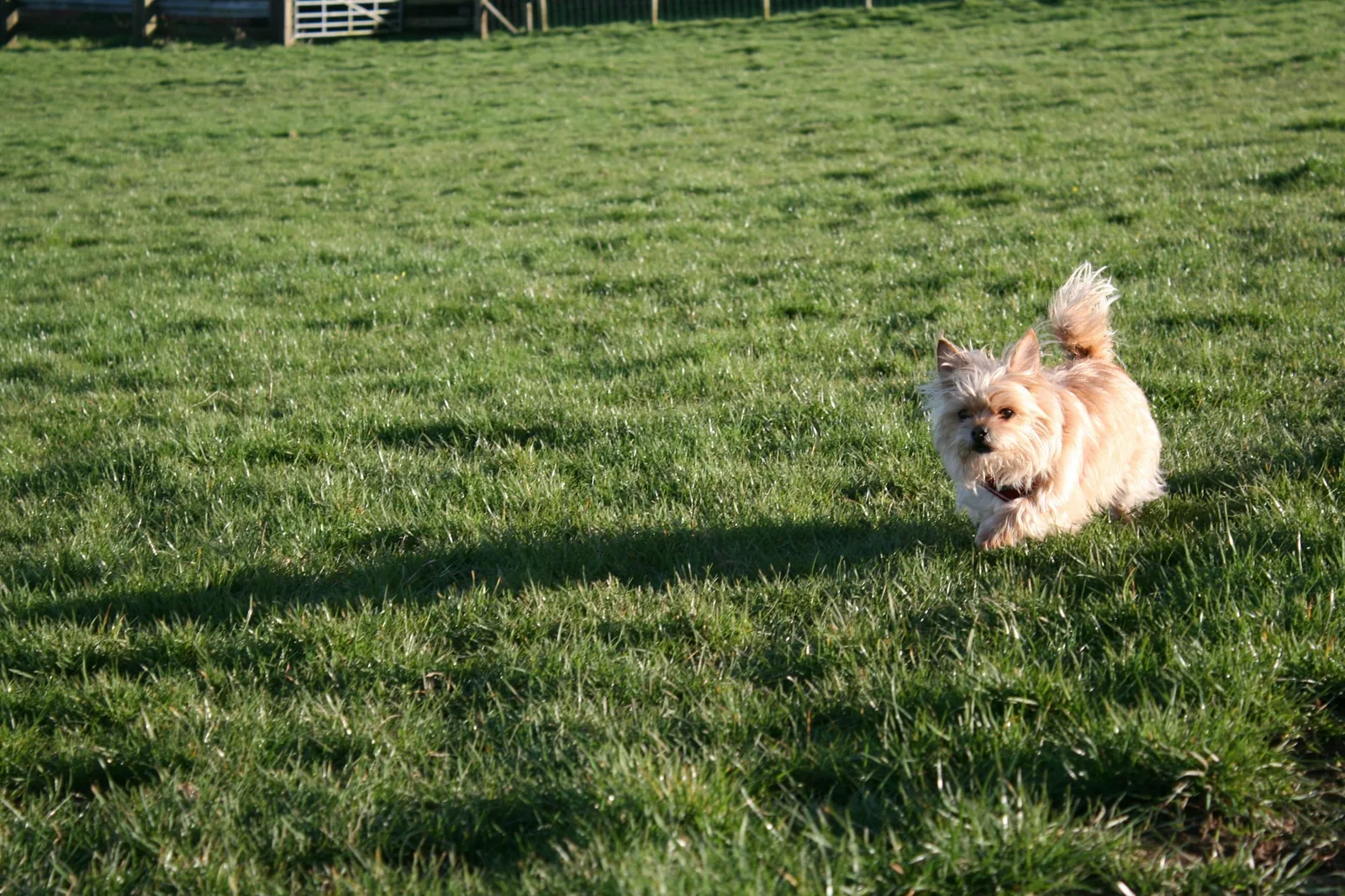
    A small terrier trotting across an open field
    Photo by Thea Harrison on Unsplash

    Which one suits you?

    • Choose a Westie if you want the most sociable of the three and can commit to grooming and possible skin management.
    • Choose a Cairn if you want a busy, hardy, low-fuss terrier and can keep a clever dog occupied.
    • Choose a Scottie if you want a dignified, self-contained dog and do not need one that greets everybody.
    • Choose none of them if you want a quiet dog that can be left for long days and trusted off leash.

    If it is the Westie you keep coming back to, our honest guide to whether Westies suit your household goes considerably further than a breed comparison can.


    Close-up of a wiry dog coat being combed through
    Photo by Jonathan Cosens Photography on Unsplash
    Two small terriers sitting side by side outdoors
    Photo by Helena Lopes on Unsplash

    Frequently asked questions

    What is the difference between a Westie and a Cairn Terrier?

    Color is the reliable one: Westies are always white, and Cairns are any color except white. Westies are also slightly larger, more squarely built and generally more outgoing with strangers.

    Are Westies and Scottish Terriers related?

    Yes. Both descend from the working terriers of the Scottish Highlands, along with the Cairn, Skye and Dandie Dinmont. They were separated into distinct breeds in the late nineteenth century.

    Which is calmer, a Westie or a Cairn?

    Westies are usually a little calmer indoors; Cairns tend to be busier and bore more easily. Neither is a low-energy breed, and both bark.

    Can breed rescues take mixes?

    It varies. Many breed rescues, including ours, will consider Westie mixes where the breed is clearly predominant. Ask rather than assume.

    Which of the three is best for a first-time owner?

    A Westie or a Cairn, with realistic expectations. Scotties are the most independent and the least forgiving of inconsistent training.

    If you think you have a Westie

    We cover West Highland White Terriers and Westie mixes across New England. If you are unsure what your dog is, send us a photograph through the contact page and we will tell you honestly, including when the answer is another breed’s rescue.

    Our guide to adopting a Westie in New England explains the process, and the Westies currently available for adoption shows who is with us now.


  • Fostering a Westie: What It Actually Involves

    Fostering a Westie: What It Actually Involves

    Foster homes are the single thing that limits how many dogs a small rescue can take. Not money, not volunteers, not vets — spare rooms.

    This is the honest version of what fostering involves: the time, the cost, the awkward parts, and the question everybody actually asks first.

    The short version

    • The rescue pays for all approved veterinary care. You provide the home.
    • Most placements run four to twelve weeks; medical and behavioral cases run longer.
    • Out-of-pocket cost is usually food and treats — roughly $30 to $60 a month.
    • Yes, saying goodbye is hard. Almost every foster carer does it again anyway.
    A dog looking out from a travel crate in the back of a car
    Photo by Robert So on Pexels

    Who pays for what

    This is the question that stops most people, and the answer is more reassuring than they expect.

    CostWho covers itNotes
    Veterinary examinationsThe rescueArranged through our own vets
    Medication and treatmentThe rescueIncluding dental work and surgery
    Spay or neuterThe rescueCompleted before adoption
    Vaccinations and microchipThe rescueBrought up to date at intake
    Prescription dietsThe rescueWhere a vet has prescribed one
    Crate, bedding, bowlsThe rescue, if you need themMany carers already have their own
    Everyday food and treatsUsually the foster carerWe cover it on request — never let this be the barrier
    Your timeYouThe part that actually matters
    No approved veterinary cost falls to a foster carer. If money is the obstacle, say so and we will cover the rest.

    Maddie’s Fund, which researches and funds foster programs across the US, publishes extensive research and training resources on animal foster care if you want the wider picture.

    Dog food and basic supplies laid out on a kitchen counter
    Photo by M Burke on Unsplash

    How long a placement lasts

    Length depends almost entirely on the dog, and we tell you the likely range before you say yes to any particular placement.

    Type of foster dogTypical lengthWhat it asks of you
    Healthy adult, straightforward3–8 weeksRoutine care, a few adopter meetings
    Senior, no complex needs6–16 weeksPatience while the right quiet home appears
    Dental or surgical recovery4–10 weeksMedication, rest, follow-up appointments
    Skin or allergy management8–20 weeksMedicated baths, careful observation, diet discipline
    Retired breeding dog3–9 monthsExtended decompression and house training
    Hospice or long-term careOpen-endedComfort care for the rest of the dog’s life
    You choose which of these you take. Nobody is handed a case they have not agreed to.

    The last row is our long-term care and hospice program, and the row above it is described in detail in what adopting a retired breeding Westie really involves.

    What a foster carer actually does

    1. Provide a safe, dog-proofed home with secure fencing or a reliable leash routine.
    2. Feed, walk and observe. Your notes on how the dog behaves are what makes a good adoption match possible.
    3. Give medication where needed, and get the dog to veterinary appointments.
    4. Work on the basics — house training, leash manners, being handled for grooming.
    5. Meet approved adopters and tell them the truth about the dog, including the awkward bits.
    A small dog waiting on a bench in a veterinary clinic
    Photo by Tima Miroshnichenko on Pexels

    Fostering compared with adopting

    People often arrive wanting to adopt and discover fostering suits their life better, or the reverse. The trade-offs are worth seeing side by side.

    FosteringAdopting
    CommitmentWeeks to monthsThe rest of the dog’s life
    Veterinary costsCovered by the rescueYours
    Choice of dogYou agree to each placementOne dog, permanently
    Suits you ifYou travel, or your circumstances changeYou want permanence
    Dogs helped per yearSeveralOne
    Hardest partSaying goodbyeLong-term cost and care
    Can you adopt your foster?Yes — it happens oftenNot applicable
    Adopting a dog you fostered is common enough to have a name among rescues: a foster fail, said fondly.
    A dog standing on a kitchen floor watching its carer
    Photo by Pedro Correia on Unsplash

    Who makes a good Westie foster home

    • Someone home for a good part of the day. Terriers do badly with long stretches alone, and unsettled ones do worse.
    • Secure fencing or realistic leash discipline. Prey drive plus an unfamiliar neighborhood is how dogs get lost.
    • A tolerance for mess. House training regresses under stress, almost always temporarily.
    • Willingness to observe and report honestly, including the things that make a dog harder to place.
    • Steadiness around setbacks. Progress is rarely linear.
    • No requirement to be an expert. We train, and there is always someone on the end of a phone.
    Two people crouching to meet a small dog in a garden
    Photo by Anuja Kulkarni on Unsplash

    The goodbye

    This is the reason most people give for not fostering, so it deserves a straight answer rather than reassurance.

    It is genuinely hard. It is hardest with the first dog, and with the ones who arrived frightened and left confident.

    What experienced carers describe is that the difficulty does not go away, but it changes shape — because the empty room means the next dog can come in. A foster home that keeps every dog helps one dog. One that says goodbye helps six a year.

    Our Westie adoption success stories are, almost without exception, dogs who passed through a foster home first.

    A small dog walking away on a leash beside its new owner
    Photo by Milena Trifonova on Unsplash

    Frequently asked questions

    Does fostering a dog cost money?

    Very little. The rescue covers all approved veterinary care, medication, spay or neuter and equipment. Most carers spend roughly $30 to $60 a month on food and treats, and we will cover that too if it is a barrier.

    How long do you foster a dog for?

    Most placements run four to twelve weeks. Retired breeding dogs and complex medical cases take longer, and you always know the likely range before agreeing.

    Can I foster if I work full time?

    Sometimes, depending on the dog and whether you can break up the day. Westies cope poorly with long stretches alone, so we match placements to your actual schedule.

    Can I adopt my foster dog?

    Yes. It happens regularly and nobody minds. Existing approved applicants are considered alongside you, but a settled dog in a home that wants it is a good outcome.

    What if the placement is not working?

    Tell us. We move dogs between foster homes when a match is wrong, and it reflects badly on nobody. A carer who says so early is doing the right thing.

    If you are considering it

    The next step is a conversation, not a commitment. Volunteering and fostering with a Westie rescue explains the roles we need filled, and the foster and adoption application is the same form for both — you tell us which you are offering.

    If fostering is not practical, sponsoring a dog in our care funds the veterinary work that foster carers never have to pay for, and our surrender and rehoming page is where dogs needing a foster home usually come from in the first place.

  • Your First 30 Days With a Rescue Westie

    Your First 30 Days With a Rescue Westie

    The first month is when most adoptions are quietly decided — not by whether the dog is a good dog, but by whether the household expected what actually happens.

    Almost nothing in week one tells you who your dog is. Here is what is normal, what is not, and what to do about both.

    The short version

    • Expect roughly three days to decompress, three weeks to learn your routine, three months to feel at home.
    • A quiet, boring first week does more good than anything else you could do.
    • The dog you meet in week one is not the dog you will have in month three.
    • Rushing introductions is the single most common cause of an early return.
    A dog bed with a soft blanket set up in a quiet corner
    Photo by Ricardo Oliveira on Pexels

    Before the dog arrives

    Having this ready matters, because day one is not the time to be driving to a store.

    ItemWhy it matters for a WestieHave it ready?
    Well-fitted harnessA frightened terrier can back out of a collar in secondsBefore day one
    Six-foot fixed leashRetractables give no control near wildlifeBefore day one
    Crate or covered bedA den to retreat to, never used as punishmentBefore day one
    ID tag and microchip updateThe highest-risk period for escape is week oneBefore day one
    Two weeks of current foodDiet changes plus stress equals stomach upsetBefore day one
    Baby gatesLets the dog observe without being corneredBefore day one
    Enzyme cleanerHouse training often regresses under stressBefore day one
    Vet appointment bookedA check within the first two weeksFirst week
    Our getting ready for adoption page covers the household side of preparation.
    A dog bowl, harness and leash laid out ready for a new arrival
    Photo by Koa’link on Unsplash

    Week by week: what to expect

    PeriodWhat you will probably seeWhat to do
    Days 1–3Shutdown or overexcitement, poor appetite, sleeping heavily, accidents indoorsKeep it boring. No visitors, no outings, short leash walks only
    Week 1Testing the space, following you room to room or hiding, disrupted sleepFix a routine and repeat it. Same times, same doors, same walk
    Week 2Appetite returning, first play, first real eye contactBegin short training sessions. Introduce one new thing at a time
    Week 3Personality emerging — including the terrier opinionsStart addressing behavior now that the dog is settled enough to learn
    Week 4Settled routine, bonded to one person, still wary of noveltyWiden the world gradually. Consider a training class
    Regression in week three is common and usually means the dog feels secure enough to stop tiptoeing, not that something has gone wrong.

    Battersea’s guidance on settling a new dog into your home is a good companion to this, written from a large rehoming charity’s experience.

    A small dog walking slowly along a quiet sidewalk
    Photo by Shane on Unsplash

    What is normal and what needs a vet

    Telling stress apart from illness is the common worry. This is the rough dividing line.

    SignUsually normal settlingCall the vet if
    Not eatingSkipping meals for 24–48 hoursNothing eaten for 48 hours, or any vomiting with it
    Loose stoolSoft for a few days from stress or water changeBlood, black stools, or lasting beyond three days
    HidingRetreating to a bed or crate for hoursUnwilling to move at all, or hiding plus not drinking
    ScratchingSome itching as the coat and skin settleRaw skin, hair loss, smell, or head shaking
    PantingWhen excited or warmAt rest, in a cool room, with no exertion
    CoughingAn occasional cough after pulling on a leashPersistent dry cough, especially in an older Westie
    LimpingStiff after a long first walkLasting more than a day, or skipping on a back leg
    When in doubt, call. A rescue that placed the dog would far rather hear from you early.

    The right-hand column overlaps heavily with the conditions this breed is genuinely prone to, which is worth reading before the first vet visit.

    A person sitting on the floor at a distance from a dog, not reaching for it
    Photo by Leohoho on Unsplash

    The mistakes that cause early returns

    1. Too many people, too soon. Week one is not the time.
    2. The dog park on day two. An unsettled terrier with no recall and no bond is not ready for off-leash dogs.
    3. Free run of the house immediately. Space is not a kindness yet.
    4. Reaching into the bed. The one safe place stays inviolable.
    5. Judging temperament in week one. You are meeting a stressed dog.
    6. Changing food straight away. Transition over ten days, if at all.
    A dog holding a soft toy while lying on a carpet
    Photo by marieke koenders on Unsplash

    Introducing a resident pet

    Westies generally live well with other dogs, but first impressions are hard to undo. Slow is faster here.

    • Meet on neutral ground, both on leash, walking parallel rather than face to face.
    • Keep the first sessions short and end them while both dogs are still relaxed.
    • Feed separately for at least the first month.
    • Pick up all toys and chews initially, then reintroduce them one at a time.
    • Cats need weeks, not days. Some Westies never become safe with cats.

    If the dog you are considering has been assessed with cats or other dogs, that assessment appears on the Westies currently available for adoption. Terrier chase instinct is covered properly in our guide to Westie barking, digging and prey drive.

    A white dog standing relaxed outdoors in warm sunlight
    Photo by Matthew Fournier on Unsplash

    Frequently asked questions

    What is the 3-3-3 rule for rescue dogs?

    A rough guide: about three days to decompress from the stress of moving, three weeks to learn your routine and start showing personality, and three months to feel fully at home. It is a pattern, not a schedule.

    My new rescue dog will not eat. Is that normal?

    Skipping meals for the first day or two is very common. If nothing has been eaten in 48 hours, or if there is vomiting, lethargy or diarrhea alongside it, call your vet.

    Should I crate a new rescue Westie?

    A crate or covered bed used as a safe retreat helps most dogs settle. It should never be used as punishment, and the door should stay open unless the dog is already crate-trained.

    How long before a rescue dog shows its real personality?

    Usually two to three weeks for the outline, and around three months for the full picture. Dogs from kennel or breeding backgrounds take considerably longer.

    When can I let my new Westie off leash?

    For most Westies, only in securely fenced areas, and not for several months at minimum. The breed’s prey drive means many are never reliably off leash in open ground.

    If the first month is harder than you expected

    Call the rescue that placed the dog. A good one expects to hear from you and would much rather help in week two than take a dog back in month three. If the dog came from a breeding kennel, the timeline for a retired breeding Westie runs to months rather than weeks.

    If you are still deciding, our guide to adopting a Westie in New England explains the process, and our honest guide to whether Westies suit your household covers the temperament behind the settling.

  • Westie Health Problems: What the Breed Is Actually Prone To

    Westie Health Problems: What the Breed Is Actually Prone To

    Search for Westie health problems and you get a long, unranked list of frightening conditions, most of which your dog will never have.

    This ranks them. The figures below come from a study of West Highland White Terriers under routine veterinary care, so they describe what dogs actually present with rather than what is theoretically possible.

    The short version

    • The most common problems are ordinary ones: teeth, ears, nails and weight.
    • Allergic skin disease is the defining breed problem and has its own guide.
    • The genuinely breed-specific conditions — Westie lung, CMO, Legg-Calvé-Perthes — are real but uncommon.
    • Most of the top five are preventable with routine care.
    A dog’s mouth held open showing its teeth and gums
    Photo by Andriyko Podilnyk on Unsplash

    What Westies actually go to the vet for

    ConditionShare of Westies affectedPreventable?
    Dental disease15.7%Largely — brushing and scaling
    Ear disease10.6%Often — usually allergy-driven
    Overgrown nails7.2%Entirely — routine trimming
    Allergic skin disorder6.5%Managed rather than prevented
    Overweight6.1%Entirely — diet and exercise
    Figures from a primary-care study of West Highland White Terriers in the UK. The five commonest problems are all routine-care issues.

    The full dataset is published in the VetCompass study of West Highland White Terriers in primary veterinary care, which is open access if you want the detail.

    The practical message is that four of the top five are things an owner influences directly. Our Westie grooming guide covers nails, ears and coat; teeth are addressed below.

    A veterinarian listening to a small dog’s chest with a stethoscope
    Photo by Frederick Medina on Unsplash

    The conditions that are genuinely breed-linked

    These are less common but worth recognizing, because early detection changes the outcome for several of them.

    ConditionWhat it isTypical ageFirst signs
    Atopic dermatitisInherited environmental allergy6 months–3 yearsLicking paws, itchy belly and face
    Westie lung (pulmonary fibrosis)Progressive scarring of lung tissue8+ yearsDry cough, crackly breathing, tiring on walks
    Craniomandibular osteopathyAbnormal jaw bone growth, self-limiting3–8 monthsPain opening the mouth, jaw swelling
    Legg-Calvé-Perthes diseaseDegeneration of the femoral head4–12 monthsLimping on a back leg, muscle wasting
    Patellar luxationKneecap slipping out of positionAny ageSkipping stride, holding a back leg up briefly
    Diabetes mellitusInadequate insulin regulation7+ yearsDrinking and urinating far more, weight loss
    Copper-associated hepatitisCopper accumulation in the liverAdultOften silent; found on bloodwork
    DeafnessCongenital or age-relatedPuppy or seniorNo response to sound from one side
    Uncommon individually. Any persistent cough, limp or change in thirst in a Westie is worth a veterinary opinion.

    Dental disease: the one to take seriously

    It tops the list, it is painful, and it is the condition we most often find untreated in dogs arriving at rescue.

    Small breeds crowd 42 teeth into a short jaw, which traps plaque. Left alone it becomes gum disease, then tooth loss, then infection that affects the heart and kidneys.

    • Brush daily if you can, three times a week at minimum, with dog toothpaste.
    • Expect professional cleaning under anesthesia every one to three years.
    • Watch for bad breath — it is not normal, it is bacteria.
    • Check for dropped food, pawing at the mouth or chewing on one side.

    Dental work is usually the first thing we fund for an incoming dog. The veterinary care every rescue Westie receives sets out what that involves.

    A small terrier running across open grass
    Photo by Jamie Street on Unsplash

    Westie lung disease

    Canine idiopathic pulmonary fibrosis is strongly associated with this breed, which is why it is often just called Westie lung.

    Lung tissue gradually stiffens and scars. It usually appears in older dogs and progresses slowly, so it is easy to mistake for normal aging at first.

    The signs to act on are a persistent dry cough, breathing that sounds crackly, reduced exercise tolerance, and blue-tinged gums after exertion. It cannot be cured, but it can be managed, and early diagnosis buys comfortable time.

    What to expect at each life stage

    Life stageWatch forRoutine care
    Puppy (0–1)Jaw pain, limping, deafnessVaccinations, early handling for grooming and teeth
    Young adult (1–4)Onset of itching, ear infectionsAnnual exam, parasite control, weight baseline
    Adult (4–8)Skin flares, dental disease, weight gainAnnual exam plus dental assessment; bloodwork from 7
    Senior (8–12)Cough, thirst changes, lumps, stiffnessTwice-yearly exams, annual bloodwork and urinalysis
    Geriatric (12+)Mobility, cognition, appetiteTwice-yearly exams, pain scoring, quality-of-life review
    Twice-yearly checks from eight onward catch most of what matters while it is still cheap to treat.
    A stocky small dog walking slowly on a lead
    Photo by Andriyko Podilnyk on Unsplash

    What actually keeps a Westie healthy

    1. Keep the dog lean. Overweight sits in the top five and worsens joints, breathing and diabetes risk. You should feel ribs easily.
    2. Brush the teeth. The single highest-value thing most owners are not doing.
    3. Treat ears as an allergy signal. Recurrent infections are rarely bad luck.
    4. Keep nails short. Overlong nails change gait and load the joints wrongly.
    5. Insure early. Before signs appear, not after — pre-existing exclusions are what catch people out in this breed.
    6. Go twice a year past eight. Most of the serious conditions above are far cheaper to manage when caught early.
    A person lifting a dog’s ear flap to check inside
    Photo by Vinícius Costa on Unsplash

    Health and the dogs we take in

    A large share of the Westies that reach rescue arrive with untreated dental disease, managed-but-neglected skin conditions, or a diagnosis their owner could no longer afford.

    None of that makes them bad dogs, and most of it is fixable. Our long-term care and hospice program exists for the ones where it is not, and sponsoring a dog in our care funds the treatment directly.

    An older white dog resting comfortably indoors
    Photo by Seb Reivers on Unsplash

    Frequently asked questions

    What health problems are Westies prone to?

    The commonest by a distance are dental disease, ear disease, overgrown nails, allergic skin disease and being overweight. Breed-linked conditions such as Westie lung, craniomandibular osteopathy and Legg-Calve-Perthes are real but much rarer.

    How long do Westies live?

    Commonly 12 to 16 years. Weight control, dental care and early treatment of skin disease make the largest difference to both length and quality of life.

    What is Westie lung disease?

    Canine idiopathic pulmonary fibrosis, a progressive scarring of lung tissue strongly associated with the breed. It usually appears after eight and presents as a dry cough and reduced exercise tolerance.

    Are Westies expensive to insure?

    Often higher than average because of the breed’s skin and respiratory profile. Insuring before any signs appear matters more in this breed than most, since allergic skin disease is commonly excluded once diagnosed.

    How often should a Westie see a vet?

    Annually to age eight, then twice yearly. Add bloodwork from about seven, and a dental assessment at every visit.

    Where to read next

    For the skin side in depth, our guide to why Westies itch and what actually helps covers diagnosis, treatments and costs. If you are still deciding on the breed, our honest guide to whether Westies suit your household sets out the running costs alongside the temperament.

    If a diagnosis has made keeping your dog impossible, please talk to us early through the surrender and rehoming page. Dogs with medical needs are exactly what this rescue is for, and the Westies currently available for adoption lists what each one needs.

  • Westie Grooming: Hand-Stripping, Clipping and What the Coat Needs

    Westie Grooming: Hand-Stripping, Clipping and What the Coat Needs

    Grooming is the running cost that surprises new Westie owners, and the decision most of them make without realizing it is permanent.

    Choosing between hand-stripping and clipping changes the coat itself, not just how the dog looks this month. Here is what each does, what it costs, and how the choice interacts with the breed’s skin.

    The short version

    • The Westie coat is a harsh outer layer over a soft undercoat — two textures with two different jobs.
    • Hand-stripping preserves the harsh texture. Clipping removes it permanently.
    • Most pet Westies are clipped, and that is a perfectly reasonable choice.
    • For a dog with skin disease, the grooming decision should be made with your vet.
    A groomer working through a dog’s coat by hand on a grooming table
    Photo by Buddy AN on Unsplash

    How the double coat actually works

    A correct Westie coat has a harsh, wiry outer layer roughly two inches long over a short, dense, soft undercoat.

    The outer coat repels water and dirt and carries the bright white color. The undercoat insulates. The harsh texture is what keeps mud sitting on the surface rather than working down to the skin.

    That matters for a breed prone to skin disease. A coat that has gone soft holds moisture and debris against skin that is already vulnerable.

    Hand-stripping vs clipping

    Hand-strippingClipping
    What happensDead outer hairs pulled out at the rootHair cut, root left in place
    Effect on textureHarsh texture maintainedCoat softens permanently over time
    Effect on colorStays bright whiteCan dull towards cream or yellow
    Session length2–4 hoursUnder an hour
    Typical cost$90–$180$55–$95
    FrequencyEvery 8–12 weeks, plus rollingEvery 6–8 weeks
    Groomer availabilityLimited — a specialist skillWidely available
    Comfort for the dogFine if done properly and graduallyGenerally very easy
    Best forShow dogs, healthy skin, owners who want correct coatMost pet dogs, older dogs, dogs with skin conditions
    Once a coat has been clipped for a year or more, the harsh texture rarely returns fully even if you switch back.

    The American Kennel Club’s West Highland White Terrier breed profile and coat standard describes what a correct coat should look and feel like, which is a useful reference when talking to a groomer.

    A dog being trimmed with electric clippers during a grooming session
    Photo by Avi Werde on Unsplash

    Which should you choose?

    There is no universally right answer, but the decision is usually straightforward once you match it to the dog.

    • Choose hand-stripping if the dog has healthy skin, you want the correct texture and color, and you can find a groomer who genuinely knows how.
    • Choose clipping if the dog is elderly, has atopic dermatitis, dislikes long sessions, or if stripping is simply not available near you.
    • Ask your vet first if the dog has any diagnosed skin condition. Coat length affects both medicated bathing and how quickly you spot a flare-up.

    Skin comes first, appearance second. our guide to why Westies itch and what helps explains how coat management fits into treating allergic skin disease.

    A dog being brushed at home with a slicker brush
    Photo by Vitaly Gariev on Unsplash

    A realistic home routine

    Professional grooming handles the coat. Everything between visits is on you, and it is where most matting problems are prevented.

    TaskHow oftenWhy it matters
    Brush through with a slicker2–3 times a weekPrevents matting behind ears, in armpits and on the belly
    Comb through to the skinWeeklyA slicker alone misses the mats that actually form
    Check and clean earsWeeklyRecurrent ear infection is common and usually allergy-driven
    Trim nailsEvery 3–4 weeksOverlong nails change gait and stress the joints
    Wipe feet and belly after walksDaily in pollen seasonRemoves allergens before the skin absorbs them
    Brush teethDaily if possibleDental disease is the most common condition we treat at intake
    BathEvery 4–6 weeks, or as directedMore often, with medicated shampoo, if skin disease is being managed
    Fifteen minutes a week prevents most of the problems that turn into a $200 de-matting session.
    Close-up of a small dog’s front paws on a wooden floor
    Photo by engin akyurt on Unsplash

    The mats that catch everyone out

    Matting almost never starts where people brush. It starts in the places a quick once-over misses.

    1. Behind and under the ears, where the coat is finest.
    2. The armpits and groin, where movement and a harness create friction.
    3. Between the toes, especially on a dog that licks its feet.
    4. The tail base, which is also where flea allergy shows first.

    A mat is not just untidy. It pulls the skin, traps moisture and yeast, and hides what is happening underneath until it is painful.

    A small white dog standing in a shallow bath being rinsed
    Photo by benjamin lehman on Unsplash

    What grooming costs over a year

    ApproachPer sessionSessions a yearAnnual total
    Clipping at a salon$55–$957–9$400–$800
    Hand-stripping$90–$1804–6$400–$1,000
    Grooming at homeTools: $80–$200 onceOngoing$80–$250
    De-matting after neglect$100–$250As neededAvoidable entirely
    Home grooming a Westie properly is achievable but takes real practice. Most owners do the maintenance and leave the shaping to a professional.

    These figures sit alongside the other running costs set out in our honest guide to what owning a Westie involves.

    A well-groomed white dog standing outdoors in bright natural light
    Photo by Barcs Tamás on Unsplash

    Frequently asked questions

    Should a Westie be hand-stripped or clipped?

    Hand-stripping keeps the correct harsh coat and bright color; clipping is faster, cheaper and far more widely available. Most pet Westies are clipped, which is fine unless you want a show coat.

    How often does a Westie need grooming?

    Professionally every six to ten weeks depending on method, plus brushing two or three times a week at home.

    Does clipping ruin a Westie’s coat?

    It changes it. Repeated clipping softens the outer coat and can dull the white. That is a cosmetic issue for most owners, but it does reduce the coat’s natural dirt-shedding.

    Why is my Westie’s coat turning yellow?

    Common causes are repeated clipping, saliva staining from licking, and secondary yeast infection. If it comes with itching or a musty smell, see a vet rather than a groomer.

    Can I groom my Westie myself?

    Yes, with practice and the right tools. Most owners handle brushing, nails and ears at home and leave shaping to a professional.

    Grooming and the dogs we take in

    A surprising number of Westies arrive at rescue matted to the skin, because grooming was the first thing to lapse when an owner became unwell or overwhelmed.

    Coat and dental work are usually the first two things we address. The veterinary care every rescue Westie receives sets out what is done before a dog is placed, and sponsoring a dog in our care helps fund it.

    If grooming costs are part of why you are struggling to keep your dog, please talk to us through the surrender and rehoming page early rather than late.

    To see how those dogs look once the coat and the skin are back under control, our Westie adoption success stories follows dogs after placement. Our guide to adopting a Westie in New England explains what happens if you would like to be one of those homes.

  • Retired Westies for Adoption: What “Retired” Really Means

    Retired Westies for Adoption: What “Retired” Really Means

    “Retired Westie” means two very different dogs, and the difference matters enormously to whoever adopts one.

    Some people mean an elderly dog winding down. Most mean a dog leaving a commercial breeding operation after its productive years. The second group needs something quite specific, and this page is mostly about them.

    The short version

    • A retired breeding dog is usually four to eight years old — not elderly.
    • Most have never lived in a house, climbed stairs, or walked on a lead.
    • Progress is measured in months, and it is rarely a straight line.
    • They are among the most rewarding dogs in rescue, and among the least suited to a busy first-time household.
    A small dog peering out cautiously from under furniture
    Photo by DACHENGZI LIANG on Unsplash

    The two kinds of “retired”

    Retired breeding dogElderly companion dog
    Typical age4–8 years10–15 years
    Life so farKennel or barn, minimal handlingLived in a family home
    House trainingUsually noneEstablished
    Lead walkingOften never experiencedFamiliar
    Confidence with peopleLow, sometimes very lowUsually good
    Common medical needsDental disease, skin, untreated conditionsAge-related: joints, heart, kidneys
    Main challengeFear and unfamiliarityMedical management
    Settling time6–18 monthsWeeks
    Both are worth adopting. They ask completely different things of a household.

    If it is the elderly dog you are drawn to, the case for adopting a senior dog makes that argument properly.

    A dog curled up in a soft covered bed in a quiet corner
    Photo by Zhen Yao on Unsplash

    What a breeding kennel does to a dog

    Dogs in commercial breeding spend years in a run with minimal handling. They are fed, watered and bred, and very little else happens to them.

    The result is not usually an aggressive dog. It is a dog with no reference points — one that has never heard a washing machine, felt carpet, or had a person kneel down to say hello.

    Common patterns on arrival include freezing when approached, retreating to corners, pacing or circling, and no response at all to a name.

    The first year, month by month

    These timelines come from how these dogs typically progress. Individual dogs move faster or slower, and setbacks are normal rather than a sign of failure.

    StageWhat you will seeWhat helps most
    Days 1–3Shutdown, hiding, refusing food, no eye contactA quiet covered bed and almost no interaction
    Weeks 1–2Eating when alone, watching from a distancePredictable routine; sit nearby without approaching
    Weeks 3–6Approaching on their own terms, first tail movementLet the dog initiate every contact
    Months 2–3House training progressing, walking short distancesHarness rather than collar; a confident resident dog if you have one
    Months 4–6Recognizable personality, play appearsGentle widening of the world, one new thing at a time
    Months 6–12Confident at home, still wary of strangersConsistency; resist the urge to test progress
    A dog that reaches month six still nervous of visitors is doing well, not failing.
    A small dog stepping carefully across grass
    Photo by Maurice DT on Unsplash

    What these dogs need from a home

    • Patience measured in months. The single biggest predictor of success.
    • A quiet household. Constant visitors and young children make decompression much harder.
    • Secure fencing. A frightened dog that bolts has no recall to fall back on.
    • Another steady dog, ideally. Many retired breeding dogs learn from watching a confident housemate faster than from any human.
    • Tolerance for slow house training. A dog that has only ever eliminated where it sleeps needs to unlearn that first.
    • Willingness to let the dog set the pace. Reaching for a dog that is not ready sets progress back weeks.

    Best Friends Animal Society publishes detailed guidance on what to expect when rescuing a puppy mill dog, which is the most realistic account we have found of the early weeks.

    A hand held flat offering a treat to a cautious dog
    Photo by James Lacy on Unsplash

    What you get in return

    Adopters of these dogs describe the same thing: a bond that arrives late and then does not loosen.

    The first time a dog that has never solicited attention crosses a room to lean against you is not a small moment. People who have adopted several dogs routinely say it is the one they remember.

    You can read what settled life looks like for dogs we have placed on our Westie adoption success stories page.

    Two small dogs lying close together on a blanket
    Photo by Brunxs on Unsplash

    How we prepare these dogs before placement

    No retired breeding dog goes straight from intake to a home. They spend extended time in foster care while the basics are established.

    1. Full veterinary work-up. Dental disease is near-universal and is usually the first thing addressed.
    2. Spay or neuter and any outstanding surgical needs.
    3. Foster placement with an experienced carer who reports weekly on progress.
    4. Honest behavioral notes shared in full before you meet the dog.

    The veterinary care every rescue Westie receives sets out that work in detail, and fostering for a Westie rescue is where much of it actually happens.

    An older dog lying in a patch of sunshine in a garden
    Photo by Alvan Nee on Unsplash

    Frequently asked questions

    What does a retired Westie mean?

    Usually a dog retired from a commercial breeding program, typically four to eight years old. Some people use it for elderly dogs instead, so it is always worth asking which a listing means.

    Are retired breeding dogs house trained?

    Rarely. Most have only ever lived in a kennel and need house training from the start, which commonly takes two to three months.

    Are they good with children?

    Usually not as a first home. Sudden movement and noise are exactly what these dogs find hardest, so quieter households are matched first.

    How long until a retired breeding dog settles?

    Six to eighteen months to be fully comfortable at home. Meaningful progress usually appears within the first six to eight weeks.

    Do they cost more to adopt?

    The fee is generally the same, though these dogs almost always need extensive dental work first. Our adoption fees page explains what a fee covers.

    If this sounds like the dog for you

    These placements work best with adopters who want the project rather than the dog that is already easy. If that is you, our guide to adopting a Westie in New England explains the process, and the Westies currently available for adoption shows who is with us now.

    If you are weighing this against a younger dog, what Westie rescues actually have compared with puppies sets the options side by side.

  • Westie Skin Problems: Why Westies Itch and What Actually Helps

    Westie Skin Problems: Why Westies Itch and What Actually Helps

    If you own a Westie, you will hear about skin before long. Allergic skin disease is the breed’s defining health problem, and it is the reason a great many Westies end up in rescue.

    This is a practical guide to what causes the itching, how the treatments compare, and what managing it actually costs. It is not veterinary advice — diagnosis belongs with your vet.

    The short version

    • Atopic dermatitis — environmental allergy — is by far the most common cause.
    • Itching that starts between six months and three years old is the classic pattern.
    • Secondary yeast and bacterial infection is what turns an itch into a crisis.
    • It is managed, not cured. Expect a long-term plan rather than a single fix.
    A dog scratching behind its ear with a hind leg
    Photo by Camylla Battani on Unsplash

    Why the breed is affected so heavily

    Westies carry a genetic predisposition to atopic dermatitis, an inappropriate immune response to ordinary environmental allergens — pollen, dust mites, mould spores.

    The skin barrier itself is also weaker than in most breeds, which lets allergens in and lets moisture out. That combination is why the same triggers that a Labrador shrugs off will set a Westie scratching for weeks.

    It is one of the running costs covered in our honest guide to what owning a Westie involves, and one of the commonest reasons a household reaches its limit.

    What the itching usually turns out to be

    ConditionTypical signsWhen it startsHow common in Westies
    Atopic dermatitisItchy paws, belly, face, armpits; often seasonal at first6 months–3 yearsVery common
    Secondary yeast infectionGreasy coat, musty smell, darkened thickened skinAny age, follows scratchingVery common
    Bacterial skin infectionPustules, crusting, hair loss in patchesAny age, follows scratchingCommon
    Food allergyYear-round itching, often with ear or gut signsAny ageLess common than assumed
    Flea allergy dermatitisIntense itching at the tail baseAny ageCommon but preventable
    Dry skin and dandruffFlaking, dull coat, mild itchAny ageCommon, often grooming-related
    Epidermal dysplasiaSevere early-onset thickening, dark skinUnder 1 yearRare but breed-associated
    Most itchy Westies have more than one of these at once, which is why single-cause explanations rarely help.
    A veterinarian parting a dog’s coat to examine the skin underneath
    Photo by FLOUFFY on Unsplash

    Getting a diagnosis rather than guessing

    The commonest mistake is treating the infection and calling it solved. The infection is downstream. Unless the underlying allergy is addressed, it returns within weeks.

    A useful work-up usually runs in this order.

    1. Rule out parasites. Strict flea control for every animal in the house, plus a skin scrape for mites.
    2. Treat the secondary infection. Cytology to identify yeast or bacteria, then targeted treatment.
    3. Run a proper food trial. Eight to twelve weeks on a single novel or hydrolysed protein, with absolutely nothing else — no treats, no table scraps.
    4. Diagnose atopy by exclusion. If itching persists once the above are clear, environmental allergy is the likely answer.
    5. Consider allergy testing. Useful mainly if you intend to pursue immunotherapy, not as a first step.

    How the main treatments compare

    There is no single best option. The right choice depends on severity, the dog’s age and other conditions, and what you can sustain.

    TreatmentHow it worksSpeedTrade-offs
    Medicated shampooRemoves allergens, treats surface yeast and bacteriaDaysLabor intensive; needed 1–2 times weekly
    AntihistaminesBlunts the histamine responseVariableHelps a minority of dogs; cheap and low risk
    Omega-3 supplementsSupports the skin barrierWeeksSupportive rather than sufficient on its own
    Oclacitinib tabletsBlocks the itch signalling pathwayHours to daysDaily dosing; monitoring on long-term use
    Lokivetmab injectionAntibody targeting a key itch cytokineDaysEvery 4–8 weeks; costly; very well tolerated
    CiclosporinSuppresses the immune response4–6 weeksSlow onset; gut upset in some dogs
    CorticosteroidsBroad anti-inflammatoryHoursEffective but poor for long-term use
    ImmunotherapyDesensitizes to identified allergens6–12 monthsOnly route that treats the cause; needs commitment
    All prescription options require veterinary supervision. This table is for informed conversation with your vet, not for self-medication.

    The Westie Foundation of America publishes breed-specific health research and owner guidance on Westie dermatitis, including material written for owners rather than clinicians.

    A small dog being washed in a bath with lathered shampoo
    Photo by Ottr Dan on Unsplash

    What management costs

    This is the number that decides whether a household can take on an affected dog, so it is worth being direct about it.

    SeverityTypical annual costWhat that covers
    Mild, seasonal$200–$500Shampoo, omega-3s, occasional vet visit
    Moderate, year-round$800–$1,800Daily medication, regular cytology, prescription diet
    Severe or complicated$2,000–$4,000+Injectable therapy, dermatology referral, repeat infections
    New England ranges. Insurance taken out before signs appear usually covers much of this; taken out afterwards, it will not.
    A person gently checking the inside of a dog’s ear
    Photo by kyle smith on Unsplash

    What helps day to day

    • Rinse after walks. A plain water rinse of the feet and belly removes pollen before it is absorbed.
    • Keep the coat properly groomed. Matting traps moisture and yeast thrives underneath.
    • Wash bedding weekly on a hot cycle to reduce dust mite load.
    • Never break a food trial. One dropped biscuit invalidates eight weeks of work.
    • Photograph flare-ups with dates. Patterns emerge that memory misses.
    • Treat ears as part of the skin. Recurrent ear infection is usually allergy, not bad luck.

    Grooming technique matters more than people expect here — how you groom a Westie changes how the skin behaves. The veterinary care every rescue Westie receives sets out the skin and dental work we complete before a dog is placed.

    A dog bowl filled with dry food on a kitchen floor
    Photo by Ayla Verschueren on Unsplash
    A white dog sleeping comfortably on a soft bed
    Photo by Ali Alauda on Unsplash

    Frequently asked questions

    Why is my Westie so itchy?

    In most cases atopic dermatitis — an inherited allergy to environmental triggers like pollen and dust mites — often with a secondary yeast or bacterial infection on top. A vet can distinguish these with cytology.

    Do all Westies get skin problems?

    No, but the breed is strongly predisposed and it is the most common reason Westies see a vet. Many live entirely comfortably, particularly with early management.

    Will changing food fix my Westie’s itching?

    Only if food allergy is the cause, which is less common than assumed. A proper eight-to-twelve-week elimination trial is the only way to know.

    How often should an itchy Westie be bathed?

    Commonly once or twice a week with a medicated shampoo during a flare, then less often for maintenance. Frequency should be set by your vet.

    Can Westie skin allergies be cured?

    Not cured, but managed well. Immunotherapy is the only approach that addresses the underlying cause, and it takes six to twelve months to show benefit.

    If skin disease is why you are considering rehoming

    Managing a badly affected dog is genuinely hard, and reaching the end of what you can manage is not a failure. Talk to us early through the surrender and rehoming page rather than waiting until it is a crisis.

    Dogs with chronic medical needs are what this rescue exists for. Our long-term care and hospice program covers dogs who need ongoing treatment, and sponsoring a dog in our care funds exactly this kind of work.

    If you are considering adopting a dog with managed skin disease, the Westies currently available for adoption lists what each one needs, and our guide to adopting a Westie in New England explains how the matching works.

  • Adopting a Westie vs Buying From a Breeder: A Straight Comparison

    Adopting a Westie vs Buying From a Breeder: A Straight Comparison

    Most articles on this question are written to persuade. This one is written by a rescue that will happily tell you when a good breeder is the better choice for your household.

    The honest position is that both routes are legitimate. What differs is cost, waiting time, and how much you know about the dog before you commit.

    The short version

    • Adoption costs far less up front and usually includes veterinary work already done.
    • A breeder gives you a puppy and a known lineage; rescue gives you a known temperament.
    • Waiting times are comparable — good breeders have lists too.
    • The route that is never acceptable is an online seller who will ship a puppy without meeting you.
    A person completing a paper form at a desk
    Photo by Olena Kholina on Unsplash

    What each route actually costs

    The sticker price is the least interesting number. What matters is the total over the first year, because a breeder puppy arrives with almost none of its veterinary work done.

    First-year costAdopting an adult WestieBuying a Westie puppy
    Initial fee$150–$500 adoption fee$1,800–$3,500 purchase price
    Spay or neuterAlmost always included$300–$700
    Vaccination seriesUp to date on arrival$150–$300
    MicrochipUsually included$40–$70
    Dental workOften already doneNot yet needed
    Known health issuesDisclosed and often treatedUnknown until they appear
    Training and socializationPartly doneEntirely on you
    Typical first year$700–$1,600$2,900–$5,200
    Ranges are indicative for New England and exclude food, insurance and routine supplies, which are the same either way.

    Our Westie adoption fees and what they cover page breaks down exactly where a fee goes, which is worth comparing against any figure quoted to you.

    A dog sitting beside its owner in a living room
    Photo by Gabrielle Richaume on Unsplash

    The trade-offs that are not about money

    RescueResponsible breeder
    Age availableMostly adults and seniorsPuppies, occasionally retired adults
    TemperamentAssessed and disclosedPredicted from lineage
    Health historyDocumented from intakeParents health-tested, dog unknown
    Waiting timeWeeks to monthsMonths to over a year
    Home checkStandardCommon with good breeders
    Return policyAlways — the dog comes back to usGood breeders take dogs back too
    Choice of sex, color, sizeLimited to who is in careMore control
    SupportsDogs already needing homesContinuation of the bloodline
    Both columns describe organizations doing it properly. Neither describes an online seller.

    When a breeder is genuinely the better answer

    Rescue is not always the right fit, and pretending otherwise helps nobody. There are households where a breeder is the sensible route.

    • You need a dog of predictable size and temperament for assistance or therapy work.
    • You intend to show or compete, which requires documented pedigree.
    • You have very young children and want a dog raised alongside them from eight weeks.
    • You have been declined by rescues for a reason you cannot change — a fenceless property, for instance, or a resident cat.

    If that is you, look for a breeder who health-tests both parents, keeps puppies to at least eight weeks, shows you the mother with the litter, and asks you more questions than you ask them.

    A veterinarian examining a small dog on a clinic table
    Photo by Jonatan Bustos on Unsplash

    The route to avoid entirely

    Between rescue and a responsible breeder sits a large commercial industry that sells purebred puppies online, ships them, and never lets you see where they were born.

    Many of the dogs that reach breed rescue as adults started there. They arrive under-socialized, often with untreated dental disease and skin conditions, and with no history at all.

    The ASPCA’s explanation of how commercial puppy mills operate is the clearest summary of why that supply chain exists and how to avoid funding it.

    If you want the warning signs in checklist form, our page on what Westie rescues actually have and how to spot a puppy scam sets them out side by side.

    A small dog lying on a rug in a bright living room
    Photo by Oksana Demenko on Unsplash

    What the adoption process actually involves

    People often assume rescue adoption is harder than it is. The steps are straightforward, and the questions exist to match dogs to homes rather than to catch anyone out.

    1. Application. A written form covering your household, experience, other pets and daily routine.
    2. Conversation. A call to talk through what you are looking for and which dogs might suit.
    3. Home visit. Usually informal, and mostly about fencing, stairs and where the dog will sleep.
    4. Meeting the dog. With the foster carer, in the environment the dog currently knows.
    5. Adoption agreement and homecoming. Signed terms, medical records, and ongoing contact if you need it.

    The full sequence is set out in our guide to adopting a Westie in New England, and the foster and adoption application is where it starts.

    Two dogs standing side by side outdoors
    Photo by Helena Lopes on Unsplash

    A note on what rescue fees actually pay for

    An adoption fee is not a price for the dog. It is a partial contribution to work already done — dental treatment, bloodwork, spay or neuter, vaccinations, and often months of foster care.

    For the seniors and medically complex dogs we specialize in, the fee rarely covers half of what has been spent. The veterinary care every rescue Westie receives explains what is done before a dog is made available.

    That shortfall is why rescues run on donations, and why sponsoring a dog in long-term care matters as much as adopting.

    A person walking a small dog along a country path
    Photo by Annie Spratt on Unsplash

    Frequently asked questions

    Is it cheaper to adopt a Westie than to buy one?

    Substantially, yes. A first year with an adopted adult typically runs $700 to $1,600 against $2,900 to $5,200 for a breeder puppy, because most veterinary work is already done at adoption.

    How long does it take to adopt a Westie?

    Usually weeks to a few months, depending on how flexible you are on age and medical needs. Households open to seniors are matched fastest.

    Do rescues reject applicants?

    Sometimes, and rarely for the reasons people fear. The usual causes are practical — no secure fencing, a resident cat, or hours away that do not suit a particular dog.

    Can I get a purebred Westie from rescue?

    Yes. Breed rescues exist precisely because purebred dogs need rehoming too. Roughly a quarter of dogs in US shelters are purebred.

    What if the adoption does not work out?

    A responsible rescue takes the dog back at any point in its life, with no time limit. That commitment is written into our adoption terms and conditions.

    Deciding which route suits you

    If you want a known quantity, lower cost and a dog that needs you now, rescue is the stronger option. If you need a puppy with documented lineage, a good breeder is a legitimate choice worth waiting for.

    Either way, start by working out whether the breed itself fits. Our honest guide to whether Westies make good family dogs covers the temperament and running costs that catch people out, and the Westies currently available for adoption shows who is looking for a home right now.
  • Westie Puppies for Adoption: What Rescues Actually Have

    Westie Puppies for Adoption: What Rescues Actually Have

    “Westie puppies for adoption” is one of the most common searches that brings people to breed rescues. It is also one of the hardest to answer honestly, because the supply almost never matches the demand.

    This page explains what breed rescue actually takes in, why puppies are rare, and how to avoid the listings that exploit the gap.

    What to know before you search

    • Purebred Westie puppies are uncommon in rescue. Most dogs that come in are adults, and many are seniors.
    • When a puppy does appear it is usually placed within days, often from a waiting list.
    • “Free Westie puppy” listings are almost never legitimate rescues.
    • For most households an adult Westie is the lower-risk choice, because temperament and health are already known.
    Several young puppies lying together in a basket
    Photo by Jametlene Reskp on Unsplash

    Why rescues rarely have puppies

    Rescue takes in the dogs that people can no longer keep. Puppies are the easiest dogs in the world to rehome privately, so they seldom reach a rescue in the first place.

    The dogs that do arrive are the ones nobody else will take: older dogs, dogs with medical needs, dogs whose owners have died, and dogs pulled from commercial breeding operations after they stop producing litters.

    That is not a failing of the rescue system. It is what the rescue system is for.

    What actually comes into a Westie rescue

    Type of dogHow commonTypical ageWhat it usually needs
    Owner surrenderMost common5–12 yearsAssessment, dental work, sometimes weight management
    Owner died or entered careCommon8–15 yearsSettling time, often ongoing medication
    Retired breeding dogRegular4–8 yearsExtended decompression, house training, socialization
    Shelter transferOccasionalAnyFull veterinary work-up, behavior assessment
    Stray or abandonedOccasionalAnyHold period, then full work-up
    Purebred puppy under 1 yearRareUnder 12 monthsVaccination series, training, an experienced home
    The pattern is consistent across breed rescues, not unique to any one group.
    A dog resting quietly behind the bars of a shelter kennel
    Photo by 12photostory on Unsplash

    Puppy, adult or senior: an honest comparison

    People search for puppies because a puppy feels like a blank slate. In practice, that blankness is the risk — you are guessing at the adult dog you will end up with.

    PuppyAdult (2–8)Senior (8+)
    TemperamentUnknown until 18 monthsKnown and assessedKnown and settled
    Adult size and coatUnpredictableEstablishedEstablished
    Health pictureUnknownLargely knownFully documented
    House trainingFrom scratchUsually doneUsually done
    Sleep disruptionMonths of itMinimalMinimal
    Time demandVery high for a yearModerateLow to moderate
    Years together12–166–122–6
    Availability in rescueRareGoodBest
    Every column suits somebody. The point is to choose deliberately rather than by default.

    If the years-together row is what worries you, the case for adopting a senior dog addresses it directly.

    A person looking at a laptop screen while researching online
    Photo by Brooke Cagle on Unsplash

    How to spot a Westie puppy scam

    The gap between demand and supply attracts fraud. Puppy scams are among the most reported consumer frauds in the United States, and breed-specific searches are a favorite target.

    Warning signWhat a legitimate rescue does instead
    Puppies always “available now”Publishes only the dogs actually in its care, and says when there are none
    “Free” puppy, you pay shipping onlyCharges a stated adoption fee and never ships a dog sight-unseen
    Payment by gift card, wire or cryptoTakes normal, traceable payment after an application
    No application, no questions askedRequires a written application, references and a home conversation
    Will not do a video or in-person meetingExpects you to meet the dog before adopting
    Stock photos, or images found elsewhere onlineUses its own photographs of its own dogs
    No verifiable address or nonprofit statusPublishes its registration and can be checked independently
    If a listing matches two or more of the left column, stop.

    The Humane Society of the United States maintains detailed guidance on puppy mills and online puppy sales, which is the clearest explanation of where these listings come from.

    Our own adoption terms and conditions show what a real adoption agreement contains, which is a useful benchmark if you are comparing organizations.

    An adult white terrier standing calmly on a garden path
    Photo by Maxim Tolchinskiy on Unsplash

    What we do take in — and what that means for you

    We are a volunteer rescue covering New England, and we deliberately concentrate on the dogs that are hardest to place: seniors, dogs with chronic medical needs, and dogs needing long-term care.

    That means we very rarely have puppies. It also means the dogs we do place come with an unusually complete picture — full veterinary work-up, behavior notes and an honest account of what they will need.

    You can see what that work-up involves on our standard of veterinary care page, and check which Westies are currently available for adoption at any time. When that page is empty, it is empty — we do not list dogs we do not have.

    A person crouching down to greet a small dog on a lead
    Photo by Vitalii Khodzinskyi on Unsplash

    If you specifically want a puppy

    That is a legitimate choice, and there is no judgment in it. Two routes are worth knowing.

    1. Join a breed rescue waiting list. Most keep one. Be honest about your flexibility on age, because a home that will consider a two-year-old will wait months rather than years.
    2. Find a genuinely responsible breeder. Health-tests both parents, keeps the litter until at least eight weeks, shows you the mother, asks you as many questions as you ask them, and takes the dog back at any point in its life.

    What is not worth doing is buying from an online listing that will ship a puppy to you. That is the transaction the entire commercial breeding industry depends on.

    An older dog resting on a blanket with its head on its paws
    Photo by Jack Plant on Unsplash

    Frequently asked questions

    Do Westie rescues ever have puppies?

    Occasionally, usually when a pregnant dog is surrendered or a whole litter is seized. They are placed quickly and often go to people already on a waiting list.

    Why are there no Westie puppies on your adoptable dogs page?

    Because we do not have any. We list only the dogs actually in our care, and we focus on seniors and dogs with medical needs. An empty page means an empty page.

    Are free Westie puppies real?

    Almost never. Legitimate rescues charge an adoption fee that partly offsets veterinary costs. A free purebred puppy advertised online is one of the most common scam formats.

    How much does it cost to adopt a Westie?

    Fees vary by organization and by the dog’s medical needs. Our adoption fees page explains what ours cover and why they exist.

    Is an adult Westie harder to bond with than a puppy?

    No. Adult dogs bond readily, often within weeks. What changes is that you know who the dog is before you commit, rather than finding out at eighteen months.

    Where to go next

    If you are still deciding whether the breed suits your household, our honest guide to whether Westies make good family dogs covers temperament, cost and the households that struggle.

    If you are ready to start, the foster and adoption application is the first step, and our guide to adopting a Westie in New England explains what happens after you send it.

  • Are Westies Good Family Dogs? An Honest Answer From a Rescue

    Are Westies Good Family Dogs? An Honest Answer From a Rescue

    Ask the internet whether Westies make good family dogs and the answer is the same everywhere: cheerful, sturdy, brilliant with children. Most of that is true.

    It is also one side of the story. Breed guides describe placements that worked; rescue sees the ones that ended.

    The short version

    • Westies suit active, patient homes that want a small dog with a large personality — not a lap dog.
    • Prey drive, digging, barking and stubbornness are breed features, not faults.
    • Grooming is the running cost adopters most often underestimate.
    • Toddler households are the hardest fit; homes with school-age children are often among the best.
    A white terrier looking directly at the camera with a bright, alert expression
    Photo by Jennifer Kalenberg on Unsplash

    What a Westie is like to live with

    A West Highland White Terrier is a working terrier in a 15–20 pound package, bred in Scotland to go to ground after rats and fox — alone, underground, out of earshot. That job selected for a dog that is independent, persistent and convinced of its own judgment.

    The terrier part people underestimate

    Adopters arrive having read the word “spirited” without unpacking it. In practice it means four things.

    1. Prey drive. Squirrels, rabbits and cats trigger a chase response that is very hard to train away. Most Westies are never reliably off-lead in open ground.
    2. Digging. Going to ground is the job description. Lawns and borders are frequent casualties.
    3. Barking. A terrier that alerts is doing what it was bred for. This matters in apartments and shared walls.
    4. Stubbornness. Westies learn quickly. They just want to know what is in it for them first.
    A small white dog nose-down in long grass following a scent
    Photo by Joe Caione on Unsplash

    Westie at a glance

    TraitWhat to expectWhat it means for a family
    Size10–11 in, 15–20 lbSturdy enough for children, small enough for most homes
    Lifespan12–16 yearsA longer commitment than people plan for
    ExerciseAbout an hour a dayManageable for working homes; not a dog that skips walks
    CoatHarsh double coat, low shedLittle hair on the sofa, high grooming cost
    BarkingModerate to highWorth weighing in flats and semi-detached homes
    With childrenGood with respectful older childrenToddler homes need honest assessment
    With other dogsUsually fine; same-sex pairs can clashIntroductions matter
    With catsVariable, often poorAsk about the individual dog
    Breed averages. Any dog in rescue is assessed on its own behavior.

    Where Westies fit — and where they struggle

    A straight comparison of household types, drawn from placements that hold and those that come back.

    HouseholdGood fit?Why
    Active adults or couplesYesTime for daily walks; tolerant of terrier opinions
    Families with children aged 7+YesOld enough to read a dog’s signals
    Retired or home-based ownersOften the best fitCompany suits a breed that hates isolation
    Families with toddlersCase by caseWesties dislike being grabbed and react fast
    First-time ownersCase by caseWorkable, but a terrier is not the easy starter dog
    Homes with cats or small petsFrequently notPrey drive is real and not reliably trainable
    Out 10+ hours a dayNoBoredom becomes barking, digging and destruction
    Wanting a quiet, low-effort dogNoGenuinely not this breed
    “Case by case” depends on the individual dog and family.
    A child sitting on the floor gently stroking a small dog
    Photo by Vitaliy Zalishchyker on Unsplash

    What most often ends a placement

    Most surrenders are nobody’s fault. Among the preventable ones, three patterns repeat.

    1. The household wanted a lap dog. A dog that barks, digs and ignores a recall is not a failed Westie. It is a Westie. The mismatch is with the expectation.
    2. The grooming was a surprise. The coat needs professional attention every six to ten weeks. Neglect leads to matting, and matting to painful skin problems.
    3. The skin condition was not anticipated. Westies are strongly predisposed to allergic skin disease. It is manageable but lifelong.

    Every dog we place comes with a full account of its health. You can read what that involves in the veterinary care every rescue Westie receives before placement.

    A small terrier walking on a lead along a path
    Photo by Artem Beliaikin on Unsplash

    What a Westie costs to keep

    Adoption fees cover a fraction of a dog’s lifetime cost. These are realistic annual ranges for a healthy adult in New England.

    CostTypical yearNotes
    Professional grooming$400–$800Every 6–10 weeks; hand-stripping costs more
    Food$300–$600Higher on a prescription or limited-ingredient diet
    Routine veterinary care$300–$700Exam, vaccinations, dental, parasite control
    Skin and allergy management$0–$1,500+The largest variable in the breed
    Insurance or emergency fund$400–$900Advised given the breed’s skin and joint profile
    Indicative planning ranges, not quotes. Costs vary by region, dog and year.

    Our Westie adoption fees and what they cover page sets out what the fee itself includes.

    A dog being brushed during a grooming session
    Photo by benjamin lehman on Unsplash

    Westies and children: the fuller answer

    Westies are robust, playful and genuinely enjoy children who treat them well. The breed’s reputation here is largely deserved.

    The caveat is handling, not aggression. A terrier picked up suddenly, cornered or disturbed while eating reacts fast and without much warning.

    School-age children can learn the rules. Toddlers cannot reliably do so yet, which is why an adoption conversation asks about ages. Families often find a settled older dog is the better fit, and the case for adopting a senior dog is worth reading alongside this.

    A small white dog curled up asleep on a sofa at home
    Photo by Jexo on Unsplash

    So are they good family dogs?

    Yes — for the right family. A Westie in a home that wants a walking companion, tolerates opinions and budgets for grooming is close to an ideal dog.

    In a home wanting something quiet and biddable, the same dog will frustrate for fifteen years. The breed is not the variable. The match is.

    The West Highland White Terrier Club of America’s breed guidance is worth reading alongside any rescue’s view.

    Frequently asked questions

    Are Westies good with young children?

    They can be, but toddler households need honest assessment first. Westies dislike being grabbed and react quickly. Children aged seven and over are an easier fit.
    Do Westies bark a lot?

    Most do. Alerting is part of what the breed was developed to do. Training reduces nuisance barking but does not remove the instinct.

    Can Westies live with cats?

    Some can, many cannot. Prey drive varies by individual and is not reliably trained away. Ask what the specific dog has been assessed with.

    How much grooming does a Westie need?

    Professional grooming every six to ten weeks, plus brushing two or three times a week at home. Neglected coats mat, and matting causes painful skin problems.

    Are Westies good for first-time owners?

    They can, with realistic expectations and consistent training. They are not the easiest starter breed.

    If a Westie sounds like your dog

    We are a volunteer rescue covering New England, focused on seniors and dogs with medical needs. Our guide to adopting a Westie in New England explains the process, and the Westies currently available for adoption shows who is looking.

    If you are ready, the foster and adoption application is the first step. To help without adopting, volunteering with a Westie rescue and sponsoring a dog in our care both count. If you already have a Westie you can no longer keep, please use the surrender and rehoming page rather than rehoming privately.