Category: Adoption

  • Understanding Your Rescue Dog’s Paperwork

    Understanding Your Rescue Dog’s Paperwork

    You go home with a dog and a folder. The dog gets all the attention, which is as it should be, and the folder goes in a drawer.

    It is worth twenty minutes. Two of the things in it need acting on within the first week, and one of them is the reason lost dogs get home.

    The short version

    • Update the microchip registration to you. Nothing else in the folder is as urgent.
    • Take the whole folder to your first veterinary appointment.
    • Photograph everything, so a copy exists somewhere other than the drawer.
    • Ask about anything missing while the rescue still has it to hand.

    A veterinary vaccination record card
    Photo by Fabian Hurnaus on Pexels

    What should be in the folder

    DocumentWhat it is for
    Adoption contractYour copy of what you agreed
    Vaccination recordWhat was given, when, and when it is next due
    Microchip number and registryThe number, and which database holds it
    Spay or neuter certificateProof of the procedure and its date
    Veterinary historyEverything done while the dog was in rescue
    Current medication and dosingNames, doses, and how long the supply lasts
    Diet and routine notesWhat the dog eats and when, from the foster home
    Not every dog will have a complete history, particularly one that came from a shelter or a seizure. The rescue’s own records should be complete from intake onward.

    That last row is easy to overlook and prevents a week of digestive upset — our guide to feeding a Westie explains why changing food abruptly causes trouble.

    The microchip, and why it comes first

    A microchip is a number, not a tracker. It only works if the number is registered to someone reachable.

    At adoption that registration usually still points at the rescue or the previous owner. Until you change it, a dog found two streets away leads a shelter to a phone number that is not yours.

    1. Find the chip number on the paperwork, and confirm which registry holds it.
    2. Contact that registry and transfer the record into your name.
    3. Add a second contact, someone reachable if you are away.
    4. Ask your vet to scan the dog at the first appointment and read the number aloud, so you know the paperwork matches the dog.
    5. Update it again if you move. An out-of-date address is the commonest failure.

    Identification is the practical half of escape-proofing — our guide to escape-proofing for terriers covers the other half.

    A person updating records on a laptop at home
    Photo by Diva Plavalaguna on Pexels

    Reading the vaccination record

    You may seeWhat it means
    DA2PP or DHPPThe core combination vaccine
    Rabies, with a tag numberLegally required; keep the certificate
    BordetellaKennel cough; often required by boarding facilities
    LeptospirosisCommon in New England; risk-based
    Titer resultsBlood test showing existing immunity
    “Due” datesWhen the next dose is needed, not when protection stops
    Bring this to your first appointment rather than describing it. Your vet will read more from the document than from a summary.

    What is due and when varies by dog and by state — our guide to vaccinations and preventive care for an adopted dog sets out the usual pattern.

    A veterinarian reviewing paperwork with an owner
    Photo by MART PRODUCTION on Pexels

    When something is missing

    Gaps are normal and worth asking about early, while the rescue still has the file open and the foster carer still remembers.

    The contract is the one document worth reading properly rather than filing — our guide to what an adoption contract actually commits you to goes through the clauses that matter.

    • No history before intake. Common with strays and seizures. Say so to your vet rather than guessing.
    • No neuter certificate. A vet can usually confirm surgically or by examination.
    • Unknown date of birth. Almost always an estimate from dentition. Treat it as approximate.
    • Medication with no written dose. Do not guess. Call before the next one is due.
    • A microchip that scans but is unregistered. Register it yourself; the number is still perfectly usable.

    Medication bottles with printed labels
    Photo by Leeloo The First on Pexels

    What to do with it all

    Photograph every page and keep the images somewhere you can reach from a phone. In an emergency at eleven at night, a drawer at home is no use.

    Take the originals to your first appointment and let your new vet copy what they need into their own system. After that, keep adding to the same folder so the dog’s history stays in one place.

    The American Animal Hospital Association publishes standards and owner guidance on veterinary care and records, which sets out what a practice should be keeping on your behalf.

    Files kept organized in a drawer
    Photo by Element5 Digital on Pexels

    Frequently asked questions

    What paperwork should I get when I adopt a dog?

    An adoption contract, vaccination record, microchip number and registry, spay or neuter certificate, veterinary history from intake onward, current medication details, and notes on diet and routine.

    Do I need to update the microchip myself?

    Yes, and it is the most urgent thing in the folder. At adoption the registration usually still points at the rescue or a previous owner, so a found dog leads to the wrong phone number.

    What if my rescue dog has no history before it came into rescue?

    That is common with strays and seizure cases. Tell your vet plainly rather than estimating. They will work from examination and from the rescue’s own records instead.

    Is my dog’s stated age reliable?

    Usually an estimate based on teeth, and it can be out by a year or two in either direction. It is close enough for care decisions but should not be treated as a birthday.

    What should I take to the first vet appointment?

    The whole folder, not a summary. Your vet will read more from the original records than from a description, and will want to copy the relevant parts into their own system.

    A small dog resting contentedly at home
    Photo by https://kaboompics.com/ on Pexels

    What we send home

    Every dog leaves us with its full file, including the parts that are incomplete, because a gap you know about is more useful than a tidy summary that hides one.

    The veterinary care every rescue Westie receives lists what is completed before placement, and our guide to choosing a vet for a rescue dog covers that first appointment.


  • Adding a Second Dog: Is Your Dog Ready?

    Adding a Second Dog: Is Your Dog Ready?

    Most people research how to introduce two dogs. Far fewer research whether to, and that is the decision that actually determines how it goes.

    A second dog transforms some households and destabilizes others. The difference is usually visible beforehand, in the dog you already have.

    The short version

    • Start with your current dog, not with the one you have seen online.
    • A dog that finds other dogs stressful will not be cured by living with one.
    • Costs roughly double. Time more than doubles at first.
    • The best predictor is how your dog behaves after the novelty ends, not at a meeting.
    Two dogs meeting each other on a walk
    Photo by Prathyusha Mettupalle on Pexels

    What your current dog is telling you

    Look at ordinary behavior over weeks rather than at one arranged meeting, which almost any dog can get through.

    Signals it may go wellSignals to wait
    Seeks out other dogs on walksAvoids, freezes or barks at other dogs
    Plays and disengages easilyCannot settle after seeing another dog
    Shares space with visiting dogsGuards food, toys, beds or people
    Recovers quickly from being startledSlow to recover from anything
    Copes well aloneAlready anxious when left
    Settled, house trained, past adolescenceStill in the middle of training
    Resource guarding is the row worth taking most seriously. It is manageable in a single-dog home and much harder with two.

    If any of the right column applies, the honest answer is not yet — our guide to terrier barking, digging and prey drive covers the work that comes first.

    Reasons that tend to work

    • Your dog is visibly happier around a particular other dog and you have seen it repeatedly.
    • You have the time for two, including separate training and separate walks at the start.
    • You can absorb the cost without it becoming a stretch.
    • You are prepared for a period of disruption measured in months, not days.
    • Everyone in the household agrees, genuinely rather than reluctantly.

    Reasons that tend not to

    • To fix separation anxiety. If the attachment is to you, a second dog does not substitute, and you may end up with two anxious dogs.
    • To keep a grieving dog company, immediately. Grief needs time first.
    • Because the children want one. The adults do the work.
    • To give an elderly dog a new lease of life. Frequently it is the opposite.
    • Because a dog needs a home urgently and you feel you should.

    The separation anxiety point is the most common of these by a distance — our guide to separation anxiety in Westies explains why company does not resolve attachment to a person.

    Two dog beds placed apart in a room
    Photo by Sandra Seitamaa on Pexels

    What a second dog actually costs

    CostOne dogTwo dogs
    Food$300–$600$600–$1,200
    Routine veterinary care$300–$700$600–$1,400
    Grooming$400–$800$800–$1,600
    Insurance$400–$900$800–$1,800
    BoardingStandard rateUsually a reduced second-dog rate
    Your time, first three monthsEstablished routineSeparate walks and training
    Only boarding tends to offer a real saving. Everything recurring roughly doubles, and the time cost is heaviest at the start when it matters most.

    If both dogs are of similar age, the veterinary costs also arrive together later on — what adopting a bonded pair really involves covers that in more detail.

    A calculator and notebook used for budgeting
    Photo by https://kaboompics.com/ on Pexels

    Choosing the second dog

    Matching matters more than most people expect, and the obvious instincts are not always right.

    1. Opposite sex is usually easier, particularly with terriers.
    2. Match energy, not age. A calm six-year-old suits a calm ten-year-old better than a puppy would.
    3. Avoid two dogs who both want to be in charge. Ask the foster carer directly.
    4. Consider size, especially if one dog plays roughly.
    5. Let your dog meet the candidate on neutral ground, more than once.
    6. Ask what the dog is like on day thirty, not day one.

    A foster-based rescue can answer most of this from ordinary observation — how rescues assess a dog’s temperament explains what they are watching for.

    A person walking two dogs on separate leads
    Photo by Alexas Fotos on Pexels

    The first three months

    Expect the relationship to change several times. Many pairs are polite for a couple of weeks, then test each other once the newcomer settles in.

    Feed separately from day one, give each dog its own bed, and keep some one-to-one time with your original dog. That last one is the thing owners drop first and regret.

    Marin Humane publishes behavior resources on multi-dog households and introductions, which is useful reading before the second dog arrives.

    An older dog resting quietly on its own
    Photo by Peter Jochim on Pexels

    Frequently asked questions

    Will a second dog help with separation anxiety?

    Usually not. Separation anxiety is normally attachment to a specific person, and another dog does not substitute for that. You may end up managing two anxious dogs instead of one.

    Is it better to get a dog of the opposite sex?

    Generally yes, particularly with terriers, where same-sex pairs are more likely to compete. It is a tendency rather than a rule, and individual temperament matters more.

    How long before two dogs settle together?

    Politeness in the first couple of weeks is common and not the final picture. Most pairs find their arrangement somewhere between one and three months. Full settling can take longer.

    Should I get a puppy to keep my senior dog company?

    Rarely. A puppy is exhausting for an old dog with reduced tolerance and possible joint pain. A calm adult of similar energy is usually far kinder to the dog you already have.

    My dog just lost a companion. Should I adopt again quickly?

    Give it time. A grieving dog is adjusting to a changed household, and adding a stranger in the middle of that often makes things harder rather than easier.

    Two dogs settled together on a sofa
    Photo by Yaroslav Shuraev on Pexels

    If you are thinking about it

    Tell us about the dog you already have in as much detail as you can. That is what we match against, and it is the reason most second-dog placements work.

    Our guide to introducing a new dog to your resident dog covers the first days, and the Westies currently available for adoption note which dogs live well with others.

  • Understanding Your Adoption Contract

    Understanding Your Adoption Contract

    Adoption contracts are signed at handover, often on a doorstep, by someone understandably more interested in the dog than the paperwork — usually the same day as the home visit has been completed and approved.

    They are short and mostly unsurprising. The clause people misread is the return clause, and it is worth understanding before the day rather than after.

    The short version

    • Adoption transfers ownership. The rescue does not keep the dog.
    • The return clause is a right of first refusal, not continuing ownership.
    • Most clauses exist because of something that once went wrong.
    • Ask about anything unclear before you sign, not afterwards.
    A person reading paperwork closely
    Photo by cottonbro studio on Pexels

    The standard clauses

    Contracts vary between organizations, but the same handful of terms turn up almost everywhere.

    ClauseWhat it means in practice
    Transfer of ownershipThe dog becomes yours on signing
    Return to rescueIf you cannot keep the dog, it comes back to us first
    Adequate veterinary careRoutine care, not a defined spending level
    No rehoming or saleYou do not pass the dog on privately
    Indoor dogThe dog lives in the house, not outside
    Identification kept currentMicrochip details updated to you
    Notification of change of addressSo the microchip record stays useful
    None of these are unusual. Each one exists because at some point a dog was lost, resold or left outdoors, and the clause is the response.

    The care standard is worth reading closely, because it commits you to something ongoing — our guide to planning for veterinary costs sets out what that realistically involves.

    The return clause, properly understood

    This is the one that causes confusion. People read it as the rescue retaining ownership, or as a threat that the dog could be taken back.

    It is neither. It is a right of first refusal: if the placement ever ends, for any reason, the dog returns to the rescue rather than being advertised privately or taken to a shelter.

    The reason is simple. We know this dog, we have its full history, and we can place it again properly. A private rehoming loses all of that, and small dogs advertised free online end up in places nobody wants to think about.

    Using it is not a failure — what happens when an adoption is not working covers that conversation honestly.

    Two people talking together with a dog present
    Photo by Tatiana Rodriguez on Unsplash

    What the contract does not do

    People assumeThe reality
    The rescue can reclaim the dog at willNo. Ownership transferred at signing
    Home checks continue indefinitelyFollow-up is contact, not inspection
    You must use a particular vetYou choose your own veterinarian
    You cannot travel with the dogYou can; the address clause is about permanent moves
    The fee is refundable if it does not work outUsually not, because it was already spent on the dog
    You must report every minor illnessNo, though we always want to hear how the dog is doing
    If a contract genuinely does say something in the left column, that is worth a conversation before you sign it.
    Adoption documents kept together in a folder
    Photo by Anete Lusina on Pexels

    Questions worth asking before you sign

    1. What happens if the dog turns out to have a condition nobody knew about? Ask what support exists.
    2. What does “return to rescue” mean in practice — who do I call, and how quickly can you take the dog?
    3. Is there a trial period, and what happens at the end of it?
    4. Who holds the microchip registration, and when does it transfer?
    5. What records am I getting today, and what is still to follow?
    6. Is there anything in this dog’s history not written down?

    The records question matters more than people expect — our guide to choosing a vet for a rescue dog explains what your new vet will want to see at the first appointment.

    A veterinarian examining a small dog
    Photo by Karlo Tottoc on Unsplash

    Where the legal ground actually sits

    In US law a dog is personal property, which is why adoption is handled by contract rather than by anything resembling a custody process.

    That framing has consequences. A contract clause is enforceable in principle but expensive to enforce in practice, so most rescues rely on goodwill and on adopters who understood what they signed.

    The Center for Animal Law Studies at Lewis & Clark publishes academic work on animal law including companion animal ownership if you want the wider legal context.

    A dog collar with an identification tag
    Photo by Orhan Boran Şahin on Pexels

    Frequently asked questions

    Does the rescue still own my adopted dog?

    No. Ownership transfers to you when the contract is signed. The return clause is a right of first refusal if the placement ends, not continuing ownership.

    What does the return-to-rescue clause actually require?

    That if you can no longer keep the dog, you contact the rescue rather than rehoming privately, selling or surrendering to a shelter. We know the dog and can place it again properly.

    Can a rescue take my dog back if it disagrees with how I care for it?

    Not on a whim. Contracts set a standard of care, but enforcement means a legal process, and reputable rescues raise concerns and offer help long before anything like that arises.

    Is the adoption fee refundable if the adoption does not work?

    Usually not. The fee typically covers only part of what the rescue already spent on that dog before placement, and that money is gone regardless of the outcome.

    Should I have a lawyer look at an adoption contract?

    For a standard rescue contract, no. Read it, ask about anything unclear, and keep a copy. If a contract contains something unusual or you are asked to sign without reading it, that is a reason to pause.

    A small dog settled at home with its new family
    Photo by RDNE Stock project on Pexels

    What we ask, and why

    Our terms are published in full so nothing arrives as a surprise on handover day. Read them before you apply rather than on the doorstep.

    Our adoption terms and conditions set out what we ask, and our guide to adopting a Westie in New England explains where in the process the contract appears.

  • Renting With a Dog: Landlord Letters and Leases

    Renting With a Dog: Landlord Letters and Leases

    Most rescues, including this one, ask renters for a letter from their landlord before an application proceeds. It is question two on our form and it stops more applications than any other single item.

    It is not an obstacle put there to filter people out. It exists because housing is the commonest reason a dog comes back.

    The short version

    • Ask before you apply, not after. A letter takes days, not minutes.
    • “No pets” in a lease is often negotiable, and frequently is negotiated.
    • Present evidence, not promises: references, records, deposits.
    • Never adopt in the hope of asking permission later.
    A person reading a lease agreement at a table
    Photo by cottonbro studio on Pexels

    What the letter needs to say

    Rescues are not looking for anything elaborate. They are looking for something specific enough that it could not be misread later.

    ElementWhy it is asked for
    The landlord’s name and contact detailsSo the rescue can verify it
    The property addressTies permission to a specific tenancy
    Explicit permission to keep a dogA general “pets considered” is not enough
    Any size or breed limitsSo the rescue matches within them
    A date and signatureDistinguishes it from an old conversation
    An email from the landlord’s own address is usually accepted. A verbal assurance is not, because it cannot be checked and does not survive a change of management.

    If your household includes other adults, expect the rescue to want them on board too — what makes an adoption application strong covers why unanimous households matter.

    Reading the pet clause properly

    Leases are less uniform than people assume, and the clause often says something different from what the tenant remembers.

    Clause wordingWhat it usually means in practice
    No petsA default position, frequently negotiable
    Pets with written consentPermission is expected to be asked for and granted
    One pet under a stated weightConfirm how weight is verified before applying
    Pet deposit or monthly pet rentPets are anticipated; budget for the cost
    Silent on petsGet written confirmation anyway, for your own protection
    Breed restrictionsUsually driven by the insurer rather than the landlord
    Read the actual document rather than relying on memory. A surprising number of “no pets” tenancies turn out to say “with written consent”.
    A person writing an email at a laptop
    Photo by https://kaboompics.com/ on Pexels

    How to ask

    Landlords say no to vagueness far more often than to dogs. A specific, evidenced request is a different proposition.

    1. Ask in writing, so there is a record for both of you.
    2. Be specific about the dog: adult, small breed, house trained, neutered, roughly seventeen pounds.
    3. Offer references from a previous landlord if you have rented with a dog before.
    4. Volunteer an additional deposit before being asked for one.
    5. Address the obvious worries — noise, damage, and who cares for the dog while you are at work.
    6. Give them an easy yes: attach a short letter they can sign rather than asking them to compose one.

    The work-hours question is the one most landlords ask and most applicants skip — adopting a dog when you work full time sets out what a workable arrangement looks like.

    The entrance to an apartment building
    Photo by Vadym Alyekseyenko on Pexels

    What makes you a low-risk tenant

    • An adult dog rather than a puppy. House trained, past the chewing stage, and a known quantity.
    • Documented vaccination and neutering. Paperwork answers questions before they are asked.
    • Evidence of training, even a basic class certificate.
    • A named plan for absences, such as a walker or daycare.
    • Renter’s insurance that includes liability cover.
    • A willingness to put it in writing, which signals you expect to be held to it.

    An adopted adult is genuinely easier to place with a landlord than a puppy, and rescue dogs arrive with most of that paperwork already done — the veterinary care every rescue Westie receives lists what is completed before placement.

    A calm dog lying on a rug in a rented home
    Photo by Vinícius Cezário on Pexels

    Two things worth being careful about

    Do not adopt first and ask afterwards. If permission is refused you are choosing between your home and a dog that has just started to settle — and a return is hard on the dog however carefully it is handled.

    And do not treat assistance animal law as a route around a pet clause. Emotional support and service animals have specific legal definitions and documentation requirements, and misrepresenting a pet as one is unlawful in many states. If you genuinely qualify, pursue it properly with your clinician.

    Michigan Humane publishes practical resources for renters looking for pet-friendly housing, which is useful if you are searching rather than negotiating.

    A folder of documents on a desk
    Photo by Ron Lach on Pexels

    Frequently asked questions

    Why do rescues need a landlord letter?

    Because housing is the most common reason an adopted dog is returned. A letter confirms that permission genuinely exists and survives a change of property manager, which a verbal assurance does not.

    My lease says no pets. Is that the end of it?

    Often not. Many “no pets” clauses are default positions rather than firm policy, and landlords regularly agree when asked specifically, with evidence and an offer of an additional deposit.

    What should the letter actually contain?

    The landlord’s name and contact details, the property address, explicit permission to keep a dog, any size or breed limits, and a date and signature. An email from their own address is usually enough.

    Is a puppy or an adult dog easier to get approved?

    An adult, almost always. House trained, past destructive chewing, already neutered and vaccinated, with a known temperament. Those are exactly the reassurances a landlord is looking for.

    Can I register my dog as an emotional support animal to avoid a pet clause?

    No. Assistance animals have specific legal definitions and require genuine clinical documentation. Misrepresenting a pet as one is unlawful in many states and risks your tenancy.

    A person at home with a small dog
    Photo by Alexey Demidov on Pexels

    If you are renting and thinking about adopting

    Start the landlord conversation now, before you find a dog you have fallen for. Approval takes days at best and the letter does not expire.

    Our application asks about this at the start for exactly that reason, and what apartment living with a Westie really takes covers the practical side once you are in.

  • When an Adoption Is Not Working

    When an Adoption Is Not Working

    Every responsible rescue promises to take a dog back for life, and almost none writes about what that looks like.

    So adopters treat a return as a disgrace, endure for months, and call when everyone is exhausted. Earlier is better for the dog and for you.

    The short version

    • Call the rescue before you decide anything. That call is not a commitment.
    • Most difficulties in the first three months are settling, not incompatibility.
    • Some genuinely are the wrong match, and recognizing that early is responsible.
    • A dog returned at week three is far easier to place than one returned at month nine.
    A person making a phone call at home
    Photo by cottonbro studio on Pexels

    What is usually settling, and what is not

    What you are seeingLikely settlingPossibly a real mismatch
    Not eating, hiding, withdrawnVery common in weeks 1–3Beyond two months
    House soilingCommon under stressPersisting with no medical cause
    Barking when leftNormal early protestGenuine panic, self-injury
    Not bonding with youWeeks to months is normalActive avoidance at month four
    Grumbling at the resident dogNormal in early introductionsEscalating conflict despite management
    Chasing the catExpected at firstSilent fixation that cannot be interrupted
    Growling at childrenNever dismiss thisNeeds immediate professional input
    The middle column resolves with time and routine. The right-hand column needs a conversation now rather than in three months.

    The first three rows are covered in what to expect in the first 30 days with a rescue Westie, which is worth rereading before concluding anything.

    What to try first

    1. Call the rescue. They know this dog, they have seen this before, and the call costs nothing.
    2. Rule out pain. A great deal of difficult behavior in an adult dog is medical.
    3. Simplify everything. Fewer visitors, shorter walks, more routine, less novelty.
    4. Fix one thing at a time, rather than attempting a whole training program at once.
    5. Get qualified help for anything involving fear or aggression.
    6. Give it a defined period, with a review date, rather than an open-ended struggle.

    The medical point is worth taking seriously. Reactivity, irritability and house soiling all have physical causes that get treated as behavior for months — our guide to leash reactivity and our house training guide both open with what to rule out first.

    A dog lying at a distance in a family room
    Photo by https://kaboompics.com/ on Pexels

    When returning is the right call

    Sometimes it genuinely is, and recognizing that is responsible rather than weak.

    • A safety issue that cannot be managed, particularly with children in the household.
    • The dog is not coping, months in, and is visibly unhappy rather than simply difficult.
    • Your circumstances have changed in a way that is not going to reverse.
    • A genuine mismatch of needs — a dog needing quiet in a house that cannot provide it.
    • Conflict between animals that is escalating despite proper management.
    • You are unwell, and the care required is beyond what you can sustain.

    None of these is a moral failure. A dog placed in a home that cannot meet its needs is not being done a favor by staying there.

    How to do it well

    DoWhy
    Call rather than emailA conversation resolves more than a form
    Be completely honest about what happenedConcealing it means the next placement fails too
    Return to the rescue, not privatelyIt is in the contract, and it protects the dog
    Send everything backRecords, medication, the bed with familiar scent
    Write down what you learnedYour notes are the next adopter’s advantage
    Give notice where you canFoster space takes time to arrange
    The honesty row is the one that matters most. A dog returned with an accurate account is placed correctly next time.

    Animal Sheltering publishes professional resources on adoption, returns and post-adoption support, which is the sector view of why returns are treated as information rather than failure.

    A trainer working with a dog outdoors
    Photo by Anton Kudryashov on Pexels

    What happens to the dog

    It goes back into foster care, usually with a carer who knows it, and is reassessed with what you have added to the picture.

    Returned dogs are not marked down or treated as damaged. In practice a return often improves the next placement, because the listing becomes more accurate — “cannot be left more than three hours” is far more useful than an untested guess.

    Some dogs are returned twice before the right household appears, and then stay for the rest of their lives. How rescues assess temperament explains how that information gets used.

    If it is money or circumstances rather than the dog

    This is common, and it sometimes has answers that are not a return.

    Temporary fostering exists in some situations. Help with veterinary costs exists more often than people know. A period of boarding through a crisis is occasionally arranged.

    None of that is guaranteed, but it is worth asking before assuming — our guide to planning for veterinary costs covers the help that exists, and our guide to rehoming options applies if the dog did not come from us.

    Documents and a dog lead on a table
    Photo by Anete Lusina on Pexels

    The part nobody says out loud

    Adopters who return a dog frequently describe feeling they failed, and carry it for a long time afterwards.

    Worth saying plainly: you took on a dog that needed a home, gave it a genuine chance, and made a hard decision honestly rather than letting it drift. That is not the same as failing, and the rescue that placed the dog will not see it that way either.

    A dog arriving at a house doorway
    Photo by Sami Aksu on Pexels

    Frequently asked questions

    Can I return an adopted dog?

    Yes. A responsible rescue takes its dogs back for the whole of their lives, with no time limit, and that commitment is written into the adoption contract.

    How long should I give a new dog before deciding?

    Most difficulties in the first three months are settling rather than incompatibility. But anything involving safety, or a dog that is visibly not coping, warrants a conversation immediately rather than waiting.

    Will the rescue judge me for returning a dog?

    A good one will not. Returns happen, they are treated as information rather than failure, and the honest account you give makes the next placement more likely to hold.

    Is it better to rehome the dog myself?

    No, and it usually breaches the adoption contract. The rescue knows the dog, has an application pipeline, and retains responsibility for it. Private rehoming removes all of that.

    Does returning a dog make it harder to adopt again?

    Not with a rescue that understands what happened. An honest return, particularly one made early, is viewed very differently from a dog rehomed quietly on social media.

    A content dog resting beside a person
    Photo by https://kaboompics.com/ on Pexels

    If you are at that point

    Call before you decide. It is not a commitment to anything, and most of these conversations end with a plan rather than a return.

    Our surrender and rehoming page is where to reach us, and it applies whether the dog came from us or not. If you are still deciding whether to adopt at all, what makes an adoption application strong explains why accuracy at the start prevents most of this.

  • What Actually Happens at an Adoption Home Visit

    What Actually Happens at an Adoption Home Visit

    The home visit is the part of adoption applicants worry about most, and it is almost always the least eventful step in the process.

    People picture an inspection with a clipboard. What actually happens is a conversation, mostly about fencing, stairs and where the dog will sleep.

    The short version

    • It usually takes 45 minutes to an hour, and much of it is talking.
    • Nobody is judging your housekeeping, your décor or your income.
    • Fencing, stairs, sleeping arrangements and other pets are the practical focus.
    • Almost nobody fails. Most visits end with suggestions rather than a verdict.
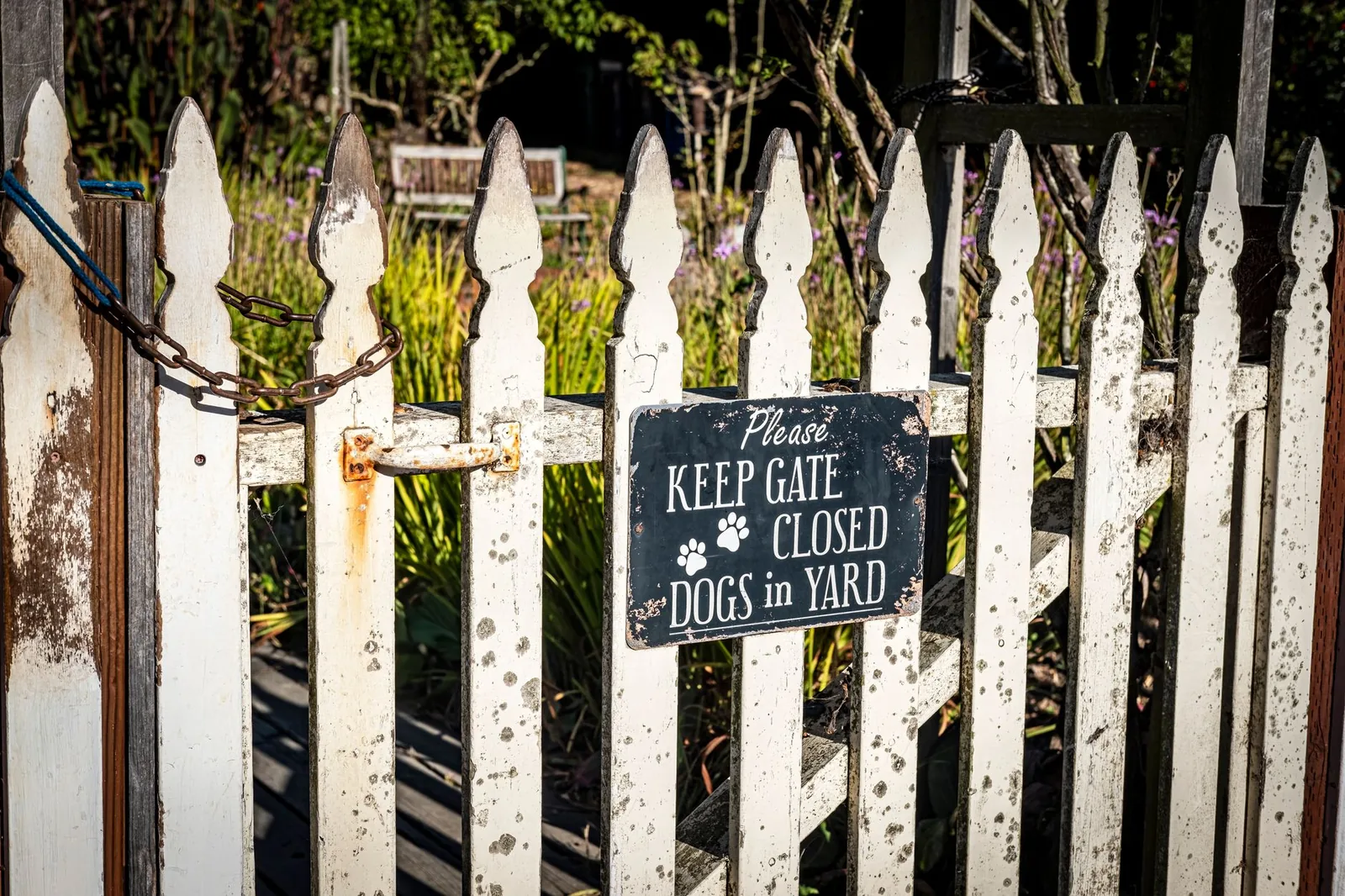
    A garden fence and closed gate
    Photo by David McElwee on Pexels

    What the visitor is actually looking at

    AreaWhat they checkWhy
    FencingHeight, gaps at the bottom, gate latchesTerriers go under and through, not over
    Access pointsFront door layout, whether a dog could slip outWeek one is when dogs are lost
    StairsHow many, how steep, whether they can be gatedMatters for older and arthritic dogs
    Sleeping arrangementsWhere the bed will go, whether it is quietSettling depends on it
    Other petsWhere they are, how they use the spaceDetermines introduction planning
    HouseholdWho lives here, ages, hours awayConfirms the application in person
    HazardsPonds, drops, unfenced drivesOnly where relevant to this dog
    Almost all of it is about whether a specific dog could live here safely, not about whether you deserve one.

    The fencing focus is not arbitrary — our guide to escape-proofing for terriers explains why the bottom foot of a fence matters more than the top.

    What they are not looking at

    • How tidy the house is. Nobody cares, and everybody has seen worse.
    • Whether you own or rent, beyond checking that pets are permitted.
    • The size of the house or yard. A flat with committed walks beats a big garden nobody uses.
    • Your income, beyond a general sense that veterinary costs are manageable.
    • How new your furniture is. The dog will not respect it either way.
    • Whether you have had a dog before. First-time owners adopt successfully all the time.

    People tidy for days beforehand. It is unnecessary, and a house that looks lived-in tells a visitor more useful things than a staged one.

    Two people talking at a kitchen table
    Photo by Vitaly Gariev on Pexels

    How it usually goes

    1. Arrival and a drink. Most of the visit is conversation, and it starts here.
    2. Talking through your application — routine, hours, who does what.
    3. A walk round, including the yard. Ten minutes, informal.
    4. Meeting resident pets, if there are any.
    5. Talking about specific dogs and which might suit.
    6. Your questions, which is the part applicants most often forget to prepare.

    Volunteers are trained and given a checklist, and they are usually adopters themselves. RescueGroups publishes tools and resources used by rescue organizations to manage adoptions, which is the kind of system many groups run this process through.

    What comes up most often

    FindingWhat happens next
    A gap under the fenceA suggestion to fill it; not a refusal
    No fencing at allNarrows which dogs suit; some are placed without it
    Steep stairsRelevant for older dogs; a gate usually resolves it
    A pond or poolA conversation about supervision or fencing it
    A resident catDetermines that a cat-tested dog is needed
    Very young childrenNarrows to dogs assessed with children of that age
    Hours away longer than statedAn honest conversation, not a black mark
    Almost everything produces a suggestion or a narrowing of which dog suits, rather than a decline.

    The cat row is the one that genuinely narrows things most — our guide to Westies and cats explains why prey drive cannot be assumed either way.

    A dog bed set up in the corner of a living room
    Photo by Jordan Heinz on Pexels

    How to prepare

    Very little is needed, and none of it involves cleaning.

    • Walk your own fence line first and note any gaps, so you can raise them rather than be shown them.
    • Have everyone home who lives there, including children.
    • Know your real hours, including the days that differ.
    • Think about where the bed will go before you are asked.
    • Write down your questions. This is your chance to ask about the process, the dogs and the support afterwards.
    • Be honest about anything awkward. It is far better raised now.

    The honesty point matters as much here as on the form — what makes an adoption application strong covers why understating hours produces placements that fail.

    A staircase inside a family home
    Photo by Curtis Adams on Pexels

    If something is raised

    Being told the fence needs work, or that a cat rules out certain dogs, is not a rejection. It is the process doing what it exists to do.

    Ask what would resolve it, and whether it rules out all dogs or only some. In most cases it is the latter, and the answer changes which dog rather than whether you get one.

    If you are declined outright, ask why plainly. The reason is usually specific and practical, and another organization may take a different view — how to find a Westie rescue in your state covers where else to look.

    A dog greeting a visitor at the door
    Photo by ArtHouse Studio on Pexels

    Frequently asked questions

    What do they look for in a home visit for dog adoption?

    Fencing, how the dog could get out of the front door, stairs, where the dog will sleep, other pets and who lives in the household. It is about whether a specific dog could live there safely.

    Do I need to tidy the house before a home visit?

    No. Nobody is assessing housekeeping, and a lived-in house tells a visitor more useful things than a staged one. Walk your fence line instead.

    How long does a home visit take?

    Usually 45 minutes to an hour, and most of it is conversation. The walk round the house and yard is typically about ten minutes.

    Can you fail a home visit?

    It is uncommon. Most visits produce a suggestion or narrow which dog suits rather than a decline. Where something does rule you out, it is usually practical and specific.

    Do I need a fenced yard to adopt?

    Not always, though it matters more for terriers because recall is unreliable against prey. Without one, it narrows which dogs suit rather than ruling you out entirely.

    People sitting together in a living room
    Photo by Ethem Günhan on Pexels

    Where it fits in the process

    The visit comes after the application and reference checks, and before meeting the dog.

    Our guide to adopting a Westie in New England sets out the whole sequence, and the first 30 days with a rescue Westie covers what happens after the dog comes home. If you are volunteering rather than adopting, home visiting is one of the roles most often short-handed — the volunteer roles explains what it involves.

  • Where Rescue Donations Actually Go

    Where Rescue Donations Actually Go

    People assume the adoption fee covers the dog. For the dogs breed rescues actually take in, it rarely covers half.

    This sets out where the money goes, and how to check any animal charity’s claims yourself rather than taking them on trust.

    The short version

    • Veterinary care is the overwhelming majority of what a foster-based rescue spends.
    • One medically complex dog can cost more than several adoption fees combined.
    • A volunteer-run rescue has almost no overhead, which is checkable rather than claimed.
    • Any US charity’s filings are public. Look before you give, to anyone.
    Veterinary invoices and paperwork on a desk
    Photo by https://kaboompics.com/ on Pexels

    What taking in one dog costs

    These are indicative ranges for the kind of dog a breed rescue typically receives — an owner surrender or bereavement case, usually middle-aged or older, frequently with untreated problems.

    ItemTypical rangeHow often needed
    Intake examination and bloodwork$150–$350Every dog
    Vaccinations and microchip$120–$250Most dogs
    Spay or neuter$200–$800Where not already done
    Dental treatment with extractions$500–$2,000Very common
    Skin and ear investigation and treatment$300–$1,200Common in this breed
    Parasite treatment$40–$120Every dog
    Ongoing medication while in care$30–$200 monthlyFrequent
    Transport and supplies$50–$200Most dogs
    Indicative New England ranges. A straightforward dog sits at the bottom of each row; a neglected one sits at the top of several at once.

    Set that against an adoption fee and the gap is obvious. Our adoption fees page explains what the fee contributes towards, and the veterinary care every rescue Westie receives lists what is completed before placement.
    Why foster-based rescues spend differently

    A rescue with a building has premises, utilities, insurance and paid staff before it treats a single dog. A foster-based rescue has none of that.

    CostShelter with premisesFoster-based volunteer rescue
    Premises and utilitiesSubstantialNone
    Paid staffUsually the largest lineUsually none
    Veterinary careSignificantThe overwhelming majority of spending
    Food and daily suppliesSignificantLargely absorbed by foster carers
    TransportModerateVolunteer drivers, fuel reimbursed on request
    AdministrationModerateMinimal — volunteer time
    The trade-off is capacity. A foster-based rescue can only take as many dogs as it has spare rooms, which is why fostering is the binding constraint.

    That constraint is the honest reason most breed rescues turn dogs away — what fostering actually involves explains what opening one costs a household, which is less than people assume.

    A foster carer with a dog at home
    Photo by KATRIN BOLOVTSOVA on Pexels

    How to check any charity, including this one

    Do not take a claim about efficiency on trust from anybody. US nonprofits file annually and those filings are public.

    1. Confirm the registration. A 501(c)(3) can be verified independently through the IRS exempt organizations search.
    2. Read the Form 990. It shows revenue, expenses by category, and any compensation paid.
    3. Look at the expense split. For a foster-based animal rescue, program expense should dominate heavily.

    4. Check for paid staff. Not a red flag in itself, but it should match what the organization says about itself.
    5. Look for consistency over years, rather than judging a single filing.
    6. Ask directly. An organization that will not discuss its finances is telling you something.

    Candid, which operates GuideStar, aggregates nonprofit filings and transparency data for US charities, and is the simplest starting point for checking any of this.

    What different amounts actually buy

    AmountRoughly covers
    $25A month of parasite prevention, or a bag of prescription food
    $50A month of medication for a dog with managed skin disease
    $100An intake examination, or a course of treatment for an ear infection
    $250Vaccinations, microchip and parasite treatment for one dog
    $500A substantial contribution towards dental surgery
    $1,000+A full dental with extractions, or months of hospice care
    These are indicative rather than promises. What a specific donation funds depends on which dogs are in care that month.

    The dental row recurs because dental disease is the most common finding in this breed and the most common thing found untreated at intake — our guide to dental care explains why it tops the list.

    A person reviewing financial documents beside a laptop
    Photo by Yan Krukau on Pexels

    The dogs nobody else takes

    The reason donations matter more to a breed rescue than the adoption numbers suggest is the dogs that never get adopted at all.

    A dog in long-term care generates no adoption fee, ever, and continues to need medication, monitoring and eventually end-of-life care. Those dogs are funded entirely by donations.

    Our long-term care and hospice program covers what that involves, and sponsoring a dog in our care is the mechanism that funds a specific dog rather than the general pot.

    Ways to help that are not money

    • Foster. The single biggest constraint on how many dogs can be taken.
    • Transport. Occasional, flexible, and chronically short-handed.
    • Home visits. Two hours, and it unblocks an adoption.
    • Administration and applications. A backlog here stalls everything behind it.
    • Photography. A good photograph shortens how long a dog waits.
    • Sharing a listing. Most adopters first heard about a dog from someone they know.

    The roles and what each asks are set out in our guide to the volunteer roles beyond fostering.

    A dog crate secured in the back of a car
    Photo by Robert So on Pexels

    On giving generally

    Give where you can verify what happens to the money, and prefer regular small amounts to occasional large ones. Predictable income is what lets a rescue commit to a dog before knowing what it will cost.

    That applies to any organization. You should not need to take our word for it either.

    A senior dog resting on a blanket in a foster home
    Photo by https://kaboompics.com/ on Pexels

    Frequently asked questions

    Does the adoption fee cover the dog’s costs?

    Rarely, for the dogs breed rescues typically take in. Intake examination, vaccination, spay or neuter and dental treatment alone commonly exceed the fee, before any chronic condition is treated.

    How do I check whether an animal charity is legitimate?

    Verify the 501(c)(3) registration independently, read the Form 990 for revenue and expenses by category, look at consistency across years, and ask the organization directly. All of it is public.

    What proportion of donations should go to the animals?

    For a volunteer-run foster-based rescue, program expense should dominate heavily, because there are no premises and usually no salaries. Compare what the filings show against what the organization says about itself.

    Is it better to donate money or supplies?

    Usually money, because veterinary care is the overwhelming cost and cannot be donated in kind. Supplies help foster carers, but treatment is what the funding gap actually is.

    What is the most useful thing I can do if I cannot donate?

    Foster, if you possibly can — it is the constraint on how many dogs can be taken. Transport, home visits, application processing and photography all directly unblock adoptions.

    A small dog settled happily in its new home
    Photo by Ayyeee Ayyeee on Pexels

    If you want to help

    Sponsoring a dog in our care funds a named dog’s treatment, and our donations page covers general giving. Our tax information page has the registration details you would need to verify any of the above.

    And if you are reading this because you are worried about affording your own dog’s care, that is a different conversation — our guide to planning for veterinary costs covers the options, and contacting us early is better than late.

  • Adopting a Dog in Later Life

    Adopting a Dog in Later Life

    Older adopters are often the best homes available for the dogs that wait longest, and frequently the ones who talk themselves out of applying.

    The concerns are real and all addressable, through matching properly and planning for changed circumstances.

    The short version

    • Match on energy and needs, not on the adopter’s age.
    • A settled senior dog is frequently the easiest dog in any rescue.
    • Name a guardian and a fallback before you adopt, not later.
    • A good rescue will help you plan this rather than decline you for asking.
    An older person walking a small dog on a quiet path
    Photo by Alexis B on Pexels

    Why the fit is often excellent

    The dogs that wait longest are seniors and dogs with medical needs, and what they want is a quiet house, a predictable routine and someone at home — a description of many retired households.

    The companionship runs both ways, and the practical benefits are well documented. AARP publishes material on pet ownership and wellbeing for older adults.

    Matching on the right things

    What to match onWhy it matters more than age
    Daily energy the dog needsA senior dog needing three short walks suits many households a young one would not
    Physical handling requiredLifting a 17-pound dog into a car is different from lifting a Labrador
    Medical routineA tablet twice daily is easy; weekly medicated baths are not
    Strength on the leadA dog that pulls hard is a genuine fall risk
    Noise levelRelevant in a retirement community or shared building
    Grooming demandsWhether you will do it or budget for it
    Stairs in the homeAffects which dog, and whether ramps are needed
    None of these are about the adopter’s age. All of them determine whether a specific dog and a specific household will work.

    The pulling row is the one most worth taking seriously. Our guide to loose leash walking covers the equipment that reduces the risk.

    A small dog resting on a person’s lap indoors
    Photo by Malcolm Winter on Pexels

    The contingency plan

    This is what turns a reasonable worry into a solved problem, and it is worth doing before you apply rather than being asked about it.

    1. Name a guardian who has agreed in advance, and a backup.
    2. Name the rescue as a fallback, having asked us first. We will note it.
    3. Write it into your will, or set up a pet trust if you want funds ringfenced.
    4. Carry an emergency card saying you have a dog at home and naming two contacts with a key.
    5. Keep a care file — vet details, medication, routine, microchip number, behavioral notes.
    6. Arrange short-term cover for a hospital stay, which is far more likely than the worst case.

    The hospital point is the practical one. Most contingency planning imagines death and ignores the far commoner scenario of two weeks away unexpectedly.

    The full version is in our guide to planning for your dog if something happens to you, which applies to every owner but matters most here.

    The lifespan question

    People worry about the dog outliving them. It is worth thinking about plainly rather than avoiding.

    DogTypical remaining yearsSuits
    Puppy or young adult12–16Adopters confident about the long term
    Adult, 5–86–10Most households; a middle path
    Senior, 9–123–6A realistic and often excellent match
    Geriatric, 12+1–4Adopters who want companionship without a long horizon
    Hospice placementMonthsPeople who want to give a good ending
    The bottom two rows are the hardest placements any rescue makes, and the adopters who take them are usually older people who have done this before.

    That last row is real work rather than a euphemism — our guide to hospice and end-of-life care sets out what it involves.

    Documents and a pen laid out on a table
    Photo by RDNE Stock project on Pexels

    Practical adjustments worth making

    • A well-fitted harness rather than a collar, for control with less force.
    • A shorter fixed leash, never retractable, which is a trip hazard.
    • Ramps rather than lifting, for the car and the sofa.
    • Raised bowls to reduce bending.
    • A dog walker one or two days a week.
    • Delivery of food and supplies, so heavy bags are not a limiting factor.

    The dog walker does double duty: somebody who already knows your dog is who can step in at short notice.

    What a rescue should ask, and what it should not

    A reasonable conversation covers your routine, your physical capacity, who else could help, and the plan if you become unwell. An unreasonable one applies an age cutoff, which serves nobody — the dog simply waits longer for a home that may not come.

    If you have been declined on age alone, it is worth asking another organization — how to find a Westie rescue in your state covers where else to look.

    Two people outdoors with a small dog
    Photo by Rufina Rusakova on Pexels

    If you are helping a parent or relative

    A common situation: an older relative wants a dog, and the family is worried. The useful contribution is not talking them out of it, but helping with matching, being the named guardian, and arranging practical support.

    Fostering is also an option with less commitment, where the rescue keeps responsibility and covers costs — what fostering actually involves sets out how.

    A senior dog resting on a blanket
    Photo by https://kaboompics.com/ on Pexels

    Frequently asked questions

    Am I too old to adopt a dog?

    Age alone should not disqualify anyone. What matters is matching the dog to your energy, physical capacity and routine, and having a plan for who takes the dog if you cannot. Older adopters are often ideal for senior dogs.

    Will a rescue turn me down because of my age?

    Some apply informal cutoffs, which serves nobody well. A good rescue assesses the match and the contingency plan instead. If you are declined on age alone, try another organization.

    What happens to my dog if I go into hospital?

    This is more likely than the worst case and worth arranging first. Name two people who hold a key and have agreed, carry an emergency card, and keep a written care file with routine and medication.

    Should an older adopter get a puppy or a senior dog?

    Usually a settled adult or senior. They are calmer, already house trained, need less exercise and are the dogs waiting longest, which makes it a good match in both directions.

    Can I adopt if I have limited mobility?

    Often yes, with the right dog. A small dog that walks calmly on a harness, does not pull and needs three short outings suits many households. Be specific about what you can and cannot do.

    A person and a small dog sitting together outdoors
    Photo by RDNE Stock project on Pexels

    If you are considering it

    Tell us what your days look like and what you can manage physically. That produces a better match, not a rejection.

    The Westies currently available for adoption note the energy and handling each one needs, and our guide to adopting a Westie in New England explains the process. If a permanent commitment feels like too much, say so — there are other ways to have a dog in your life.

  • Adopting a Bonded Pair: What It Really Involves

    Adopting a Bonded Pair: What It Really Involves

    Bonded pairs arrive together, usually after an owner has died or a household has broken up, and they wait far longer for homes than single dogs.

    The usual framing is an appeal: please take both. This is the more useful version, which includes the cases where separating them is the right answer.

    The short version

    • A genuine bond is distress on separation, not simply living together happily.
    • Two dogs is roughly double the cost, not one and a half times.
    • Pairs often settle faster than single dogs, because each has something familiar.
    • Sometimes separating is kinder, and a good rescue will say so.
    Two dogs asleep curled against each other
    Photo by Helena Lopes on Pexels

    What a bond actually is

    Two dogs that lived in the same house are not automatically bonded. The label gets applied loosely, and it matters because it decides whether they must be placed together.

    Genuinely bondedSimply housemates
    Distress when separated, even brieflyBarely notice the other leaving
    Sleep in contact, not just nearbySleep in separate places by choice
    One will not eat when the other is absentEat normally apart
    Seek each other out on wakingIndependent routines
    One noticeably calmer with the other presentNo observable effect
    Vocalize or pace when apartSettle normally alone
    Foster carers test this deliberately, by separating the dogs briefly and watching what happens. It is the only way to know.

    How that observation is done is covered in our guide to how rescues assess temperament.

    The honest costs

    Two dogs is close to double, not one and a half times. The savings people expect mostly do not exist.

    CostOne dogBonded pair
    Food$300–$600$600–$1,200
    Routine veterinary care$300–$700$600–$1,400
    Grooming$400–$800$800–$1,600
    Insurance$400–$900$800–$1,800
    Parasite prevention$150–$300$300–$600
    Boarding or sitterStandard rateUsually a reduced second-dog rate
    Adoption feeStandardOften reduced for a pair
    Only the last two rows offer meaningful savings. Everything recurring roughly doubles, and both dogs age at the same time.

    That last point deserves weight. Two dogs of similar age means two sets of senior veterinary costs arriving together, and often two losses close together — our guide to caring for a Westie after ten covers what that period involves.

    Two dog bowls placed apart on a floor
    Photo by Chris F on Pexels

    What is genuinely easier

    It is not all cost. Pairs bring real advantages that single placements do not.

    • Faster settling. Each dog has one familiar thing in an unfamiliar house, which shortens decompression noticeably.
    • Less separation distress. Not a cure, but company through a working day helps many dogs.
    • Built-in enrichment. Two dogs occupy each other in ways a person cannot.
    • The confident one teaches. A nervous dog frequently learns house routines by copying its companion.
    • Walks are barely different. Two small dogs on leads is not twice the work.

    The confidence point matters most with dogs from kennel backgrounds, where a steady companion often does more than months of human effort — what adopting a retired breeding Westie involves explains why.

    When separating is the right answer

    This is the part usually left out, and pretending otherwise does not serve the dogs.

    SituationConsideration
    One dog bullies or guards resources from the otherThe bond may be dependence rather than affection
    One is markedly more anxious in the other’s presenceSeparation may reduce stress for both
    Very different needs — one geriatric, one activeOne may be compromised to accommodate the other
    Months with no application for the pairTwo good separate homes beat continued waiting
    Assessment shows little distress apartThey were housemates rather than bonded
    A rescue that will never separate under any circumstances is applying a rule rather than judging the individual dogs.

    Where a pair is separated, it should be deliberate, assessed and explained — not a quiet decision made because a single dog is easier to place.

    A person walking two small dogs on leads
    Photo by Алексей Вечерин on Pexels

    Managing a pair well

    1. Feed separately from day one, in different rooms or behind a gate.
    2. Give each its own bed, even if they choose to share one.
    3. Walk them separately sometimes, from the start, so neither becomes unable to cope alone.
    4. Train them individually. Two dogs learning together learn half as much each.
    5. Take them to the vet separately once settled, so a future solo visit is not a crisis.
    6. Watch for one dog doing all the deciding, which can mask a problem.

    The third point is the one people skip, and it matters. A pair that has never been apart copes very badly when one is hospitalized or dies.

    The ASPCA’s professional resources cover sheltering practice including placement of bonded animals if you want the sector view.

    A dog waiting alone near a door
    Photo by Mehmet Turgut Kirkgoz on Pexels

    When one of them dies

    This is the hardest part of adopting a pair, and it comes sooner than people expect when both dogs are of similar age.

    The survivor usually shows several behavioral changes for weeks or months — eating less, seeking attention, searching. It is genuine grief and it passes.

    Our guide to helping a dog through the loss of a companion covers what helps, and why getting another dog immediately is usually the wrong response.

    Two dogs waiting together at a veterinary clinic
    Photo by Tima Miroshnichenko on Pexels

    Frequently asked questions

    What does bonded pair mean?

    Two dogs that show genuine distress when separated — not eating, pacing, vocalizing — rather than simply living together happily. Foster carers test this by separating them briefly and observing.

    Is it twice as expensive to adopt two dogs?

    Close to it. Food, veterinary care, grooming, insurance and parasite prevention all roughly double. Only the adoption fee and boarding rates typically offer a reduction.

    Are bonded pairs harder to look after?

    Not usually day to day. They often settle faster, occupy each other and cope better with being left. The hard parts are cost and the fact that both dogs age at the same time.

    Should bonded pairs ever be separated?

    Sometimes. If one bullies the other, if their needs differ sharply, or if assessment shows little distress apart, separating can be kinder. It should be a deliberate judgment rather than a convenience.

    Will two dogs prevent separation anxiety?

    Not reliably. If the attachment is to a person rather than the other dog, a companion does not substitute, and you may end up with two anxious dogs instead of one.

    Two dogs relaxing together on a rug at home
    Photo by King Ho on Pexels

    If you are considering a pair

    Be honest with yourself about cost and about what happens in eight years when both dogs are elderly at once. Those are the two things that catch people out.

    If you can absorb both, a pair is frequently an easier adoption than a single dog. The Westies currently available for adoption say plainly whether dogs must be placed together, and what makes an adoption application strong covers how to describe a household that could take two.

  • How Commercial Dog Breeding Actually Works

    How Commercial Dog Breeding Actually Works

    Buyers are given a short set of reassurances: USDA licensed, health guarantee, family-raised, vet checked. Each sounds meaningful and none of them is.

    Understanding how the industry is actually structured is what makes that clear, and it explains why so many of these dogs reach breed rescue as adults.

    The short version

    • A USDA license permits large-scale commercial breeding. It is not a quality standard.
    • A broker layer sits between breeder and seller, which is why origins get obscured.
    • Federal minimum standards are lower than most buyers assume.
    • The dogs that reach rescue from this system are usually the breeding stock, not puppies.
    A row of kennel runs
    Photo by Plato Terentev on Pexels

    What the licenses actually are

    The Animal Welfare Act requires wholesale breeders and dealers to be licensed and inspected. There are three relevant classes.

    LicenseWhat it permitsWhat buyers assume it means
    Class ABreeding and selling animals the licensee bredThat the facility met a quality standard
    Class BBuying and reselling animals bred by othersUsually not known to buyers at all
    Class TCommercial transport of animalsNot known to buyers
    A license is permission to operate commercially, subject to minimum standards. It is not an endorsement, a rating, or evidence of good conditions.

    The distinction that matters most is Class B. A broker buys puppies from multiple breeders and resells them, which means the seller a buyer deals with frequently has never seen where the puppy was born.

    The Michigan State Animal Legal and Historical Center maintains detailed legal analysis of commercial breeding regulation in the US, which sets out the framework and its gaps in full.

    The chain

    A puppy typically passes through more hands than the buyer realizes.

    1. Breeder produces litters at scale, often with many breeding females on site.
    2. Broker buys from multiple breeders, consolidates, and resells.
    3. Transporter moves puppies across state lines, sometimes long distances.
    4. Seller — a pet store, a website, or an individual presenting as a small home breeder.
    5. Buyer receives a puppy whose actual origin is several steps back and frequently not disclosed.

    Each transfer adds distance between the buyer and the conditions the dog came from, and each is a point at which the story can be reshaped.

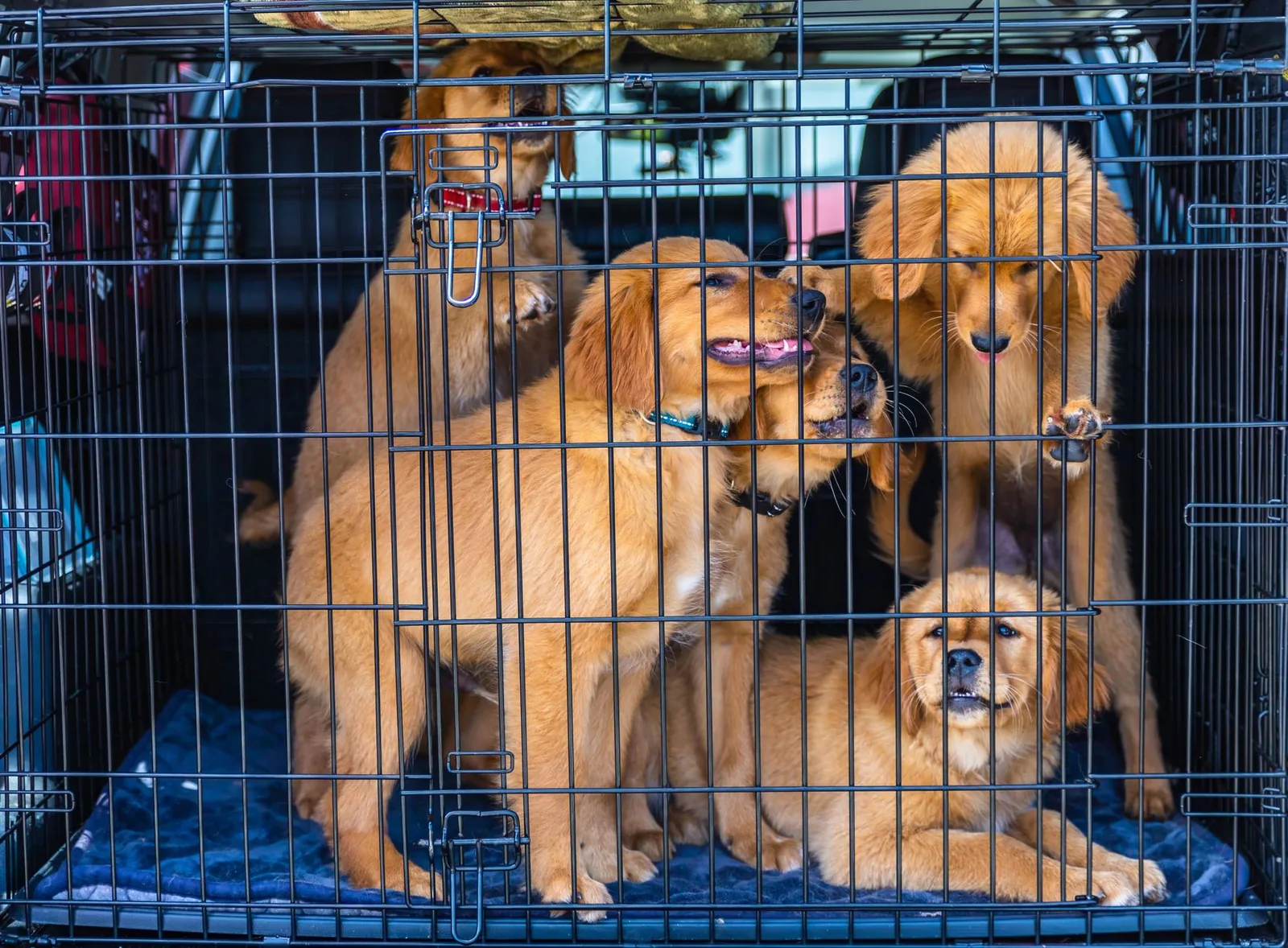
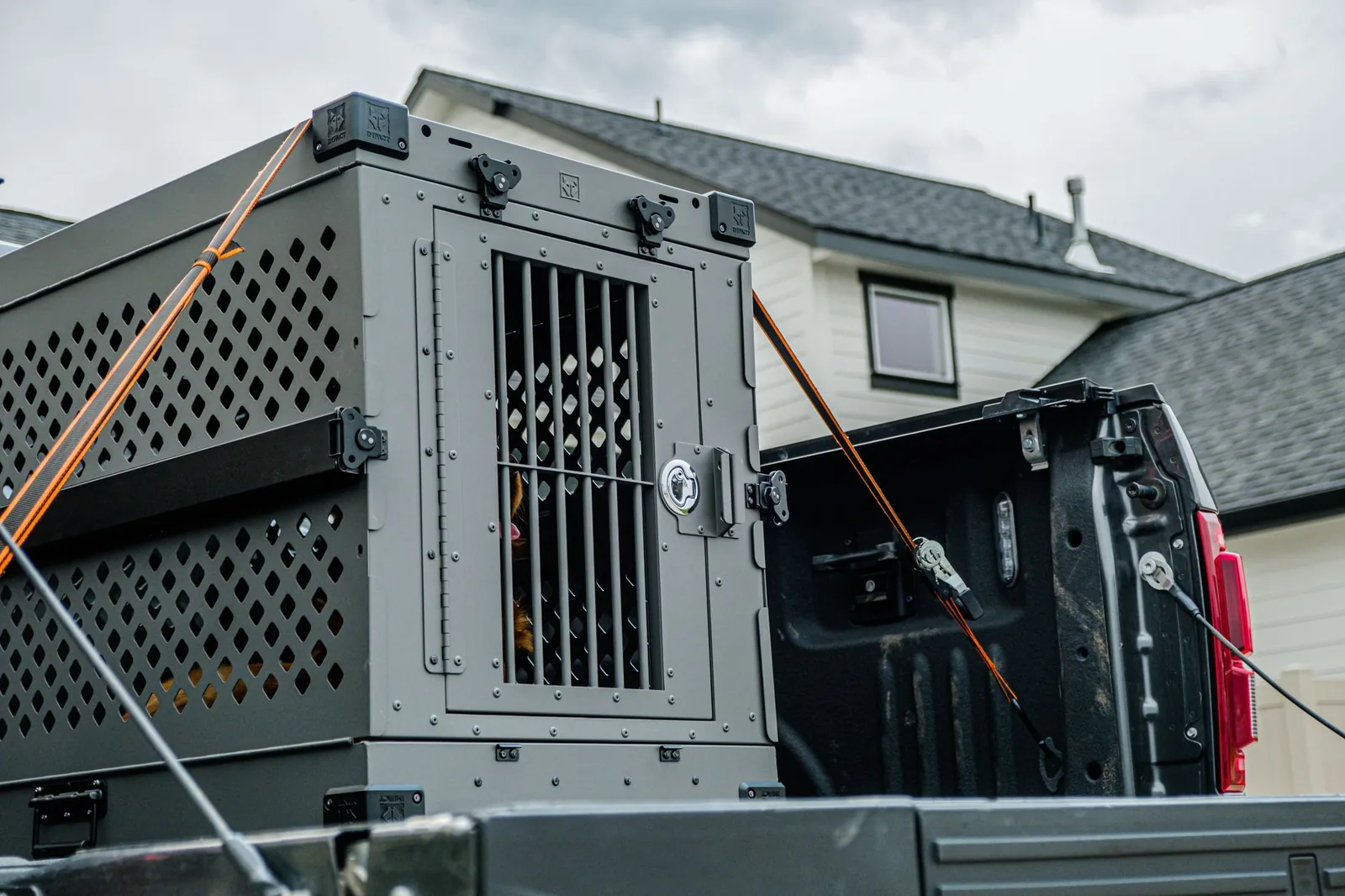
    A travel crate loaded in a vehicle
    Photo by Impact Dog Crates on Pexels

    Why the standards are lower than people expect

    Buyers assumeThe federal minimum permits
    Room to move and exerciseEnclosures only modestly larger than the dog itself
    Regular exercise outdoorsNo requirement for exercise for most dogs
    Solid, comfortable flooringWire flooring, subject to conditions
    Retirement after a few littersNo limit on breeding frequency across a lifetime
    Frequent inspectionInspection intervals stretched across a small national workforce
    Socialization with peopleNo meaningful requirement
    These are minimum legal standards for licensed facilities, not descriptions of every licensed operation. Many exceed them. The point is that meeting them proves very little.

    The enforcement side compounds it: a small inspector workforce covers all facilities regulated under the Act, not only dog breeders, so inspection is infrequent by necessity.

    Why this reaches breed rescue

    Rescues rarely see the puppies. They see the breeding stock, several years later, when it stops producing.

    Those dogs arrive having spent years in a run: no house training, no experience of stairs, carpet or a washing machine, and frequently no idea what a person kneeling down means.

    Dental disease is near-universal, and skin and ear conditions are common. The behavioral picture takes far longer to resolve than the medical one — what adopting a retired breeding Westie really involves sets out the timeline honestly.

    A person browsing listings on a phone
    Photo by Vitaly Gariev on Pexels

    How the reassurances work

    PhraseWhat it can mean
    USDA licensedPermitted to breed commercially at scale
    Health guaranteeOften a replacement puppy rather than veterinary costs; read it
    Family raisedUndefined and unregulated
    Vet checkedA single examination, which says little about the parents
    Home rearedUndefined
    We do not ship — we deliverA distinction without a difference
    You can meet us halfwayYou will not see where the dog was born
    The reliable test is not what a seller says. It is whether you can see the mother with the litter, in the place they live.

    The warning signs in checklist form are in our guide to what Westie rescues actually have, and the comparison with a genuinely responsible breeder is in adopting a Westie versus buying from a breeder.

    A nervous small dog pressed into a corner
    Photo by Ольга А on Pexels

    What actually changes it

    • See the mother with the litter, where they live. Not a car park, not a photograph.
    • Ask which state the puppy was born in, and how it travelled.
    • Ask what happens to the parents when they stop breeding.
    • Refuse anything shipped sight-unseen, whatever it is called.
    • Consider an adult instead. The demand for puppies is what sustains the model.

    That last point is the only one that changes the industry rather than avoiding it. The dogs already produced still need homes — the Westies currently available for adoption include several who came out of this system.

    A mother dog resting with her litter in a home
    Photo by Daka on Pexels

    Frequently asked questions

    Does USDA licensed mean a breeder is good?

    No. A USDA license permits commercial breeding at scale subject to minimum federal standards. It is permission to operate rather than a quality rating, and the minimum standards are lower than most buyers assume.

    What is a puppy broker?

    A licensed dealer who buys puppies from multiple breeders and resells them to stores or buyers. It means the seller you deal with has often never seen the facility the puppy was born in.

    How can I tell where a puppy really came from?

    Insist on seeing the mother with the litter in the place they live. If that is refused, redirected or replaced with a meeting point, treat the stated origin as unverified.

    What happens to breeding dogs when they retire?

    Some are surrendered to rescues, some are sold on, and some are euthanized. The ones that reach breed rescue are typically four to eight years old with untreated dental disease and no experience of living in a house.

    Is buying from a pet store the same as a puppy mill?

    Not automatically, but stores that sell puppies are generally supplied through the commercial breeder and broker chain rather than by local hobby breeders. Ask where the puppy was born and how it arrived.

    A small white dog resting on a sofa in a home
    Photo by susana MaRo on Pexels

    What we see

    We do not campaign on this, and we place no judgment on people who bought a dog in good faith from a seller who told them what they wanted to hear.

    We do see the other end of it regularly, and those dogs recover. Our success stories include a number of them, and fostering is what makes taking them possible.