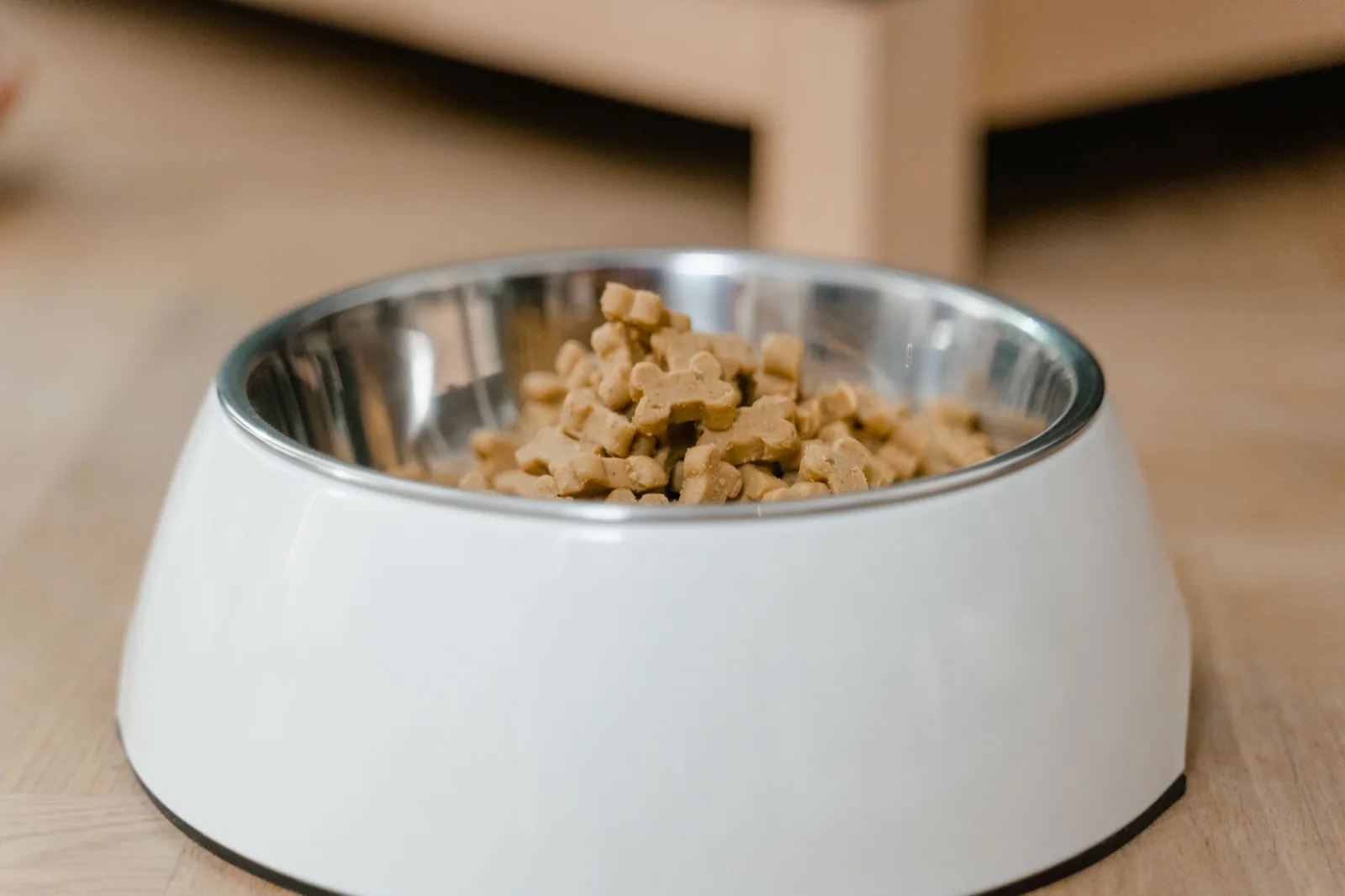
The pet trade would like you to spend several hundred dollars before the dog arrives. Most of it can wait, and some of it you will never need.
Three things are worth buying properly. The rest is easier to choose once you have met the dog.
The short version
- Spend on the harness, the leash and the bed. Economize on almost everything else.
- Buy the same food the dog is currently eating, then change slowly or not at all.
- Skip the retractable leash and the flat collar as a walking tool.
- Wait on toys, coats and treats until you know what this dog likes.
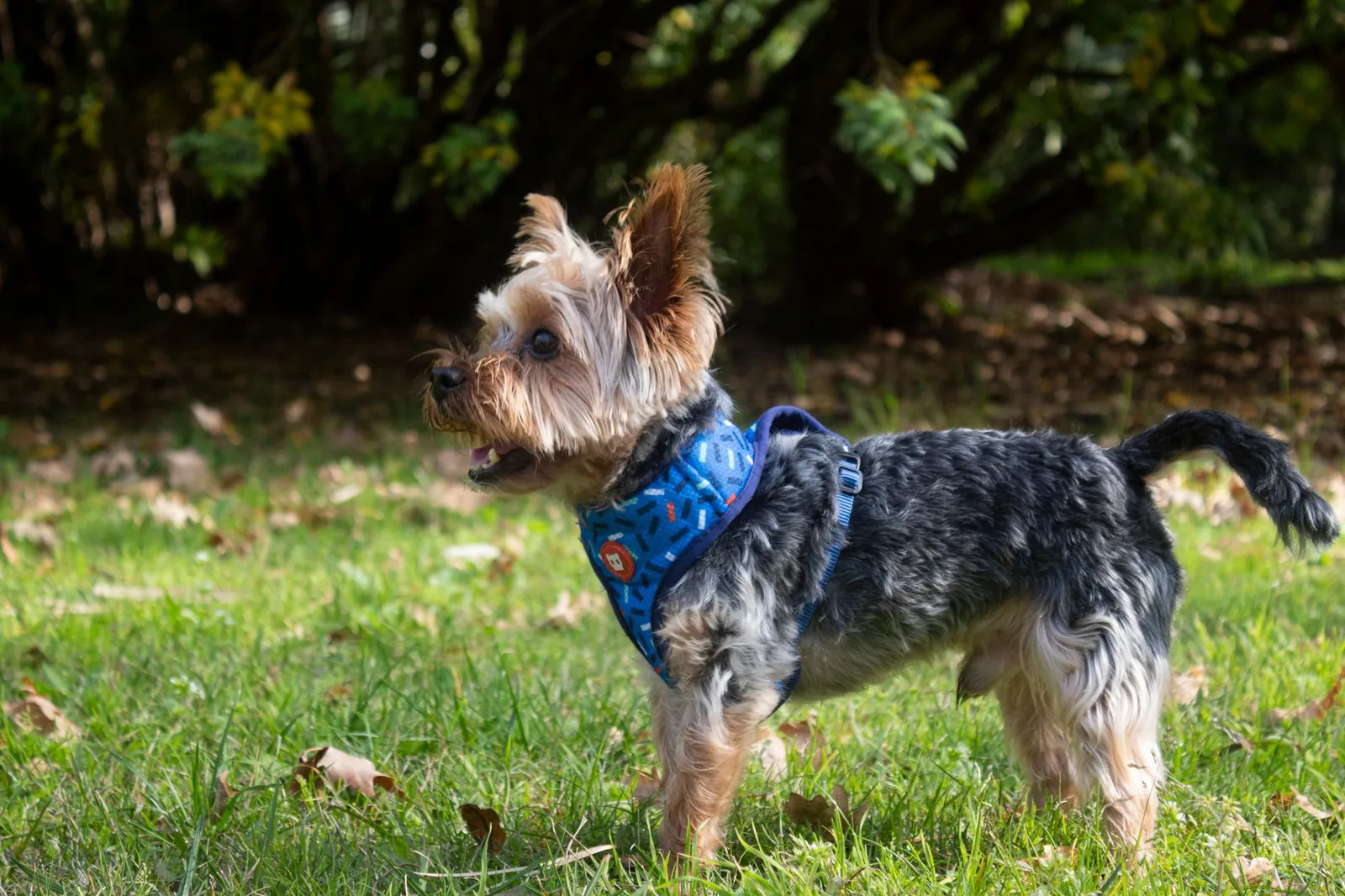
The essential list
| Item | Why | Rough cost |
|---|---|---|
| Y-front harness, well fitted | A frightened terrier reverses out of a collar | $25–$45 |
| Six-foot fixed leash | Consistent control and feedback | $15–$30 |
| Flat collar with ID tag | For identification, not for walking | $10–$20 |
| Bed, washable | Somewhere that is unambiguously the dog’s | $30–$70 |
| Two stainless steel bowls | Hygienic, indestructible, cheap | $15–$25 |
| Two weeks of current food | Diet change plus stress equals stomach upset | $25–$50 |
| Enzymatic cleaner | House training regresses under stress | $10–$15 |
| Baby gate | Lets the dog observe without being cornered | $30–$60 |
The three worth spending on
The harness. This is the safety item. A well-fitted Y-front harness that a frightened dog cannot back out of is the difference between a startled dog on the end of a leash and a startled dog loose near a road.
Measure rather than guessing at a size, and check the fit again after the first week, because a nervous dog often gains condition once it settles.
The leash. Six feet, fixed, with a comfortable handle. This is not somewhere to economize, and it is not somewhere to be clever.
The bed. Machine washable, thick enough for an older dog’s joints, and large enough to stretch out. It will be used more than anything else you buy.
Why the harness matters so much for this breed specifically is covered in our guide to escape-proofing and lost dog recovery.

What to skip
| Popular purchase | Why to skip it |
|---|---|
| Retractable leash | Teaches pulling; poor control near traffic |
| Collar as a walking tool | Tracheal risk on a pulling small dog; easy to slip |
| A cupboard of toys | You do not yet know what this dog likes |
| Expensive raised feeders | Useful for some older dogs, unnecessary for most |
| Automatic feeders | Feeding by hand is training time you will want |
| Slip leads, prong or spray collars | Aversive, and unnecessary |
| A new bed the dog has never smelled | Familiar bedding settles a dog faster |
| Whitening shampoo | Not needed, and often not helpful |
The leash and collar points are set out in more detail in our guide to loose leash walking with a terrier.
What to buy in week two
Once you know the dog, these become worth choosing rather than guessing.
- Food puzzles and a snuffle mat, matched to how the dog actually eats.
- A long line, once you know how the dog behaves outdoors.
- Grooming tools — a slicker brush and a metal comb at minimum.
- A crate or pen, if the dog turns out to want one.
- A coat, sized after the dog has settled into its adult weight.
- Toys, once you have seen whether it shreds, squeaks or fetches.
Whether a crate suits this particular dog is genuinely worth waiting to find out — our guide to crate training and when not to covers the dogs it does not suit.

Setting the house up
- Decide where the bed goes before the dog arrives, somewhere quiet but not isolated.
- Check the fencing along the bottom, not the top. Terriers go under.
- Move medication, cleaning products and houseplants out of reach.
- Fit the baby gate where you want to limit access, and set it back from the front door.
- Put a mat by the door for wiping paws, which matters year-round here.
- Write the emergency numbers on the refrigerator.
The hazards worth moving are listed in our guide to foods and household items dangerous to dogs, and Kansas State’s veterinary college publishes general pet health and preparation resources covering the wider setup.
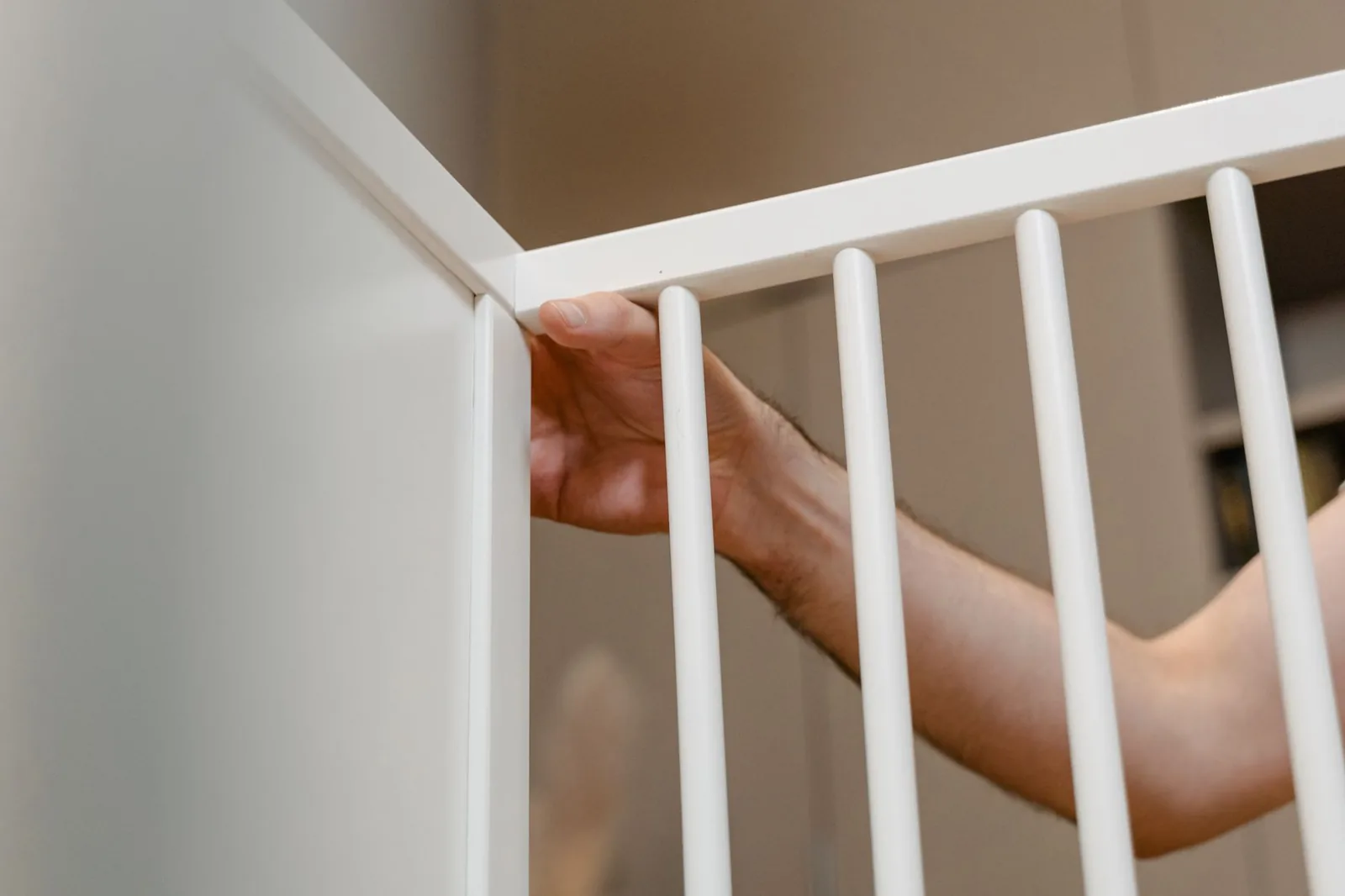
The food question
Buy what the dog is eating now, from the rescue or foster carer, and enough for two weeks.
A diet change on top of a house move, new people and a new routine is a reliable route to diarrhea, which then complicates house training in a dog that was doing fine.
If you want to change food, do it over ten days after the dog has settled, and read our guide to feeding and portions first, because most of the marketing is not worth paying for.

Frequently asked questions
What do I need before adopting a dog?
A well-fitted harness, a six-foot fixed leash, a collar with ID, a washable bed, two bowls, two weeks of the dog’s current food, enzymatic cleaner and a baby gate. Roughly $160 to $315 covers it.
Harness or collar for a Westie?
Harness for walking, collar for identification only. A pulling small dog on a collar risks tracheal damage, and a frightened terrier can reverse straight out of a flat collar.
Should I buy a crate before the dog arrives?
Wait. A crate suits most newly adopted dogs but is genuinely wrong for some, particularly dogs with a kennel background or confinement distress. Decide once you have met the dog.
Should I change my rescue dog’s food?
Not at first. Buy what the dog is currently eating and keep it for at least two weeks. A diet change during settling commonly causes stomach upset, which complicates house training.
How much does it cost to set up for a new dog?
Around $160 to $315 for genuine essentials. Most of the rest is better bought in week two, when you know what this particular dog actually needs.

Before the dog comes home
Ask the foster carer what the dog is used to — where it sleeps, what it eats, whether it has walked on a lead, what frightens it.
That conversation is worth more than any shopping list. What to expect in the first 30 days with a rescue Westie covers what happens once the dog is through the door, and our adoption guide explains what happens before it.