
A yellowing Westie is the most common cosmetic complaint in the breed, and the most commonly misdiagnosed. Most owners reach for a whitening shampoo.
In a good share of cases the coat is not dirty. It is stained from the inside — by saliva, tears or discharge — and the stain is a symptom.
The short version
- Over-bathing damages the coat and the skin barrier. Frequency is not the answer.
- Rust-colored staining is porphyrin from saliva or tears, not dirt.
- Paw and muzzle staining usually means licking, which usually means itching.
- Drying thoroughly matters more than what you wash with.

What the stains actually are
| Where | Color | Usual cause |
|---|---|---|
| Around the eyes | Rust or reddish-brown | Tear overflow; porphyrin oxidizing in light |
| Muzzle and lips | Rust or brown | Saliva; often from licking something that itches |
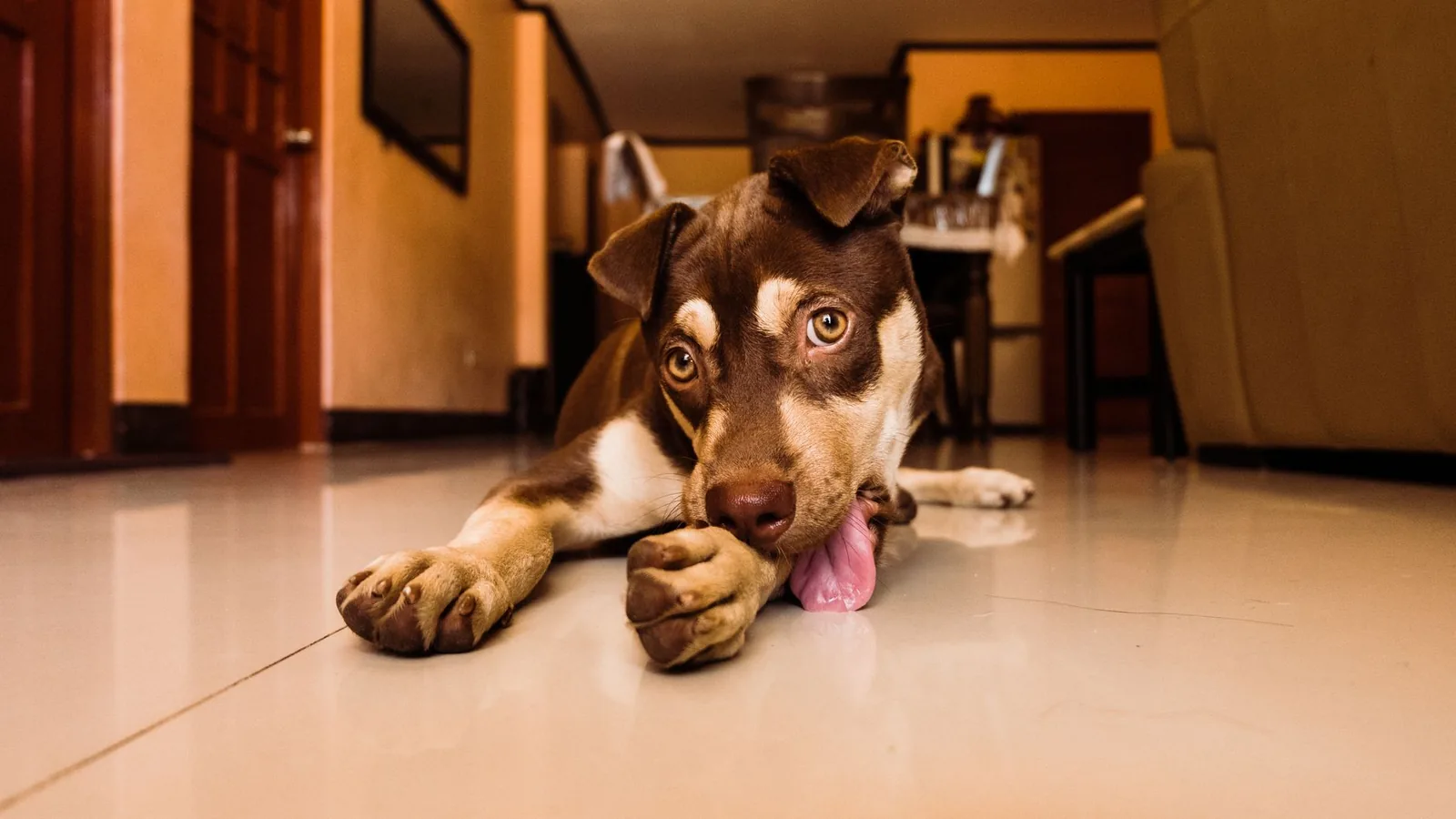
| Front paws | Rust or orange | Persistent licking — a classic allergy sign |
| Belly and groin | Yellow or gray | Urine scald, or skin secretions |
| Whole coat, gradual | Cream or yellow | Repeated clipping; sun; secondary yeast |
| Patchy, greasy, musty | Darker, waxy | Yeast overgrowth — see a vet |
Rust-colored staining is porphyrin, a pigment in saliva and tears that darkens on exposure to light. No shampoo removes it from the outside, because it is deposited from the inside.
When the stain is a symptom
This is the part worth taking seriously. Persistent paw licking in a Westie is an allergy sign until proven otherwise, and the orange feet are just the visible evidence.
- Rust-stained front paws with licking — atopic dermatitis until ruled out.
- Sudden increase in tear staining — possible blocked tear duct, entropion or eye irritation.
- Greasy, musty, darkening coat — yeast overgrowth, which needs treatment rather than washing.
- Staining with head shaking — look at the ears too.
- Yellow belly with a strong smell — possible urine scald or skin infection.
The underlying condition is covered in our guide to why Westies itch and what helps, and the ear connection in why Westie ear infections keep coming back.
How often to bathe
More often than most owners think for a dirty dog, and far less often than the whitening-shampoo aisle implies.
| Dog | Frequency | Notes |
|---|---|---|
| Healthy adult, ordinary life | Every 4–6 weeks | More often strips the coat and dries the skin |
| Muddy or swimming regularly | Rinse as needed, full bath monthly | Plain water rinses do not count against the total |
| Managing atopic dermatitis | Weekly or twice weekly, as directed | Medicated shampoo is treatment, not grooming |
| Senior or thin-coated | Every 6–8 weeks | Warmth and drying time matter more |
| After salted sidewalks | Rinse feet and belly every time | Salt is an irritant, not just dirt |
The winter rinsing point matters more in New England than almost anywhere — cold weather care for a Westie covers why de-icing salt drives flares.
Bathing properly
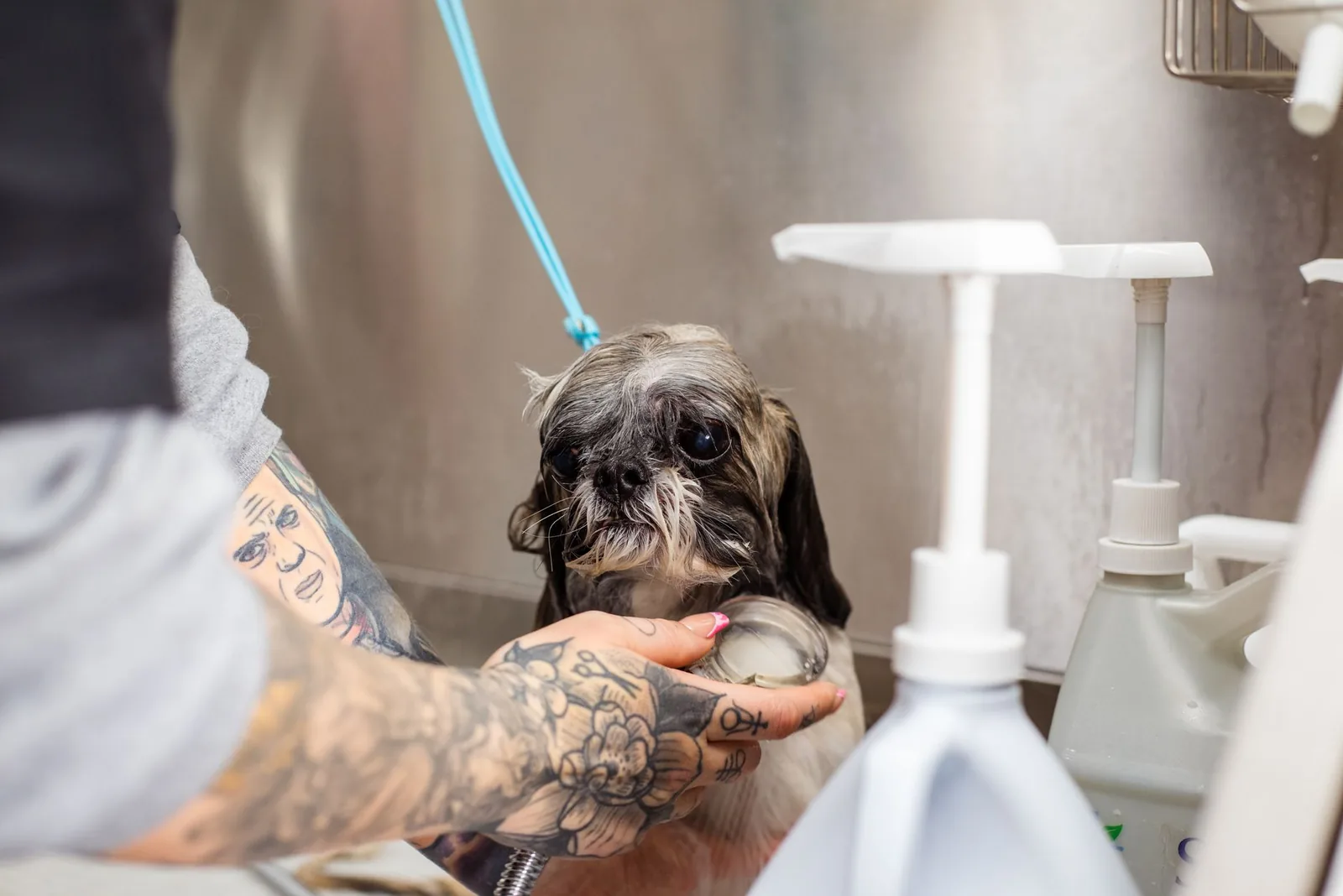
- Brush thoroughly first. Wetting a matted coat tightens the mats and traps water against the skin.
- Use lukewarm water and wet right down to the skin, which takes longer than it looks on a double coat.
- Use a dog shampoo at the dilution on the label. Human shampoo has the wrong pH for canine skin.
- Leave medicated shampoo on for the stated contact time, usually ten minutes. Rinsing early is why it does not work.
- Rinse until you are certain, then rinse again. Residue is a common cause of post-bath itching.
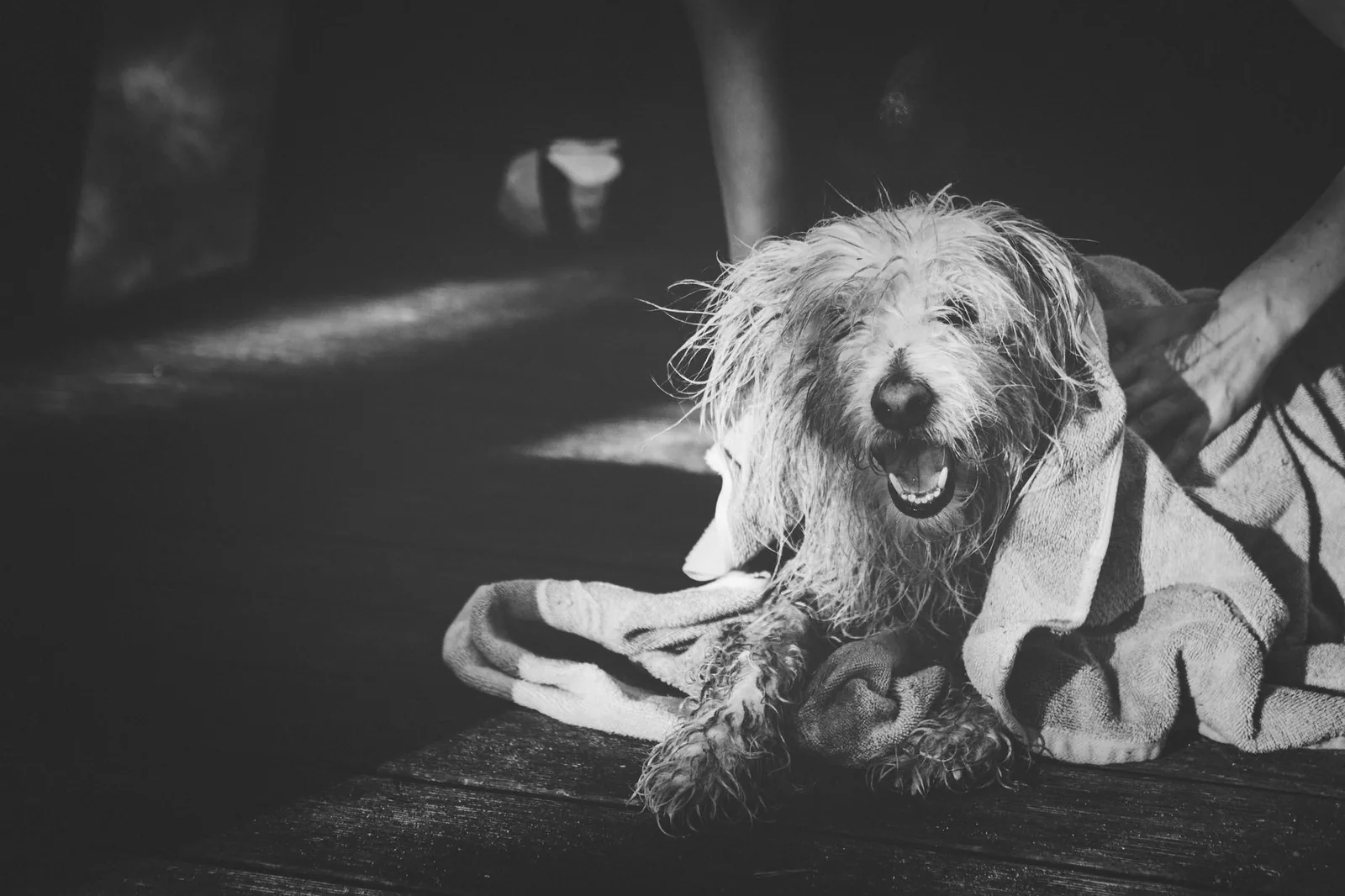
- Dry thoroughly, including between the toes and under the armpits. Damp undercoat is how yeast establishes.
Oregon State’s veterinary college publishes owner-facing veterinary health resources covering skin and coat care among other topics.
What not to use
| Product | Why to avoid it |
|---|---|
| Human shampoo | Wrong pH; strips the coat and irritates skin |
| Whitening products with bleach or peroxide | Damages the coat and can burn skin |
| Baking soda or lemon paste | Alkaline or acidic; disrupts the skin barrier |
| Cornstarch left in the coat | Cakes, and encourages matting |
| Antibiotic eye ointment for tear stains | Not appropriate without a diagnosis |
| Daily bathing to fix staining | Makes both coat and skin worse |
The daily habits that do most
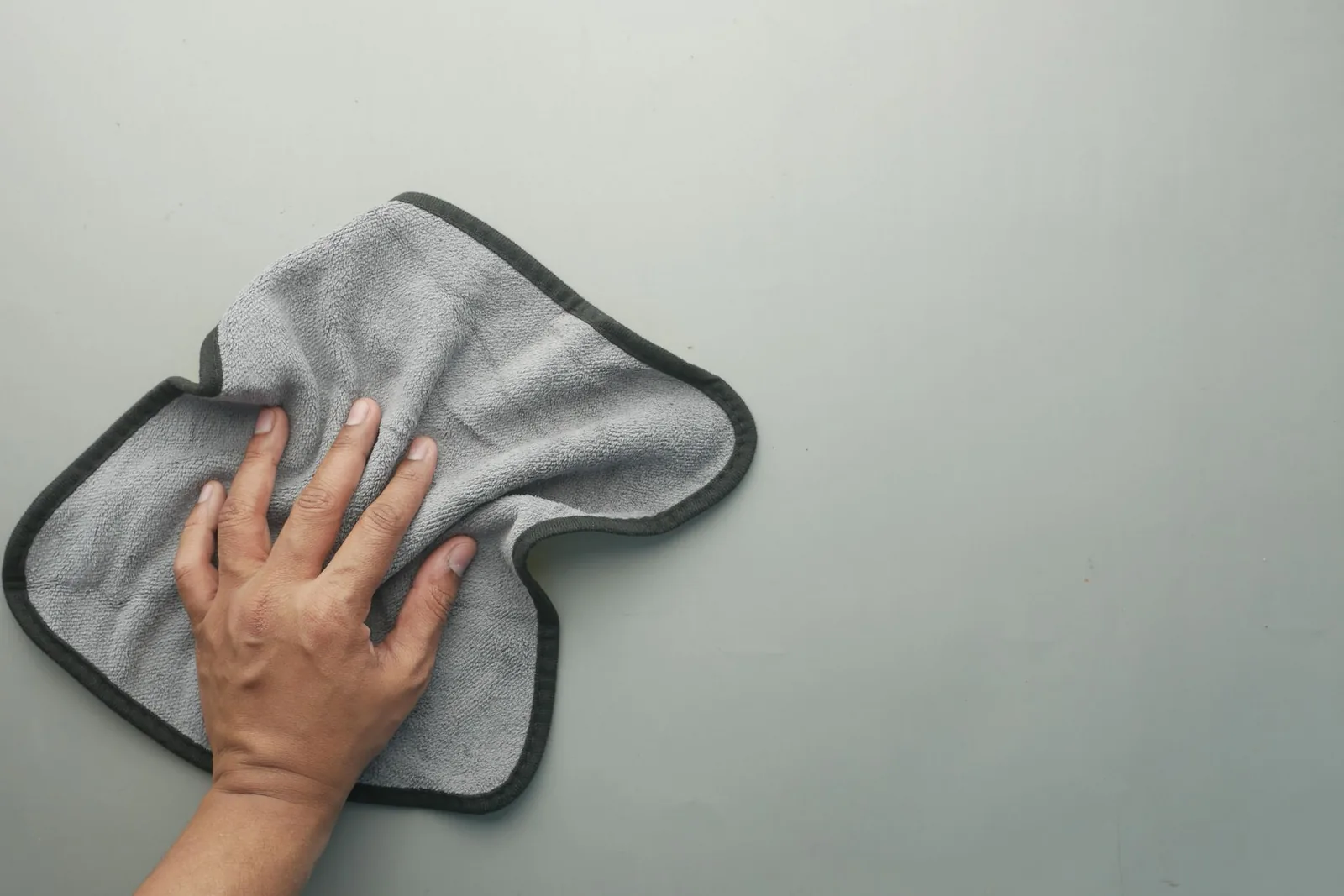
- Wipe the face daily with a damp cloth, drying afterwards.
- Rinse paws after walks, particularly in pollen season and on treated sidewalks.
- Brush two or three times a week to lift dirt before it settles.
- Dry the dog properly after rain, not just the top coat.
- Keep the coat trimmed around the eyes so tears do not wick along the hair.
Ten minutes a week here prevents most of what people try to fix with products — and the same routine catches ear and skin problems early, which is the real benefit. Our grooming guide covers the clipping decision that affects coat color over years.
Frequently asked questions
Why is my white dog turning yellow?
Usually porphyrin staining from saliva or tears rather than dirt, or a gradual dulling from repeated clipping. A greasy, musty, darkening coat is different and suggests yeast overgrowth, which needs veterinary treatment.
How often should I bathe a Westie?
Every four to six weeks for a healthy adult. More often strips the coat and dries the skin. Dogs on a medicated bathing protocol for skin disease are a different case and should follow the vet’s frequency.
How do I get rid of tear stains?
Treat the cause rather than the color. Wipe the face daily, keep the hair around the eyes trimmed, and see a vet if staining increases suddenly, since blocked tear ducts and eye irritation both present this way.
Why are my dog’s paws orange?
Almost always saliva staining from persistent licking, and persistent paw licking in a Westie is an allergy sign until proven otherwise. The color is evidence rather than the problem.
Are whitening shampoos safe?
Gentle brightening shampoos formulated for dogs are fine occasionally. Anything using bleach or peroxide, and home remedies involving baking soda or lemon, damage the coat and can irritate skin.
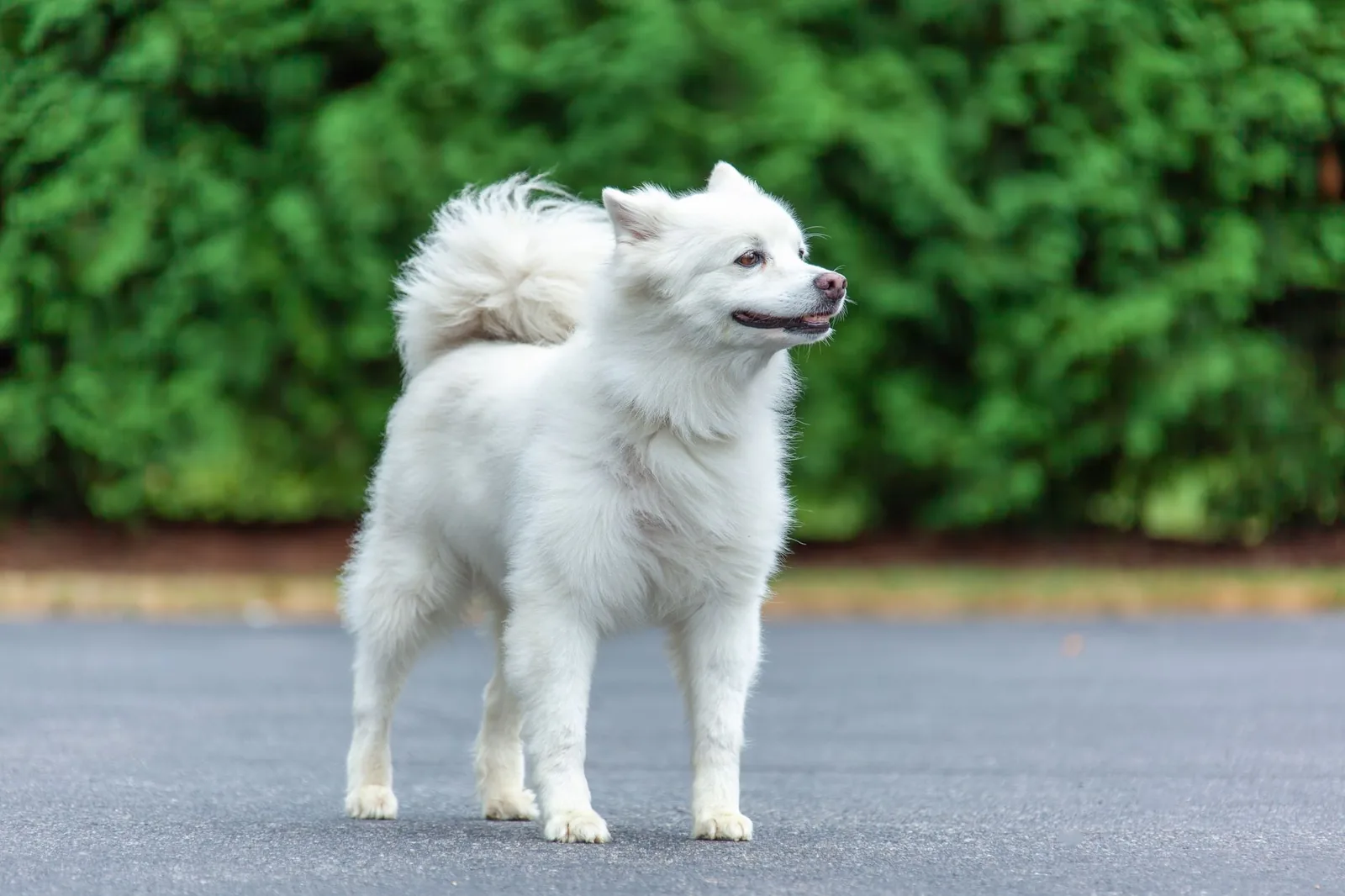
Coats at intake
Dogs arriving at rescue frequently have heavily stained coats, and it is almost never neglect of washing. It is untreated skin disease, dental disease driving saliva staining, or both.
The veterinary care every rescue Westie receives addresses the cause before the appearance, which is why dogs often look dramatically different a few months after intake. Our success stories show a number of them.