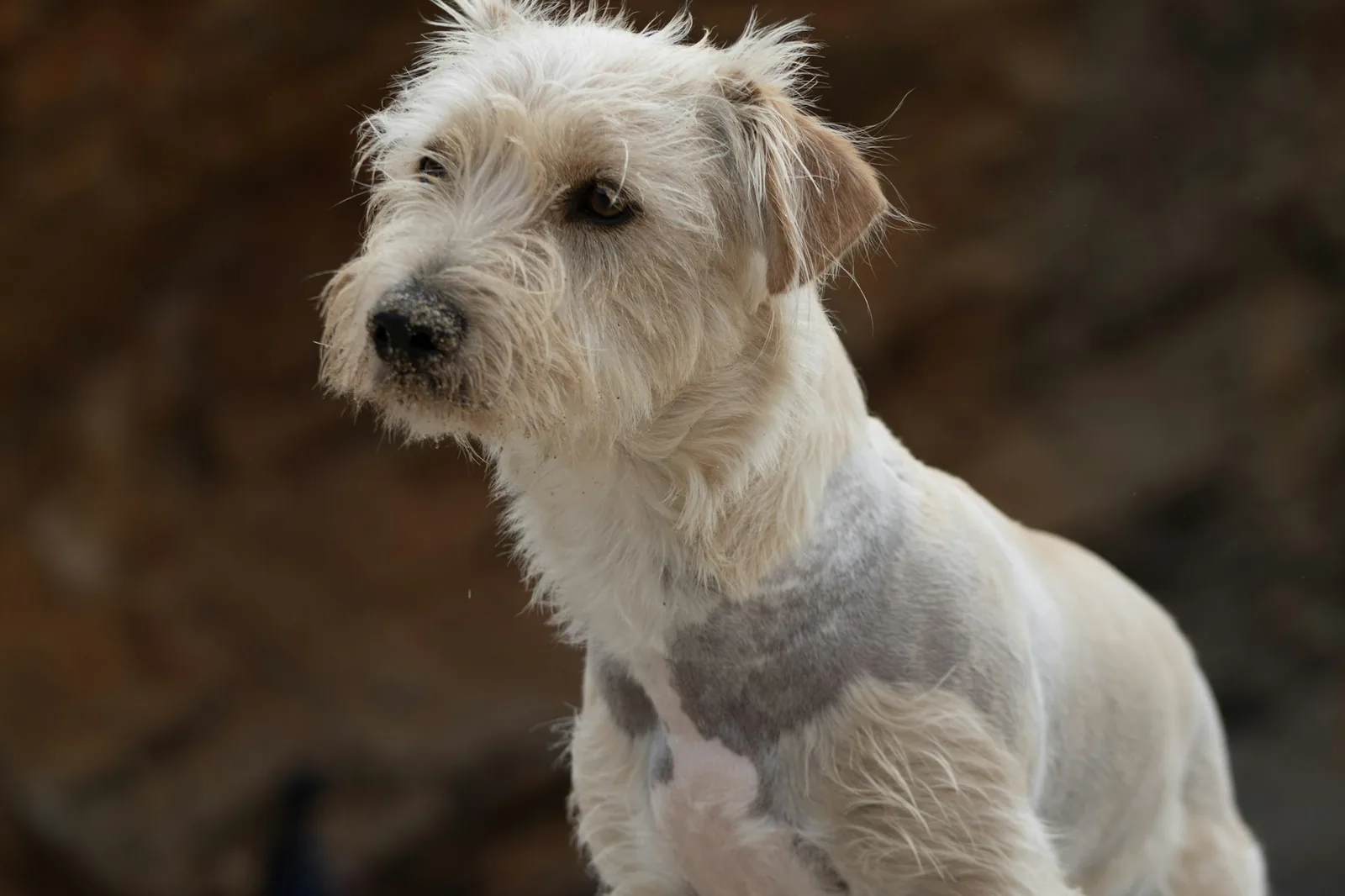
Grooming is the running cost that surprises new Westie owners, and the decision most of them make without realizing it is permanent.
Choosing between hand-stripping and clipping changes the coat itself, not just how the dog looks this month. Here is what each does, what it costs, and how the choice interacts with the breed’s skin.
The short version
- The Westie coat is a harsh outer layer over a soft undercoat — two textures with two different jobs.
- Hand-stripping preserves the harsh texture. Clipping removes it permanently.
- Most pet Westies are clipped, and that is a perfectly reasonable choice.
- For a dog with skin disease, the grooming decision should be made with your vet.
How the double coat actually works
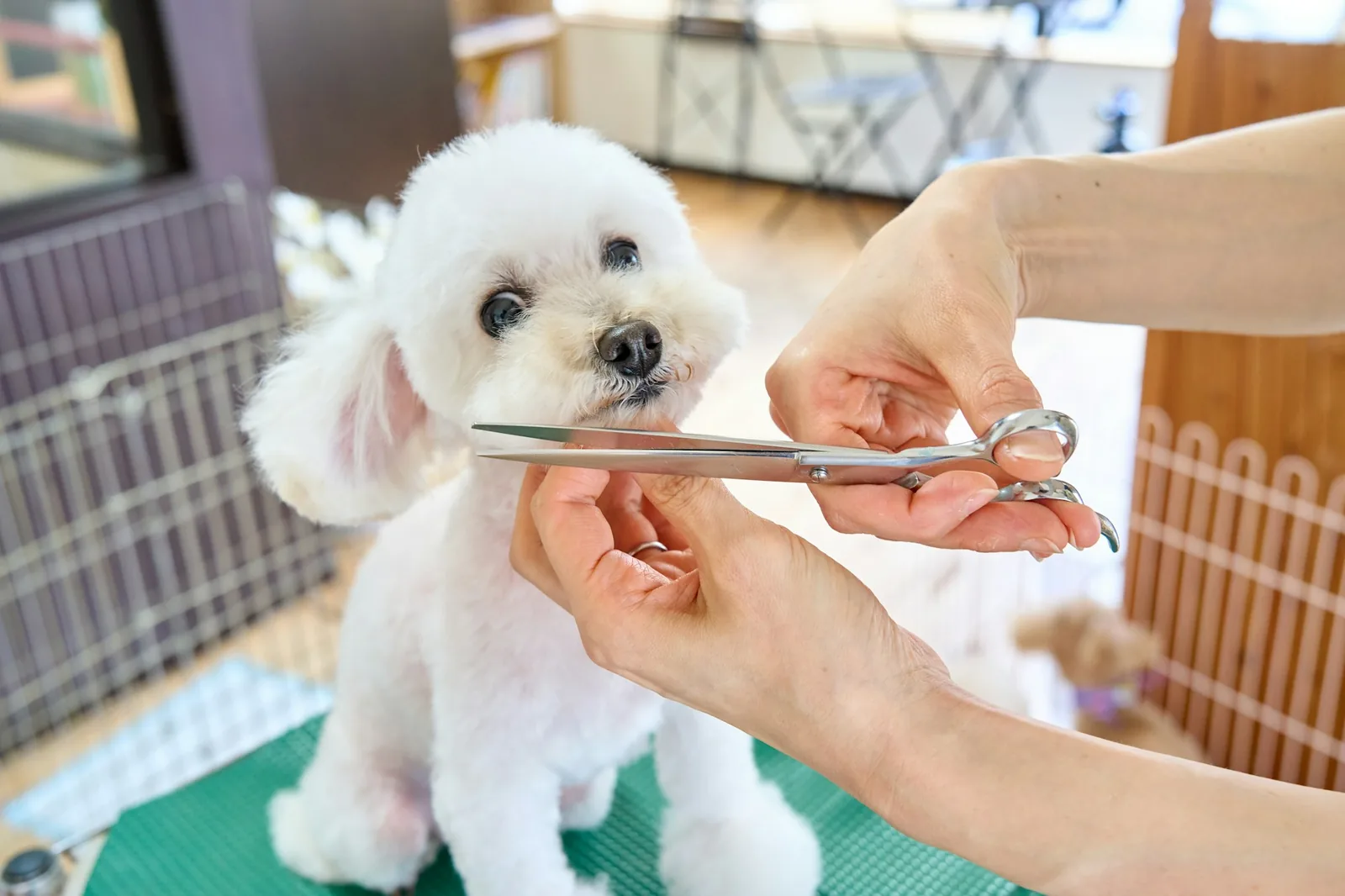
A correct Westie coat has a harsh, wiry outer layer roughly two inches long over a short, dense, soft undercoat.
The outer coat repels water and dirt and carries the bright white color. The undercoat insulates. The harsh texture is what keeps mud sitting on the surface rather than working down to the skin.
That matters for a breed prone to skin disease. A coat that has gone soft holds moisture and debris against skin that is already vulnerable.
Hand-stripping vs clipping
| Hand-stripping | Clipping | |
|---|---|---|
| What happens | Dead outer hairs pulled out at the root | Hair cut, root left in place |
| Effect on texture | Harsh texture maintained | Coat softens permanently over time |
| Effect on color | Stays bright white | Can dull towards cream or yellow |
| Session length | 2–4 hours | Under an hour |
| Typical cost | $90–$180 | $55–$95 |
| Frequency | Every 8–12 weeks, plus rolling | Every 6–8 weeks |
| Groomer availability | Limited — a specialist skill | Widely available |
| Comfort for the dog | Fine if done properly and gradually | Generally very easy |
| Best for | Show dogs, healthy skin, owners who want correct coat | Most pet dogs, older dogs, dogs with skin conditions |
The American Kennel Club’s West Highland White Terrier breed profile and coat standard describes what a correct coat should look and feel like, which is a useful reference when talking to a groomer.
Which should you choose?
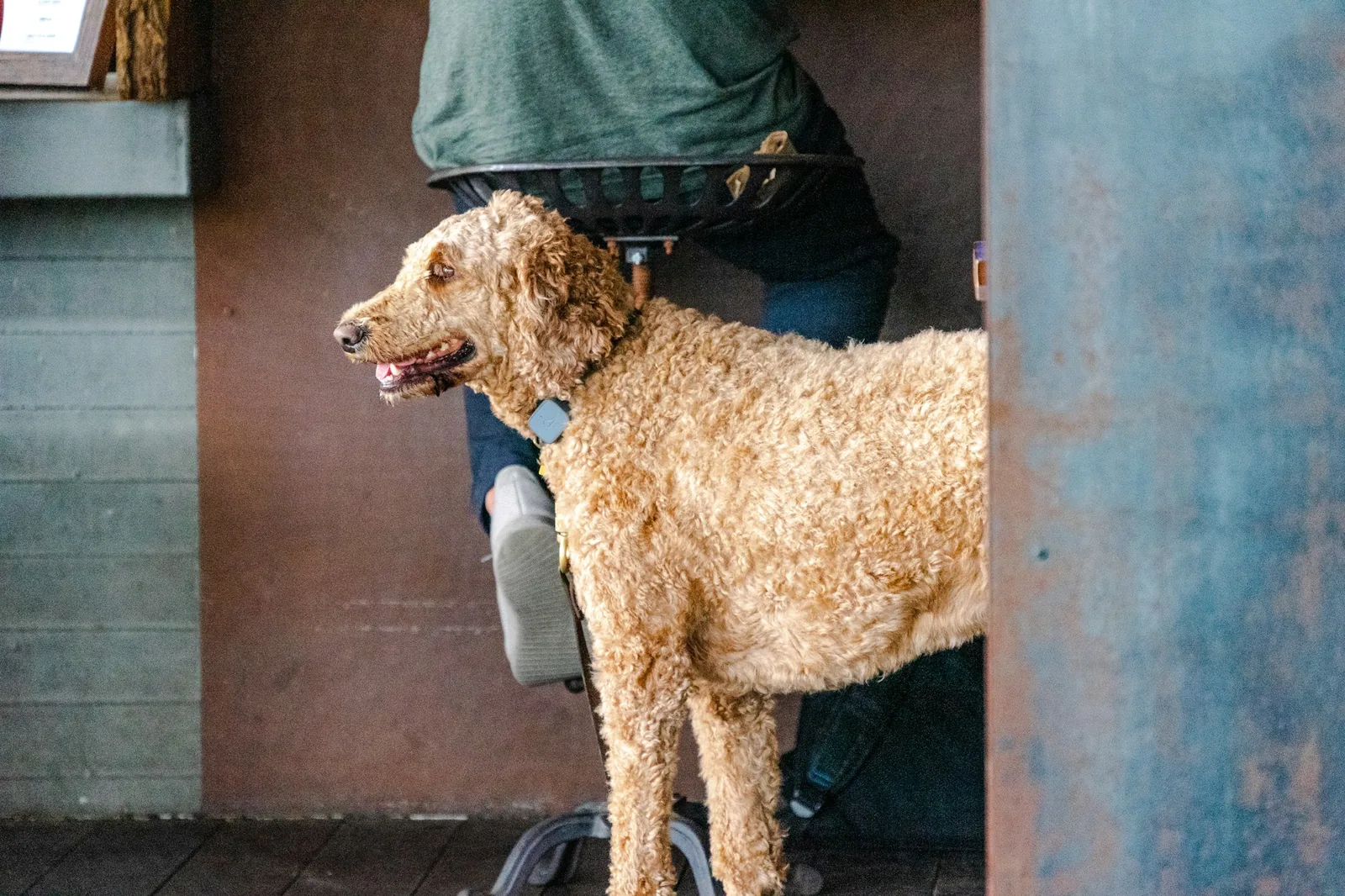
There is no universally right answer, but the decision is usually straightforward once you match it to the dog.
- Choose hand-stripping if the dog has healthy skin, you want the correct texture and color, and you can find a groomer who genuinely knows how.
- Choose clipping if the dog is elderly, has atopic dermatitis, dislikes long sessions, or if stripping is simply not available near you.
- Ask your vet first if the dog has any diagnosed skin condition. Coat length affects both medicated bathing and how quickly you spot a flare-up.
Skin comes first, appearance second. our guide to why Westies itch and what helps explains how coat management fits into treating allergic skin disease.

A realistic home routine
Professional grooming handles the coat. Everything between visits is on you, and it is where most matting problems are prevented.
| Task | How often | Why it matters |
|---|---|---|
| Brush through with a slicker | 2–3 times a week | Prevents matting behind ears, in armpits and on the belly |
| Comb through to the skin | Weekly | A slicker alone misses the mats that actually form |
| Check and clean ears | Weekly | Recurrent ear infection is common and usually allergy-driven |
| Trim nails | Every 3–4 weeks | Overlong nails change gait and stress the joints |
| Wipe feet and belly after walks | Daily in pollen season | Removes allergens before the skin absorbs them |
| Brush teeth | Daily if possible | Dental disease is the most common condition we treat at intake |
| Bath | Every 4–6 weeks, or as directed | More often, with medicated shampoo, if skin disease is being managed |
The mats that catch everyone out
Matting almost never starts where people brush. It starts in the places a quick once-over misses.
- Behind and under the ears, where the coat is finest.
- The armpits and groin, where movement and a harness create friction.
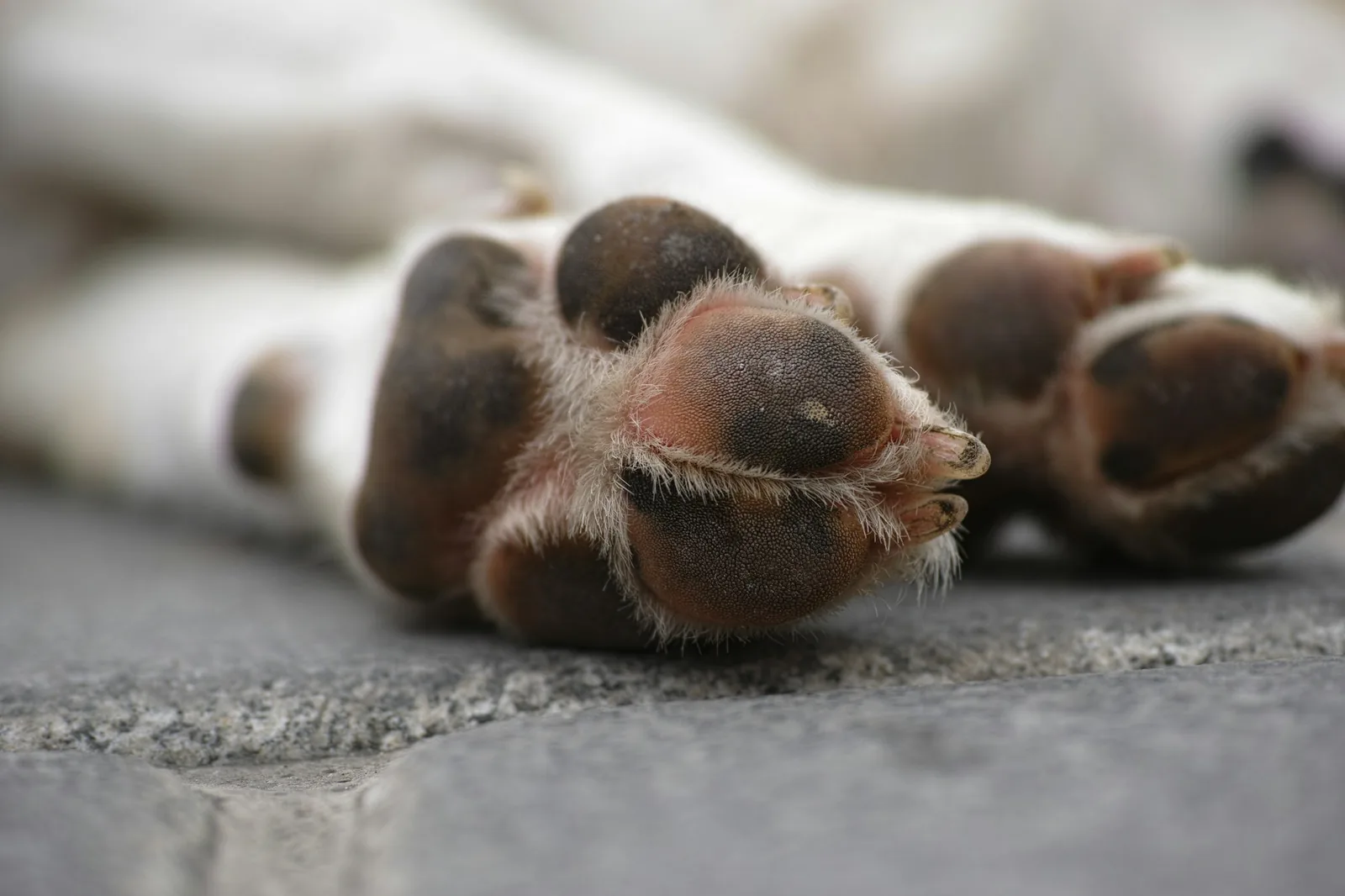
- Between the toes, especially on a dog that licks its feet.
- The tail base, which is also where flea allergy shows first.
A mat is not just untidy. It pulls the skin, traps moisture and yeast, and hides what is happening underneath until it is painful.

What grooming costs over a year
| Approach | Per session | Sessions a year | Annual total |
|---|---|---|---|
| Clipping at a salon | $55–$95 | 7–9 | $400–$800 |
| Hand-stripping | $90–$180 | 4–6 | $400–$1,000 |
| Grooming at home | Tools: $80–$200 once | Ongoing | $80–$250 |
| De-matting after neglect | $100–$250 | As needed | Avoidable entirely |
These figures sit alongside the other running costs set out in our honest guide to what owning a Westie involves.

Frequently asked questions
Should a Westie be hand-stripped or clipped?
Hand-stripping keeps the correct harsh coat and bright color; clipping is faster, cheaper and far more widely available. Most pet Westies are clipped, which is fine unless you want a show coat.
How often does a Westie need grooming?
Professionally every six to ten weeks depending on method, plus brushing two or three times a week at home.
Does clipping ruin a Westie’s coat?
It changes it. Repeated clipping softens the outer coat and can dull the white. That is a cosmetic issue for most owners, but it does reduce the coat’s natural dirt-shedding.
Why is my Westie’s coat turning yellow?
Common causes are repeated clipping, saliva staining from licking, and secondary yeast infection. If it comes with itching or a musty smell, see a vet rather than a groomer.
Can I groom my Westie myself?
Yes, with practice and the right tools. Most owners handle brushing, nails and ears at home and leave shaping to a professional.
Grooming and the dogs we take in
A surprising number of Westies arrive at rescue matted to the skin, because grooming was the first thing to lapse when an owner became unwell or overwhelmed.
Coat and dental work are usually the first two things we address. The veterinary care every rescue Westie receives sets out what is done before a dog is placed, and sponsoring a dog in our care helps fund it.
If grooming costs are part of why you are struggling to keep your dog, please talk to us through the surrender and rehoming page early rather than late.
To see how those dogs look once the coat and the skin are back under control, our Westie adoption success stories follows dogs after placement. Our guide to adopting a Westie in New England explains what happens if you would like to be one of those homes.