
Almost every article on dog vaccination is written about puppies. Adopted adults are a different situation, and usually a more common one.
The dog arrives with partial records, no records, or records naming a practice nobody can reach. Here is how that is actually handled.
The short version
- Core vaccines are recommended for every dog. Non-core depend on where and how it lives.
- Unknown history is treated as unvaccinated, which is safe rather than wasteful.
- Rabies requirements are set by state law, not by veterinary preference.
- Parasite prevention matters more than most owners assume in New England.

Core and non-core
| Vaccine | Type | Protects against | Typical adult interval |
|---|---|---|---|
| Rabies | Core, legally required | Rabies | 1 or 3 years, set by state law |
| Distemper | Core | Canine distemper virus | Usually every 3 years |
| Adenovirus | Core | Infectious hepatitis | Usually every 3 years |
| Parvovirus | Core | Parvo | Usually every 3 years |
| Parainfluenza | Often combined | Respiratory infection | With the core combination |
| Bordetella | Non-core | Kennel cough | Every 6–12 months if at risk |
| Leptospirosis | Non-core, often advised | Bacterial, from wildlife and water | Annually where risk exists |
| Lyme | Non-core, regionally important | Borrelia from ticks | Annually in tick-heavy areas |
Lyme and leptospirosis are worth discussing seriously in New England specifically, where tick burden and wildlife exposure are both high.
When the history is unknown
This is the normal situation for a rescue dog, and it is not a problem.
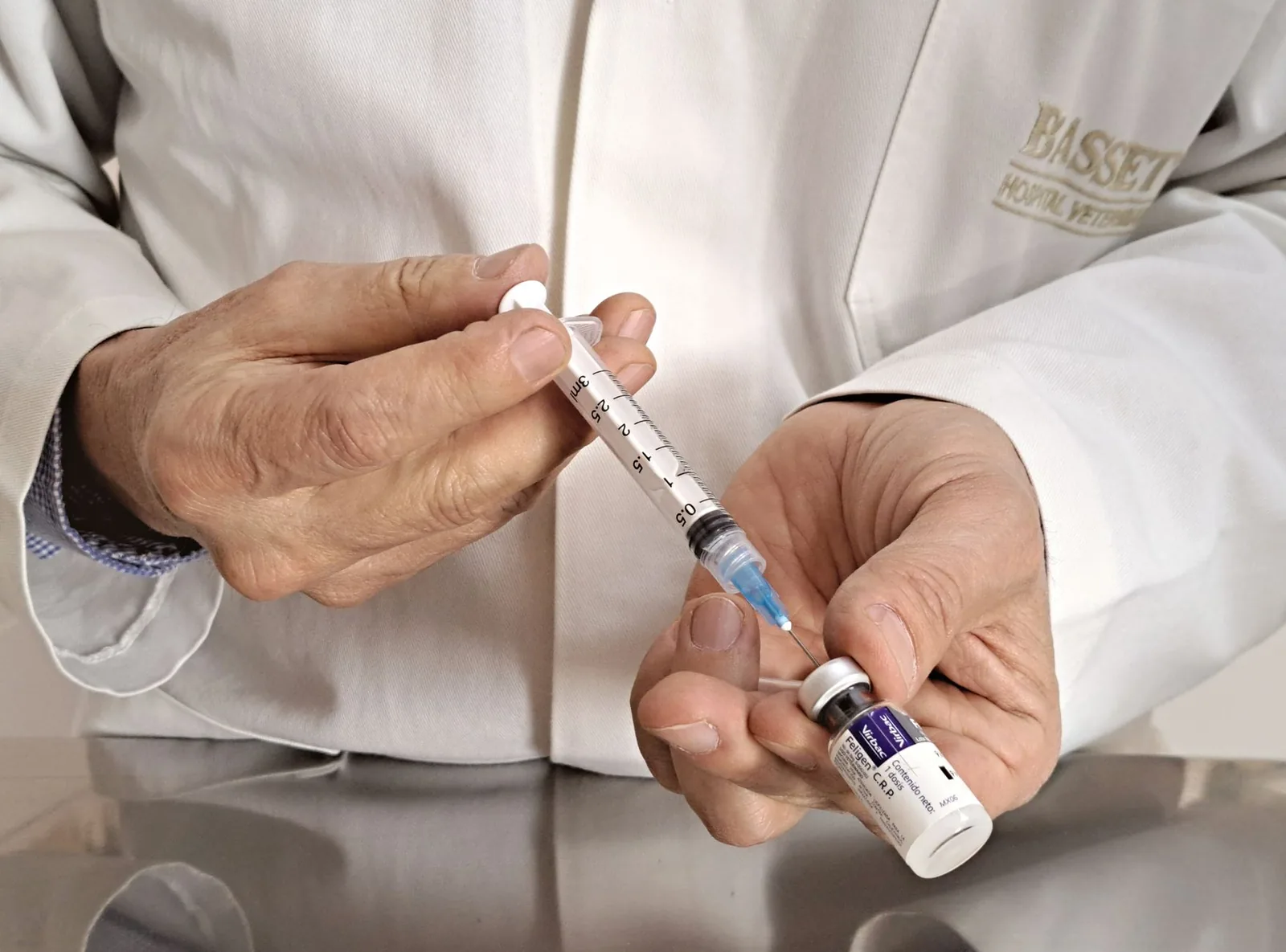
A dog with no verifiable record is treated as unvaccinated and given the adult series, usually two core doses a few weeks apart plus rabies. Vaccinating a dog that turns out to have been covered already does no harm.
Titer testing, which measures existing antibodies, is an alternative in some circumstances. It costs more than revaccinating and does not satisfy rabies law, so it is usually reserved for dogs where vaccination carries specific risk.
Every dog we place has this addressed before adoption — the veterinary care every rescue Westie receives sets out what is completed at intake.
A realistic yearly schedule
| Age | Veterinary visits | What is usually done |
|---|---|---|
| Adult, 1–7 | Annual | Exam, weight, dental check, due vaccines, parasite plan |
| Adult, 7+ | Annual, moving to twice yearly | Add baseline bloodwork and urinalysis |
| Senior, 8–12 | Twice yearly | Bloodwork annually, blood pressure, pain scoring |
| Geriatric, 12+ | Twice yearly | Quality of life review alongside the physical |
| Any age, chronic condition | As directed | Monitoring bloods for long-term medication |
What those visits are looking for in an older dog is covered in our guide to caring for a Westie after ten.
Parasite prevention
- Fleas — year-round in heated homes, and a flare trigger for a dog with allergic skin disease.
- Ticks — active whenever it is above freezing, which in New England is most of the year.
- Heartworm — mosquito-borne, preventable monthly, expensive and dangerous to treat once established.
- Intestinal worms — routine deworming, more often for dogs with yard or park access.
- Check for ticks daily in season. A thick white coat hides them well, so go by feel around the ears, neck and armpits.
The flea point is not incidental for this breed. A single flea can trigger weeks of itching in a dog with atopic dermatitis — our guide to why Westies itch covers why parasite control is the first step in any skin work-up.

Reactions and how common they are
Mild soreness, tiredness or a slightly reduced appetite for a day is ordinary and not a cause for concern.
Serious reactions are rare but worth recognizing: facial swelling, hives, vomiting, collapse or difficulty breathing within hours of a vaccine need immediate veterinary attention.
If a dog has reacted before, say so. Vaccines can be split across visits, pre-medicated, or in some cases omitted on veterinary advice.
The Merck Veterinary Manual publishes an owner-facing reference on canine vaccination and preventive care, which is a reliable place to read the detail behind any recommendation.
What to ask at the first appointment
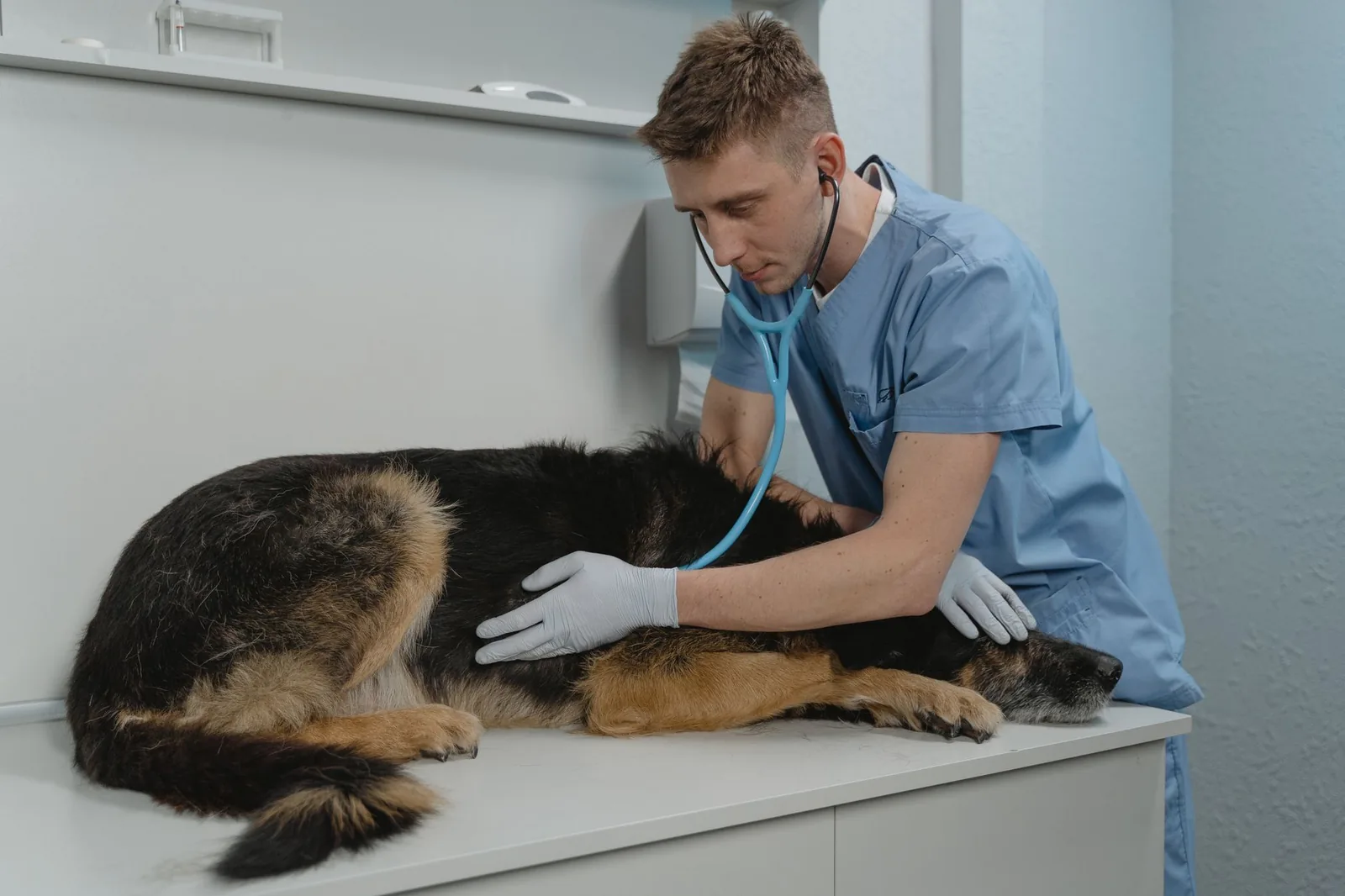
- Which non-core vaccines make sense here, given local tick and wildlife risk?
- What parasite prevention do you recommend, and year-round or seasonal?
- Is this dog due for dental assessment, given what you can see today?
- What baseline bloodwork is worth doing now, so future changes mean something?
- What would you want me to call about rather than wait and see?
Take the rescue’s records with you, even if incomplete. And if you have not chosen a practice yet, our guide to choosing a vet for a rescue dog covers what to look for.

Frequently asked questions
What vaccines does an adopted adult dog need?
The core set — rabies, distemper, adenovirus and parvovirus — plus any non-core vaccines your vet advises for local risk, commonly leptospirosis and Lyme in New England.
What if my rescue dog has no vaccination records?
It is treated as unvaccinated and given the adult series, usually two core doses a few weeks apart plus rabies. Vaccinating a dog that was already covered causes no harm.
How often do adult dogs need vaccinating?
Core vaccines are commonly every three years for adults, and rabies on the interval set by state law. Non-core vaccines such as Bordetella and Lyme are usually annual where risk justifies them.
Is titer testing worth it?
Sometimes, for dogs where vaccination carries specific risk. It costs more than simply revaccinating and does not satisfy rabies law, so it is not a routine substitute.
Do indoor dogs need vaccines and parasite prevention?
Yes. Rabies is legally required regardless, fleas thrive in heated homes year-round, and mosquitoes carrying heartworm get indoors. Risk is lower, not absent.

What arrives with the dog
Every Westie we place comes with its full veterinary record, whatever we were able to establish plus everything done in our care.
Where history is genuinely unknown, we say so rather than guessing. The Westies currently available for adoption list what has been completed, and our adoption fees page explains which of it the fee contributes towards.