
Nobody reads this until they need it. If you are here now, the situation has probably already changed.
This sets out what hospice care involves and how to assess quality of life without relying on the moment. Written plainly, because vagueness does not help here.
The short version
- Hospice care means treating comfort as the goal once a cure is no longer the goal.
- Score quality of life on paper, weekly. Memory adjusts to decline; a record does not.
- Planning the day in advance removes an enormous amount of avoidable distress.
- Grief for a dog is real grief, and support exists for it.
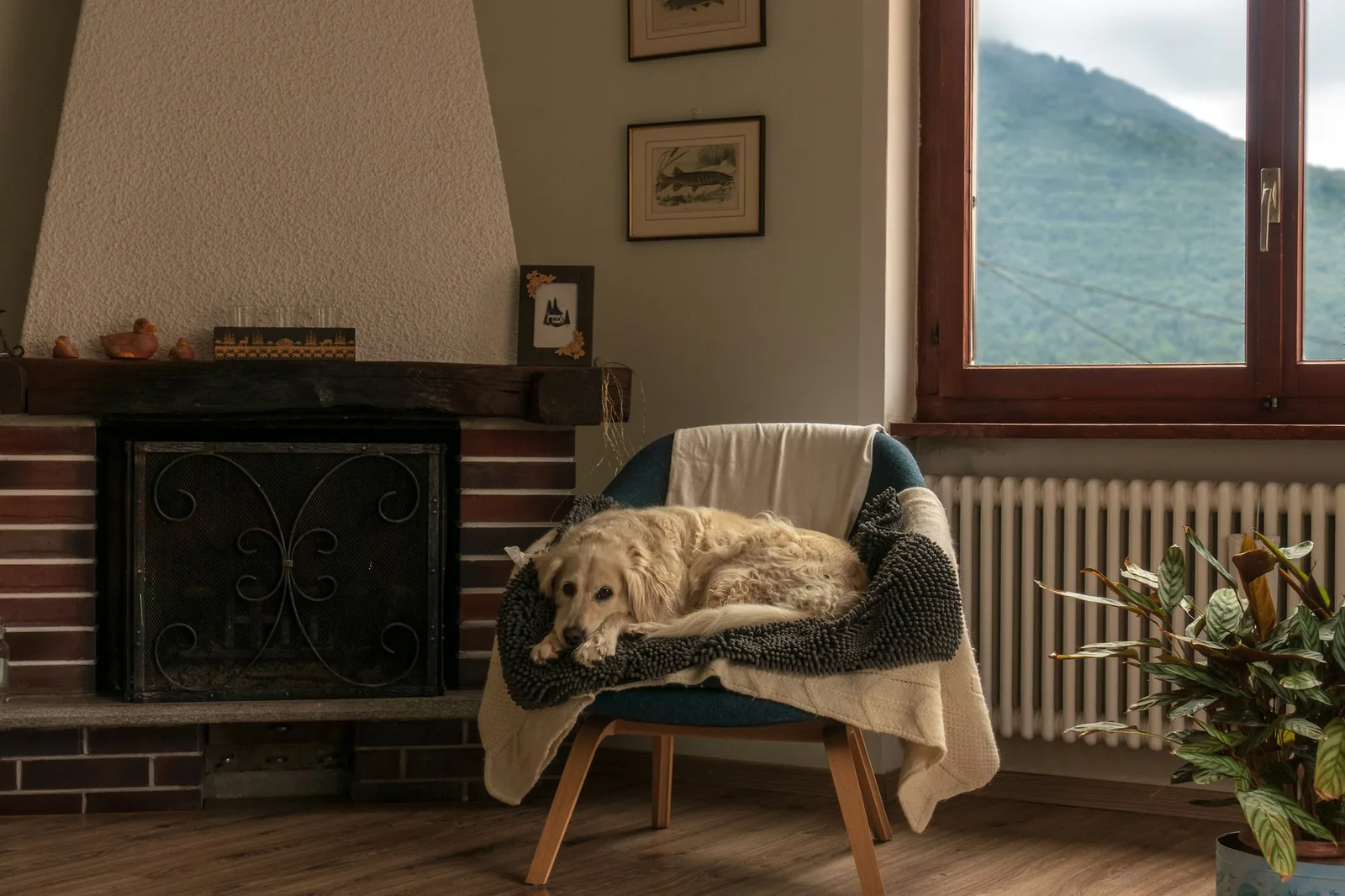
What hospice care actually means
It is not giving up, and it is not doing nothing. It is a deliberate change of goal — from extending life to protecting the quality of it.
| Curative care | Hospice care | |
|---|---|---|
| Goal | Treat or reverse the disease | Comfort and dignity |
| Typical measures | Surgery, chemotherapy, aggressive intervention | Pain control, appetite support, mobility aids, nursing |
| Diagnostics | Extensive, to guide treatment | Only where they change comfort |
| Vet visits | Frequent and clinical | Fewer; home visits where possible |
| Success measured by | Test results and survival time | Good days versus bad days |
| Duration | Until the disease is resolved or is not | Days to many months, depending on the condition |
Many older Westies live comfortably in this phase for months. What changes in a Westie after ten covers the stage before this one.
The practical side of comfort
- Pain control is the foundation. Ask for a plan rather than a prescription, and ask what to do when it stops being enough.
- Grip and warmth. Non-slip runners, an orthopedic bed, a coat. Older dogs in decline lose the ability to regulate temperature.
- Bring resources to the dog. Water, food and bedding on one level, close together.
- Accept appetite changes. Warm the food, hand feed, allow things you would not normally allow. Calories now matter more than diet purity.
- Manage continence without shame. Washable bedding, belly bands, more frequent trips out. The dog is not being disobedient.
- Protect sleep. Restless nights are often pain or cognitive change and are usually treatable.

Assessing quality of life honestly
Decline is gradual, and people adjust to it without noticing. A written score, kept weekly, is the single most useful tool available.
| What to score | Ask yourself | Concerning when |
|---|---|---|
| Pain | Is it controlled on the current plan? | Breakthrough pain between doses |
| Appetite | Is the dog eating enough to hold weight? | Refusing favorite food |
| Hydration | Drinking normally, or needing fluids? | Persistent dehydration |
| Hygiene | Can the dog stay clean and dry? | Soiling itself and unable to move away |
| Mobility | Can it get up, get out, get to water? | Falling, or unable to rise unaided |
| Interest | Does it still greet you, or want company? | Withdrawn from everything |
| Good days | Do good days outnumber bad? | The ratio has reversed |
One further test many people find clarifying: name three things your dog genuinely enjoys while it can still do them. When it can no longer do any of the three, you have an answer that does not depend on how you feel today.
Planning ahead
The hardest version of this decision is the one made at two in the morning in a crisis. Almost all of that can be avoided.
- Ask your vet what to expect. Specifically: what will the end stage of this condition look like, and what should trigger a call?
- Find out about home euthanasia now, not later. Many areas have vets who will come to you, and they book up.
- Decide about aftercare in advance — individual or communal cremation, burial where legal, what you want returned.
- Agree it within the household, so nobody is making the decision alone or relitigating it in the moment.
- Write down your threshold. The line you set while calm is usually wiser than the one you would draw in distress.

Afterwards
Grief for a dog is frequently underestimated, including by the people feeling it. Fifteen years of daily routine ends at once, and the house is arranged around an absence.
It is common to feel it more sharply than expected, and to feel guilty about the timing in both directions. Almost everyone does.
The Association for Pet Loss and Bereavement offers pet loss support groups and grief resources, including moderated chat support, if talking to someone would help.
Our own Rainbow Bridge page remembers the dogs who came through this rescue.


Hospice dogs in rescue
Some dogs arrive with us knowing they will not be adopted. An owner has died, or a diagnosis has made care impossible, and what the dog needs is somewhere to finish comfortably.
Our long-term care and hospice program exists for exactly those dogs. They stay in foster homes, their treatment is funded, and they are not passed on again.
It is the most expensive thing we do and the least visible. Sponsoring a dog in long-term care is what pays for it.
Frequently asked questions
What does hospice care for a dog involve?
Shifting the goal from curing a condition to keeping the dog comfortable: pain control, mobility and hygiene support, appetite management, and fewer clinical interventions. It can last days or many months.
How do I know when it is time?
Score quality of life weekly on paper rather than judging in the moment. When pain is no longer controlled, when the dog can no longer stay clean or rise unaided, or when bad days outnumber good ones, discuss it with your vet.
Should I be present at the end?
That is entirely your choice and there is no wrong answer. Many people find it helps both them and the dog; others cannot, and that is not a failure of love.
Can euthanasia be done at home?
In most areas, yes. Home visits let the dog stay somewhere familiar and avoid a final car journey. Ask your vet early, because availability is limited.
Should my other dogs see the body?
It is generally advised. Dogs allowed to see and smell a companion after death tend to show less searching behavior, though they may still be subdued for some weeks.
If you need help now
If cost is what is standing between your dog and adequate pain control, say so to your vet before you decide anything. Payment plans and charitable funds exist and are underused.
If you can no longer provide the care your dog needs, please talk to us through the surrender and rehoming page rather than waiting. And if you are considering giving a home to a dog in this position, the Westies currently in our care will say plainly which ones they are.