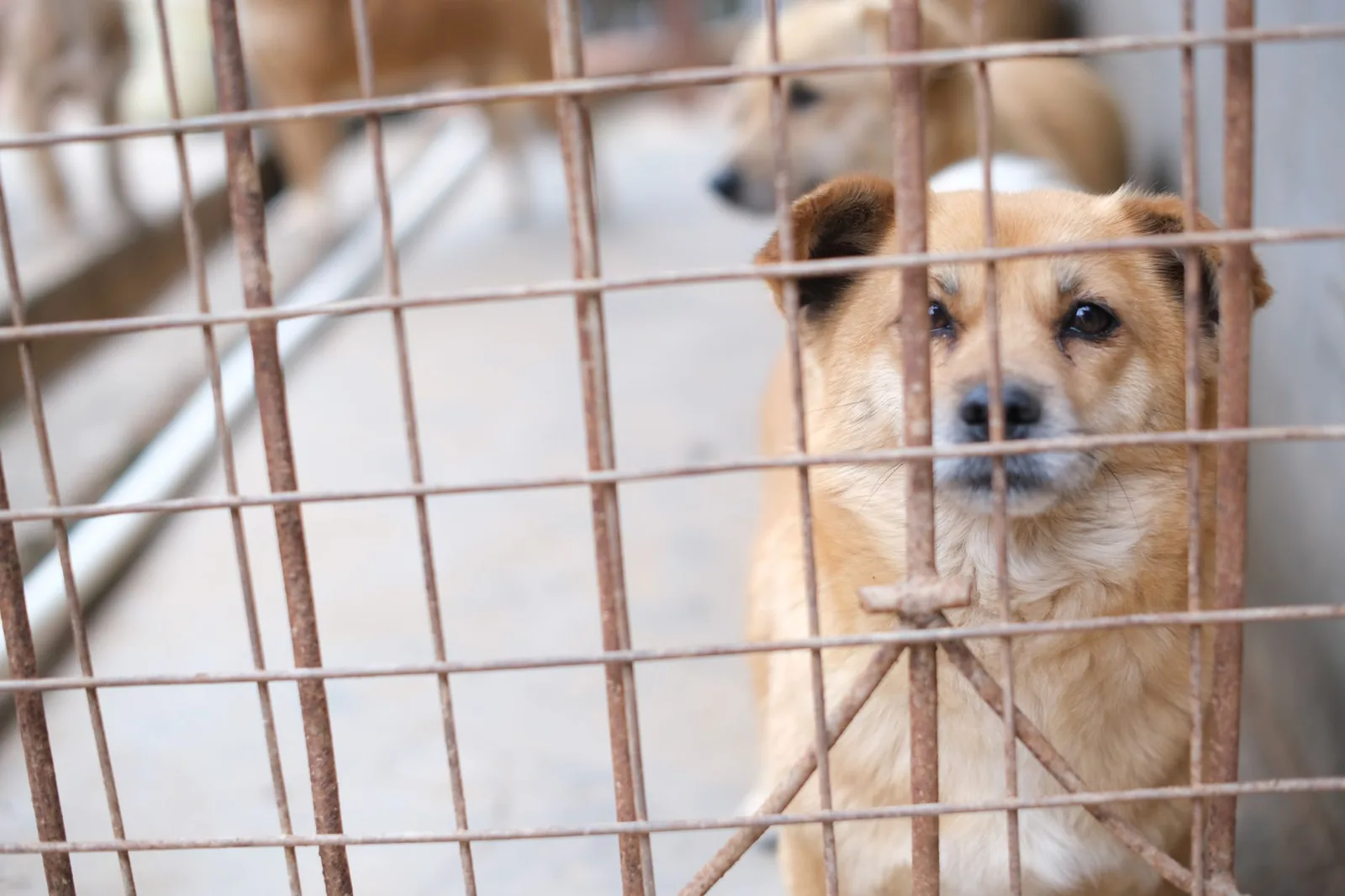
Buyers are given a short set of reassurances: USDA licensed, health guarantee, family-raised, vet checked. Each sounds meaningful and none of them is.
Understanding how the industry is actually structured is what makes that clear, and it explains why so many of these dogs reach breed rescue as adults.
The short version
- A USDA license permits large-scale commercial breeding. It is not a quality standard.
- A broker layer sits between breeder and seller, which is why origins get obscured.
- Federal minimum standards are lower than most buyers assume.
- The dogs that reach rescue from this system are usually the breeding stock, not puppies.
What the licenses actually are
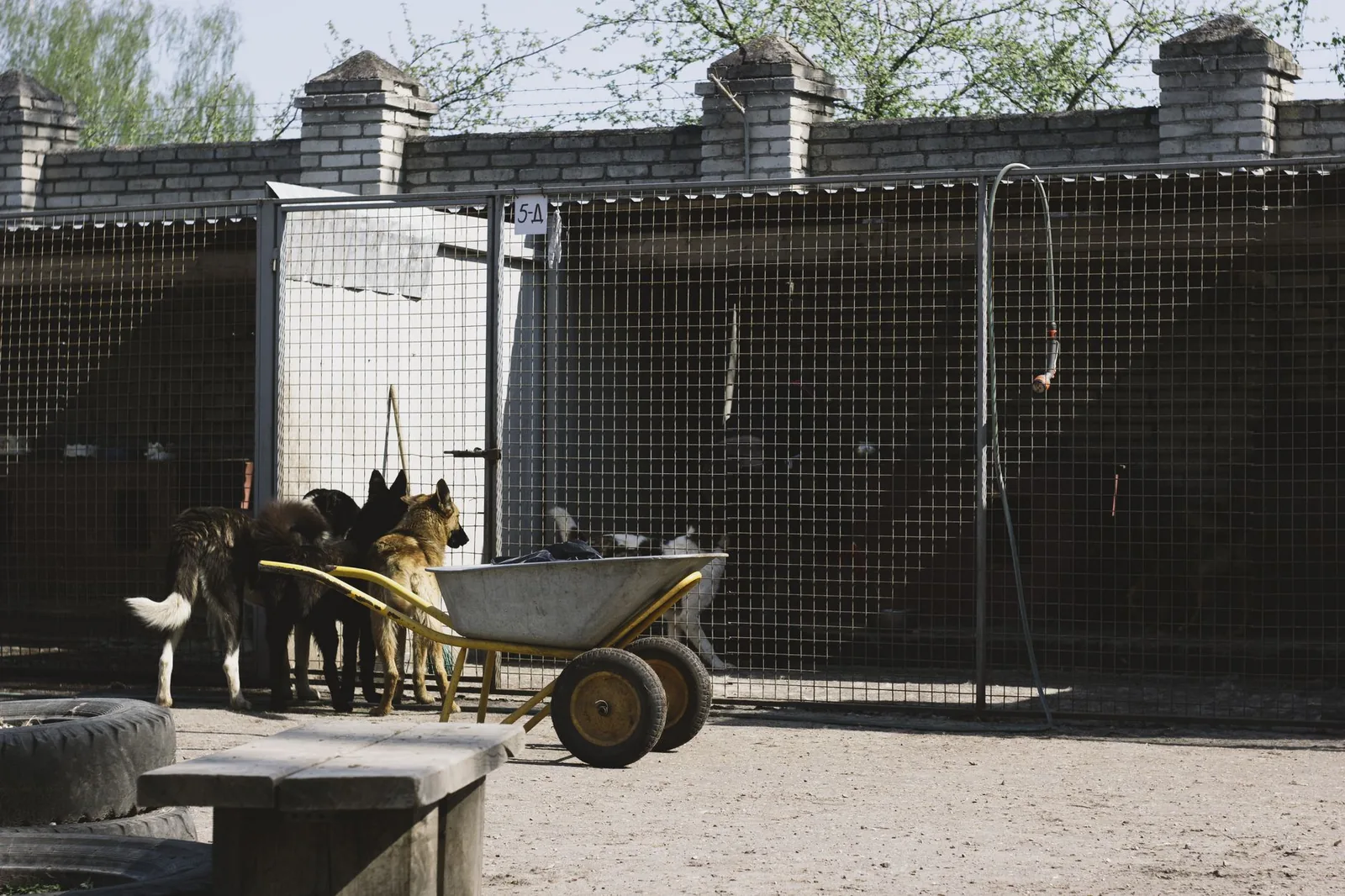
The Animal Welfare Act requires wholesale breeders and dealers to be licensed and inspected. There are three relevant classes.
| License | What it permits | What buyers assume it means |
|---|---|---|
| Class A | Breeding and selling animals the licensee bred | That the facility met a quality standard |
| Class B | Buying and reselling animals bred by others | Usually not known to buyers at all |
| Class T | Commercial transport of animals | Not known to buyers |
The distinction that matters most is Class B. A broker buys puppies from multiple breeders and resells them, which means the seller a buyer deals with frequently has never seen where the puppy was born.
The Michigan State Animal Legal and Historical Center maintains detailed legal analysis of commercial breeding regulation in the US, which sets out the framework and its gaps in full.
The chain
A puppy typically passes through more hands than the buyer realizes.
- Breeder produces litters at scale, often with many breeding females on site.
- Broker buys from multiple breeders, consolidates, and resells.
- Transporter moves puppies across state lines, sometimes long distances.
- Seller — a pet store, a website, or an individual presenting as a small home breeder.
- Buyer receives a puppy whose actual origin is several steps back and frequently not disclosed.
Each transfer adds distance between the buyer and the conditions the dog came from, and each is a point at which the story can be reshaped.
Why the standards are lower than people expect
| Buyers assume | The federal minimum permits |
|---|---|
| Room to move and exercise | Enclosures only modestly larger than the dog itself |
| Regular exercise outdoors | No requirement for exercise for most dogs |
| Solid, comfortable flooring | Wire flooring, subject to conditions |
| Retirement after a few litters | No limit on breeding frequency across a lifetime |
| Frequent inspection | Inspection intervals stretched across a small national workforce |
| Socialization with people | No meaningful requirement |
The enforcement side compounds it: a small inspector workforce covers all facilities regulated under the Act, not only dog breeders, so inspection is infrequent by necessity.
Why this reaches breed rescue
Rescues rarely see the puppies. They see the breeding stock, several years later, when it stops producing.
Those dogs arrive having spent years in a run: no house training, no experience of stairs, carpet or a washing machine, and frequently no idea what a person kneeling down means.
Dental disease is near-universal, and skin and ear conditions are common. The behavioral picture takes far longer to resolve than the medical one — what adopting a retired breeding Westie really involves sets out the timeline honestly.
How the reassurances work
| Phrase | What it can mean |
|---|---|
| USDA licensed | Permitted to breed commercially at scale |
| Health guarantee | Often a replacement puppy rather than veterinary costs; read it |
| Family raised | Undefined and unregulated |
| Vet checked | A single examination, which says little about the parents |
| Home reared | Undefined |
| We do not ship — we deliver | A distinction without a difference |
| You can meet us halfway | You will not see where the dog was born |
The warning signs in checklist form are in our guide to what Westie rescues actually have, and the comparison with a genuinely responsible breeder is in adopting a Westie versus buying from a breeder.
What actually changes it
- See the mother with the litter, where they live. Not a car park, not a photograph.
- Ask which state the puppy was born in, and how it travelled.
- Ask what happens to the parents when they stop breeding.
- Refuse anything shipped sight-unseen, whatever it is called.
- Consider an adult instead. The demand for puppies is what sustains the model.
That last point is the only one that changes the industry rather than avoiding it. The dogs already produced still need homes — the Westies currently available for adoption include several who came out of this system.
Frequently asked questions
Does USDA licensed mean a breeder is good?
No. A USDA license permits commercial breeding at scale subject to minimum federal standards. It is permission to operate rather than a quality rating, and the minimum standards are lower than most buyers assume.
What is a puppy broker?
A licensed dealer who buys puppies from multiple breeders and resells them to stores or buyers. It means the seller you deal with has often never seen the facility the puppy was born in.
How can I tell where a puppy really came from?
Insist on seeing the mother with the litter in the place they live. If that is refused, redirected or replaced with a meeting point, treat the stated origin as unverified.
What happens to breeding dogs when they retire?
Some are surrendered to rescues, some are sold on, and some are euthanized. The ones that reach breed rescue are typically four to eight years old with untreated dental disease and no experience of living in a house.
Is buying from a pet store the same as a puppy mill?
Not automatically, but stores that sell puppies are generally supplied through the commercial breeder and broker chain rather than by local hobby breeders. Ask where the puppy was born and how it arrived.
What we see
We do not campaign on this, and we place no judgment on people who bought a dog in good faith from a seller who told them what they wanted to hear.
We do see the other end of it regularly, and those dogs recover. Our success stories include a number of them, and fostering is what makes taking them possible.